

ProductPRODUCT
Featured products
Contact Us
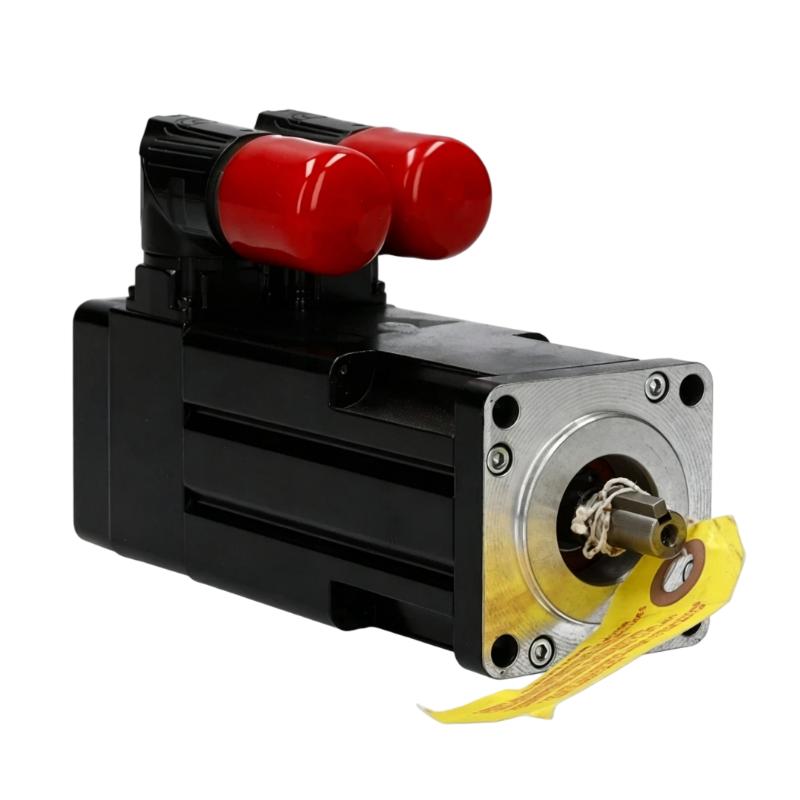
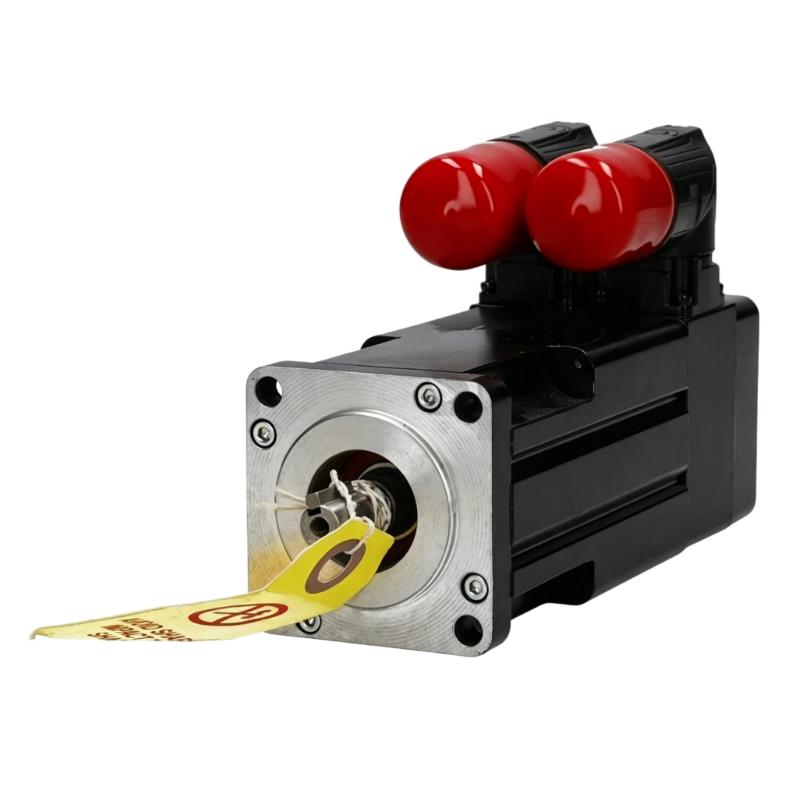
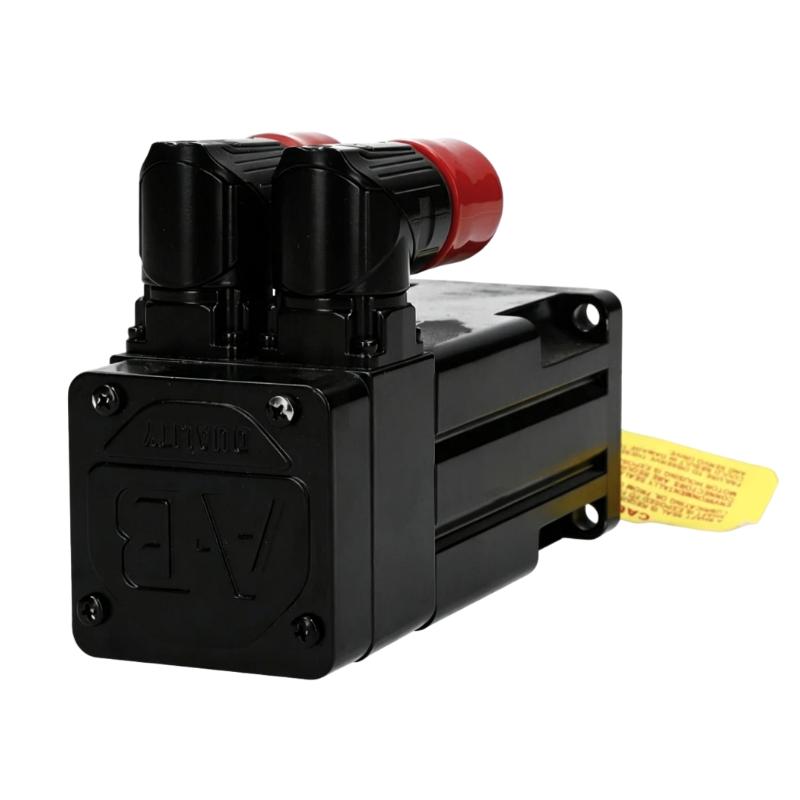
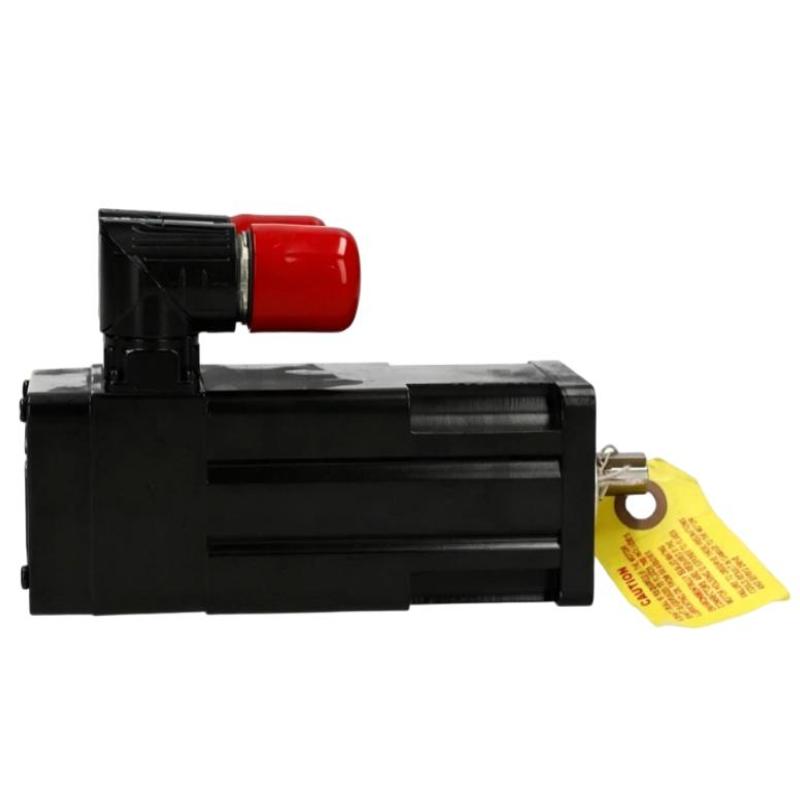
- Allen Bradley
- MPL-B1530U-HJ72AA
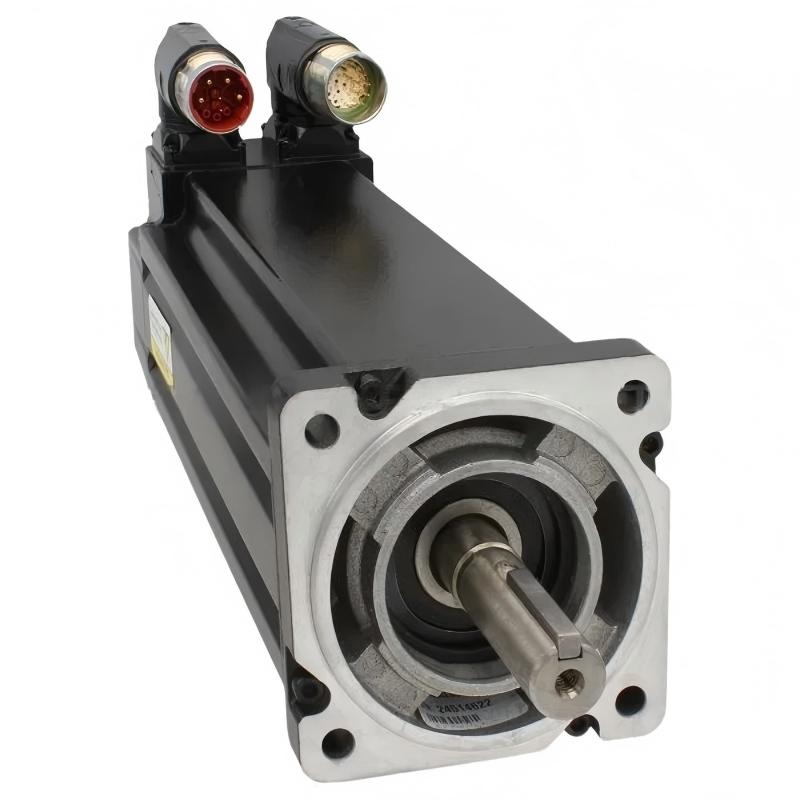
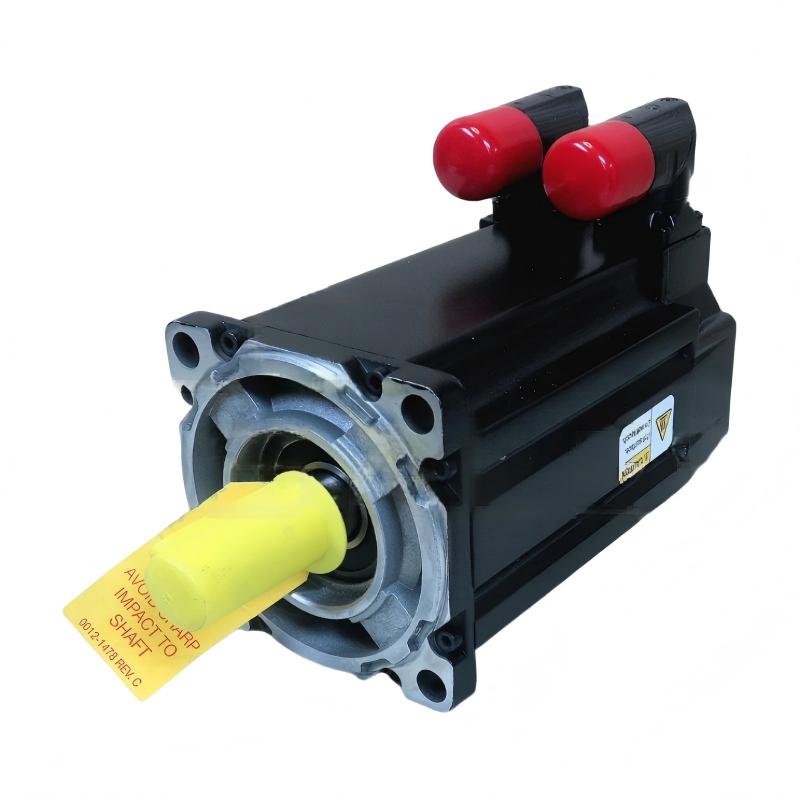
- Rotary Servo Motor
- USA
- 63 mm
- 1.6 kg
- Xiamen, China
- New & In Stock
- T/T, PayPal, Western Union
- 1 Year
- 1-3 Working Days
- DHL, UPS, TNT, FedEx and EMS.
- 24-Hour Service
- COO
- 6
Our advantage

Global Logistics
We have a 10-year logistics and express cooperation agreement, so our products can be shipped to any place in the world.

Brand new and original
Our products are imported in bulk from the place of origin. Because of the cooperative relationship, our products are all original and 100% new.

24-hour service
We provide 7*24 hours service to our customers. We will be there whenever you need us.

Price advantage
All our products are priced very favorably because we have our own warehouse and supply.
| Company Information | |||
| [email protected] | |||
| Mobile | +8615980777398 | ||
| +8615980777398 | |||
| 15980777398 |
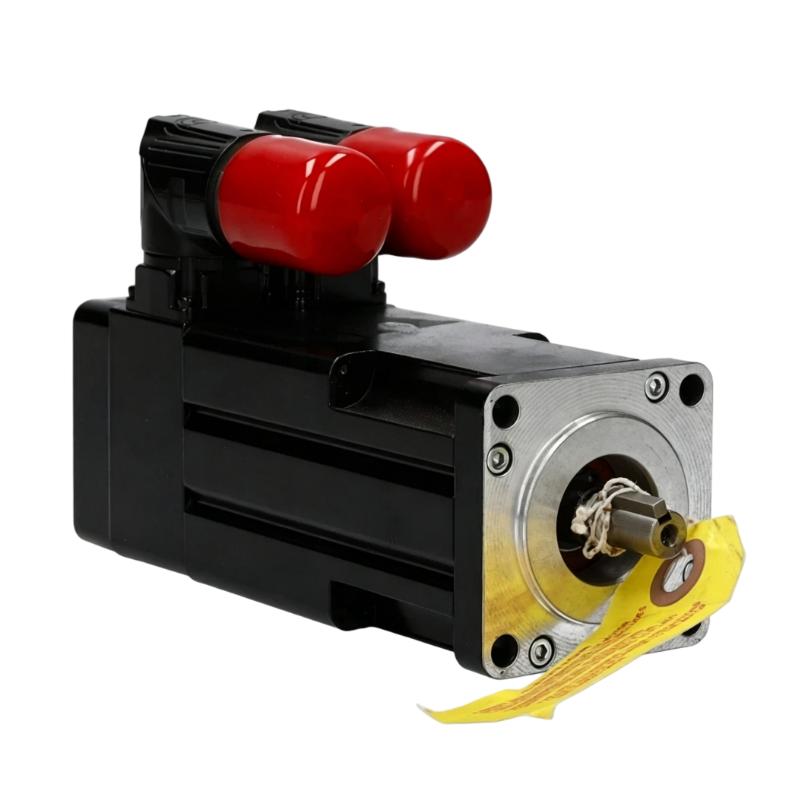
Product Overview
The Allen Bradley MPL-B1530U-HJ72AA is an MP-Series MPL 480V AC Rotary Servo Motor intended for motion-control applications that require coordinated motor operation with a compatible servo drive and feedback system. As part of the Allen-Bradley MP-Series platform, it serves as the electromechanical element that converts electrical commands from the servo system into controlled rotary motion.
In a typical Rockwell Automation motion system, the motor is connected to a servo drive, controller, feedback interface, and mechanical transmission. The controller determines the required motion profile, while the drive regulates motor operation based on the commanded position, speed, or torque and the available feedback information. The motor then delivers the resulting rotary motion to the machine mechanism.
This arrangement is common in applications such as indexing machinery, packaging equipment, material handling, machine tools, and automated production equipment. The motor can be integrated into systems where accurate acceleration, deceleration, positioning, and coordinated axis movement are required.
For maintenance teams, the motor should be considered as one part of the complete motion chain. Incorrect feedback wiring, drive configuration, mechanical loading, coupling alignment, or cable problems can produce symptoms that appear to be motor faults. Proper troubleshooting therefore starts with the complete servo axis rather than the motor alone.
Technical Specifications
| Parameter | Value |
|---|---|
| Product Model | MPL-B1530U-HJ72AA |
| Product Type | MP-Series MPL 480V AC Rotary Servo Motor |
| Product Family | Allen Bradley MP-Series |
| Motor Series | MPL |
| Motor Type | Rotary Servo Motor |
| Rated Voltage Class | 480V AC |
| Frame Size | 63 mm |
| Weight | 1.6 kg |
Product Features
- MP-Series motion platform — Belongs to the Allen-Bradley MP-Series family of servo motors used in integrated industrial motion systems.
- Rotary servo operation — Converts regulated electrical power from the servo drive into controlled rotary mechanical motion.
- Closed-loop motion capability — Works with a compatible feedback and drive arrangement to support controlled axis operation.
- Suitable for coordinated motion — Can be applied where motor speed, position, acceleration, and deceleration need to follow a programmed motion profile.
- Servo-drive integration — Operates as part of a complete axis rather than as a standalone motor.
- Industrial machine integration — Suitable for applications involving indexing, positioning, synchronized movement, and repetitive automated cycles.
- Compact motion-system architecture — The motor can be integrated into machine axes where the mechanical drive train, motor, feedback, and servo drive are treated as one system.
- Maintenance-oriented configuration — Motor identification, drive setup, feedback connections, cabling, and mechanical alignment can be checked systematically during service work.
Working Principle
The MPL-B1530U-HJ72AA operates as part of a closed-loop servo axis. The motor itself provides the mechanical movement, while the controller and servo drive determine how that movement should occur.
1. Motion command generation
The motion controller generates a command based on the machine sequence. Depending on the application, this may involve a target position, velocity, acceleration profile, or torque-related requirement.
2. Servo drive regulation
The compatible servo drive receives the motion command and regulates the electrical power delivered to the motor. Drive control continuously adjusts motor operation according to the required axis behavior.
3. Motor torque generation
The motor converts the electrical energy supplied by the drive into electromagnetic torque. This torque rotates the motor shaft and transfers mechanical power to the machine through the selected coupling, gearbox, belt, screw, or other transmission arrangement.
4. Feedback closes the control loop
The motor’s feedback system supplies position or motion information back to the servo control system. The controller and drive can compare the commanded motion with the feedback information and adjust motor operation accordingly.
5. Mechanical load movement
The motor shaft drives the connected machine mechanism. The resulting motion depends not only on the motor but also on the mechanical load, transmission ratio, inertia, friction, acceleration requirements, and machine configuration.
6. Continuous correction
During operation, the servo system continuously regulates the axis to follow the required motion profile. If the actual motion deviates from the commanded behavior, the control system can respond through drive regulation within the limits of the configured system.
Role in a Servo Motion Control Architecture
The MPL-B1530U-HJ72AA occupies the motor and electromechanical conversion layer of a servo axis. It works together with the motion controller, servo drive, feedback path, power connections, and mechanical transmission.
| Motion Layer | Main Function | Relationship to the Servo Motor |
|---|---|---|
| HMI / Machine Interface | Operator commands and machine status | Allows operators to initiate or monitor motion functions |
| Motion Controller | Position and motion coordination | Generates the required axis commands |
| Servo Drive | Electrical motor regulation | Controls the electrical power delivered to the motor |
| Feedback System | Position and motion information | Supplies feedback used for closed-loop control |
| Servo Motor | Electromechanical conversion | Converts electrical energy into rotary mechanical motion |
| Mechanical Transmission | Power transfer | Transfers motor torque to the machine mechanism |
| Machine Load | Production operation | Performs the actual positioning, indexing, feeding, or process movement |
The motor therefore should not be evaluated separately from its drive and feedback system. A servo axis that oscillates, fails to reach position, trips during acceleration, or produces unexpected motion can involve electrical, feedback, drive-parameter, or mechanical causes.
Industrial Applications
| Application | Motion Requirement | Typical Servo Function |
|---|---|---|
| Packaging Machinery | Precise indexing and synchronization | Drives indexing and product-handling mechanisms |
| Material Handling | Controlled positioning | Moves conveyors, transfer axes, and positioning mechanisms |
| Machine Tools | Coordinated axis movement | Drives machine positioning and motion axes |
| Printing Equipment | Speed and position synchronization | Maintains coordinated rotary motion between machine sections |
| Assembly Machinery | Repeatable positioning | Moves tooling, fixtures, and automated mechanisms |
| Pick-and-Place Systems | Rapid positioning | Drives automated linear or rotary mechanisms through suitable transmission systems |
| Converting Equipment | Synchronized machine motion | Controls rollers, feeders, and positioning mechanisms |
| Automated Production Lines | Coordinated axis control | Synchronizes motion with PLC and machine-sequence functions |
| Indexing Systems | Repetitive rotary positioning | Provides controlled rotation for indexing mechanisms |
Installation and Maintenance
- Verify motor identification — Confirm that the installed motor model matches the motion-system documentation and the intended servo-axis configuration.
- Check drive compatibility — Verify that the servo drive and motor combination is supported by the applicable Allen-Bradley motion architecture before commissioning.
- Review axis configuration — Confirm motor selection, feedback configuration, scaling, direction, and other axis parameters in the motion-control project.
- Inspect motor cabling — Check motor power and feedback connections for correct termination, connector engagement, cable condition, and routing.
- Protect feedback wiring — Keep feedback connections properly routed and protected from electrical interference and mechanical damage.
- Check mechanical mounting — Verify that the motor is securely mounted and that the mounting arrangement does not introduce unwanted mechanical movement.
- Inspect coupling alignment — Check shaft coupling, gearbox, belt, screw, or other transmission components for alignment and mechanical integrity.
- Check the machine load — Confirm that excessive friction, binding, unexpected inertia, or mechanical obstruction is not preventing the axis from following its commanded motion.
- Monitor drive diagnostics — Review servo-drive status and fault information when the axis fails to start, stops unexpectedly, or exhibits abnormal motion.
- Compare commanded and actual motion — Use the available motion diagnostics to compare the requested axis behavior with feedback information during commissioning or troubleshooting.
- Check for abnormal operating conditions — Investigate unusual noise, vibration, overheating, repeated drive trips, or inconsistent positioning rather than continuing operation without identifying the cause.
- Document replacement settings — Record motor identification, axis parameters, cable connections, mechanical orientation, and commissioning results after motor replacement or major service work.
Related Components
| Component | Role in the Servo System |
|---|---|
| Allen-Bradley Servo Drive | Regulates electrical power and motor operation |
| Allen-Bradley Motion Controller | Generates and coordinates motion commands |
| Motor Power Cable | Connects the servo drive to the motor power circuit |
| Feedback Cable | Carries motor feedback information to the control system |
| Servo Feedback Device | Supplies position or motion information for closed-loop control |
| Motor Coupling | Transfers rotary torque from the motor shaft to the machine |
| Gearbox | Adjusts torque and speed between motor and machine load where required |
| Linear Actuator / Ball Screw | Converts rotary motor movement into controlled linear motion |
| Machine Controller / PLC | Coordinates motion with sequencing and other machine functions |
| HMI | Provides operator-level motion commands, status, and diagnostics |
Recommended Related Models
| Model / Series | Product Type | Typical Relationship |
|---|---|---|
| Allen Bradley MP-Series MPL Motors | Rotary Servo Motors | Related motor family for industrial servo applications |
| Allen Bradley MP-Series MPM Motors | Stainless Steel Servo Motors | Related MP-Series motor family for selected machine environments |
| Allen Bradley MP-Series MPF Motors | Food-Grade Servo Motors | Related servo motor family for applications with specific machine hygiene requirements |
| Allen Bradley Kinetix Servo Drives | Servo Drives | Drive-side equipment used to control compatible servo motors |
| Allen Bradley Kinetix Motion Controllers | Motion Controllers | Controller-side hardware for coordinated servo motion |
| Allen Bradley MP-Series Feedback Cables | Servo Feedback Cables | Feedback connection between motor and motion-control system |
| Allen Bradley MP-Series Motor Power Cables | Servo Motor Power Cables | Power connection between compatible servo drives and motors |
Key Advantages
- Provides rotary motion as part of an integrated Allen-Bradley servo axis.
- Supports closed-loop operation when paired with the appropriate feedback and servo-drive system.
- Suitable for positioning, indexing, synchronization, and coordinated machine motion.
- Integrates with controller, drive, feedback, and mechanical transmission components as a complete motion system.
- Useful across packaging, material handling, assembly, machine tools, and automated production equipment.
- Allows systematic troubleshooting by separating controller, drive, feedback, motor, and mechanical-load issues.
- Fits applications where repeatable and controlled rotary machine movement is required.
Technical FAQs
What components are normally required to operate the MPL-B1530U-HJ72AA as a servo axis?
A complete axis normally includes a compatible motion controller, servo drive, motor power connection, feedback connection, and the mechanical transmission connecting the motor to the machine. The exact configuration depends on the selected Allen-Bradley motion architecture and application.
Why can a servo motor fault be caused by the mechanical system?
The servo drive regulates the motor while the motor is connected to a real mechanical load. Excessive friction, misalignment, mechanical binding, unexpected inertia, or a damaged transmission can cause excessive effort or motion errors and may result in drive faults even when the motor itself is functioning normally.
What should be checked when the motor rotates in the wrong direction?
Check the configured axis direction, motor and feedback configuration, mechanical installation, and motion-controller parameters. The motor should not be rewired or parameter changes made arbitrarily; the complete axis configuration should be verified against the applicable system documentation.
What is the purpose of feedback in this servo motor system?
Feedback provides the motion-control system with information about the motor’s actual operating state. The servo drive and controller use this information to compare actual motion with the commanded motion and regulate the axis accordingly.