

ProductPRODUCT
Featured products
Contact Us

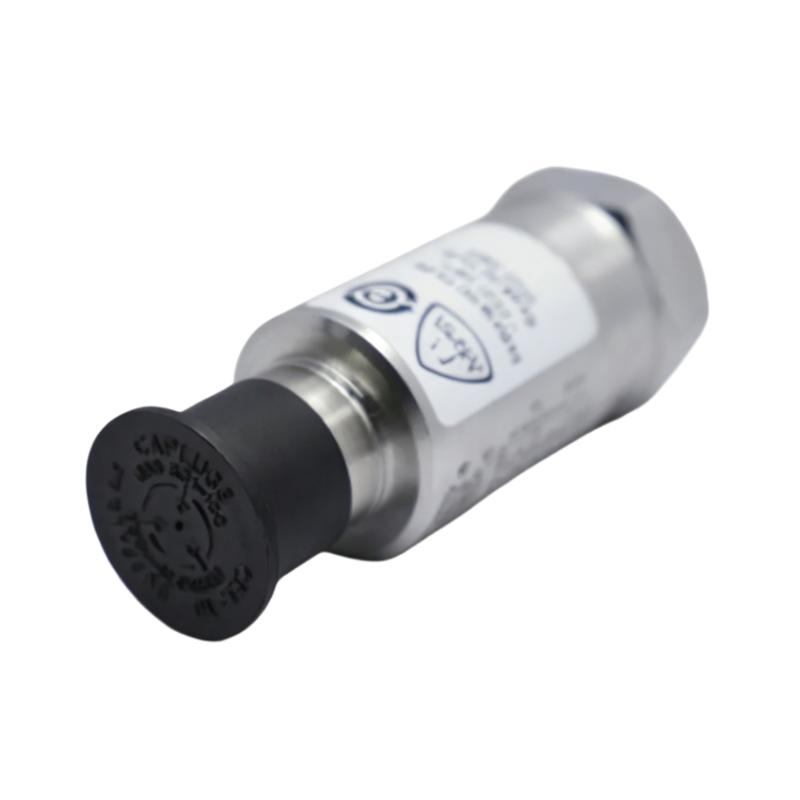
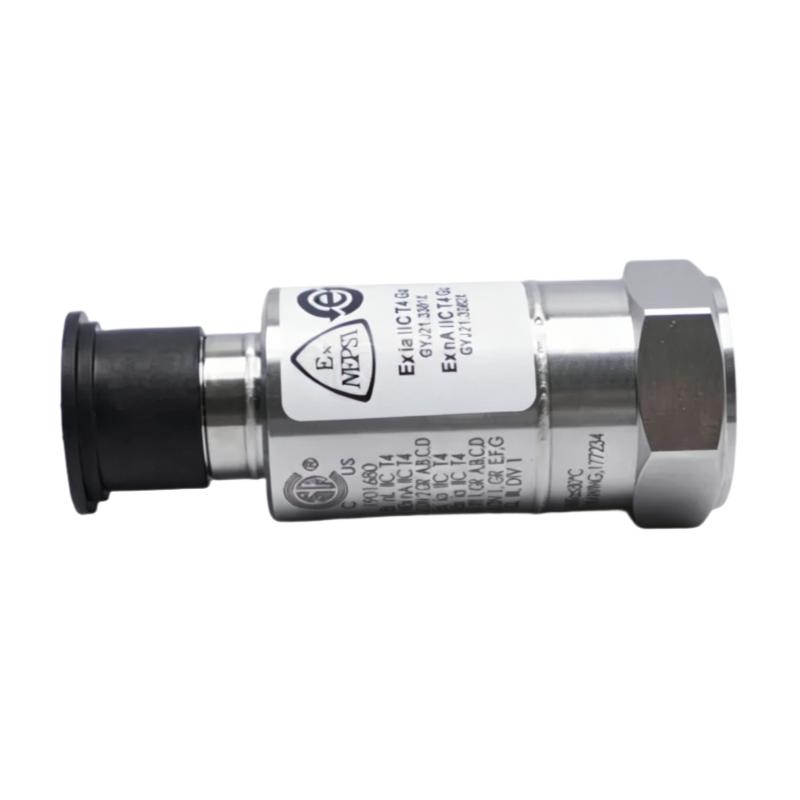
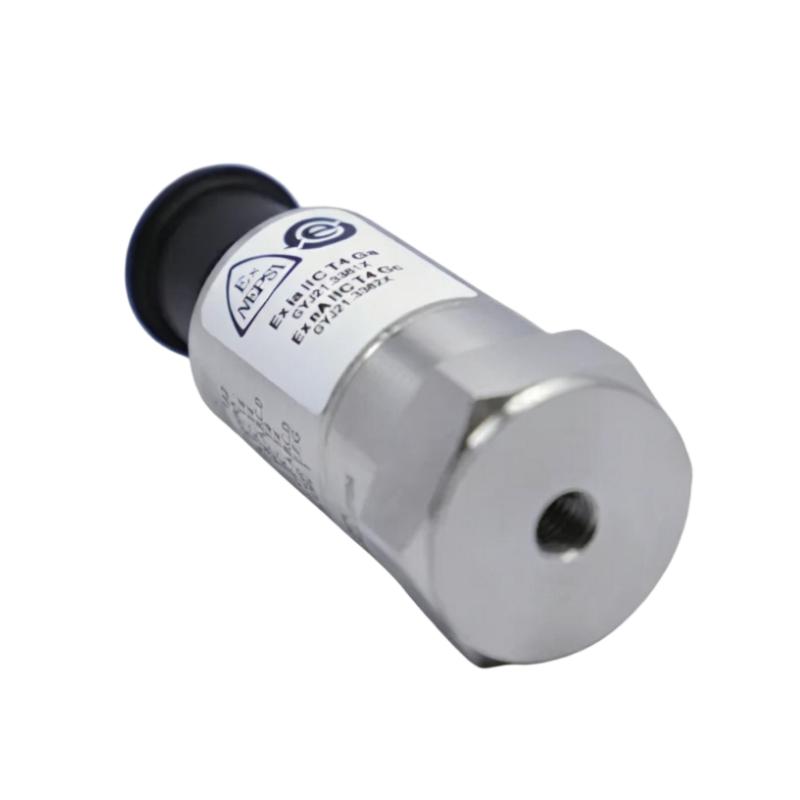
- Bently Nevada
- 177230-01-01-BR
- Seismic Transmitter
- USA
- 25.4 mm
- 0.131 kg
- Xiamen, China
- New & In Stock
- T/T, PayPal, Western Union
- 1 Year
- 1-3 Working Days
- DHL, UPS, TNT, FedEx and EMS.
- 24-Hour Service
- COO
- 5
Our advantage

Global Logistics
We have a 10-year logistics and express cooperation agreement, so our products can be shipped to any place in the world.

Brand new and original
Our products are imported in bulk from the place of origin. Because of the cooperative relationship, our products are all original and 100% new.

24-hour service
We provide 7*24 hours service to our customers. We will be there whenever you need us.

Price advantage
All our products are priced very favorably because we have our own warehouse and supply.
| Company Information | |||
| [email protected] | |||
| Mobile | +8615980777398 | ||
| +8615980777398 | |||
| 15980777398 |

Product Overview
The Bently Nevada 177230-01-01-BR is a Seismic Transmitter used for vibration monitoring of rotating and stationary machinery. It provides a field-level measurement interface for detecting machine vibration and transmitting the resulting condition information to a plant monitoring or control system.
Unlike a proximity measurement arrangement that observes shaft displacement relative to a target surface, a seismic transmitter responds to the vibratory motion of the machine or structure where it is installed. This makes the device useful for applications where casing or structural vibration needs to be monitored rather than direct shaft position.
The transmitter can be applied to equipment such as motors, pumps, fans, compressors, gearboxes, and other rotating machinery. In these applications, changes in vibration can be incorporated into the plant instrumentation system for trending, alarm handling, and maintenance assessment.
The 177230-01-01-BR should be considered as part of a complete seismic vibration measurement loop. Correct mounting, sensor orientation, wiring, receiving-system configuration, and signal scaling all contribute to obtaining meaningful vibration information from the monitored equipment.
Technical Specifications
| Parameter | Specification |
|---|---|
| Manufacturer | Bently Nevada |
| Model | 177230-01-01-BR |
| Product Type | Seismic Transmitter |
| Application | Machinery seismic vibration monitoring |
| Measurement Type | Seismic / casing vibration |
| System Role | Vibration sensing and signal transmission |
| Installation | Industrial machinery monitoring systems |
| Sensor Function | Detects vibratory motion at the mounting location |
| Sensor Diameter | 25.4 mm |
| Weight | 0.131 kg |
Product Features
- Provides seismic vibration measurement for machinery monitoring applications.
- Detects vibratory motion at the equipment mounting point.
- Suitable for monitoring machine casing or structural vibration.
- Provides a transmitter interface for plant monitoring and control equipment.
- Can be used on rotating equipment such as motors, pumps, fans, and compressors.
- Supports continuous vibration monitoring architectures.
- Useful where machine vibration needs to be monitored without relying on direct shaft proximity measurement.
Working Principle
The 177230-01-01-BR detects vibratory motion transmitted through the machine structure at its mounting location. Mechanical vibration causes movement of the sensing element, which is converted into an electrical measurement representing the vibration condition.
The transmitter then provides the measurement to the connected monitoring or control system. Depending on the application, the receiving system can use the signal for vibration display, trending, alarm processing, or machine condition assessment.
Machine Structure → 177230-01-01-BR → Transmitter Signal → PLC / DCS / Monitoring System
Because the device measures vibration at the mounting location, the mechanical installation has a direct influence on measurement quality. A secure mounting surface and appropriate orientation are therefore important during commissioning and maintenance.
Role in a Seismic Machinery Vibration Monitoring Architecture
The 177230-01-01-BR occupies the field sensing and transmitter layer of a seismic vibration monitoring architecture. It detects structural or casing vibration and passes the resulting measurement to the plant-level system for monitoring and further processing.
| System Element | Function |
|---|---|
| 177230-01-01-BR | Detects seismic vibration and provides the transmitter measurement |
| Machine Casing / Structure | Transfers mechanical vibration to the sensing point |
| Signal Wiring | Carries the transmitter output to the receiving system |
| PLC / DCS | Receives and processes the vibration measurement |
| HMI / SCADA | Displays and trends vibration information |
| Machinery Monitoring System | Provides additional condition monitoring and analysis |
| Rotating Equipment | Generates the mechanical vibration being monitored |
Industrial Applications
| Application | Typical Use |
|---|---|
| Motors | Monitoring casing vibration during normal operation |
| Pumps | Detecting changes in structural or casing vibration |
| Fans and Blowers | Monitoring vibration generated by rotating assemblies |
| Compressors | Providing vibration information for machinery condition assessment |
| Gearboxes | Monitoring structural vibration associated with mechanical operation |
| Industrial Machinery | Continuous seismic vibration monitoring for maintenance and protection functions |
Installation and Maintenance
- Verify the 177230-01-01-BR model against the intended seismic vibration monitoring application.
- Select a rigid mounting location that represents the vibration condition of the equipment being monitored.
- Clean the mounting surface before installation to ensure proper mechanical contact.
- Mount the transmitter securely according to the applicable installation procedure.
- Confirm that the sensor orientation is appropriate for the intended measurement direction.
- Avoid mounting locations that are structurally loose or subject to unnecessary external vibration sources.
- Route signal wiring away from high-current power cables where practical.
- Check all electrical connections for secure termination and signs of corrosion or mechanical damage.
- Verify the receiving PLC, DCS, or monitoring input configuration before commissioning.
- Confirm the vibration signal under normal machine operating conditions after installation.
- During preventive maintenance, inspect the mounting point, sensor body, wiring, and connectors for deterioration.
- If the measured vibration changes unexpectedly, check the mechanical mounting and complete signal path before replacing the transmitter.
Related Components
| Component | Function |
|---|---|
| Bently Nevada Seismic Transmitter | Measures structural or casing vibration and provides a transmitter signal |
| Mounting Hardware | Secures the seismic transmitter to the monitored equipment |
| Signal Cable | Transfers the transmitter measurement to the receiving system |
| PLC / DCS Input | Receives the vibration transmitter signal |
| HMI / SCADA | Displays and trends the measured vibration |
| Machinery Monitoring System | Provides centralized vibration monitoring and condition analysis |
Recommended Related Models
| Model | Product Type | Typical Application |
|---|---|---|
| Bently Nevada 177230-01-01-BR | Seismic Transmitter | Structural and casing vibration monitoring |
| Bently Nevada 990-08-50-01-00 | Vibration Transmitter | Rotating machinery vibration monitoring |
| Bently Nevada 990-10-50-03-00 | Vibration Transmitter | Continuous vibration monitoring |
| Bently Nevada 3500 Series | Machinery Monitoring System | Centralized machinery condition monitoring |
Key Advantages
- Provides a dedicated interface for seismic machinery vibration monitoring.
- Measures vibration at the machine structure or casing rather than relying on direct shaft proximity measurement.
- Suitable for motors, pumps, compressors, fans, gearboxes, and other industrial equipment.
- Supports integration with PLC, DCS, and machinery monitoring systems.
- Compact sensing arrangement suitable for field-level machinery monitoring installations.
Technical FAQs
What is the Bently Nevada 177230-01-01-BR used for?
The 177230-01-01-BR is a Seismic Transmitter used to monitor vibratory motion at the machine structure or casing and provide the resulting measurement to a monitoring or control system.
How is a seismic transmitter different from a proximity probe?
A seismic transmitter measures vibration associated with the machine structure or casing, while a proximity probe measures the relative position or movement of a shaft target with respect to the probe. The two technologies address different measurement points in a machinery monitoring system.
Where should the 177230-01-01-BR be mounted?
It should be installed on a rigid, representative part of the machine structure where the vibration of interest can be effectively transferred to the sensing element. The mounting location and orientation should be selected according to the intended measurement direction and application.
What should be checked if the seismic vibration signal is unstable?
Check the transmitter mounting, sensor orientation, mechanical contact, wiring, electrical connections, and receiving-system configuration. External vibration sources and a loose mounting surface should also be considered before replacing the transmitter.