

ProductPRODUCT
Featured products
Contact Us
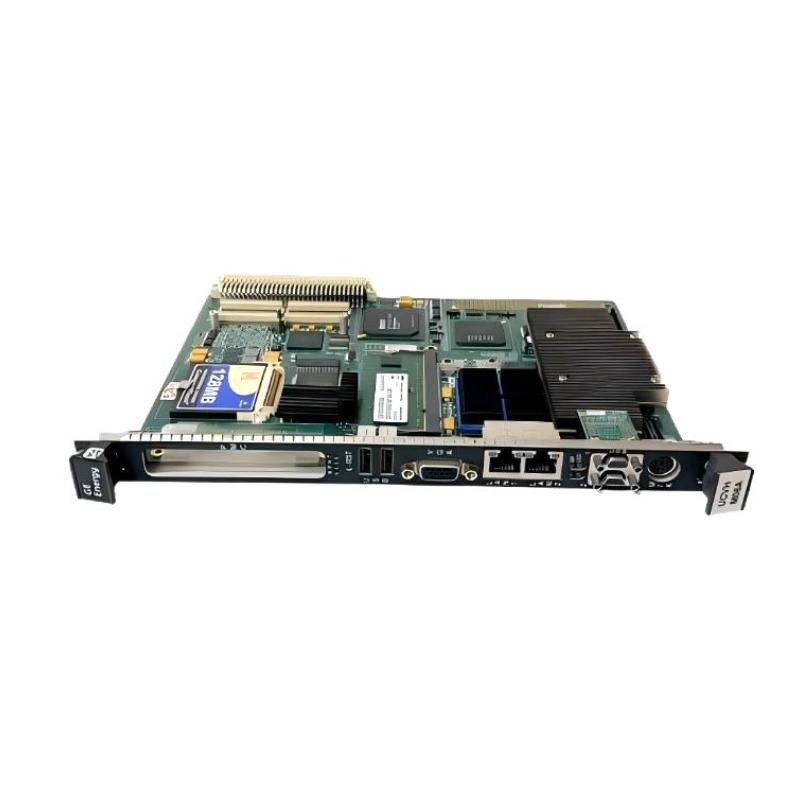
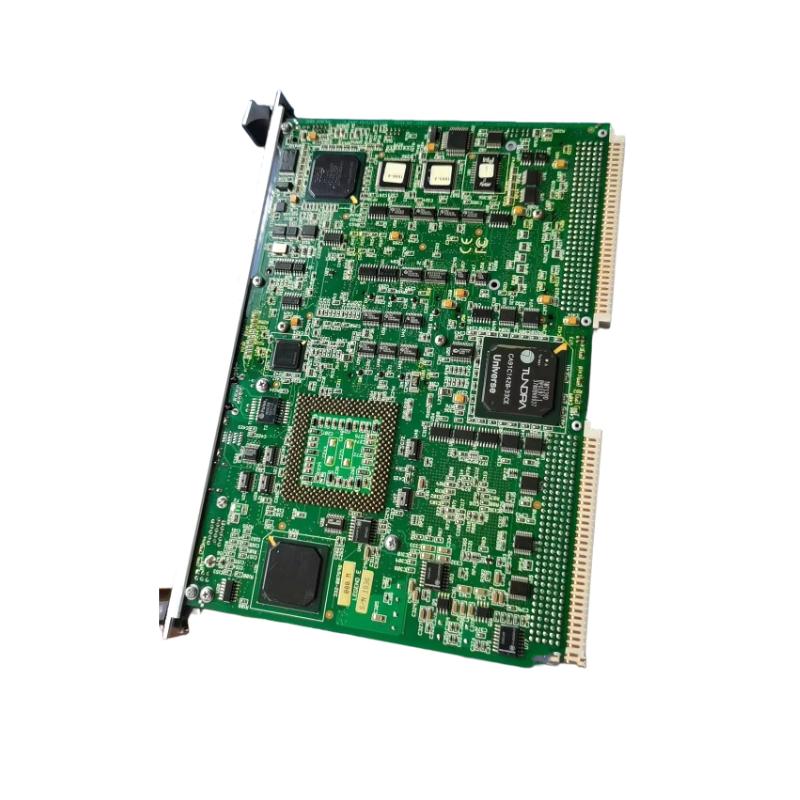
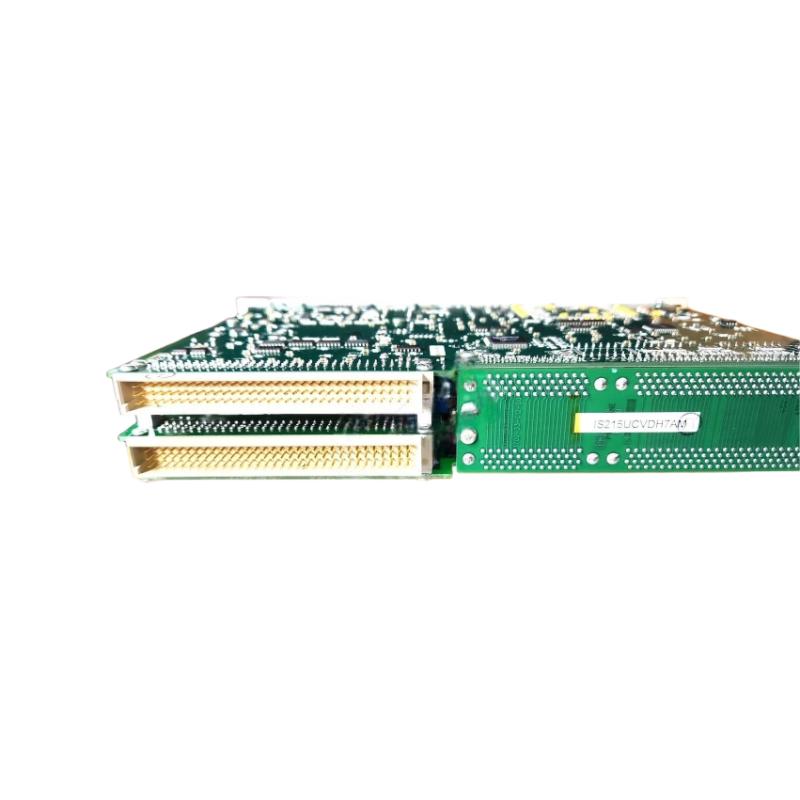
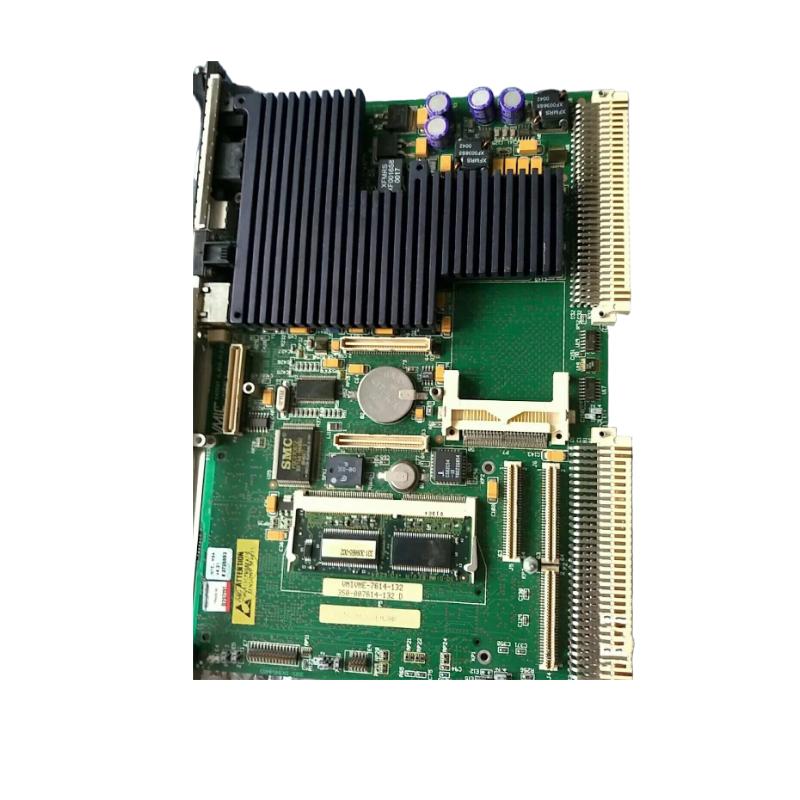
- GE
- IS215UCVDH7A
- Dual-Slot Controller Board
- USA
- 168 x 150 x 55 mm
- 0.5 kg
- Xiamen, China
- New & In Stock
- T/T, PayPal, Western Union
- 1 Year
- 1-3 Working Days
- DHL, UPS, TNT, FedEx and EMS.
- 24-Hour Service
- COO
- 4
Our advantage

Global Logistics
We have a 10-year logistics and express cooperation agreement, so our products can be shipped to any place in the world.

Brand new and original
Our products are imported in bulk from the place of origin. Because of the cooperative relationship, our products are all original and 100% new.

24-hour service
We provide 7*24 hours service to our customers. We will be there whenever you need us.

Price advantage
All our products are priced very favorably because we have our own warehouse and supply.
| Company Information | |||
| [email protected] | |||
| Mobile | +8615980777398 | ||
| +8615980777398 | |||
| 15980777398 |
Product Overview
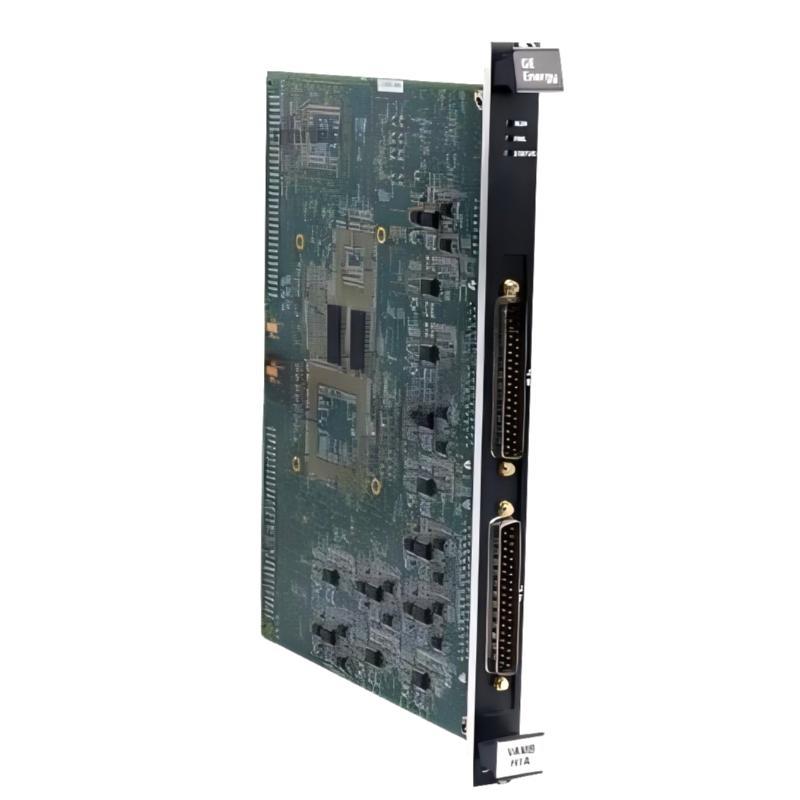
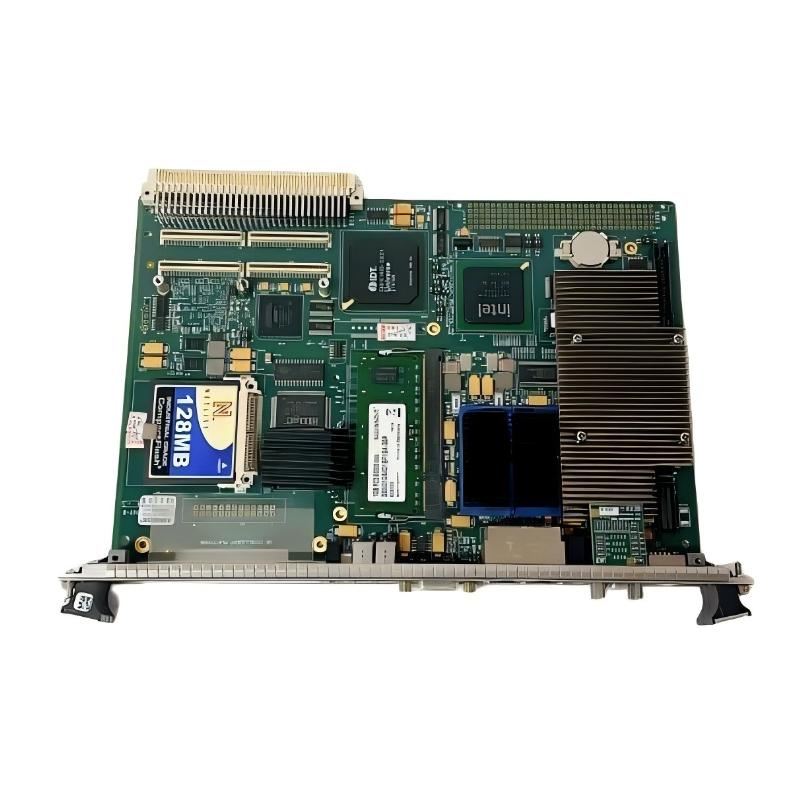
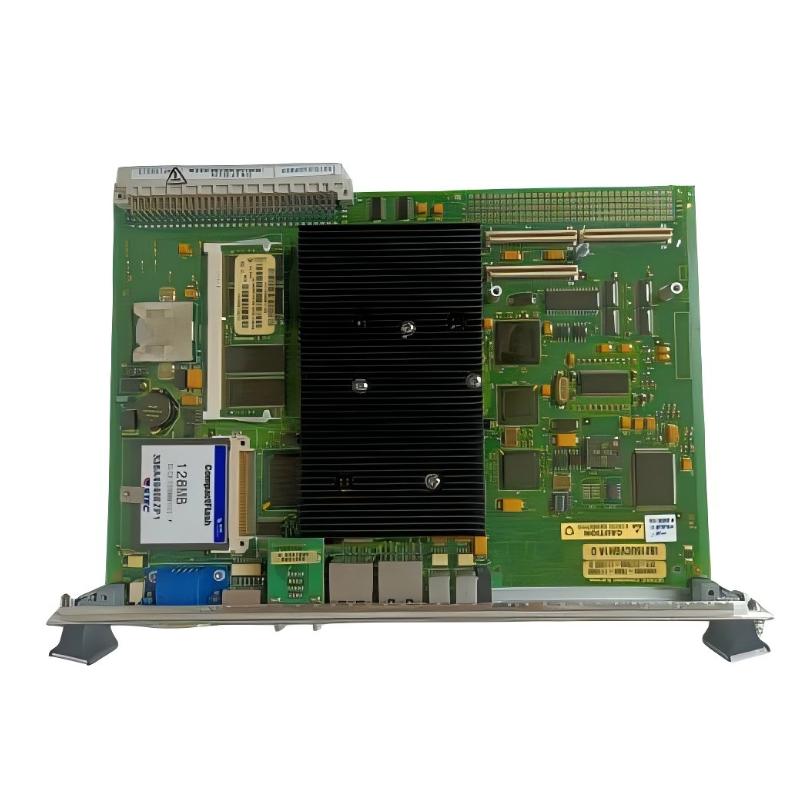
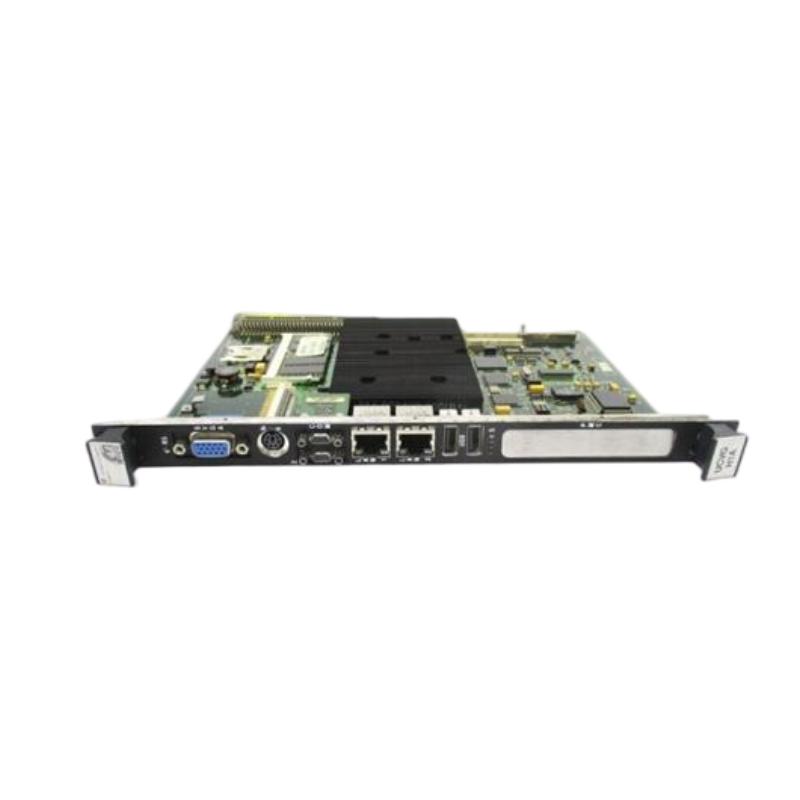
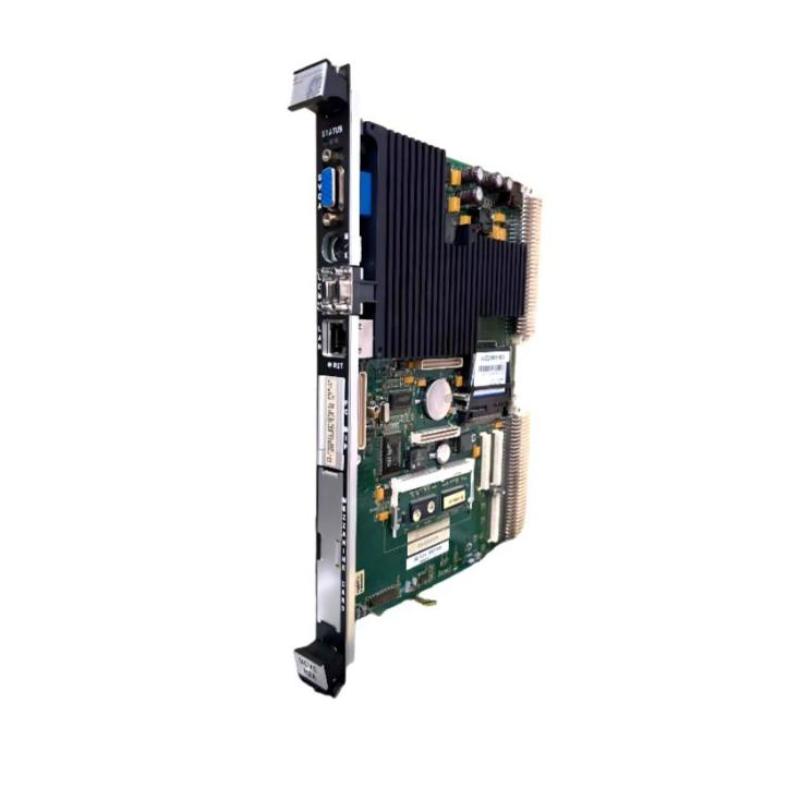
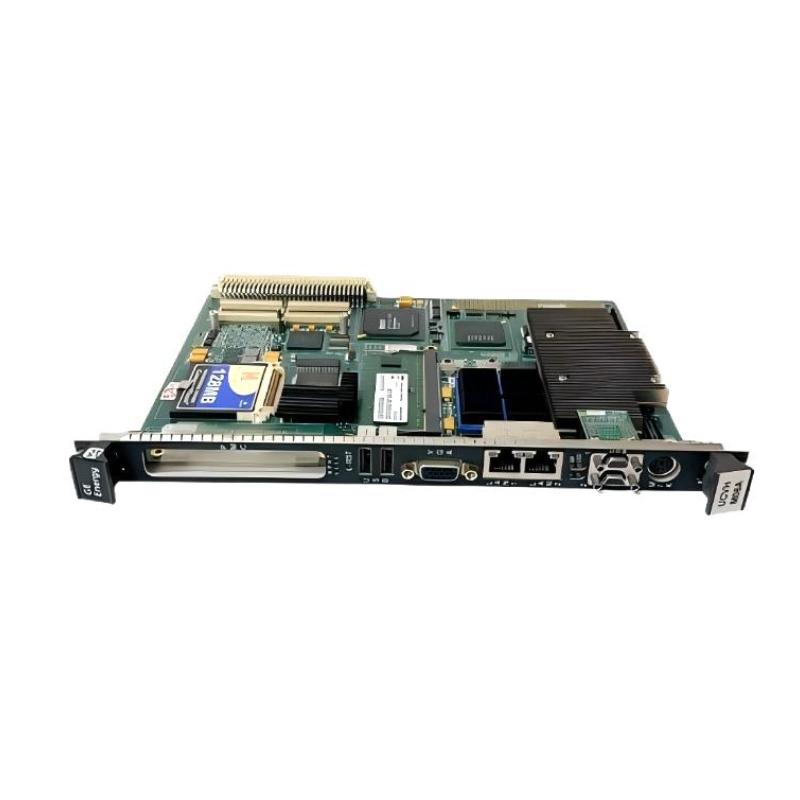
The GE IS215UCVDH7A Dual-Slot Controller Board is an industrial control electronics assembly designed for integration into compatible GE automation and control systems. As a dual-slot controller board, the IS215UCVDH7A is intended to provide processing and control functionality within a modular industrial hardware architecture, where controller electronics operate together with I/O, communication, power, and interface assemblies.
In industrial automation systems, controller boards form an important part of the control layer between field instrumentation and higher-level supervisory equipment. Process information collected by sensors and I/O modules can be transferred to the controller, where the information is processed according to the configured control strategy. Control commands can then be communicated to output devices and other system components.
The GE IS215UCVDH7A has listed dimensions of 168 × 150 × 55 mm and a weight of approximately 0.5 kg. Its dual-slot construction provides a relatively compact solution for industrial control equipment while allowing the board to operate within a structured modular hardware environment.
Because the exact processor architecture, communication interfaces, memory configuration, firmware compatibility, and system functions can depend on the host platform and hardware revision, these characteristics should be confirmed against the equipment documentation and installed board before replacement or commissioning.
Technical Specifications
| Parameter | Specification |
|---|---|
| Manufacturer | General Electric (GE) |
| Model | IS215UCVDH7A |
| Product Type | Dual-Slot Controller Board |
| Product Family | GE IS215 Series |
| Primary Function | Industrial control processing and system management |
| Board Architecture | Dual-Slot Industrial Controller |
| Application | Industrial Automation and Control |
| Dimensions | 168 × 150 × 55 mm |
| Weight | 0.5 kg |
| Installation | Compatible GE industrial control equipment |
| Mounting Configuration | Dual-Slot System Architecture |
| Typical Role | Controller / Processor Assembly |
What Is the GE IS215UCVDH7A?
The GE IS215UCVDH7A is a Dual-Slot Controller Board used as part of a compatible GE industrial control architecture.
A controller board is responsible for processing information received from other parts of an automation system. Depending on the host platform, this may include information from analog and digital I/O modules, communication interfaces, monitoring devices, and other control assemblies.
The controller can then execute configured control logic and coordinate the operation of connected equipment.
A simplified industrial control structure can be represented as:
Field Sensors → I/O Modules → Controller → Output / Actuator Systems → Process Equipment
The controller may also exchange information with operator interfaces, engineering stations, supervisory systems, and other controllers.
The exact function of the IS215UCVDH7A should always be considered in relation to the specific GE platform in which it is installed.
Dual-Slot Controller Architecture
The term dual-slot controller board indicates that the assembly is designed to occupy a designated two-slot position within its compatible hardware architecture.
A multi-slot industrial control arrangement provides a modular way to organize electronic hardware. Instead of combining every function into one large assembly, different boards can perform different roles while communicating through the system backplane or associated interconnection structure.
This approach can provide several practical benefits:
- Modular system organization
- Centralized control processing
- Separation of control and I/O functions
- Easier maintenance
- Simplified system expansion
- Structured board-level communication
- Reduced field wiring complexity
The physical and electrical requirements of a dual-slot installation should be confirmed before fitting the board into a replacement position.
Function and Working Principle
Control Processing
The primary function of a controller board is to process information exchanged between the control system and connected equipment.
Input information may originate from process sensors, I/O modules, communication interfaces, or other control assemblies. The controller processes this information according to the configured system logic.
Control Logic Execution
Industrial automation systems depend on programmed control strategies to determine how equipment should respond to changing process conditions.
The controller provides the processing environment required for these control operations.
For example, information from temperature, pressure, flow, speed, or position instrumentation can be evaluated by the control system. Depending on the configured logic, the controller may then issue commands to drives, valves, relays, motors, or other output devices.
System Communication
The controller also functions as a central communication point within the automation architecture.
Depending on the host system, information may be exchanged between:
- I/O modules
- Control boards
- Communication interfaces
- Operator stations
- Engineering workstations
- Supervisory control systems
- Other industrial equipment
Exact communication interfaces should be confirmed for the particular IS215UCVDH7A installation.
Diagnostic Processing
Industrial controller systems generally include diagnostic functions that help identify hardware, communication, configuration, or process-related abnormalities.
Diagnostic information can assist maintenance personnel in determining whether a problem originates from the controller, another board, the backplane, system power, field wiring, or application configuration.
Role in Industrial Control Systems
The GE IS215UCVDH7A can operate as part of the central processing layer of an industrial control system.
A typical architecture may include:
Process → Sensors → I/O → IS215UCVDH7A Controller → Output Modules → Actuators
At the same time, the controller may exchange information with higher-level systems:
Controller → HMI / Engineering Station / Supervisory System
This structure allows field-level information to be converted into useful control data and enables automated equipment responses.
For example, a process sensor may provide information about an operating parameter. The I/O system transfers that information to the controller, which evaluates it according to the configured control strategy. The controller can then communicate the required output command to the appropriate field device.
Industrial Applications
The IS215UCVDH7A may be integrated into compatible GE industrial control systems used in a variety of applications.
Power Generation
Industrial control systems in power-generation environments require coordinated processing of measurements, equipment status, alarms, and control commands.
Controller assemblies can form part of the electronic control layer used to manage these functions.
Turbine and Rotating Equipment Control
Turbine systems and other rotating equipment require continuous monitoring and coordinated control. Controller boards can process information received from measurement and I/O systems as part of the overall automation architecture.
Process Automation
Industrial process facilities use controllers to coordinate field instrumentation, valves, motors, pumps, and other process equipment.
Manufacturing Systems
Factory automation equipment can use modular controller architectures to coordinate machinery, sensors, drives, and production equipment.
Equipment Monitoring
Controller systems can also be used for equipment status monitoring, alarm processing, diagnostics, and communication with supervisory platforms.
System Integration
The IS215UCVDH7A should be integrated according to the architecture of the target GE control system.
A typical system may contain several layers:
| System Component | Typical Role |
|---|---|
| Field Sensors | Measure process conditions |
| Digital / Analog I/O | Interface field signals |
| Controller Board | Execute control processing |
| Communication Interfaces | Exchange system information |
| Output Modules | Transfer control commands |
| Operator Interface | Display system status |
| Engineering Station | Configuration and maintenance |
| Supervisory System | Higher-level monitoring |
The exact combination of hardware depends on the target application.
Before installation, engineers should verify the controller’s slot requirements, associated hardware, board revision, configuration data, and system compatibility.
Installation Guidelines
Correct installation is important for reliable operation of the controller.
Verify the Model
Before replacing the board, confirm:
- Full model number
- Revision designation
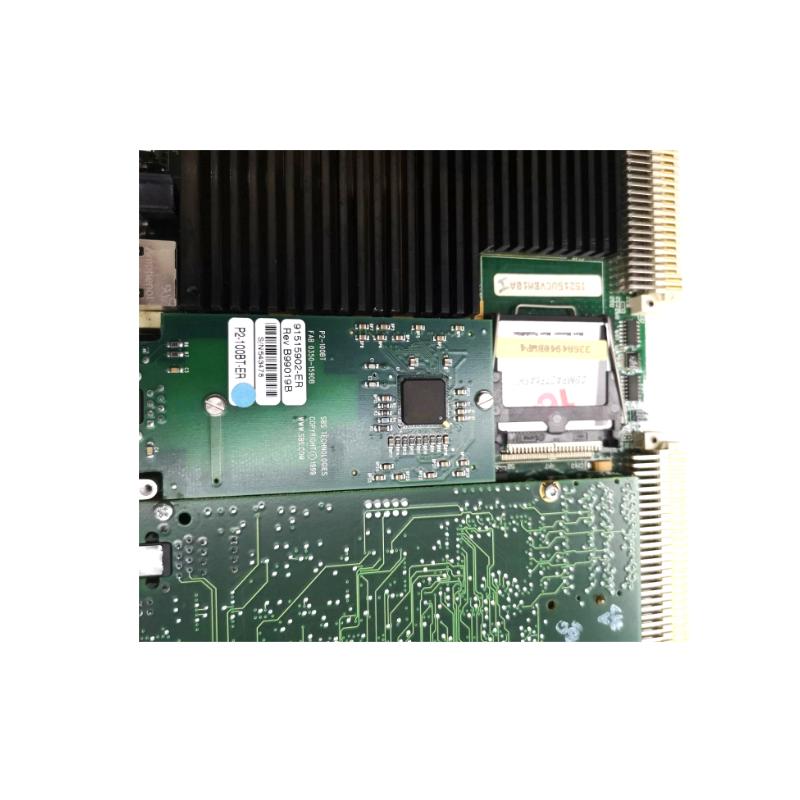
- Board identification markings
- Slot location
- Existing system configuration
- Associated controller and I/O hardware
- Backplane or carrier arrangement
The replacement should correspond to the required IS215UCVDH7A configuration.
Check the Dual-Slot Position
Because this is a dual-slot controller board, the available installation position should be confirmed before installation.
The board should be installed only into the appropriate system location designed for the assembly.
Inspect the Connectors
Before installation, inspect connectors and mating interfaces for:
- Bent contacts
- Contamination
- Mechanical damage
- Corrosion
- Loose hardware
- Signs of overheating
A damaged connector can cause intermittent operation even when the controller itself is functioning correctly.
Observe ESD Precautions
Electronic controller boards should be handled using suitable electrostatic-discharge protection procedures.
Avoid unnecessary contact with exposed circuit-board components and connector contacts.
Commissioning Procedure
After installation, the controller should be commissioned in a controlled sequence.
1. Verify Board Installation
Confirm that the IS215UCVDH7A is correctly seated and secured in the designated dual-slot position.
2. Inspect System Connections
Check all relevant board, backplane, communication, and power connections.
3. Restore System Power
Apply power according to the approved equipment commissioning procedure.
4. Check Controller Status
Observe available status indicators and system diagnostics.
5. Verify Communication
Confirm that the controller can communicate correctly with the associated I/O and system components.
6. Check Configuration
Verify that the system recognizes the installed controller and that the expected configuration is available.
7. Test Control Functions
Perform controlled operational testing before returning the complete system to normal service.
Troubleshooting the GE IS215UCVDH7A
When a controller-related problem occurs, the complete control system should be investigated rather than immediately replacing the board.
Controller Fails to Operate
Possible causes may include:
- Power problems
- Incorrect installation
- Connector problems
- Backplane issues
- Configuration errors
- Hardware failure
- Environmental conditions
Start by checking system power and physical connections.
Communication Problems
If the controller cannot communicate correctly with other system modules, inspect:
- Board seating
- Backplane connections
- Communication connections
- Associated modules
- Configuration parameters
- System diagnostics
A communication fault can originate from another system component.
Intermittent Controller Operation
Intermittent behavior may be associated with:
- Loose connections
- Excessive vibration
- High cabinet temperature
- Power instability
- Connector contamination
- Hardware degradation
- Communication interruptions
Environmental and connection checks should be performed before replacing the controller.
Configuration or Recognition Error
A replacement controller may require the correct configuration and compatible system software.
Differences in revision or system configuration can prevent normal operation even when the replacement board has a similar physical appearance.
Preventive Maintenance
Regular maintenance can help extend the service life of controller hardware.
Inspect the Controller
Check for:
- Dust accumulation
- Burn marks
- Discoloration
- Damaged components
- Connector contamination
- Physical damage
Maintain Cabinet Cooling
Keep ventilation paths clear and maintain the environmental conditions required by the host system.
Excessive heat can affect electronic component reliability.
Inspect the Backplane
The mating backplane or carrier should be inspected during scheduled maintenance.
Monitor Diagnostics
Record system alarms and controller diagnostic information. Repeated warnings can provide useful evidence of developing hardware or communication problems.
Maintain a Replacement Strategy
For critical control applications, maintaining an appropriately identified spare controller can reduce maintenance downtime.
Replacement Considerations
When sourcing a replacement for the GE IS215UCVDH7A Dual-Slot Controller Board, the complete identification should be checked carefully.
Important information includes:
- Model number
- Revision designation
- Board markings
- Host equipment
- Slot requirements
- Backplane configuration
- Associated I/O modules
- Software configuration
- Firmware requirements
The listed physical dimensions are 168 × 150 × 55 mm, and the listed weight is 0.5 kg.
Physical dimensions can help with inventory and replacement planning, but physical compatibility alone does not establish electrical or functional compatibility.
A similar-looking GE controller board should not automatically be substituted for the IS215UCVDH7A.
Physical Dimensions and Handling
The GE IS215UCVDH7A has listed dimensions of:
168 × 150 × 55 mm
The listed weight is:
0.5 kg
The relatively compact dimensions allow the controller to be integrated into industrial control equipment while maintaining a modular hardware arrangement.
During transportation and storage, the board should be protected from:
- Electrostatic discharge
- Moisture
- Dust
- Mechanical impact
- Excessive vibration
- Contamination
ESD-safe packaging is recommended when storing or shipping electronic controller boards.
Compatible System Components
Depending on the host architecture, the IS215UCVDH7A may operate alongside several categories of GE industrial control hardware.
Potential system components include:
- GE controller assemblies
- I/O interface boards
- Analog input modules
- Analog output modules
- Digital input modules
- Digital output modules
- Communication boards
- Power supply assemblies
- Backplanes and carriers
- Operator interfaces
- Engineering workstations
- Supervisory control systems
Exact compatibility should be confirmed against the target equipment configuration.
Engineering Best Practices
Confirm the Complete Part Number
Always verify IS215UCVDH7A rather than relying on a general description such as “dual-slot controller.”
Record the Existing Configuration
Before removing a controller, record the board position, revision information, connected interfaces, and system configuration.
Use ESD Protection
Follow appropriate ESD procedures when handling the controller.
Keep the Cabinet Clean
Dust and contamination can restrict airflow and increase the risk of electronic problems.
Monitor Operating Conditions
Unexpected controller resets or communication faults should be investigated together with cabinet temperature and power quality.
Test Before Full Production
After installation, perform communication and control checks under controlled conditions before returning the equipment to full operation.
Recommended Related GE Control Boards
| GE Model | Product Type | General Role |
|---|---|---|
| IS215UCCAM03 | Compact PCI Processor Board | Industrial control processing |
| IS215UCCCM04A | Compact PCI Controller Board | Controller and system processing |
| IS215UCVDH7A | Dual-Slot Controller Board | Modular industrial control processing |
| IS215ACLEH1BC | Application Control Layer Module | Application-level control |
| IS215ACLAH1AD | Application Control Layer Module | Control-system processing |
| IS215PMVPH1A | I/O Module | Industrial I/O interface |
| IS215REBFH1B | I/O Expansion Board | I/O system expansion |
These boards represent related GE industrial control hardware, but they should not be treated as direct substitutes without confirming the host platform, hardware revision, slot configuration, and system requirements.
Key Advantages
The GE IS215UCVDH7A offers several characteristics relevant to modular industrial control applications:
- Dual-slot controller architecture
- Compact industrial control design
- Centralized processing within a modular system
- Suitable for compatible GE automation platforms
- Supports integration with I/O and communication hardware
- Listed dimensions of 168 × 150 × 55 mm
- Listed weight of 0.5 kg
- Suitable for structured industrial control architectures
- Designed for integration into equipment where modular controller hardware is required
Technical FAQs
What is the GE IS215UCVDH7A?
The GE IS215UCVDH7A is a Dual-Slot Controller Board designed for integration into compatible GE industrial control and automation systems.
What is the main function of the IS215UCVDH7A?
Its primary role is to provide controller and processing functionality within a compatible industrial control architecture.
What are the dimensions of the IS215UCVDH7A?
The listed dimensions are 168 × 150 × 55 mm.
How much does the IS215UCVDH7A weigh?
The listed weight is approximately 0.5 kg.
What does dual-slot mean?
Dual-slot indicates that the board is designed to occupy a designated two-slot position within its compatible hardware architecture. The exact mechanical and electrical arrangement depends on the host system.
Is the IS215UCVDH7A interchangeable with another GE IS215 board?
Not automatically. Even boards within the same GE product family can have different functions, interfaces, revisions, and system requirements. Compatibility should be verified before replacement.
What should be checked before replacing the controller?
Technicians should verify the full model number, revision, slot position, host equipment, backplane configuration, associated modules, software configuration, and system requirements.
What can cause controller communication problems?
Potential causes include poor board seating, backplane problems, damaged connections, configuration errors, communication hardware faults, power instability, or problems with another connected system component.
How should the board be maintained?
Maintenance should include inspection of the board and connectors, control of cabinet temperature and contamination, monitoring of system diagnostics, and proper ESD handling during service.
Conclusion
The GE IS215UCVDH7A Dual-Slot Controller Board is a modular industrial controller assembly designed for integration into compatible GE automation and control systems. Its role is centered on control processing and system-level coordination, allowing information from I/O and other system components to be processed and used as part of an automated control strategy.
With listed dimensions of 168 × 150 × 55 mm and a weight of 0.5 kg, the IS215UCVDH7A provides a compact dual-slot hardware solution for industrial control environments.
For installation or replacement, engineers should verify the complete IS215UCVDH7A identification together with the board revision, host platform, slot requirements, backplane configuration, associated hardware, and software environment. Proper installation, ESD protection, cabinet cooling, diagnostic monitoring, and controlled commissioning can help maintain reliable operation of the controller and the larger industrial automation system.