

ProductPRODUCT
Featured products
Contact Us
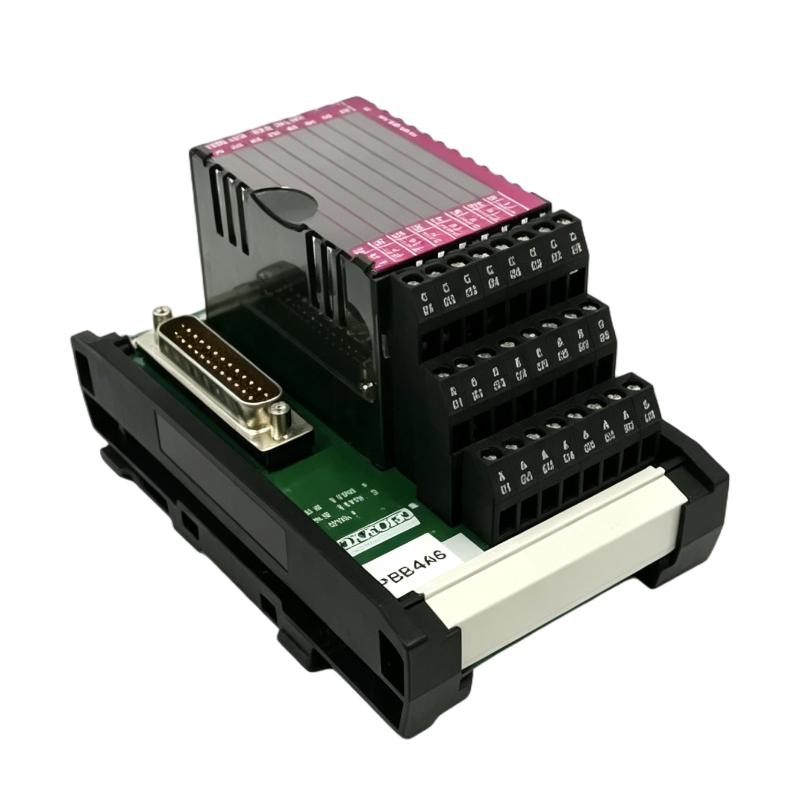
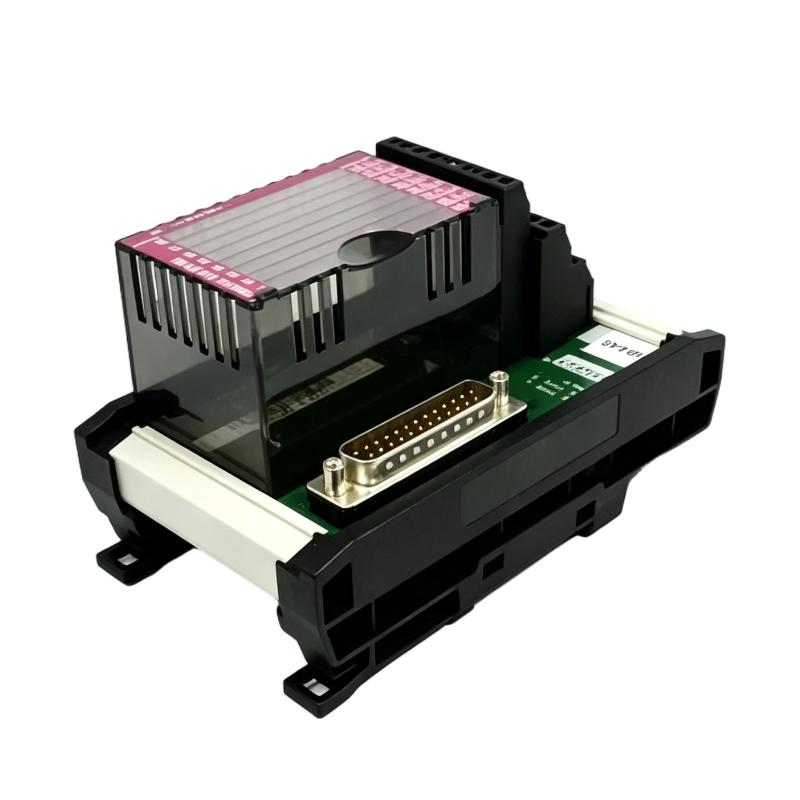
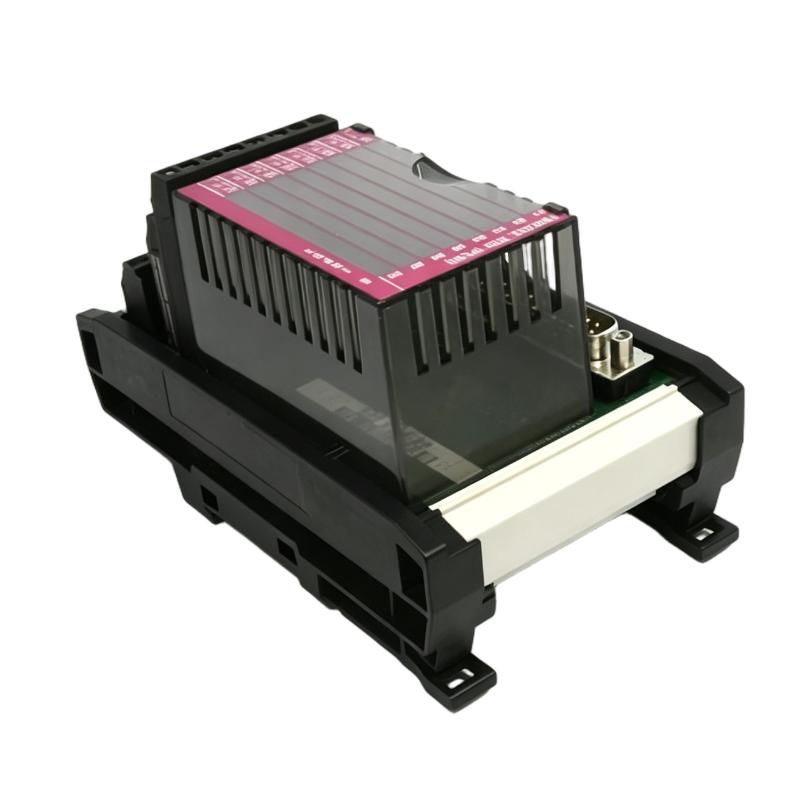
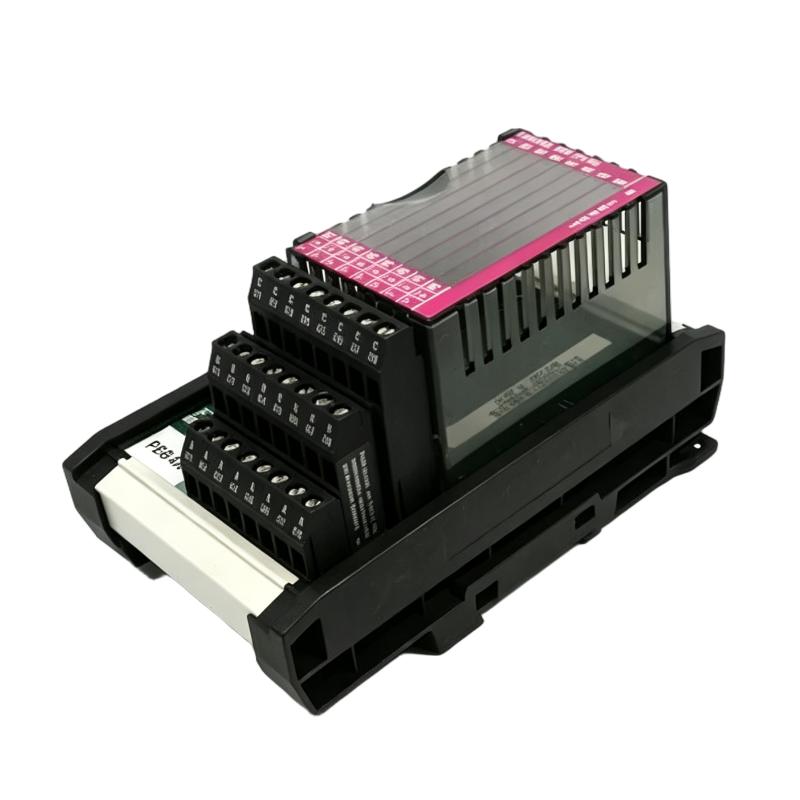
- Foxboro
- FBM203 RH916XJ
- Compression Screw Termination Assembly
- USA
- 125 × 76 × 80 mm
- 0.181 kg
- Xiamen, China
- New & In Stock
- T/T, PayPal, Western Union
- 1 Year
- 1-3 Working Days
- DHL, UPS, TNT, FedEx and EMS.
- 24-Hour Service
- COO
- 3
Our advantage

Global Logistics
We have a 10-year logistics and express cooperation agreement, so our products can be shipped to any place in the world.

Brand new and original
Our products are imported in bulk from the place of origin. Because of the cooperative relationship, our products are all original and 100% new.

24-hour service
We provide 7*24 hours service to our customers. We will be there whenever you need us.

Price advantage
All our products are priced very favorably because we have our own warehouse and supply.
| Company Information | |||
| [email protected] | |||
| Mobile | +8615980777398 | ||
| +8615980777398 | |||
| 15980777398 |
Product Overview
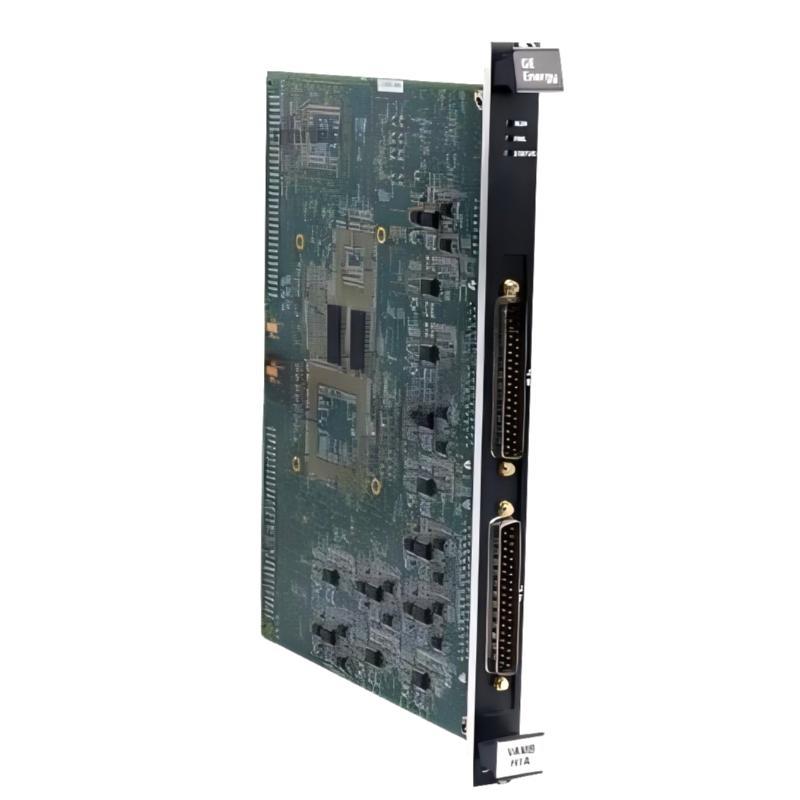
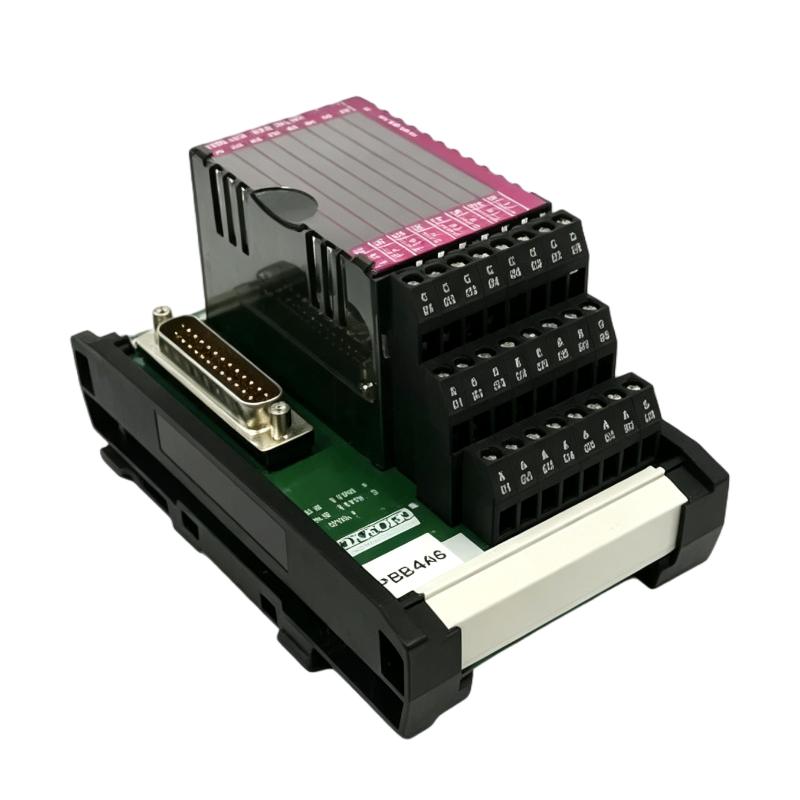
The Foxboro FBM203 RH916XJ is an I/A Series 200 Compression Screw Termination Assembly used to provide the field wiring connection for compatible Foxboro FBM I/O installations. It belongs on the termination side of the I/O system, where individual instrument conductors are landed before the signals are routed to the associated FBM module.
In an RTD temperature measurement installation, for example, sensors may be mounted on reactors, vessels, heat exchangers, compressors, or process piping several meters away from the control cabinet. The field cables eventually reach the I/O cabinet, where they need a defined termination point. The RH916XJ provides that physical interface and keeps the field connections organized rather than requiring the instrument wiring to terminate directly at the electronic I/O module.
The FBM203 reference is associated with RTD input applications, while the RH916XJ identifies the particular termination assembly. The termination assembly itself does not perform the RTD measurement. The associated FBM input module handles the measurement and communication functions after the field signal reaches the I/O interface.
The screw termination arrangement is useful in control cabinets where technicians need direct access to individual field conductors for inspection, testing, or replacement. During commissioning or troubleshooting, a technician can verify continuity and terminal assignments at the termination point without immediately removing the electronic FBM.
For replacement work, the existing termination assembly should be checked together with the FBM module, baseplate, termination cable, field wiring arrangement, and DCS channel configuration. Matching only the FBM family is not enough to confirm compatibility.
Technical Specifications
| Parameter | Specification |
|---|---|
| Manufacturer | Foxboro |
| Model | FBM203 RH916XJ |
| Product Family | I/A Series 200 |
| Product Type | Compression Screw Termination Assembly |
| Associated I/O Family | FBM203 RTD Input Module |
| Termination Type | Compression Screw |
| Application | Field wiring termination for compatible FBM I/O |
| Installation | I/A Series 200 I/O installation |
| Interface Function | Connects field wiring to the associated I/O signal path |
| Dimensions | 125 × 76 × 80 mm |
| Weight | 0.181 kg |
Product Features
- I/A Series 200 compression screw termination assembly
- Model RH916XJ
- Associated with compatible Foxboro FBM203 installations
- Provides a dedicated field wiring termination point
- Screw-type field connection arrangement
- Provides direct access to individual field conductors
- Keeps instrument wiring organized within the control cabinet
- Separates field wiring from the electronic I/O module
- Suitable for process instrumentation installations
- Supports maintenance and signal troubleshooting at the termination level
- Forms part of the complete FBM field signal connection path
- Intended for integration with compatible Foxboro I/A Series 200 hardware
Working Principle
The FBM203 RH916XJ functions as the physical termination point between field instrument wiring and the corresponding Foxboro I/O signal path.
Field RTD Wiring → RH916XJ → Termination Interface / Cable → FBM203 → I/A Series 200 DCS
An RTD installed in the process area sends its resistance-based signal through the field cable into the control cabinet. The individual conductors are connected at the RH916XJ termination assembly using the screw termination points. From there, the signal is routed toward the associated FBM input module.
The FBM203 then performs the actual RTD signal acquisition and converts the measured resistance into process data that can be handled by the Foxboro control system.
This separation between field termination and electronic I/O is useful during maintenance. If a temperature point stops reading correctly, technicians can inspect the sensor cable and screw termination first, then move toward the FBM input channel if the field-side wiring checks out.
The screw connection also makes the terminal assignment visible and accessible during commissioning. Correct identification of each field instrument and its corresponding channel is important when several RTDs are installed on the same process unit.
The RH916XJ should therefore be viewed as one part of the signal path rather than as an independent temperature input device.
Role in a Foxboro I/A Series 200 DCS Control Architecture
The FBM203 RH916XJ provides the field wiring interface within an I/A Series 200 RTD input arrangement.
RTD Sensors → RH916XJ → Termination Cable / I/O Interface → FBM203 → Fieldbus → DCS
| System Element | Function |
|---|---|
| RH916XJ | Provides screw termination for field instrument wiring |
| FBM203 | Acquires compatible RTD input signals |
| RTD Sensor | Measures process temperature through resistance change |
| Termination Cable | Carries terminated field signals toward the FBM installation |
| I/O Baseplate | Provides the mounting and electrical interface for the FBM |
| Fieldbus | Transfers I/O information to the control system |
| Control Processor | Processes acquired temperature data |
| Foxboro DCS | Displays, alarms, calculates, and uses temperature measurements |
| Field Junction Box | Collects and routes instrument wiring from the process area |
The exact termination and cable arrangement should be matched to the installed I/A Series 200 hardware and the associated FBM203 configuration.
Industrial Applications
| Application | Typical Use |
|---|---|
| Chemical Processing | Terminating RTD wiring from reactors and process vessels |
| Oil and Gas | Connecting field temperature instruments to DCS I/O |
| Refining | Organizing temperature measurement wiring around process units |
| Heat Exchanger Systems | Terminating multiple temperature measurement circuits |
| Compressor Stations | Connecting equipment temperature monitoring points |
| Pump Systems | Routing temperature signals from pumps and associated equipment |
| Power Utilities | Terminating instrumentation in distributed control cabinets |
| Water Treatment | Connecting process temperature sensors to the DCS |
| Manufacturing Plants | Organizing distributed instrument wiring |
| Process Control Cabinets | Providing structured field connections for FBM installations |
Installation and Maintenance
- Confirm the complete FBM203 RH916XJ reference before replacing the existing termination assembly.
- Verify that the installed Foxboro I/A Series 200 I/O architecture supports the selected termination arrangement.
- Record each field instrument tag and terminal assignment before disconnecting existing conductors.
- Check the RTD wiring configuration against the connected FBM203 input arrangement.
- Inspect screw terminals for loose connections, damaged conductors, corrosion, or signs of overheating.
- Verify that individual conductors are properly inserted and secured in the correct terminal positions.
- Check the termination cable and connectors between the RH916XJ and the associated I/O hardware.
- Confirm that the connected FBM module is the correct type for the field signals being terminated.
- Perform continuity checks on critical circuits after rewiring and before returning the system to service.
- Compare the DCS channel readings with known process conditions or reference temperature measurements during commissioning.
- If one temperature point is abnormal, check the RTD, field cable, screw termination, termination cable, and individual FBM channel before replacing the module.
- Record the final terminal-to-channel mapping after maintenance so future troubleshooting can identify the correct field connection quickly.
When troubleshooting a temperature signal, checking the sensor resistance directly and then verifying continuity through the RH916XJ can help separate a field wiring problem from an electronic I/O problem.
Related Components
| Component | Function |
|---|---|
| Foxboro FBM203 | RTD input module for compatible temperature measurement applications |
| RH916XJ | Compression screw termination assembly |
| I/A Series 200 Baseplate | Provides the mounting and electrical interface for the I/O installation |
| Termination Cable | Connects the termination assembly with the applicable FBM interface |
| RTD Sensor | Provides resistance-based temperature measurement |
| Field Junction Box | Collects and routes field instrument wiring |
| Foxboro Fieldbus Interface | Transfers I/O data toward the DCS |
| Control Processor | Processes acquired temperature information |
| I/A Series 200 DCS | Supervises and uses the temperature measurements |
Recommended Related Models
| Model / Product Family | Product Type | Typical Application |
|---|---|---|
| Foxboro FBM203 | RTD Input Module | Eight-channel RTD temperature measurement |
| Foxboro FBM203 RH914SV | RTD Input Module | RTD signal acquisition in an I/A Series 200 installation |
| Foxboro FBM203 P0916AE | Compression Termination Assembly | Field wiring termination for compatible FBM203 installations |
| Foxboro FBM202 | Thermocouple / mV Input Module | Thermocouple and millivolt temperature measurement |
| Foxboro FBM201 | Analog Input Module | Current-input process instrumentation |
| Foxboro I/A Series 200 | Distributed I/O Platform | Process instrumentation and field I/O |
Key Advantages
- Provides an accessible screw termination point for field wiring.
- Keeps individual instrument connections organized in the I/O cabinet.
- Separates field wiring from the electronic FBM module.
- Supports straightforward inspection and continuity testing.
- Suitable for compatible FBM203 RTD input installations.
- Helps simplify field wiring maintenance.
- Forms part of the Foxboro I/A Series 200 distributed I/O connection architecture.
Technical FAQs
What is the function of the FBM203 RH916XJ?
The RH916XJ is a Compression Screw Termination Assembly used to terminate field instrument wiring associated with compatible FBM203 I/O installations. It provides the physical wiring interface; the FBM203 module performs the actual RTD signal acquisition.
What is the difference between the RH916XJ and an FBM203 input module?
The RH916XJ handles the field wiring termination, while the FBM203 handles the electronic acquisition of RTD signals. They therefore perform different functions within the same I/O signal path.
Why use a screw termination assembly for RTD field wiring?
Screw termination gives technicians direct access to individual conductors, which can be useful when checking continuity, correcting wiring, or troubleshooting a single temperature measurement point. It also keeps field connections organized separately from the electronic I/O hardware.
What should be checked before replacing an RH916XJ?
Check the existing FBM203 module, termination cable, baseplate, field wiring arrangement, terminal assignments, and DCS channel configuration. The replacement should match the complete installed I/O architecture rather than being selected from the model number alone.