

ProductPRODUCT
Featured products
Contact Us
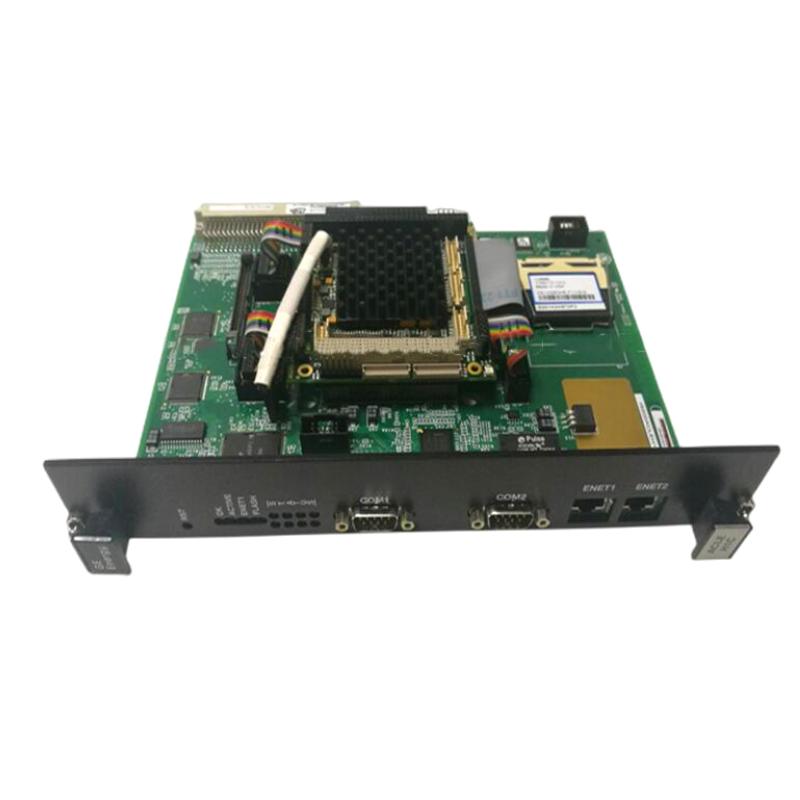
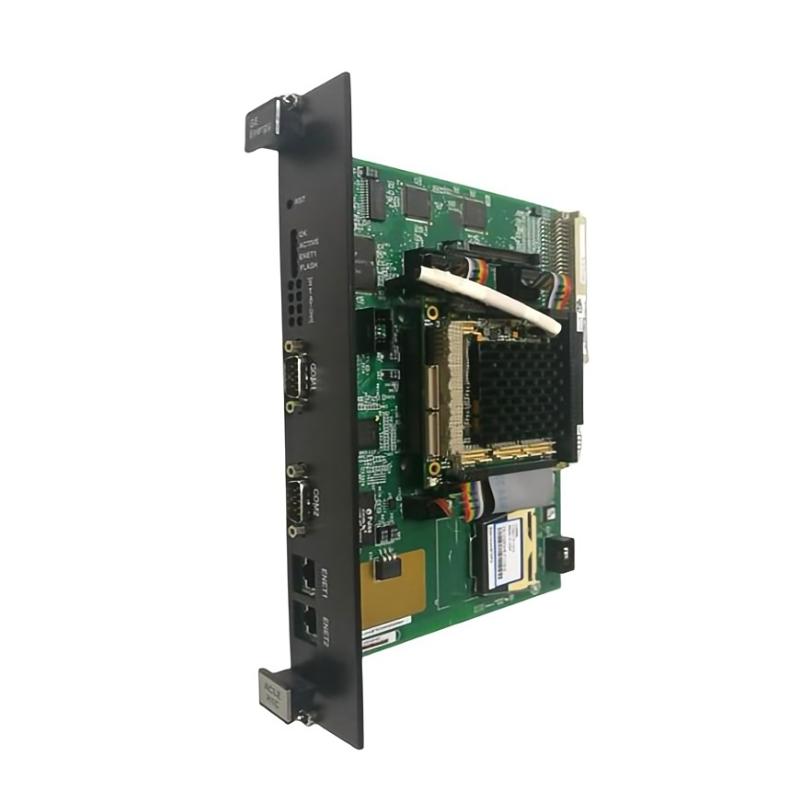
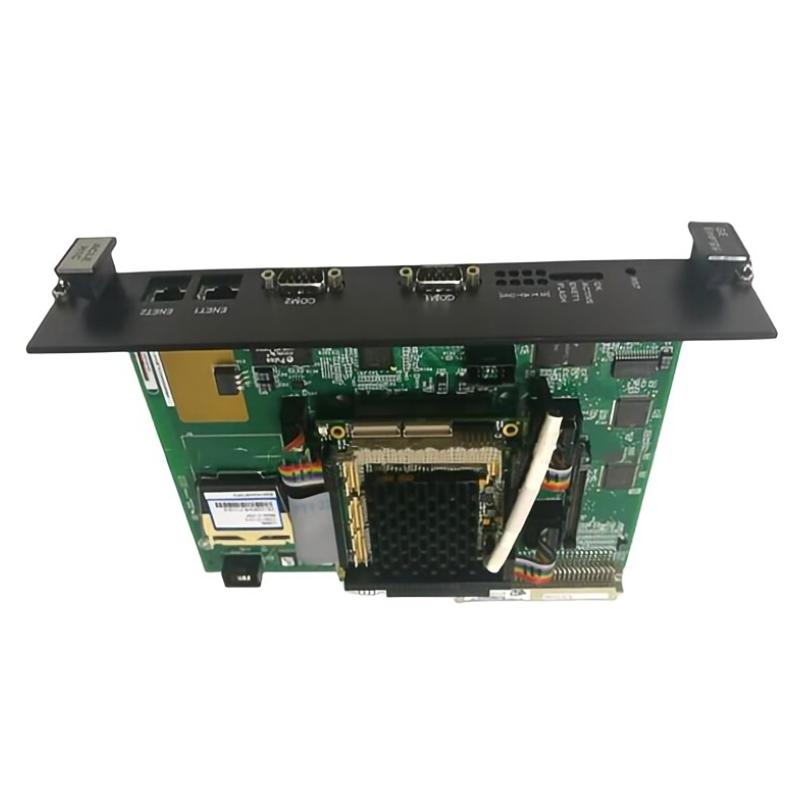
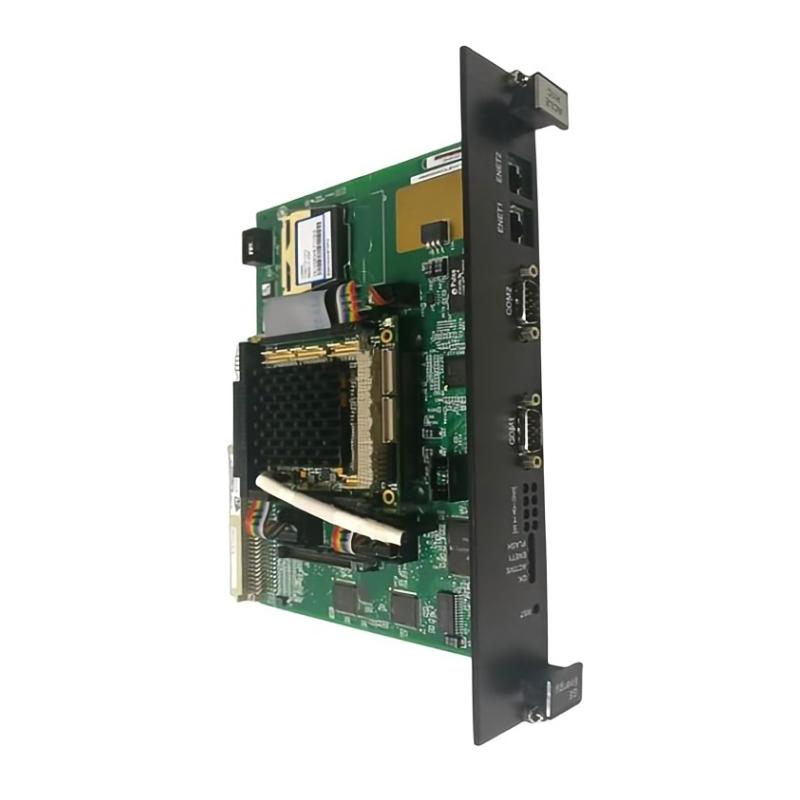
- GE
- IS215ACLEH1C
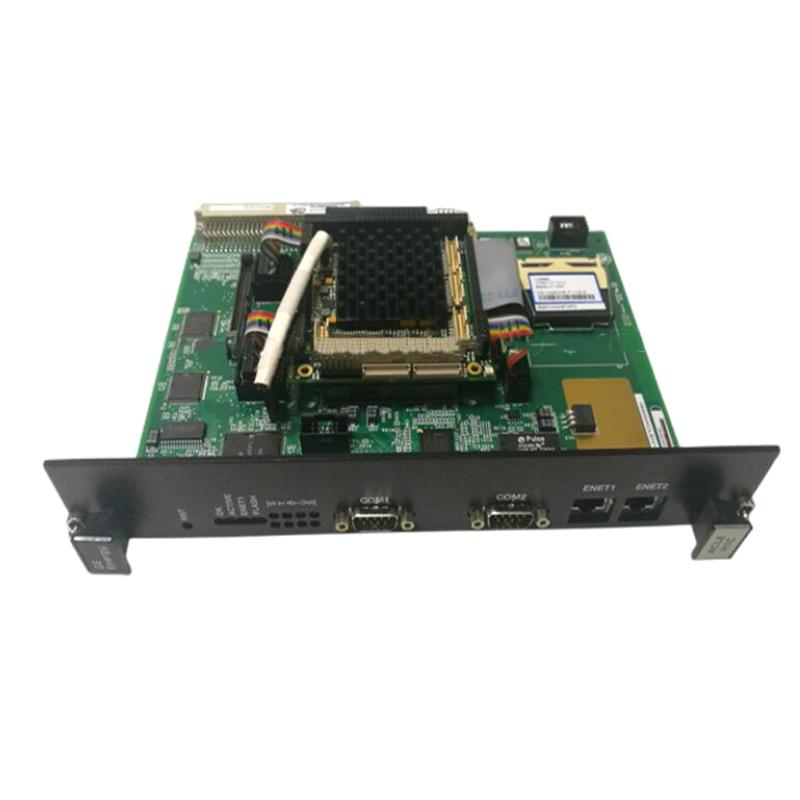
- Application Control Layer Module
- USA
- 280 × 120 × 22 mm
- 0.65 kg
- Xiamen, China
- New & In Stock
- T/T, PayPal, Western Union
- 1 Year
- 1-3 Working Days
- DHL, UPS, TNT, FedEx and EMS.
- 24-Hour Service
- COO
- 3
Our advantage

Global Logistics
We have a 10-year logistics and express cooperation agreement, so our products can be shipped to any place in the world.

Brand new and original
Our products are imported in bulk from the place of origin. Because of the cooperative relationship, our products are all original and 100% new.

24-hour service
We provide 7*24 hours service to our customers. We will be there whenever you need us.

Price advantage
All our products are priced very favorably because we have our own warehouse and supply.
| Company Information | |||
| [email protected] | |||
| Mobile | +8615980777398 | ||
| +8615980777398 | |||
| 15980777398 |
Product Overview
The GE IS215ACLEH1C Application Control Layer Module is a specialized industrial control electronics assembly designed for integration into compatible GE automation and control architectures. As an Application Control Layer Module, it can participate in application-level processing, system coordination, control data management, and communication between different functional layers of an industrial control system.
Modern industrial automation systems are generally built from multiple functional layers. Field sensors and actuators interact directly with the physical process, I/O equipment handles signal acquisition and output, control processors execute control logic, and higher-level application functions coordinate equipment operation. An application control layer provides an important link between these control functions and broader system-level requirements.
The GE IS215ACLEH1C is listed with dimensions of 280 × 120 × 22 mm and a weight of approximately 0.65 kg. Its relatively slim construction allows it to be installed within industrial control cabinets and equipment assemblies where space must be efficiently managed.
Because GE control modules can have similar physical characteristics while performing different functions, the complete IS215ACLEH1C part number and applicable hardware revision should always be verified before installation or replacement.
Technical Specifications
| Parameter | Specification |
|---|---|
| Manufacturer | General Electric (GE) |
| Model | IS215ACLEH1C |
| Product Type | Application Control Layer Module |
| Product Family | GE IS215 Series |
| Primary Function | Application-level control and processing |
| Application | Industrial Automation and Control |
| Module Role | Application Control Layer |
| Dimensions | 280 × 120 × 22 mm |
| Weight | 0.65 kg |
| Installation | Compatible GE industrial control equipment |
| System Role | Control-system application processing |
| Mounting | Industrial control equipment installation |
What Is the GE IS215ACLEH1C?
The GE IS215ACLEH1C is an Application Control Layer Module intended for use as part of a compatible GE industrial control system.
The term “Application Control Layer” describes a functional level within an automation architecture where application-specific processing and coordination can take place. Instead of directly controlling an individual field device, this type of module can operate within a larger system to coordinate information and control functions.
A simplified industrial control architecture can be represented as:
Field Devices → I/O Interfaces → Control Processing → Application Control Layer → Supervisory Functions
The exact configuration depends on the host GE control platform and application.
The IS215ACLEH1C should therefore be considered a component of a larger control system rather than an independent PLC or standalone automation controller.
Function and Working Principle
Application-Level Control
Application control functions can coordinate information from different areas of an industrial control system.
Depending on the system architecture, these functions may involve:
- Processing application data
- Coordinating control functions
- Managing operating sequences
- Handling system status information
- Supporting communication between control components
- Processing diagnostic information
- Coordinating commands between different system layers
The precise functions available in a particular installation depend on the host system and associated software configuration.
Information Processing
Industrial control systems continuously generate data from sensors, I/O modules, control processors, and equipment interfaces.
The application control layer can provide a processing stage in which this information is organized and used by higher-level application functions.
A simplified process can be represented as:
Process Measurement → I/O Processing → Control Logic → Application Processing → Control Response
This layered approach allows complex equipment to be controlled through coordinated hardware and software functions.
Control Coordination
Industrial equipment often contains multiple subsystems that must operate in a coordinated sequence.
An application control layer can participate in this coordination by processing operating states, commands, system information, and diagnostic conditions.
This is particularly useful in large automation systems where individual control functions must work together as part of a complete operating sequence.
Role in Industrial Control Systems
The GE IS215ACLEH1C can occupy an application-level position within a larger industrial automation architecture.
A typical control system may contain the following layers:
Field Layer
The field layer includes physical devices such as sensors, valves, motors, switches, actuators, and other equipment.
I/O Layer
I/O hardware receives field measurements and transfers control commands to field equipment.
Control Layer
Control processors execute the primary logic required to regulate the process or equipment.
Application Layer
Application control hardware and software coordinate higher-level functions and operating sequences.
Supervisory Layer
Operator interfaces and supervisory systems provide monitoring, alarms, diagnostics, and broader equipment management.
The IS215ACLEH1C is associated with the Application Control Layer, allowing it to participate in application-level processing within the overall architecture.
Industrial Applications
The IS215ACLEH1C can be integrated into compatible GE industrial automation systems where application-level processing and coordination are required.
Power Generation
Power-generation equipment contains numerous interconnected control functions. Application-level processing can help coordinate operating information between generation, auxiliary, monitoring, and control functions.
Turbine Control
Turbine systems require coordinated control of many operating parameters. Application-level modules can form part of the broader architecture responsible for managing system information and control sequences.
Industrial Process Automation
Manufacturing and process industries often require several control subsystems to work together. Application control hardware can support the coordination of information between these subsystems.
Equipment Monitoring
Industrial control systems generate large amounts of status and diagnostic information. Application-level processing can help make this information available to associated control and supervisory functions.
Plant Automation
In larger plants, multiple control systems and equipment groups may need to exchange information. Application control functions can form part of the architecture used to coordinate these operations.
System Architecture and Integration
The IS215ACLEH1C should be integrated as part of a complete GE control architecture.
A conceptual arrangement may look like:
Sensors / Field Devices
↓
I/O and Interface Hardware
↓
Control Processing
↓
IS215ACLEH1C Application Control Layer
↓
Supervisory / Operator Functions
The exact system arrangement depends on the host equipment.
Before integrating the module, engineers should verify:
- Host control platform
- Module location
- Complete part number
- Hardware revision
- Connector arrangement
- Associated control boards
- Communication architecture
- Application configuration
- Software requirements
- System commissioning requirements
These factors are more important for compatibility than physical dimensions alone.
Installation Guidelines
Correct installation procedures help reduce the risk of hardware damage and system malfunction.
Verify Module Identification
Confirm the complete part number:
GE IS215ACLEH1C
The replacement module should be compared with the existing unit and the applicable equipment records.
Inspect the Module
Before installation, inspect the module for:
- Physical damage
- Cracked components
- Bent connectors
- Contamination
- Moisture exposure
- Loose hardware
- Signs of corrosion
Any visible abnormality should be investigated before installation.
Check Connectors
All associated connectors should be clean and properly seated. Poor connector contact can cause intermittent communication or system faults.
Use ESD Protection
Appropriate electrostatic-discharge procedures should be followed when handling the module. Sensitive electronic components can be damaged by static discharge even when the damage is not immediately visible.
Verify Power Isolation
Before replacing the module, follow the approved equipment shutdown and electrical isolation procedures.
The equipment should only be returned to service after all connections and safety provisions have been restored.
Commissioning Procedure
After installation, the IS215ACLEH1C and the associated control system should be checked systematically.
1. Verify Physical Installation
Confirm that the module is correctly installed and mechanically secured.
2. Check Connections
Inspect all associated connectors and wiring.
3. Restore Power
Energize the system according to the approved equipment startup procedure.
4. Check Module Status
Review available indicators, system diagnostics, alarms, or maintenance information.
5. Verify Communication
Confirm that the module can communicate correctly with associated control hardware.
6. Verify Application Functions
Check that the required application-level functions operate correctly.
7. Monitor Initial Operation
Observe the system during startup and initial operation. Any unexpected alarm, communication fault, or processing problem should be investigated before normal operation continues.
Troubleshooting the GE IS215ACLEH1C
Troubleshooting should be performed at the system level because an application control fault can sometimes originate from another component.
Module Does Not Operate
Possible causes include:
- Incorrect installation
- Power problems
- Connector problems
- Hardware failure
- Host-system faults
- Configuration issues
The module should be checked together with the surrounding control hardware.
Communication Problems
If communication with other control components is unavailable, inspect:
- Connectors
- Communication interfaces
- Associated control modules
- Configuration
- System diagnostics
- Hardware status
A communication failure does not automatically mean that the IS215ACLEH1C itself has failed.
Intermittent Operation
Intermittent problems can be associated with:
- Loose connections
- Vibration
- Contamination
- Temperature changes
- Power instability
- Connector degradation
- Electronic hardware problems
A complete inspection of the module and surrounding equipment is recommended.
Unexpected Control Behavior
If the module appears operational but application behavior is abnormal, check the broader system configuration, associated processors, application settings, and diagnostic information.
Replacing the module without investigating these factors may not resolve the underlying problem.
Preventive Maintenance
Preventive maintenance should focus on both the module and the environment in which it operates.
Maintain a Clean Cabinet
Excessive dust can reduce cooling performance and contribute to contamination of electronic assemblies.
Control Moisture
Condensation and moisture can cause corrosion and electrical problems. The control cabinet should be maintained in an appropriate environmental condition.
Inspect Connectors
Connectors should be checked for looseness, corrosion, contamination, or mechanical damage during scheduled maintenance.
Review Diagnostic Information
Regularly reviewing system diagnostics can help identify developing communication or processing problems.
Maintain Replacement Records
Record the installed part number and revision whenever the module is replaced. This information can simplify future maintenance and spare-parts management.
Physical Dimensions and Weight
The GE IS215ACLEH1C has a listed physical size of:
280 × 120 × 22 mm
The listed weight is:
0.65 kg
| Physical Parameter | Value |
|---|---|
| Length | 280 mm |
| Width | 120 mm |
| Thickness | 22 mm |
| Weight | 0.65 kg |
These physical specifications are useful for cabinet planning, spare-parts inventory, packaging, and replacement logistics.
However, mechanical dimensions should not be used as the only method of determining electrical or functional compatibility.
Compatible System Components
An application control module can operate as part of a larger automation system containing several different hardware layers.
| System Component | Typical Role |
|---|---|
| GE Control Processor | Executes control logic |
| GE I/O Modules | Interfaces with field devices |
| Interface Boards | Connect control-system assemblies |
| Communication Hardware | Transfers system information |
| Application Control Module | Supports application-level processing |
| Operator Interface | Displays operating information |
| Supervisory System | Provides monitoring and management |
| Diagnostic Functions | Supports fault investigation |
| Sensors | Provide process information |
| Actuators | Execute physical control actions |
The actual compatible components should be confirmed according to the specific GE control architecture.
Replacement Considerations
When replacing a GE IS215ACLEH1C, the complete identification of the original module should be recorded before removal.
Important information includes:
- Full model number
- Hardware revision
- Board markings
- Connector arrangement
- Installation location
- Associated control hardware
- Host equipment
- Application configuration
The replacement module should match the required system configuration.
Because GE IS215 assemblies can have similar physical dimensions but different functions, a board should not be selected solely because it appears mechanically similar.
Engineering Best Practices
Several maintenance practices can improve the reliability of an IS215ACLEH1C installation.
Maintain Accurate Part Numbers
Record the complete module designation and revision in maintenance documentation.
Document Existing Connections
Before removing a module, document connector positions and relevant wiring arrangements.
Follow ESD Procedures
Use appropriate ESD protection whenever handling the module.
Keep Spare Modules Properly Stored
Replacement electronic assemblies should be stored in suitable protective packaging and controlled environmental conditions.
Investigate System-Level Faults
Do not automatically replace the application control module when an alarm occurs. Check related power, communication, processing, and configuration conditions.
Verify Operation After Replacement
A successful power-up does not necessarily confirm correct system operation. Application functions and communication should also be tested.
Key Advantages
The GE IS215ACLEH1C provides several practical characteristics for compatible industrial control applications:
- Application-level control functionality
- Compact 280 × 120 × 22 mm form factor
- Listed weight of 0.65 kg
- Integration into layered GE control architectures
- Support for application processing and system coordination
- Suitable for complex industrial automation environments
- Useful for control-system maintenance and replacement
- Designed to operate as part of a larger industrial control platform
Technical FAQs
What is the GE IS215ACLEH1C?
The GE IS215ACLEH1C is an Application Control Layer Module designed for use within compatible GE industrial control and automation architectures.
What does an Application Control Layer Module do?
It provides application-level processing and coordination within a larger control architecture, helping connect lower-level control functions with higher-level application requirements.
What are the dimensions of the IS215ACLEH1C?
The listed dimensions are 280 × 120 × 22 mm.
How much does the IS215ACLEH1C weigh?
The listed weight is approximately 0.65 kg.
Is the IS215ACLEH1C a standalone PLC?
No. It should be regarded as a specialized application control component rather than a conventional standalone PLC.
Where can the IS215ACLEH1C be used?
It can be used in compatible GE industrial control systems where application-level processing and coordination are required.
Can another IS215 module replace the IS215ACLEH1C?
Not automatically. The complete model number, revision, interface configuration, host system, and application requirements should be verified before selecting a replacement.
What should be checked after installing the module?
The module installation, connectors, system diagnostics, communication, application functions, and overall control-system operation should all be verified.
What can cause an IS215ACLEH1C-related system fault?
Potential causes include incorrect installation, connector problems, power issues, communication faults, configuration problems, associated hardware failures, or an actual module fault.
Conclusion
The GE IS215ACLEH1C Application Control Layer Module is a specialized industrial control component intended to operate within a compatible GE automation architecture. By occupying an application-level position in the control system, it can participate in processing, coordination, system information management, and higher-level control functions.
With listed dimensions of 280 × 120 × 22 mm and a weight of 0.65 kg, the module provides a compact form factor suitable for industrial control equipment and cabinet-based automation systems.
For installation, replacement, and maintenance, engineers should verify the complete IS215ACLEH1C identification, hardware revision, connector configuration, and host-system requirements. Proper ESD handling, secure connections, environmental control, diagnostic monitoring, and complete post-installation commissioning are important for maintaining reliable operation of the overall industrial control system.