

ProductPRODUCT
Featured products
Contact Us
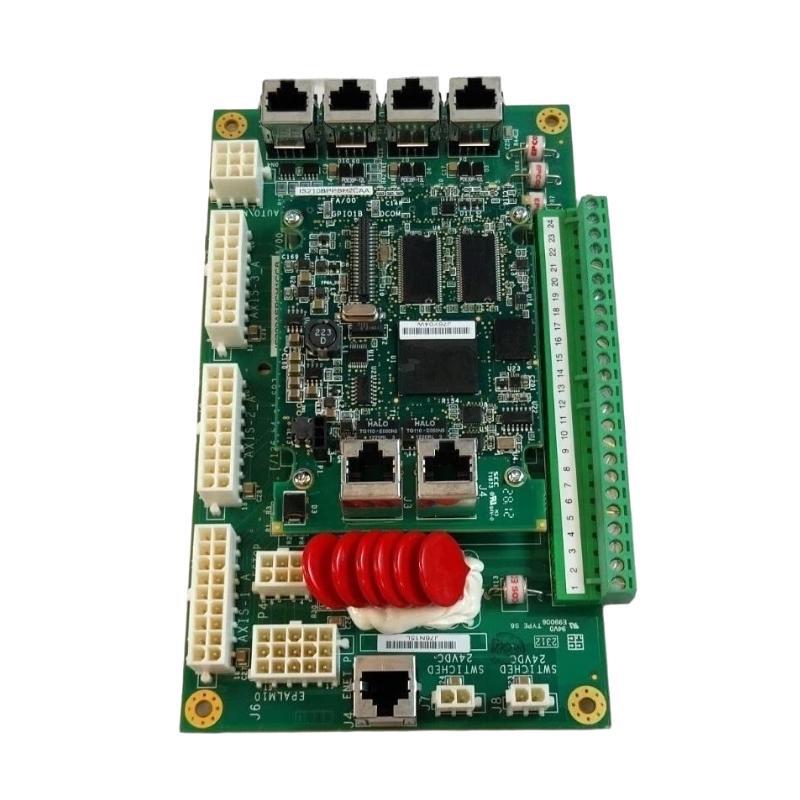
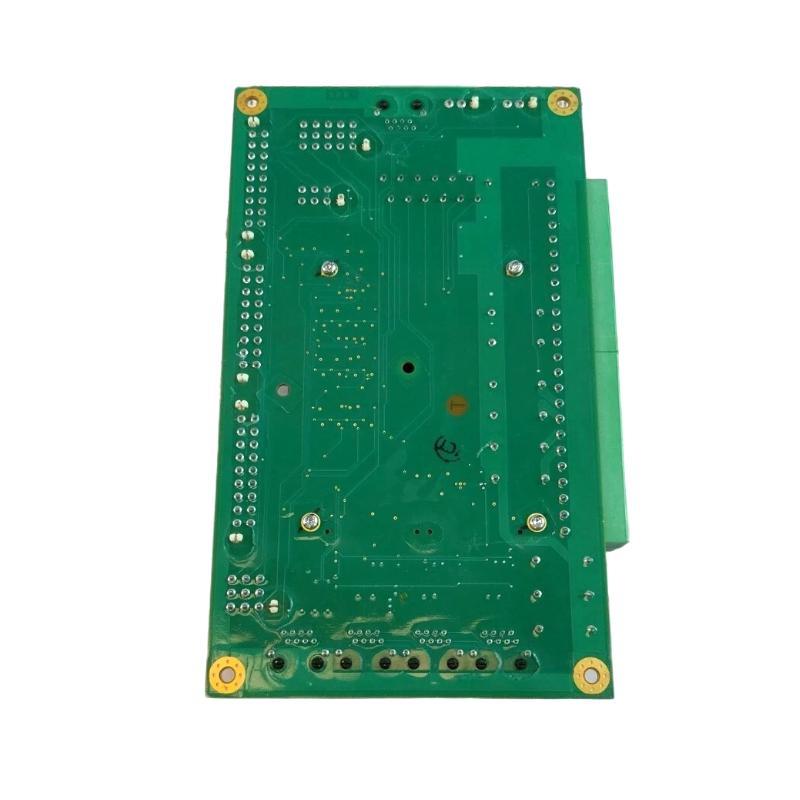
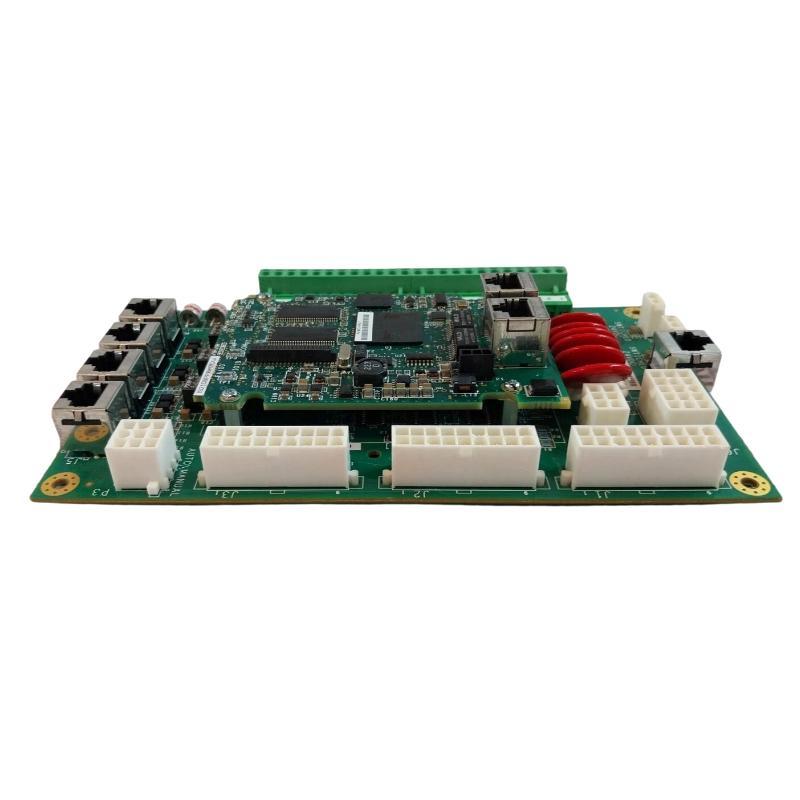
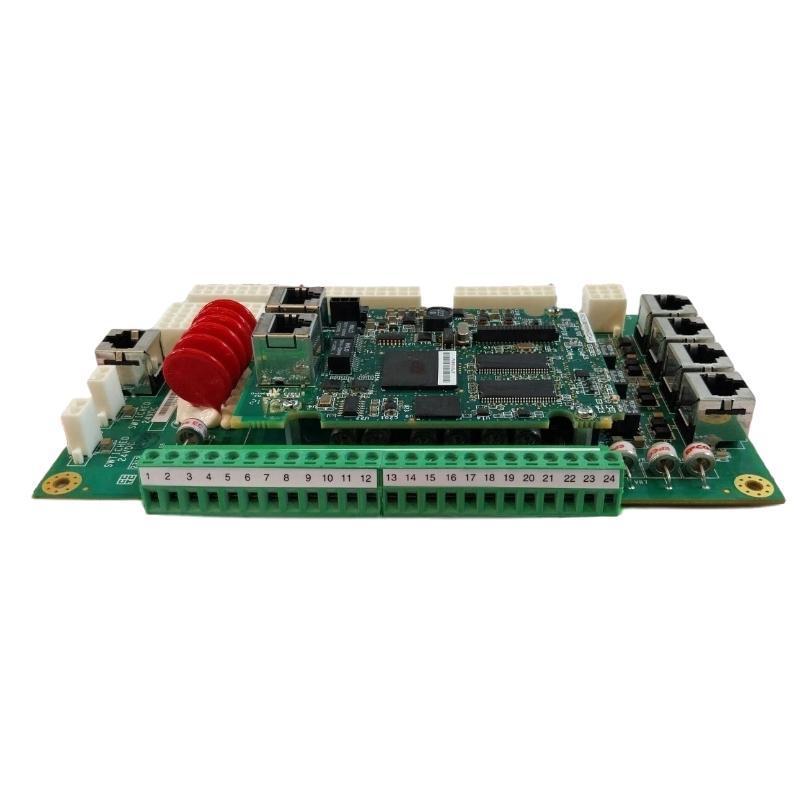
- GE
- IS210BPPBH2C
- Processor Board
- USA
- 200 × 100 × 25 mm
- 0.58 kg
- Xiamen, China
- New & In Stock
- T/T, PayPal, Western Union
- 1 Year
- 1-3 Working Days
- DHL, UPS, TNT, FedEx and EMS.
- 24-Hour Service
- COO
- 3
Our advantage

Global Logistics
We have a 10-year logistics and express cooperation agreement, so our products can be shipped to any place in the world.

Brand new and original
Our products are imported in bulk from the place of origin. Because of the cooperative relationship, our products are all original and 100% new.

24-hour service
We provide 7*24 hours service to our customers. We will be there whenever you need us.

Price advantage
All our products are priced very favorably because we have our own warehouse and supply.
| Company Information | |||
| [email protected] | |||
| Mobile | +8615980777398 | ||
| +8615980777398 | |||
| 15980777398 |
Product Overview
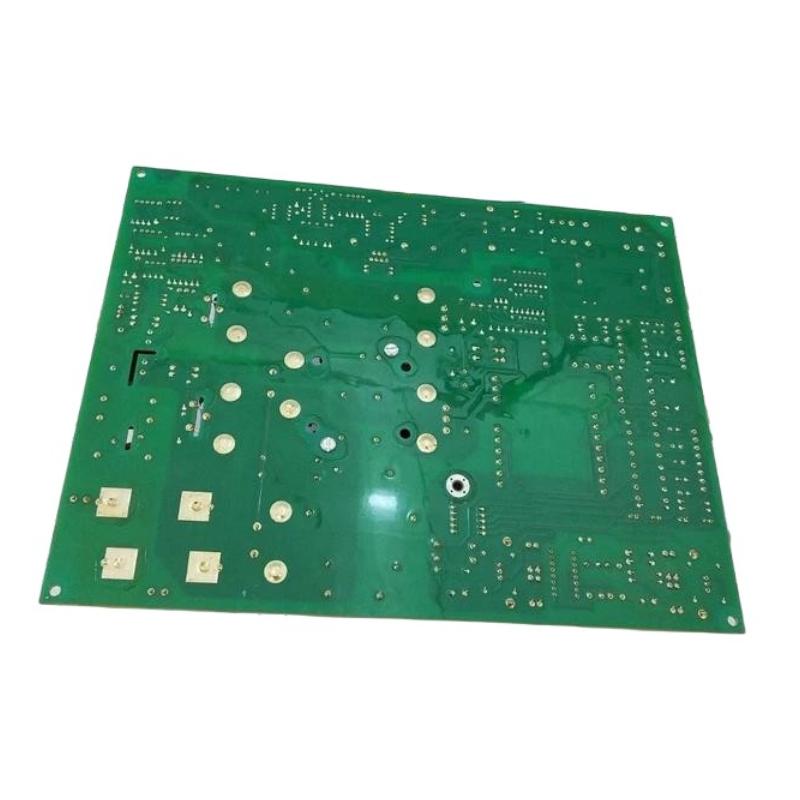
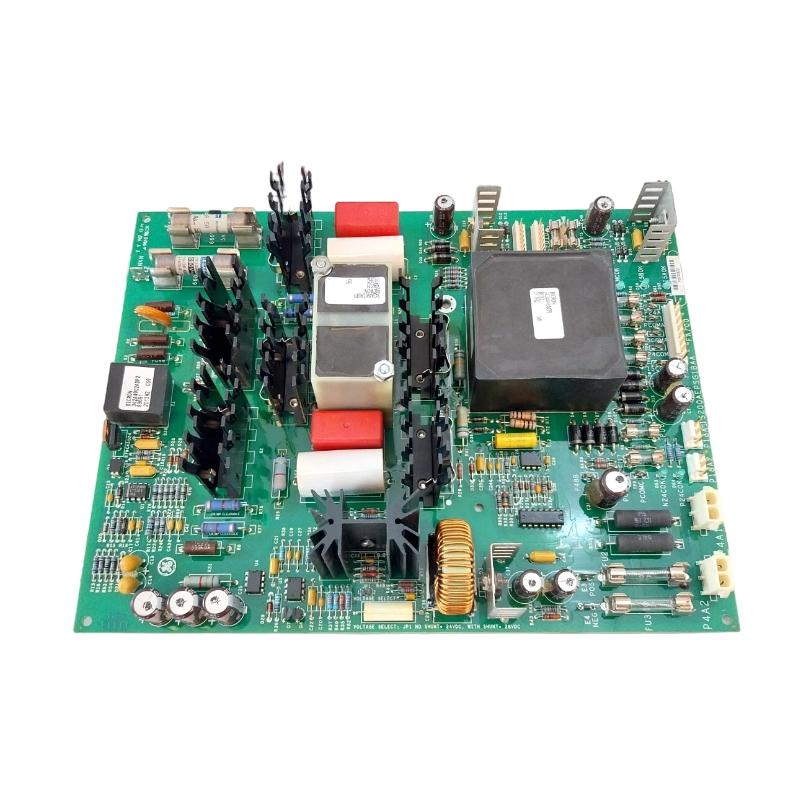
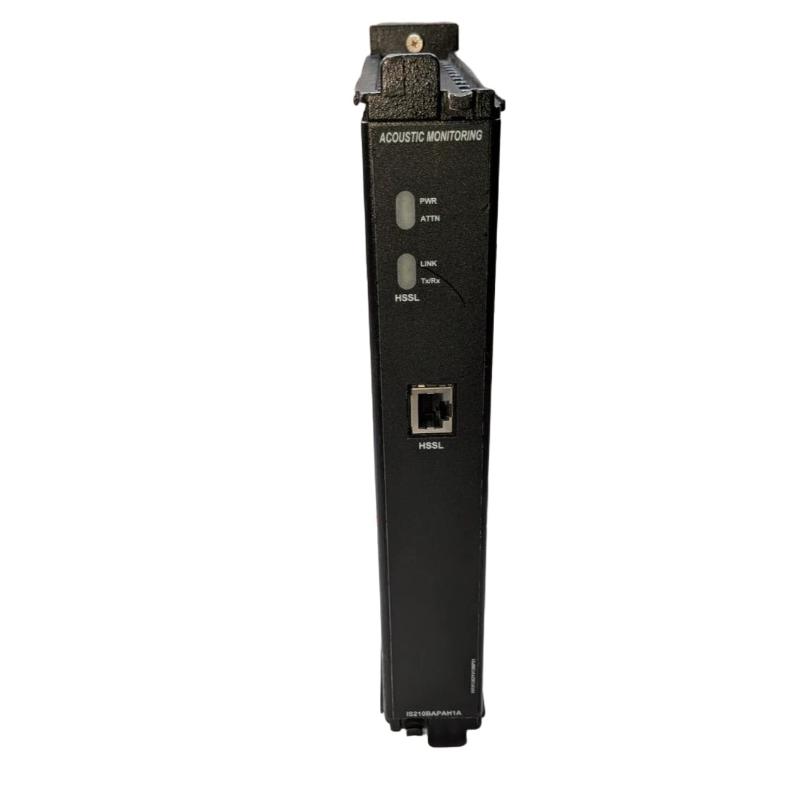
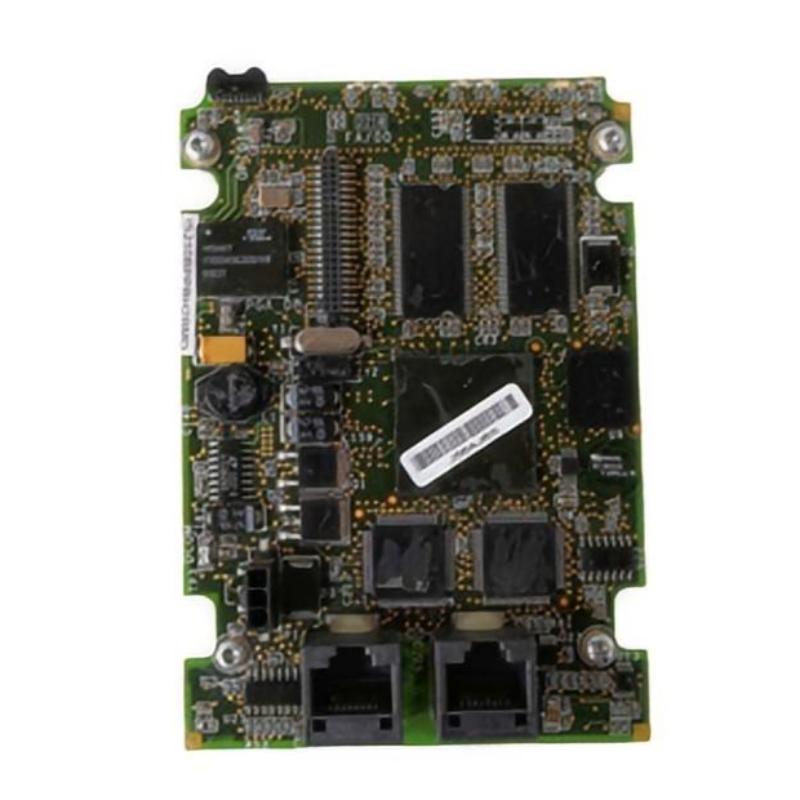
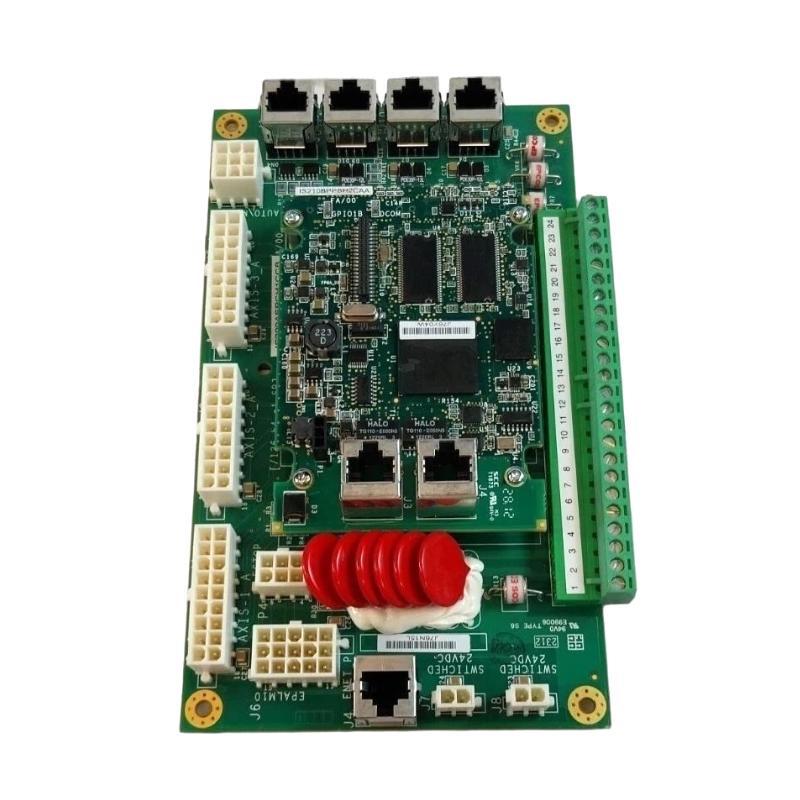
The GE IS210BPPBH2C Processor Board is an industrial control circuit board designed for use within compatible GE automation and control system architectures. As a processor-oriented electronic assembly, the board is intended to support control-system processing, communication between electronic subsystems, and coordinated execution of industrial control functions.
Processor boards are an important part of distributed industrial control architectures because they provide the computational and coordination functions required to manage signals received from other system boards. Depending on the host equipment, a processor board can participate in data processing, control logic execution, system supervision, and communication between different layers of the automation system.
The GE IS210BPPBH2C has a listed physical size of 200 × 100 × 25 mm and a weight of approximately 0.58 kg. Its compact board-level construction allows it to be installed as part of an industrial control assembly while occupying relatively limited cabinet or equipment space.
For replacement and maintenance applications, the complete model designation IS210BPPBH2C should be verified carefully because GE IS210 boards can have similar physical characteristics while performing different electrical and control functions.
Technical Specifications
| Parameter | Specification |
|---|---|
| Manufacturer | General Electric (GE) |
| Model | IS210BPPBH2C |
| Product Type | Processor Board |
| Product Family | GE IS210 Series |
| Primary Function | Industrial control processing |
| Application | Industrial Automation and Control |
| Board Type | Processor / Control Circuit Board |
| Dimensions | 200 × 100 × 25 mm |
| Weight | 0.58 kg |
| Installation | Compatible GE industrial control equipment |
| System Role | Control processing and system coordination |
The exact processor architecture, memory configuration, communication interfaces, electrical ratings, and supported functions depend on the host system and applicable hardware configuration. These characteristics should be confirmed against the identification information and documentation associated with the installed board.
What Is the GE IS210BPPBH2C?
The GE IS210BPPBH2C is a processor board intended to provide processing functionality within a compatible GE industrial control system.
In an industrial automation architecture, processor boards provide the computational layer between field-level signals, I/O hardware, communication interfaces, and higher-level control functions. Rather than directly performing a physical process operation, the processor board generally participates in interpreting system information and executing the control functions assigned to the associated control architecture.
A simplified industrial control structure can be represented as:
Field Devices → I/O Electronics → Processor Board → Control Logic → Output / Actuation
The actual architecture can vary depending on the equipment in which the IS210BPPBH2C is installed.
The processor board may work together with other circuit boards, backplanes, communication assemblies, power components, and interface modules. Correct compatibility therefore depends on the complete system configuration rather than the physical dimensions of the board alone.
Function and Working Principle
Data Processing
The primary purpose of a processor board is to process information exchanged within the industrial control system.
Signals collected by associated I/O hardware can be transferred to the control-processing layer. The processor then handles the information according to the logic and system architecture established by the host equipment.
This processing may involve:
- Input data interpretation
- Control logic execution
- System status processing
- Communication management
- Diagnostic information handling
- Coordination with other control boards
The exact functions depend on the application and system configuration.
Control Logic Execution
Industrial control systems rely on continuous execution of programmed or configured control functions. The processor provides the computational resources necessary for these operations.
For example, information from sensors can be evaluated against configured operating conditions. The resulting control decisions can then be transferred through the appropriate output or interface hardware.
System Coordination
A processor board can also serve as a coordination point between different electronic assemblies.
The control architecture may contain multiple boards responsible for:
- Input acquisition
- Output control
- Communication
- Signal conditioning
- Power management
- Protection
- System monitoring
The processor provides the central processing function required to coordinate information between these subsystems.
Diagnostic Processing
Industrial control equipment normally requires continuous monitoring of system status. Processor-level functions can contribute to identifying abnormal conditions and making diagnostic information available to maintenance personnel.
This can help technicians distinguish between field-device problems, I/O problems, communication problems, and processor-related issues.
Role in Industrial Control Systems
The GE IS210BPPBH2C Processor Board can be considered part of the control-processing layer of a larger industrial automation system.
A typical architecture may include:
Sensors → Input Interface → Control Processor → Output Interface → Industrial Equipment
The processor receives information from the surrounding control architecture and executes the appropriate processing functions.
This architecture provides several important benefits:
- Centralized control processing
- Continuous system monitoring
- Coordination between system modules
- Faster response to process changes
- Structured diagnostic information
- Integration with other industrial control assemblies
The processor board therefore plays an important role even though it may not directly connect to the physical process.
Industrial Applications
The IS210BPPBH2C may be used in industrial environments where compatible GE control equipment requires dedicated processing electronics.
Potential application areas include:
Power Generation
Industrial power-generation systems rely on control electronics to monitor equipment status and coordinate control operations. Processor-level hardware can contribute to the processing and management of system information.
Industrial Machinery
Automated machinery requires continuous processing of sensor and control information. A processor board can provide the computational layer required for coordinated machine operation.
Process Automation
Process-control applications use multiple measurements and control signals to maintain stable operating conditions. Processor hardware helps coordinate these signals within the control architecture.
Utility Systems
Water, energy, and other utility systems can contain distributed control equipment requiring reliable processing and communication between electronic assemblies.
Industrial Drive and Equipment Control
Motor drives and other industrial equipment can be integrated into larger automation systems where processor-level control electronics coordinate operating conditions and system status.
The exact application of the IS210BPPBH2C should always be determined from the host equipment and original system design.
System Architecture and Integration
The IS210BPPBH2C should not be evaluated as an isolated circuit board. Its function depends on how it is integrated into the complete GE control architecture.
A typical system may contain several layers.
| System Layer | Typical Function |
|---|---|
| Field Devices | Measure physical process conditions |
| Sensors | Generate process-related signals |
| I/O Boards | Acquire and distribute signals |
| Processor Board | Execute control and processing functions |
| Communication Hardware | Transfer system data |
| Output Interfaces | Send control commands |
| Actuators | Perform physical process actions |
| Operator Interface | Provide monitoring and control |
The processor board can therefore act as a central processing element between measurement and control functions.
Correct integration requires the board revision, connectors, host equipment, associated boards, and system configuration to be checked before installation.
Installation Guidelines
Proper handling and installation are important when replacing or servicing an industrial processor board.
Verify the Model Number
Before installation, verify the complete identification:
GE IS210BPPBH2C
Do not rely only on the general IS210 family designation. Similar-looking boards can have different functions and electrical interfaces.
Record Existing Connections
Before removing an existing board, document:
- Board location
- Connector positions
- Cable routing
- Associated boards
- Hardware identification
- System configuration
- Existing diagnostic information
This information can simplify replacement and reduce the possibility of incorrect reconnection.
Handle the Board Carefully
Circuit boards should be handled using appropriate electrostatic-discharge precautions. Avoid touching exposed electronic components unnecessarily.
The board should also be protected from:
- Static electricity
- Moisture
- Excessive mechanical force
- Contamination
- Physical impact
Verify Connectors
All connectors should be inspected before installation. Bent contacts, damaged connectors, contamination, or loose connections can cause symptoms that may appear to be processor-board failures.
Confirm System Compatibility
The replacement board should match the required model and revision for the host equipment. A board with the same general dimensions should not automatically be considered interchangeable.
Commissioning Procedure
After installing the GE IS210BPPBH2C, commissioning should be performed carefully.
Step 1: Visual Inspection
Inspect the board and surrounding equipment for obvious physical problems.
Step 2: Connector Verification
Confirm that all required connections are properly seated and correspond to the original installation.
Step 3: System Power-Up
Restore system power according to the applicable equipment procedure.
Step 4: Diagnostic Check
Observe available system diagnostic information and check for processor, communication, or system-related faults.
Step 5: Functional Verification
Verify that the associated control system recognizes the processor hardware and that expected system functions are operating normally.
Step 6: Process Verification
Where applicable, confirm that connected equipment responds correctly under controlled operating conditions before returning the system to normal service.
Troubleshooting Guide
Processor-board faults can produce symptoms that overlap with failures in power supplies, I/O boards, communication equipment, wiring, or external devices.
System Does Not Start
Possible causes include:
- Power-related problems
- Incorrect board installation
- Connector problems
- Processor hardware failure
- Backplane or interface problems
- System configuration issues
Check the complete control system rather than replacing the processor board immediately.
Communication Problems
If the processor cannot communicate correctly with associated equipment, inspect:
- Communication connections
- Board connectors
- Associated interface boards
- Power supply conditions
- System configuration
- Diagnostic indicators
Communication problems do not necessarily indicate a processor-board failure.
Intermittent Operation
Intermittent behavior may be associated with:
- Loose connectors
- Vibration
- Temperature changes
- Power instability
- Board degradation
- Backplane connection problems
- Communication interruptions
Trend monitoring and inspection of the complete system can help identify the root cause.
Unexpected Control Behavior
Unexpected control behavior should be investigated by checking the entire signal path.
A useful diagnostic sequence is:
Field Device → I/O Board → Communication Path → Processor → Output Interface → Actuator
This approach reduces the risk of replacing a functional processor board when the actual problem exists elsewhere.
Preventive Maintenance
Regular maintenance can improve the reliability of industrial control electronics.
Inspect the Board
Look for visible signs of:
- Physical damage
- Contamination
- Corrosion
- Loose components
- Connector deterioration
Maintain the Control Cabinet
The surrounding enclosure should be maintained in a suitable condition. Excessive dust, moisture, heat, and vibration can negatively affect electronic equipment.
Inspect Connections
Connectors and associated cables should be checked periodically, particularly in environments exposed to vibration or frequent maintenance activity.
Monitor System Diagnostics
Recurring alarms or communication problems should be investigated rather than repeatedly reset.
Maintain Replacement Records
For critical control systems, maintaining an appropriate spare-board inventory can reduce downtime when an electronic assembly requires replacement.
Physical Dimensions and Weight
The listed physical specifications of the GE IS210BPPBH2C Processor Board are:
| Physical Parameter | Value |
|---|---|
| Length | 200 mm |
| Width | 100 mm |
| Thickness | 25 mm |
| Overall Dimensions | 200 × 100 × 25 mm |
| Weight | 0.58 kg |
These dimensions are useful when planning equipment maintenance, replacement logistics, storage, and control-cabinet servicing.
The physical size should not, however, be used as the sole basis for compatibility.
Replacement Considerations
When replacing an IS210BPPBH2C processor board, technicians should verify the following information:
- Full model number
- Board revision
- Hardware markings
- Connector arrangement
- Installation position
- Host control system
- Associated circuit boards
- Existing system configuration
- Diagnostic condition before removal
The correct replacement should match the requirements of the original control architecture.
A visually similar GE IS210 board may have a completely different electrical or processing function. Therefore, substitution based only on dimensions, connector appearance, or board-family designation is not recommended.
Related GE Control Components
A processor board normally operates together with several other types of industrial electronic assemblies.
| Component Type | Typical Role |
|---|---|
| I/O Interface Board | Collects or distributes field signals |
| Communication Board | Transfers system information |
| Backplane | Provides board interconnection |
| Power Supply Assembly | Provides required system power |
| Signal-Conditioning Board | Conditions field signals |
| Control Interface Board | Connects processing functions to other subsystems |
| Operator Interface | Displays operating and diagnostic information |
The exact components compatible with the IS210BPPBH2C depend on the original GE control-system architecture.
Engineering Best Practices
For reliable operation of a GE processor-board-based control system, several engineering practices are recommended.
Maintain Accurate Hardware Records
Record model numbers, revisions, installation locations, and associated equipment.
Avoid Unverified Substitutions
Do not substitute a processor board simply because another board has similar dimensions.
Protect Against ESD
Use suitable electrostatic-discharge protection during handling and replacement.
Investigate Root Causes
When a processor-related fault occurs, inspect power, communication, I/O, and field equipment before concluding that the processor board itself is defective.
Keep Critical Spares
Where system downtime has a significant operational impact, maintaining a correctly identified spare processor board can shorten repair time.
Document Replacement Work
Record the date, board identification, system location, observed fault, and commissioning results after replacement.
Key Advantages
The GE IS210BPPBH2C provides several practical characteristics for industrial control applications:
- Dedicated processor-board architecture
- Compact 200 × 100 × 25 mm construction
- Listed weight of 0.58 kg
- Suitable for integration into compatible GE industrial control equipment
- Supports centralized control-system processing
- Can coordinate information between multiple control subsystems
- Supports structured system diagnostics
- Suitable for industrial maintenance and replacement applications
- Designed as part of a larger GE control architecture
Technical FAQs
What is the GE IS210BPPBH2C?
The GE IS210BPPBH2C is a Processor Board designed for use within compatible GE industrial control equipment.
What is the primary function of the IS210BPPBH2C?
Its primary role is associated with control-system processing and coordination of information within the host industrial automation architecture.
What are the dimensions of the IS210BPPBH2C?
The listed dimensions are 200 × 100 × 25 mm.
How much does the IS210BPPBH2C weigh?
The listed weight is approximately 0.58 kg.
Is the IS210BPPBH2C a complete PLC?
No. It is a processor board intended to operate as part of a larger industrial control system. It should not automatically be treated as a standalone PLC controller.
Can another IS210 board replace the IS210BPPBH2C?
Not automatically. The complete model number, revision, electrical interfaces, host system, and system configuration should be verified before replacement.
What can cause a processor-board fault?
Possible causes include power problems, connector issues, communication failures, environmental conditions, backplane problems, configuration issues, or actual board-level hardware failure.
How should the IS210BPPBH2C be maintained?
Maintenance should include inspection of the board, connectors, surrounding control cabinet, associated cables, and system diagnostic information. Appropriate ESD precautions should be used whenever the board is handled.
Conclusion
The GE IS210BPPBH2C Processor Board is an industrial electronic assembly intended to provide processing and coordination functions within compatible GE control-system architectures. Processor hardware forms an important part of industrial automation because it connects information from I/O and communication subsystems with the control logic responsible for managing industrial equipment.
With listed dimensions of 200 × 100 × 25 mm and a weight of approximately 0.58 kg, the IS210BPPBH2C offers a compact board-level form factor suitable for integration into industrial control equipment.
For replacement, maintenance, and troubleshooting applications, the complete IS210BPPBH2C designation should be verified carefully. Proper connector identification, system compatibility, ESD protection, commissioning, and root-cause troubleshooting are essential for reliable operation.
The effectiveness of the processor board ultimately depends on the complete control-system architecture in which it is installed. Correctly matched with the associated I/O, communication, power, and control hardware, the GE IS210BPPBH2C Processor Board can serve as an important processing component in industrial automation and control applications.