

ProductPRODUCT
Featured products
Contact Us
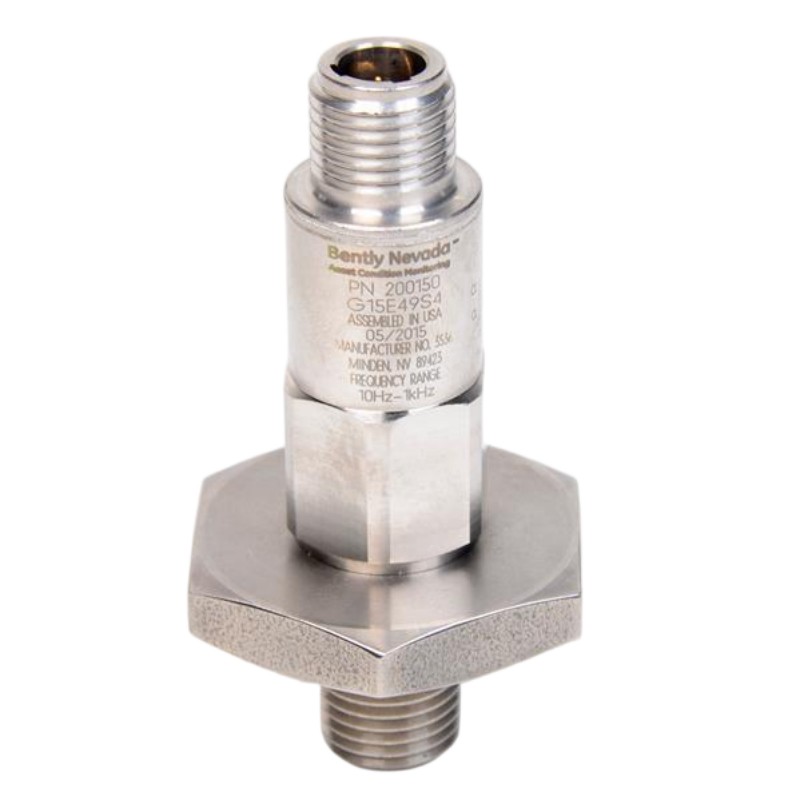
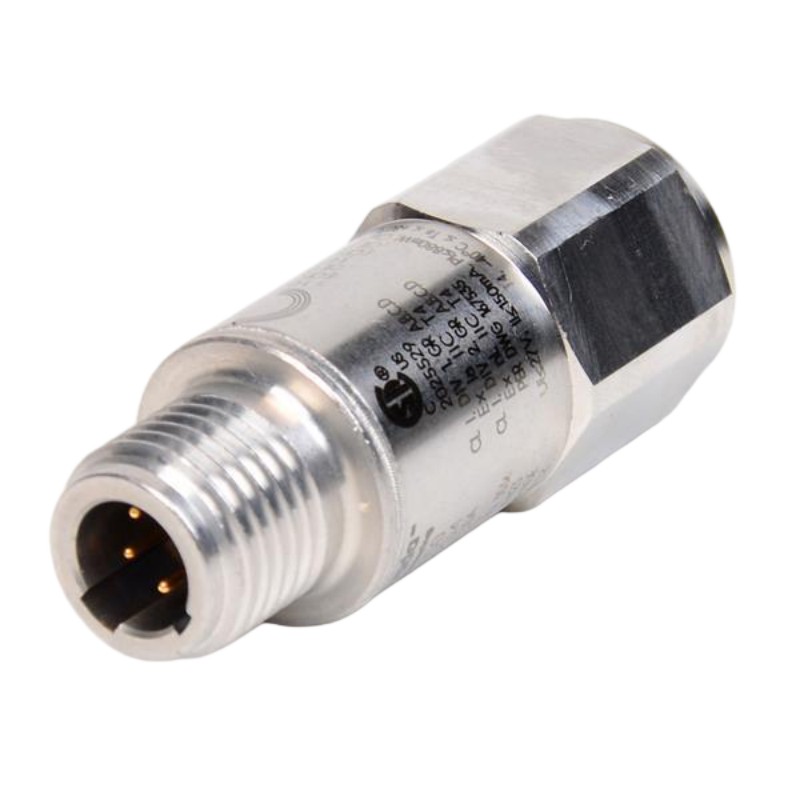
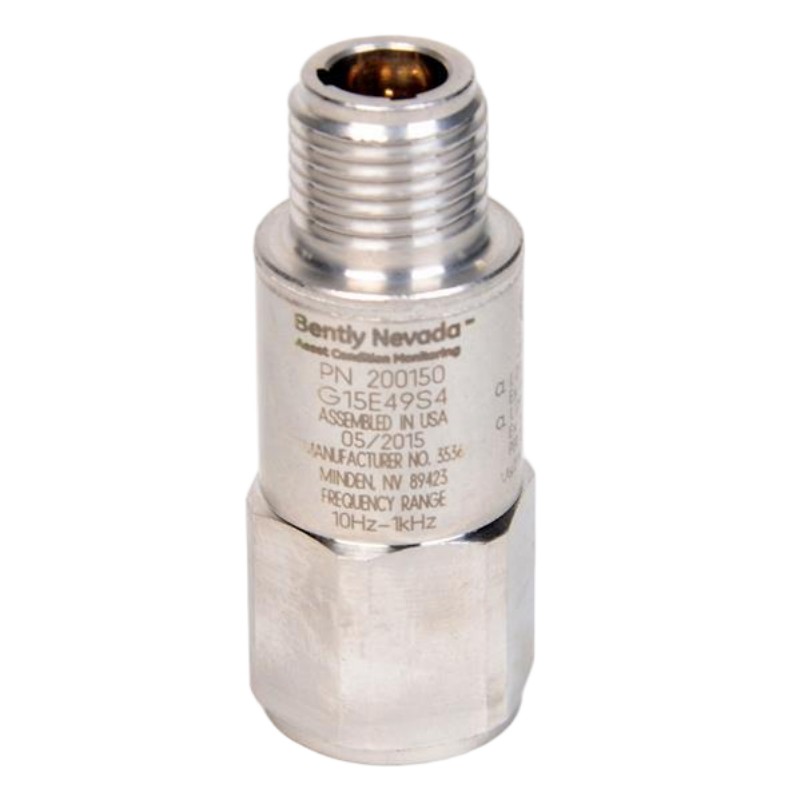
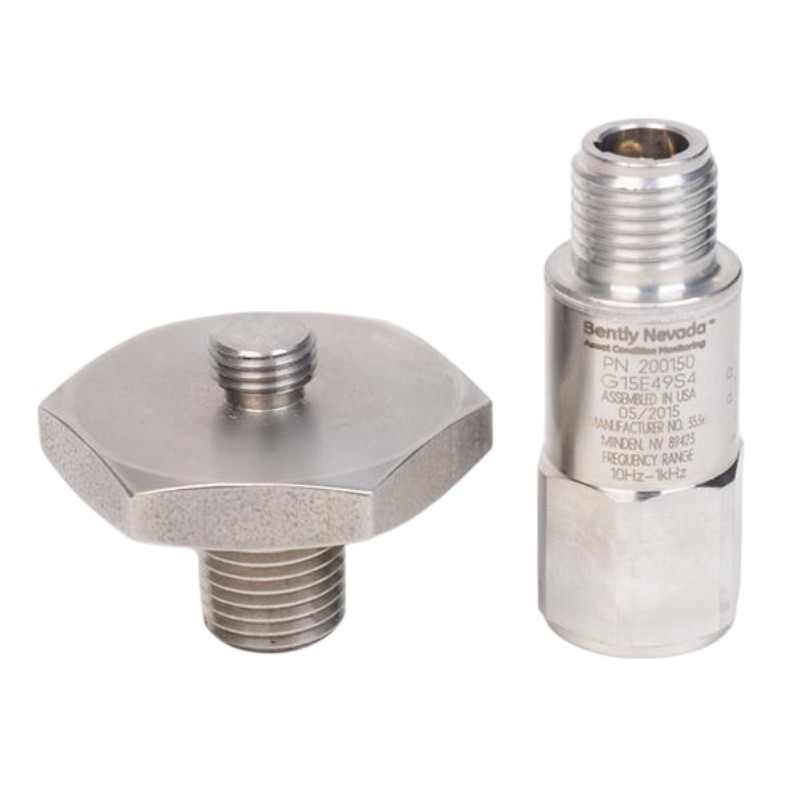
- Bently Nevada
- 200150-14-CN
- General-Purpose Accelerometer
- USA
- 45.7 × 17.5 mm
- 0.058 kg
- Xiamen, China
- New & In Stock
- T/T, PayPal, Western Union
- 1 Year
- 1-3 Working Days
- DHL, UPS, TNT, FedEx and EMS.
- 24-Hour Service
- COO
- 8
Our advantage

Global Logistics
We have a 10-year logistics and express cooperation agreement, so our products can be shipped to any place in the world.

Brand new and original
Our products are imported in bulk from the place of origin. Because of the cooperative relationship, our products are all original and 100% new.

24-hour service
We provide 7*24 hours service to our customers. We will be there whenever you need us.

Price advantage
All our products are priced very favorably because we have our own warehouse and supply.
| Company Information | |||
| [email protected] | |||
| Mobile | +8615980777398 | ||
| +8615980777398 | |||
| 15980777398 |
Product Overview
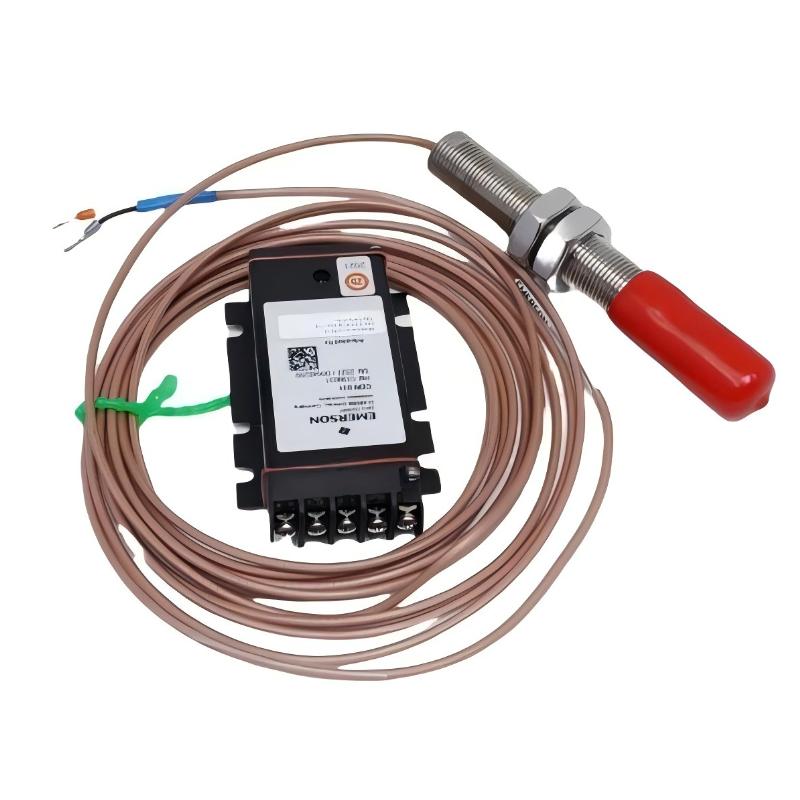
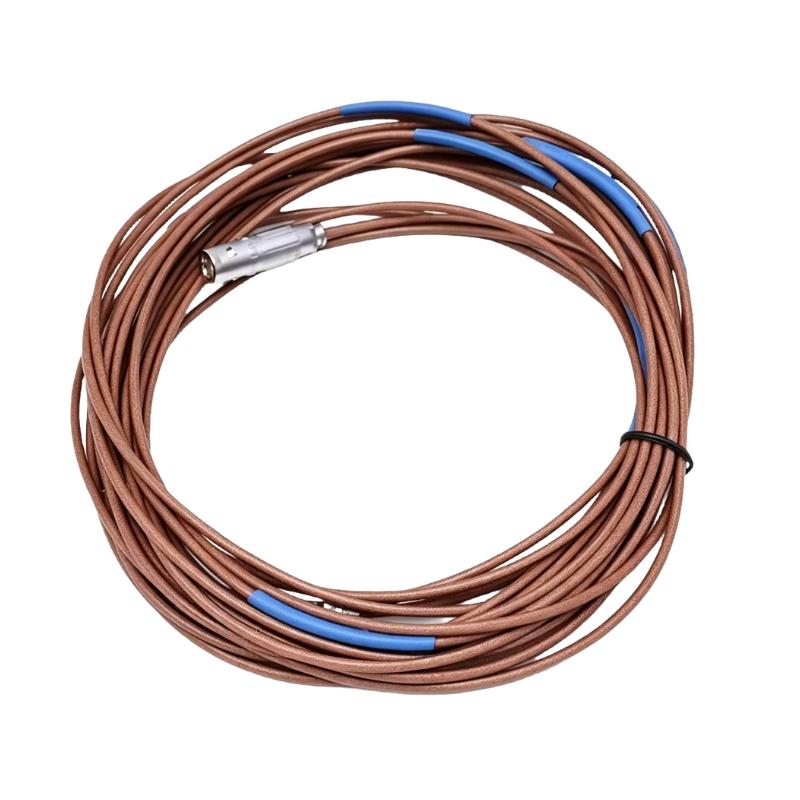
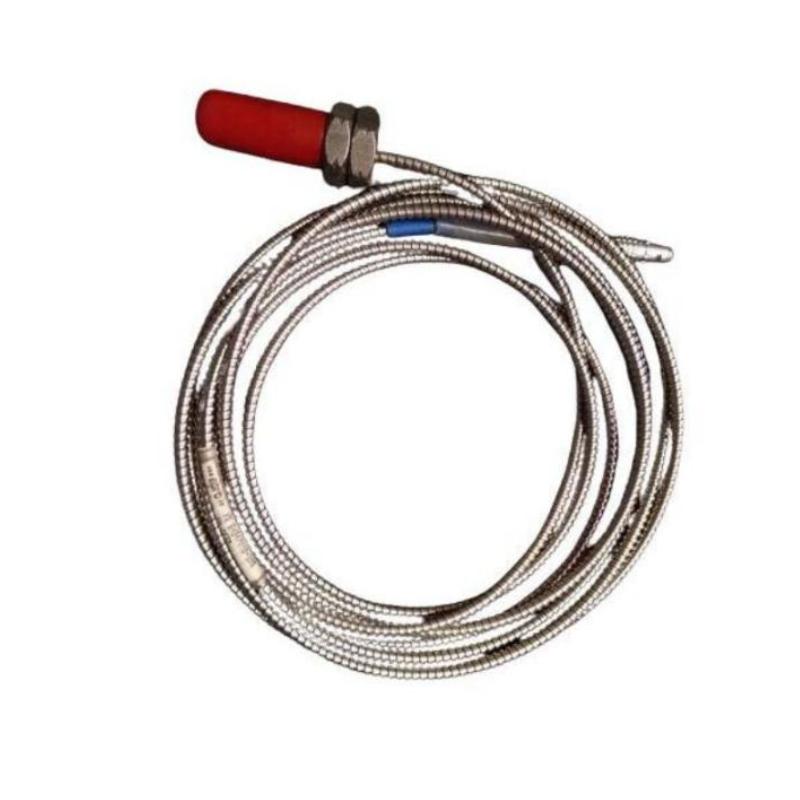
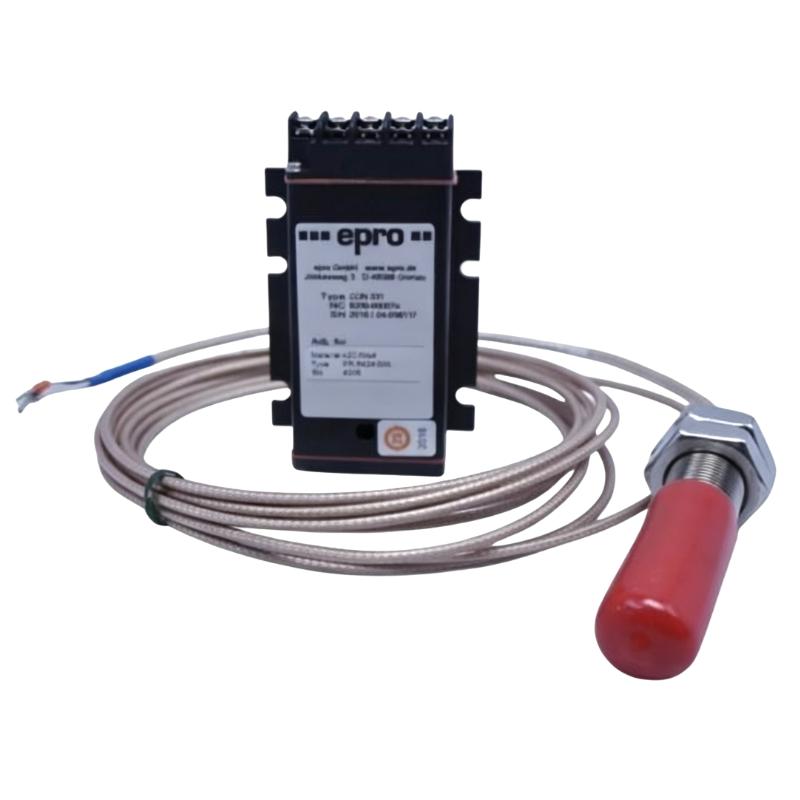
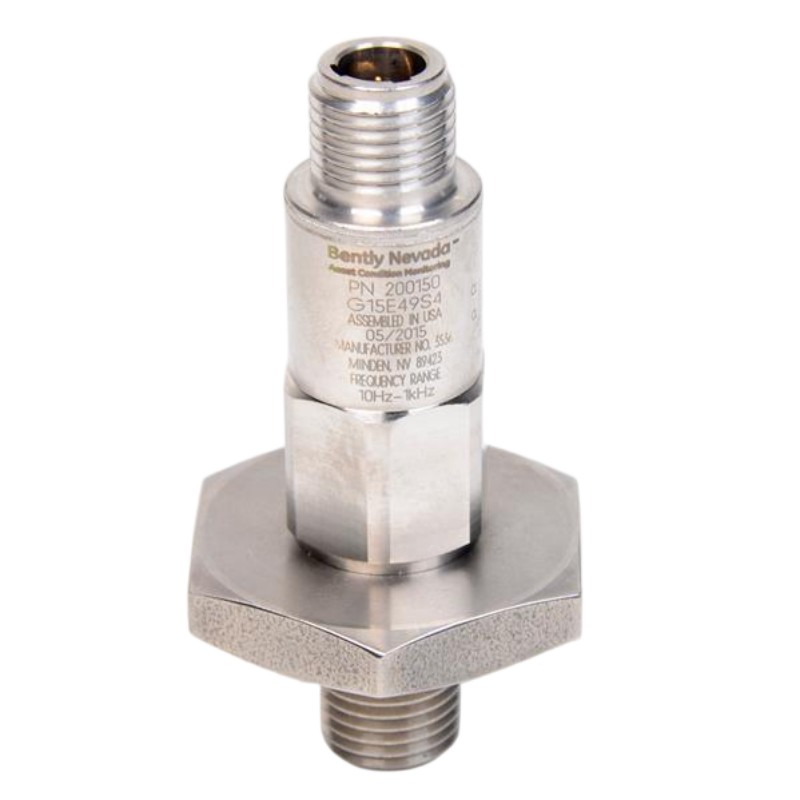
The Bently Nevada 200150-14-CN General-Purpose Accelerometer is a vibration sensor used for monitoring machinery condition through acceleration measurements. It is intended for applications where vibration data needs to be collected from rotating equipment and transferred to a compatible monitoring or data acquisition system.
As a general-purpose accelerometer, the 200150-14-CN can be installed on machinery structures such as bearing housings, motor casings, pump housings, fan assemblies, and other locations where structural vibration is representative of machine operating condition. The sensor responds to mechanical vibration and produces an electrical output that can be evaluated by downstream monitoring equipment.
This type of sensor is useful in machinery monitoring arrangements where acceleration measurements complement shaft-relative measurements from proximity probes. While a proximity probe monitors relative shaft movement, an accelerometer measures vibration transmitted through the machine structure, giving maintenance personnel another measurement point for evaluating rotating equipment.
The 200150-14-CN can therefore serve as a practical field-level sensing device in vibration monitoring systems, particularly where a compact general-purpose accelerometer is required for machinery condition assessment.
Technical Specifications
| Parameter | Value |
|---|---|
| Manufacturer | Bently Nevada |
| Model / Part Number | 200150-14-CN |
| Product Type | General-Purpose Accelerometer |
| Application | Machinery vibration monitoring |
| Dimensions | 45.7 × 17.5 mm |
| Weight | 0.058 kg |
Product Features
- General-purpose accelerometer for machinery vibration measurement.
- Suitable for monitoring vibration transmitted through machine structures.
- Compact sensor format for installation on rotating equipment.
- Can be applied to motors, pumps, fans, compressors, and other machinery.
- Provides acceleration information for condition monitoring and diagnostic systems.
- Complements proximity-based measurements in broader machinery monitoring architectures.
- Suitable for integration with compatible vibration monitoring and data acquisition equipment.
Working Principle
The 200150-14-CN senses mechanical acceleration generated by machine vibration. When installed on a machine structure, vibration from components such as bearings, shafts, gears, or rotating assemblies is transmitted through the machine casing to the accelerometer.
The sensing element converts this mechanical motion into an electrical signal representing the measured vibration. The signal can then be routed to compatible monitoring electronics for measurement, trending, alarm processing, or further vibration analysis.
A typical signal path is:
Rotating Machine → Machine Structure → 200150-14-CN Accelerometer → Monitoring / Signal Conditioning Equipment → Control or Condition Monitoring System
Unlike a proximity probe that measures the relative movement between a probe tip and a shaft target, the accelerometer responds to vibration of the structure where it is mounted. This makes mounting location an important part of measurement quality.
Role in a Machinery Vibration Monitoring Architecture
Machine Structure → Accelerometer → Signal Conditioning / Monitoring Interface → Vibration Monitoring System → Operator or Maintenance System
| System Element | Function |
|---|---|
| Rotating Machine | Generates mechanical vibration during operation |
| Machine Housing / Bearing Structure | Transfers vibration to the sensor mounting point |
| 200150-14-CN | Detects structural acceleration associated with machine vibration |
| Signal Conditioning Equipment | Processes the accelerometer output for monitoring |
| Vibration Monitoring System | Displays, trends, and evaluates vibration measurements |
| Maintenance / Control System | Uses the monitored condition data for maintenance decisions or machine protection functions |
The accelerometer occupies the field sensing position in this architecture. Its installation location determines which mechanical vibration characteristics are captured, so the sensor should be mounted at a point that provides a useful representation of the monitored machine.
Industrial Applications
| Application | Typical Use |
|---|---|
| Motor Monitoring | Measures casing vibration on electric motors and motor-driven equipment |
| Pump Monitoring | Provides structural vibration measurements for pump condition assessment |
| Compressor Monitoring | Supports vibration monitoring on compressor housings and associated machinery |
| Fan and Blower Monitoring | Detects vibration transmitted through fan and blower structures |
| Bearing Condition Monitoring | Captures vibration near bearing housings for condition analysis |
| General Rotating Equipment | Provides acceleration measurements for machinery condition monitoring programs |
Installation and Maintenance
- Select an appropriate mounting location
Choose a structurally representative point close to the machine component being monitored. - Prepare the mounting surface
Remove dirt, loose paint, corrosion, oil, and other contamination that could affect mechanical coupling. - Check the mounting arrangement
Confirm that the available mounting interface is suitable for the accelerometer and compatible with the machine structure. - Maintain firm mechanical coupling
The sensor should be securely mounted so that the machine vibration is transferred effectively to the sensing element. - Avoid flexible mounting points
Do not install the sensor on loose covers, thin panels, or structures that can introduce vibration unrelated to the machine condition being evaluated. - Route the cable carefully
Keep the cable away from rotating components, sharp edges, excessive heat, and areas subject to repeated mechanical movement. - Protect the cable connection
Make sure the connection is secure and protected from contamination or accidental mechanical damage. - Check signal continuity during commissioning
Confirm that the monitoring system receives an appropriate sensor signal after installation. - Compare measurements with operating conditions
Establish a useful baseline under known machine operating conditions where possible. - Inspect the mounting point during maintenance
Check for looseness, corrosion, mechanical damage, or deterioration around the sensor installation. - Investigate sudden measurement changes
Unexpected changes in vibration should be evaluated together with machine speed, load, process conditions, and other available monitoring channels. - Keep installation records
Record the sensor location and associated monitoring channel so future maintenance personnel can reproduce the intended measurement arrangement.
Compatible System Components
| Component | Role in the System |
|---|---|
| Bently Nevada 200150 Series Accelerometers | Related acceleration sensing devices for machinery monitoring |
| Vibration Signal Conditioning Equipment | Interfaces and processes the accelerometer output |
| Machinery Monitoring Modules | Receives and evaluates vibration measurements |
| Data Acquisition System | Collects vibration data for trending and analysis |
| Machinery Protection System | Uses available vibration measurements for alarm and protection functions |
| Plant Control or Maintenance System | Provides higher-level monitoring and maintenance information |
Recommended Related Models
| Model | Product Type / Application |
|---|---|
| Bently Nevada 200150-14-CN | General-Purpose Accelerometer |
| Bently Nevada 200157-22-05 | Trendmaster Pro Enveloping Accelerometer |
| Bently Nevada 3300 XL Proximity Probes | Non-contact shaft vibration and displacement measurement |
| Bently Nevada 3300 System Monitoring Components | Machinery monitoring and protection applications |
| Bently Nevada Vibration Monitoring Sensors | Additional field-level vibration measurement applications |
Key Advantages
- General-purpose vibration sensing for rotating machinery.
- Compact field sensor suitable for structural vibration measurement.
- Supports condition monitoring based on acceleration data.
- Can complement shaft-relative proximity measurements.
- Applicable across a range of motors, pumps, compressors, fans, and other rotating equipment.
- Straightforward integration into compatible vibration monitoring arrangements.
Technical FAQs
What type of measurement does the Bently Nevada 200150-14-CN provide?
The 200150-14-CN is a general-purpose accelerometer that detects mechanical acceleration associated with structural vibration on monitored machinery.
Where is a general-purpose accelerometer typically installed?
It is typically mounted directly on a machine structure such as a bearing housing, motor casing, pump housing, or other mechanically representative location where vibration can be effectively transferred to the sensor.
How is an accelerometer different from a proximity probe?
An accelerometer measures vibration transmitted through the machine structure, while a proximity probe measures relative movement between the probe and a target such as a rotating shaft. The two measurement methods can therefore provide different information about the same machine.
What should be checked if the accelerometer signal changes unexpectedly?
Check the sensor mounting condition, cable and connection, machine operating speed and load, and the physical condition of the monitored equipment. A change in measured vibration should be evaluated together with other available machine data rather than being attributed to the sensor alone.