

ProductPRODUCT
Featured products
Contact Us
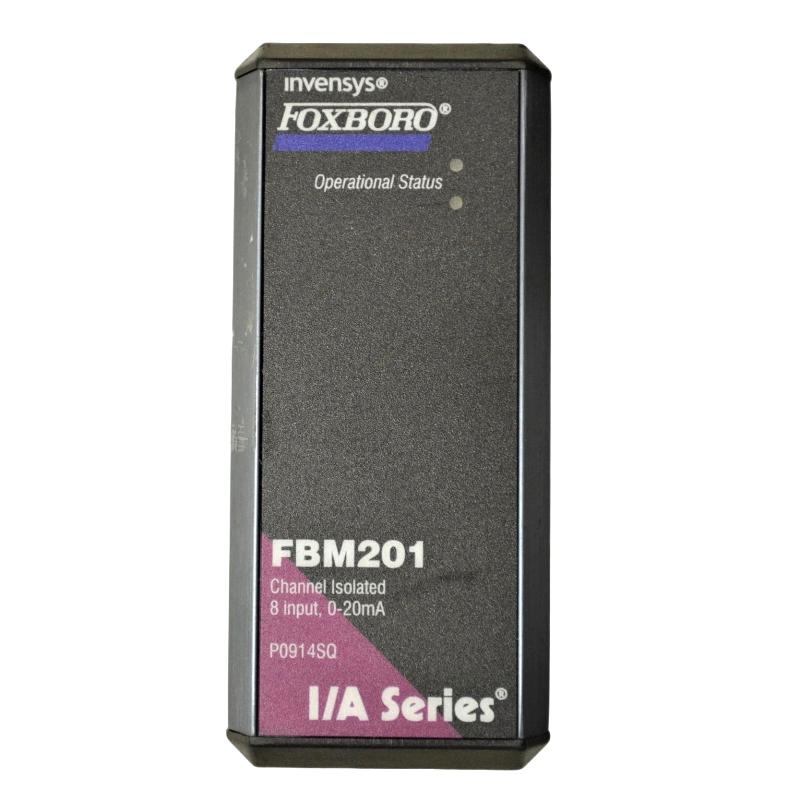
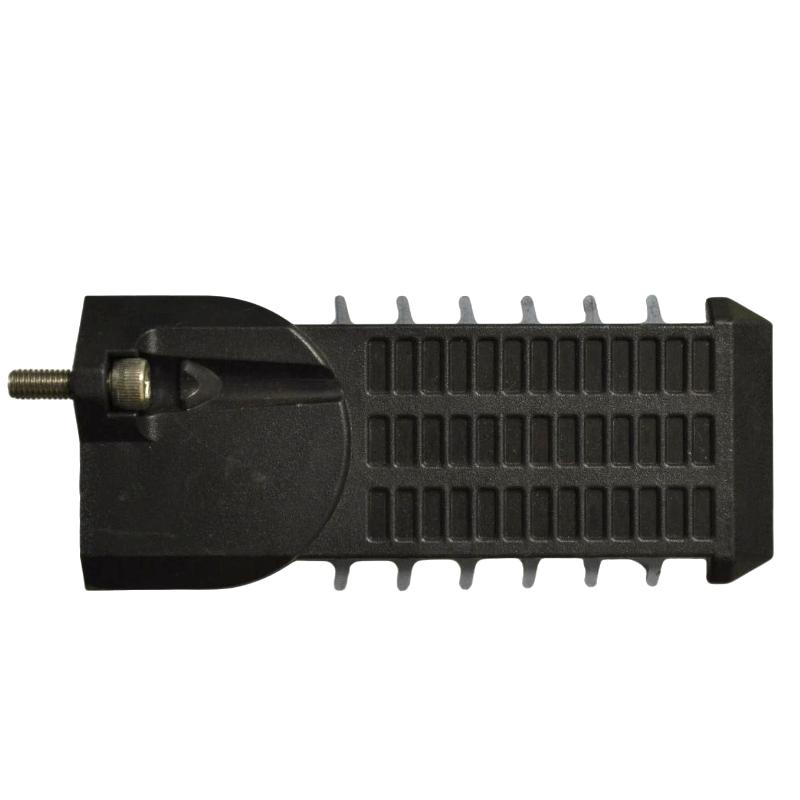
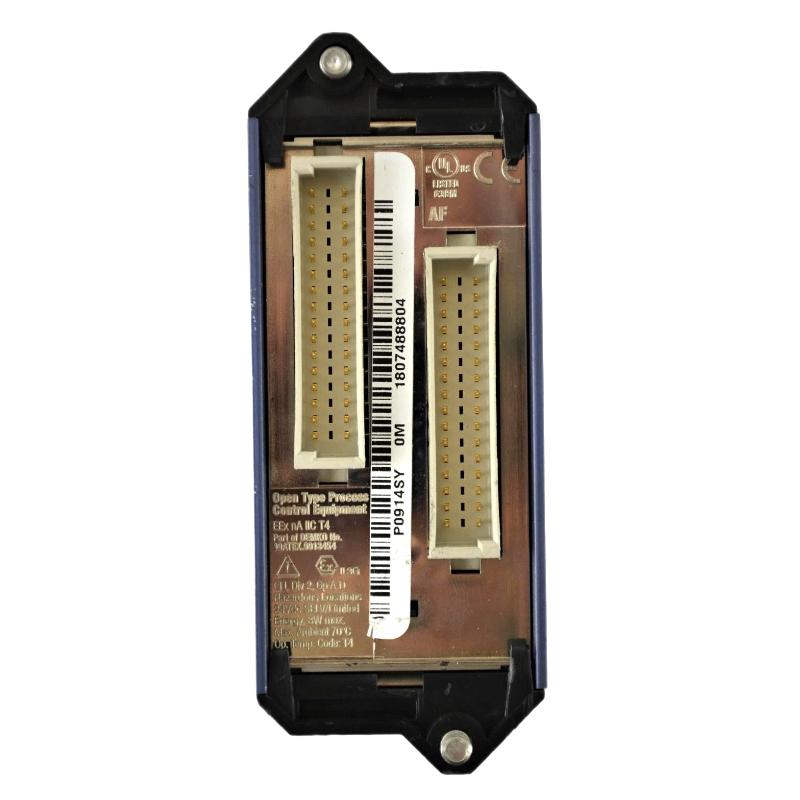
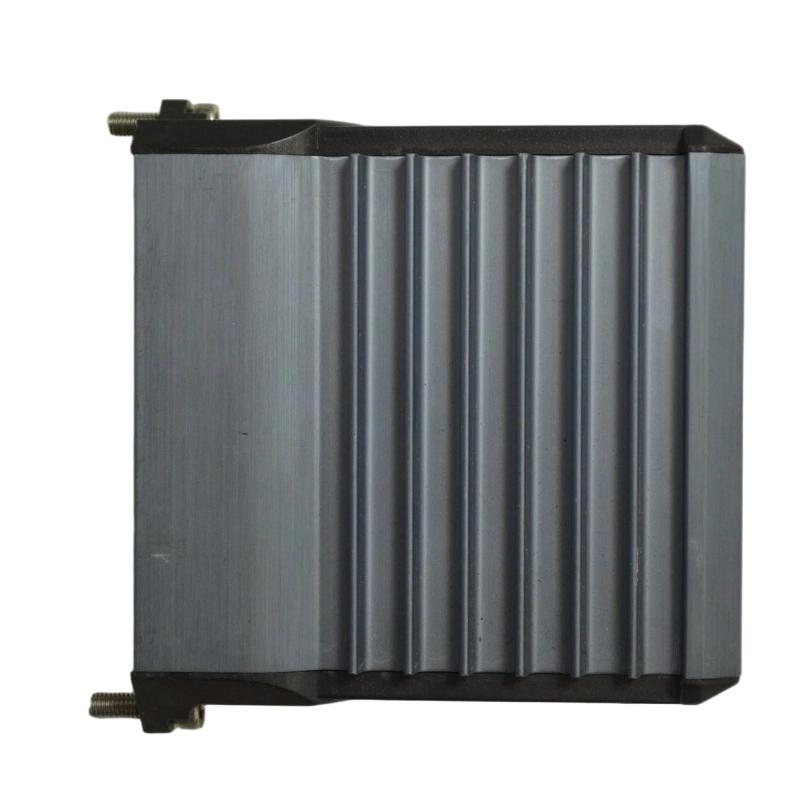
- Foxboro
- FBM202 P0926EQ
- Thermocouple/mV Input Interface Module
- USA
- 114 × 45 × 104 mm
- 0.284 kg
- Xiamen, China
- New & In Stock
- T/T, PayPal, Western Union
- 1 Year
- 1-3 Working Days
- DHL, UPS, TNT, FedEx and EMS.
- 24-Hour Service
- COO
- 27
Our advantage

Global Logistics
We have a 10-year logistics and express cooperation agreement, so our products can be shipped to any place in the world.

Brand new and original
Our products are imported in bulk from the place of origin. Because of the cooperative relationship, our products are all original and 100% new.

24-hour service
We provide 7*24 hours service to our customers. We will be there whenever you need us.

Price advantage
All our products are priced very favorably because we have our own warehouse and supply.
| Company Information | |||
| [email protected] | |||
| Mobile | +8615980777398 | ||
| +8615980777398 | |||
| 15980777398 |
Product Overview
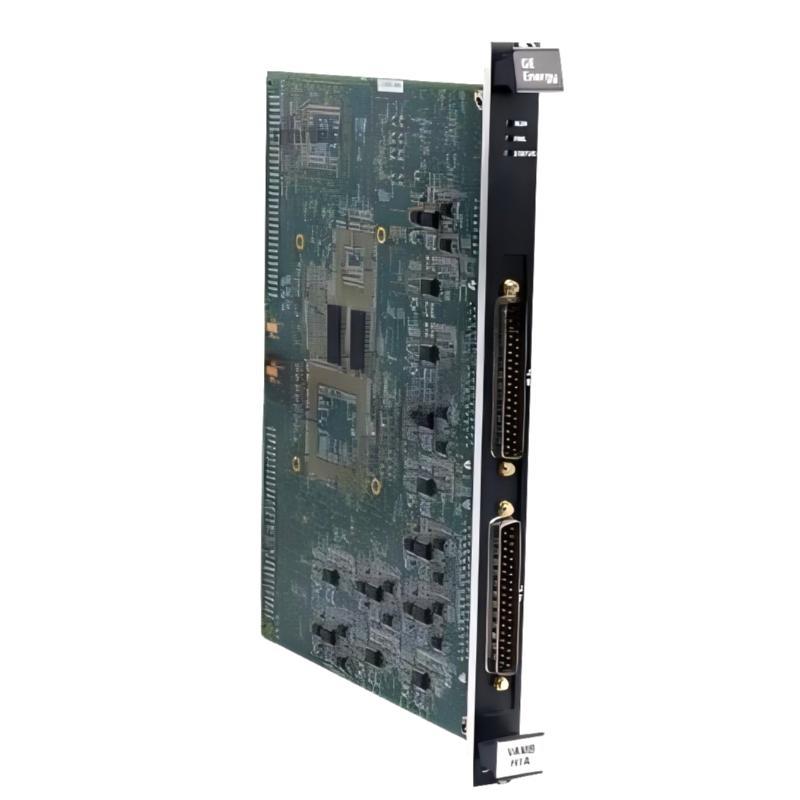
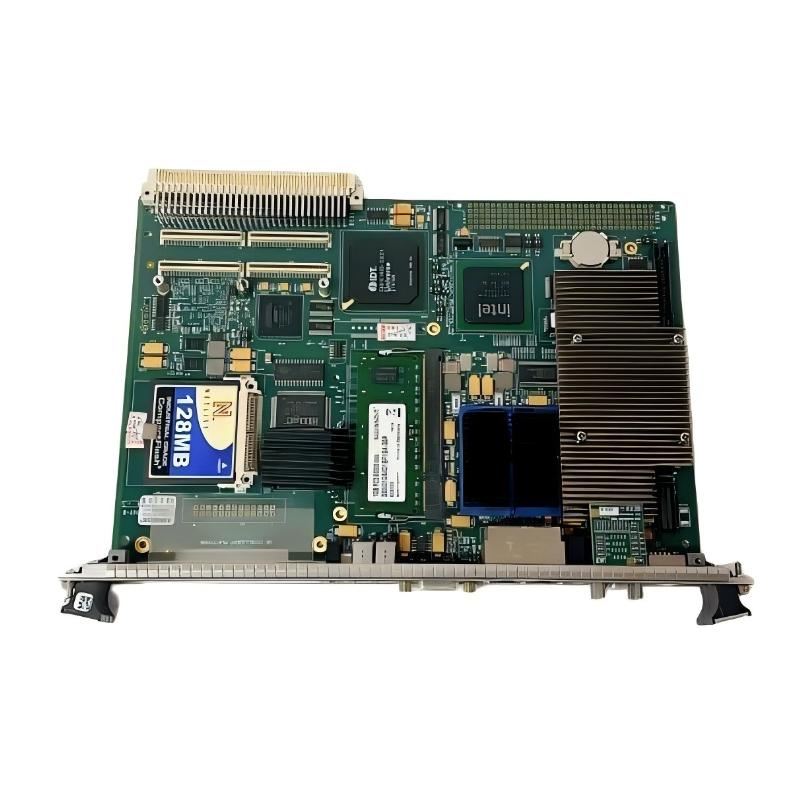
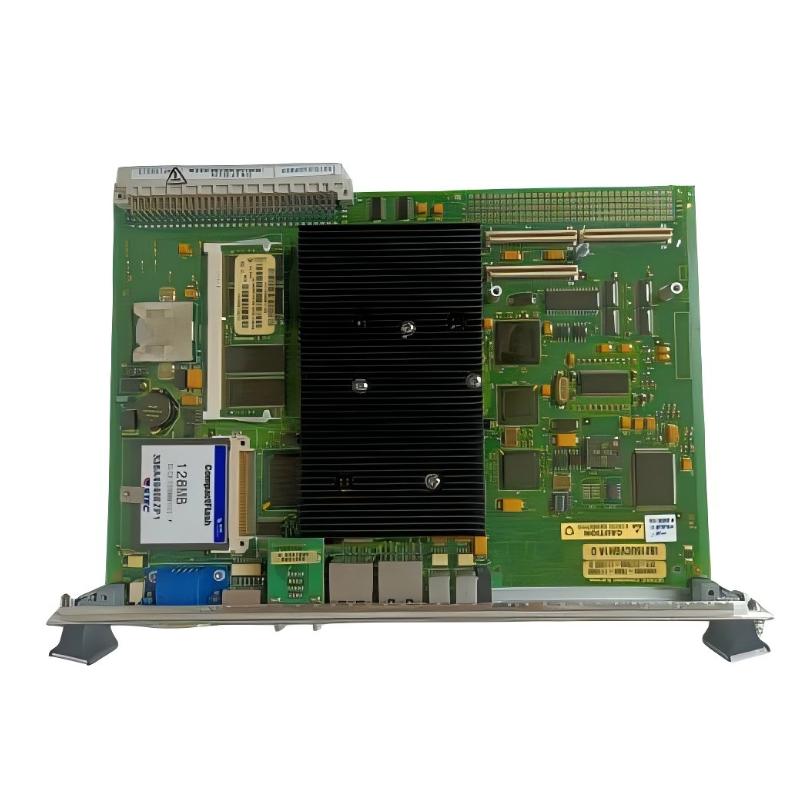
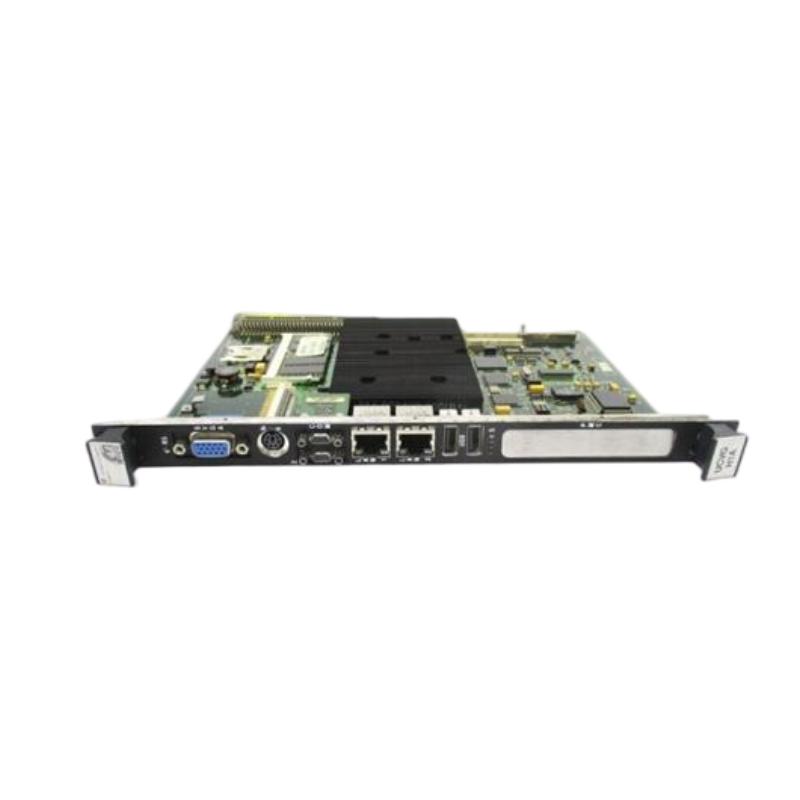
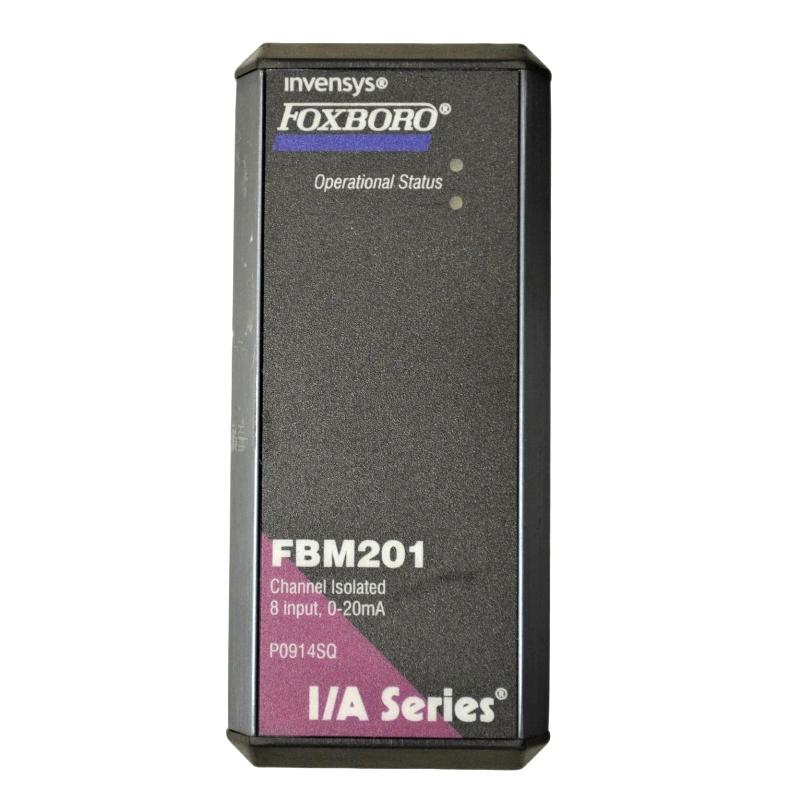
The Foxboro FBM202 P0926EQ is an I/A Series 200 Thermocouple/mV Input Interface Module used to bring low-level temperature and millivolt signals into a Foxboro control system. It is suited to process applications where thermocouples or other millivolt-level sources need to be acquired and converted into usable control-system input data.
In a typical installation, thermocouple wiring runs from the process measurement point to the field termination hardware, then to the FBM202. The module handles the input interface so that the control system can use the measured temperature or millivolt signal for display, alarming, monitoring, and process control.
Because thermocouple signals are relatively small, field wiring and termination quality have a direct effect on measurement performance. During troubleshooting, the FBM202 should therefore be considered together with the thermocouple, extension/compensating wiring, termination assembly, and associated I/A Series hardware.
Technical Specifications
| Parameter | Specification |
|---|---|
| Model | FBM202 P0926EQ |
| Series | I/A Series 200 |
| Product Type | Thermocouple/mV Input Interface Module |
| Dimensions | 114 × 45 × 104 mm |
| Weight | 0.284 kg |
| Input Application | Thermocouple and millivolt signal acquisition |
| System Application | Foxboro I/A Series process measurement |
Product Features
- Thermocouple and millivolt input interface for Foxboro I/A Series 200 systems.
- Handles low-level process measurement signals.
- Suitable for temperature monitoring using thermocouple-based instruments.
- Interfaces field measurement signals with the I/A Series control architecture.
- Supports process monitoring, alarming, trending, and control applications.
- Works with associated field termination and I/A Series system components.
Working Principle
The FBM202 receives a low-level electrical signal generated by a thermocouple or another millivolt source. The module conditions and acquires the input so the measurement can be transferred into the Foxboro control system as usable process data.
For thermocouple applications, the quality of the measurement depends on more than the FBM202 itself. The sensor, thermocouple or compensating cable, terminal connections, and installation conditions all form part of the measurement chain. An incorrect sensor connection or poor termination can therefore produce an inaccurate temperature reading even when the input module is operating normally.
In practical troubleshooting, technicians can compare the field-side signal with the value received by the control system. If the field signal is correct but the reported process value is abnormal, attention can then move toward the termination, wiring path, module, and system configuration.
Role in the I/A Series 200 Control Architecture
| System Element | Function |
|---|---|
| Thermocouple / mV Source | Produces the low-level measurement signal from the process. |
| Field Wiring | Carries the thermocouple or millivolt signal to the control cabinet. |
| Field Termination Assembly | Provides the physical connection between field wiring and I/O hardware. |
| FBM202 P0926EQ | Acquires and interfaces thermocouple/mV input signals. |
| I/A Series Control Network | Transfers processed measurement data within the control system. |
| Control Processor | Uses temperature or millivolt data for control strategies, alarms, and monitoring. |
| Operator Interface | Displays process values, trends, alarms, and diagnostic information. |
Industrial Applications
| Application | Typical Use |
|---|---|
| Process Temperature Monitoring | Acquisition of thermocouple signals from process equipment. |
| Chemical Processing | Temperature measurement in reactors, vessels, heaters, and process lines. |
| Oil and Gas | Monitoring temperatures at process equipment and production facilities. |
| Refining and Petrochemical | Temperature acquisition from furnaces, heaters, vessels, and process units. |
| Power Generation | Monitoring temperatures associated with boilers, turbines, auxiliary equipment, and process systems. |
| Industrial Heating | Monitoring thermocouple-based temperature measurements in controlled heating processes. |
Installation and Maintenance
- Verify the exact module identification before installation. Confirm FBM202 P0926EQ and the intended I/A Series 200 configuration.
- Isolate the applicable circuits before removing or installing the module and follow the site’s electrical safety procedures.
- Confirm the sensor type before connecting the input. The thermocouple type and associated wiring must match the configured measurement channel.
- Check thermocouple polarity carefully. Reversed connections can produce incorrect temperature readings.
- Inspect field wiring and termination points for loose conductors, damaged insulation, corrosion, or poor connections.
- Use the appropriate thermocouple or compensating wiring throughout the field signal path. Mixing incompatible wiring can introduce measurement errors.
- Check the termination assembly when the sensor produces a valid signal but the FBM202 reports an abnormal value.
- Inspect for electrical noise if the millivolt measurement fluctuates unexpectedly. Signal routing and grounding should be checked against the site installation standard.
- Compare field measurements with system values during troubleshooting to determine whether the problem originates at the sensor, wiring, termination, or input module.
- Keep the control cabinet clean and dry. Dust, moisture, and contamination can affect connectors and low-level signal connections.
- Perform loop and functional checks after replacement to confirm correct channel assignment and measurement response.
- Record sensor, wiring, and configuration details after maintenance so future technicians can distinguish field measurement problems from I/O hardware faults.
Compatible System Components
| Component | Function |
|---|---|
| Foxboro I/A Series 200 Termination Assemblies | Provide field-side connection for thermocouple and mV wiring. |
| Thermocouples | Generate temperature-dependent millivolt signals. |
| Millivolt Transmitters / Sources | Provide low-level analog measurement signals. |
| Thermocouple Extension or Compensating Cable | Carries thermocouple signals between the sensor and termination point. |
| I/A Series 200 Control Processors | Use acquired temperature and mV data for control strategies. |
| I/A Series Operator Interfaces | Display process measurements, alarms, and trends. |
| I/A Series Communication Components | Transfer I/O information through the control architecture. |
Recommended Related Models
| Model / Product Family | Product Type | Typical Application |
|---|---|---|
| Foxboro FBM202 | I/A Series 200 Thermocouple/mV Input Interface Module | Thermocouple and mV signal acquisition |
| Foxboro I/A Series 200 FBM Family | Fieldbus Modules | Process signal acquisition and interface |
| Foxboro I/A Series 200 Termination Assemblies | Termination Hardware | Field wiring connection |
| Foxboro I/A Series Analog Input Modules | Analog Input Hardware | Process measurement acquisition |
| Foxboro I/A Series Temperature Measurement Components | Temperature I/O Hardware | Thermocouple-based process monitoring |
Key Advantages
- Direct interface for thermocouple and millivolt process measurements.
- Suitable for low-level temperature signal acquisition.
- Integrates with the modular I/A Series 200 control architecture.
- Supports centralized monitoring and temperature-based control strategies.
- Allows field measurement troubleshooting through the complete sensor-to-I/O signal path.
Technical FAQs
What type of signals does the Foxboro FBM202 P0926EQ accept?
The FBM202 P0926EQ is a Thermocouple/mV Input Interface Module intended for thermocouple signals and other millivolt-level input sources used for process measurement.
Why can a thermocouple reading be incorrect even when the FBM202 is functioning?
Thermocouple measurements depend on the complete signal path. Incorrect polarity, unsuitable extension or compensating wire, poor terminal connections, electrical noise, or problems at the sensor can all affect the reported temperature.
How can a technician distinguish a sensor problem from an FBM202 problem?
Compare the field-side measurement with the value received by the control system. Inspect the sensor, wiring, termination assembly, and module connections in sequence. A discrepancy between the expected field signal and the system reading can help narrow down the faulty section.
Can the FBM202 be replaced without checking the thermocouple wiring?
The wiring should be checked before replacement, particularly polarity, conductor type, terminal condition, and continuity. Replacing the module without checking the field signal path can leave the original measurement problem unresolved.