

ProductPRODUCT
Featured products
Contact Us
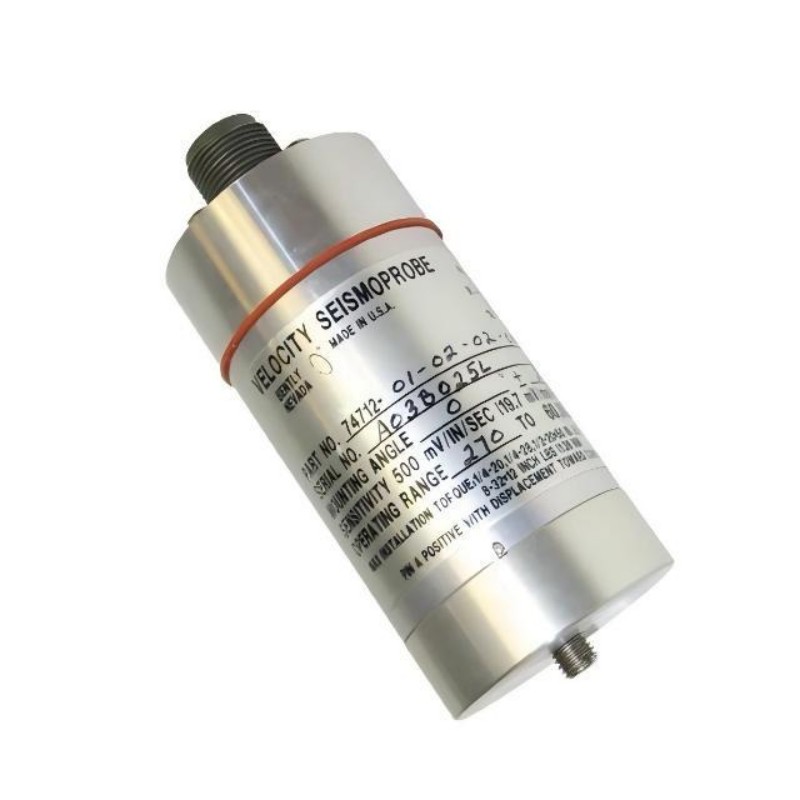
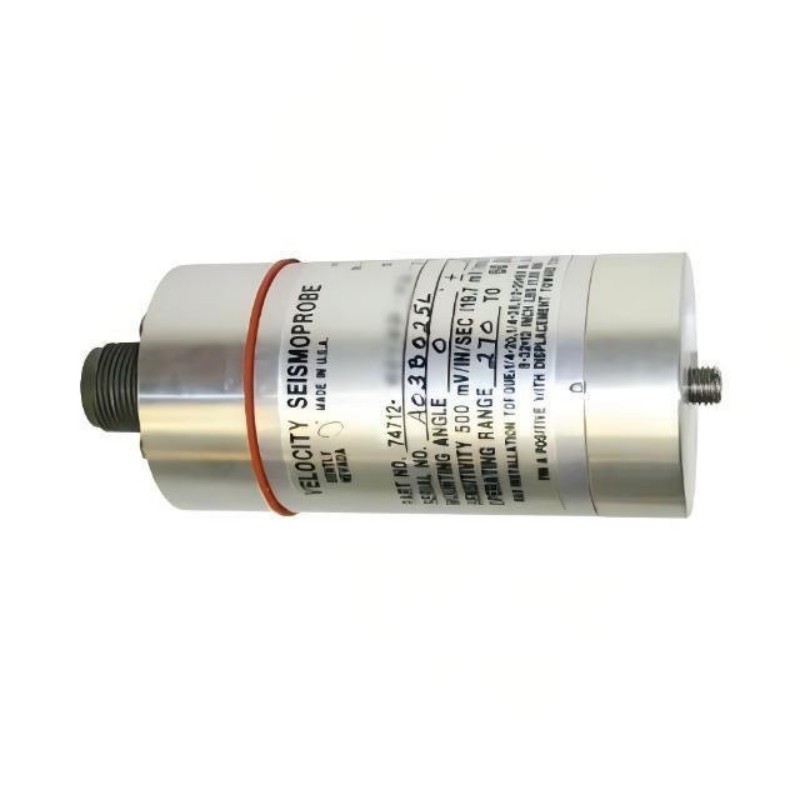
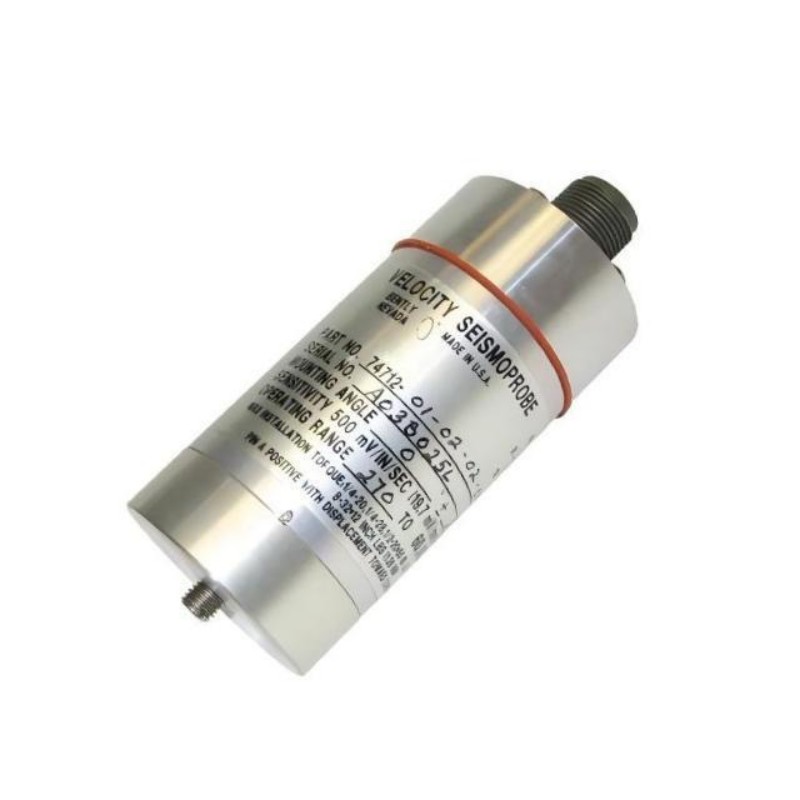
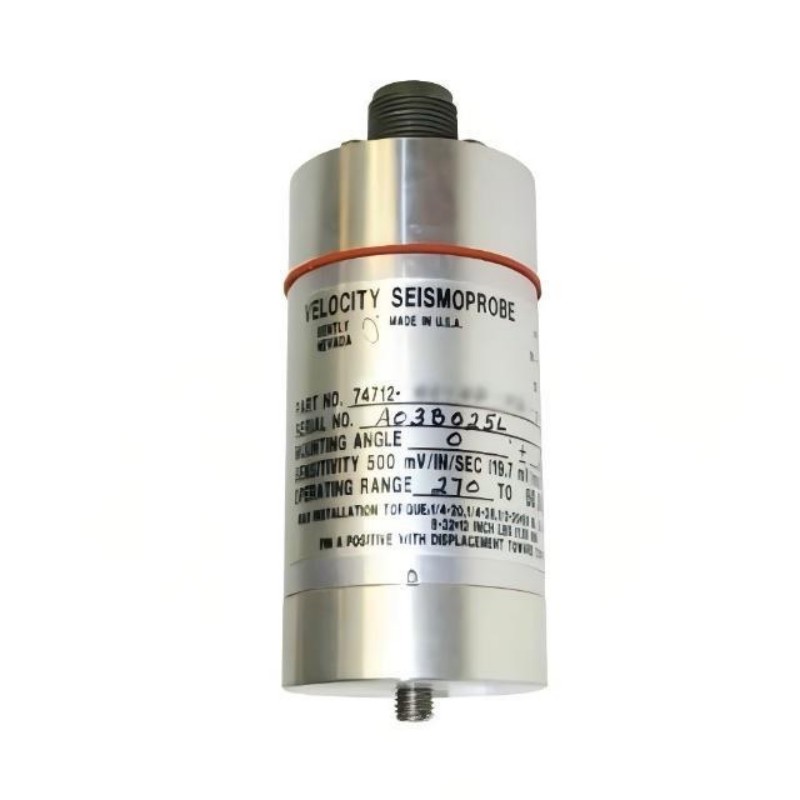
- Bently Nevada
- 74712-03-10-02-00
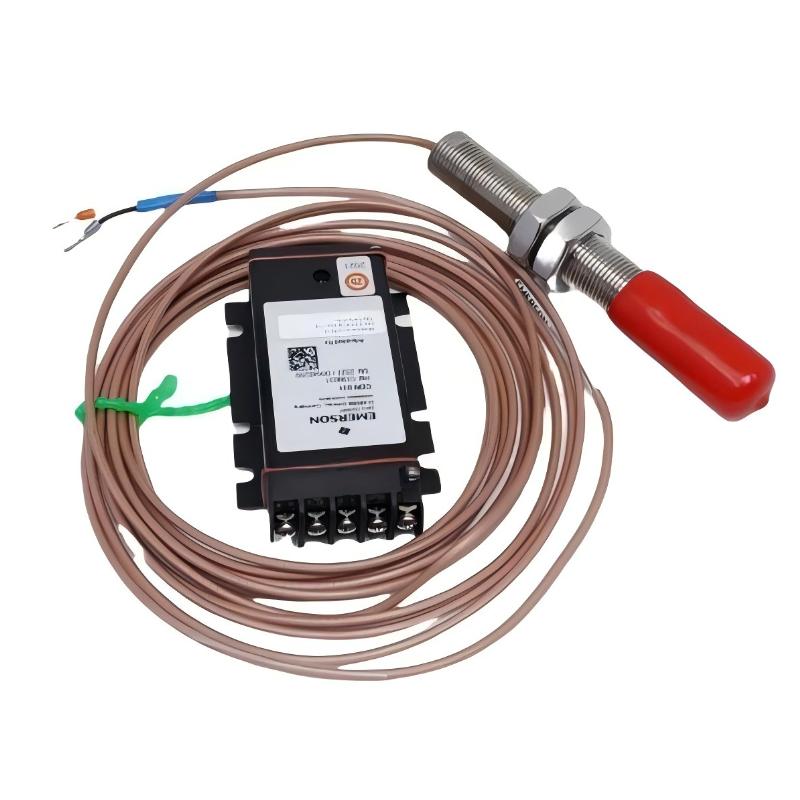
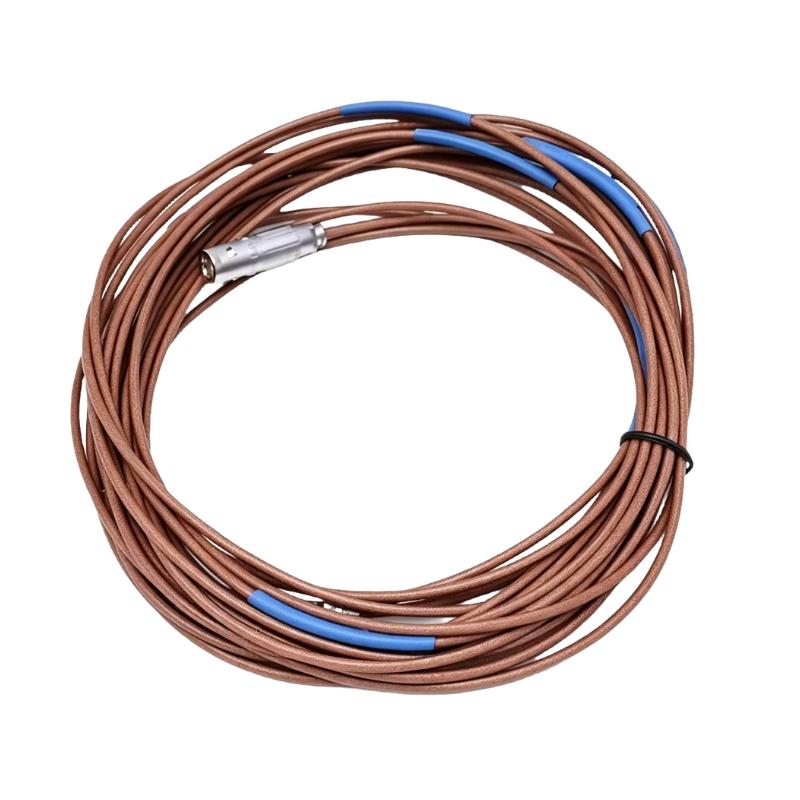
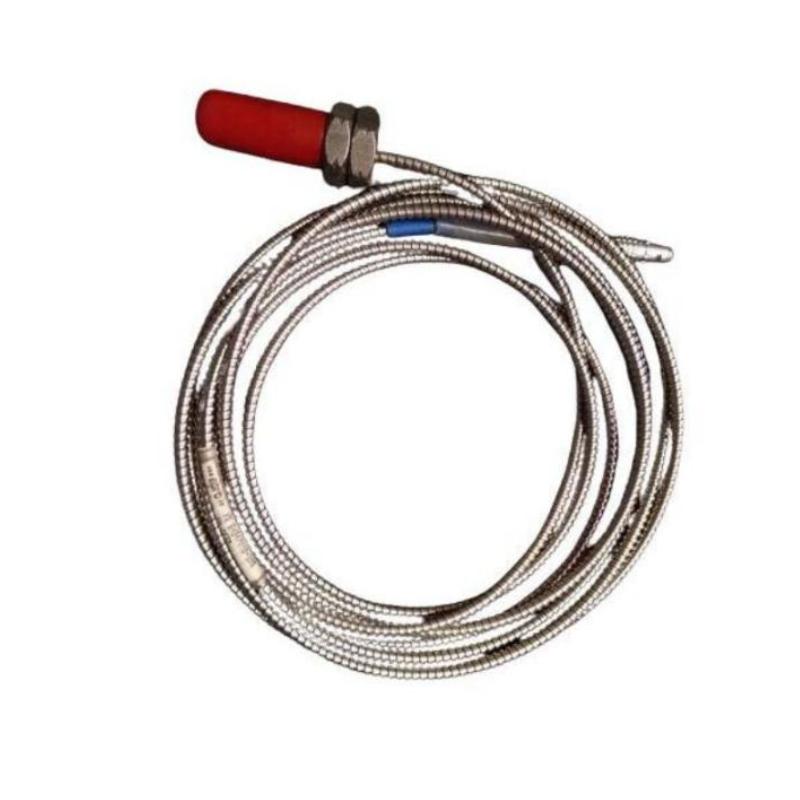
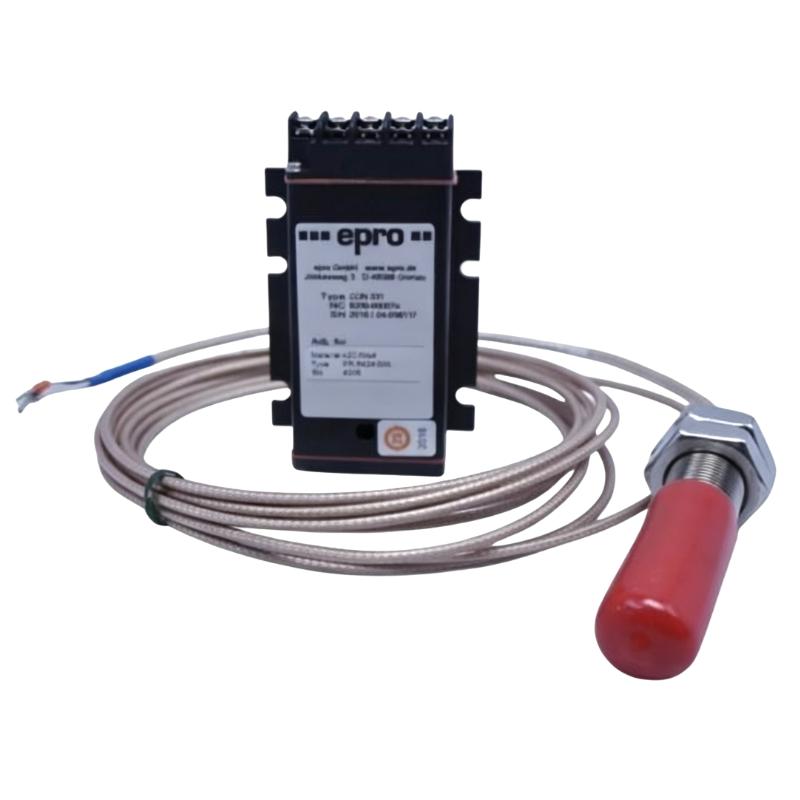
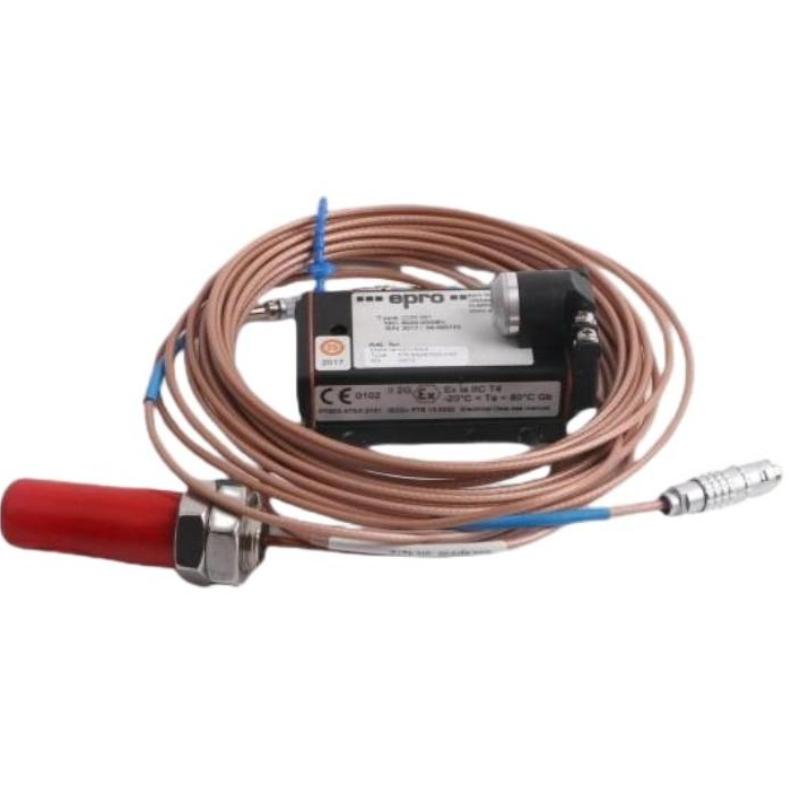
- High Temperature Two-Wire Velocity Transducer
- USA
- 41 mm
- 0.48 kg
- Xiamen, China
- New & In Stock
- T/T, PayPal, Western Union
- 1 Year
- 1-3 Working Days
- DHL, UPS, TNT, FedEx and EMS.
- 24-Hour Service
- COO
- 22
Our advantage

Global Logistics
We have a 10-year logistics and express cooperation agreement, so our products can be shipped to any place in the world.

Brand new and original
Our products are imported in bulk from the place of origin. Because of the cooperative relationship, our products are all original and 100% new.

24-hour service
We provide 7*24 hours service to our customers. We will be there whenever you need us.

Price advantage
All our products are priced very favorably because we have our own warehouse and supply.
| Company Information | |||
| [email protected] | |||
| Mobile | +8615980777398 | ||
| +8615980777398 | |||
| 15980777398 |
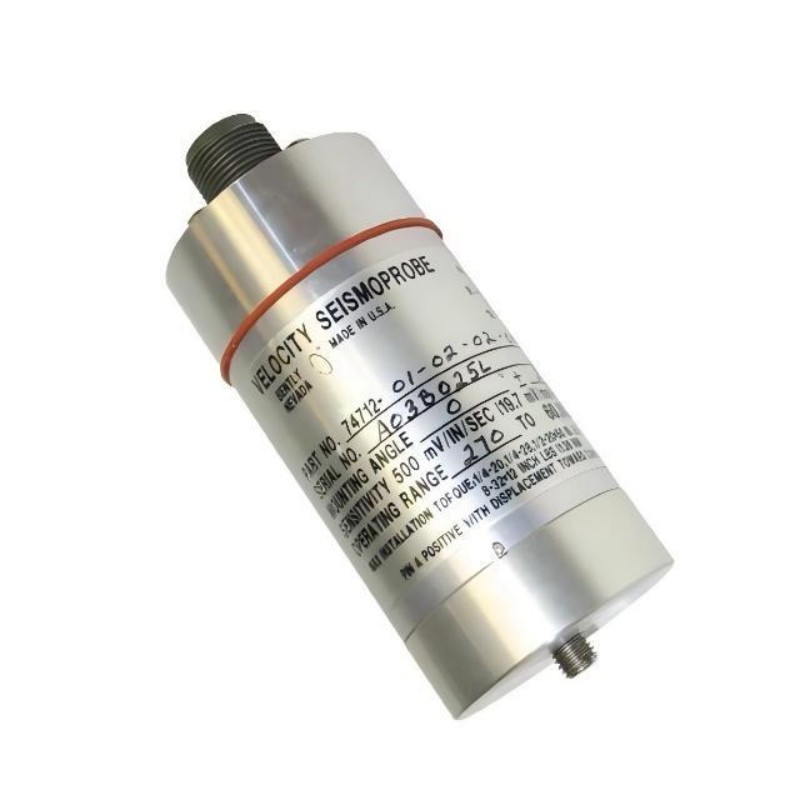
Product Overview
The Bently Nevada 74712-03-10-02-00 High Temperature Two-Wire Velocity Transducer is a machine-mounted vibration transducer intended for monitoring rotating equipment where elevated operating temperatures make conventional vibration sensors unsuitable.
It measures vibration velocity and connects to a compatible monitoring channel through a two-wire signal circuit. In applications such as compressors, pumps, motors, fans, blowers, and other process machinery, the transducer can be mounted directly to the machine housing so that mechanical vibration is transferred into the sensing element.
The 74712 series is particularly useful where the sensor location is exposed to higher temperatures and where the monitoring system needs a velocity-based vibration signal rather than a direct acceleration measurement. The sensor, field wiring, monitoring input, and machine condition should be considered as one measurement chain during installation and troubleshooting.
Technical Specifications
| Parameter | Specification |
|---|---|
| Product | Bently Nevada 74712-03-10-02-00 |
| Product Type | High Temperature Two-Wire Velocity Transducer |
| Series | 74712 Series |
| Measurement | Vibration Velocity |
| Signal Configuration | Two-Wire |
| Sensor Type | Machine-Mounted Velocity Transducer |
| Application | Rotating Machinery Vibration Monitoring |
| Installation | Direct Machine Mounting |
| Diameter | 41 mm |
| Weight | 0.48 kg |
Product Features
- High-temperature construction for vibration monitoring locations exposed to elevated machine temperatures.
- Two-wire signal configuration simplifies connection to compatible vibration monitoring channels.
- Velocity measurement is suited to machinery vibration monitoring where vibration velocity is the required engineering parameter.
- Machine-mounted installation allows vibration to be captured directly from the equipment housing.
- Continuous condition monitoring supports maintenance programs for rotating machinery.
- Suitable for integration with compatible vibration monitoring and machinery protection systems.
Working Principle
The transducer is installed on the monitored machine so that vibration from the machine casing is mechanically transferred into the sensor.
As the machine vibrates, the internal sensing mechanism responds to the vibration motion and produces an electrical signal corresponding to vibration velocity. The two-wire connection carries the sensor signal to the compatible monitoring input.
In practical operation, the measurement path consists of three areas: the mechanical mounting point, the two-wire field circuit, and the receiving monitoring channel. A vibration reading that suddenly disappears or changes substantially should therefore not automatically be attributed to the machine itself. Loose mounting, damaged field wiring, poor connections, incorrect monitoring-channel configuration, or sensor degradation can also affect the measured signal.
Role in Machinery Vibration Monitoring Control Architecture
| System Element | Function |
|---|---|
| 74712-03-10-02-00 Transducer | Converts machine vibration into a velocity-related electrical signal |
| Machine Housing | Provides the mechanical vibration path to the transducer |
| Two-Wire Field Circuit | Carries the transducer signal between the sensor and monitoring system |
| Signal Conditioning / Monitoring Input | Receives and processes the sensor output |
| Machinery Protection System | Uses vibration information for equipment protection and alarm functions |
| Plant Monitoring System | Presents vibration information for operator and maintenance analysis |
| Maintenance System | Uses vibration trends to support inspection and condition-based maintenance |
| Rotating Equipment | Source of the mechanical vibration being monitored |
Industrial Applications
| Application | Typical Use |
|---|---|
| High-Temperature Rotating Equipment | Monitoring vibration at machine locations exposed to elevated temperatures |
| Motors | Tracking casing vibration during continuous operation |
| Pumps | Monitoring vibration associated with rotating assemblies and mechanical condition |
| Compressors | Supporting vibration surveillance on process and rotating compressor equipment |
| Fans and Blowers | Detecting changes in vibration behavior during operation |
| Process Machinery | Monitoring rotating machinery in industrial process environments |
| Machinery Protection | Supplying velocity information to compatible protection channels |
| Condition Monitoring | Supporting vibration trending and maintenance decisions |
Installation and Maintenance
- Verify the application: Confirm that the 74712-03-10-02-00 is appropriate for the temperature and vibration-monitoring requirements at the selected machine location.
- Select a suitable mounting point: Choose a structurally representative location where casing vibration can be transmitted effectively to the transducer.
- Prepare the mounting surface: Remove contamination, loose material, paint buildup, or other conditions that could interfere with firm mechanical contact.
- Check mechanical mounting: Make sure the transducer is securely installed and does not have excessive looseness or mechanical movement.
- Protect the field connection: Route the two-wire cable away from excessive heat, moving components, sharp edges, and sources of mechanical damage.
- Inspect wiring polarity and continuity: Verify the field circuit before connecting the transducer to the monitoring channel.
- Confirm monitoring-channel compatibility: Check that the receiving input is intended for the electrical characteristics and two-wire configuration of the transducer.
- Check the initial signal: After installation, compare the sensor output with expected machine operating conditions before relying on the channel for vibration trending.
- Monitor vibration trends: Look for gradual changes as well as sudden signal variations. Trend information is often more useful than a single isolated reading.
- Investigate abnormal readings systematically: Separate sensor, wiring, monitoring-channel, mounting, and actual machine-condition causes rather than replacing the transducer immediately.
- Inspect during maintenance shutdowns: Check the mounting area, cable condition, connector or terminal connections, and signs of excessive thermal or mechanical exposure.
- Use the correct replacement configuration: When replacing a transducer, verify the complete model number and application requirements so that the replacement matches the existing monitoring architecture.
Compatible System Components
| Component | Function |
|---|---|
| Two-Wire Vibration Monitoring Channel | Receives the transducer signal |
| Signal Conditioning Equipment | Conditions the sensor signal for monitoring and protection functions |
| Machinery Protection System | Processes vibration information for alarms and protective actions |
| Vibration Monitoring System | Displays and trends vibration measurements |
| Industrial Field Cable | Provides the electrical connection between transducer and monitoring equipment |
| Rotating Machinery | Provides the mechanical vibration source |
| Plant Control / Monitoring Interface | Makes vibration information available to operators and maintenance personnel |
Recommended Related Models
| Model / Product Family | Product Type | Typical Application |
|---|---|---|
| Bently Nevada 74712 Series | High Temperature Velocity Transducers | Vibration monitoring in elevated-temperature machinery locations |
| Bently Nevada High Temperature Transducers | Industrial Vibration Transducers | Monitoring machinery where temperature is a key sensor-selection factor |
| Bently Nevada Two-Wire Velocity Transducers | Velocity Transducers | Velocity-based rotating machinery vibration measurement |
| Bently Nevada Machinery Protection Systems | Machinery Protection Systems | Processing vibration signals for equipment protection |
| Bently Nevada Vibration Monitoring Components | Monitoring Components | Building complete machine-condition monitoring channels |
Key Advantages
- High-temperature vibration monitoring capability
- Two-wire field signal connection
- Direct measurement of vibration velocity
- Suitable for machine-mounted applications
- Useful for continuous rotating-equipment monitoring
- Practical integration with compatible monitoring channels
Technical FAQs
What type of vibration does the Bently Nevada 74712-03-10-02-00 measure?
The 74712-03-10-02-00 is a velocity transducer, so its primary measurement is vibration velocity rather than direct acceleration or displacement.
Why is the high-temperature capability important when selecting this transducer?
Sensor temperature capability must match the actual installation environment. A sensor installed close to a hot machine surface may experience substantially higher temperatures than equipment located farther away, making temperature suitability an important part of sensor selection.
What should be checked if the transducer signal suddenly becomes abnormal?
Start with the complete measurement path. Check the mechanical mounting, two-wire cable, field connections, monitoring-channel configuration, and signal conditioning before concluding that the machine or transducer has failed.
Can the 74712-03-10-02-00 be connected to any two-wire vibration input?
Not necessarily. The monitoring input must be compatible with the transducer’s electrical and signal requirements. The complete sensor-to-monitoring-channel configuration should be checked before installation or replacement.