

ProductPRODUCT
Featured products
Contact Us
- Bently Nevada
- 60R/SIM01-00-0
- System Interface Module
- USA
- 132.1 × 20.3 × 245.6 mm
- 1.2 kg
- Xiamen, China
- New & In Stock
- T/T, PayPal, Western Union
- 1 Year
- 1-3 Working Days
- DHL, UPS, TNT, FedEx and EMS.
- 24-Hour Service
- COO
- 19
Our advantage

Global Logistics
We have a 10-year logistics and express cooperation agreement, so our products can be shipped to any place in the world.

Brand new and original
Our products are imported in bulk from the place of origin. Because of the cooperative relationship, our products are all original and 100% new.

24-hour service
We provide 7*24 hours service to our customers. We will be there whenever you need us.

Price advantage
All our products are priced very favorably because we have our own warehouse and supply.
| Company Information | |||
| [email protected] | |||
| Mobile | +8615980777398 | ||
| +8615980777398 | |||
| 15980777398 |
Product Overview
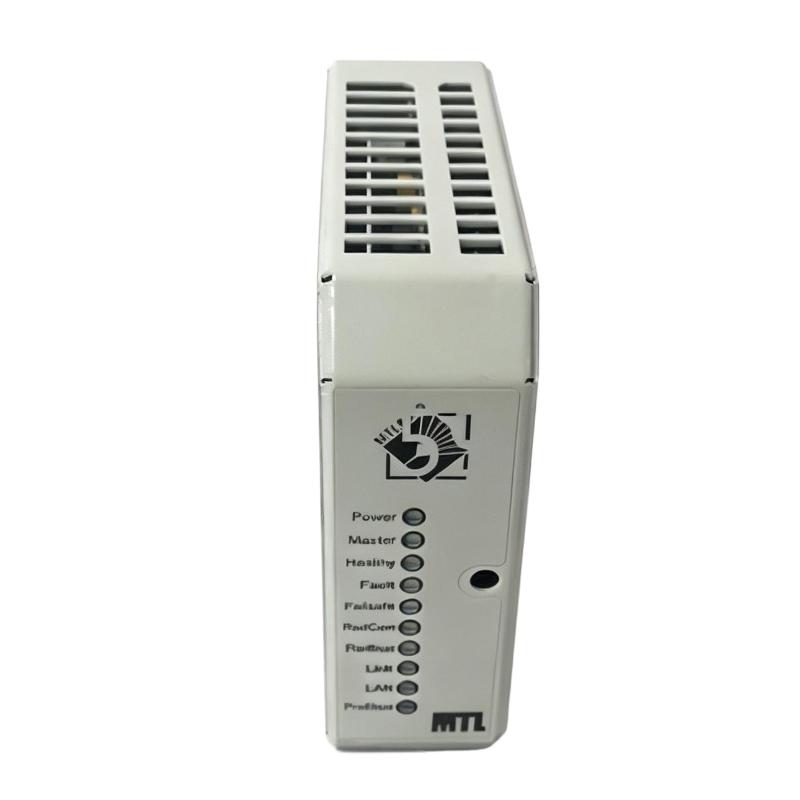
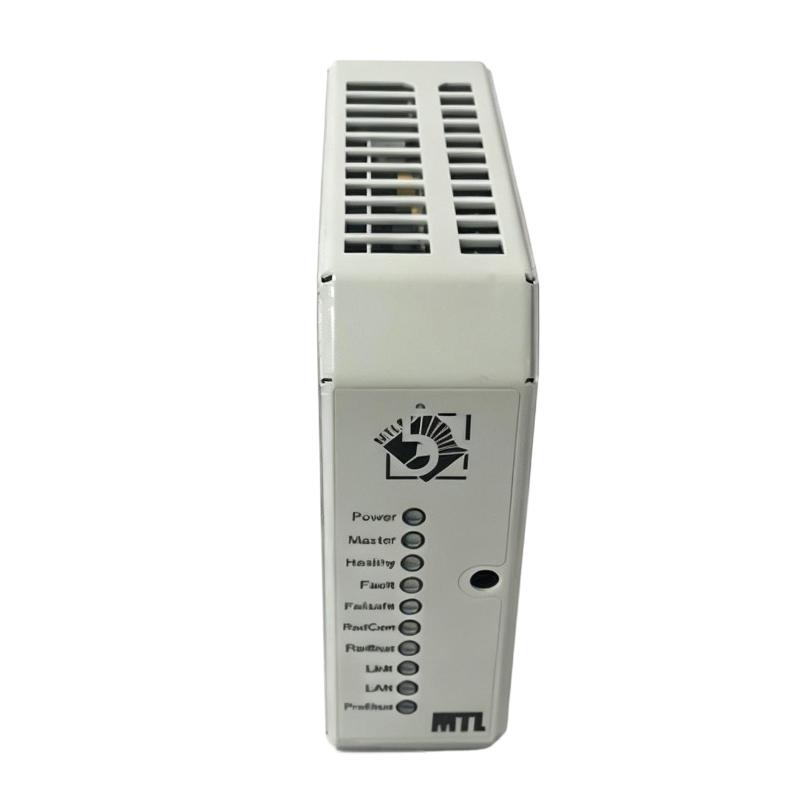
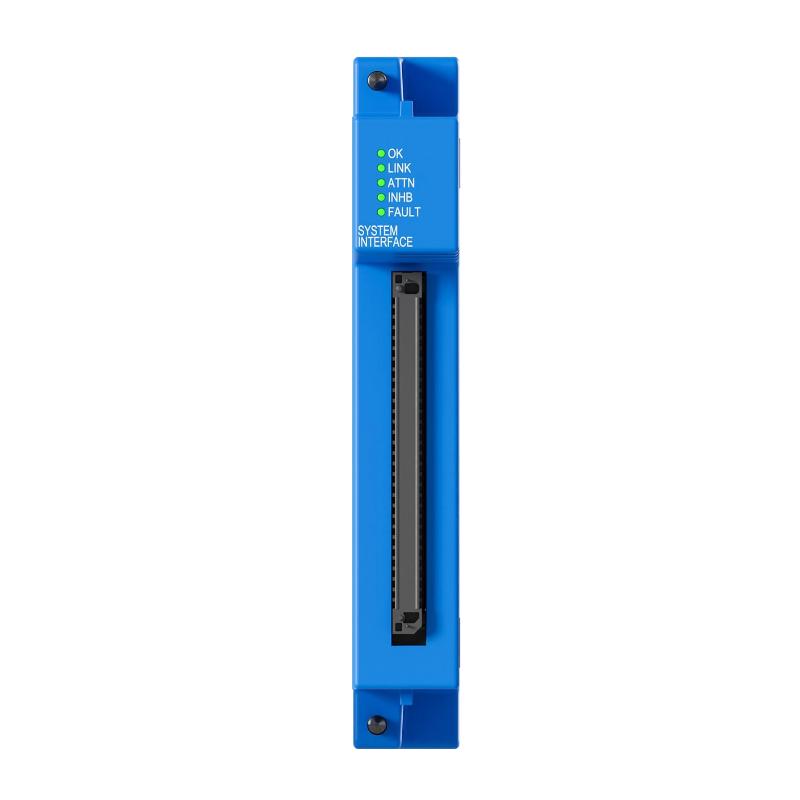
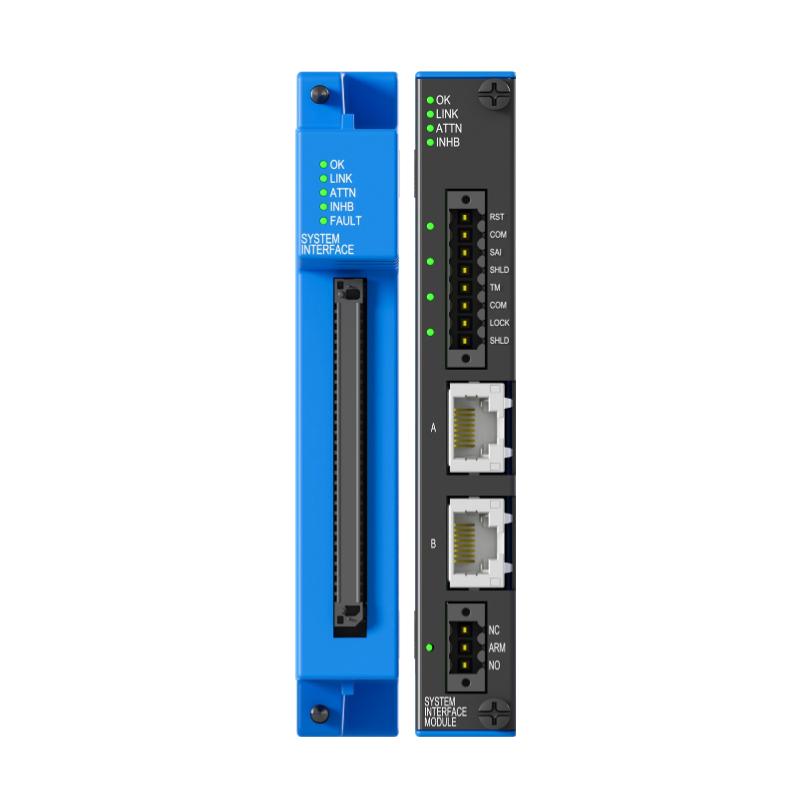
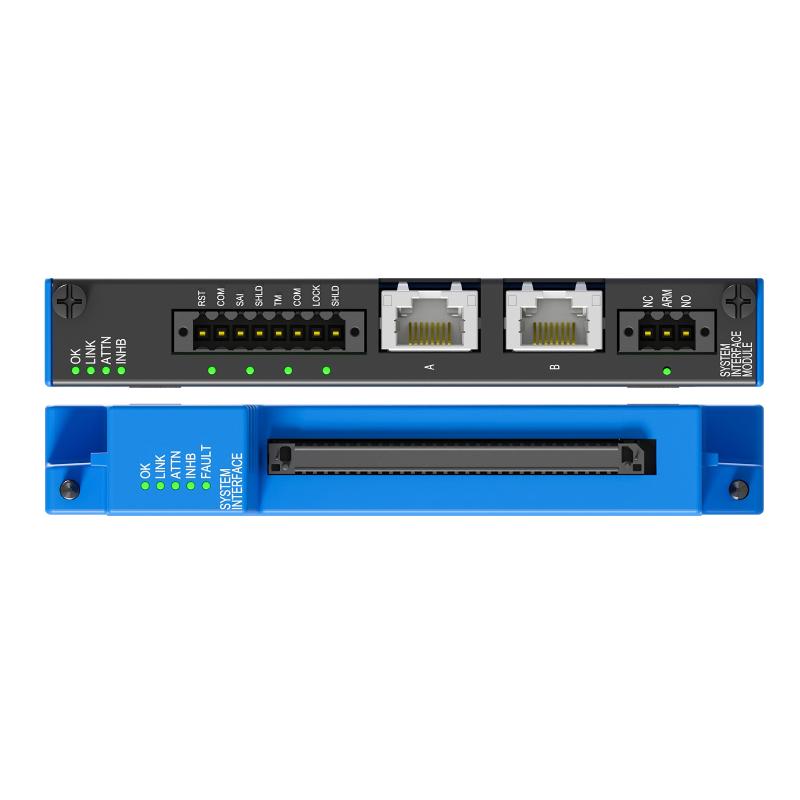
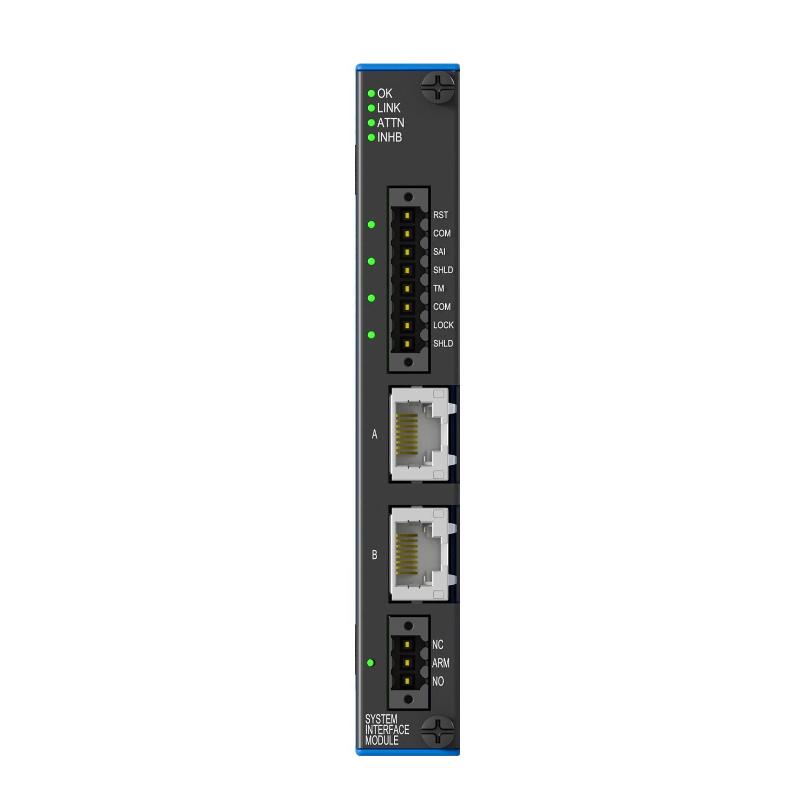
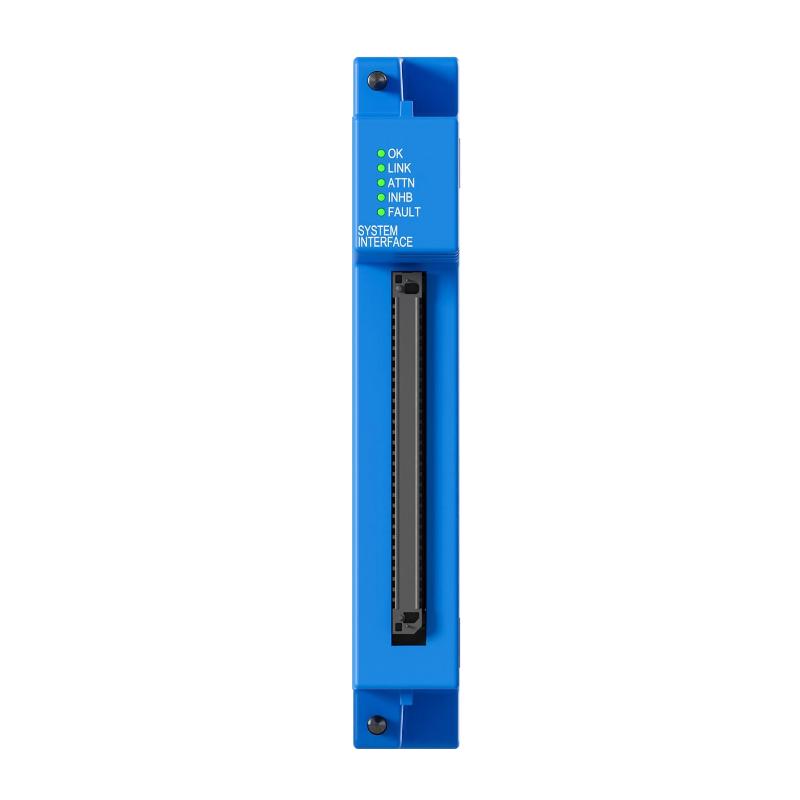
The Bently Nevada 60R/SIM01-00-0 is an Orbit 60 System Interface Module used to connect the Orbit 60 monitoring platform with the wider monitoring and control architecture. It provides an interface between the system’s monitoring hardware and external communication or system-level connections.
In a machinery protection and condition monitoring installation, the System Interface Module helps move measurement and status information between the Orbit 60 hardware and connected supervisory equipment. This allows vibration, position, speed, and other machinery-monitoring data to be incorporated into a plant monitoring environment.
The module is typically installed as part of an Orbit 60 rack or system arrangement rather than operating as an independent field sensor. Its role is focused on system-level communication and interface functions.
Technical Specifications
| Parameter | Specification |
|---|---|
| Product Type | Orbit 60 System Interface Module |
| Model | 60R/SIM01-00-0 |
| System | Orbit 60 |
| Function | System-level interface and communication |
| Application | Machinery monitoring and protection |
| Dimensions | 132.1 × 20.3 × 245.6 mm |
| Weight | 1.2 kg |
Product Features
- System interface module for the Bently Nevada Orbit 60 platform.
- Provides system-level connectivity for Orbit 60 monitoring hardware.
- Supports transfer of machinery-monitoring information to connected systems.
- Suitable for integration within an Orbit 60 rack architecture.
- Interfaces monitoring hardware with higher-level plant systems.
- Supports centralized access to machinery condition information.
- Suitable for industrial rotating-equipment monitoring applications.
Working Principle
The 60R/SIM01-00-0 operates at the system-interface level rather than directly measuring vibration or other machine parameters. Measurement modules in the Orbit 60 system acquire signals from connected sensors and process those signals into machinery-monitoring data.
The System Interface Module provides the communication path between the Orbit 60 monitoring system and external system-level equipment.
A simplified data path is:
Machine Sensors → Orbit 60 Monitoring Modules → 60R/SIM01-00-0 → Plant Network / Control System → Operator Interface
The module handles system-level data exchange so that measured values, status information, alarms, and other available monitoring data can be used outside the local Orbit 60 hardware.
Role in an Orbit 60 Machinery Monitoring Architecture
The 60R/SIM01-00-0 sits at the interface between the Orbit 60 monitoring hardware and external plant systems. It helps connect local machinery measurements with supervisory monitoring, control, and data-management functions.
| System Element | Function |
|---|---|
| Proximity / Vibration Sensors | Detect machinery condition and dynamic behavior |
| Orbit 60 Monitoring Modules | Acquire and process sensor signals |
| 60R/SIM01-00-0 | Provides system-level interface and communication functions |
| Plant Network | Transfers monitoring information to connected systems |
| DCS / PLC | Receives selected machinery status or process information |
| Operator / Asset Monitoring System | Displays trends, alarms, and machine condition data |
This arrangement allows detailed machinery measurements to remain within the monitoring system while selected information is made available to the broader plant-control environment.
Industrial Applications
| Application | Typical Use |
|---|---|
| Turbomachinery Monitoring | Interface for vibration and machinery-condition information |
| Compressors | Integration of compressor monitoring data with plant systems |
| Steam Turbines | Transfer of machinery status and monitoring information |
| Gas Turbines | Connection between Orbit 60 monitoring hardware and plant systems |
| Pumps | System-level interface for rotating-equipment monitoring |
| Industrial Rotating Machinery | Centralized access to condition-monitoring information |
| Predictive Maintenance Systems | Delivery of machinery-monitoring data to higher-level platforms |
Installation and Maintenance
- Verify the Module Identity — Confirm that 60R/SIM01-00-0 matches the required Orbit 60 system configuration before installation.
- Check Rack Compatibility — Verify that the module is installed in the appropriate Orbit 60 rack position and hardware arrangement.
- Power Down Before Replacement — Follow the applicable system shutdown procedure before removing or installing the module.
- Inspect the Module — Check the PCB, connectors, housing, and mounting points for visible damage.
- Check Backplane Connections — Ensure that the module seats correctly and that its backplane connection is clean and secure.
- Verify External Connections — Check communication and system-interface wiring for correct routing and secure connections.
- Maintain Proper Grounding — Verify grounding and shielding arrangements according to the installed monitoring-system configuration.
- Protect Communication Cables — Keep interface wiring away from sources of excessive electrical interference and mechanical damage.
- Check System Configuration — Confirm that the replacement module is recognized by the Orbit 60 system and corresponds to the configured hardware.
- Review Communication Status — After installation, verify that expected communication links and system interfaces are active.
- Check Monitoring Data — Confirm that measurement values, status information, and alarms are being transferred correctly.
- Monitor After Commissioning — Observe the system for communication interruptions, unexpected diagnostics, or missing monitoring data after replacement.
If the interface module does not communicate correctly after installation, check the rack seating, backplane connection, external network path, system configuration, and associated monitoring modules before replacing additional hardware.
Related Components
| Component | Function |
|---|---|
| Orbit 60 Monitoring Modules | Acquire and process machinery-monitoring signals |
| Proximity Probes | Measure shaft displacement and vibration-related parameters |
| Vibration Sensors | Provide machinery condition signals |
| Orbit 60 Rack | Provides the mechanical and electrical platform for system modules |
| DCS / PLC Interface | Receives selected machinery-monitoring information |
| Plant Monitoring Network | Transfers data between the monitoring system and supervisory platforms |
Recommended Related Models
| Model / Product Family | Product Type | Typical Application |
|---|---|---|
| Bently Nevada 60R/SIM01-00-0 | Orbit 60 System Interface Module | System-level monitoring interface |
| Bently Nevada Orbit 60 | Machinery Monitoring Platform | Vibration and condition monitoring |
| Bently Nevada Orbit 60 Monitoring Modules | Monitoring Module Family | Sensor acquisition and machinery monitoring |
| Bently Nevada 3500 Series | Machinery Protection System | Rotating-equipment protection and monitoring |
| Bently Nevada Proximity Measurement Systems | Sensor System | Shaft vibration and position measurement |
Key Advantages
- Dedicated system-interface function within the Orbit 60 platform.
- Connects machinery-monitoring hardware with external plant systems.
- Supports system-level monitoring data exchange.
- Suitable for rotating-equipment condition monitoring architectures.
- Integrates local measurement data with supervisory systems.
- Compact module format for Orbit 60 system installation.
Technical FAQs
What is the Bently Nevada 60R/SIM01-00-0 used for?
The 60R/SIM01-00-0 is an Orbit 60 System Interface Module used to provide system-level connectivity between Orbit 60 monitoring hardware and external monitoring or control systems.
Does the 60R/SIM01-00-0 directly measure vibration?
No. The module performs system-interface functions. Vibration and other machinery parameters are acquired by the appropriate Orbit 60 monitoring and sensor modules, while the SIM01 provides the interface to external systems.
Where is the 60R/SIM01-00-0 installed?
It is installed as part of the Orbit 60 system hardware and works through the system’s internal module and backplane architecture. The exact installation position depends on the configured Orbit 60 system.
What should be checked if external systems cannot receive Orbit 60 data?
Check the module seating and backplane connection first, followed by external communication wiring, network configuration, associated monitoring modules, and system diagnostics. This helps determine whether the problem is local to the interface module or originates elsewhere in the monitoring architecture.