

ProductPRODUCT
Featured products

Contact Us
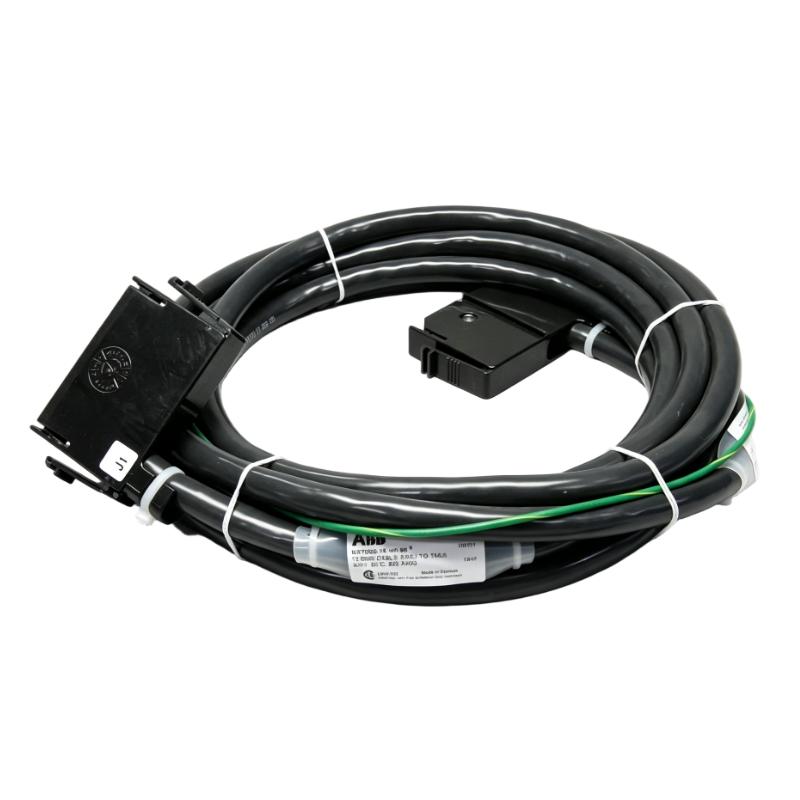
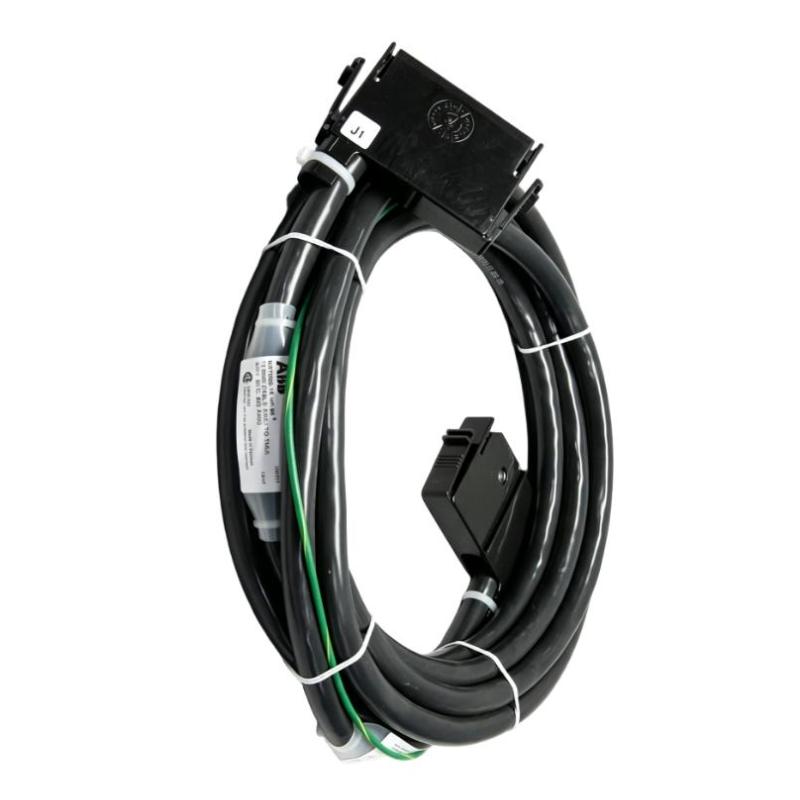
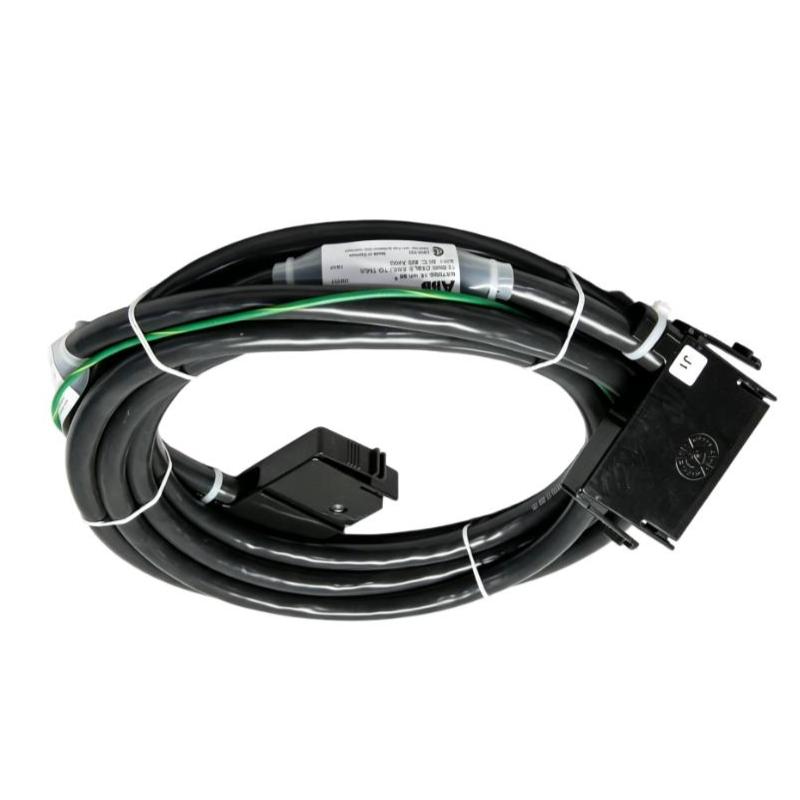
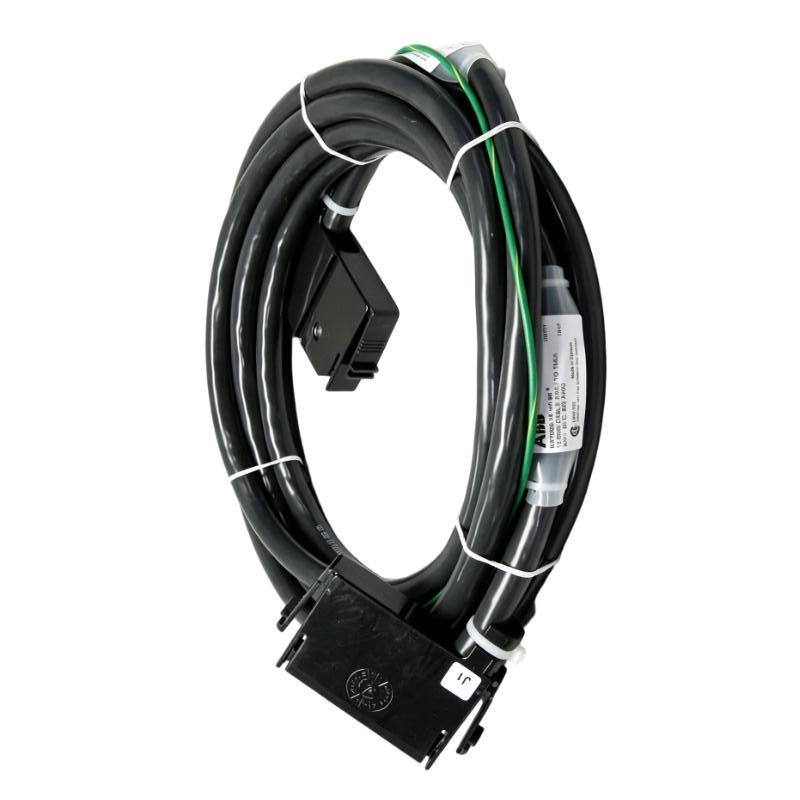
- ABB Bailey
- NKTU02-15
- Terminal Unit Cable
- Sweden (SE)
- 15 feet
- 3 kg
- Xiamen, China
- New & In Stock
- T/T, PayPal, Western Union
- 1 Year
- 1-3 Working Days
- DHL, UPS, TNT, FedEx and EMS.
- 24-Hour Service
- COO
- 47
Our advantage

Global Logistics
We have a 10-year logistics and express cooperation agreement, so our products can be shipped to any place in the world.

Brand new and original
Our products are imported in bulk from the place of origin. Because of the cooperative relationship, our products are all original and 100% new.

24-hour service
We provide 7*24 hours service to our customers. We will be there whenever you need us.

Price advantage
All our products are priced very favorably because we have our own warehouse and supply.
| Company Information | |||
| [email protected] | |||
| Mobile | +8615980777398 | ||
| +8615980777398 | |||
| 15980777398 |
Product Overview
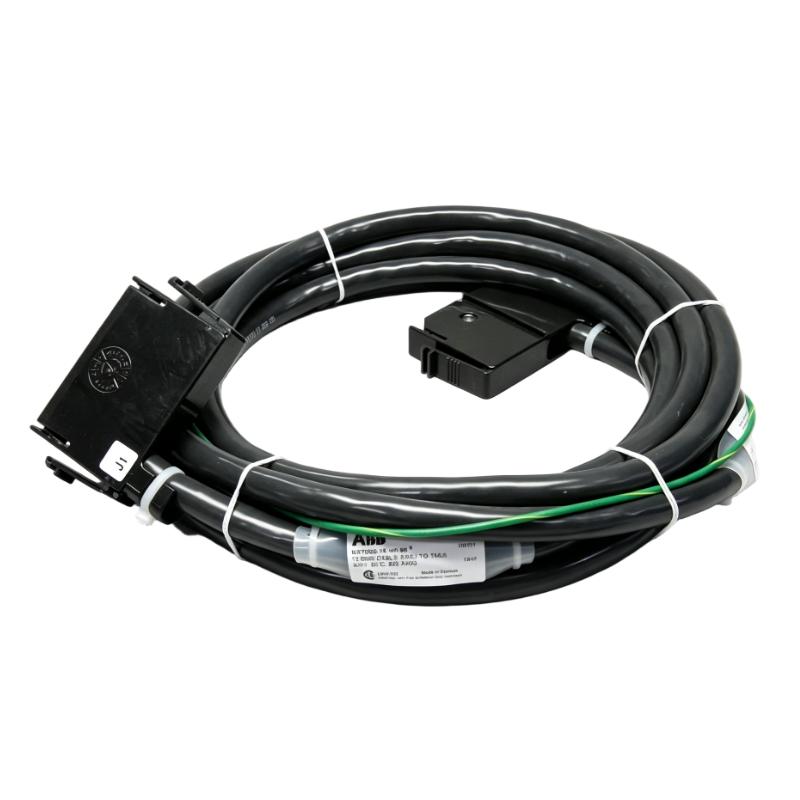
The ABB Bailey NKTU02-15 Terminal Unit Cable is an industrial control cable designed for interconnection between a compatible terminal unit and associated control, I/O, or interface equipment within an ABB Bailey automation system. As part of the Bailey control-system accessory ecosystem, the cable provides a practical connection path for transferring electrical signals between system components while supporting organized cabinet wiring and reliable equipment integration.
With a specified cable length of 15 feet, the NKTU02-15 provides additional installation distance between connected assemblies compared with shorter cable versions. This can be useful when terminal units and control equipment are installed at different positions within an industrial cabinet, rack, or associated control enclosure. Correct cable selection helps maintain an orderly wiring architecture and simplifies installation, replacement, and maintenance.
The NKTU02-15 is intended to be used as part of a complete control-system configuration rather than as a standalone automation device. Its electrical performance depends on the connected terminal unit, I/O hardware, controller architecture, connector configuration, and system design. For replacement applications, the complete model number and connector arrangement should therefore be verified before installation.
Technical Specifications
| Parameter | Specification |
|---|---|
| Manufacturer | ABB Bailey |
| Model | NKTU02-15 |
| Product Type | Terminal Unit Cable |
| Cable Length | 15 feet |
| Shipping Weight | 3 kg |
| Application | Industrial Control System Interconnection |
| Primary Function | Terminal unit and control-system interconnection |
| Installation | Industrial control cabinet / compatible Bailey system |
| System Role | Signal and interface connection |
| Compatibility | Compatible ABB Bailey equipment and associated terminal-unit architecture |
What Is the ABB Bailey NKTU02-15?
The ABB Bailey NKTU02-15 is a Terminal Unit Cable used to connect a compatible terminal unit with other elements of an ABB Bailey industrial control system.
Terminal units are commonly used as connection points between field wiring and electronic control equipment. They help organize incoming and outgoing signals and can simplify the physical separation between field wiring and control electronics.
The cable provides the physical connection between these system elements.
A simplified architecture can be represented as:
Field Devices → Field Wiring → Terminal Unit → NKTU02-15 Cable → Control / I/O Equipment
The exact signal direction and electrical function depend on the host system and the terminal unit with which the cable is installed.
Because industrial automation systems can contain numerous similar-looking cables, the complete NKTU02-15 identification should be checked before replacement.
Terminal Unit Cable Working Principle
The NKTU02-15 does not perform control logic by itself. Its primary role is to provide a reliable physical connection between compatible system components.
In a typical automation architecture, signals generated by field devices are first routed through field wiring toward an appropriate terminal interface. The terminal unit organizes these connections and provides the required interface to the control-system electronics.
The cable then carries the relevant electrical signals between the terminal unit and the associated control or I/O assembly.
The general signal path can be described as:
Process → Field Device → Terminal Wiring → Terminal Unit → NKTU02-15 → Control Electronics
Depending on the system architecture, the connection may support input signals, output signals, status information, or other control-system interfaces.
The cable itself should therefore be regarded as an important part of the overall signal path.
Role in ABB Bailey Control Systems
Reliable interconnection is essential in distributed industrial control systems. Controllers, I/O assemblies, terminal units, communication interfaces, and field devices often operate as different layers of one automation architecture.
The NKTU02-15 can contribute to this architecture by providing a defined connection between the terminal-unit layer and associated electronic equipment.
Its role can include:
- Connecting terminal-unit assemblies
- Maintaining organized signal routing
- Supporting control-system installation
- Providing physical separation between system components
- Simplifying cabinet wiring
- Supporting maintenance and replacement
- Helping maintain consistent system architecture
A correctly installed terminal-unit cable reduces the possibility of wiring errors and makes system maintenance easier.
Importance of Reliable Terminal Unit Cabling
In an industrial control system, an electronic module can be fully operational while an associated cable connection is defective. Loose connectors, damaged conductors, incorrect cable routing, or poor cable identification can create symptoms that appear to be hardware or controller faults.
Reliable cabling is therefore important for:
Signal Integrity
The cable provides the physical path for electrical signals. Maintaining good connections helps reduce intermittent signal problems.
System Availability
A damaged cable can interrupt communication or I/O signal transmission. Proper cable maintenance can help reduce unnecessary system downtime.
Maintenance Efficiency
Clearly identified cables make troubleshooting faster because technicians can trace the signal path more easily.
Installation Consistency
Using the correct cable model and length helps maintain the intended control-system architecture.
15-Foot Cable Length and Installation Planning
The specified cable length of the NKTU02-15 is 15 feet.
This length provides useful flexibility when terminal units and associated control equipment are positioned some distance apart.
During installation, the cable should be routed so that it reaches the required connection points without excessive tension.
The 15-foot length should not be treated as a requirement to use the entire cable length in a straight line. A practical installation should allow sufficient routing clearance while avoiding unnecessary loops that could complicate cabinet organization.
Installation planning should consider:
- Terminal-unit location
- Control-module location
- Connector orientation
- Cable-routing paths
- Cabinet access
- Service clearance
- Separation from high-power conductors
- Future maintenance requirements
The cable should not be stretched tightly between connection points.
Industrial Automation Applications
Distributed I/O Systems
Terminal-unit cables can form part of distributed I/O architectures where field signals are collected at terminal interfaces and transferred to control electronics.
Process Control Systems
ABB Bailey control architectures are associated with industrial process automation. Reliable terminal-unit connections are important for maintaining continuous signal transmission between field instrumentation and control equipment.
Power and Utility Applications
Industrial power and utility facilities can contain extensive control cabinets with numerous terminal interfaces. Proper cable organization helps technicians maintain these systems more efficiently.
Chemical Processing
Chemical processes often require continuous monitoring and control of numerous process variables. Reliable signal connections are essential for maintaining stable operation.
Water and Wastewater Systems
Terminal-unit connections can be incorporated into instrumentation architectures used for pumps, valves, level monitoring, flow measurement, and other process functions.
Manufacturing Automation
The cable can also be relevant to industrial control cabinets where terminal interfaces connect field equipment with automation electronics.
Integration with Industrial Control Architecture
The NKTU02-15 should be considered as one component of a larger automation architecture.
A typical arrangement may include:
Field Instruments
↓
Terminal Blocks / Terminal Units
↓
Terminal Unit Cable
↓
I/O Electronics
↓
Controller
↓
HMI / SCADA
↓
Operator or Process Response
The cable provides the physical interconnection required between selected layers of this architecture.
The exact connection arrangement depends on the ABB Bailey system configuration, terminal unit, I/O equipment, and associated hardware.
Installation Guidelines
Verify the Part Number
Before installation, confirm that the cable is specifically identified as:
ABB Bailey NKTU02-15
Do not select a replacement based only on appearance or approximate length.
Inspect Connectors
Inspect both ends of the cable for:
- Damaged connector housings
- Bent contacts
- Contamination
- Corrosion
- Loose mechanical components
- Signs of overheating
A damaged connector can cause intermittent system behavior even when the cable conductors are intact.
Check Cable Condition
Inspect the cable jacket for:
- Cuts
- Abrasion
- Crushing
- Excessive bending
- Heat damage
- Chemical exposure
- Mechanical stress
Confirm Connection Orientation
Before reconnecting the cable, verify the correct connection points. Terminal-unit cables should be installed according to the equipment’s intended connector arrangement.
Secure the Cable
The cable should be routed and secured so that it is not subjected to unnecessary mechanical tension.
Cabinet Installation and Cable Management
Good cable management is especially important in industrial control cabinets containing numerous signal and power cables.
The NKTU02-15 should be routed with consideration for:
- High-voltage wiring
- Motor cables
- Power supplies
- Switching equipment
- Communication cables
- Cooling airflow
- Cabinet doors and moving parts
Where practical, sensitive signal wiring should be physically separated from sources of significant electrical noise.
Avoid routing the cable through locations where it may be pinched by cabinet doors or subjected to repeated mechanical movement.
The 15-foot cable length provides installation flexibility, but excess cable should be managed neatly rather than tightly coiled around heat-generating equipment.
EMC and Signal Integrity Considerations
Industrial environments can contain electromagnetic interference generated by drives, contactors, motors, switching power supplies, and other electrical equipment.
Although the cable is primarily an interconnection component, installation quality can influence overall signal reliability.
Recommended practices include:
- Keep signal wiring away from high-power conductors where practical.
- Avoid unnecessary parallel routing with motor cables.
- Maintain secure connector connections.
- Follow the grounding and shielding practices specified for the host system.
- Avoid damaged or poorly repaired cable sections.
- Prevent excessive cable loops near high-noise equipment.
The correct EMC strategy depends on the complete control-system design.
Commissioning the NKTU02-15
After installation, the terminal-unit cable should be checked as part of the overall system commissioning process.
Step 1: Verify Identification
Confirm the installed cable model and intended connection points.
Step 2: Check Physical Connections
Make sure each connector is fully seated and mechanically secure.
Step 3: Inspect Cable Routing
Check that the cable is not pinched, excessively bent, or exposed to unnecessary mechanical stress.
Step 4: Check System Diagnostics
After the associated control equipment is powered and commissioned, review available system diagnostics for abnormal I/O or communication conditions.
Step 5: Verify Signal Operation
Confirm that the associated signals are being correctly detected by the control system.
Step 6: Monitor During Operation
Observe the system during normal operation to identify intermittent behavior or signal abnormalities.
Troubleshooting the ABB Bailey NKTU02-15
No Signal Through the Connection
If the associated control system does not receive the expected signal, inspect:
- Cable connectors
- Terminal-unit connections
- Cable continuity
- Associated I/O equipment
- Terminal-unit configuration
- Field wiring
- Controller diagnostics
Do not immediately assume that the cable itself has failed.
Intermittent Signal
An intermittent signal can be caused by:
- Loose connectors
- Damaged conductors
- Connector contamination
- Mechanical vibration
- Cable strain
- Poor terminal connections
- Electrical interference
Gently inspecting the physical connection and checking system diagnostics can help isolate the problem.
Multiple Signals Affected
If several signals associated with the same terminal interface fail simultaneously, investigate the common connection path.
Possible areas include:
- Terminal unit
- Cable
- Common interface
- I/O assembly
- Power supply
- Controller-side connection
A common failure affecting multiple signals can provide an important diagnostic clue.
Signal Noise or Instability
If signals fluctuate unexpectedly, check cable routing and nearby sources of electrical interference. Also inspect connectors and associated field wiring.
Preventive Maintenance
Preventive maintenance can help extend the useful service life of industrial control cabling.
Recommended checks include:
Visual Inspection
Inspect the cable jacket, connectors, and routing during scheduled maintenance.
Connector Inspection
Check for contamination, corrosion, mechanical damage, or loose connections.
Cable Routing
Ensure the cable remains separated from sources of excessive heat and mechanical stress.
Mechanical Protection
Prevent cables from being crushed or repeatedly bent beyond their intended routing conditions.
Documentation
Maintain accurate records of cable identification and connection locations. This is particularly useful when a control cabinet contains multiple similar cables.
Spare Cable Planning
For critical control systems, keeping an identified replacement cable available can reduce downtime during maintenance.
Replacement and Spare-Part Planning
When replacing an ABB Bailey NKTU02-15, technicians should verify more than the cable’s physical length.
Important identification information includes:
- Complete part number
- Cable model
- Cable length
- Connector configuration
- Terminal-unit model
- Associated control equipment
- Cable routing requirements
- Existing system revision where applicable
The specified cable length is 15 feet, while the supplied shipping weight is 3 kg.
A replacement cable should match the required system connection rather than simply having a similar appearance.
Physical Dimensions, Length and Shipping Considerations
The primary physical specification supplied for the NKTU02-15 is its 15-foot cable length.
The stated shipping weight is 3 kg, which can be useful for inventory management, transportation planning, spare-parts handling, and packaging calculations.
Because cable assemblies can include connectors and protective packaging, shipping weight should be distinguished from the actual installed cable weight.
For warehouse management, the following information should be recorded:
- ABB Bailey NKTU02-15
- Terminal Unit Cable
- 15-foot cable length
- 3 kg shipping weight
- Storage location
- Associated system
- Replacement status
Compatible System Components
The NKTU02-15 can be considered within a broader ABB Bailey control architecture containing components such as:
| System Component | Typical Role |
|---|---|
| Terminal Unit | Provides field-side signal termination and interface |
| NKTU02-15 | Connects terminal-unit and associated control equipment |
| I/O Module | Processes field signals |
| Controller | Executes control logic |
| Communication Interface | Transfers system data |
| HMI | Provides operator monitoring and control |
| SCADA System | Provides supervisory process monitoring |
| Field Instrumentation | Measures process variables |
| Actuators | Performs process-control actions |
The exact compatible hardware should always be verified from the installed system configuration and applicable documentation.
Recommended Related ABB Bailey Components
| Related Component Type | General Function |
|---|---|
| Bailey Terminal Units | Field wiring and signal termination |
| Bailey I/O Modules | Process signal acquisition and output |
| Bailey Controller Assemblies | Control logic execution |
| Bailey Communication Modules | System-level data communication |
| Bailey Interface Cables | Internal system interconnection |
| Bailey Power Assemblies | Control-system power distribution |
| Bailey Operator Interfaces | Monitoring and operator control |
These components may form part of the same overall automation environment, but a related component should not automatically be considered a direct substitute for the NKTU02-15.
Engineering Best Practices
For reliable operation of the NKTU02-15, several practical engineering principles should be followed.
Match the Exact Cable
Use the complete model designation when ordering replacement parts.
Maintain Clear Cable Identification
Label cable connections clearly so technicians can trace the signal path during maintenance.
Avoid Unnecessary Cable Stress
Do not use the cable as a mechanical support for other components.
Maintain Proper Separation
Keep signal cables appropriately separated from high-power wiring where required by the system design.
Document Changes
Any modification to terminal-unit wiring or cable routing should be documented.
Verify Before Energizing
Check all connections before applying power or returning the system to service.
Key Advantages
- 15-foot cable length provides installation flexibility.
- Designed as a terminal unit interconnection cable.
- Supports organized ABB Bailey control-system wiring.
- Helps simplify connections between terminal units and associated electronics.
- Suitable for industrial control cabinet applications.
- Supports structured maintenance and replacement procedures.
- Can contribute to reliable signal transmission when correctly installed.
- 3 kg shipping weight is useful for spare-parts logistics and inventory planning.
- Provides a defined physical connection within a compatible ABB Bailey automation architecture.
Technical FAQs
What is the ABB Bailey NKTU02-15?
The ABB Bailey NKTU02-15 is a Terminal Unit Cable used to provide an interconnection between compatible terminal-unit equipment and associated industrial control-system hardware.
What is the cable length of the NKTU02-15?
The specified cable length is 15 feet.
What is the shipping weight?
The supplied shipping weight is 3 kg.
What is the function of a terminal unit cable?
A terminal unit cable provides the physical signal connection between a terminal interface and associated control or I/O electronics within an automation system.
Can the NKTU02-15 be used with any ABB Bailey terminal unit?
Compatibility should not be assumed solely from the ABB Bailey brand. The exact terminal-unit model, connector configuration, and host control-system architecture should be verified before installation.
Can cable length alone be used to select a replacement?
No. The complete model number and connection configuration should be confirmed. A cable with the same physical length may have a different connector or system function.
What can cause an NKTU02-15 connection problem?
Possible causes include loose connectors, damaged conductors, connector contamination, incorrect installation, mechanical stress, electrical interference, or faults elsewhere in the associated control-system signal path.
How should the cable be maintained?
The cable should be visually inspected for jacket damage, excessive bending, contamination, connector problems, and mechanical stress. Connections should remain secure and properly identified.
Is the NKTU02-15 a controller or I/O module?
No. It is a cable assembly. Its purpose is to provide physical interconnection within a compatible ABB Bailey control architecture.
Why is correct cable identification important?
Industrial automation systems can contain many cables with similar physical appearances. Using the correct model helps ensure that the connector arrangement and intended system interface match the original installation.
Conclusion
The ABB Bailey NKTU02-15 Terminal Unit Cable is an industrial interconnection component designed to support reliable connections between compatible terminal units and associated control-system equipment. With a specified 15-foot cable length, it provides useful installation flexibility for control cabinets and automation architectures where connected components are not positioned immediately next to one another.
The NKTU02-15 plays a supporting but important role in the overall signal path. A properly installed cable helps maintain organized wiring between terminal interfaces and control electronics, while accurate identification simplifies commissioning, troubleshooting, and future replacement.
For maintenance and spare-parts planning, the key supplied specifications are the 15-foot cable length and 3 kg shipping weight. Before replacing an installed cable, technicians should verify the complete NKTU02-15 part number, connector arrangement, terminal-unit interface, associated control equipment, and system configuration. Proper routing, secure connections, appropriate cable management, and systematic commissioning all contribute to dependable operation of the connected ABB Bailey automation system.