

ProductPRODUCT
Featured products
Contact Us
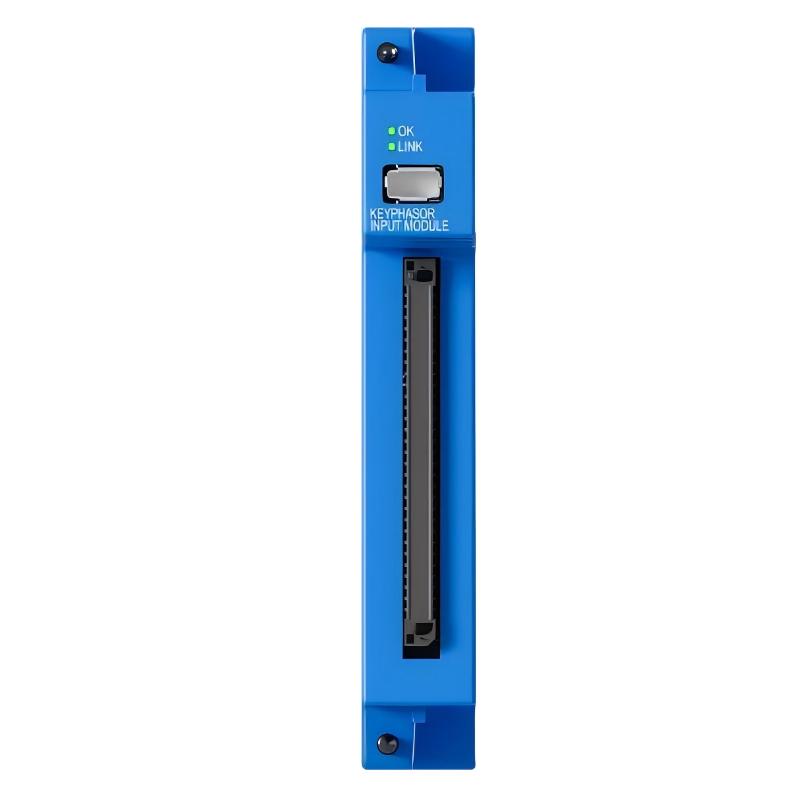
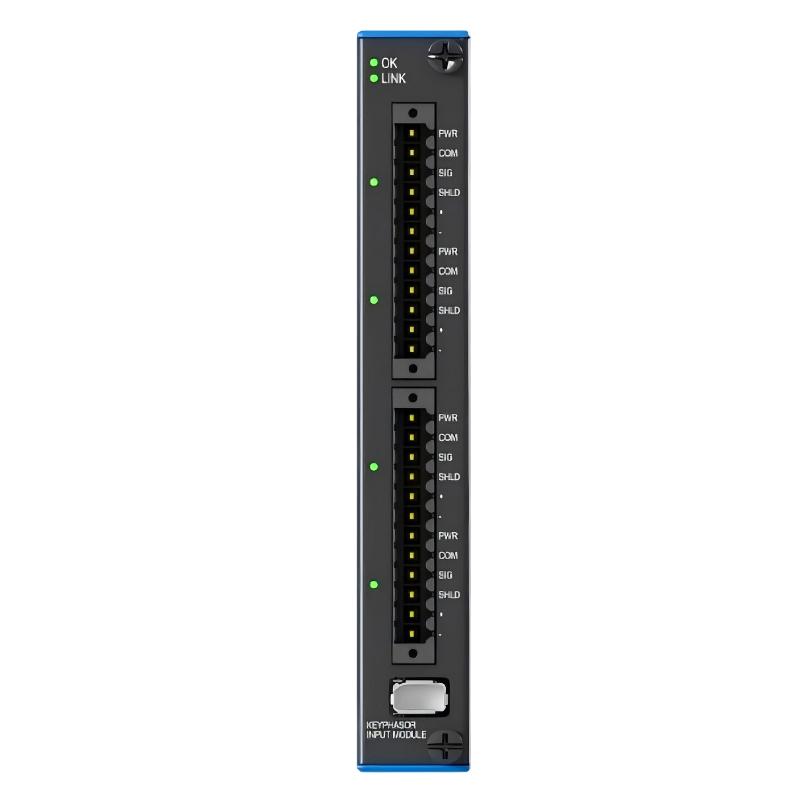
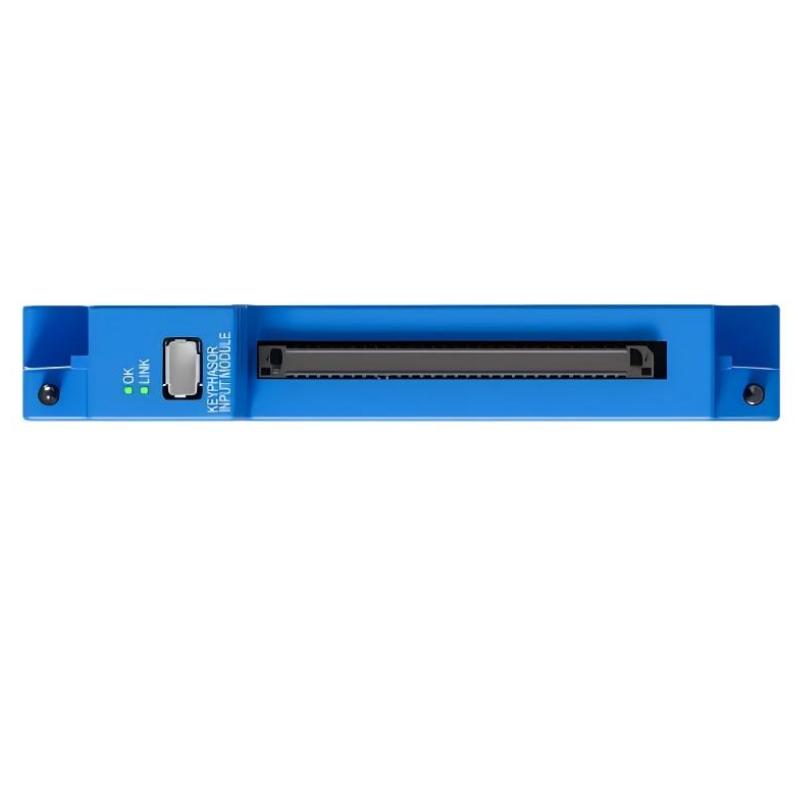
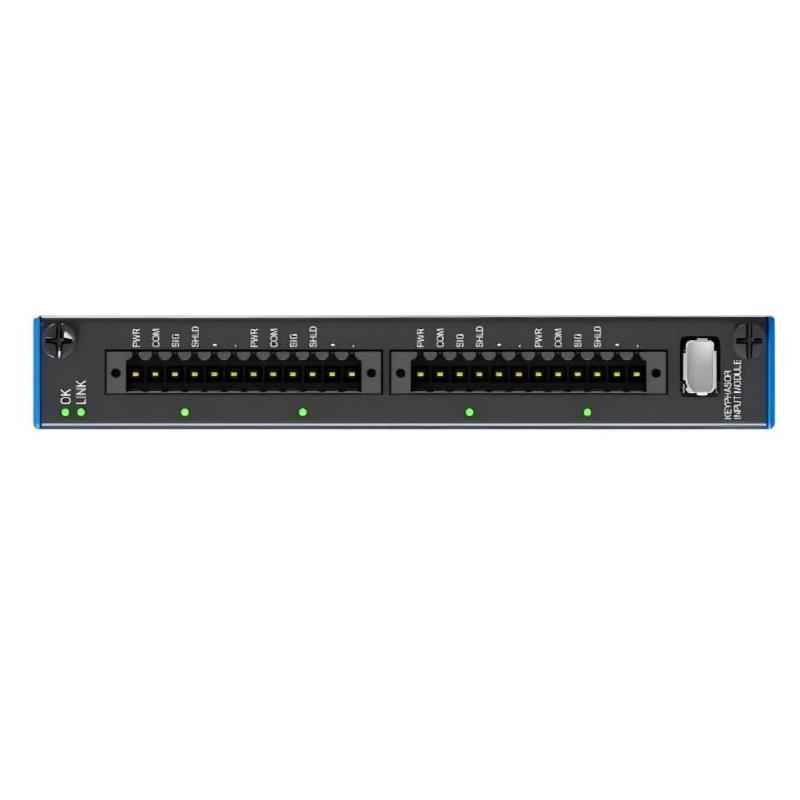
- Bently Nevada
- 60R/INP06
- Keyphasor Input Module
- USA
- 132.1 × 20.3 × 245.6 mm
- 1.2 kg
- Xiamen, China
- New & In Stock
- T/T, PayPal, Western Union
- 1 Year
- 1-3 Working Days
- DHL, UPS, TNT, FedEx and EMS.
- 24-Hour Service
- COO
- 7
Our advantage

Global Logistics
We have a 10-year logistics and express cooperation agreement, so our products can be shipped to any place in the world.

Brand new and original
Our products are imported in bulk from the place of origin. Because of the cooperative relationship, our products are all original and 100% new.

24-hour service
We provide 7*24 hours service to our customers. We will be there whenever you need us.

Price advantage
All our products are priced very favorably because we have our own warehouse and supply.
| Company Information | |||
| [email protected] | |||
| Mobile | +8615980777398 | ||
| +8615980777398 | |||
| 15980777398 |
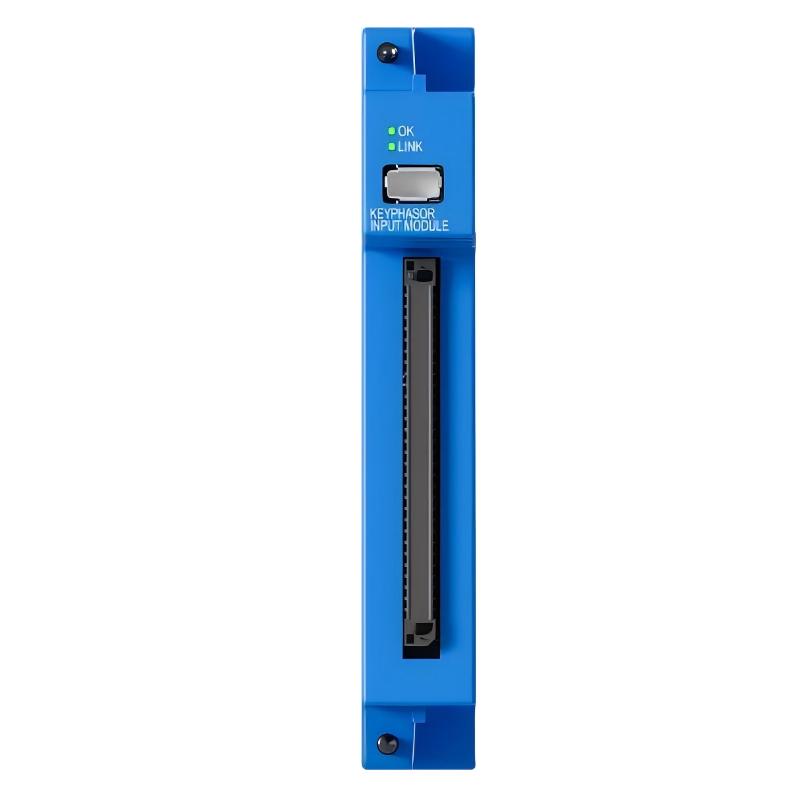
Product Overview
The Bently Nevada 60R/INP06 Orbit 60 Series Keyphasor Input Module is an input module for acquiring Keyphasor signals within the Orbit 60 Series machinery monitoring platform. It interfaces with rotational reference signals used to establish shaft position and rotational timing.
Keyphasor information is particularly useful in rotating machinery monitoring because vibration data often needs to be correlated with the angular position of the shaft. A once-per-revolution or other configured reference pulse can provide the timing reference required for phase-related measurements, order tracking, and rotor dynamic analysis.
The 60R/INP06 operates as part of the monitoring system rather than as a standalone sensor. It works with compatible Keyphasor probes and associated Orbit 60 monitoring hardware to bring the rotational reference signal into the monitoring architecture.
Technical Specifications
| Parameter | Details |
|---|---|
| Product Model | 60R/INP06 |
| Product Type | Keyphasor Input Module |
| Series | Orbit 60 Series |
| Application | Rotating Machinery Monitoring |
| Signal Type | Keyphasor / Rotational Reference Input |
| Brand | Bently Nevada |
| Dimensions | 132.1 × 20.3 × 245.6 mm |
| Weight | 1.2 kg |
Product Features
- Keyphasor input interface for compatible Orbit 60 monitoring systems.
- Acquires rotational reference signals from compatible machinery sensors.
- Provides shaft timing information for vibration and rotor dynamic analysis.
- Supports phase-related machinery monitoring functions.
- Suitable for modular Orbit 60 Series monitoring architectures.
- Interfaces field-level rotational reference signals with monitoring electronics.
- Supports analysis of vibration behavior relative to shaft position.
- Suitable for rotating equipment condition monitoring applications.
Working Principle
A Keyphasor probe detects a defined reference feature on a rotating shaft, such as a notch, projection, or once-per-revolution target. The probe generates an electrical pulse as the reference feature passes the sensing point.
The 60R/INP06 receives this reference signal and makes the rotational timing information available to the Orbit 60 monitoring system. The monitoring system can then associate vibration measurements with a known shaft position or rotational event.
This timing relationship is useful for determining phase, tracking vibration components relative to shaft speed, and analyzing rotor behavior. When the shaft speed changes, the reference pulses also provide the timing information needed for speed-related monitoring functions.
Role in an Orbit 60 Series Machinery Monitoring Architecture
The Bently Nevada 60R/INP06 occupies the rotational reference input layer of the Orbit 60 monitoring architecture.
A typical signal path can be represented as:
Rotating Shaft → Keyphasor Probe → 60R/INP06 → Orbit 60 Monitoring System → Machinery Analysis / Protection System
The Keyphasor probe detects the reference point on the rotating shaft and generates the corresponding electrical pulse. The 60R/INP06 receives this signal and transfers the timing information into the monitoring architecture.
Other monitoring modules can use this reference to correlate vibration and other dynamic measurements with shaft position and rotational speed. This makes the Keyphasor input an important part of phase and rotor-dynamic monitoring for applicable rotating machinery.
Industrial Applications
- Turbine and turbomachinery monitoring
- Compressor condition monitoring
- Steam and gas turbine systems
- Generator monitoring
- High-speed rotating equipment
- Rotor dynamic analysis
- Shaft speed and phase-related monitoring
- Industrial machinery protection and condition monitoring
Installation and Maintenance
- Verify the module model before installation and confirm that the 60R/INP06 matches the intended Orbit 60 system configuration.
- Confirm Keyphasor probe compatibility before connecting the field sensor to the input module.
- Check the reference target on the rotating shaft to ensure that the probe can detect the intended once-per-revolution or configured reference event.
- Position the Keyphasor probe correctly according to the applicable machinery monitoring installation requirements.
- Inspect signal wiring for correct termination, shielding, and physical condition before commissioning.
- Keep Keyphasor signal cables away from strong electrical interference sources where the installation requires additional noise control.
- Verify the reference pulse during commissioning and confirm that the monitoring system receives a clean and repeatable rotational signal.
- Check signal stability during speed changes because an unstable reference can affect phase and speed-related measurements.
- Inspect connectors periodically for looseness, corrosion, contamination, or mechanical damage.
- Monitor abnormal changes in Keyphasor behavior such as missing pulses, inconsistent timing, or unexpected signal fluctuations.
- Document probe position and channel configuration after installation or maintenance to maintain accurate system records.
- Use a compatible replacement module when servicing the system. Confirm the complete system configuration rather than selecting a replacement based only on physical fit.
Related Components
- Bently Nevada Keyphasor Probes
- Bently Nevada Proximity Probes
- Bently Nevada Orbit 60 Monitoring Modules
- Bently Nevada Vibration Monitoring Modules
- Bently Nevada Machinery Monitoring Sensors
- Orbit 60 Series Chassis
- Bently Nevada System Communication Components
- Bently Nevada Monitoring System Power Components
Recommended Related Models
- Bently Nevada 60R/INP06 — Orbit 60 Series Keyphasor Input Module
- Bently Nevada 60R/CHA02-00-0 — Orbit 60 Series 3U Chassis Panel
- Bently Nevada Orbit 60 Series Keyphasor Components — for rotational reference signal acquisition
- Bently Nevada Orbit 60 Series Vibration Input Modules — for associated machinery dynamic measurements
- Bently Nevada Keyphasor Probes — field sensors providing shaft reference pulses
Key Advantages
- Dedicated Keyphasor input for Orbit 60 monitoring systems.
- Provides rotational timing information for machinery monitoring.
- Supports phase and shaft-position-related analysis.
- Enables correlation between vibration data and shaft rotation.
- Suitable for high-speed rotating equipment monitoring.
- Integrates with modular Orbit 60 Series monitoring architectures.
Technical FAQs
What is the purpose of a Keyphasor signal in machinery monitoring?
A Keyphasor signal provides a repeatable rotational reference point on a shaft. The monitoring system can use this timing reference to relate vibration measurements to shaft position, rotational speed, and phase.
What should be checked when a 60R/INP06 does not receive a Keyphasor signal?
Check the Keyphasor probe, shaft reference target, probe position, field wiring, connectors, signal quality, and module configuration. A missing pulse can originate from the sensor or mechanical target rather than the input module itself.
Why is Keyphasor information useful for vibration analysis?
Vibration amplitude alone does not always show where a vibration event occurs relative to shaft rotation. A Keyphasor reference allows the monitoring system to correlate vibration behavior with angular shaft position, which is useful for phase and rotor-dynamic analysis.
Can a standard proximity probe automatically replace a Keyphasor input arrangement?
Not necessarily. The sensor, reference target, electrical characteristics, input module, and monitoring-system configuration must be compatible. A general proximity measurement channel and a dedicated Keyphasor arrangement can have different system requirements.