

ProductPRODUCT
Featured products
Contact Us
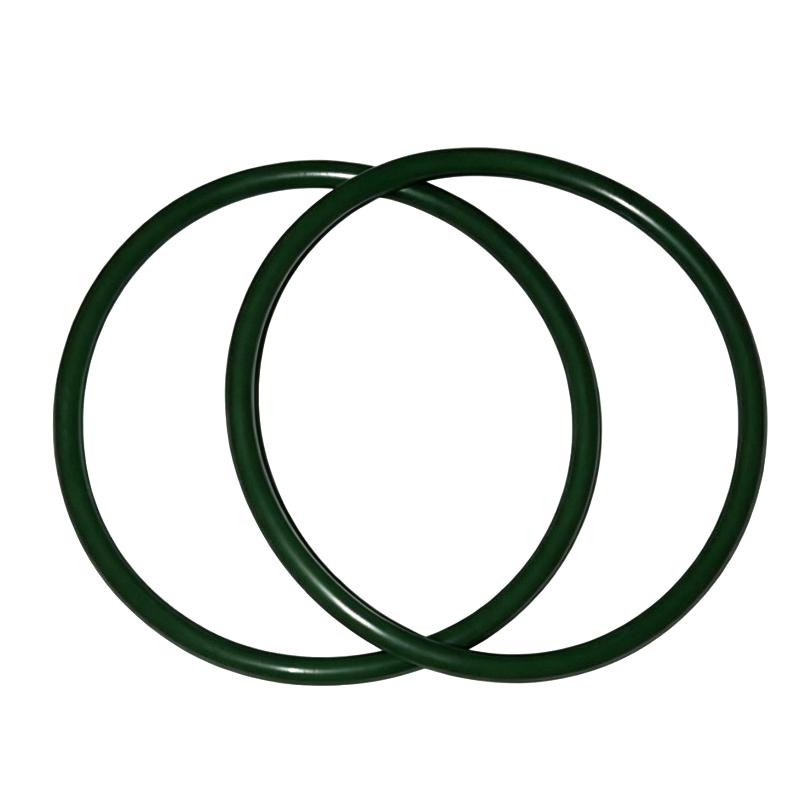
- Ingersoll Rand
- 23710842 39404157
- O-Ring
- USA
- 11 × 11 × 1 mm
- 0.005 kg
- Xiamen, China
- New & In Stock
- T/T, PayPal, Western Union
- 1 Year
- 1-3 Working Days
- DHL, UPS, TNT, FedEx and EMS.
- 24-Hour Service
- COO
- 3
Our advantage

Global Logistics
We have a 10-year logistics and express cooperation agreement, so our products can be shipped to any place in the world.

Brand new and original
Our products are imported in bulk from the place of origin. Because of the cooperative relationship, our products are all original and 100% new.

24-hour service
We provide 7*24 hours service to our customers. We will be there whenever you need us.

Price advantage
All our products are priced very favorably because we have our own warehouse and supply.
| Company Information | |||
| [email protected] | |||
| Mobile | +8615980777398 | ||
| +8615980777398 | |||
| 15980777398 |
Product Overview
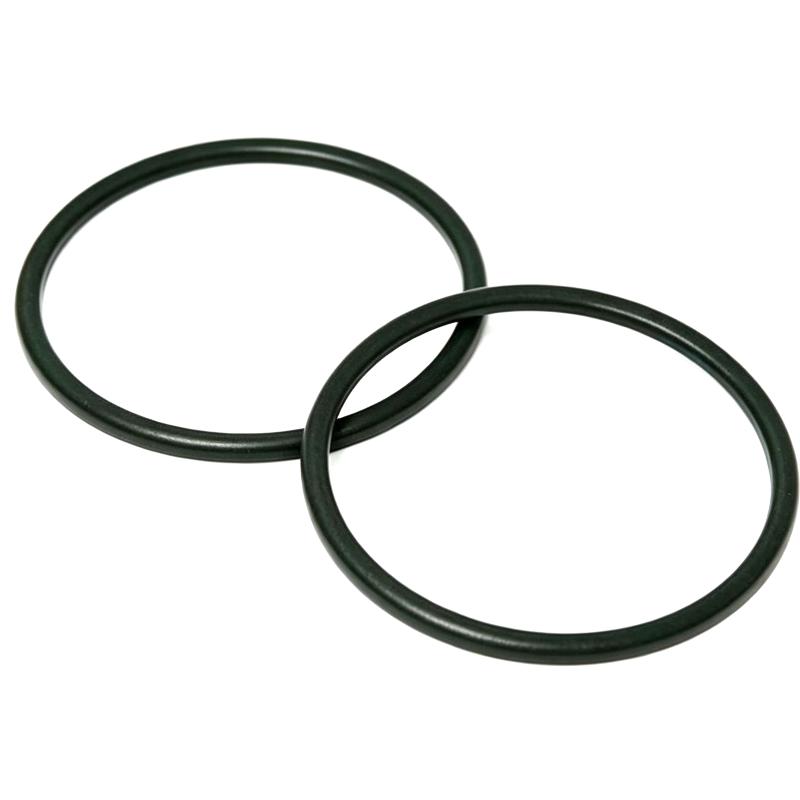
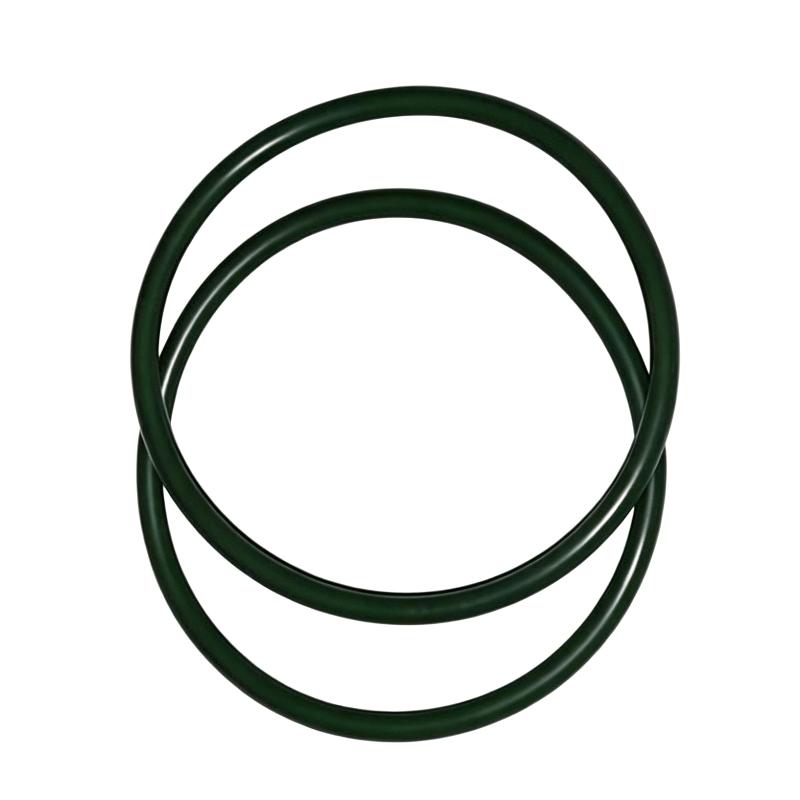
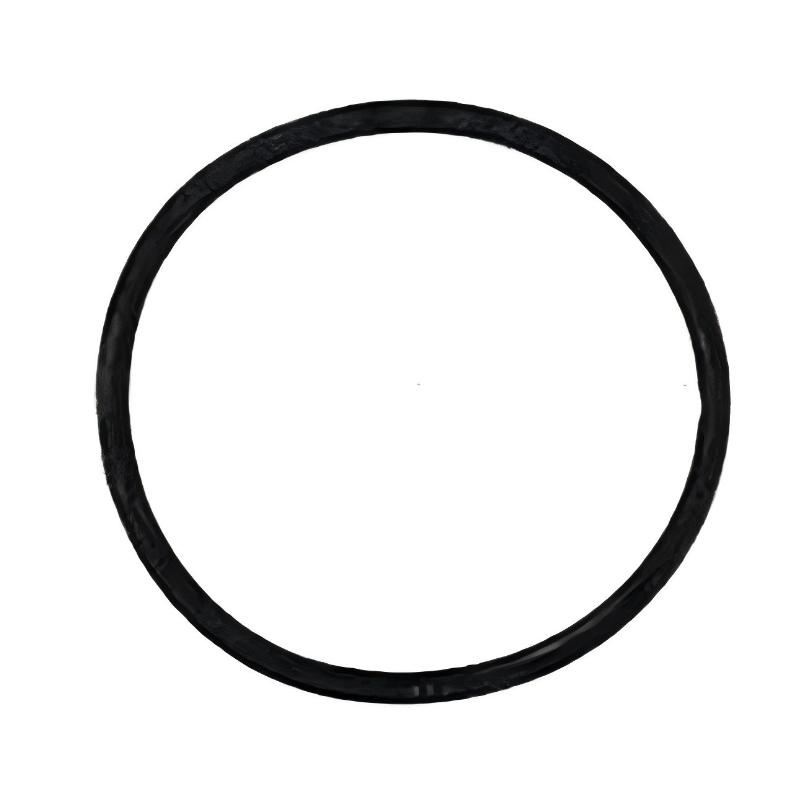
The Ingersoll Rand 23710842 / 39404157 O-Ring is a compact sealing component designed for use in compatible industrial compressor and equipment assemblies. Although an O-ring is a relatively small mechanical part, it performs an important function by creating a reliable seal between mating surfaces and helping prevent leakage of air, oil, coolant, or other fluids within the equipment.
In industrial compressor systems, sealing integrity is essential because many internal circuits operate under pressure and contain lubricating or cooling fluids. A properly installed O-ring helps maintain the intended separation between internal passages while preventing fluid from escaping through joints, grooves, fittings, or valve assemblies.
The Ingersoll Rand 23710842 / 39404157 O-Ring has supplied dimensions of 11 × 11 × 1 mm and a listed weight of 0.005 kg. Its compact size makes it suitable for applications where accurate sealing is required in a confined mechanical assembly.
This component is particularly useful during compressor maintenance, component replacement, overhaul, and seal-service operations. When replacing an O-ring, technicians should verify the complete part number, installation location, mating components, and material requirements rather than relying on physical dimensions alone.
Technical Specifications
| Parameter | Specification |
|---|---|
| Manufacturer | Ingersoll Rand |
| Part Number | 23710842 / 39404157 |
| Product Type | O-Ring |
| Component Category | Sealing Component |
| Primary Function | Static or application-specific fluid sealing |
| Application | Compatible Industrial Compressor Equipment |
| Dimensions | 11 × 11 × 1 mm |
| Weight | 0.005 kg |
| Installation | Compatible Ingersoll Rand Equipment |
| Service Type | Maintenance / Replacement |
| Typical Use | Sealing mating mechanical components |
| Product Form | Compact Elastomeric Sealing Ring |
Specification Verification Note
The physical specifications supplied for the 23710842 / 39404157 O-Ring are:
- Dimensions: 11 × 11 × 1 mm
- Weight: 0.005 kg
The exact material, hardness, temperature range, pressure capability, fluid compatibility, and installation location should be confirmed against the applicable equipment configuration before replacement.
What Is the Ingersoll Rand 23710842 / 39404157 O-Ring?
An O-ring is a circular sealing element designed to fit into a groove between two mating components.
When the components are assembled, the O-ring is compressed against the surrounding surfaces. This deformation creates a sealing interface that prevents the working fluid from passing through the joint.
A simplified sealing arrangement is:
Groove → O-Ring → Mating Surface → Compressed Seal
In compressor equipment, an O-ring can be used around components such as:
- Valve assemblies
- Fittings
- Covers
- Adapters
- Fluid passages
- Hydraulic or pneumatic interfaces
- Cooling-system connections
The exact application of the 39404157 O-Ring depends on the compatible Ingersoll Rand equipment configuration.
O-Ring Sealing Principle
The sealing function of an O-ring is based on controlled elastic deformation.
When installed correctly, the O-ring occupies a dedicated groove. The mating component compresses the ring, causing it to press against the sealing surfaces.
Under operating pressure, the O-ring can maintain contact with the surrounding surfaces, helping prevent leakage.
The basic process can be represented as:
O-Ring Installation → Controlled Compression → Surface Contact → Pressure Retention → Leakage Prevention
Correct groove dimensions, surface condition, material compatibility, and installation technique are all important to successful sealing.
Role in Industrial Compressor Systems
Compressed-air equipment frequently contains multiple interconnected pressure and fluid circuits.
These may include:
- Lubrication circuits
- Cooling circuits
- Compressed-air passages
- Control-air circuits
- Drain systems
- Valve assemblies
A damaged or incorrectly installed seal can allow leakage from one of these circuits.
The Ingersoll Rand 23710842 / 39404157 O-Ring therefore contributes to the mechanical integrity of the associated assembly by maintaining a sealed interface.
Even a small leak can become significant when equipment operates continuously. For this reason, seal inspection is an important part of preventive compressor maintenance.
Importance of O-Rings in Compressor Maintenance
O-rings are consumable sealing components that can gradually lose their effectiveness due to operating conditions.
Potential causes of seal deterioration include:
- Temperature cycling
- Pressure cycling
- Fluid exposure
- Aging
- Mechanical deformation
- Improper installation
- Contamination
- Excessive compression
- Surface damage
A worn O-ring may not immediately produce a major failure. In many cases, leakage begins gradually and becomes more noticeable as the seal continues to deteriorate.
Replacing the seal during appropriate maintenance procedures can help prevent minor leakage from developing into a larger equipment problem.
Typical Applications
Compressor Lubrication Systems
Oil and lubricant circuits require reliable sealing to prevent fluid leakage.
An O-ring can be used at suitable interfaces within the lubrication system.
Cooling Circuits
Where compatible with the equipment design, O-rings can seal fluid connections within temperature-control and cooling assemblies.
Valve Assemblies
Thermal, pressure, flow, or other mechanical valve assemblies may use O-rings to seal internal or external interfaces.
Pneumatic Connections
Some compressor assemblies contain pneumatic passages where sealing elements help maintain pressure integrity.
General Industrial Equipment
O-rings are widely used in industrial mechanical systems because they provide a compact sealing solution for many types of mating components.
Installation and Replacement Guide
Correct O-ring installation is essential. A new seal can leak if it is damaged during assembly or installed in an unsuitable groove.
Step 1: Verify the Replacement
Confirm:
- Ingersoll Rand identification
- 23710842
- 39404157
- Equipment model
- Installation location
- Existing seal dimensions
- Applicable maintenance requirements
The supplied dimensions are 11 × 11 × 1 mm.
Step 2: Isolate the Equipment
Before opening a compressor assembly, follow the appropriate shutdown and isolation procedure.
Ensure that:
- Electrical power is isolated
- Stored pneumatic pressure is released
- Fluid pressure is relieved
- Hot surfaces have cooled
- Unexpected startup is prevented
Step 3: Remove the Existing O-Ring
Carefully remove the old seal without scratching the groove or mating surface.
Avoid using sharp tools that could damage the sealing area.
Step 4: Inspect the Groove
Check the O-ring groove for:
- Dirt
- Corrosion
- Scratches
- Burrs
- Foreign particles
- Mechanical damage
A damaged groove can cause leakage even after a new O-ring is installed.
Step 5: Inspect Mating Surfaces
The mating surfaces should be clean and free from sharp edges or damage.
Any surface defect that crosses the sealing interface may compromise the new O-ring.
Step 6: Install the New O-Ring
Install the replacement seal carefully into the correct groove.
The O-ring should not be twisted, stretched excessively, pinched, or cut during assembly.
Step 7: Reassemble the Components
Bring the mating components together carefully so that the O-ring remains correctly positioned.
Step 8: Test for Leakage
After the equipment is restored, inspect the assembly for leakage under controlled operating conditions.
O-Ring Installation Best Practices
Several practices can improve sealing reliability.
Keep the Seal Clean
Dirt or metal particles trapped beneath an O-ring can create a leakage path.
Avoid Twisting
A twisted O-ring may not sit correctly within its groove and can fail prematurely.
Protect the Seal During Assembly
Sharp edges and damaged threads can cut or deform the seal.
Use Appropriate Lubrication When Specified
If the equipment maintenance procedure calls for assembly lubrication, use a lubricant compatible with the O-ring material and application.
Do Not Reuse Damaged Seals
Once an O-ring has been removed, replacement is generally preferable when the maintenance procedure requires a new seal.
Confirm Correct Size
The supplied dimensions are 11 × 11 × 1 mm. Size compatibility should be verified against the actual installation location.
Troubleshooting O-Ring-Related Problems
Fluid Leakage
Leakage around a sealed joint may be caused by:
- Damaged O-ring
- Incorrect O-ring size
- Incorrect installation
- Contaminated sealing surface
- Damaged groove
- Damaged mating surface
- Excessive pressure
- Incompatible seal material
The complete sealing assembly should be inspected.
Air Leakage
If a pneumatic or compressed-air connection leaks, inspect the O-ring and the surrounding connection.
A small seal can cause noticeable pressure loss when leakage occurs continuously.
Repeated O-Ring Failure
If replacement seals fail repeatedly, simply installing another O-ring may not solve the underlying problem.
Investigate:
- Groove condition
- Surface finish
- Assembly technique
- Temperature
- Pressure
- Fluid compatibility
- Mechanical movement
- Component alignment
Repeated seal failure often indicates a system-level issue.
O-Ring Becomes Hard or Cracked
A hardened or cracked O-ring may indicate aging, excessive temperature exposure, or material incompatibility.
The operating environment should be reviewed before selecting another replacement seal.
O-Ring Becomes Swollen
Swelling can indicate chemical incompatibility between the sealing material and the working fluid.
The appropriate seal material should be confirmed before further operation.
Common Causes of Seal Failure
Incorrect Dimensions
An O-ring that is too large or too small may not achieve the required compression.
Incorrect Material
Different fluids and temperatures require different elastomer materials.
Excessive Temperature
High temperatures can accelerate aging or permanently deform some sealing materials.
Excessive Pressure
Pressure conditions beyond the intended application can cause extrusion or other sealing problems.
Mechanical Damage
Cuts, scratches, nicks, and abrasions can create leakage paths.
Poor Surface Condition
A damaged or contaminated sealing surface can prevent reliable sealing.
Improper Assembly
Twisting, pinching, or overstretching during installation can shorten seal life.
Preventive Maintenance
O-rings should be considered part of a broader maintenance strategy.
Inspect During Scheduled Service
Whenever the associated assembly is opened, inspect the seal and sealing surfaces.
Monitor Leakage
Small amounts of oil or air leakage should not be ignored, especially in continuously operating compressor systems.
Maintain Clean Equipment
Clean mechanical interfaces help reduce the risk of seal damage.
Control Operating Temperature
Operating equipment outside its intended temperature range can accelerate seal deterioration.
Maintain Correct Fluid Condition
Fluid contamination or chemical incompatibility can affect sealing components.
Keep Correct Spare Parts
Maintaining the correct 23710842 / 39404157 O-ring as a spare can reduce maintenance downtime.
Physical Dimensions and Weight
The supplied physical specifications are:
| Parameter | Value |
|---|---|
| Dimension | 11 × 11 × 1 mm |
| Weight | 0.005 kg |
These specifications are useful for:
- Spare-parts identification
- Warehouse management
- Inventory planning
- Maintenance preparation
- Shipping calculations
- Compressor overhaul planning
Because O-rings are small components, accurate part-number identification is particularly important.
Replacement and Spare-Part Planning
When purchasing or stocking the Ingersoll Rand 23710842 / 39404157 O-Ring, maintenance personnel should record the complete identification.
Recommended inventory information includes:
- Part number
- Equipment model
- Installation location
- Seal dimensions
- Material specification when known
- Replacement date
- Quantity in stock
- Associated component
The supplied part identification should be recorded as:
Ingersoll Rand 23710842 / 39404157 O-Ring
Maintaining accurate identification helps prevent incorrect seals from being installed during emergency maintenance.
Compatible System Components
The O-ring may be associated with various mechanical and compressor components.
| Component | General Function |
|---|---|
| Thermal Valve | Controls temperature-dependent fluid flow |
| Valve Housing | Provides mechanical valve structure |
| Oil Circuit | Circulates compressor lubricant |
| Cooler | Removes heat from the fluid |
| Fitting | Connects fluid or pneumatic passages |
| Adapter | Provides mechanical connection |
| Pressure Connection | Transfers pressurized fluid or air |
| Compressor Assembly | Provides the primary mechanical system |
| Sealing Groove | Holds the O-ring |
| Mating Surface | Provides the opposing sealing interface |
Actual compatibility depends on the specific equipment configuration.
Engineering Considerations
Selecting an O-ring requires more than matching its outside dimensions.
Important engineering factors include:
Size
The supplied dimensions are 11 × 11 × 1 mm.
Material
The elastomer must be compatible with the working fluid and temperature.
Pressure
The seal must be appropriate for the pressure environment.
Temperature
The operating temperature affects elasticity, aging, and long-term sealing performance.
Surface Condition
Sealing surfaces should be smooth, clean, and free from damaging defects.
Compression
The groove and mating components must provide appropriate compression.
Installation
Correct installation prevents twisting, cutting, and pinching.
Key Advantages
The Ingersoll Rand 23710842 / 39404157 O-Ring provides several practical benefits for compatible industrial equipment:
- Compact sealing solution
- Supports leakage prevention
- Suitable for compressor maintenance
- Useful for valve and fluid-circuit sealing
- Small 11 × 11 × 1 mm supplied dimensions
- Lightweight 0.005 kg design
- Convenient for spare-parts inventory
- Supports compressor refurbishment
- Helps maintain pressure and fluid-system integrity
- Suitable for planned maintenance and replacement applications
Technical FAQs
What is the Ingersoll Rand 23710842 / 39404157?
It is an O-Ring used as a sealing component in compatible Ingersoll Rand equipment.
What is the primary function of an O-ring?
An O-ring creates a seal between mating components to help prevent air or fluid leakage.
What are the dimensions of the 39404157 O-ring?
The supplied dimensions are 11 × 11 × 1 mm.
How much does the O-ring weigh?
The listed weight is 0.005 kg.
Where can an O-ring be used in a compressor?
Depending on the equipment design, it may be used around valve assemblies, fittings, fluid passages, adapters, or other mating mechanical components.
Why can a new O-ring still leak?
Possible reasons include incorrect size, incorrect material, damaged sealing surfaces, contamination, twisting, pinching, improper compression, or installation damage.
Should an O-ring be reused?
If the applicable maintenance procedure calls for seal replacement, a new O-ring should be installed. A removed or damaged seal should not be reused simply because it appears visually acceptable.
What causes an O-ring to crack?
Aging, excessive temperature, unsuitable material, chemical exposure, or unfavorable operating conditions can contribute to cracking.
What causes an O-ring to swell?
Swelling can result from incompatibility between the seal material and the working fluid.
What should be checked before ordering a replacement?
Verify the complete 23710842 / 39404157 part number, equipment model, installation location, dimensions, and applicable seal material requirements.
Conclusion
The Ingersoll Rand 23710842 / 39404157 O-Ring is a small but essential sealing component for compatible industrial compressor and mechanical assemblies. Its primary role is to maintain sealing integrity between mating components and help prevent unwanted leakage of air, oil, coolant, or other working fluids.
The supplied dimensions are 11 × 11 × 1 mm, with a listed weight of 0.005 kg. These compact specifications make the component convenient for spare-parts storage and maintenance inventory while emphasizing the importance of accurate part identification.
For replacement work, technicians should verify the complete Ingersoll Rand 23710842 / 39404157 identification together with the equipment model and installation location. The O-ring groove, mating surfaces, operating temperature, pressure, fluid compatibility, and assembly method should all be evaluated to achieve reliable sealing.
When correctly selected and installed, the 23710842 / 39404157 O-Ring can help maintain the integrity of compatible compressor assemblies, reduce leakage risks, and support dependable operation throughout routine industrial maintenance and equipment service.