

ProductPRODUCT
Featured products
Contact Us
- Emerson
- VE4002S2T2B1
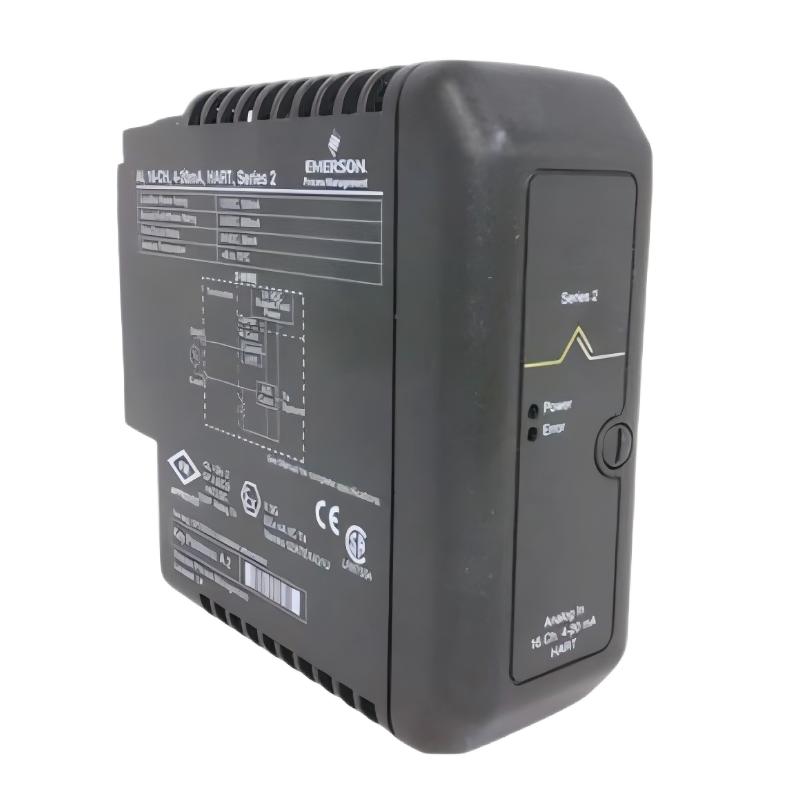
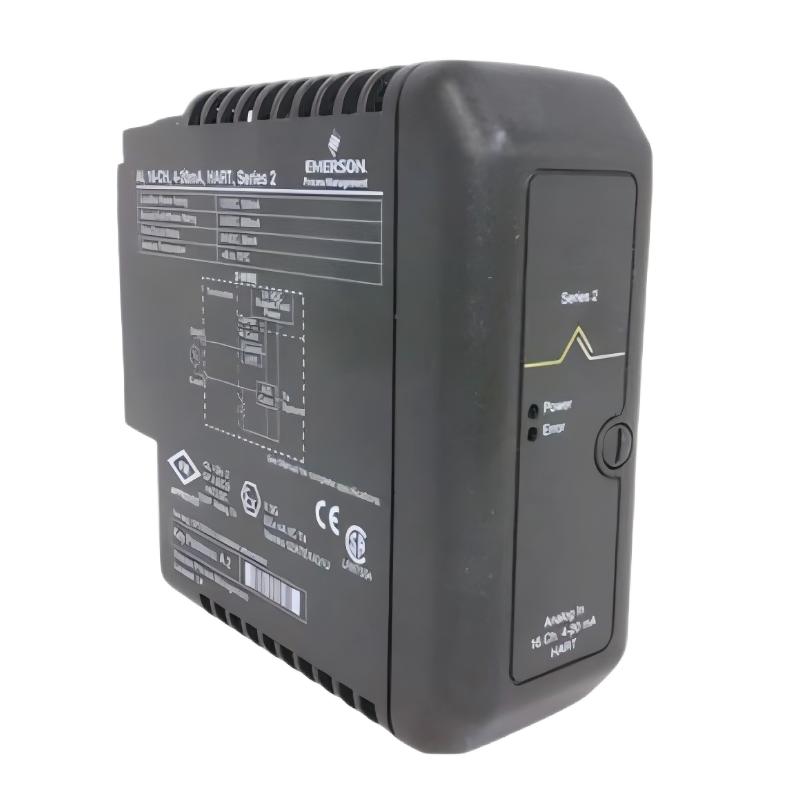
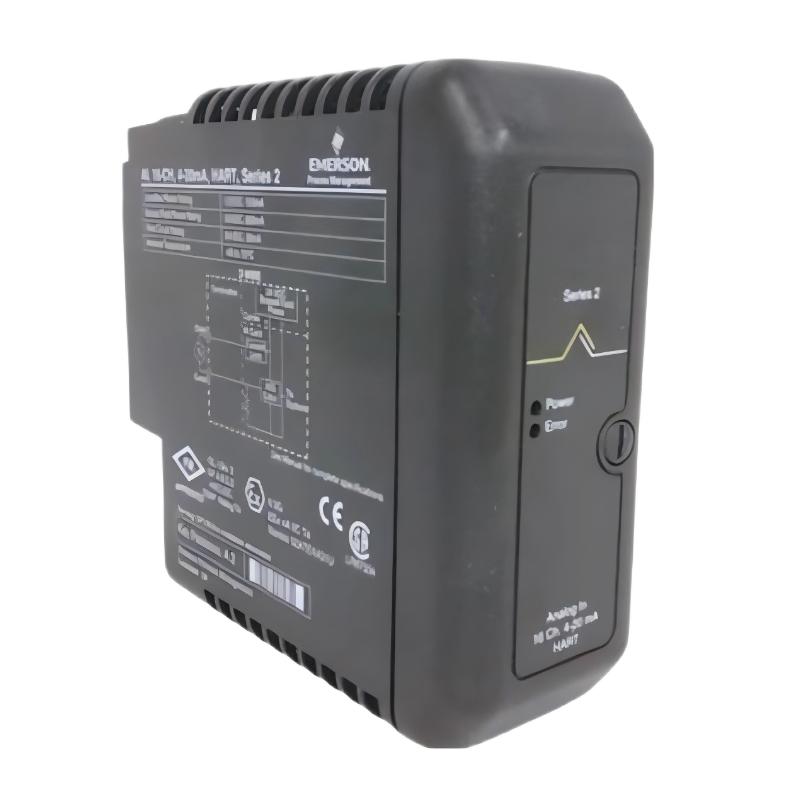
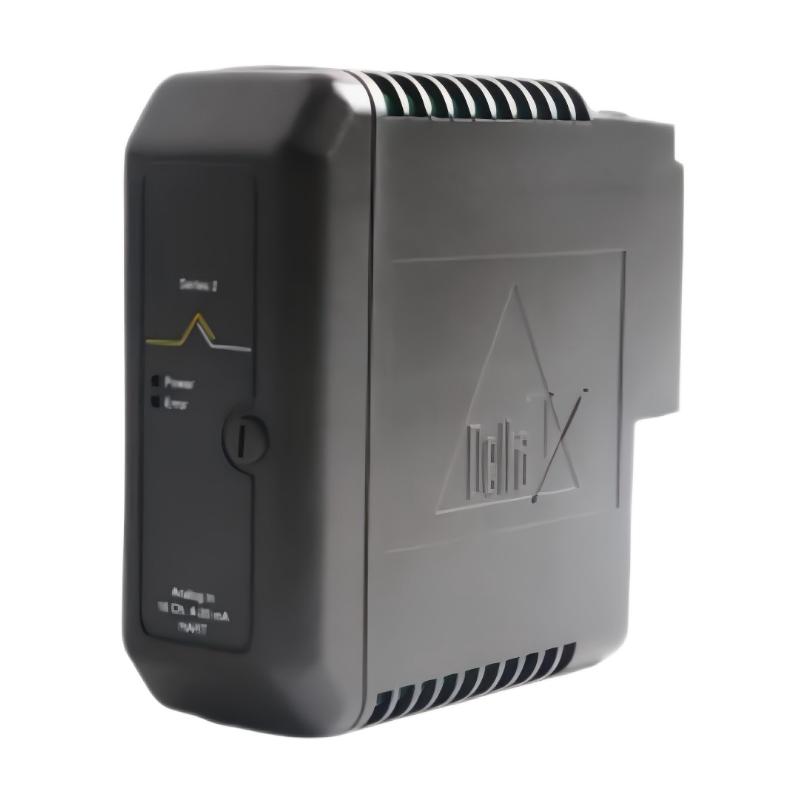
- Discrete Output Module
- USA
- 107 x 41 x 105 mm
- 0.25 kg
- Xiamen, China
- New & In Stock
- T/T, PayPal, Western Union
- 1 Year
- 1-3 Working Days
- DHL, UPS, TNT, FedEx and EMS.
- 24-Hour Service
- COO
- 3
Our advantage

Global Logistics
We have a 10-year logistics and express cooperation agreement, so our products can be shipped to any place in the world.

Brand new and original
Our products are imported in bulk from the place of origin. Because of the cooperative relationship, our products are all original and 100% new.

24-hour service
We provide 7*24 hours service to our customers. We will be there whenever you need us.

Price advantage
All our products are priced very favorably because we have our own warehouse and supply.
| Company Information | |||
| [email protected] | |||
| Mobile | +8615980777398 | ||
| +8615980777398 | |||
| 15980777398 |
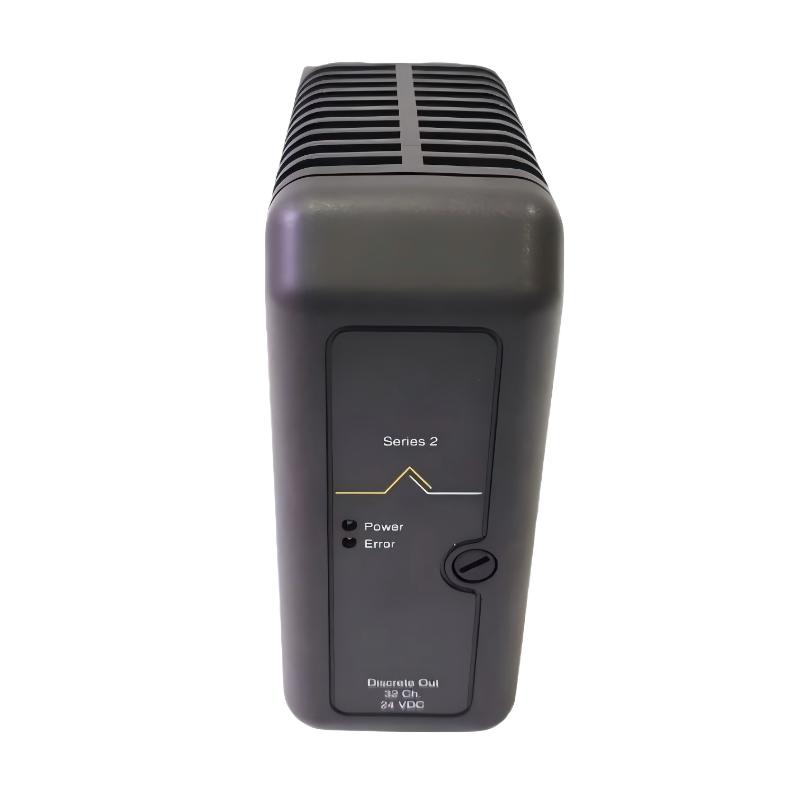
Emerson VE4002S2T2B1 Discrete Output Module | Technical Specifications, Applications and Industrial Automation Guide
Product Overview
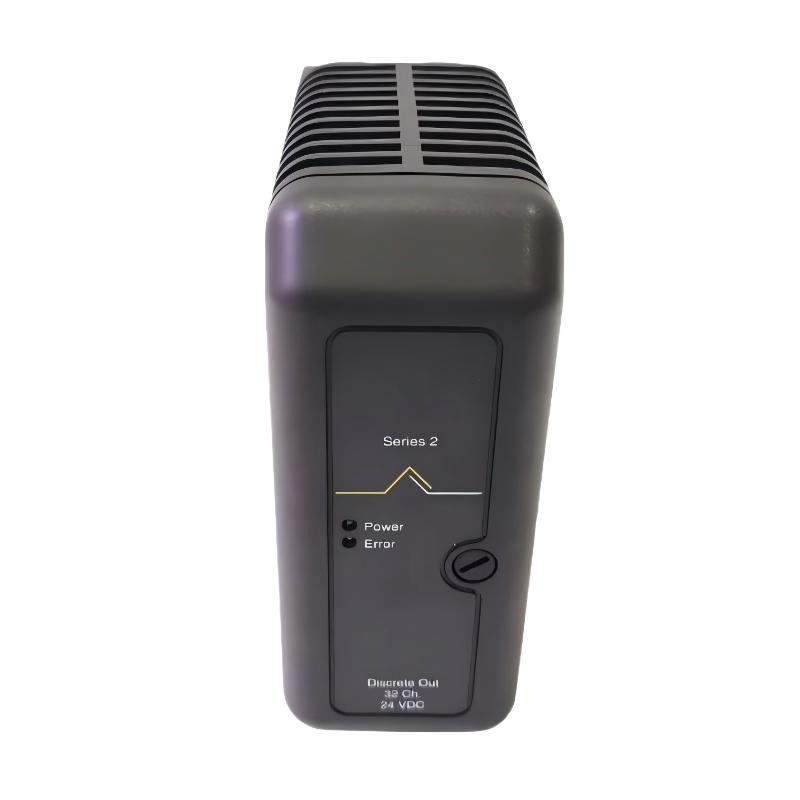
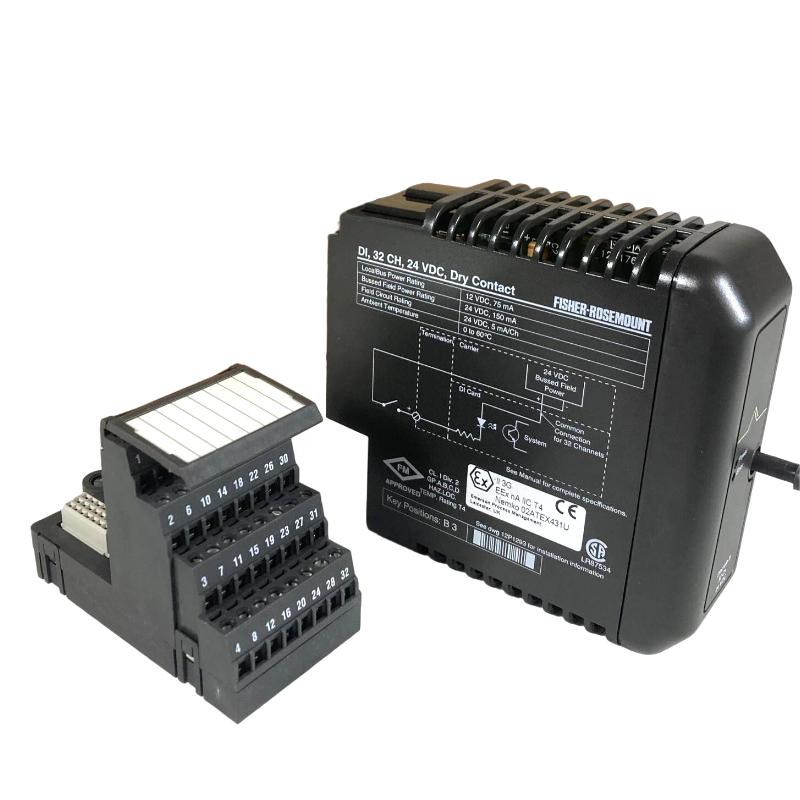
The Emerson VE4002S2T2B1 Discrete Output Module is an industrial automation I/O component designed for discrete signal output within Emerson distributed control and process automation environments. It provides an interface between the control system and field devices that require discrete switching commands, allowing digital control information generated by the automation system to be transferred reliably to actuators, relays, contactors, valves, indicators, and other binary field equipment.
As part of the Emerson VE-series I/O hardware family, the VE4002S2T2B1 is intended for applications where dependable signal conditioning, organized field wiring, modular installation, and maintainable control-system architecture are important. Discrete output hardware plays an essential role in converting controller decisions into physical actions. When a control strategy determines that a pump should start, a valve should open, a motor starter should energize, or an alarm indicator should activate, the discrete output path provides the electrical command required by the associated field circuit.
The compact physical size of the Emerson VE4002S2T2B1, measuring 107 × 41 × 105 mm and weighing approximately 0.25 kg, makes it suitable for densely arranged industrial control cabinets. Its modular construction can help simplify cabinet organization and replacement procedures while supporting the structured architecture normally used in process control systems.
For engineers working with Emerson distributed control systems, the VE4002S2T2B1 should be considered as part of the complete I/O signal chain rather than as an isolated component. Correct operation depends on the controller configuration, I/O subsystem, terminal arrangement, field wiring, power distribution, and the electrical characteristics of the connected load.
Technical Specifications
| Parameter | Specification |
|---|---|
| Manufacturer | Emerson |
| Model | VE4002S2T2B1 |
| Product Type | Discrete Output Module |
| I/O Category | Digital / Discrete Output |
| Primary Function | Provides discrete control signals to field devices |
| System Role | Process control and distributed I/O interface |
| Typical Signals | Binary ON/OFF control signals |
| Typical Applications | Valves, relays, contactors, indicators, motor-control interfaces and process equipment |
| Installation | Industrial control cabinet / modular I/O system |
| Dimensions (H × W × D) | 107 × 41 × 105 mm |
| Weight | 0.25 kg |
| Mounting Consideration | Modular cabinet installation |
| Control Architecture | Emerson process automation / distributed I/O environment |
| Maintenance Role | Field I/O signal monitoring, replacement and troubleshooting |
Engineering note: Exact channel count, output voltage, output current, isolation characteristics, load limitations, terminal assignments, fuse requirements, and electrical protection parameters should be confirmed against the specific VE4002S2T2B1 hardware revision and the corresponding Emerson system documentation before engineering or field replacement.
What Is the Emerson VE4002S2T2B1?
The VE4002S2T2B1 is a discrete output module used to transmit binary control commands from an industrial automation system toward field-level equipment.
Unlike analog output modules, which generate continuously variable signals such as 4–20 mA or voltage references, a discrete output module generally operates with defined switching states. A control signal can represent conditions such as:
- Start / Stop
- Open / Close
- Energized / De-energized
- Enable / Disable
- Run / Trip
- Alarm / Normal
- On / Off
This makes the VE4002S2T2B1 particularly relevant to process applications where equipment must be commanded according to clearly defined operating states.
A discrete output channel can form part of a complete control loop. For example, a process controller may receive a temperature or pressure measurement through an input module, execute a control sequence, and then command a field device through a discrete output. The output module therefore represents the point where software-based control logic is translated into a physical switching action.
Function and Working Principle
The operating concept of the VE4002S2T2B1 can be understood as a controlled interface between the automation processor and a field circuit.
A typical sequence is:
Controller Logic → I/O Communication → Output Module → Field Interface → Actuator
The controller determines the required operating state based on the programmed control strategy. The appropriate output state is then transferred to the I/O subsystem. The discrete output module processes the command and establishes the corresponding output condition for the connected field circuit.
Depending on the system configuration and connected hardware, the resulting signal may be used to operate an interposing relay, solenoid valve, contactor, indicator, motor starter interface, or other binary device.
The output module must operate consistently because even a simple ON/OFF command can have significant process consequences. A single discrete output may control a pump shutdown, initiate a process sequence, open a safety-related process valve, or activate an alarm annunciator.
For this reason, engineers should evaluate the module together with the complete electrical circuit rather than treating the output card as an independent switching device.
Role in Distributed Control Systems
In a distributed control system, I/O modules provide the connection between digital control algorithms and physical process equipment.
The Emerson VE4002S2T2B1 can occupy this interface layer by handling discrete commands generated by the control system.
A simplified architecture can be represented as:
Operator/HMI → Controller → I/O Network → VE4002S2T2B1 → Terminal Interface → Field Device
The module may therefore participate in functions such as:
- Equipment start and stop control
- Valve actuation
- Solenoid control
- Motor starter commands
- Alarm indication
- Status signaling
- Interlock sequences
- Process permissives
- Equipment enable commands
- Automatic operating sequences
This arrangement allows field equipment to remain electrically separated from the higher-level control logic while maintaining an organized and serviceable control architecture.
Typical Industrial Applications
Oil and Gas
Oil and gas facilities contain numerous binary-controlled devices. Pumps, valves, compressors, shutdown devices, alarms, and auxiliary systems often require discrete commands.
A discrete output module can therefore participate in control sequences such as pump starting, valve actuation, equipment enabling, and alarm signaling.
Power Generation
Power plants use large numbers of digital signals throughout turbine auxiliaries, boiler systems, cooling systems, lubrication systems, and electrical balance-of-plant equipment.
The VE4002S2T2B1 can form part of a distributed I/O architecture responsible for transmitting discrete commands to field equipment.
Chemical Processing
Chemical plants depend heavily on sequence control and interlocking. Valves, pumps, agitators, dosing systems, and auxiliary equipment often require binary control signals.
Reliable discrete output operation is important because an incorrect command can interrupt a process sequence or cause equipment to enter an undesired state.
Water and Wastewater
Water treatment systems use discrete commands for pumps, valves, chemical dosing equipment, blowers, mixers, and other process equipment.
A distributed I/O architecture makes it possible to place field interfaces near process areas while maintaining centralized supervisory control.
Pharmaceutical Manufacturing
Pharmaceutical production requires carefully controlled equipment sequences and repeatable operating states. Discrete outputs can be used for equipment enable signals, valve commands, alarms, and auxiliary process functions.
Food and Beverage
Food and beverage facilities commonly use pumps, conveyors, valves, mixers, packaging equipment, and cleaning systems with binary operating commands.
General Manufacturing
Discrete outputs are also useful in manufacturing environments for controlling machine interfaces, motor starters, pneumatic devices, indicator lights, relays, and auxiliary machinery.
System Integration
Correct integration of the VE4002S2T2B1 requires consideration of several system layers.
Controller Layer
The controller executes the control program and determines the required state of each output.
Communication Layer
The I/O subsystem transfers the controller’s commands to the appropriate output module.
I/O Module Layer
The VE4002S2T2B1 receives the discrete command and provides the corresponding output interface.
Terminal Layer
The terminal interface connects the module to field wiring and provides an organized connection point for field circuits.
Field Device Layer
The final output signal operates the connected equipment.
This layered architecture simplifies troubleshooting because engineers can isolate the problem to the controller, communication path, I/O module, terminal interface, field wiring, or field device.
Installation Guidelines
Before installing an Emerson VE4002S2T2B1, verify that the module is compatible with the intended I/O subsystem and system configuration.
1. Check the Hardware
Confirm:
- Model number
- Hardware revision
- Module type
- Terminal interface compatibility
- System compatibility
- Mechanical mounting arrangement
Do not rely only on physical appearance when identifying a replacement module.
2. Prepare the Cabinet
The module should be installed in an appropriate industrial control cabinet with suitable environmental conditions.
The supplied dimensions are:
107 × 41 × 105 mm
The relatively compact dimensions allow the module to be used in high-density I/O arrangements, but adequate clearance should still be maintained according to the cabinet design and system installation requirements.
3. Verify Power Conditions
Before applying power, verify the applicable I/O power distribution and field supply conditions.
Incorrect voltage or polarity can damage field interface components or cause unexpected output behavior.
4. Inspect Wiring
Check all connected field wires for:
- Loose terminals
- Damaged insulation
- Incorrect routing
- Short circuits
- Ground faults
- Incorrect channel assignment
- Poor shielding or grounding practices
5. Verify the Load
The connected field device must be electrically compatible with the output circuit.
If the field load exceeds the permissible output characteristics, an appropriate interface such as an interposing relay may be required.
Field Wiring Considerations
Discrete output circuits require careful attention because the output module is directly involved in commanding external equipment.
Before commissioning, engineers should verify:
- Field voltage
- Load current
- Load type
- Common wiring
- Polarity
- Terminal assignment
- Protection devices
- Interposing relays where applicable
- Cable routing
- Grounding
- Shielding requirements
Inductive loads such as relays, contactors, and solenoid coils can generate transient electrical effects during switching. Appropriate suppression and interface arrangements should therefore be considered according to the field device and system design.
Never assume that two visually similar output modules have identical terminal assignments. When replacing a VE4002S2T2B1, the actual terminal configuration should be checked before reconnecting field wiring.
Commissioning Procedure
A controlled commissioning process reduces the risk of unintended equipment operation.
Step 1: Visual Inspection
Inspect the module and surrounding hardware for mechanical damage, contamination, loose components, or installation problems.
Step 2: Verify Module Position
Confirm that the VE4002S2T2B1 is installed in the correct I/O position and is securely seated.
Step 3: Check Field Wiring
Compare the actual wiring against the approved control-system drawings.
Step 4: Confirm Configuration
Verify that the controller recognizes the correct module type and that the associated I/O configuration corresponds to the installed hardware.
Step 5: Check Output Status
Use the control system diagnostics to verify that the expected output states are being generated.
Step 6: Perform Controlled Functional Testing
Test outputs individually where the process allows it.
For example:
Output Command → Module Response → Terminal Signal → Field Device Response
Step 7: Verify Interlocks
Confirm that equipment permissives and interlocks operate correctly before returning the system to automatic operation.
Step 8: Record the Results
Document the installed module, hardware revision, test results, and any corrective actions.
Troubleshooting and Fault Diagnosis
A discrete output problem does not necessarily mean that the output module itself has failed. Troubleshooting should begin by separating controller logic problems from hardware and field-circuit problems.
Output Does Not Energize
Possible causes include:
- Incorrect controller logic
- Output not enabled
- Communication problem
- Incorrect module configuration
- Loose terminal connection
- Field power problem
- Open field circuit
- Failed interposing relay
- Damaged field device
- Module hardware fault
A useful troubleshooting sequence is:
Controller Command → I/O Communication → Module Status → Terminal Signal → Field Wiring → Load
This method prevents unnecessary replacement of functional hardware.
Output Remains Permanently Active
Possible causes include:
- Incorrect control logic
- Forced output state
- Configuration problem
- Wiring short circuit
- Failed interface component
- Output hardware failure
Check whether the controller is intentionally forcing the output before replacing the module.
Intermittent Output Operation
Intermittent behavior may be caused by:
- Loose terminal connections
- Vibration
- Cable damage
- Electrical noise
- Unstable field power
- Relay contact degradation
- Communication interruptions
- Environmental contamination
Intermittent faults can be particularly difficult to identify because the system may appear normal during static testing.
Controller Does Not Recognize the Module
Check:
- Module seating
- I/O subsystem configuration
- Module identification
- Communication path
- Hardware revision compatibility
- Power supply
- Diagnostic information
If the module remains unavailable after these checks, the hardware may require replacement.
Preventive Maintenance
Although modular I/O hardware is designed for industrial service, preventive maintenance helps reduce unexpected downtime.
Recommended practices include:
- Inspect cabinet cleanliness
- Check terminal tightness
- Inspect wiring insulation
- Verify cooling and ventilation
- Review system diagnostics
- Monitor recurring output faults
- Check field power quality
- Inspect relay and contactor interfaces
- Maintain accurate wiring documentation
- Keep suitable replacement hardware available
The 0.25 kg weight of the VE4002S2T2B1 also makes physical handling relatively straightforward during cabinet maintenance and module replacement.
Replacement and Spare-Part Management
When replacing an Emerson VE4002S2T2B1, the replacement process should begin with positive identification of the existing hardware.
Important identification information includes:
- Manufacturer
- Exact model
- Hardware revision
- I/O function
- System location
- Terminal interface
- Cabinet position
- Application function
The replacement module should not be selected solely according to dimensions.
Two modules may have similar physical dimensions while having completely different electrical functions or terminal assignments.
Before removal, record the original installation position and field wiring. If permitted by the plant maintenance procedure, label wires and document terminal locations to minimize reconnection errors.
After installation, perform configuration verification and controlled functional testing before returning the process to normal automatic operation.
Physical Dimensions and Cabinet Planning
The user-provided dimensions for the Emerson VE4002S2T2B1 are:
107 × 41 × 105 mm
The specified weight is:
0.25 kg
These dimensions are useful when planning cabinet layouts, replacement access, I/O density, and spare-parts storage.
Mechanical planning should consider more than the module envelope itself. Engineers should also allow adequate space for:
- Terminal connections
- Cable routing
- Module removal
- Adjacent I/O modules
- Ventilation
- Inspection
- Maintenance access
A compact module can improve cabinet density, but excessive packing can make troubleshooting and replacement more difficult.
Engineering Best Practices
For reliable operation of the VE4002S2T2B1, several engineering practices are recommended.
Use Accurate I/O Documentation
Every output should have a clearly defined tag, description, terminal assignment, and field-device relationship.
Separate Control and Power Wiring
Where practical, route low-level control and communication wiring separately from high-power cables to reduce electrical interference.
Protect Inductive Loads
Relays, contactors, and solenoids should use appropriate suppression methods where required by the electrical design.
Verify Interlocks
A discrete output should never be evaluated only by whether it changes state. The associated process interlocks and equipment permissives must also be verified.
Maintain Spare Hardware
For critical process applications, keeping an identified spare module can significantly reduce restoration time after an unexpected hardware failure.
Track Hardware Revisions
Hardware revisions can affect compatibility, configuration, and replacement procedures. Record revision information as part of the plant asset-management process.
Recommended Related Emerson Components
| Component Category | Typical Role |
|---|---|
| Emerson VE-Series Digital Input Modules | Receive binary field status signals |
| Emerson VE-Series Discrete Output Modules | Send binary commands to field devices |
| Emerson VE-Series Analog Input Modules | Receive process measurement signals |
| Emerson VE-Series Analog Output Modules | Provide variable process-control signals |
| Emerson I/O Terminal Blocks | Provide field wiring interfaces |
| Emerson Controller Modules | Execute process control logic |
| Emerson Communication Interfaces | Connect I/O systems with control networks |
| Emerson I/O Carriers | Provide modular I/O installation architecture |
| Interposing Relays | Interface output modules with selected field loads |
| Industrial Power Supplies | Provide appropriate control and field power |
When building a complete I/O system, compatibility should be checked across the module, carrier, terminal assembly, controller configuration, network architecture, and field devices.
Key Advantages
The Emerson VE4002S2T2B1 provides several practical advantages for industrial automation applications:
- Designed for discrete output control
- Supports organized field-device interfacing
- Suitable for distributed process automation architectures
- Compact 107 × 41 × 105 mm form factor
- Lightweight 0.25 kg construction
- Suitable for cabinet-based modular installation
- Useful for binary equipment commands
- Supports structured troubleshooting through the I/O signal chain
- Applicable to a wide range of process industries
- Suitable for replacement and maintenance applications where the correct hardware configuration is verified
Technical FAQs
What is the Emerson VE4002S2T2B1?
The Emerson VE4002S2T2B1 is a Discrete Output Module used to provide binary control signals from an industrial automation system to connected field equipment.
What is the main purpose of a discrete output module?
A discrete output module converts controller commands into defined switching states that can be used to operate field devices such as valves, relays, contactors, indicators, and equipment interfaces.
What are the dimensions of the VE4002S2T2B1?
The specified dimensions are 107 × 41 × 105 mm.
How much does the VE4002S2T2B1 weigh?
The specified weight is 0.25 kg.
Where can the VE4002S2T2B1 be used?
It can be used in industrial process automation applications including oil and gas, power generation, chemical processing, water treatment, pharmaceutical production, food and beverage, and general manufacturing.
Can the VE4002S2T2B1 directly control every type of field load?
Not necessarily. The electrical characteristics of the output channel and the connected load must be compatible. For loads requiring additional isolation or switching capacity, an appropriate interposing interface may be necessary.
What should be checked before replacing the module?
Engineers should verify the exact model, hardware revision, I/O function, terminal configuration, system compatibility, field wiring, and applicable electrical specifications.
How should a faulty output be diagnosed?
Start with the controller command and work through the signal path: controller logic → I/O communication → output module → terminal interface → field wiring → field device. This approach helps determine whether the fault is in software, communication, module hardware, wiring, or the connected equipment.
Conclusion
The Emerson VE4002S2T2B1 Discrete Output Module is an important component for industrial control architectures requiring dependable binary communication between automation controllers and field equipment. Its role is to provide discrete control commands for applications such as valve actuation, pump control, relay operation, equipment enabling, alarm signaling, and process sequencing.
With user-specified dimensions of 107 × 41 × 105 mm and a weight of 0.25 kg, the VE4002S2T2B1 offers a compact form factor suitable for modular industrial control cabinets. Its practical value extends beyond simple signal switching because it forms part of a complete I/O architecture involving controllers, communication systems, terminal interfaces, field wiring, and process equipment.
For installation, commissioning, troubleshooting, and replacement, engineers should always verify the exact hardware revision and system configuration rather than assuming that similar VE-series modules share identical electrical characteristics. Proper module identification, wiring verification, configuration checking, controlled output testing, and preventive maintenance are essential for dependable long-term operation.
For Emerson-based process automation systems, the VE4002S2T2B1 Discrete Output Module can therefore serve as a compact field-interface component for translating digital control logic into practical equipment commands while supporting organized cabinet design, maintenance, and industrial process control.