

ProductPRODUCT
Featured products
Contact Us
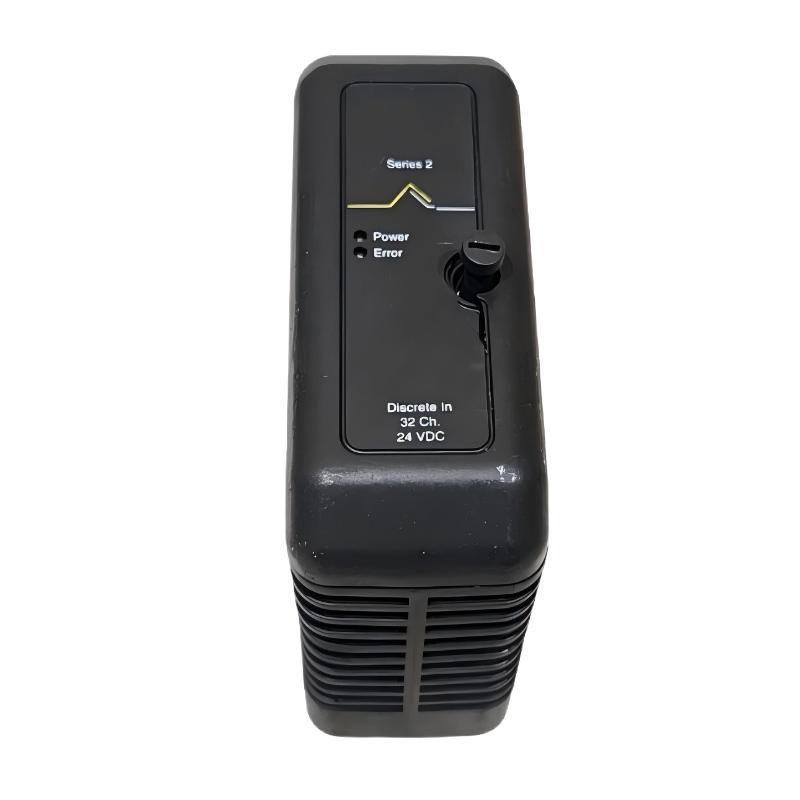
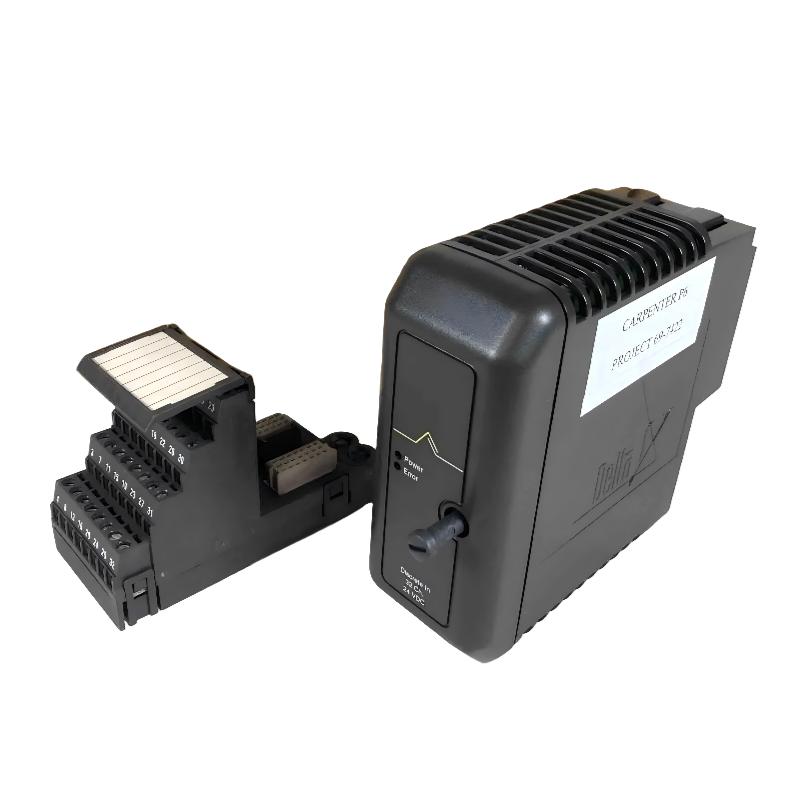
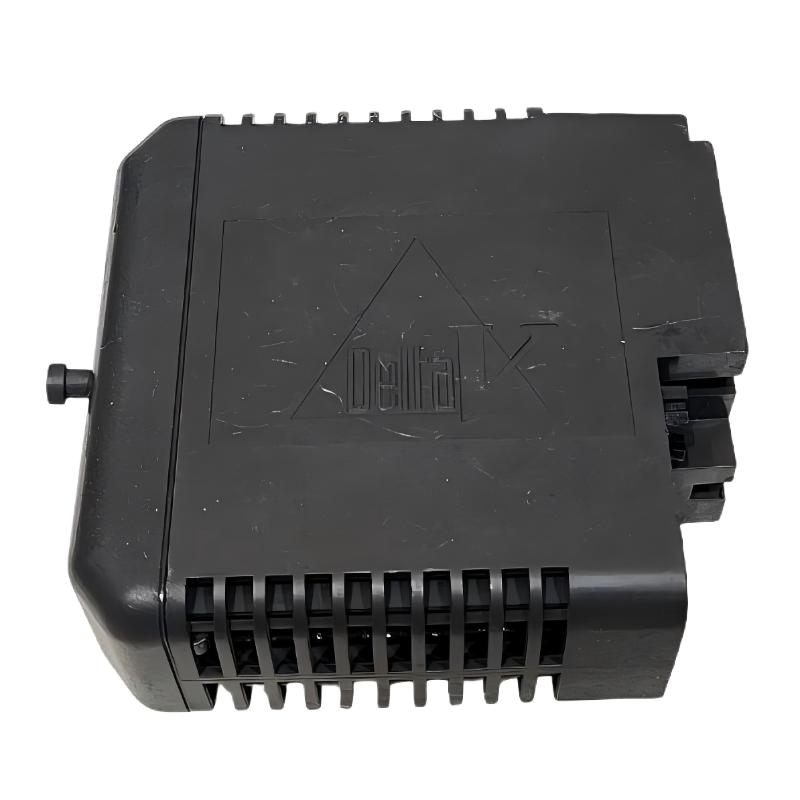
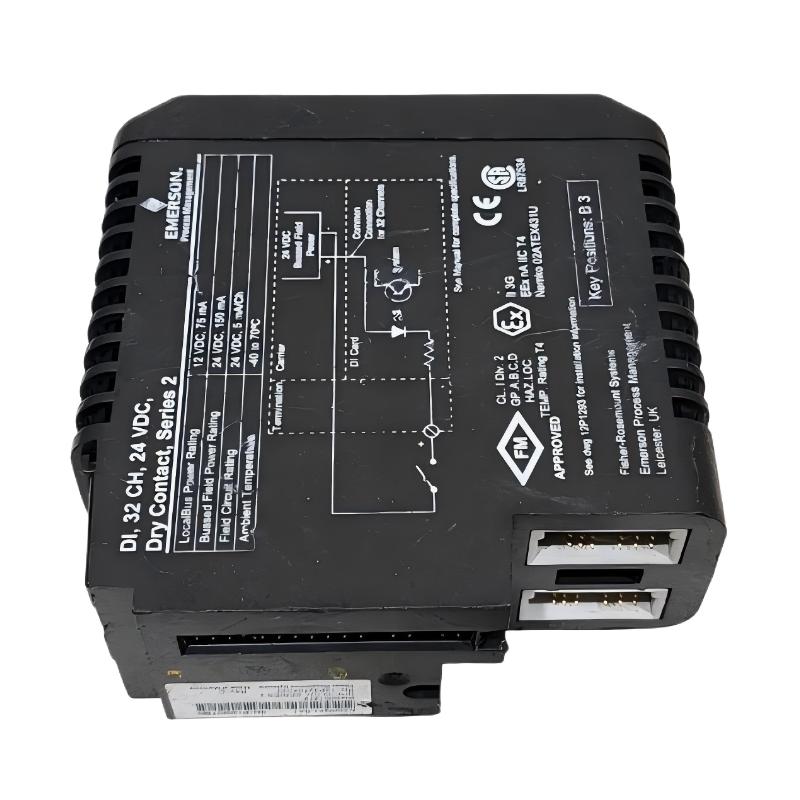
- Emerson
- VE4002S2T1B2
- Discrete Output Module
- USA
- 107 x 41 x 105 mm
- 0.25 kg
- Xiamen, China
- New & In Stock
- T/T, PayPal, Western Union
- 1 Year
- 1-3 Working Days
- DHL, UPS, TNT, FedEx and EMS.
- 24-Hour Service
- COO
- 4
Our advantage

Global Logistics
We have a 10-year logistics and express cooperation agreement, so our products can be shipped to any place in the world.

Brand new and original
Our products are imported in bulk from the place of origin. Because of the cooperative relationship, our products are all original and 100% new.

24-hour service
We provide 7*24 hours service to our customers. We will be there whenever you need us.

Price advantage
All our products are priced very favorably because we have our own warehouse and supply.
| Company Information | |||
| [email protected] | |||
| Mobile | +8615980777398 | ||
| +8615980777398 | |||
| 15980777398 |
Product Overview
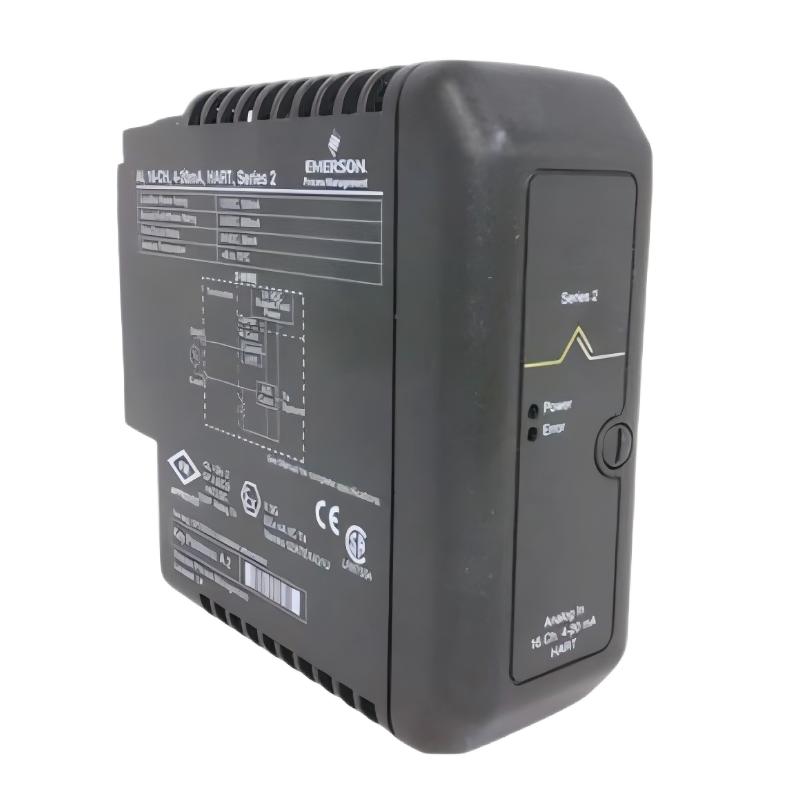
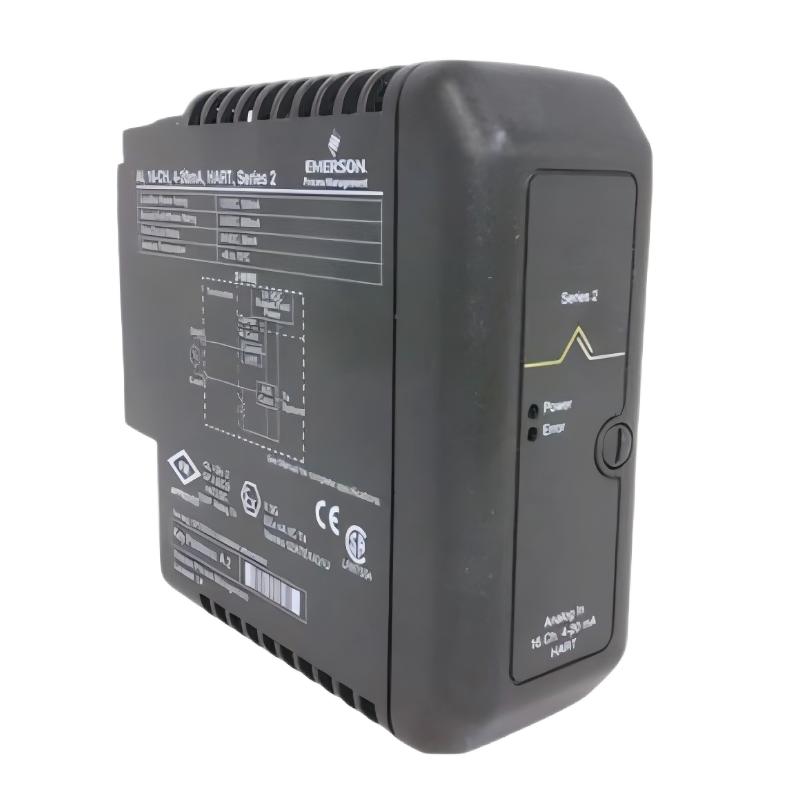
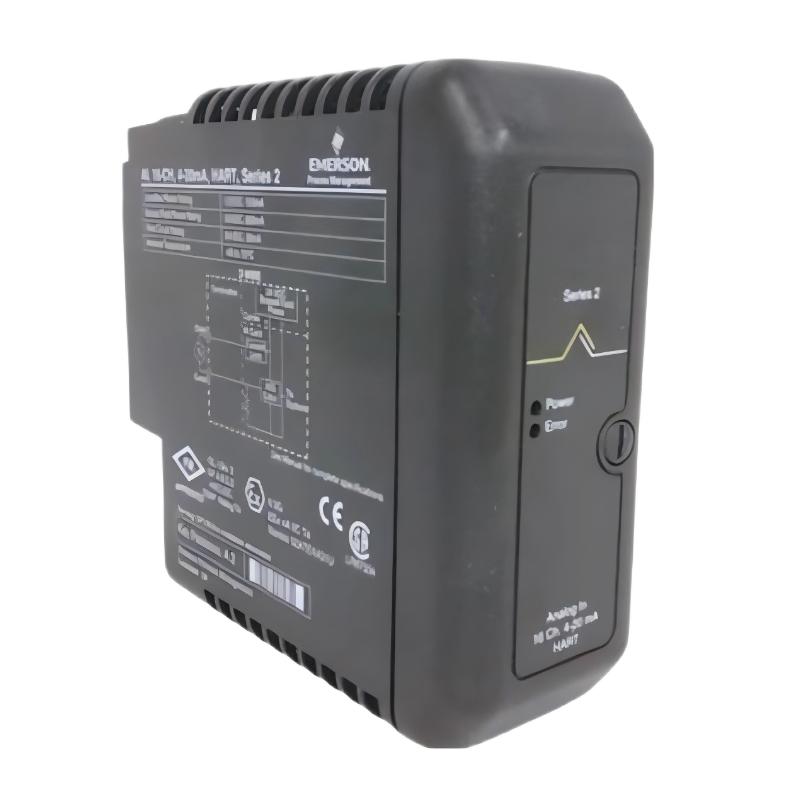
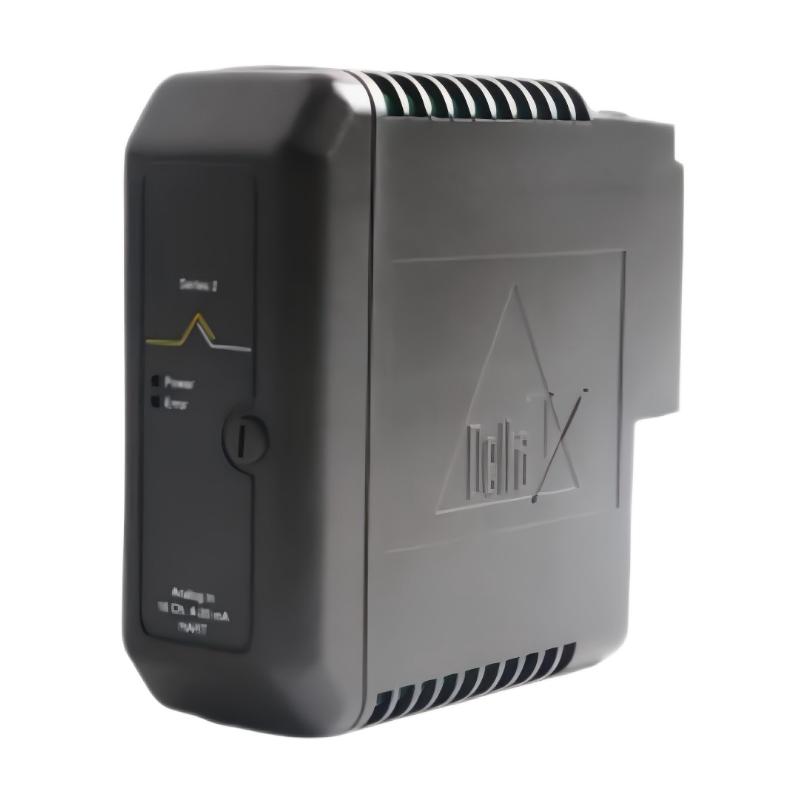
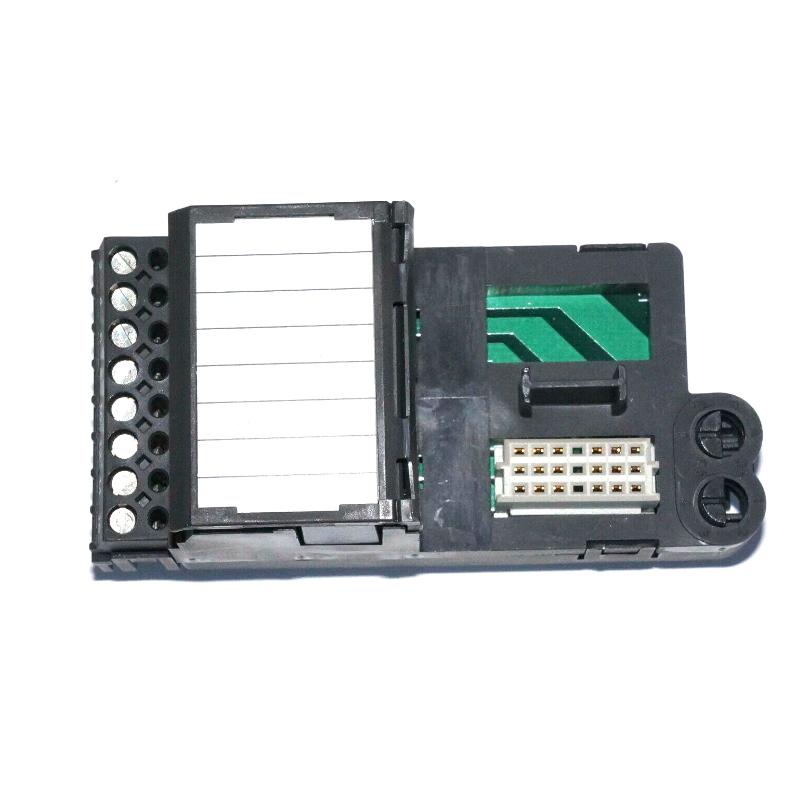
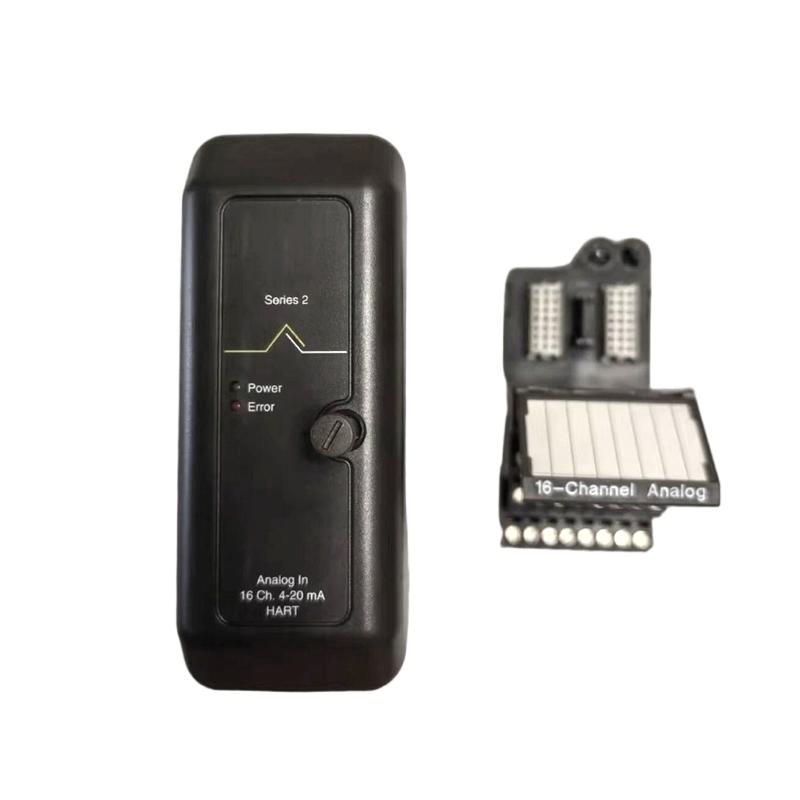
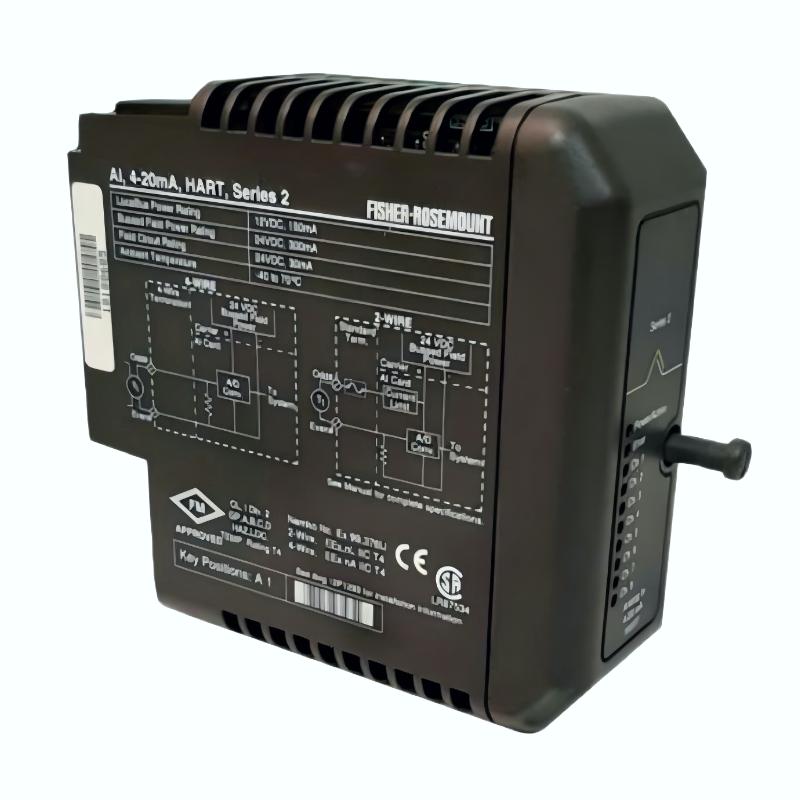
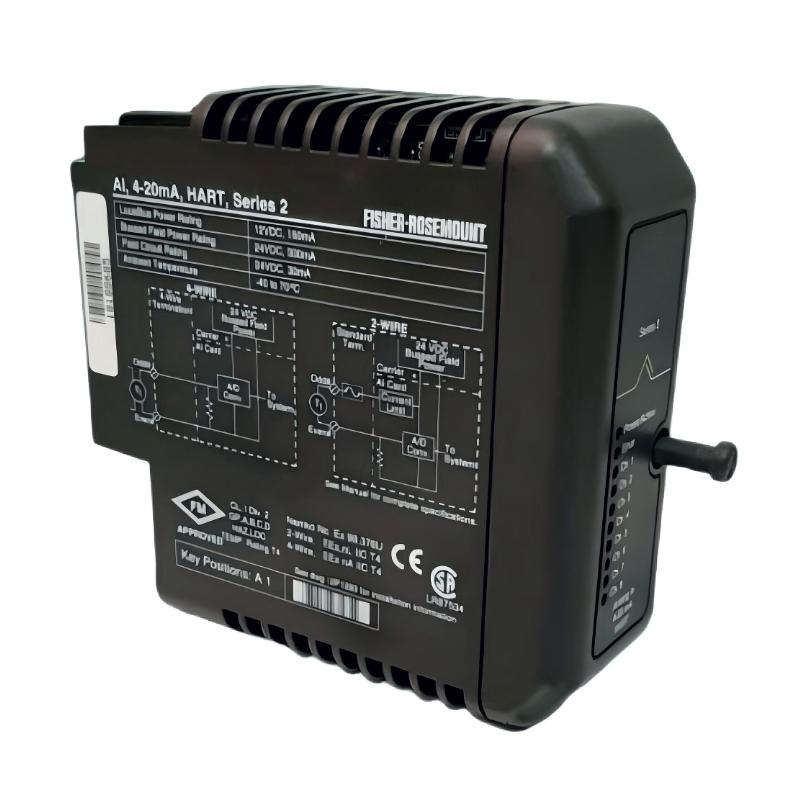
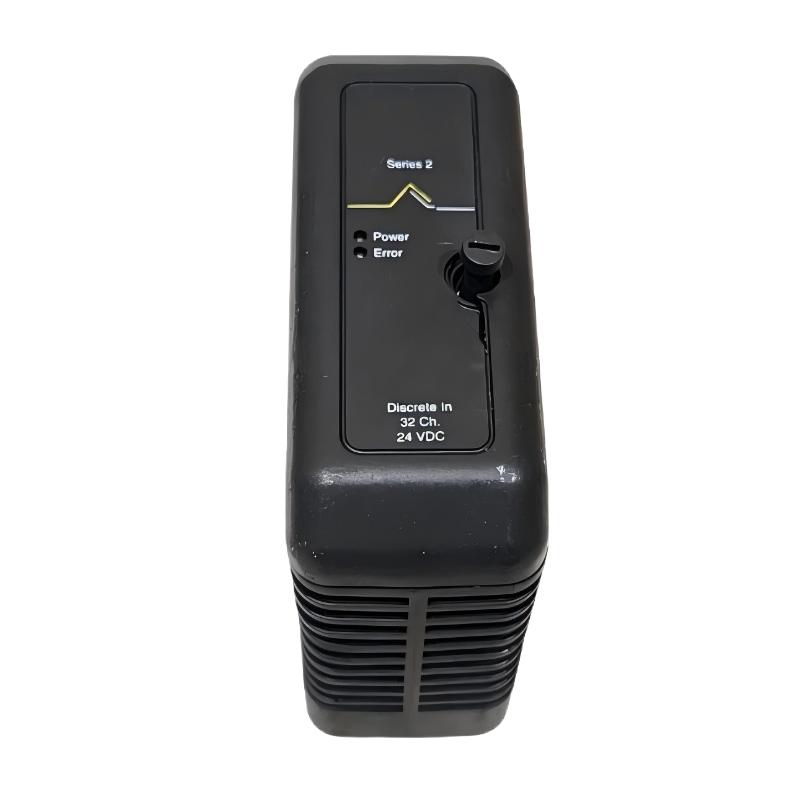
The Emerson VE4002S2T1B2 Discrete Output Module is an industrial process automation component designed to provide reliable discrete control signals between an Emerson control system and connected field equipment. As part of a modular I/O architecture, the module converts control commands generated by the process-control system into discrete output states that can be used by external field circuits.
Discrete output modules are widely used in process plants because many industrial operations require equipment to be switched between clearly defined states. Typical examples include energizing a relay, operating a solenoid, commanding a valve interface, activating an alarm circuit, or controlling an auxiliary device. The VE4002S2T1B2 provides the I/O-side interface required for these types of applications.
The supplied Emerson VE4002S2T1B2 has dimensions of 107 × 41 × 105 mm and a weight of 0.25 kg. Its compact form factor makes it suitable for modular industrial control cabinets where multiple I/O modules may be installed in a limited space.
For maintenance and engineering teams, the VE4002S2T1B2 should be evaluated as part of the complete control loop. Reliable output operation depends on the controller configuration, I/O module, terminal interface, field wiring, external power, and connected load. Correct identification of each component is therefore essential during installation, troubleshooting, and replacement.
Technical Specifications
| Parameter | Details |
|---|---|
| Manufacturer | Emerson |
| Model | VE4002S2T1B2 |
| Product Type | Discrete Output Module |
| I/O Type | Discrete Output |
| Primary Function | Digital field-device control |
| System Role | Process-control output interface |
| Typical Application | Industrial Process Automation |
| Typical Field Devices | Relays, Solenoids, Contactors, Valves, Indicators and Actuators |
| Dimensions | 107 × 41 × 105 mm |
| Weight | 0.25 kg |
| Installation | Modular Industrial Control System |
| Mounting Environment | Industrial Control Cabinet |
| Signal Type | Discrete / Digital |
| Maintenance Role | Modular I/O Replacement and Service |
Engineering note: Exact channel count, output voltage, current rating, isolation characteristics, protection functions, terminal assignments, and load limitations should be confirmed against the specific VE4002S2T1B2 hardware revision and system configuration before installation.
What Is the Emerson VE4002S2T1B2?
The VE4002S2T1B2 is an Emerson Discrete Output Module intended for industrial process-control applications.
A discrete output differs from an analog output because it normally represents a defined state rather than a continuously variable process value. This makes discrete outputs suitable for equipment that needs a straightforward ON/OFF or energized/de-energized command.
A typical signal path is:
Controller → I/O System → VE4002S2T1B2 → Terminal Interface → Field Wiring → Field Device
For example, a process controller may execute logic that determines when a pump should start. The corresponding output command is transferred through the I/O architecture and delivered to the appropriate field circuit.
The VE4002S2T1B2 therefore serves as an important connection point between software-based process logic and physical industrial equipment.
Function and Working Principle
The VE4002S2T1B2 operates as part of the discrete-output layer of an industrial control system.
The basic process is:
- The controller executes programmed control logic.
- The logic generates a discrete output command.
- The I/O architecture identifies the corresponding output point.
- The VE4002S2T1B2 processes the output command.
- The associated output circuit changes state.
- The signal is transferred through the termination and field-wiring system.
- The connected field device responds.
This type of architecture can be used for:
- Equipment start/stop commands
- Valve control
- Solenoid activation
- Relay operation
- Alarm activation
- Status indication
- Interlocking functions
- Equipment sequencing
- Auxiliary equipment control
The exact behavior and electrical limits depend on the installed hardware configuration and connected field circuit.
Role in Process Automation
Discrete output modules are fundamental to industrial automation because process controllers frequently need to command physical equipment.
The VE4002S2T1B2 can form part of control sequences involving:
- Process valves
- Pumps
- Motors
- Solenoid devices
- Relay interfaces
- Contactors
- Alarm systems
- Auxiliary equipment
- Equipment permissives
- Interlock circuits
In a distributed control environment, output modules allow centralized control logic to interact with field equipment installed throughout the plant.
A properly designed I/O architecture also provides clear separation between control logic and field wiring, making maintenance and troubleshooting more systematic.
Industrial Applications
The Emerson VE4002S2T1B2 can be used in a broad range of industrial automation applications where discrete output control is required.
Oil and Gas
Discrete outputs are commonly used for valves, relay interfaces, auxiliary equipment, alarm circuits, and equipment sequencing.
Power Generation
Power plants require digital commands for auxiliary systems, switching devices, equipment status functions, alarms, and control sequences.
Chemical Processing
Chemical plants use discrete outputs to control valves, pumps, solenoids, agitators, and other process equipment.
Water and Wastewater
Water-treatment systems use discrete output signals for pumps, valves, chemical dosing equipment, alarms, and equipment interlocks.
Pharmaceutical Manufacturing
Discrete output control can be incorporated into automated production equipment, utility systems, and process sequences.
Food and Beverage
Processing systems commonly use discrete commands for valves, conveyors, pumps, motors, alarms, and auxiliary equipment.
General Manufacturing
The module can be integrated into industrial machines and production systems that require reliable digital field-device control.
Control System Architecture
The VE4002S2T1B2 normally operates within a larger automation architecture.
A simplified arrangement is:
Operator / Engineering Station
↓
Process Controller
↓
I/O Configuration
↓
VE4002S2T1B2 Discrete Output Module
↓
Terminal / Interface Hardware
↓
Field Wiring
↓
Actuator or Other Field Device
The controller determines the desired output state while the module provides the corresponding physical output interface.
For larger systems, engineers should maintain an accurate relationship between controller addresses and physical field connections.
Important documentation includes:
- I/O address
- Module identification
- Channel number
- Terminal number
- Cable number
- Field-device tag
- Process function
Installation Guidelines
Proper installation is essential for reliable operation.
1. Verify the Model
Confirm that the hardware is identified as:
Emerson VE4002S2T1B2
Do not assume that another VE4002-series module is automatically interchangeable.
2. Inspect the Module
Before installation, check for:
- Physical damage
- Damaged connectors
- Contamination
- Signs of overheating
- Bent contacts
- Loose components
3. Confirm Cabinet Space
The supplied dimensions are 107 × 41 × 105 mm.
Allow additional space for connectors, field wiring, cable routing, ventilation, and maintenance access.
4. Isolate the System
Follow approved plant electrical isolation and lockout/tagout procedures before removing or installing the module.
5. Install the Module
Secure the module in its designated position and ensure that all interfaces are correctly engaged.
6. Connect the Field Interface
Verify the associated terminal hardware and field connections according to the approved drawings.
7. Verify the Configuration
Confirm that the controller configuration corresponds to the installed output module.
Field Wiring Considerations
Field wiring is a critical part of the output circuit.
Before energizing an output, verify:
- Field-device type
- Required operating voltage
- Load characteristics
- Wiring polarity where applicable
- External power supply
- Protective devices
- Terminal assignment
- Cable identification
- Grounding requirements
Inductive loads such as relays, contactors, and solenoids can generate electrical transients during switching. The field circuit should therefore be designed with appropriate protection and suppression where required.
The precise electrical characteristics of the VE4002S2T1B2 should be checked before connecting any field load.
Commissioning Procedure
A controlled commissioning procedure reduces the risk of unexpected field-device operation.
Hardware Verification
Confirm the VE4002S2T1B2 model and installation position.
Wiring Verification
Check the terminal connections and compare them with the approved drawings.
Configuration Verification
Confirm that the control system is configured for the installed I/O hardware.
Diagnostic Verification
Review available system diagnostics for module or I/O faults.
Output Testing
Where permitted, test individual output points under controlled conditions.
Field Device Verification
Confirm that the intended device responds correctly.
Sequence Testing
Verify that the output behaves correctly during the normal control sequence.
Documentation
Record commissioning results and approved configuration changes.
Critical equipment should only be operated during testing under appropriate operational and safety procedures.
Troubleshooting the VE4002S2T1B2
A failed output should be investigated systematically rather than immediately replacing the module.
Output Does Not Activate
Possible causes include:
- Controller logic problem
- Output command not generated
- Incorrect I/O configuration
- Module seating problem
- Terminal connection fault
- Field wiring problem
- External power failure
- Field-load problem
- Output-channel fault
The first question should be whether the controller is actually requesting the output.
Controller Shows Output Active but Field Device Does Not Respond
Check the following sequence:
- Controller output status
- Module status
- Terminal connection
- Field wiring
- External supply
- Protective devices
- Field device
If the controller and output module appear normal, the problem may exist on the field side.
Output Remains Permanently Active
Possible causes include:
- Incorrect control logic
- Forced output state
- Configuration error
- Field wiring fault
- Short circuit
- External interface problem
- Output-channel malfunction
Determine whether the output is being intentionally commanded before concluding that the hardware has failed.
Intermittent Output
Potential causes include:
- Loose terminals
- Damaged cable
- Poor connector engagement
- Vibration
- Electrical interference
- Unstable field power
- Excessive load
- Environmental conditions
Intermittent faults should be analyzed under the same operating conditions in which the failure occurs.
Multiple Output Channels Fail
When several channels fail together, investigate common factors such as:
- Module power
- I/O interface
- Controller condition
- Common field supply
- Terminal assembly
- Rack or carrier connection
- Grounding
- System configuration
Multiple simultaneous failures often indicate a common system issue.
Preventive Maintenance
Preventive maintenance helps reduce unexpected I/O failures.
Recommended inspections include:
- Module seating
- Connector condition
- Terminal connections
- Field wiring
- Cable identification
- Cabinet cleanliness
- Environmental conditions
- Grounding
- Output diagnostics
- Historical alarms
Maintenance personnel should also monitor repeated failures associated with the same field device.
If the same output repeatedly fails while controlling one solenoid, relay, or contactor, the field load should be investigated before replacing multiple output modules.
Replacement Guidelines
When replacing the Emerson VE4002S2T1B2, verify the complete identification rather than relying only on the description “discrete output module.”
Check:
- Complete model number
- Hardware revision
- I/O system architecture
- Connector arrangement
- Terminal interface
- Controller configuration
- Field wiring
- Electrical load
- Application requirements
The supplied physical specifications are:
Dimensions: 107 × 41 × 105 mm
Weight: 0.25 kg
A module with the same general physical size may still have different electrical characteristics or system compatibility.
Cabinet Installation and Mechanical Considerations
The compact dimensions of the VE4002S2T1B2 make it suitable for high-density industrial control cabinets.
The specified dimensions are:
107 mm × 41 mm × 105 mm
The supplied weight is:
0.25 kg
During cabinet planning, engineers should provide sufficient space for:
- Field wiring
- Connectors
- Cable bends
- Identification labels
- Ventilation
- Adjacent I/O modules
- Maintenance access
Good cabinet organization reduces accidental interference with neighboring wiring during maintenance.
Output Module and Field Device Relationship
The VE4002S2T1B2 does not operate independently of the connected field equipment.
A reliable control loop requires:
Controller
→
Output Module
→
Terminal Interface
→
Field Wiring
→
Field Device
Each component can potentially introduce a fault.
For example, if the controller shows an output command but the actuator does not move, possible causes include a failed output channel, open field wiring, missing external power, an incorrect terminal connection, or a defective actuator.
This is why troubleshooting should follow the signal path instead of replacing components randomly.
Engineering Best Practices
Maintain Accurate I/O Documentation
Keep channel assignments, terminal numbers, field tags, and controller addresses synchronized.
Use Clear Cable Labels
Cable identification should be readable and consistent with the electrical drawings.
Verify Load Compatibility
Confirm the connected device is suitable for the output circuit before energization.
Protect Inductive Loads
Use appropriate suppression and protection according to the system electrical design.
Keep Spare Modules
Critical process-control installations should maintain suitable spare I/O hardware.
Record Hardware Revisions
Hardware revision information should be included in maintenance records.
Investigate Repeated Failures
Repeated module failures can indicate a field-load or environmental problem.
Recommended Related Emerson I/O Hardware
A complete Emerson process automation system may contain several complementary I/O components.
| Hardware Type | Typical Function |
|---|---|
| VE4001 Series Discrete Input Modules | Acquisition of digital field signals |
| VE4002 Series Discrete Output Modules | Control of digital field devices |
| Analog Input Modules | Acquisition of continuous process measurements |
| Analog Output Modules | Continuous control signal generation |
| I/O Terminal Blocks | Field signal termination |
| I/O Interface Hardware | Connection between I/O and field wiring |
| Process Controllers | Execution of control strategies |
| Communication Interfaces | Data exchange between automation components |
Alternative output modules should only be selected after checking the required electrical and system characteristics.
Key Advantages
The Emerson VE4002S2T1B2 Discrete Output Module provides several advantages for industrial automation applications:
- Dedicated discrete-output functionality
- Modular industrial I/O architecture
- Compact 107 × 41 × 105 mm design
- Supplied weight of 0.25 kg
- Suitable for process-control systems
- Supports field-device control
- Suitable for automated sequencing
- Practical integration with field termination hardware
- Simplifies modular maintenance
- Supports organized cabinet design
- Suitable for replacement and spare-part applications
Technical FAQs
What is the Emerson VE4002S2T1B2?
The VE4002S2T1B2 is an Emerson Discrete Output Module used to provide digital output signals between a process-control system and connected field equipment.
What is a discrete output used for?
Discrete outputs are commonly used for equipment that operates in defined states, including relays, solenoids, contactors, valves, alarms, and other digital actuators.
What are the dimensions of the VE4002S2T1B2?
The supplied dimensions are 107 × 41 × 105 mm.
What is the weight of the VE4002S2T1B2?
The supplied weight is 0.25 kg.
Where is the VE4002S2T1B2 used?
It can be integrated into industrial process-control and automation systems where digital field-device control is required.
How should the VE4002S2T1B2 be commissioned?
Verify the hardware, field wiring, terminal connections, controller configuration, diagnostics, output states, and field-device response before returning the system to normal operation.
What should be checked when an output fails?
Check the controller command first, followed by the I/O module, terminal interface, field wiring, external power, protective devices, and connected field device.
Is another VE4002-series module automatically interchangeable?
No. The complete model number, hardware revision, electrical characteristics, terminal arrangement, and system configuration must be verified before selecting a replacement.
Conclusion
The Emerson VE4002S2T1B2 Discrete Output Module is an important component for industrial process-control systems requiring dependable digital commands to field equipment. It provides the output-side interface between programmed control logic and physical devices such as valves, relays, solenoids, contactors, alarms, and other discrete actuators.
With supplied dimensions of 107 × 41 × 105 mm and a weight of 0.25 kg, the VE4002S2T1B2 provides a compact solution for modular I/O installations and control cabinets where space efficiency and serviceability are important.
For installation, commissioning, or replacement, engineers should verify the complete VE4002S2T1B2 identification together with the associated I/O architecture, terminal configuration, hardware revision, field wiring, and connected load requirements. During troubleshooting, following the complete controller-to-field signal path provides a more reliable method of identifying the actual source of an output problem.
When properly installed and maintained, the Emerson VE4002S2T1B2 can serve as a dependable discrete-output interface within industrial automation systems used across power generation, oil and gas, chemical processing, water treatment, manufacturing, and other process industries.