

ProductPRODUCT
Featured products
Contact Us
- Emerson
- VE4002S2T1
- Standard I/O Terminal Block
- USA
- 107 x 41 x 105 mm
- 0.25 kg
- Xiamen, China
- New & In Stock
- T/T, PayPal, Western Union
- 1 Year
- 1-3 Working Days
- DHL, UPS, TNT, FedEx and EMS.
- 24-Hour Service
- COO
- 5
Our advantage

Global Logistics
We have a 10-year logistics and express cooperation agreement, so our products can be shipped to any place in the world.

Brand new and original
Our products are imported in bulk from the place of origin. Because of the cooperative relationship, our products are all original and 100% new.

24-hour service
We provide 7*24 hours service to our customers. We will be there whenever you need us.

Price advantage
All our products are priced very favorably because we have our own warehouse and supply.
| Company Information | |||
| [email protected] | |||
| Mobile | +8615980777398 | ||
| +8615980777398 | |||
| 15980777398 |
Product Overview
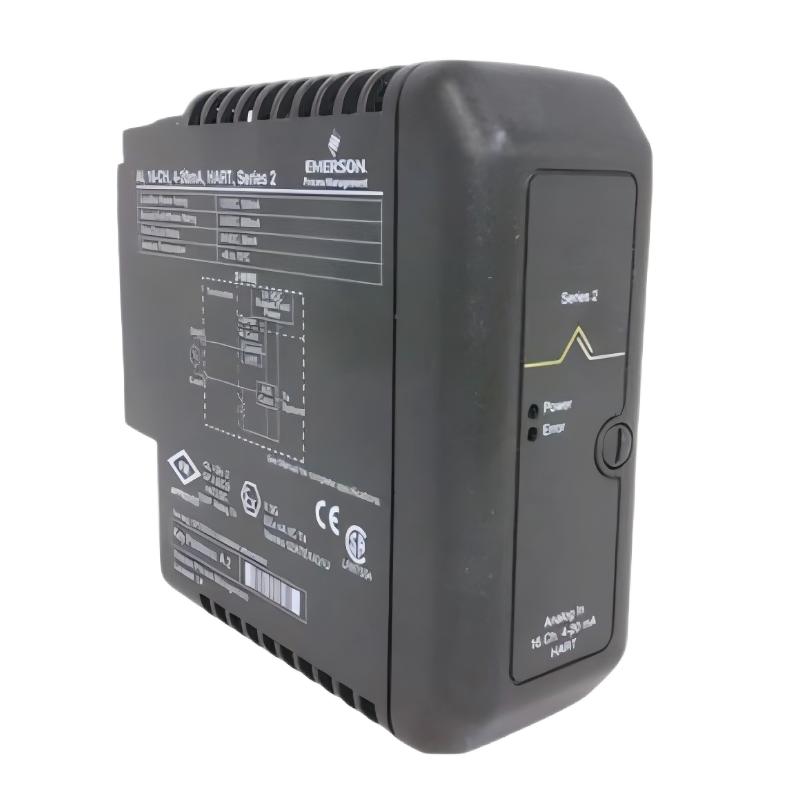
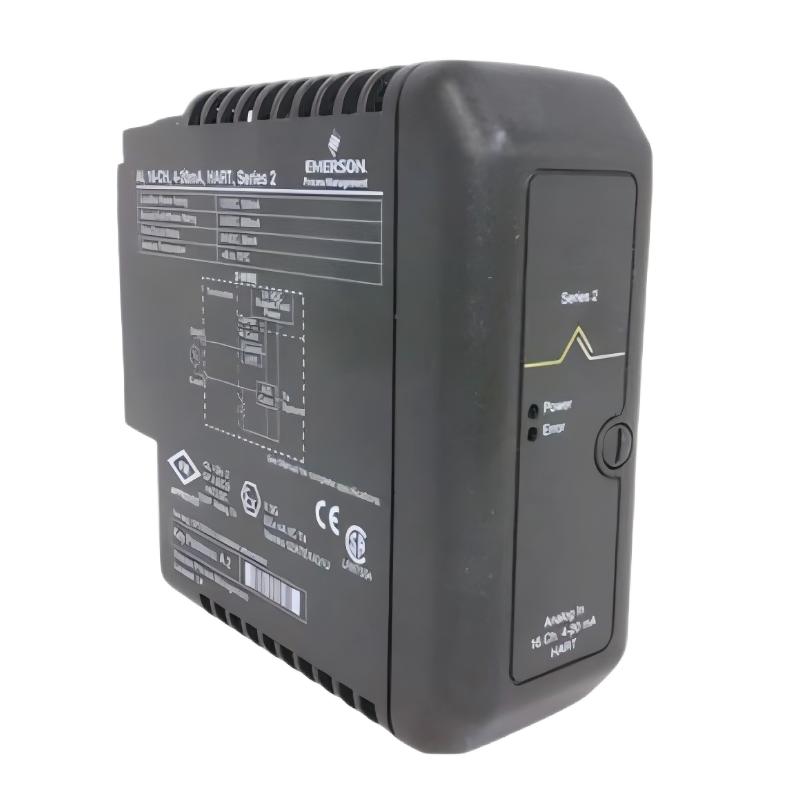
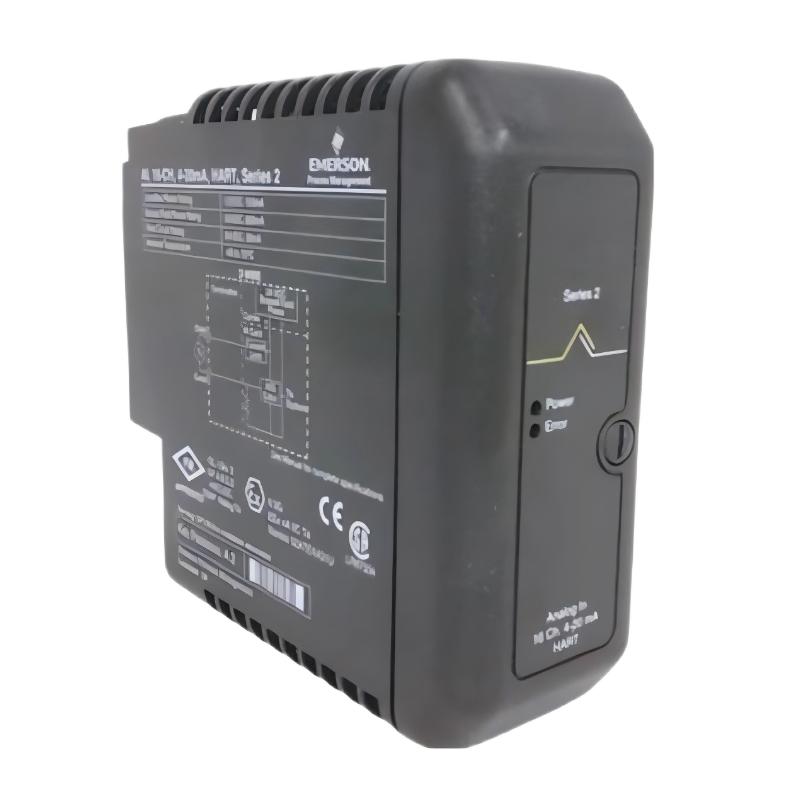
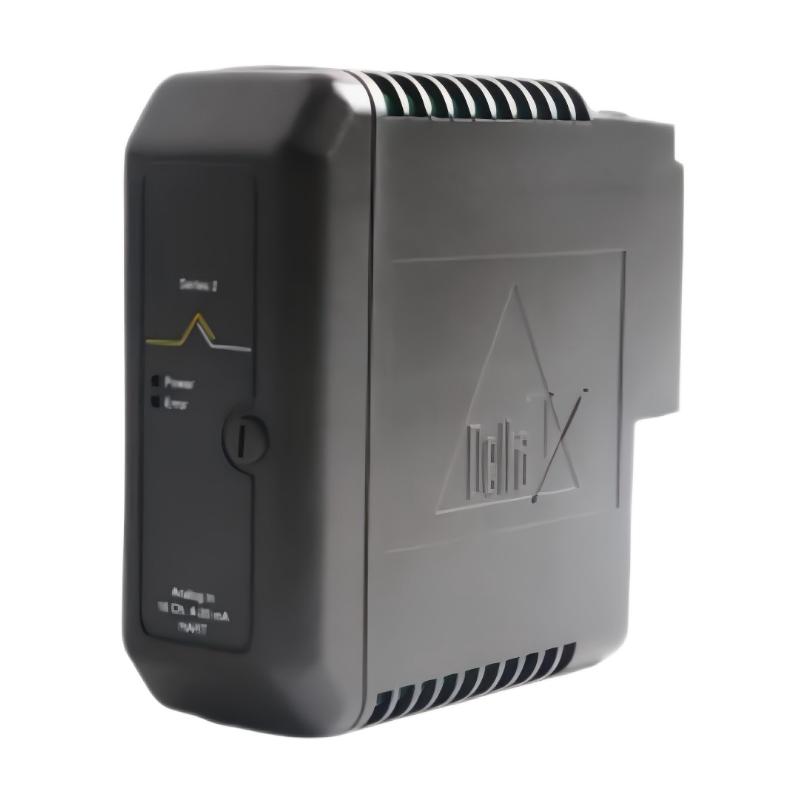
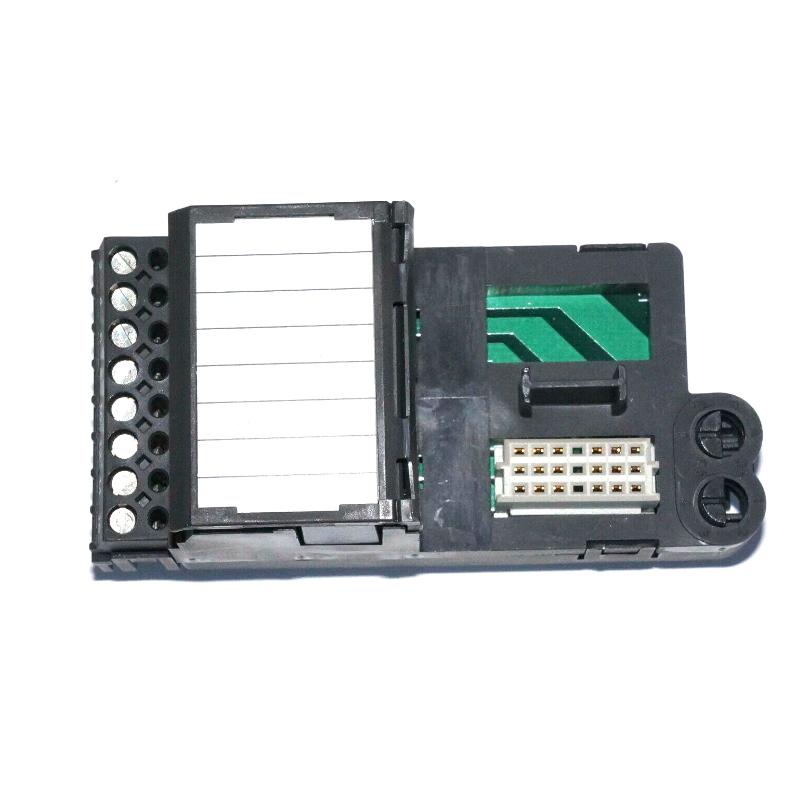
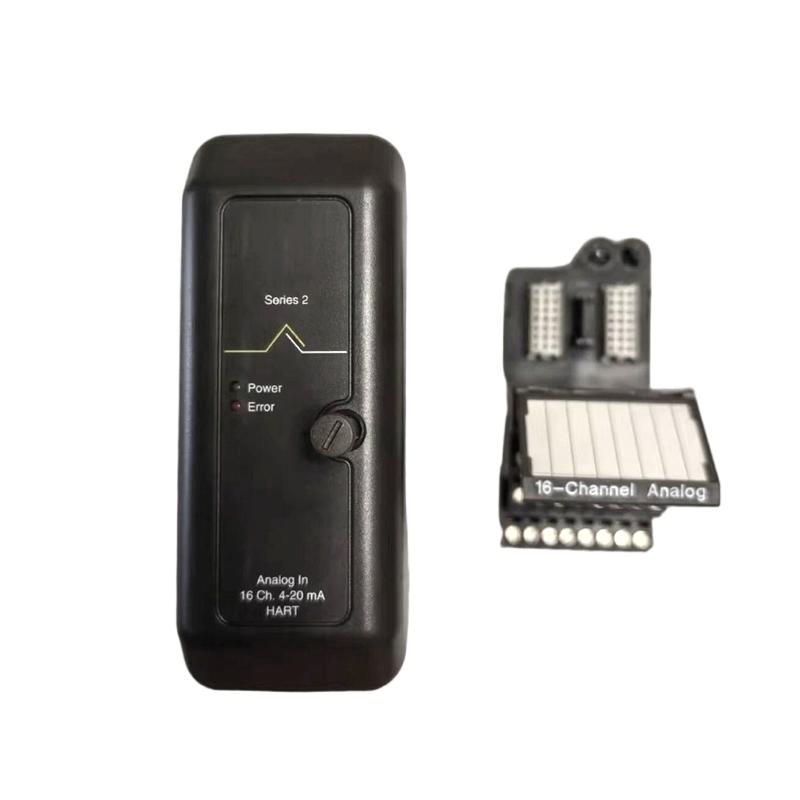
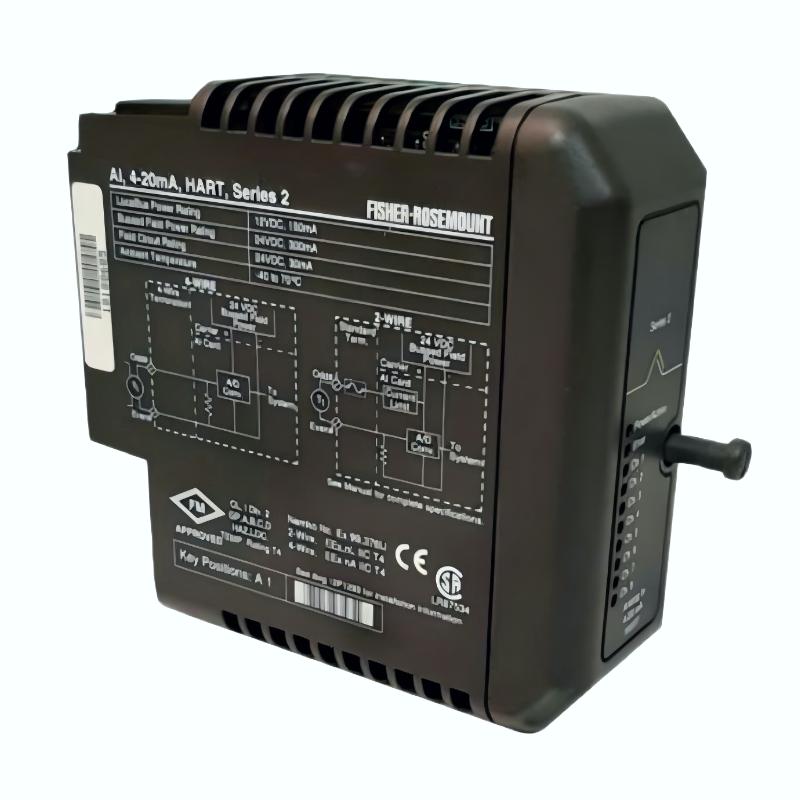
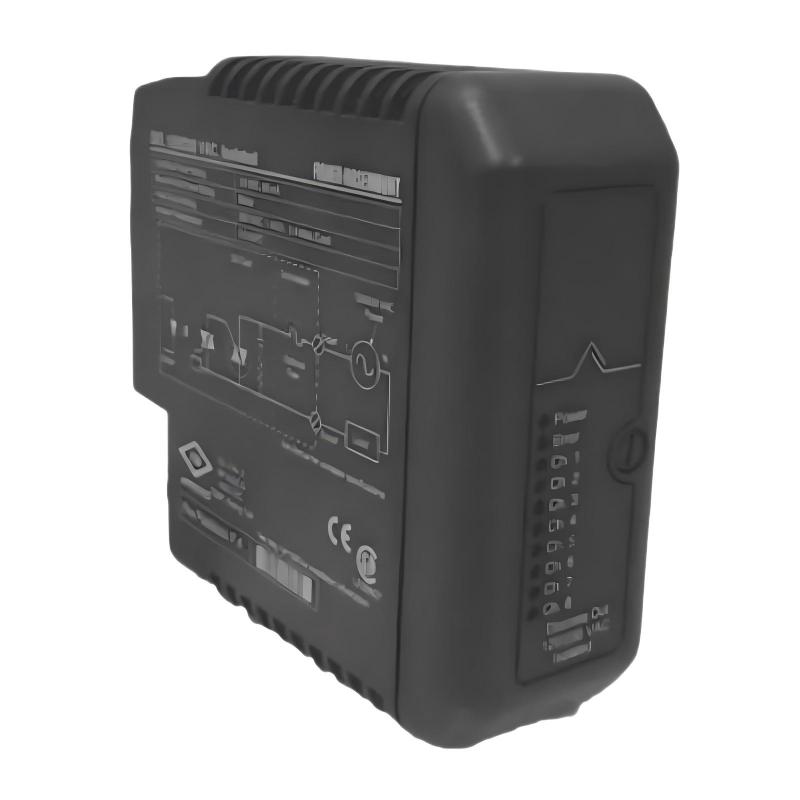
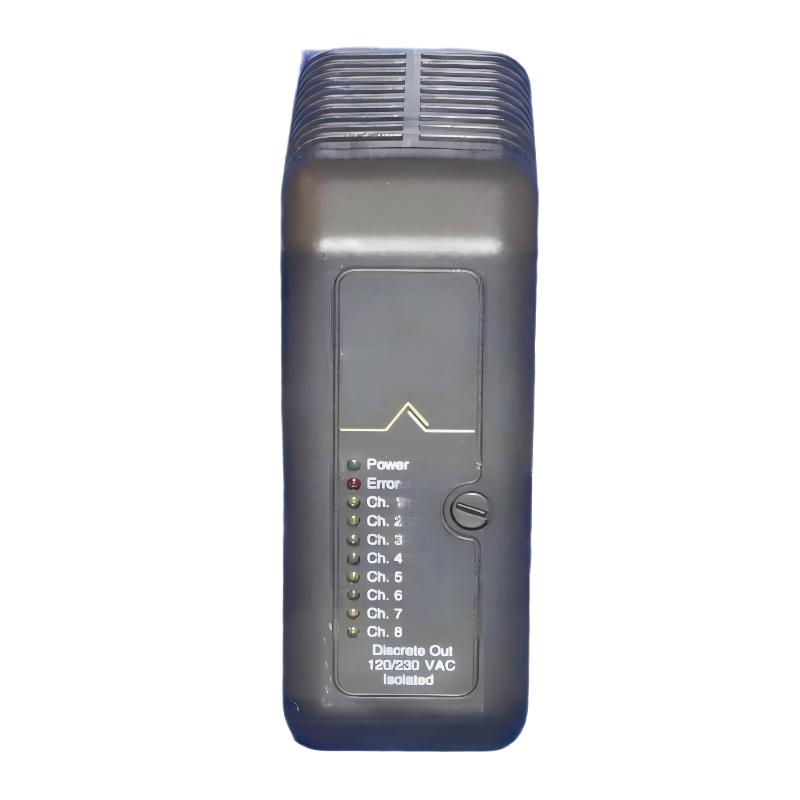
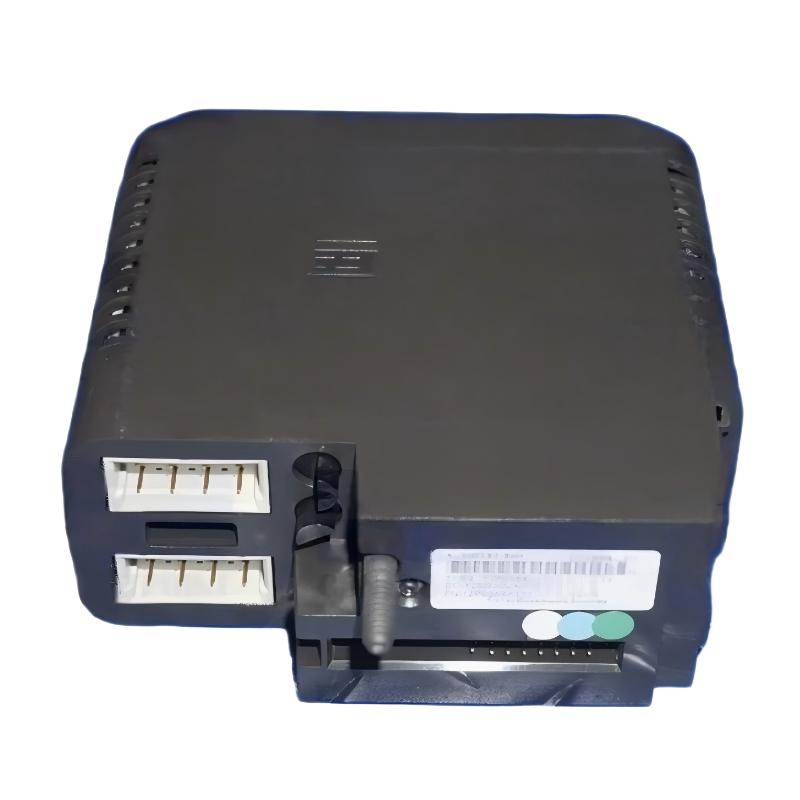
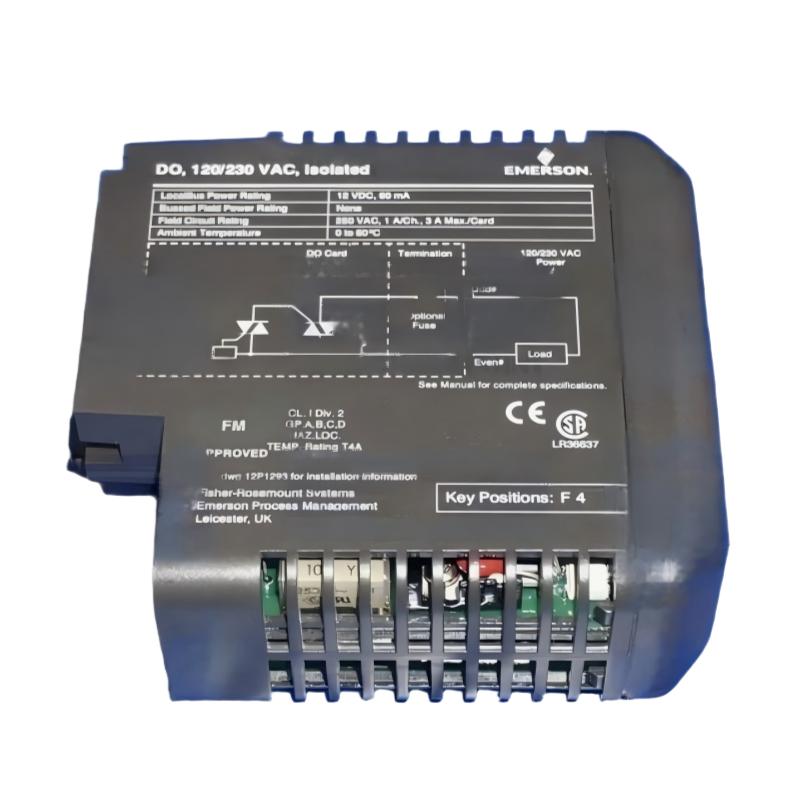
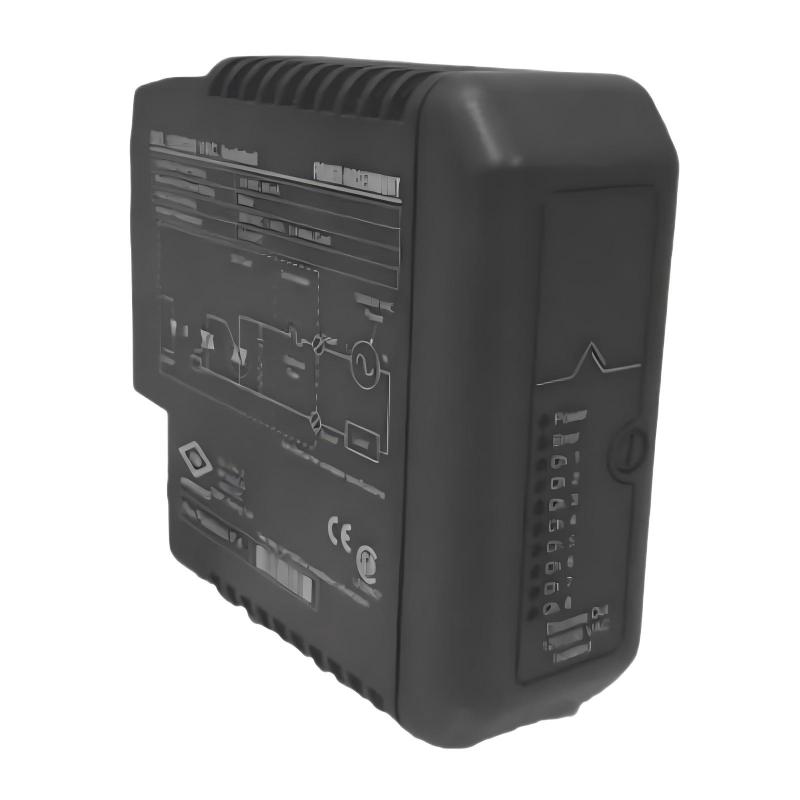
The Emerson VE4002S2T1 Standard I/O Terminal Block is an industrial automation interface component designed to provide an organized connection between process-control I/O hardware and field wiring. In an Emerson process automation environment, the terminal block serves as an important physical termination point, allowing signals from control-system I/O modules to be routed safely and systematically to field devices.
Unlike an electronic controller or signal-processing card, a standard I/O terminal block primarily focuses on the physical interface between the control-system side and the field side. It helps organize wiring, simplify installation, improve signal identification, and make maintenance activities more efficient. When installed as part of a properly engineered I/O architecture, the VE4002S2T1 can contribute to a cleaner and more serviceable control cabinet.
The supplied Emerson VE4002S2T1 has dimensions of 107 × 41 × 105 mm and a weight of 0.25 kg. Its compact dimensions make it suitable for modular industrial control installations where cabinet space and wiring organization are important considerations.
For maintenance engineers, system integrators, and automation technicians, correct identification of the terminal block is essential. A terminal assembly may look similar to another I/O termination component while having a different wiring arrangement or system application. Therefore, the complete model designation and the existing cabinet configuration should be checked before installation or replacement.
Technical Specifications
| Parameter | Details |
|---|---|
| Manufacturer | Emerson |
| Model | VE4002S2T1 |
| Product Type | Standard I/O Terminal Block |
| Interface Type | I/O Field Wiring Interface |
| Primary Function | Signal and field-wire termination |
| Application | Industrial Process Automation |
| System Role | I/O Termination and Connection |
| Installation | Modular Control Cabinet |
| Dimensions | 107 × 41 × 105 mm |
| Weight | 0.25 kg |
| Typical Use | Process I/O Wiring and Field Signal Termination |
| Compatible Environment | Industrial Control Systems |
| Maintenance Function | Wiring Organization and Service Interface |
Engineering note: Exact terminal assignments, supported I/O configurations, electrical ratings, isolation characteristics, and associated module compatibility should be verified against the applicable Emerson system documentation and hardware revision before wiring.
What Is the Emerson VE4002S2T1?
The VE4002S2T1 is a Standard I/O Terminal Block intended to provide a structured physical interface for I/O connections within an Emerson process-control installation.
In an industrial automation system, electronic I/O modules handle signal processing and control functions, while terminal blocks provide the practical connection between those modules and the external field wiring.
A simplified architecture is:
Controller → I/O Module → Terminal Interface → Field Wiring → Field Device
The terminal block is therefore an important part of the physical I/O infrastructure.
Depending on the system configuration, field devices may include:
- Process switches
- Solenoid valves
- Relays
- Contactors
- Discrete sensors
- Status contacts
- Actuators
- Alarm circuits
- Auxiliary control devices
The terminal block provides a structured point where field cables can be identified, inspected, tested, and maintained.
Function of the Standard I/O Terminal Block
The main purpose of the VE4002S2T1 is to provide an organized interface for I/O wiring.
Its functions can include:
- Field cable termination
- I/O signal routing
- Wiring organization
- Signal identification
- Connection between I/O hardware and field circuits
- Simplified maintenance
- Improved cabinet serviceability
- Support for modular control-system architecture
A properly designed terminal interface makes it easier for maintenance technicians to trace a signal from the field device to the corresponding I/O point.
For example, if a process switch changes state but the controller does not detect the expected condition, technicians can use the terminal interface as one of the checkpoints in the troubleshooting path.
Working Principle
A terminal block does not normally perform the same type of signal processing as an electronic I/O module. Instead, it provides the physical connection required to route electrical signals between system components.
A typical signal path can be represented as:
Field Device
↓
Field Cable
↓
VE4002S2T1 Terminal Interface
↓
I/O Module
↓
Controller
For an output signal, the direction is reversed:
Controller
↓
I/O Module
↓
VE4002S2T1
↓
Field Wiring
↓
Actuator
This straightforward architecture is particularly valuable in large process-control systems because it creates clear physical boundaries between electronic equipment and field wiring.
Importance in Process Automation
Terminal blocks are sometimes overlooked during automation-system design because they do not normally contain the same processing functions as controllers or intelligent I/O modules. However, they play an important role in system reliability.
Poor termination can result in:
- Intermittent signals
- Open circuits
- Unexpected equipment behavior
- Incorrect field status
- Difficult troubleshooting
- Increased maintenance time
A properly installed terminal block provides a consistent and organized interface that makes the wiring system easier to inspect.
In a large distributed control system, this becomes especially important because hundreds or thousands of field signals may be distributed across multiple cabinets.
Industrial Applications
The Emerson VE4002S2T1 Standard I/O Terminal Block can be used in a variety of industrial automation environments.
Oil and Gas
Oil and gas facilities rely on organized I/O termination for field instruments, valve systems, alarms, equipment status signals, and auxiliary control circuits.
Power Generation
Power plants contain extensive control cabinets with numerous field signals. Proper I/O termination helps technicians maintain equipment and trace control circuits.
Chemical Processing
Chemical plants often have complex process instrumentation and large numbers of valves, switches, pumps, and auxiliary systems.
Water and Wastewater
Water treatment systems use numerous control signals for pumps, valves, level equipment, alarms, and chemical-treatment equipment.
Pharmaceutical Manufacturing
Production and utility systems require structured field wiring and clear signal identification to support reliable automated processes.
Food and Beverage
Production lines use field sensors, actuators, valves, pumps, and conveyors that require organized I/O connections.
General Industrial Automation
The terminal block can also be used in industrial control cabinets where modular I/O wiring and field termination are required.
Integration with Emerson I/O Systems
The VE4002S2T1 should be considered as one element of the complete I/O architecture.
A typical system can include:
- Process controller
- I/O interface
- Digital input modules
- Digital output modules
- Analog input modules
- Analog output modules
- Terminal blocks
- Field wiring
- Field sensors
- Control valves
- Relay interfaces
- Motor-control interfaces
The terminal block creates a physical connection between the control-system I/O hardware and the field layer.
For engineering documentation, each connection should ideally be associated with:
- I/O module identification
- Channel number
- Terminal number
- Field cable number
- Field-device tag
- Process function
- Cabinet location
This information is extremely useful during commissioning and future maintenance.
Installation Guidelines
Before installing the Emerson VE4002S2T1, technicians should verify that the terminal block is intended for the specific I/O configuration.
Verify the Model
Confirm the complete model number:
VE4002S2T1
Do not substitute another terminal block merely because its physical appearance is similar.
Inspect the Hardware
Check for:
- Mechanical damage
- Cracked housing
- Damaged connection points
- Contamination
- Bent contacts
- Loose hardware
Confirm Physical Space
The supplied dimensions are:
107 × 41 × 105 mm
Verify that sufficient clearance is available for installation, wiring, connectors, cable routing, and maintenance.
Isolate the Equipment
Before replacing or rewiring the terminal block, follow the plant’s approved electrical isolation and lockout/tagout procedures.
Install the Terminal Block
Position and secure the terminal block according to the applicable Emerson system configuration.
Connect Field Wiring
Connect field cables according to the approved wiring documentation.
Inspect Connections
Verify that each conductor is properly seated and securely terminated.
Field Wiring Best Practices
Correct wiring is critical to terminal-block reliability.
Recommended practices include:
- Use clearly identified field cables.
- Follow approved wiring diagrams.
- Verify terminal numbers before connection.
- Check polarity where applicable.
- Avoid excessive conductor stripping.
- Maintain appropriate cable routing.
- Separate signal wiring from high-energy power conductors where required.
- Inspect for loose terminals.
- Maintain proper grounding.
- Document wiring changes.
Every field connection should be traceable from the terminal block to the corresponding field device.
For large installations, accurate cable labels and updated wiring drawings can save considerable troubleshooting time.
Commissioning Procedure
After installation, the VE4002S2T1 should be checked before returning the system to normal operation.
Step 1 – Hardware Identification
Confirm the terminal block model and associated I/O hardware.
Step 2 – Mechanical Inspection
Check mounting and physical connections.
Step 3 – Wiring Verification
Compare the actual field wiring with the approved drawings.
Step 4 – Continuity Testing
Where appropriate and permitted, perform continuity checks on the field circuits.
Step 5 – Polarity Verification
Verify polarity for circuits where polarity is relevant.
Step 6 – I/O Verification
Check the associated I/O channel and controller configuration.
Step 7 – Functional Test
Operate the associated field device or signal under an approved commissioning procedure.
Step 8 – Documentation
Record test results and update documentation if changes were made.
Troubleshooting the VE4002S2T1
A terminal-block problem can sometimes appear to be an I/O module failure. Troubleshooting should therefore include the complete signal path.
No Field Signal
Check:
- Field device
- Field power supply
- Field cable
- VE4002S2T1 connection
- I/O module
- Controller input status
If the field device is functioning but the controller does not receive the expected signal, inspect the complete wiring path.
Intermittent Signal
Potential causes include:
- Loose terminal connection
- Damaged conductor
- Poor connector engagement
- Vibration
- Corrosion
- Electrical interference
- Incorrect cable routing
Intermittent faults should be investigated carefully because they may disappear during static testing.
Incorrect Signal
Possible causes include:
- Incorrect terminal connection
- Cross-wired field circuits
- Incorrect I/O channel assignment
- Wiring documentation error
- Configuration mismatch
Verify the terminal number and controller channel together rather than checking only one side of the circuit.
Multiple Signals Affected
If several signals connected through the same interface are affected, investigate common wiring, connector, power, or I/O-interface conditions first.
Preventive Maintenance
Routine inspection of terminal interfaces can help prevent intermittent I/O problems.
Maintenance activities may include:
- Inspect terminal connections
- Check cable identification
- Inspect connectors
- Look for signs of overheating
- Check for contamination
- Inspect cabinet conditions
- Verify grounding
- Review recurring I/O faults
- Check field wiring
- Confirm documentation accuracy
Terminal connections should not be unnecessarily disturbed during routine maintenance. Unnecessary reconnection can introduce new wiring problems.
Replacement Considerations
When replacing an Emerson VE4002S2T1, technicians should verify more than physical dimensions.
Important information includes:
- Model number
- Hardware revision
- Associated I/O module
- Terminal arrangement
- Connector configuration
- Field wiring
- Cabinet position
- System generation
- Application requirements
The supplied physical specifications are:
Dimensions: 107 × 41 × 105 mm
Weight: 0.25 kg
A replacement with similar dimensions may not necessarily provide the same terminal arrangement or system compatibility.
Cabinet Design and Space Planning
The compact 107 × 41 × 105 mm form factor allows the VE4002S2T1 to fit into modular industrial control cabinets.
However, cabinet design should account for the complete installation rather than the terminal block body alone.
Engineers should allow sufficient space for:
- Field cable routing
- Connector access
- Terminal inspection
- Cable labels
- Adjacent I/O modules
- Ventilation
- Maintenance access
Good cabinet organization improves both reliability and serviceability.
A clearly arranged terminal area allows technicians to identify a field circuit quickly without disturbing neighboring wiring.
Relationship Between Terminal Blocks and I/O Modules
The terminal block and I/O module perform different but complementary functions.
| Component | Primary Role |
|---|---|
| Controller | Executes process logic |
| I/O Module | Processes input or output signals |
| VE4002S2T1 | Provides physical I/O termination |
| Field Wiring | Carries signals between cabinet and field |
| Field Device | Measures or acts on the process |
Understanding these roles is useful during troubleshooting.
For example, a controller can show a correct output command while the field device remains inactive. In such a situation, technicians should inspect the I/O card, terminal block, wiring, external power, and field device instead of immediately replacing the controller.
Engineering Best Practices
Maintain Accurate Wiring Drawings
All terminal assignments should correspond with current electrical documentation.
Use Consistent Cable Identification
Clear labels reduce troubleshooting time.
Avoid Unnecessary Wiring Changes
Unplanned wiring modifications can introduce cross-connections and intermittent faults.
Keep Replacement Hardware Identified
Spare terminal blocks should be clearly labeled with their exact model number.
Record Installation Details
Document cabinet location, associated I/O module, and terminal configuration.
Inspect Before Replacement
Confirm that the terminal block is actually defective before replacing it. Many apparent terminal problems originate from field wiring or external equipment.
Recommended Related Emerson Components
An Emerson process automation installation may contain several types of complementary hardware.
| Component Type | Function |
|---|---|
| Discrete Input Modules | Receive ON/OFF field status signals |
| Discrete Output Modules | Send ON/OFF commands to field devices |
| Analog Input Modules | Acquire continuous process measurements |
| Analog Output Modules | Send continuous control signals |
| Standard I/O Terminal Blocks | Provide field wiring termination |
| I/O Interface Assemblies | Connect system electronics with field circuits |
| Process Controllers | Execute control strategies |
| Communication Interfaces | Connect control-system components |
The correct terminal interface should always be selected according to the actual I/O module and system configuration.
Key Advantages
The Emerson VE4002S2T1 Standard I/O Terminal Block provides several practical advantages in industrial automation installations:
- Compact modular design
- 107 × 41 × 105 mm dimensions
- 0.25 kg supplied weight
- Organized field-wire termination
- Simplified I/O wiring management
- Improved cabinet organization
- Easier signal tracing
- Convenient maintenance access
- Suitable for process-control environments
- Supports modular I/O architectures
- Helps reduce wiring complexity
- Useful for system expansion and replacement applications
Technical FAQs
What is the Emerson VE4002S2T1?
The VE4002S2T1 is a Standard I/O Terminal Block used as a physical termination and interface component within an Emerson industrial process-control system.
What is the purpose of an I/O terminal block?
It provides an organized physical connection between I/O hardware and external field wiring, making installation, signal identification, inspection, and maintenance easier.
What are the dimensions of the VE4002S2T1?
The supplied dimensions are 107 × 41 × 105 mm.
What is the weight of the VE4002S2T1?
The supplied weight is 0.25 kg.
Does the VE4002S2T1 process signals?
The terminal block primarily provides physical signal termination and routing. Signal processing is normally performed by the associated electronic I/O hardware.
Where is the VE4002S2T1 used?
It is intended for industrial automation and process-control installations where organized I/O field wiring and modular termination are required.
What should be checked before installation?
Verify the complete model number, associated I/O module, terminal arrangement, field wiring, system configuration, and applicable electrical requirements.
How can a terminal-block fault be identified?
Inspect the complete signal path, including the field device, cable, terminal connections, I/O module, and controller status. Loose or damaged field connections can create symptoms similar to an electronic I/O failure.
Conclusion
The Emerson VE4002S2T1 Standard I/O Terminal Block is a compact and practical field-wiring interface for industrial process automation systems. By providing an organized termination point between I/O hardware and external field wiring, it supports cleaner cabinet design, easier signal identification, efficient maintenance, and systematic troubleshooting.
With supplied dimensions of 107 × 41 × 105 mm and a weight of 0.25 kg, the VE4002S2T1 is suitable for modular control cabinets where space efficiency and wiring organization are important.
For installation and replacement work, the complete VE4002S2T1 model should be verified together with its associated I/O hardware and terminal configuration. Proper wiring practices, accurate documentation, secure connections, and controlled commissioning are essential for maintaining reliable process-control operation.
When correctly integrated into an Emerson automation architecture, the VE4002S2T1 provides a dependable physical interface for organized field connections and contributes to the long-term maintainability of industrial I/O systems.