

ProductPRODUCT
Featured products
Contact Us
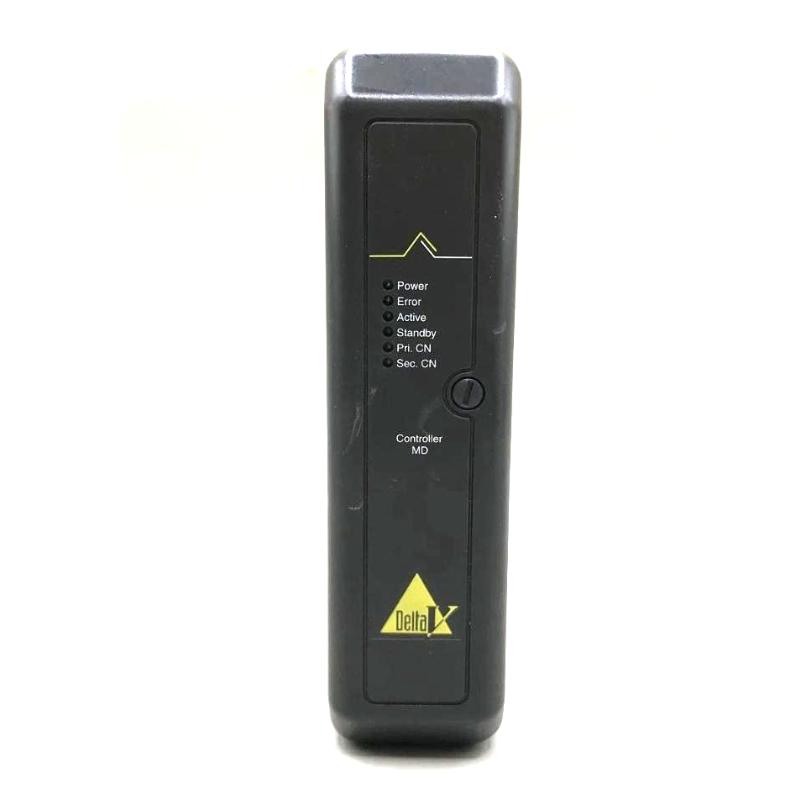
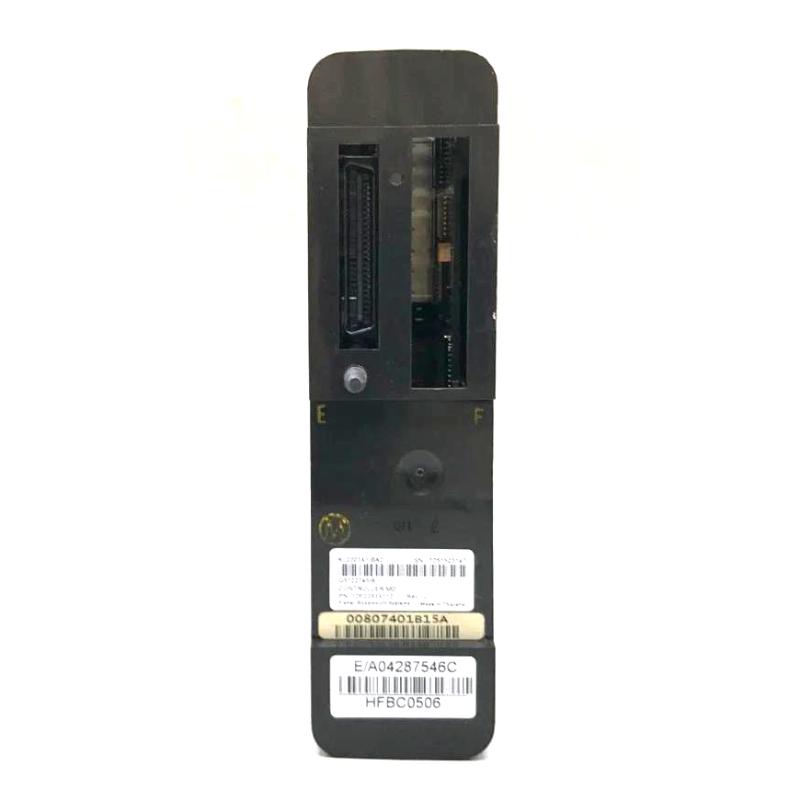
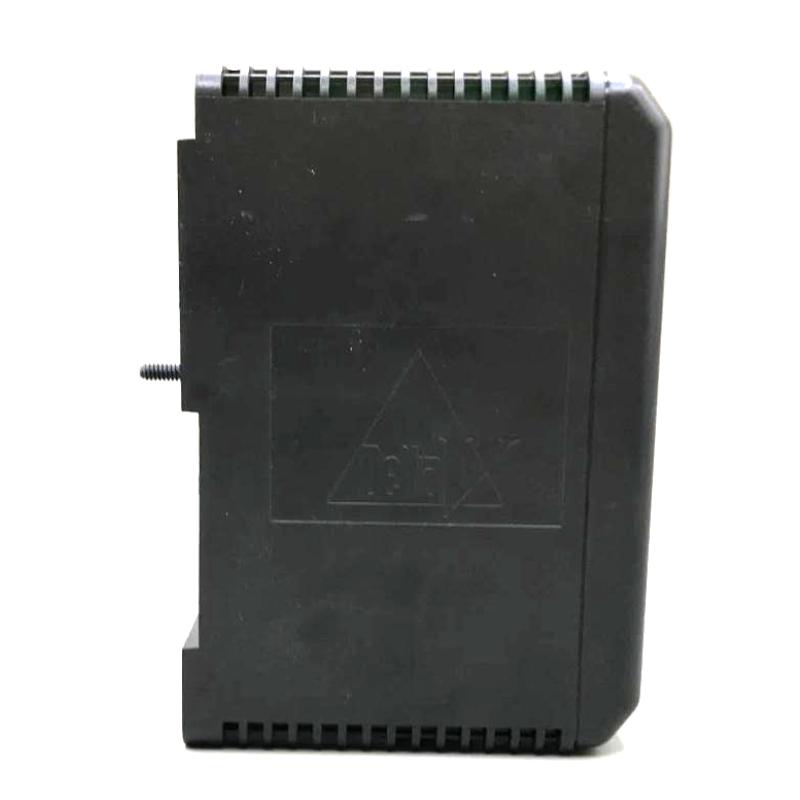
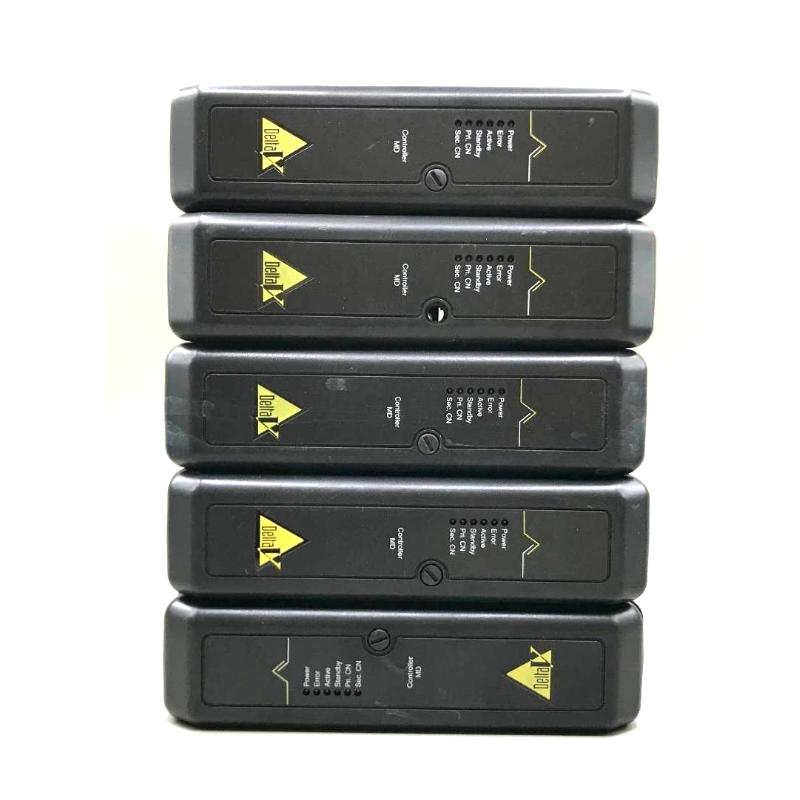
- Emerson
- VE3005
- MD Controller
- USA
- 24 × 98 × 102 mm
- 0.2 kg
- Xiamen, China
- New & In Stock
- T/T, PayPal, Western Union
- 1 Year
- 1-3 Working Days
- DHL, UPS, TNT, FedEx and EMS.
- 24-Hour Service
- COO
- 5
Our advantage

Global Logistics
We have a 10-year logistics and express cooperation agreement, so our products can be shipped to any place in the world.

Brand new and original
Our products are imported in bulk from the place of origin. Because of the cooperative relationship, our products are all original and 100% new.

24-hour service
We provide 7*24 hours service to our customers. We will be there whenever you need us.

Price advantage
All our products are priced very favorably because we have our own warehouse and supply.
| Company Information | |||
| [email protected] | |||
| Mobile | +8615980777398 | ||
| +8615980777398 | |||
| 15980777398 |
Product Overview
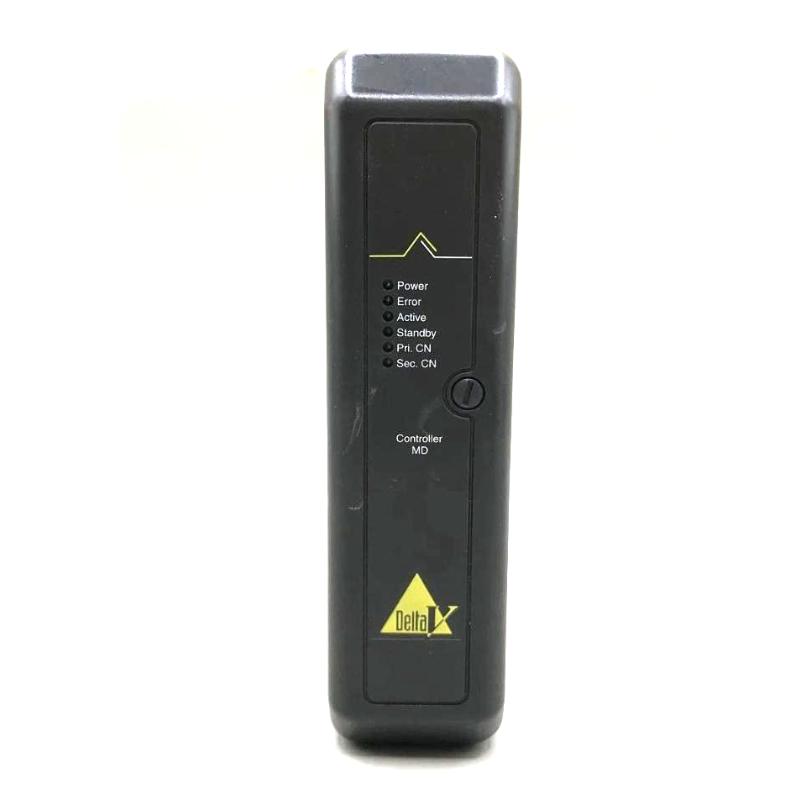
The Emerson VE3005 DeltaV M-series MD Controller is a DeltaV M-series controller used to execute configured process-control strategies and coordinate field I/O within a distributed control system. It handles control calculations, logic, sequencing, and interaction with process equipment according to the application configured in the DeltaV engineering environment.
In a typical process plant, the controller can be assigned to a process unit containing pressure, temperature, flow, or level loops together with discrete equipment commands and interlocks. This allows control functions to remain distributed across the plant while operators supervise the process through the DeltaV operator environment.
The VE3005 is part of the broader DeltaV M-series architecture. Its actual operating role depends on the connected I/O, control network, controller configuration, and engineering database. During replacement work, these relationships should be checked before the controller is returned to automatic operation.
The controller is suited to process areas where multiple field signals and control functions need to be handled within a common DeltaV control environment, including production units, utilities, equipment skids, and plant-wide process systems.
Technical Specifications
| Parameter | Specification |
|---|---|
| Manufacturer | Emerson |
| Model | VE3005 |
| Product Family | DeltaV M-series |
| Product Type | MD Controller |
| Primary Function | Process control execution |
| System Role | DeltaV process controller |
| Application | Distributed process control |
| Control Functions | Control logic, sequencing, interlocking, process regulation |
| System Integration | DeltaV control architecture |
| Installation | DeltaV M-series control system |
| Dimensions | 24 × 98 × 102 mm |
| Weight | 0.2 kg |
Product Features
- DeltaV M-series MD Controller for distributed process-control applications
- Executes configured control strategies and process logic
- Supports continuous process regulation and discrete control functions
- Handles control calculations, sequencing, permissives, and interlocks
- Integrates with DeltaV I/O and the DeltaV control network
- Works with DeltaV engineering and operator-level applications
- Suitable for process-unit and equipment-level control
- Supports distributed control architectures where I/O and control functions are separated across plant areas
- Practical for compatible DeltaV controller replacement and maintenance projects
Working Principle
The VE3005 receives process information through the associated DeltaV I/O system and executes the control strategy assigned to the controller.
A typical control path is:
Field Instruments → DeltaV I/O → VE3005 Controller → Control Strategy → Output I/O → Final Control Elements
Analog measurements such as pressure, temperature, flow, and level are acquired by the appropriate input modules. The controller processes these values using configured control blocks, setpoints, limits, logic conditions, and other application parameters.
For a flow-control application, the controller can compare the measured flow with its configured target and calculate an output command for a control valve. The valve changes the process flow, and the resulting measurement returns through the I/O system for the next control cycle.
Discrete signals can be handled alongside analog control functions. Equipment start/stop commands, permissives, status feedback, and interlocks can therefore be incorporated into the same process-control strategy.
Role in a DeltaV M-series Distributed Control Architecture
The VE3005 occupies the controller layer between field I/O and the higher-level DeltaV engineering and operator functions.
Engineering Station / Operator Station → DeltaV Control Network → VE3005 Controller → DeltaV I/O → Field Equipment
| System Element | Function |
|---|---|
| Engineering Station | Develops, modifies, and maintains control strategies |
| Operator Station | Displays process graphics, alarms, trends, and operating information |
| VE3005 Controller | Executes configured control strategies and process logic |
| DeltaV I/O | Interfaces controller functions with field signals |
| Analog Input Modules | Acquire continuous process measurements |
| Analog Output Modules | Send regulating commands to field devices |
| Discrete Input Modules | Receive equipment status and switching signals |
| Discrete Output Modules | Send equipment commands and interlock actions |
| Field Transmitters | Measure process variables |
| Control Valves | Regulate process flow according to controller output |
| Motor Control Equipment | Controls pumps, fans, compressors, and other motor-driven equipment |
| DeltaV Control Network | Connects controllers with system-level components |
Industrial Applications
| Application | Typical Use |
|---|---|
| Chemical Processing | Reactor control, flow regulation, pressure loops, and process sequencing |
| Oil and Gas | Production-unit control, equipment permissives, and process monitoring |
| Refining | Process-unit regulation, valve control, and equipment interlocking |
| Power Generation | Auxiliary process control, cooling systems, and equipment coordination |
| Water Treatment | Pump sequencing, tank-level control, flow regulation, and treatment processes |
| Pharmaceutical Manufacturing | Batch control, temperature regulation, and equipment sequencing |
| Food and Beverage | Mixing, heating, cooling, batching, and production control |
| Pulp and Paper | Flow, pressure, level, and process equipment control |
| Industrial Utilities | Steam, cooling water, compressed air, and utility distribution control |
| Manufacturing | Process equipment coordination, machine interlocks, and production-line control |
Installation and Maintenance
- Verify the controller model and confirm that the replacement is an Emerson VE3005 DeltaV M-series MD Controller.
- Check DeltaV system compatibility before installation, including the existing system configuration and controller architecture.
- Back up the existing configuration and record the controller assignment, associated control strategies, and I/O relationships before removal.
- Inspect the installation location and confirm that the controller and associated hardware can be correctly installed within the DeltaV system.
- Check power connections and verify that the associated DeltaV hardware has the required operating power.
- Inspect communication connections for loose terminals, damaged wiring, contamination, or other conditions that could interrupt controller communication.
- Verify I/O mapping after replacement to ensure that process measurements and output commands correspond to the intended field devices.
- Check the controller configuration against the DeltaV engineering database before placing the controller into service.
- Review controller diagnostics during startup for configuration, communication, or hardware-related faults.
- Test control loops progressively after commissioning, especially loops associated with critical pressure, temperature, flow, or level variables.
- Verify equipment interlocks and sequences before returning connected machinery to automatic operation.
- Maintain configuration backups and maintenance records so future controller replacement and troubleshooting can be completed efficiently.
Related Components
| Component | Function |
|---|---|
| DeltaV M-series I/O | Provides interfaces for field measurement and control signals |
| DeltaV I/O Carrier | Supports installation and connection of compatible I/O modules |
| DeltaV Control Network | Provides communication between controllers and system components |
| DeltaV Engineering Station | Used for control strategy development and system configuration |
| DeltaV Operator Station | Provides process monitoring and operator interaction |
| Analog Input Modules | Acquire transmitter signals from the process |
| Analog Output Modules | Deliver analog commands to final control devices |
| Discrete Input Modules | Receive equipment status and field switching signals |
| Discrete Output Modules | Send discrete commands to process equipment |
| Process Transmitters | Measure pressure, temperature, flow, level, and other variables |
| Control Valves | Regulate process flow |
| Motor Starters and Drives | Control pumps, fans, compressors, and other motor-driven equipment |
Recommended Related Models
| Model / Product Family | Product Type | Typical Application |
|---|---|---|
| Emerson VE3003 | DeltaV M-series MQ Controller | General DeltaV process control |
| Emerson VE3004 | DeltaV M-series M5+ Controller | Distributed process-control execution |
| Emerson VE3005 | DeltaV M-series MD Controller | DeltaV process-control applications |
| Emerson DeltaV M-series Controllers | Process Controllers | Control strategy execution across process units |
| Emerson DeltaV M-series I/O | I/O Modules | Field signal acquisition and output |
| Emerson DeltaV Engineering Tools | Engineering Software | Control strategy configuration and maintenance |
| Emerson DeltaV Operator Station | Operator Interface | Process visualization and operator control |
Key Advantages
- Native DeltaV M-series controller architecture
- Suitable for distributed process-control applications
- Supports both analog process regulation and discrete control logic
- Integrates with DeltaV I/O and control-network infrastructure
- Suitable for process-unit, utility, and equipment control
- Supports coordinated control strategies within a common DeltaV environment
- Practical for compatible controller replacement and maintenance
Technical FAQs
What type of control functions can the Emerson VE3005 execute?
The VE3005 can execute configured DeltaV control strategies involving continuous process regulation, logic, sequencing, permissives, equipment interlocks, and related control functions.
How does the VE3005 receive process measurements?
Process measurements are acquired through the associated DeltaV I/O system. Analog and discrete field signals are converted into controller-accessible process data for use by the configured control strategy.
What should be checked when replacing a VE3005 in an existing DeltaV system?
Engineers should verify the DeltaV system configuration, controller assignment, I/O mapping, control strategy, communication path, and engineering database before commissioning the replacement.
Why can a controller communicate with DeltaV while a control loop still behaves incorrectly?
Communication status only confirms that the controller is connected to the system. Incorrect I/O mapping, strategy configuration, control parameters, or downloaded application data can still cause abnormal loop behavior, so both controller diagnostics and the engineering configuration should be reviewed.