

ProductPRODUCT
Featured products
Contact Us
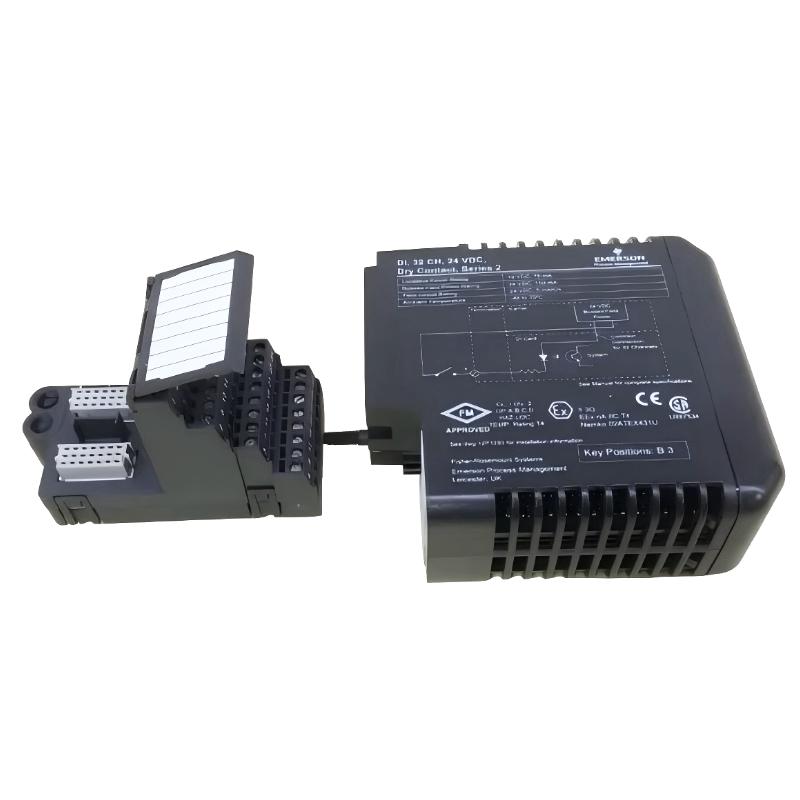
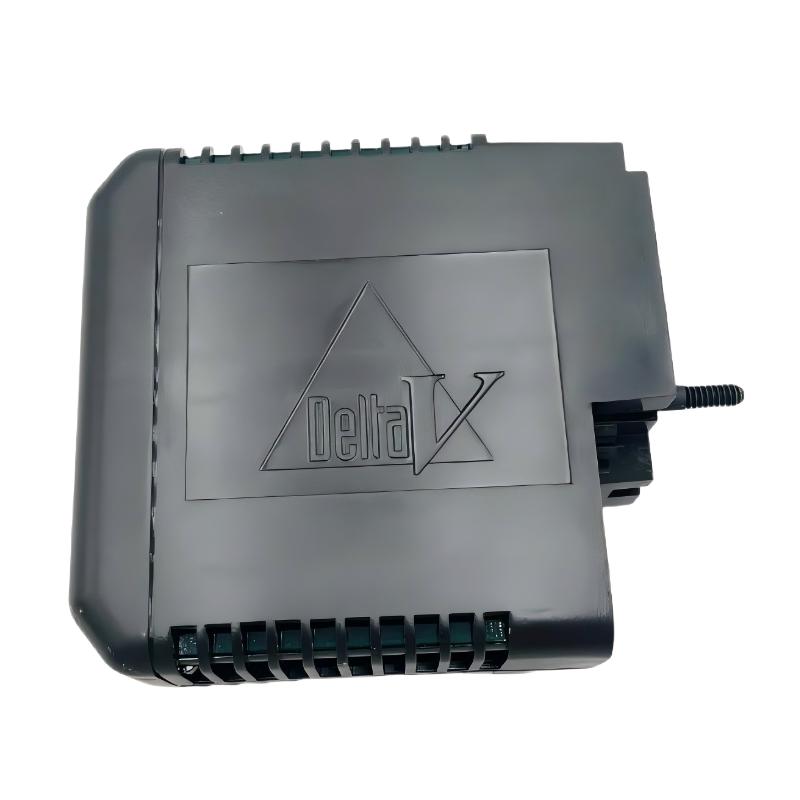
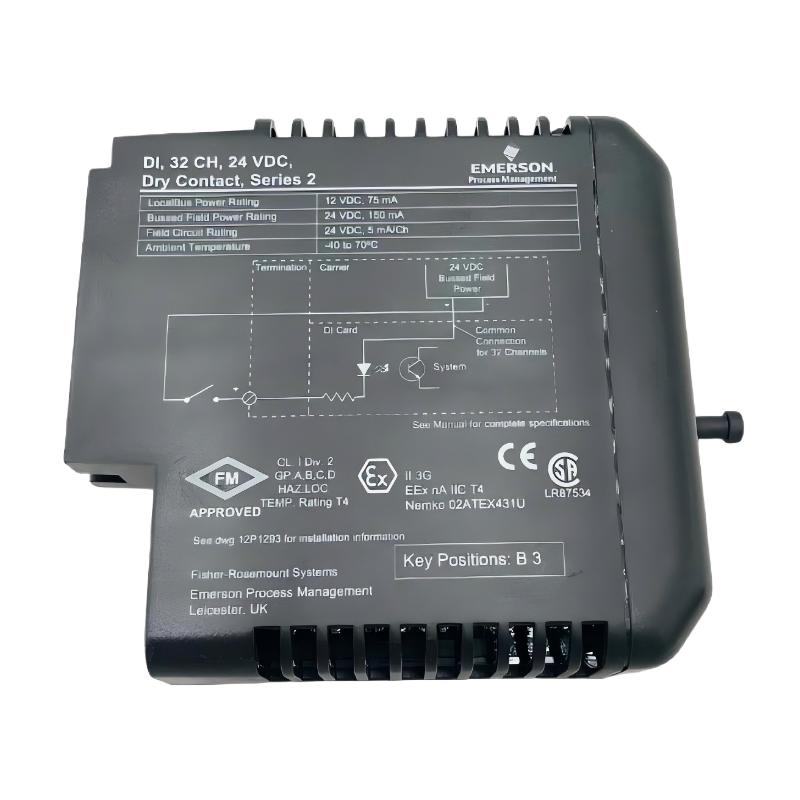
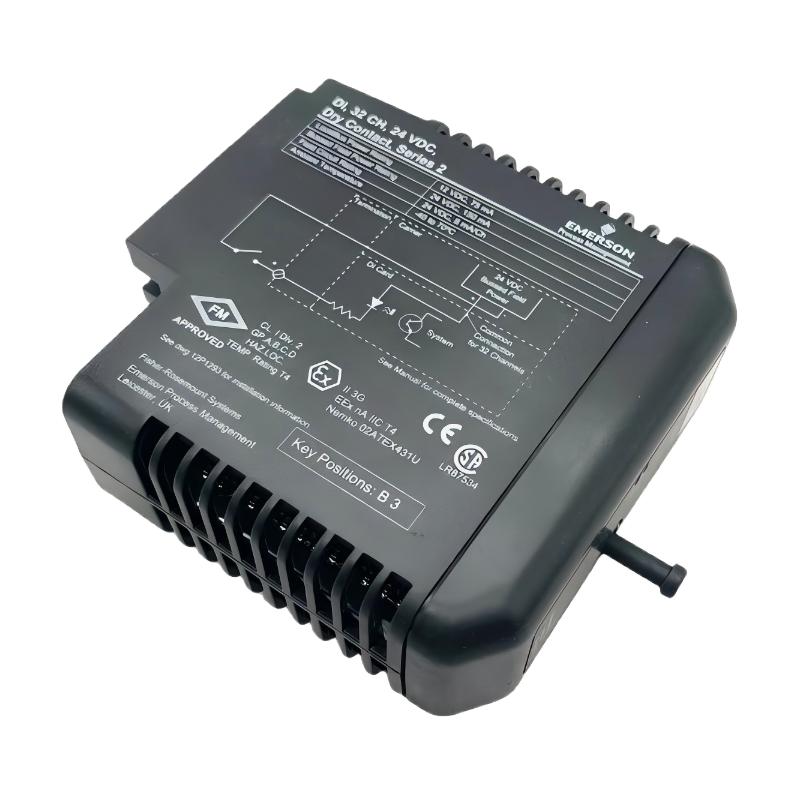
- Emerson
- VE4002S1T2B4
- Discrete Output Card
- USA
- 107 x 41 x 105 mm
- 0.6 kg
- Xiamen, China
- New & In Stock
- T/T, PayPal, Western Union
- 1 Year
- 1-3 Working Days
- DHL, UPS, TNT, FedEx and EMS.
- 24-Hour Service
- COO
- 3
Our advantage

Global Logistics
We have a 10-year logistics and express cooperation agreement, so our products can be shipped to any place in the world.

Brand new and original
Our products are imported in bulk from the place of origin. Because of the cooperative relationship, our products are all original and 100% new.

24-hour service
We provide 7*24 hours service to our customers. We will be there whenever you need us.

Price advantage
All our products are priced very favorably because we have our own warehouse and supply.
| Company Information | |||
| [email protected] | |||
| Mobile | +8615980777398 | ||
| +8615980777398 | |||
| 15980777398 |
Product Overview
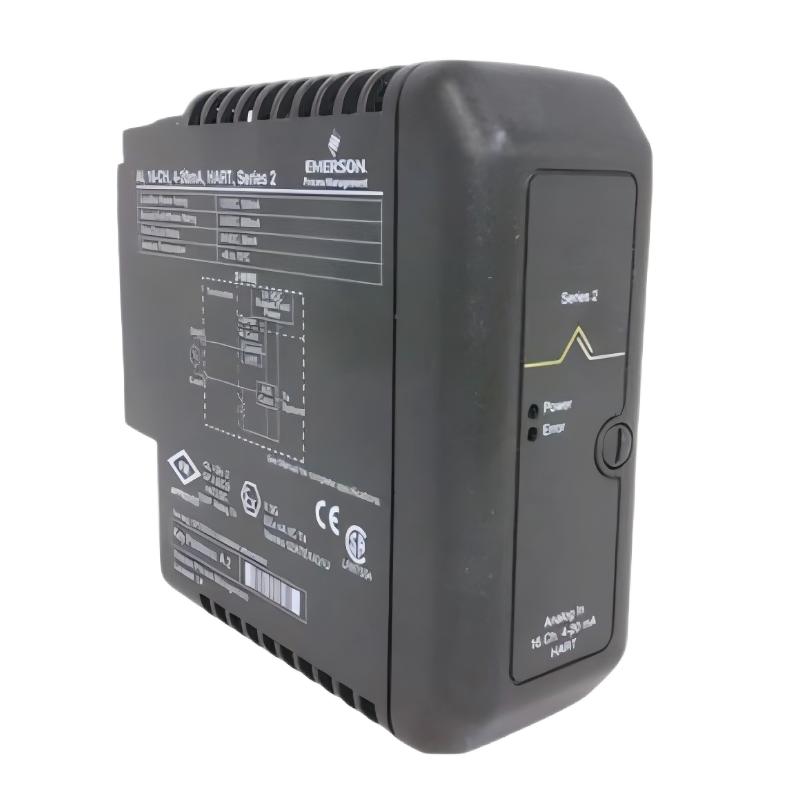
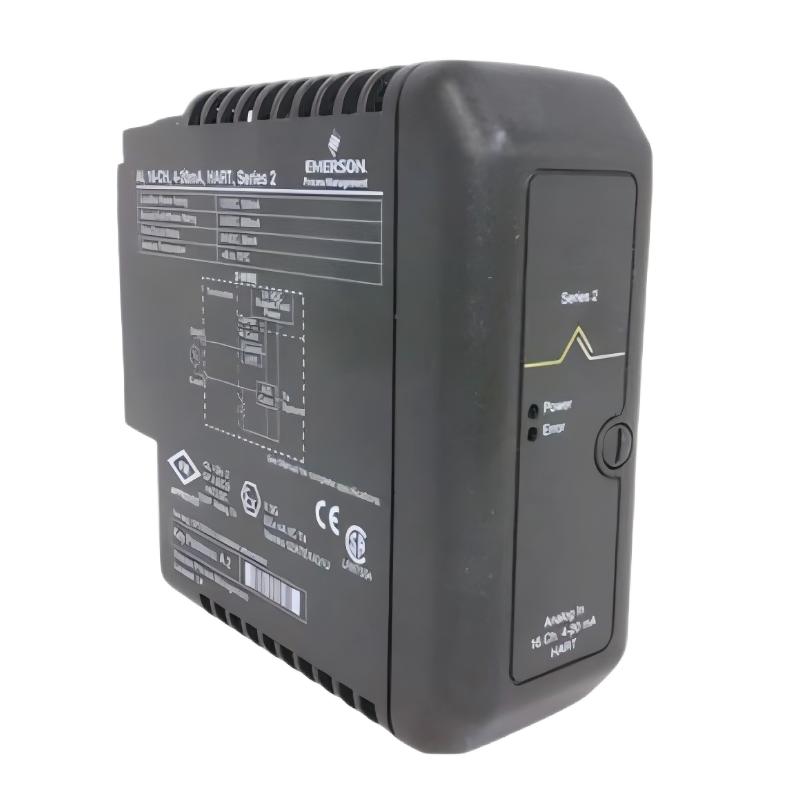
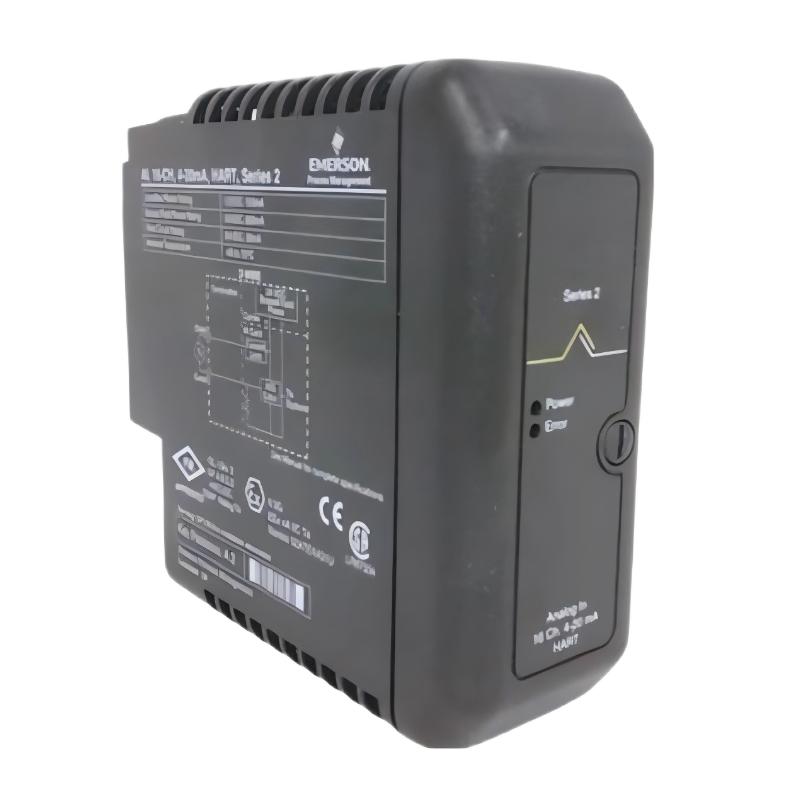
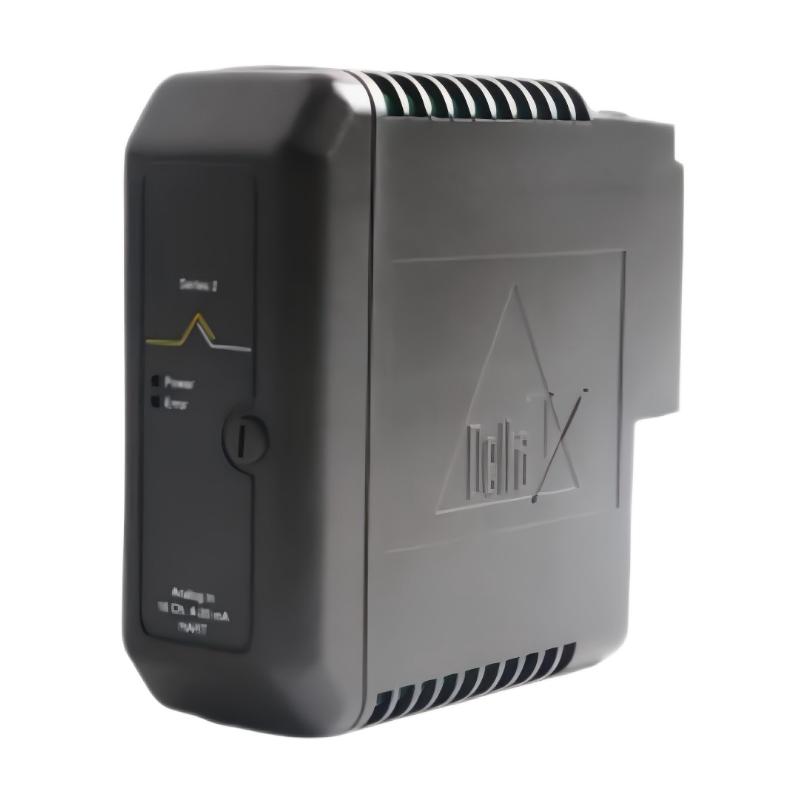
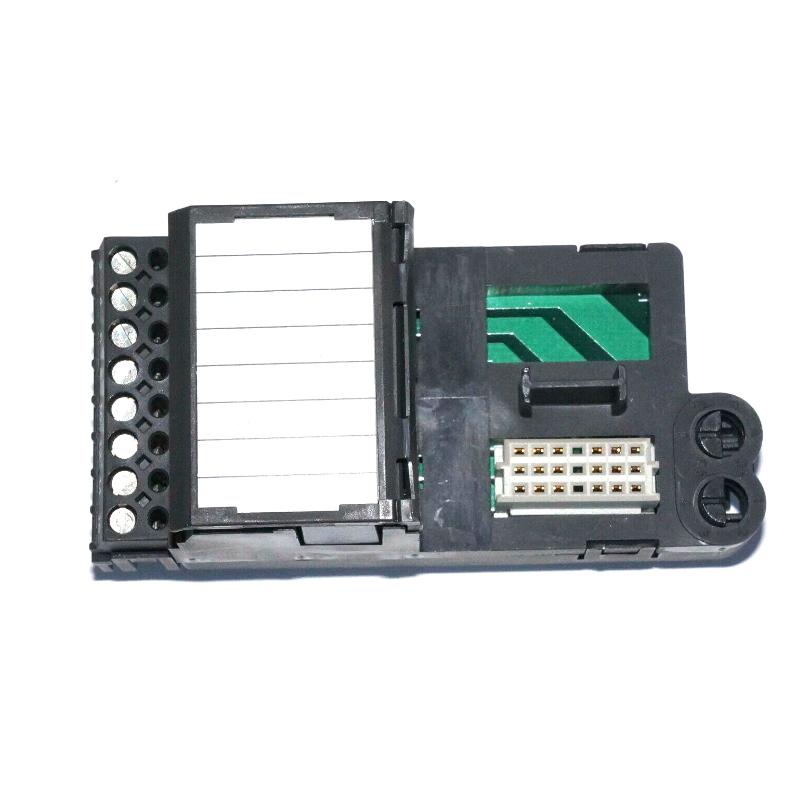
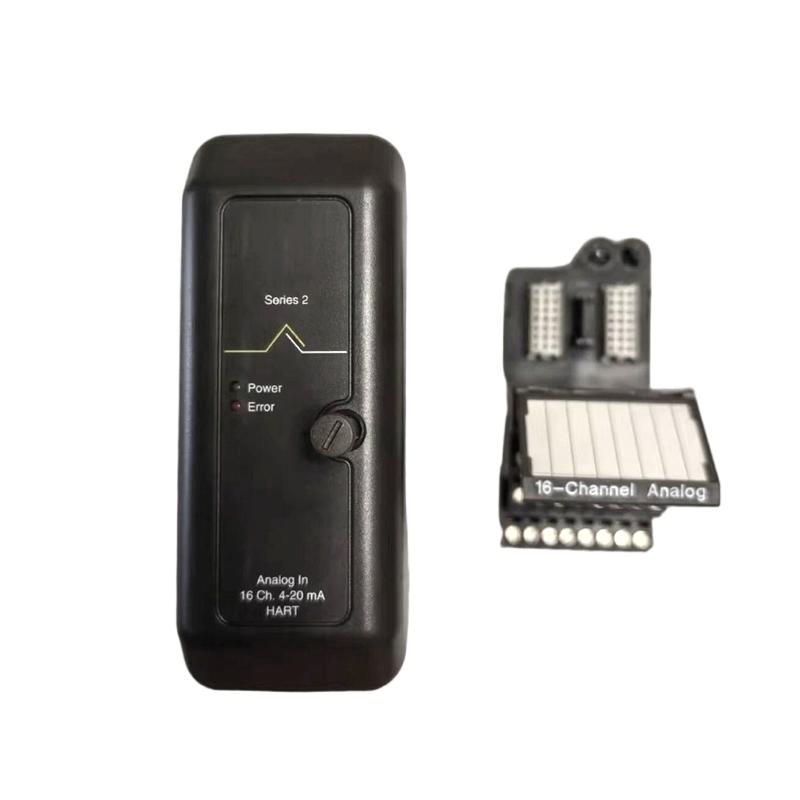
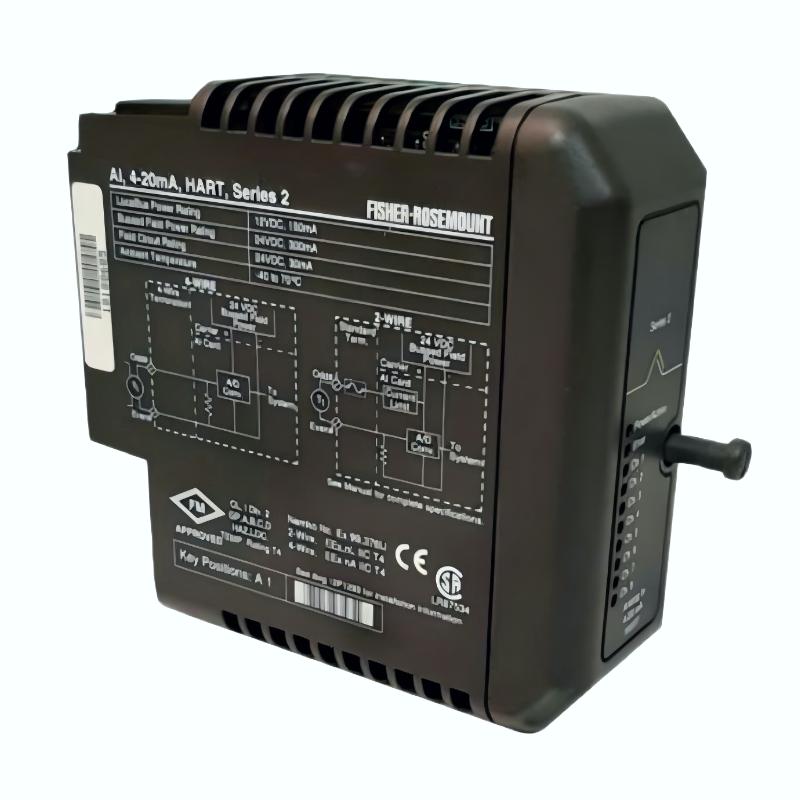
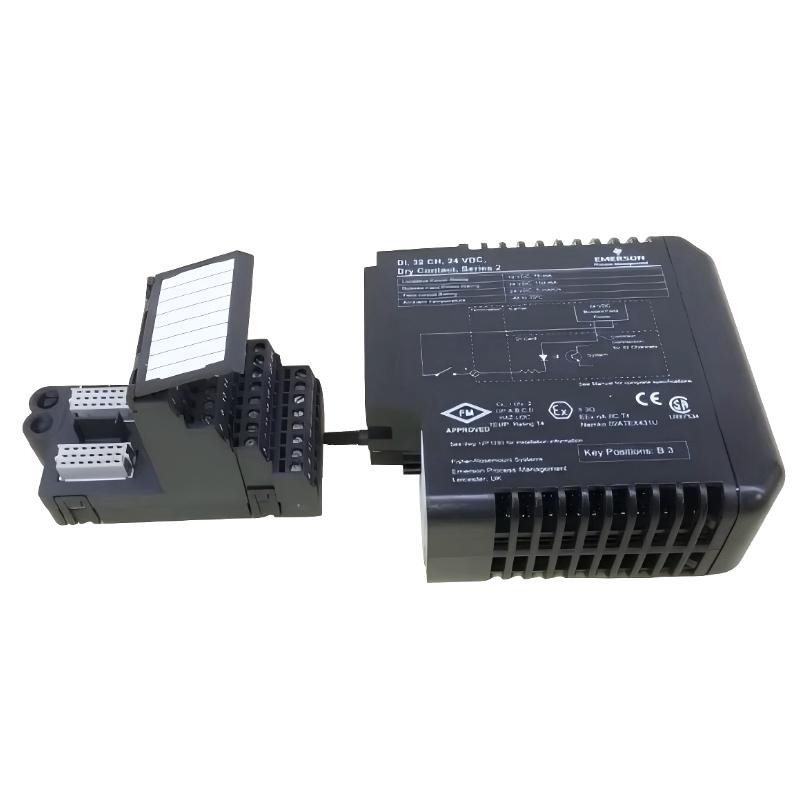
The Emerson VE4002S1T2B4 Discrete Output Card is an industrial digital output module designed to provide reliable discrete signal control between a process automation system and field-level devices. As part of an Emerson process control I/O architecture, the VE4002S1T2B4 can be used where controller commands need to be transferred to binary field equipment such as valves, relays, alarms, interlocks, and actuator interfaces.
Discrete output cards are an essential part of process automation because they convert control-system decisions into practical field actions. When the controller determines that a device should be energized, de-energized, enabled, disabled, or switched to a particular state, the output subsystem provides the electrical interface required to execute that command.
The Emerson VE4002S1T2B4 has supplied physical dimensions of 107 × 41 × 105 mm and a weight of 0.6 kg. Its compact form factor makes it suitable for organized industrial control cabinets where multiple I/O cards must operate together within a limited installation area.
Technical Specifications
| Parameter | Specification |
|---|---|
| Manufacturer | Emerson |
| Model | VE4002S1T2B4 |
| Product Type | Discrete Output Card |
| I/O Category | Digital / Discrete Output |
| Primary Function | Field-device output control |
| System Application | Industrial Process Automation |
| Signal Type | Discrete |
| Installation | Modular process-control I/O system |
| Dimensions | 107 × 41 × 105 mm |
| Weight | 0.6 kg |
| Typical Applications | Valves, relays, alarms, interlocks, actuator control, equipment enable signals |
| Maintenance Role | Process I/O replacement and system maintenance |
Note: Exact channel count, output voltage, current rating, load characteristics, isolation, terminal assignments, and hardware-revision-specific specifications should be confirmed against the exact installed system configuration before commissioning.
What Is the Emerson VE4002S1T2B4?
The VE4002S1T2B4 is a discrete output card used within an Emerson industrial process-control environment.
Unlike an analog output module, which normally provides a continuously variable process signal, a discrete output card is intended for binary control states. Depending on the application architecture, these states can represent conditions such as ON/OFF, OPEN/CLOSED, ENABLE/DISABLE, or RUN/STOP.
The output card sits between the automation controller and the field interface. The controller determines the required process action, while the output card provides the hardware path for transferring that command toward the field device.
This makes the VE4002S1T2B4 particularly useful in applications where many binary devices must be controlled from a centralized process automation system.
Function and Working Principle
The basic operating sequence of a discrete output system is straightforward but critical to plant operation.
First, the control processor evaluates the programmed control logic. This logic may depend on process measurements, operator commands, timers, interlocks, sequence steps, or equipment status.
When the required condition is satisfied, the controller generates an output command.
The VE4002S1T2B4 receives the corresponding output state through the I/O architecture. Its output circuitry then provides the appropriate discrete control interface to the connected field circuit.
The field device responds to the command, allowing the physical process to change state.
A simplified signal path is:
Control Logic → Controller → I/O System → VE4002S1T2B4 → Field Wiring → Field Device
Depending on the installation, the field device may be a solenoid valve, relay interface, alarm indicator, actuator, motor-control interface, or another binary device.
This architecture allows the control system to manage large numbers of field devices while maintaining a structured separation between controller logic and field wiring.
Importance of Discrete Output Cards in Process Control
Industrial processes depend on thousands of individual actions. Not all of these actions require a continuously variable signal.
For example:
- A valve can be commanded open or closed.
- A pump can receive a start or stop command.
- An alarm can be activated or reset.
- A relay can change state.
- An interlock can enable or inhibit equipment.
- A solenoid can be energized or de-energized.
These operations are naturally represented as discrete signals.
The VE4002S1T2B4 provides the output-side interface required for these control functions. When incorporated into a properly designed process-control system, it helps the controller interact with physical equipment in a predictable and organized manner.
Industrial Applications
The Emerson VE4002S1T2B4 can be applied to a variety of industrial automation tasks involving discrete output commands.
Valve and Solenoid Control
Process plants commonly use electrically controlled valves and solenoid-operated pneumatic systems.
A discrete output can be used as part of the command interface for equipment such as:
- Process isolation valves
- Solenoid valves
- Pneumatic actuators
- Utility valves
- On/off process valves
The actual electrical interface must always be matched to the field-device requirements and system design.
Alarm Control
Industrial facilities use digital outputs to control audible and visual notification equipment.
Applications may include:
- Equipment alarms
- Process alarms
- Warning lights
- Audible annunciators
- Shutdown indications
- Operator notification devices
Pump and Motor Interfaces
Discrete outputs may participate in pump or motor control architectures by providing commands to external starters, relays, contactor interfaces, or other motor-control equipment.
The output card itself should not automatically be treated as a direct motor-power switching device. The final interface must be engineered according to the load and control architecture.
Interlocking
Interlocks are fundamental to industrial safety and equipment protection.
A discrete output can participate in logic that prevents equipment from operating unless predefined conditions are satisfied.
For example, a pump-start command may depend on:
- Adequate tank level
- Correct valve position
- Motor availability
- No active trip condition
- Required permissive signals
The VE4002S1T2B4 can therefore become part of a larger control sequence rather than functioning as an isolated component.
Integration with Industrial Control Systems
The VE4002S1T2B4 is normally installed as part of a broader process automation architecture.
A typical control system may include:
- Process controllers
- I/O subsystems
- Discrete input cards
- Discrete output cards
- Analog input modules
- Analog output modules
- Terminal assemblies
- Industrial communication networks
- Engineering workstations
- Operator stations
- Field instruments
- Valves and actuators
- Motor-control equipment
The output card provides one stage of this overall architecture.
The controller makes the decision, the I/O system transfers the command, and the field interface delivers that command to the equipment.
This modular approach simplifies system organization and provides a logical structure for commissioning and troubleshooting.
Installation Guidelines
Before installing an Emerson VE4002S1T2B4, maintenance personnel should verify the complete system configuration and confirm that the replacement card corresponds to the required hardware.
The following points should be checked:
- Correct model number
- Hardware revision
- I/O location
- Controller configuration
- Module identification
- Terminal arrangement
- Field wiring
- Power requirements
- Environmental conditions
- Grounding arrangement
The physical dimensions of the card are 107 × 41 × 105 mm, so cabinet planning should account not only for the card body but also for connectors, wiring access, ventilation, and maintenance clearance.
The card should be installed in the appropriate Emerson I/O carrier or subsystem according to the equipment design.
Avoid installing electronic control hardware in locations where it may be exposed to excessive moisture, conductive dust, corrosive chemicals, excessive heat, or severe mechanical vibration.
Field Wiring Considerations
Correct field wiring is essential for reliable operation.
Before connecting the VE4002S1T2B4, technicians should compare the existing wiring with the approved electrical drawings and I/O documentation.
Recommended practices include:
- Clearly identify each field circuit.
- Verify output-channel assignments.
- Inspect connectors for physical damage.
- Check terminal connections.
- Verify external field power.
- Confirm wiring continuity.
- Separate low-level control wiring from high-power conductors where appropriate.
- Maintain appropriate grounding and shielding practices.
- Check the connected load before energizing the output.
A wiring problem can easily be mistaken for an output-card failure. For this reason, field wiring should be checked before replacing a functioning card.
Commissioning Procedure
A structured commissioning process reduces the risk of incorrect output activation.
1. Hardware Verification
Confirm the installed component is the required Emerson VE4002S1T2B4 Discrete Output Card.
Inspect the card for signs of shipping damage, contamination, corrosion, or physical deformation.
2. System Configuration
Confirm that the controller and I/O configuration correspond to the installed hardware.
Check the configured I/O position and channel assignment.
3. Wiring Verification
Verify each connected output against the plant electrical drawings.
Pay particular attention to circuits that control moving equipment, valves, heaters, pumps, or other process-critical devices.
4. Controlled Output Test
When permitted by plant procedures, activate outputs individually under controlled conditions.
Observe both the control-system indication and the physical response of the connected field device.
5. Functional Verification
Confirm that the output behaves correctly under normal process logic, including permissives, interlocks, alarms, and shutdown conditions.
Troubleshooting the VE4002S1T2B4
When a discrete output does not behave as expected, troubleshooting should begin with the complete signal path rather than immediately assuming that the card has failed.
Output Does Not Respond
Check:
- Controller command
- Control logic
- I/O configuration
- Card status
- Terminal connections
- External field power
- Field wiring
- Field device
If the controller is not issuing the expected command, the output card may be operating correctly.
One Channel Is Not Working
A single-channel problem can have several possible causes.
Inspect:
- Field wiring
- Terminal connection
- External fuse or protection
- Connected load
- Channel configuration
- Output circuitry
Compare the affected point with another known-good output under an equivalent test condition where plant procedures permit.
Several Outputs Fail Together
Multiple output failures should lead engineers toward common system-level causes.
Possible areas include:
- I/O subsystem power
- Common field supply
- Communication problems
- Carrier or backplane connection
- Configuration errors
- Terminal assembly
- Environmental conditions
A simultaneous failure of multiple channels is less likely to be caused by independent field-device failures.
Output Appears Active but Field Device Does Not Operate
If the control system indicates that an output is active but the field equipment remains inactive, investigate the field side of the circuit.
Check:
- Field supply
- Wiring continuity
- Terminal connections
- Relay interfaces
- Fuses
- Solenoids
- Actuators
- External control circuits
This diagnostic approach prevents unnecessary replacement of the output card.
Preventive Maintenance
Preventive maintenance is especially important in process automation systems where unexpected I/O failures can cause production interruptions.
Routine maintenance can include:
Visual Inspection
Inspect the VE4002S1T2B4 for:
- Discoloration
- Overheating
- Corrosion
- Cracked components
- Damaged connectors
- Contamination
- Loose mechanical connections
Cabinet Environment
Maintain appropriate temperature, humidity, and cleanliness within the control cabinet.
Electronic modules should not be exposed to excessive dust or condensation.
Wiring Inspection
Check field terminals and connectors during scheduled maintenance.
Loose wiring can create intermittent faults that are difficult to reproduce.
Configuration Backup
Maintain an up-to-date backup of the controller and I/O configuration.
This makes recovery considerably easier when hardware replacement becomes necessary.
Replacement Considerations
When replacing a VE4002S1T2B4, technicians should record the complete identification information of the existing card.
Important details include:
- VE4002S1T2B4 model number
- Hardware revision
- Installation location
- I/O channel assignments
- Associated terminal hardware
- Controller configuration
- Field-device connections
A replacement should not be selected solely because it looks mechanically similar.
Electrical characteristics, system compatibility, hardware revision, and configuration must all be considered.
For critical process applications, replacement should be performed under an approved maintenance procedure with suitable process isolation and safety controls.
Dimensions and Weight
The physical specifications supplied for the Emerson VE4002S1T2B4 are:
| Physical Parameter | Specification |
|---|---|
| Height | 107 mm |
| Width | 41 mm |
| Depth | 105 mm |
| Overall Dimensions | 107 × 41 × 105 mm |
| Weight | 0.6 kg |
The compact 107 × 41 × 105 mm format is useful when designing or modifying control cabinets containing a large number of I/O modules.
The 0.6 kg weight should also be considered when handling, packaging, transporting, and storing spare modules.
Engineering Best Practices
Reliable operation depends on more than the output card itself. Good system engineering practices can substantially improve I/O availability.
Use Accurate I/O Documentation
Maintain current drawings showing card locations, channel assignments, terminal connections, and field-device tags.
Maintain Spare Hardware
Critical process-control installations can benefit from keeping compatible spare output cards available.
Control Environmental Conditions
Temperature, humidity, dust, vibration, and chemical exposure should be controlled according to the requirements of the installed system.
Verify Changes Before Commissioning
Any hardware replacement or configuration change should be checked before returning the process to automatic operation.
Troubleshoot Systematically
Follow the signal path from controller to field device. This makes it easier to identify whether the problem is software-related, configuration-related, module-related, or field-related.
Related Emerson I/O Hardware
The VE4002S1T2B4 can be considered alongside other Emerson process-control I/O hardware used for different signal types and functions.
Common categories include:
- Discrete input cards
- Discrete output cards
- Analog input modules
- Analog output modules
- Event-sequence input modules
- Terminal blocks
- I/O carrier assemblies
- Interface modules
- Controller modules
- Communication modules
Selecting the correct hardware requires consideration of signal type, channel requirements, field-device characteristics, system architecture, and installed hardware revision.
Key Advantages
The Emerson VE4002S1T2B4 provides several practical benefits in industrial process-control applications:
- Dedicated discrete output functionality
- Compact industrial form factor
- 107 × 41 × 105 mm dimensions
- 0.6 kg weight
- Suitable for modular I/O architectures
- Supports binary field-device control
- Useful for valve and solenoid applications
- Suitable for alarm and interlock functions
- Can participate in pump and motor-control interfaces
- Designed for organized process-control system integration
- Practical for industrial maintenance and replacement
Technical FAQs
What is the Emerson VE4002S1T2B4?
The Emerson VE4002S1T2B4 is a Discrete Output Card designed for use in industrial process-control and automation systems.
What does a discrete output card do?
A discrete output card transfers binary control commands from the automation system to field-level equipment such as valves, relays, alarms, and actuator interfaces.
What are the dimensions of the VE4002S1T2B4?
The supplied dimensions are 107 × 41 × 105 mm.
How much does the VE4002S1T2B4 weigh?
The supplied weight is 0.6 kg.
Is the VE4002S1T2B4 a power switching device?
It should not automatically be treated as a direct high-power switching device. The actual field interface and load arrangement must be evaluated according to the system design and electrical requirements.
What should be checked before replacing the card?
Verify the complete model number, hardware revision, I/O configuration, terminal arrangement, field wiring, and system compatibility.
Why can an output appear active while the field device remains off?
Possible causes include external field power problems, wiring faults, terminal issues, protective devices, relay interfaces, or a failed field device. The complete signal path should be checked before replacing the output card.
Conclusion
The Emerson VE4002S1T2B4 Discrete Output Card is an important component for industrial process automation systems that require reliable digital control of field equipment. By providing a discrete output interface between the controller and field-level devices, it can participate in applications involving valves, solenoids, alarms, relays, interlocks, equipment enable signals, and process sequences.
With supplied dimensions of 107 × 41 × 105 mm and a weight of 0.6 kg, the VE4002S1T2B4 offers a compact form factor suitable for modular industrial control cabinets.
For installation, replacement, and troubleshooting, engineers should evaluate the complete I/O architecture rather than treating the output card as an isolated component. Correct hardware identification, accurate field wiring, appropriate configuration, controlled commissioning, and systematic diagnostics are essential for maintaining reliable process-control operation.
The Emerson VE4002S1T2B4 is therefore well suited to industrial automation environments where dependable discrete output control and maintainable modular I/O architecture are important requirements.