

ProductPRODUCT
Featured products
Contact Us
- Emerson
- VE4002S1T2B3 KJ3202X1-BA1+KJ4001X1-CE1
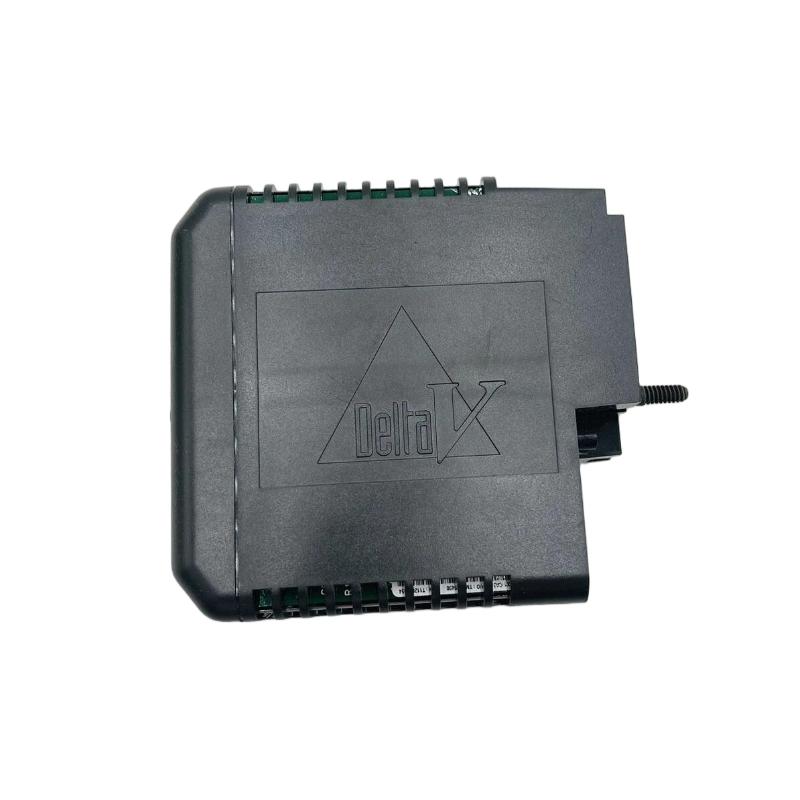
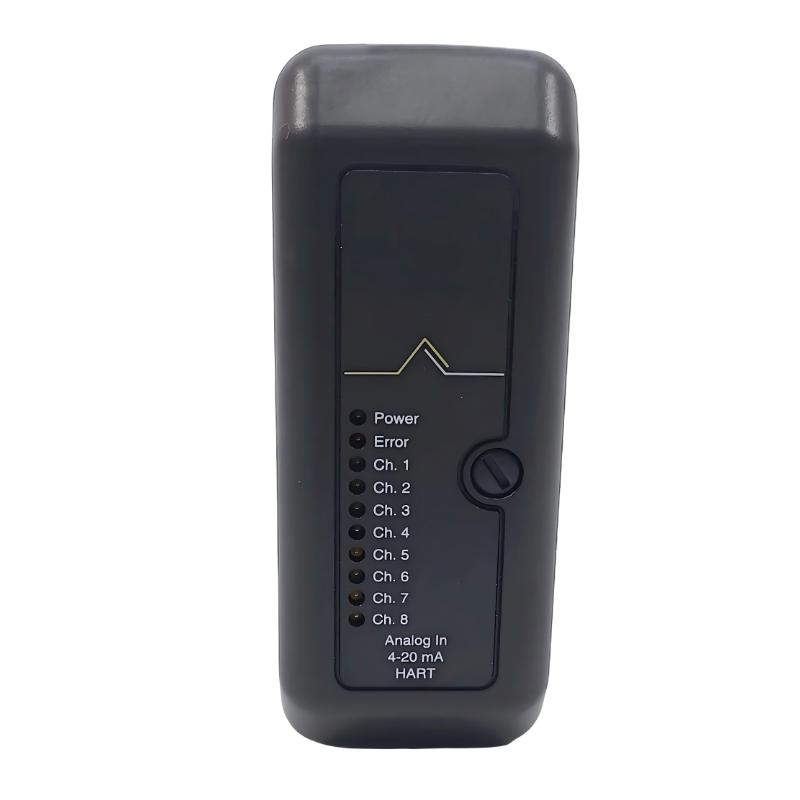
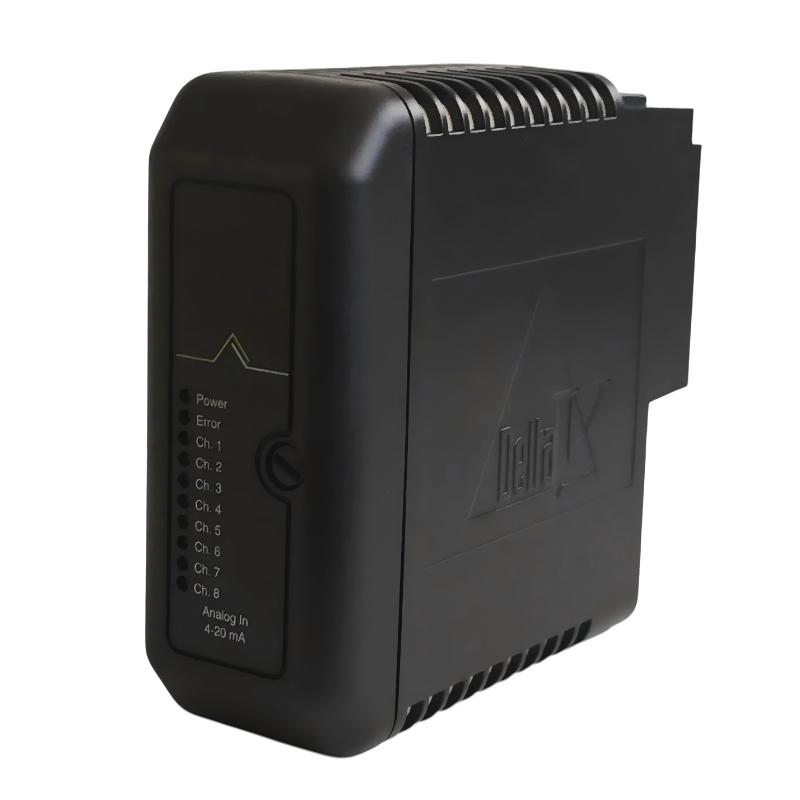
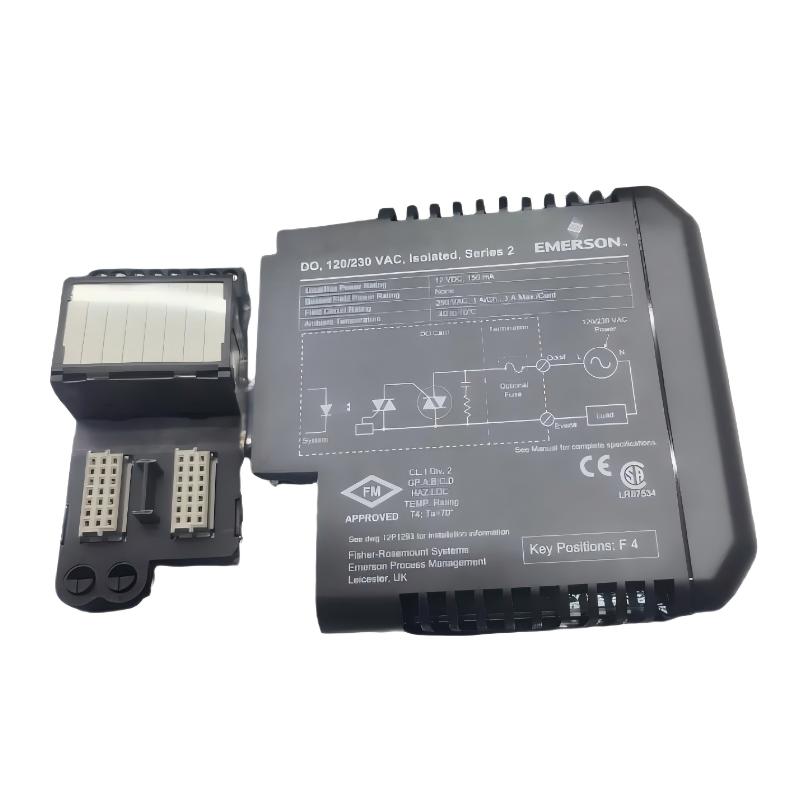
- Output Module with Terminal Blocks
- USA
- 107 x 41 x 105 mm
- 0.6 kg
- Xiamen, China
- New & In Stock
- T/T, PayPal, Western Union
- 1 Year
- 1-3 Working Days
- DHL, UPS, TNT, FedEx and EMS.
- 24-Hour Service
- COO
- 4
Our advantage

Global Logistics
We have a 10-year logistics and express cooperation agreement, so our products can be shipped to any place in the world.

Brand new and original
Our products are imported in bulk from the place of origin. Because of the cooperative relationship, our products are all original and 100% new.

24-hour service
We provide 7*24 hours service to our customers. We will be there whenever you need us.

Price advantage
All our products are priced very favorably because we have our own warehouse and supply.
| Company Information | |||
| [email protected] | |||
| Mobile | +8615980777398 | ||
| +8615980777398 | |||
| 15980777398 |
Product Overview
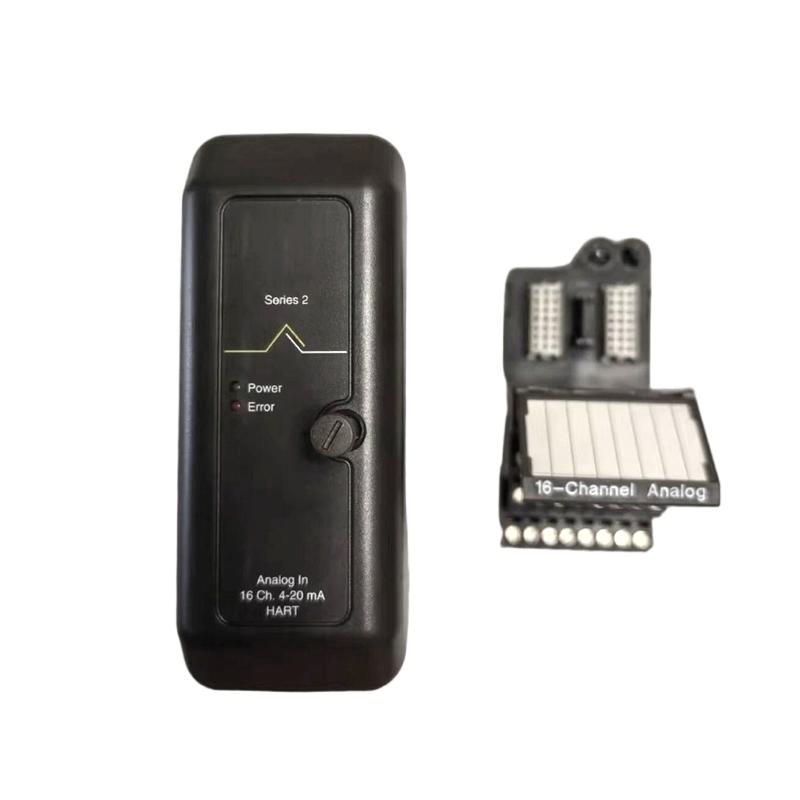
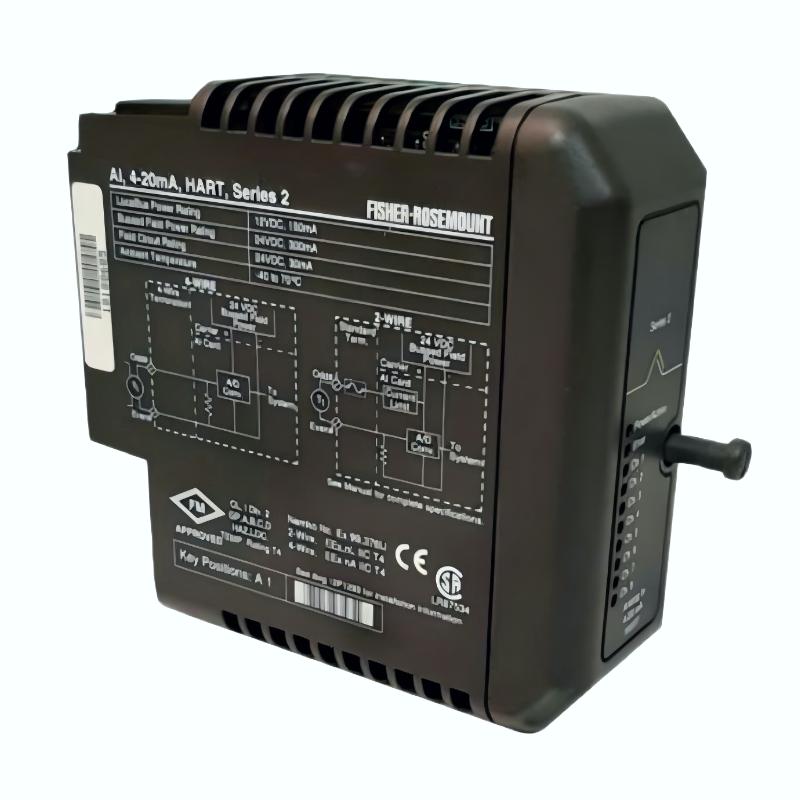
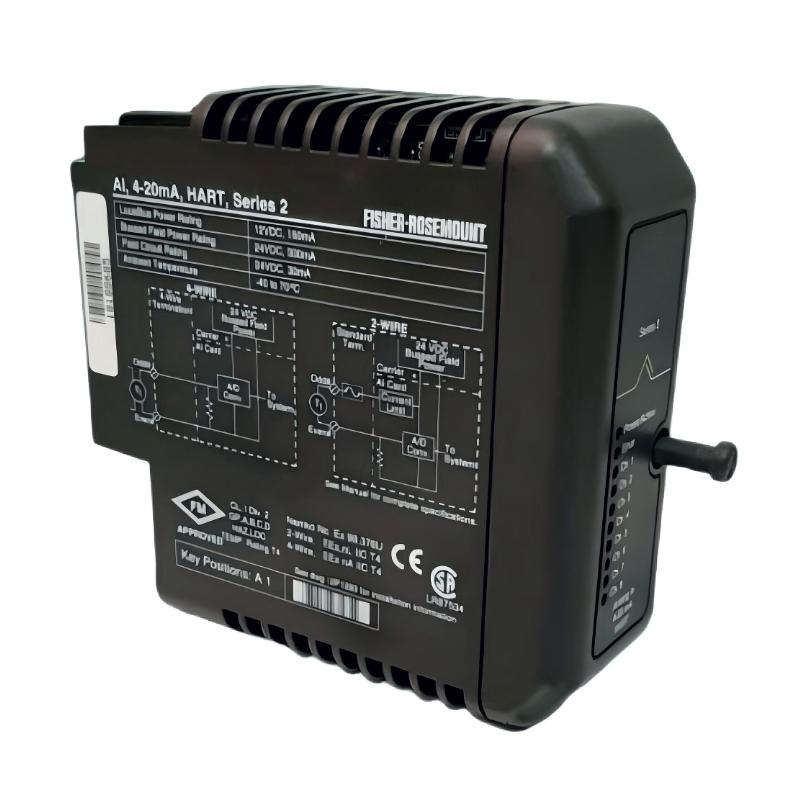
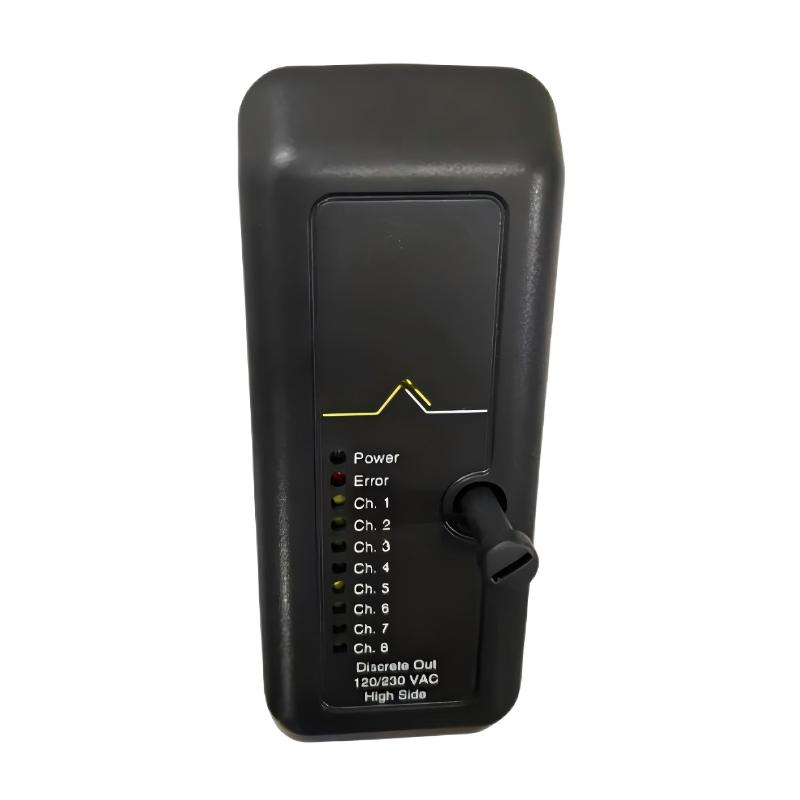
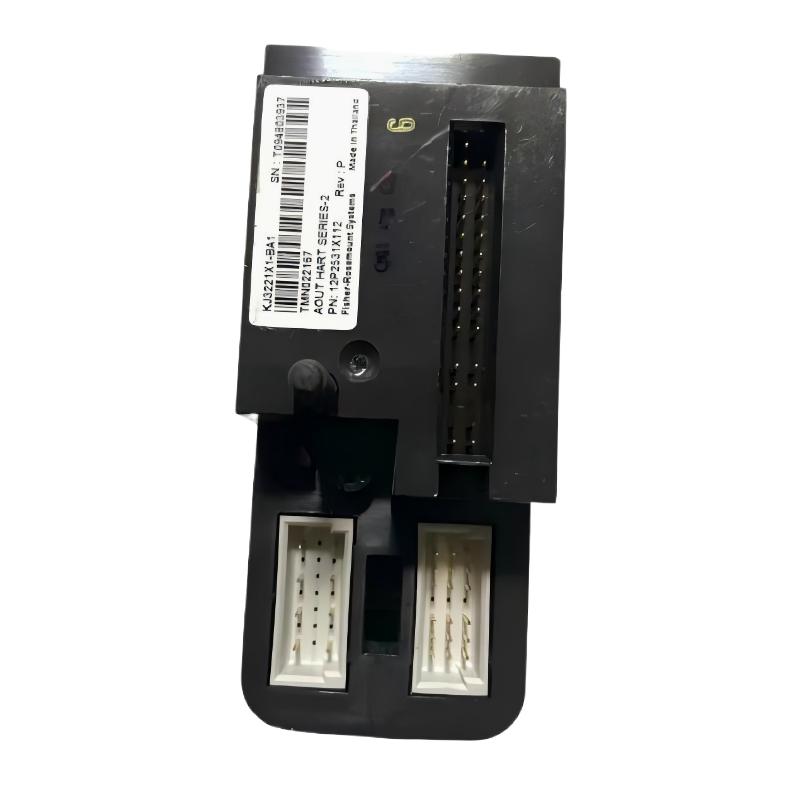
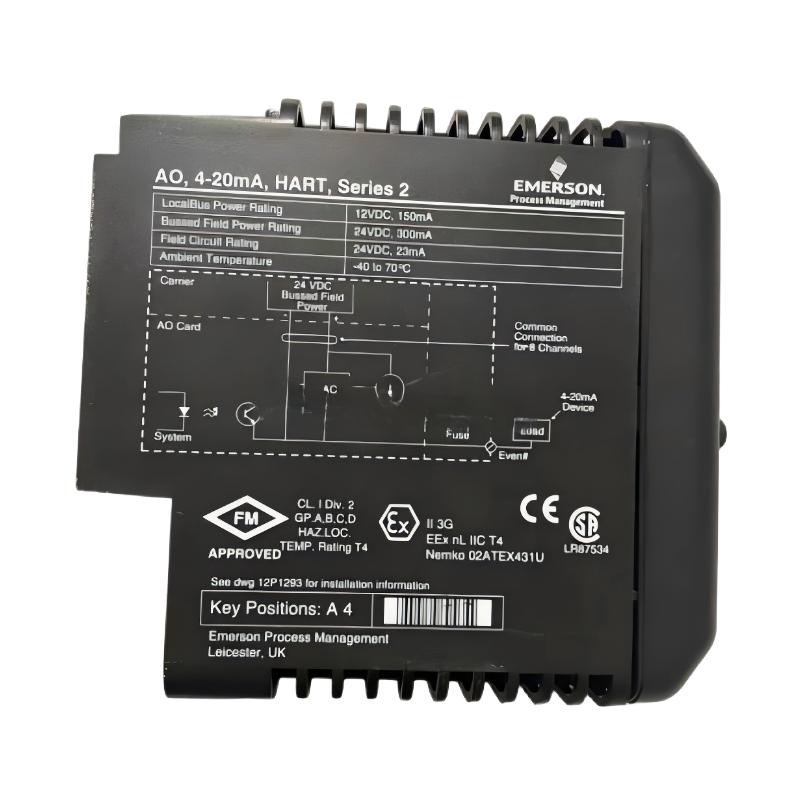
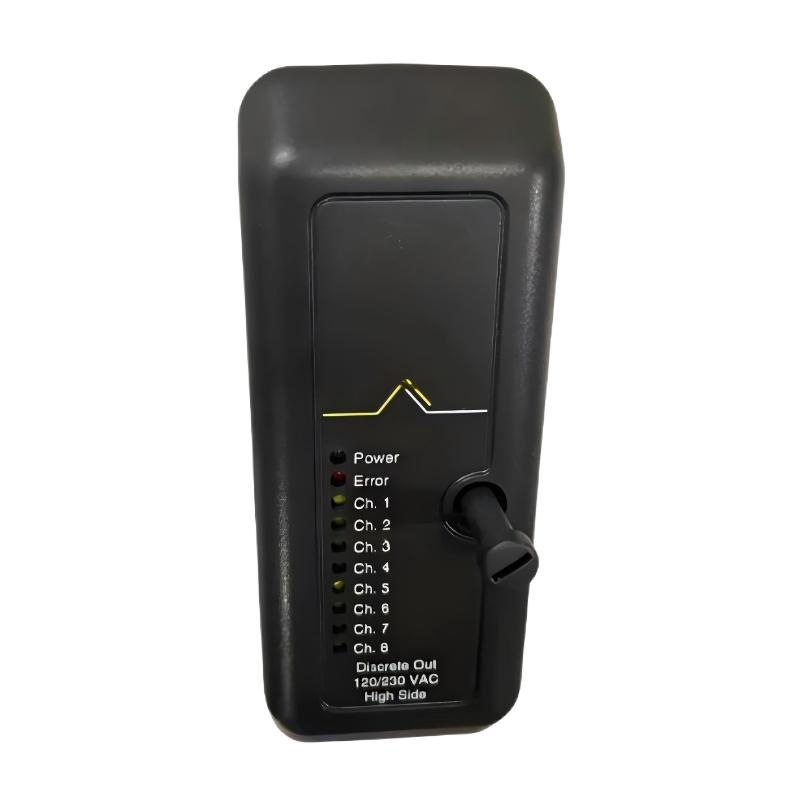
The Emerson VE4002S1T2B3 KJ3202X1-BA1+KJ4001X1-CE1 Output Module with Terminal Blocks is a discrete output interface assembly designed for industrial process control systems where reliable command signals must be transferred from the control system to field devices. Combining the VE4002S1T2B3 output card with the associated KJ3202X1-BA1 and KJ4001X1-CE1 terminal components, this assembly provides a practical interface between the controller-side I/O architecture and external actuators.
The module is intended for use in Emerson process automation environments where discrete output signals are required to control equipment such as solenoid valves, contactor interfaces, alarms, interlocks, relays, and other binary field devices. Its modular construction allows the output electronics and field termination hardware to operate as part of an organized control-system I/O structure.
With supplied physical dimensions of 107 × 41 × 105 mm and a weight of 0.6 kg, the Emerson VE4002S1T2B3 assembly offers a relatively compact solution for control cabinets where multiple I/O modules and termination assemblies must be installed in a limited amount of panel space.
Technical Specifications
| Parameter | Specification |
|---|---|
| Manufacturer | Emerson |
| Model | VE4002S1T2B3 |
| Associated Module | KJ3202X1-BA1 |
| Terminal Block | KJ4001X1-CE1 |
| Product Type | Discrete Output Module with Terminal Blocks |
| I/O Type | Digital / Discrete Output |
| System Application | Industrial Process Control |
| Module Function | Field output signal interface |
| Installation | Industrial control system / I/O subsystem |
| Dimensions | 107 × 41 × 105 mm |
| Weight | 0.6 kg |
| Typical Applications | Process control, plant automation, alarms, valves, interlocks, actuator control |
| System Integration | Emerson process control and distributed I/O architectures |
Exact channel ratings, output voltage characteristics, load limits, isolation specifications, and terminal assignments should be confirmed from the applicable hardware revision and system configuration before field installation.
Understanding the VE4002S1T2B3 Assembly
The complete designation VE4002S1T2B3 KJ3202X1-BA1+KJ4001X1-CE1 identifies an output module arrangement that includes both the electronic output module and its associated termination hardware.
The VE4002S1T2B3 portion identifies the output-card assembly, while KJ3202X1-BA1 and KJ4001X1-CE1 identify associated interface and terminal-block components.
This combination is important in practical maintenance because industrial I/O assemblies are frequently installed as a system rather than as isolated circuit boards. Replacing only the electronic module without checking the associated terminal hardware can result in wiring incompatibility, configuration problems, or unnecessary commissioning work.
For maintenance engineers, the complete assembly designation should therefore be recorded when identifying a replacement.
Function and Working Principle
The primary purpose of the Emerson VE4002S1T2B3 is to provide discrete output control between the process-control system and external field equipment.
A typical operating sequence can be described as follows:
- The control processor determines that a field device must change state.
- The control system sends the appropriate discrete command to the output subsystem.
- The VE4002S1T2B3 processes the output command through its output circuitry.
- The associated termination hardware provides the physical connection to the field wiring.
- The external actuator or control device responds to the discrete output.
- Process feedback can subsequently be monitored through the appropriate input circuitry elsewhere in the control system.
This arrangement separates controller logic from field-level wiring while providing an organized interface for industrial output signals.
The result is a scalable control architecture suitable for applications where numerous valves, relays, alarms, and binary control devices must be managed from a centralized process-control system.
Role in Process Automation
Discrete output modules perform an important role in industrial automation because many process actions are binary.
A valve may need to be commanded open or closed. A pump starter may need an enable signal. An alarm horn may need to be activated. A relay may need to change state when a process condition occurs.
The Emerson VE4002S1T2B3 provides the output interface required for these types of commands.
In a larger control architecture, the module can form part of a signal chain involving:
Controller → I/O Processing → Output Module → Terminal Block → Field Wiring → Actuator
This architecture makes it possible for process logic running in the controller to influence real-world equipment safely and predictably.
The module is therefore not simply an electrical switching component. It forms part of the communication path between automation software and physical process equipment.
Applications in Industrial Automation
The VE4002S1T2B3 can be used in a broad range of process-control applications where discrete output commands are required.
Valve Control
Discrete outputs are commonly used for on/off valves, solenoid-operated valves, pneumatic control interfaces, and other binary valve applications.
The control system can issue an output command based on process conditions, operator commands, interlocks, or programmed sequences.
Pump and Motor Control
The module can participate in control architectures where digital signals are required to initiate or enable motor-control equipment.
For example, an output may be used as part of a pump start command, permissive circuit, or external control interface.
Alarm Systems
Industrial plants rely heavily on discrete signals for audible and visual alarms.
The output system can be incorporated into alarm logic for:
- High-pressure alarms
- Low-level alarms
- Equipment fault indication
- Emergency conditions
- Process deviation alarms
- Operator notification systems
Interlocking Systems
Discrete outputs are frequently used to implement equipment interlocks.
An output command may only be activated when several process conditions have been satisfied. This allows the control system to coordinate multiple pieces of equipment while preventing inappropriate operation.
Process Sequencing
Batch and continuous processes often require equipment to operate in a defined sequence.
The VE4002S1T2B3 can form part of the I/O layer used to execute these sequences through discrete field commands.
Installation Considerations
Installation should be performed by qualified automation or electrical personnel familiar with the Emerson control-system architecture.
Before installation, verify the following:
- Correct module model and revision
- Correct terminal-block assembly
- I/O channel assignment
- Cabinet mounting arrangement
- Field wiring identification
- Power requirements
- Signal compatibility
- Controller configuration
- Grounding requirements
- Environmental conditions
The supplied dimensions are 107 × 41 × 105 mm. Cabinet layout should allow sufficient space for installation, wiring access, ventilation, and future maintenance.
The module should be mounted in accordance with the mechanical requirements of the associated Emerson I/O system. Avoid installing electronic modules in locations exposed to excessive heat, condensation, conductive contamination, or severe vibration.
Terminal Block and Field Wiring
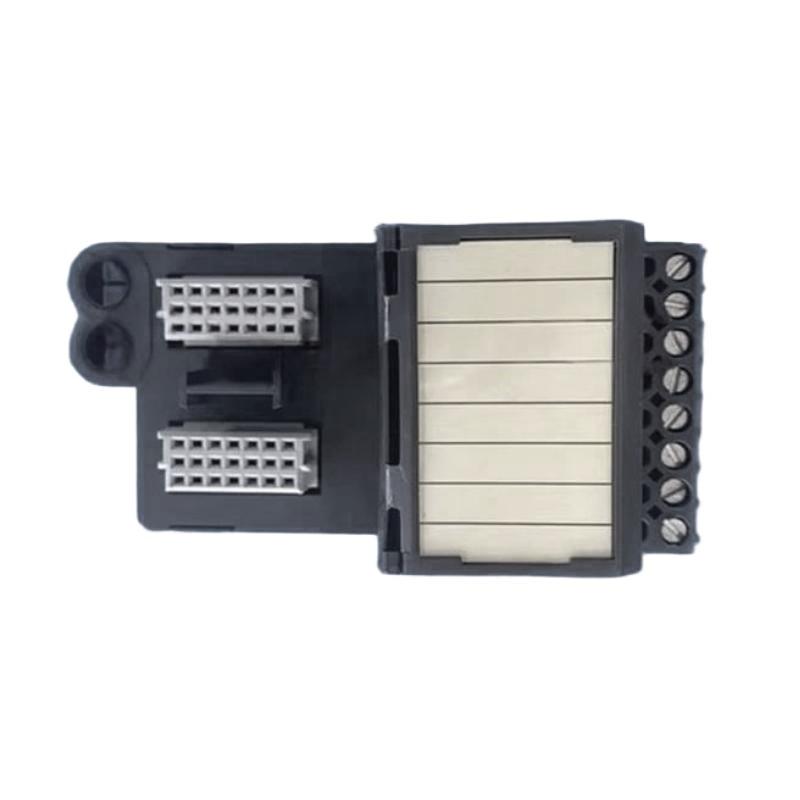
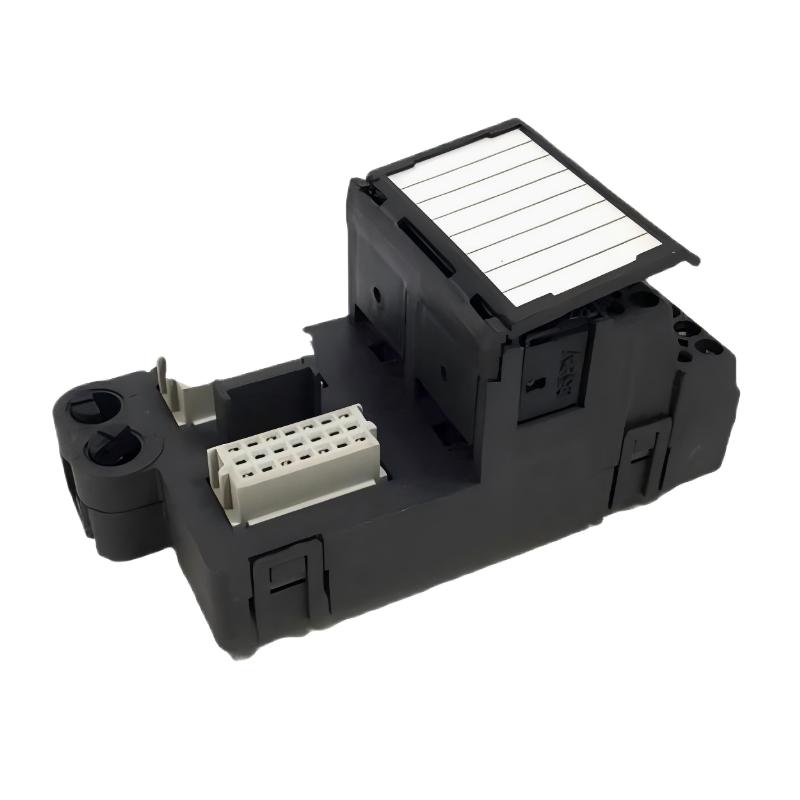
The KJ4001X1-CE1 terminal-block component is an important part of the complete assembly because it provides the field-side termination interface.
During installation, field wiring should be clearly identified and separated according to the plant’s electrical design.
Recommended practices include:
- Label every field conductor.
- Verify channel assignments before energizing the system.
- Check terminal tightness.
- Keep signal wiring properly routed.
- Avoid unnecessary parallel routing with high-power cables.
- Inspect connectors for mechanical damage.
- Confirm polarity where applicable.
- Verify shielding and grounding according to the system design.
- Perform continuity checks before commissioning.
Incorrect termination can create symptoms that appear to be module failures even when the electronic output card is functioning normally.
Commissioning Procedure
A controlled commissioning procedure helps reduce startup problems.
Step 1: Verify Hardware
Confirm that the installed assembly corresponds to the required VE4002S1T2B3 KJ3202X1-BA1+KJ4001X1-CE1 configuration.
Check the module identification and inspect the housing, connectors, and terminal hardware.
Step 2: Check Wiring
Compare field wiring with the approved control-system drawings.
Verify every connected output point before applying operating power.
Step 3: Confirm Configuration
The engineering or maintenance workstation should contain the correct I/O configuration for the installed hardware.
Check:
- Module identification
- I/O address
- Channel assignment
- Output logic
- Control strategy
- Interlock configuration
- Alarm logic
Step 4: Perform Output Testing
Where permitted by the process and plant safety procedures, test individual output channels.
Observe both the control-system status and the corresponding field device.
Step 5: Confirm Process Response
A successful output test should result in the expected field-device response.
If the controller indicates an output is active but the field device does not respond, troubleshooting should proceed through the entire signal path rather than immediately replacing the module.
Troubleshooting the VE4002S1T2B3
Output problems can originate from the controller, configuration, module, terminal block, field wiring, power supply, or field device.
A systematic troubleshooting process is therefore more effective than replacing components randomly.
Output Does Not Activate
If a field device does not respond to a command, first determine whether the control system is actually generating the output command.
Check:
- Control logic
- Output status
- Module status
- Terminal connection
- Field wiring
- External power
- Field device condition
If the controller never commands the output, replacing the output module will not solve the problem.
Output Status Is Incorrect
If the software indicates an unexpected output state, examine the control logic and I/O configuration.
Potential causes include:
- Incorrect channel mapping
- Configuration mismatch
- Logic error
- Interlock condition
- Communication problem
- Incorrect module identification
- Software configuration issue
Always verify the programmed output state before concluding that the hardware has failed.
Multiple Outputs Fail Simultaneously
When several output channels stop operating at the same time, investigate common causes first.
Possible areas include:
- Module-level power
- Common field supply
- I/O subsystem communication
- Terminal assembly
- Controller configuration
- Backplane or system connection
- External protection devices
Multiple simultaneous failures are often more indicative of a common system-level problem than independent channel failures.
One Output Channel Fails
A single failed point may indicate:
- Field wiring damage
- Loose terminal connection
- Failed actuator
- Channel-specific hardware fault
- Incorrect configuration
- External protection device operation
Use a controlled diagnostic procedure to isolate the failure.
Preventive Maintenance
Preventive maintenance can significantly improve the availability of process-control I/O systems.
Recommended inspections include:
Visual Inspection
Look for:
- Cracked housings
- Damaged connectors
- Discoloration
- Signs of overheating
- Corrosion
- Contamination
- Loose components
Terminal Inspection
Check terminal connections periodically, especially in environments exposed to vibration or thermal cycling.
Cabinet Environment
Maintain appropriate cabinet conditions. Excessive heat, humidity, dust, and chemical contamination can shorten the service life of electronic modules.
Configuration Backup
Maintain current copies of controller and I/O configuration data. This becomes particularly valuable when a module must be replaced during an unplanned shutdown.
Spare-Part Management
Critical process-control installations should maintain appropriate replacement hardware where downtime would have significant operational consequences.
Replacement and Maintenance Strategy
When replacing an Emerson VE4002S1T2B3 assembly, technicians should verify the complete part designation rather than relying only on a general description such as “digital output module.”
The combination:
VE4002S1T2B3 + KJ3202X1-BA1 + KJ4001X1-CE1
should be compared with the existing installation.
Important verification points include:
- Full model number
- Hardware revision
- Terminal-block type
- I/O configuration
- Connector arrangement
- System compatibility
- Existing engineering configuration
Where the process is safety-critical, replacement should follow the plant’s approved maintenance and change-control procedures.
Physical Dimensions and Weight
The Emerson VE4002S1T2B3 KJ3202X1-BA1+KJ4001X1-CE1 assembly has the following supplied physical specifications:
| Physical Parameter | Value |
|---|---|
| Height | 107 mm |
| Width | 41 mm |
| Depth | 105 mm |
| Overall Dimensions | 107 × 41 × 105 mm |
| Weight | 0.6 kg |
These dimensions are useful when planning cabinet space, replacement access, transportation, and spare-parts storage.
The 0.6 kg weight should also be considered when preparing packaging and handling procedures for replacement hardware.
Engineering Best Practices
Several practices can improve the reliability of an output-module installation.
Maintain Accurate Documentation
Record the complete model designation, hardware revision, terminal arrangement, and channel assignment.
Separate Control and Power Wiring
Proper cabinet wiring practices help reduce electromagnetic interference and make troubleshooting easier.
Use Clear Channel Identification
Every field output should have a corresponding tag in the electrical drawings and control-system configuration.
Test During Planned Shutdowns
Output testing should be incorporated into planned maintenance activities where process conditions permit.
Keep a Suitable Spare
For critical process applications, maintaining a tested replacement module can substantially reduce recovery time following an unexpected hardware failure.
Compatible System Architecture
The VE4002S1T2B3 is intended to operate as part of a larger Emerson industrial control architecture rather than as an independent device.
A typical system may include:
- Emerson controllers
- Process I/O subsystems
- Discrete input modules
- Discrete output modules
- Analog input modules
- Analog output modules
- Terminal blocks
- Field wiring
- Operator interfaces
- Engineering workstations
- Industrial communication networks
- Process instrumentation
- Valves and actuators
- Motor-control equipment
This modular approach allows the automation system to handle different types of process signals while maintaining an organized control architecture.
Key Advantages
The Emerson VE4002S1T2B3 KJ3202X1-BA1+KJ4001X1-CE1 offers several practical advantages for industrial automation applications:
- Integrated discrete output functionality
- Associated terminal-block interface
- Compact 107 × 41 × 105 mm form factor
- 0.6 kg assembly weight
- Suitable for process-control environments
- Organized field termination
- Supports centralized actuator control
- Suitable for valve and relay applications
- Useful for alarm and interlock functions
- Designed for integration into modular I/O architectures
- Practical for industrial maintenance and replacement applications
Technical FAQs
What is the Emerson VE4002S1T2B3?
The Emerson VE4002S1T2B3 is a discrete output module used to provide digital control signals to field devices within an industrial process-control system.
What does KJ3202X1-BA1 represent in this assembly?
KJ3202X1-BA1 is an associated hardware component used with the VE4002S1T2B3 output-module arrangement.
What is KJ4001X1-CE1?
KJ4001X1-CE1 is the associated terminal-block component specified as part of the complete output-module assembly.
What are the dimensions?
The supplied dimensions of the complete assembly are 107 × 41 × 105 mm.
How much does the assembly weigh?
The supplied weight is 0.6 kg.
What applications use a discrete output module?
Typical applications include valve control, relay interfaces, alarms, interlocks, motor-control commands, equipment enable signals, and process sequencing.
Can the module be replaced without checking the terminal block?
It is not recommended to assume compatibility based only on the output-card number. The complete VE4002S1T2B3 KJ3202X1-BA1+KJ4001X1-CE1 configuration should be checked before replacement.
What should be checked when an output fails?
Start with the control command and configuration, then inspect the module status, terminal connections, field wiring, external power, and field device. This approach helps determine whether the problem is inside the module or elsewhere in the signal path.
Conclusion
The Emerson VE4002S1T2B3 KJ3202X1-BA1+KJ4001X1-CE1 Output Module with Terminal Blocks provides a practical discrete-output interface for industrial process-control applications. By combining output electronics with associated termination hardware, the assembly creates an organized connection between the control system and field-level equipment.
With supplied dimensions of 107 × 41 × 105 mm and a weight of 0.6 kg, the assembly is suitable for compact industrial control cabinets and modular I/O installations. Its applications can include valve control, alarms, interlocks, relay interfaces, equipment commands, and process sequencing.
For maintenance and replacement projects, engineers should evaluate the complete assembly designation rather than considering the output card independently. Correct identification of the VE4002S1T2B3, KJ3202X1-BA1, and KJ4001X1-CE1 components helps ensure proper mechanical installation, field termination, configuration, and commissioning.
When integrated into a properly engineered Emerson process-control architecture, the VE4002S1T2B3 can serve as a dependable interface for discrete field control while supporting organized cabinet design, efficient troubleshooting, and long-term industrial maintenance.