

ProductPRODUCT
Featured products
Contact Us
- Emerson
- VE4001S2T2B4 KJ3203X1-BA1 12P3270X022
- Input module with terminal blocks
- USA
- 107 x 41 x 105 mm
- 0.45 kg
- Xiamen, China
- New & In Stock
- T/T, PayPal, Western Union
- 1 Year
- 1-3 Working Days
- DHL, UPS, TNT, FedEx and EMS.
- 24-Hour Service
- COO
- 3
Our advantage

Global Logistics
We have a 10-year logistics and express cooperation agreement, so our products can be shipped to any place in the world.

Brand new and original
Our products are imported in bulk from the place of origin. Because of the cooperative relationship, our products are all original and 100% new.

24-hour service
We provide 7*24 hours service to our customers. We will be there whenever you need us.

Price advantage
All our products are priced very favorably because we have our own warehouse and supply.
| Company Information | |||
| [email protected] | |||
| Mobile | +8615980777398 | ||
| +8615980777398 | |||
| 15980777398 |
Product Overview
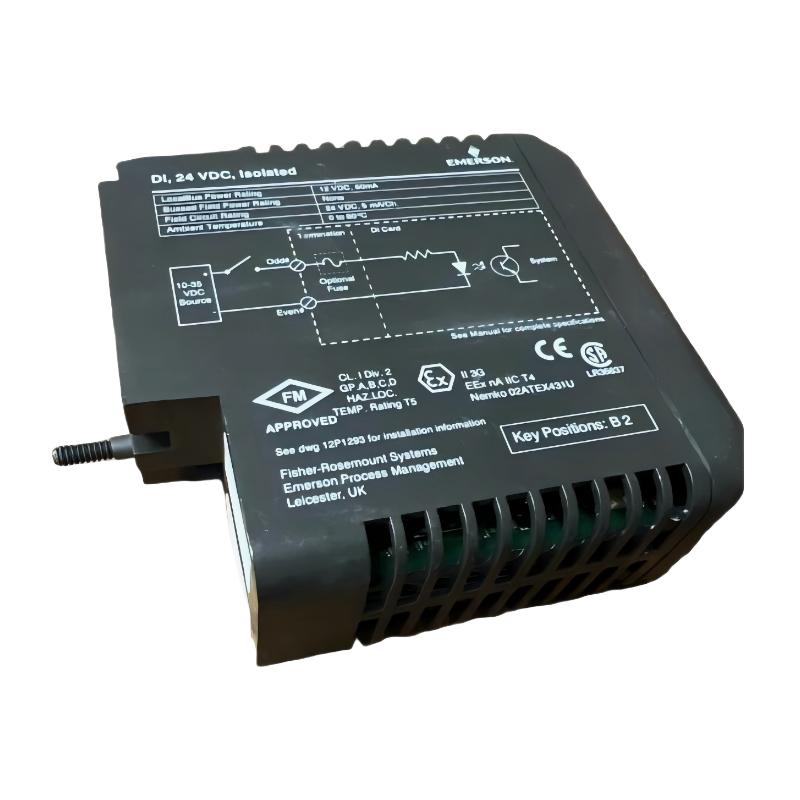
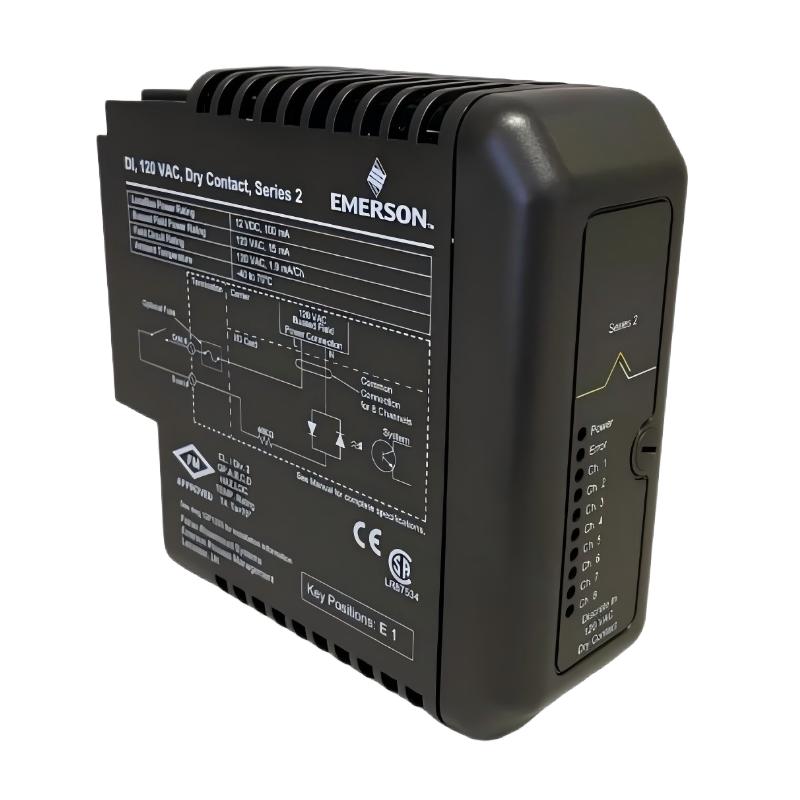
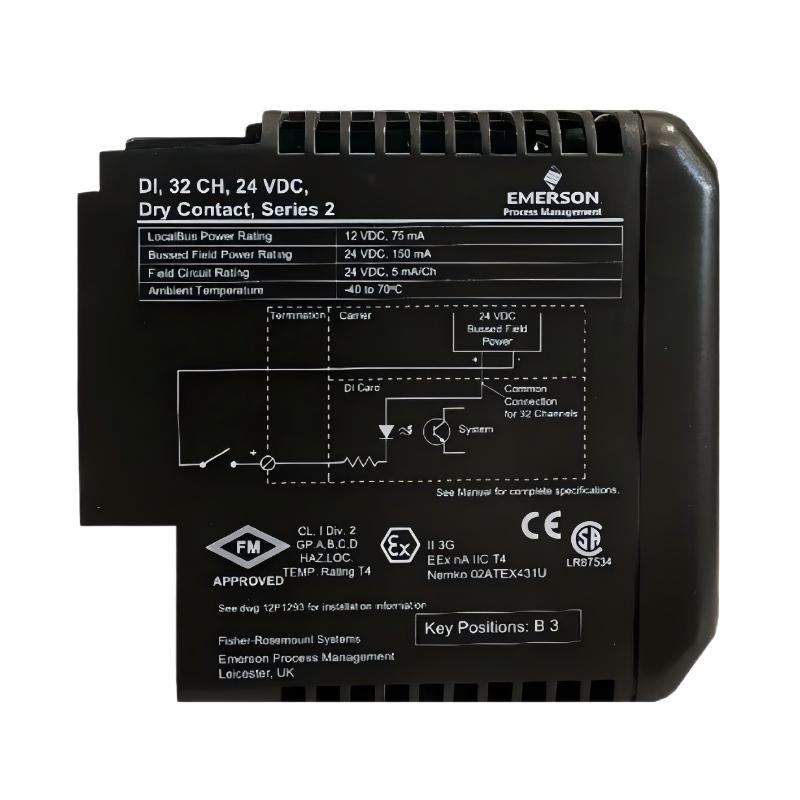
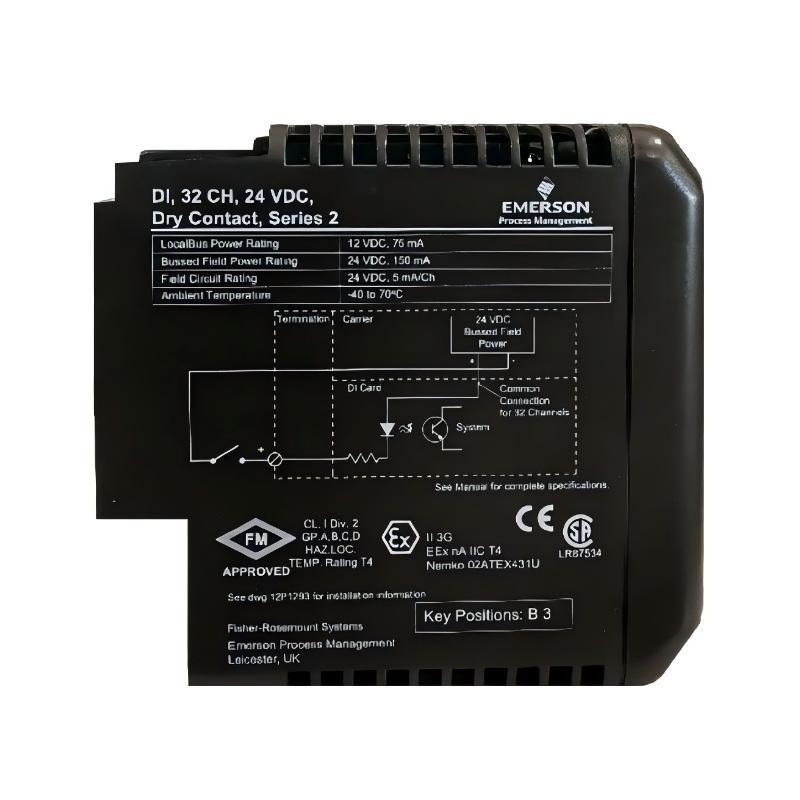
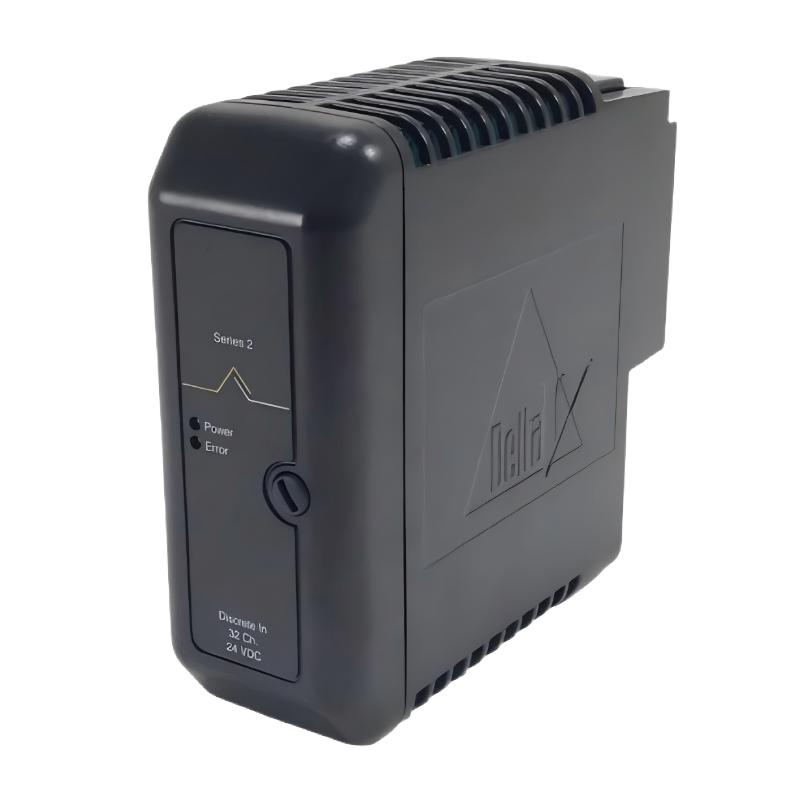
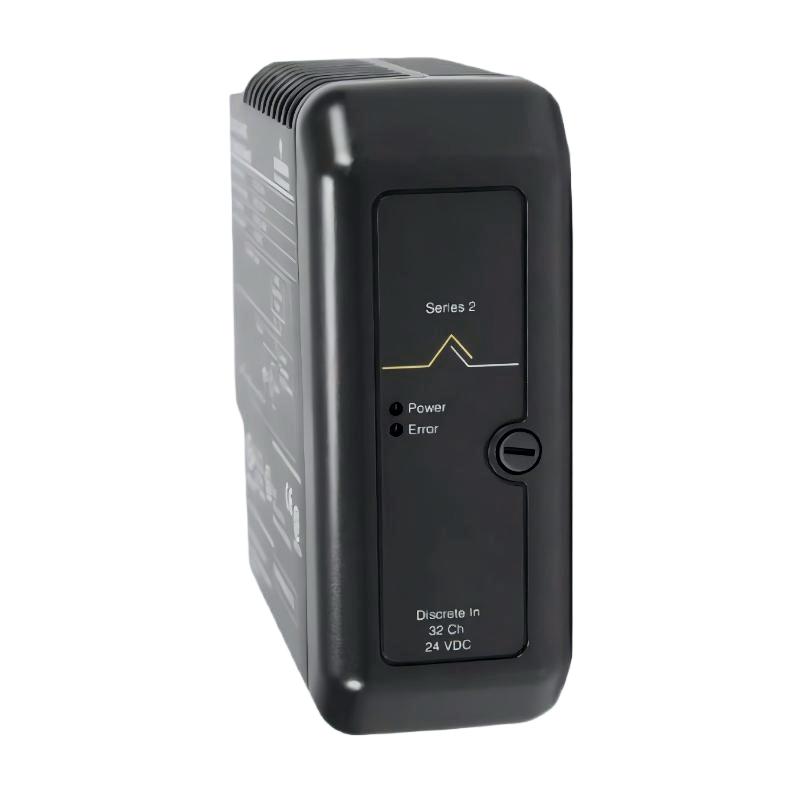
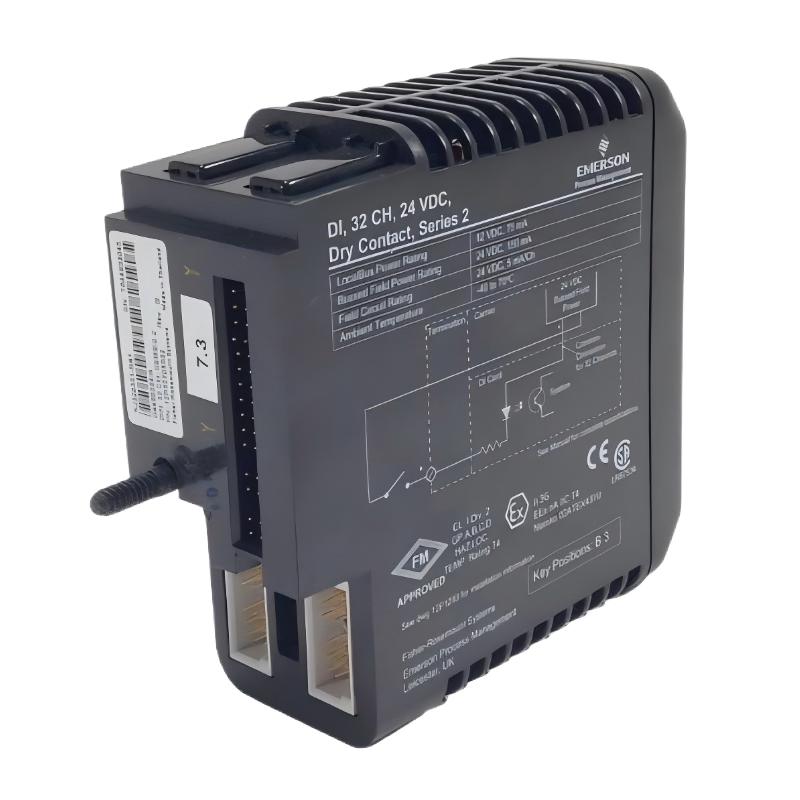
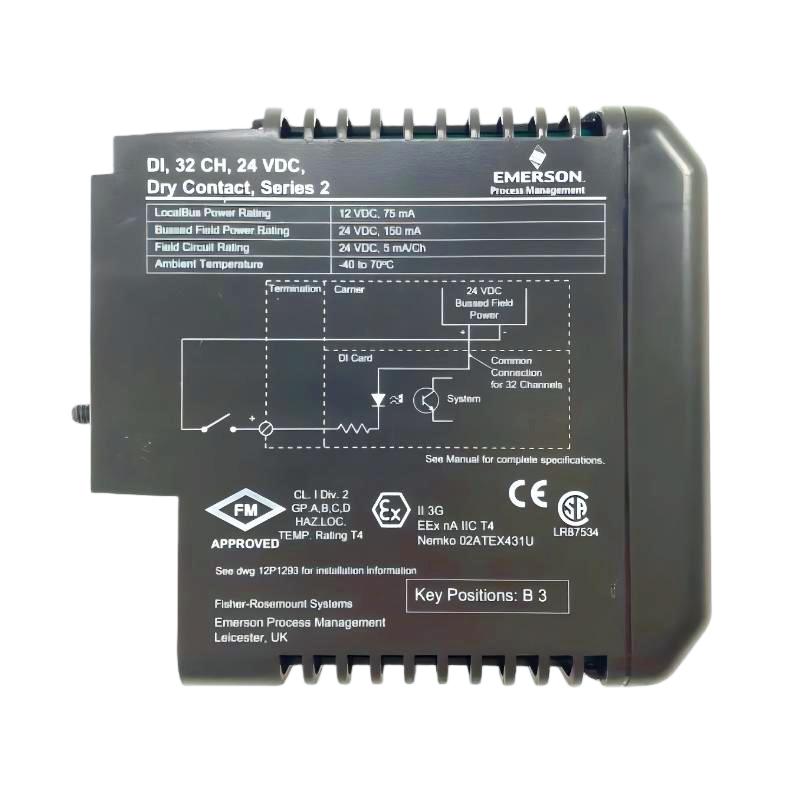
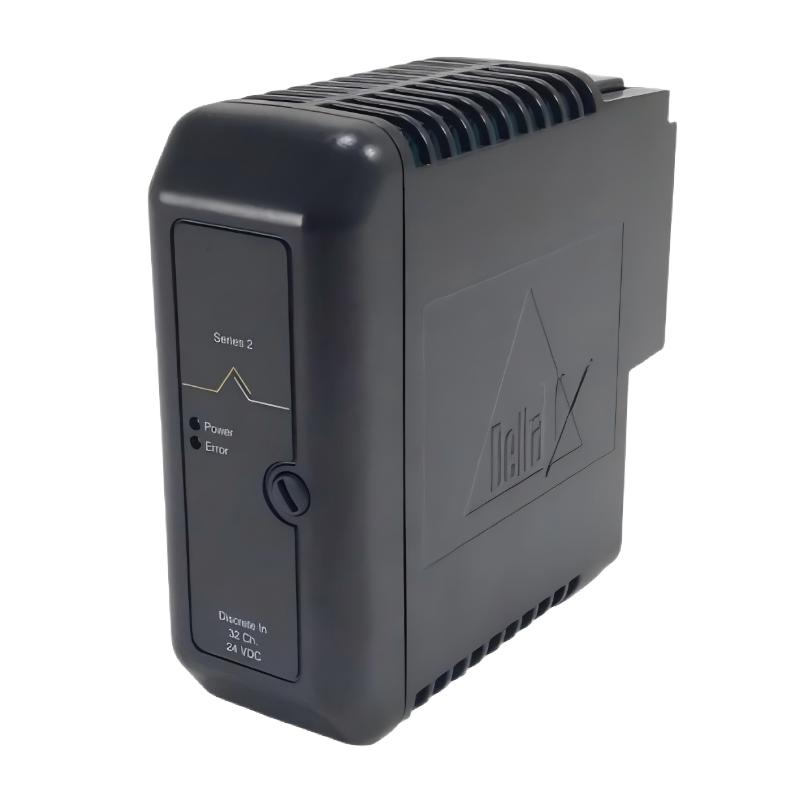
The Emerson VE4001S2T2B4 KJ3203X1-BA1 12P3270X022 Input Module with Terminal Blocks is an industrial automation I/O assembly designed to provide a reliable interface between field devices and Emerson distributed control system architectures. The assembly combines the KJ3203X1-BA1 input module with the associated 12P3270X022 terminal-block configuration, providing an organized connection path for field signals entering the control system.
In a process automation environment, input modules are responsible for acquiring information from physical equipment and making that information available to controllers and supervisory applications. Depending on the installed configuration, field signals can be used to monitor equipment status, alarms, permissive conditions, valve positions, motor feedback, switches, and other process conditions. Reliable input acquisition is essential because these signals are often used directly by automated sequences and interlock logic.
The Emerson VE4001S2T2B4 has supplied dimensions of 107 × 41 × 105 mm and a specified weight of 0.45 kg for the input-module and terminal-block assembly. Its compact form factor allows it to fit into organized industrial control cabinets while providing a practical interface for field wiring and I/O maintenance.
By combining the electronic input module with terminal hardware, this configuration provides a more complete field-I/O connection solution. It can simplify wiring organization, signal tracing, commissioning, and maintenance while helping engineers maintain a clear separation between field connections and control-system electronics.
Technical Specifications
| Parameter | Details |
|---|---|
| Manufacturer | Emerson |
| Model | VE4001S2T2B4 |
| Input Module | KJ3203X1-BA1 |
| Terminal Block / Assembly | 12P3270X022 |
| Product Type | Input Module with Terminal Blocks |
| Main Function | Industrial field input signal acquisition |
| Signal Category | Input / I/O |
| System Application | Distributed control and process automation |
| Installation | Industrial control cabinet / I/O assembly |
| Dimensions (H × W × D) | 107 × 41 × 105 mm |
| Weight | 0.45 kg |
| Typical Applications | Equipment monitoring, alarms, permissives, interlocks and process sequencing |
| System Role | Interface between field devices and control logic |
Specific channel ratings, signal characteristics, wiring assignments, terminal configuration, and compatibility should be verified against the applicable Emerson system design before installation.
What Is the Emerson VE4001S2T2B4 KJ3203X1-BA1 12P3270X022?
The VE4001S2T2B4 KJ3203X1-BA1 12P3270X022 is an Input Module with Terminal Blocks intended for integration into industrial automation and distributed control environments.
The assembly can be viewed as two related functional elements:
- KJ3203X1-BA1 — the input-module hardware responsible for acquiring field signals.
- 12P3270X022 — the associated terminal-block assembly used for field connections.
This combination creates a structured signal path between physical process equipment and the control system.
A simplified architecture is:
Field Device → Field Cable → 12P3270X022 Terminal Interface → KJ3203X1-BA1 Input Module → I/O System → Controller → Control Logic → HMI / SCADA
This arrangement is particularly valuable in industrial facilities where a large number of field circuits must be installed, identified, tested, and maintained.
The Role of Input Modules in Industrial Automation
Input modules provide the control system with information about what is happening in the physical process.
Industrial equipment frequently generates status information such as:
- Running
- Stopped
- Open
- Closed
- Available
- Faulted
- Normal
- Alarmed
- Permissive
- Interlocked
The input hardware receives the appropriate electrical representation of these conditions and makes the resulting state available to the control system.
Although these signals generally represent only a limited number of states, they can have a major effect on plant operation. A single feedback signal may determine whether an automated sequence continues, whether an alarm is generated, or whether a piece of equipment is permitted to start.
Function of the KJ3203X1-BA1 Input Module
The KJ3203X1-BA1 forms the input-module portion of the VE4001S2T2B4 configuration.
Its primary role is to acquire the intended field input signals and transfer their status into the associated automation architecture.
For example, a motor starter can provide a feedback contact indicating that the motor is running. Once the motor starts, the contact changes state. The input module acquires that condition, allowing the controller to determine whether the commanded equipment state has actually been achieved.
This information can then be used for:
- Equipment monitoring
- Sequence control
- Alarm generation
- Interlocking
- Permissive logic
- Fault diagnosis
- Operator indication
The input module therefore represents an important connection point between physical equipment and software-based control logic.
Function of the 12P3270X022 Terminal Assembly
The 12P3270X022 is associated with the terminal-block portion of the VE4001S2T2B4 configuration.
Terminal assemblies provide an organized physical connection between field wiring and I/O hardware. This is particularly important in large process-control systems, where field cables may originate from equipment distributed throughout a plant and terminate in centralized or distributed control cabinets.
A properly organized terminal interface makes it easier to:
- Identify field circuits
- Trace wiring
- Perform electrical measurements
- Isolate individual signals
- Replace I/O components
- Inspect connections
- Diagnose intermittent faults
- Maintain cabinet documentation
The terminal assembly therefore contributes significantly to the maintainability of the overall I/O installation.
Field-to-Controller Signal Path
The VE4001S2T2B4 configuration can be considered part of a complete field-to-controller signal chain:
Physical Process
↓
Field Device
↓
Field Cable
↓
Terminal Block
↓
Input Module
↓
I/O Architecture
↓
Controller
↓
Control Logic
↓
Operator Interface
Each stage has a different responsibility.
The field device provides the physical condition. The terminal interface organizes the connection. The input module acquires the signal. The controller interprets the input according to programmed logic. Finally, the HMI or supervisory system can present the resulting status to the operator.
This layered structure makes both system design and troubleshooting more systematic.
Typical Industrial Applications
The Emerson VE4001S2T2B4 input assembly is suitable for applications where field input information must be collected by an industrial control system.
Motor and Pump Monitoring
Motor and pump systems often provide running, stopped, available, and fault feedback.
The input system can allow the controller to verify whether the equipment has responded correctly to a start or stop command.
Valve Position Feedback
Process valves commonly use position switches or auxiliary contacts to indicate open and closed conditions.
The control system can use these signals to verify process readiness and sequence progression.
Alarm Monitoring
External equipment alarms can be connected to the input system to provide centralized status information.
Examples include:
- Motor overload
- Equipment trip
- Protective-device operation
- High-level switch
- Low-level switch
- External fault condition
Process Interlocks
Interlock conditions prevent certain operations from occurring unless predefined conditions are satisfied.
Input signals provide the controller with the status information required to evaluate those conditions.
Equipment Availability
A machine or process unit may provide an availability signal indicating whether it is ready for operation.
The controller can use this information as part of automatic sequence logic.
Motor Feedback Example
Consider an automatically controlled pump.
The controller issues a start command to the pump starter.
An auxiliary contact provides running feedback.
The signal path can be represented as:
Pump Starter → Auxiliary Contact → Field Cable → Terminal Block → Input Module → Controller
The controller then compares the commanded state with the feedback.
If:
Start Command = ON
and:
Running Feedback = ON
the controller can determine that the expected operating condition has been achieved.
If the command is ON but the feedback remains OFF, the system can identify a possible startup problem.
The problem could originate from the motor, starter, auxiliary contact, wiring, input circuit, or configuration. This is why troubleshooting should examine the complete signal path rather than immediately replacing the I/O card.
Valve Position Example
Valve feedback is another important application.
A control sequence may require a valve to be open before a pump is started.
The valve provides an open-position signal to the input module.
The controller checks:
Valve Open Feedback = TRUE
before allowing the pump sequence to continue.
If the feedback is absent, the controller can hold the sequence or generate an appropriate alarm according to the programmed logic.
This demonstrates how a relatively simple discrete input can have a direct influence on automated process operation.
Alarm and Interlock Applications
Input signals are often incorporated into protective logic.
A process system may use field inputs to monitor:
- Emergency conditions
- Equipment trips
- Motor overloads
- Valve-position mismatches
- Pressure switches
- Level switches
- External protection devices
- Process permissives
When an abnormal condition is detected, the controller can respond according to the programmed control strategy.
Depending on the application, this may involve:
- Generating an alarm
- Preventing equipment startup
- Stopping a sequence
- Disabling a process step
- Informing the operator
- Recording the abnormal condition
The quality of input acquisition is therefore closely related to the reliability of the overall control strategy.
Installation Guidelines
Correct installation of the VE4001S2T2B4 requires attention to both the input module and associated terminal assembly.
1. Verify the Part Numbers
Before installation, confirm the complete identification:
VE4001S2T2B4
KJ3203X1-BA1
12P3270X022
This is especially important during replacement because industrial I/O products with similar physical appearances may perform different functions.
2. Inspect the Hardware
Check for:
- Physical damage
- Cracked housings
- Bent connection points
- Damaged terminals
- Corrosion
- Contamination
- Signs of overheating
Do not install hardware with unexplained physical damage.
3. Verify the I/O Position
Install the input assembly in the appropriate I/O location according to the control-system architecture and approved engineering documentation.
4. Verify Field Wiring
Before applying power, check:
- Terminal assignments
- Cable identification
- Signal polarity
- Common connections
- Grounding
- Shielding
- Cable routing
Correct field wiring is essential for reliable signal acquisition.
Commissioning Procedure
A structured commissioning procedure should verify both the physical hardware and control-system configuration.
Hardware Inspection
Confirm that the VE4001S2T2B4 and associated terminal assembly are correctly installed.
Wiring Verification
Compare each field connection against the approved electrical drawings.
Configuration Check
Confirm that the control-system configuration corresponds to the installed input hardware.
Field Device Test
Operate each relevant field device and verify the corresponding input state.
Controller Test
Confirm that the controller recognizes the field condition and processes it correctly.
HMI Verification
Check that the operator interface displays the correct equipment status.
Alarm and Interlock Test
Where applicable, test programmed alarm, permissive, and interlock responses under approved commissioning procedures.
Troubleshooting the Emerson VE4001S2T2B4
Troubleshooting should proceed from the field device toward the controller.
A practical diagnostic sequence is:
Field Device → Cable → Terminal Block → Input Module → I/O System → Controller → HMI
This method helps identify whether the fault is located on the field side, I/O side, or software side.
Input Remains OFF
If an input remains OFF when the associated field device should be active, inspect:
- Field device
- Field cable
- Terminal connection
- Common wiring
- Input channel
- I/O configuration
- Controller logic
A failed field switch can produce the same symptom as a failed input channel, so the field circuit should be tested first.
Input Remains ON
If an input remains ON when the field device should be inactive, possible causes include:
- Shorted wiring
- Incorrect termination
- Incorrect field-device condition
- External voltage
- Wiring error
- Input-channel problem
The field-side circuit should be isolated and evaluated before replacing the module.
Intermittent Input Signals
Intermittent input behavior may be caused by:
- Loose terminal connections
- Mechanical vibration
- Aging switch contacts
- Damaged field cables
- Electrical interference
- Grounding problems
- Environmental contamination
Intermittent problems should be investigated under representative operating conditions because a fault may disappear when the equipment is stationary.
Multiple Input Channels Fail
If several channels become abnormal simultaneously, investigate common causes before replacing individual input hardware.
Possible causes include:
- I/O power problems
- Common wiring problems
- Interface faults
- Configuration errors
- Communication issues
- Carrier or system-level problems
When multiple independent signals fail at the same time, a system-level cause should be considered.
Preventive Maintenance
Preventive maintenance can improve the reliability of the complete input assembly.
Recommended activities include:
- Inspect terminal connections.
- Check field cables for damage.
- Inspect the input module.
- Check for contamination or corrosion.
- Review diagnostic information.
- Verify cabinet environmental conditions.
- Check grounding.
- Test important field devices.
- Review recurring alarms.
- Compare actual equipment conditions with displayed status.
Maintenance records should also identify repeated faults associated with individual channels.
Replacement Considerations
Before replacing the Emerson VE4001S2T2B4 KJ3203X1-BA1 12P3270X022, verify all relevant identification information.
The principal identifiers are:
- VE4001S2T2B4
- KJ3203X1-BA1
- 12P3270X022
Replacement checks should include:
- Input function
- Hardware compatibility
- I/O position
- Terminal arrangement
- Field wiring
- Control-system configuration
- Applicable hardware revision requirements
After installation, test representative field signals before returning the equipment to normal automatic control.
Spare-Part Management
Maintaining correctly identified I/O spares can reduce downtime during unexpected failures.
For the VE4001S2T2B4 assembly, inventory records should clearly distinguish the complete assembly from individual components.
Recommended practices include:
- Clearly label the spare.
- Record the complete model number.
- Record associated component numbers.
- Store in suitable protective packaging.
- Protect from moisture and contamination.
- Avoid mechanical impact.
- Verify part numbers before installation.
Good spare management is particularly valuable for older or critical process-control installations where replacement availability may affect recovery time.
Storage and Handling
The specified weight of the complete assembly is 0.45 kg. Although relatively lightweight, the electronic module and terminal hardware should still be handled carefully.
During storage and transportation:
- Use protective packaging.
- Prevent impact and vibration.
- Keep connection points clean.
- Avoid excessive humidity.
- Protect against contamination.
- Maintain clear part-number identification.
Proper storage helps ensure that replacement hardware remains ready for installation when required.
System Integration and Diagnostic Strategy
The VE4001S2T2B4 should always be considered within the complete automation architecture.
A field input problem can originate from several different locations:
Field Device
The switch or equipment contact may be defective.
Field Wiring
The cable may be open, shorted, damaged, or incorrectly terminated.
Terminal Interface
A loose or incorrectly connected terminal may interrupt the signal.
Input Module
The input channel may fail to detect the expected electrical condition.
Configuration
The engineering configuration may not correspond to the installed hardware.
Controller Logic
The controller may be processing the input incorrectly.
Operator Interface
The HMI or SCADA display may not represent the actual controller state correctly.
This layered diagnostic approach is more effective than assuming that every input problem is caused by the I/O card.
Importance of Reliable Input Acquisition
Modern industrial automation depends heavily on accurate field information.
A control system can only make correct decisions when it has reliable information about the actual condition of equipment.
The VE4001S2T2B4 input assembly contributes to this requirement by providing a structured interface for field inputs.
Reliable input acquisition supports:
- Process visibility
- Automated sequencing
- Equipment monitoring
- Alarm generation
- Interlock functions
- Permissive logic
- Fault diagnosis
- Operator awareness
- Maintenance planning
For critical process equipment, a single incorrect status signal can prevent normal operation or trigger an unnecessary alarm.
Engineering Considerations
When designing or maintaining an installation using the VE4001S2T2B4, engineers should consider the complete lifecycle of the I/O circuit.
During Design
Define the required input signals, field devices, terminal arrangement, cable routing, and control logic.
During Installation
Ensure that wiring and termination match the engineering documentation.
During Commissioning
Test each signal from the physical field device through to the operator interface.
During Operation
Monitor recurring alarms and unexpected signal transitions.
During Maintenance
Use the documented signal path to isolate faults efficiently.
During Replacement
Verify the complete hardware identification and system compatibility before installation.
This lifecycle approach helps improve long-term reliability and maintainability.
Key Advantages
The Emerson VE4001S2T2B4 KJ3203X1-BA1 12P3270X022 Input Module with Terminal Blocks offers several practical advantages:
- Integrated input-module and terminal-block configuration
- Organized field-wiring interface
- Reliable industrial input signal acquisition
- Compact 107 × 41 × 105 mm dimensions
- Specified 0.45 kg weight
- Suitable for distributed I/O architectures
- Supports equipment status monitoring
- Useful for alarms and interlocks
- Supports automated sequence logic
- Simplifies field-circuit troubleshooting
- Facilitates organized maintenance
- Suitable for process-control environments
Technical FAQs
What is the Emerson VE4001S2T2B4?
The Emerson VE4001S2T2B4 is an industrial Input Module with Terminal Blocks configuration associated with the KJ3203X1-BA1 input module and 12P3270X022 terminal-block assembly.
What are the associated part numbers?
The configuration is identified with KJ3203X1-BA1 and 12P3270X022.
What is the main function of this input assembly?
Its primary role is to provide an interface for acquiring field input signals and transferring the resulting equipment or process status information into an Emerson control system.
What are the dimensions?
The specified dimensions are 107 × 41 × 105 mm.
What is the weight?
The specified weight is 0.45 kg.
What types of equipment can provide input signals?
Typical sources include switches, auxiliary contacts, motor starters, valve-position feedback, equipment alarms, permissive contacts, and other suitable industrial field devices.
What should be checked if the input does not respond?
Check the complete signal path, beginning with the field device and continuing through the field cable, terminal block, input module, I/O configuration, controller logic, and operator display.
Why is the terminal-block assembly important?
The terminal assembly provides an organized physical interface for field wiring. It helps technicians identify circuits, perform measurements, troubleshoot faults, and maintain the I/O installation.
Why should the complete VE4001S2T2B4 assembly be verified before replacement?
Because the input module and terminal configuration are part of the system’s field-I/O architecture. Installing an incompatible component can result in incorrect signal acquisition or configuration problems.
Conclusion
The Emerson VE4001S2T2B4 KJ3203X1-BA1 12P3270X022 Input Module with Terminal Blocks provides a structured interface between industrial field devices and an Emerson distributed control system. Combining the KJ3203X1-BA1 input module with the 12P3270X022 terminal-block assembly, the configuration supports organized field wiring and reliable transfer of equipment and process-status information into control logic.
With specified dimensions of 107 × 41 × 105 mm and a weight of 0.45 kg, the assembly is suitable for compact industrial control cabinets and distributed I/O installations. Its applications can include motor and pump feedback, valve-position monitoring, alarm acquisition, equipment status monitoring, process permissives, interlocks, and automated sequences.
For engineers and maintenance teams, dependable operation requires more than simply installing the hardware. Correct field wiring, proper terminal connections, accurate I/O configuration, controlled commissioning, and systematic troubleshooting are all essential. By treating the VE4001S2T2B4 as one part of the complete field-to-controller signal chain, industrial users can improve signal reliability, simplify maintenance, and support stable long-term process automation.