

ProductPRODUCT
Featured products
Contact Us
- Honeywell
- BC2000U-G
- Burner Controller
- USA
- 124 × 103 × 100 mm
- 0.6 kg
- Xiamen, China
- New & In Stock
- T/T, PayPal, Western Union
- 1 Year
- 1-3 Working Days
- DHL, UPS, TNT, FedEx and EMS.
- 24-Hour Service
- COO
- 6
Our advantage

Global Logistics
We have a 10-year logistics and express cooperation agreement, so our products can be shipped to any place in the world.

Brand new and original
Our products are imported in bulk from the place of origin. Because of the cooperative relationship, our products are all original and 100% new.

24-hour service
We provide 7*24 hours service to our customers. We will be there whenever you need us.

Price advantage
All our products are priced very favorably because we have our own warehouse and supply.
| Company Information | |||
| [email protected] | |||
| Mobile | +8615980777398 | ||
| +8615980777398 | |||
| 15980777398 |
Product Overview
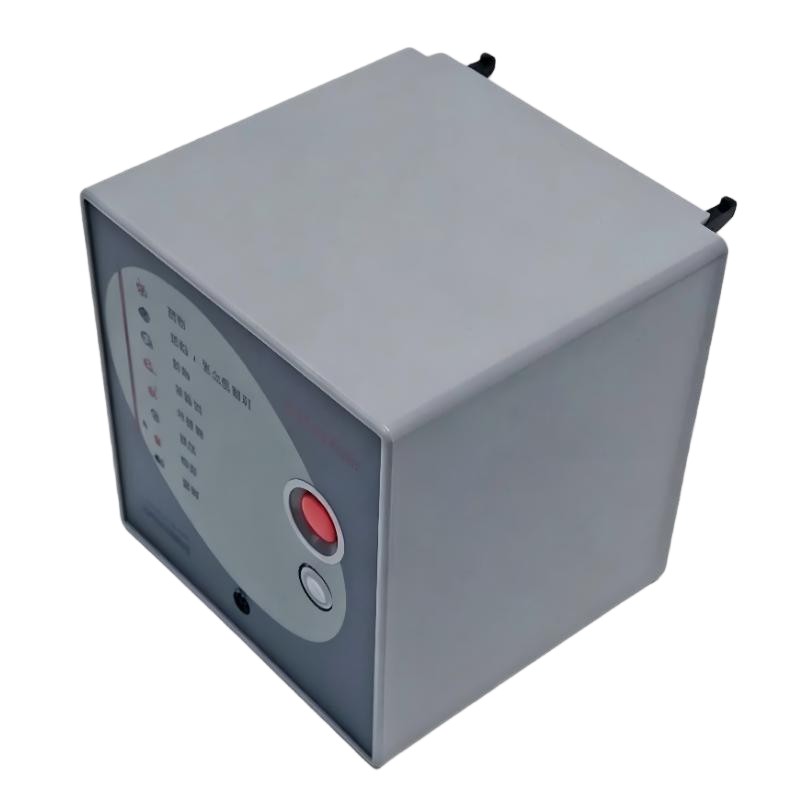
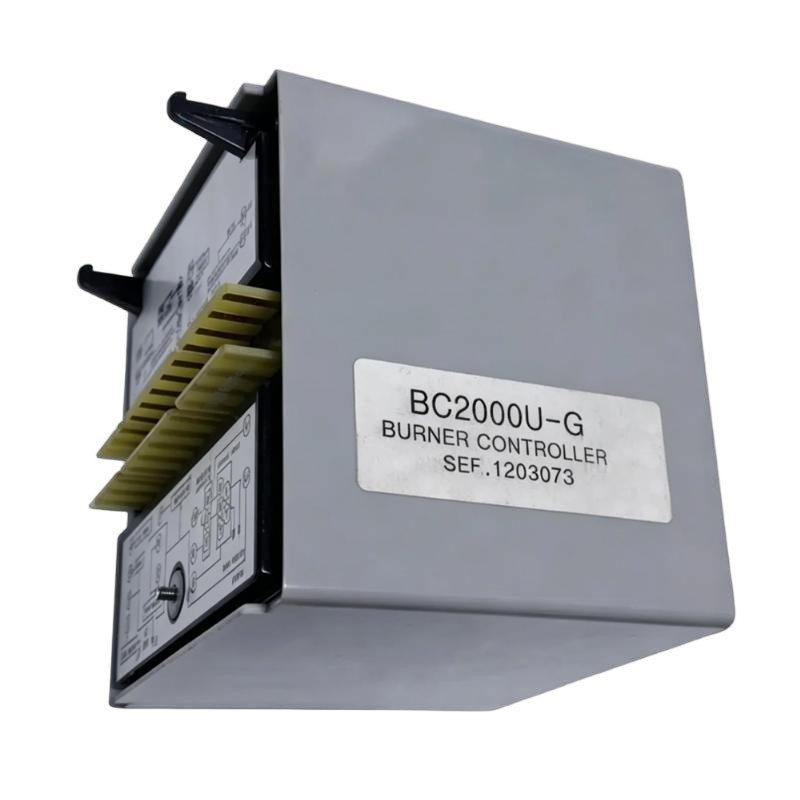
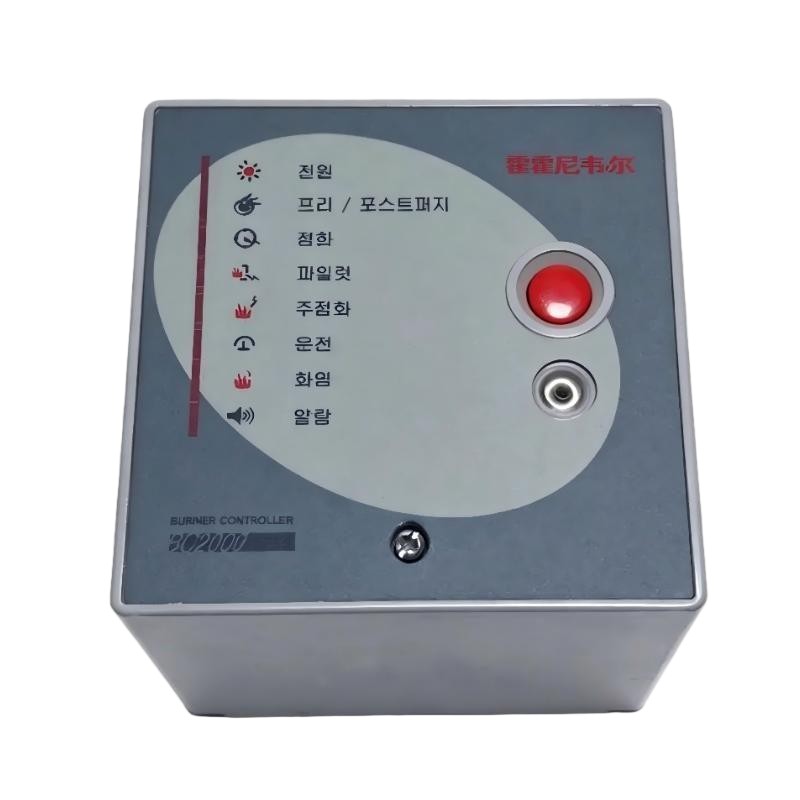
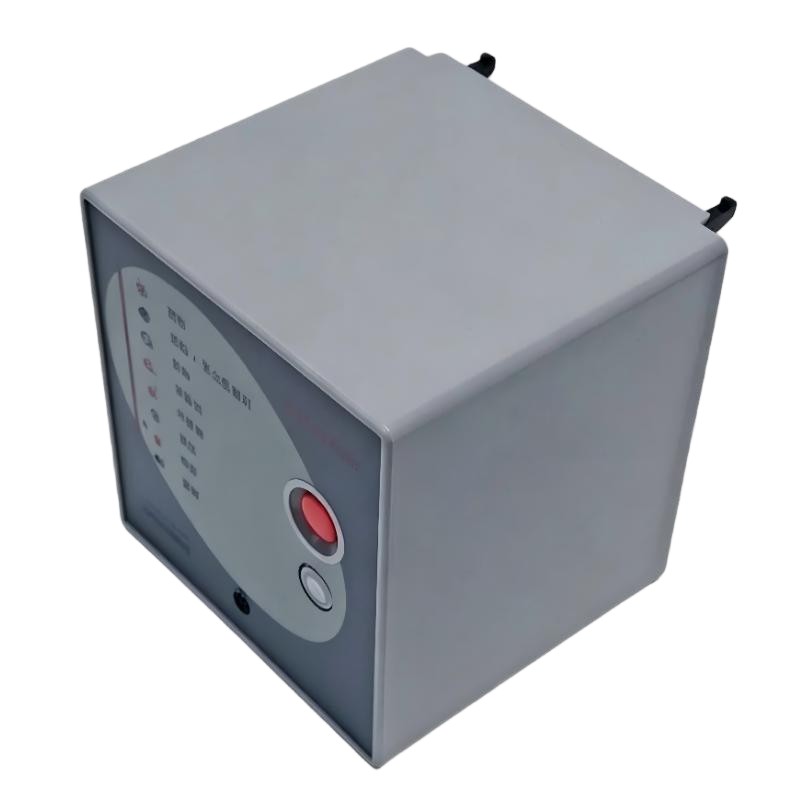
The Honeywell BC2000U-G Burner Controller is a burner management controller used to supervise and control burner operating sequences in combustion equipment. It coordinates essential burner functions such as startup, ignition, flame supervision, normal operation, and shutdown according to the configured combustion-control sequence.
The controller is suited to heating systems where safe and repeatable burner sequencing is required. Typical equipment can include industrial furnaces, boilers, ovens, heaters, and other combustion systems in which fuel and ignition equipment must operate in a controlled sequence.
During a burner start sequence, the controller evaluates the required operating conditions before permitting the ignition sequence to proceed. Flame supervision is then used to determine whether the burner has established and maintained the required flame condition. If an unsafe or abnormal condition is detected, the controller can initiate the appropriate shutdown or lockout response according to the system configuration.
For commissioning and maintenance personnel, the BC2000U-G provides a dedicated control point for investigating burner sequence problems. Troubleshooting normally involves checking the controller together with flame-detection equipment, ignition components, fuel-valve circuits, interlocks, and associated safety devices.
Technical Specifications
| Parameter | Specification |
|---|---|
| Manufacturer | Honeywell |
| Model | BC2000U-G |
| Product Family | BC2000 Series |
| Product Type | Burner Controller |
| Primary Function | Burner sequence control and flame supervision |
| System Role | Combustion safety and burner management |
| Application | Industrial and commercial combustion equipment |
| Dimensions | 124 × 103 × 100 mm |
| Weight | 0.6 kg |
Product Features
- Burner management controller for combustion equipment.
- Controls defined burner startup and shutdown sequences.
- Coordinates ignition and burner operating functions.
- Monitors flame-related operating conditions through the associated flame-detection system.
- Supports interlock-based burner operation.
- Suitable for heating, furnace, boiler, and industrial combustion applications.
- Provides a centralized control point for burner sequence troubleshooting.
- Can be integrated with associated fuel, ignition, flame-sensing, and safety equipment.
Working Principle
The BC2000U-G operates by processing the operating conditions required for a burner sequence and controlling the associated combustion equipment in the configured order. Burner operation is not simply initiated by an on/off command; the required interlocks and operating conditions must be satisfied before the sequence can proceed.
A typical operating sequence can be represented as:
Start Command → Safety Interlocks → Pre-Purge / Preparation → Ignition → Flame Verification → Burner Operation → Shutdown / Lockout
During startup, the controller checks the applicable permissive conditions before allowing the ignition and fuel-control stages to proceed. Once ignition occurs, the flame-monitoring circuit provides feedback used to determine whether the burner has established the required flame condition.
If the expected flame condition is not detected or a configured safety condition is lost, the controller responds according to the burner-control sequence. This prevents the combustion process from continuing when the required operating conditions are not satisfied.
Role in a Honeywell Burner Management Architecture
The BC2000U-G acts as the sequence-control element between burner operating commands, safety interlocks, flame detection, and the associated combustion hardware.
Operator / Process Demand → BC2000U-G → Ignition & Fuel Control → Burner → Flame Detection → BC2000U-G
| System Element | Function |
|---|---|
| Operator / Process Control | Provides burner demand or operating command |
| Safety Interlocks | Confirms required operating conditions |
| BC2000U-G | Executes the configured burner sequence |
| Ignition System | Establishes the initial ignition condition |
| Fuel Valve / Control | Controls fuel delivery to the burner |
| Flame Detector | Provides flame-status feedback |
| Burner | Performs the combustion process |
| Alarm / Safety System | Reports abnormal conditions and configured faults |
The controller therefore works as part of a complete combustion-control chain. Correct operation depends on the interaction between the controller, field inputs, ignition equipment, fuel-control devices, and flame-detection system.
Industrial Applications
| Application | Typical Use |
|---|---|
| Industrial Furnaces | Burner sequencing and combustion supervision |
| Boilers | Burner startup, flame monitoring, and shutdown |
| Industrial Ovens | Controlled ignition and burner operation |
| Process Heaters | Burner management and operating-condition monitoring |
| Heating Equipment | Automated burner sequence control |
| Commercial Heating | Burner ignition and flame supervision |
| Combustion Systems | Interlock-based fuel and ignition control |
Installation and Maintenance
- Confirm that the BC2000U-G is suitable for the intended burner and combustion-control application.
- Isolate the relevant electrical and fuel-control circuits before installation or maintenance.
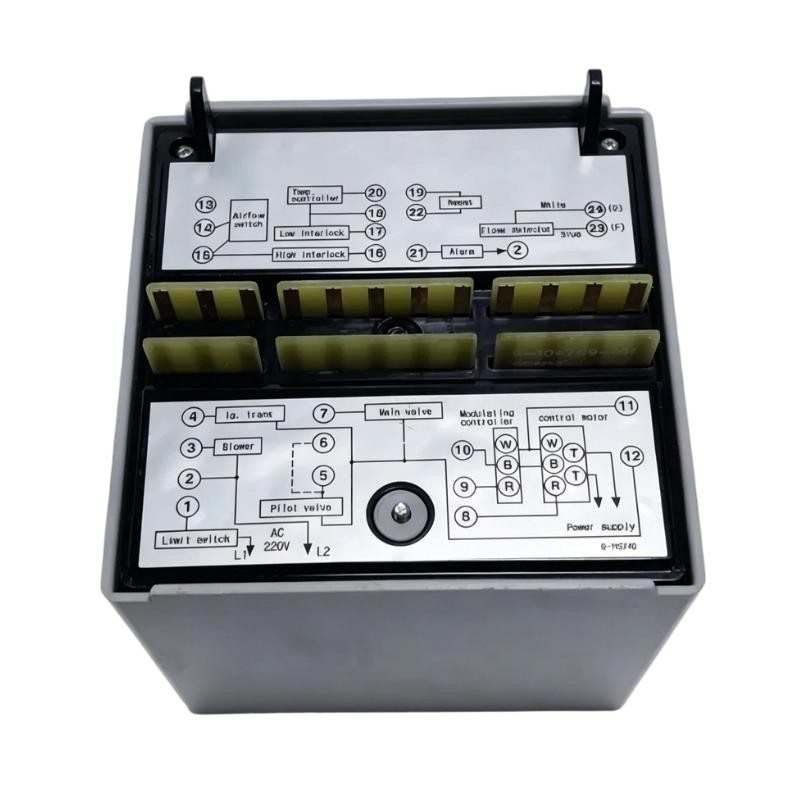
- Verify the controller wiring against the approved burner-control schematic.
- Check all safety interlock connections before commissioning the burner.
- Verify the wiring and condition of the flame-detection circuit.
- Inspect ignition-system connections and associated ignition components.
- Check fuel-valve and burner-control wiring for correct termination.
- Confirm that required permissive and safety conditions are available before initiating a burner sequence.
- Test the startup sequence under controlled commissioning conditions.
- Verify that flame establishment is correctly recognized by the control system.
- Investigate repeated lockouts by checking the sequence, interlocks, flame signal, ignition system, and fuel-control circuit rather than replacing the controller immediately.
- After replacement or maintenance, perform a complete burner functional and safety test before returning the combustion equipment to normal operation.
Compatible System Components
| Component | Function |
|---|---|
| Honeywell BC2000U-G | Executes burner sequence and management functions |
| Flame Detector | Detects and reports burner flame condition |
| Ignition Transformer | Generates the ignition energy required by the burner |
| Ignition Electrodes | Establishes the ignition spark |
| Fuel Solenoid Valve | Controls fuel delivery during the burner sequence |
| Safety Interlocks | Prevents burner operation under unsafe conditions |
| Burner Assembly | Performs the combustion process |
| Alarm / Indication Circuit | Reports burner faults and operating conditions |
Recommended Related Models
| Model / Product Family | Product Type | Typical Application |
|---|---|---|
| Honeywell BC2000 Series | Burner Controller | Burner sequencing and combustion control |
| Honeywell Burner Controllers | Combustion Controller | Industrial burner management |
| Honeywell Flame Safeguards | Flame Safety Controller | Flame monitoring and burner safety |
| Honeywell Flame Detectors | Flame Detector | Flame presence and failure detection |
| Honeywell Ignition Controls | Ignition Control | Burner ignition management |
| Honeywell Combustion Controls | Combustion Control | Furnace, boiler, and heating applications |
Key Advantages
- Combines burner sequencing and combustion-management functions in a dedicated controller.
- Coordinates ignition, flame supervision, interlocks, and burner shutdown.
- Supports structured burner startup and operating sequences.
- Helps isolate burner-control faults by separating sequence logic from individual field devices.
- Suitable for combustion equipment where controlled burner operation and flame supervision are required.
- Integrates with the major field components used in a burner management circuit.
Technical FAQs
What happens if the BC2000U-G receives a burner start command but the sequence does not proceed?
The start command alone may not be sufficient to initiate burner operation. Safety interlocks, permissive conditions, ignition circuits, fuel-control equipment, and other required inputs should be checked to determine which condition is preventing the sequence from advancing.
Why can a flame detector cause repeated burner lockouts even when the controller is functioning correctly?
The controller relies on the flame-detection circuit to confirm the required flame condition. A weak or unstable flame signal, incorrect detector installation, contamination, wiring problems, or an actual ignition or combustion problem can therefore result in a shutdown even when the controller itself is operating normally.
What should be checked after replacing a BC2000U-G?
The replacement should first be verified against the approved burner-control configuration and wiring. The complete startup sequence, interlocks, ignition operation, flame detection, fuel control, shutdown, and fault response should then be tested under controlled conditions.
How can a burner-control fault be distinguished from a fuel or ignition problem?
Observe the point at which the burner sequence stops. If the controller is issuing the expected control output but ignition or flame establishment does not occur, the ignition equipment, fuel supply, valve circuit, burner hardware, or flame-detection system should be investigated before assuming the controller has failed.