Intelligent Grid Technologies and Digital Automation Help Utilities Improve Reliability and Energy Efficiency
The global energy industry is undergoing a significant transformation as electrification, renewable energy integration and digital technologies reshape the way electricity is generated, transmitted and managed. GE Vernova is continuing to expand its digital energy portfolio, helping utilities and industrial customers build more intelligent, resilient and efficient power systems.
Growing electricity demand from advanced manufacturing, electric transportation and AI-powered data centers is placing unprecedented pressure on existing power infrastructure. Utilities are investing in modern grid technologies capable of improving operational visibility while supporting a more flexible and reliable energy network.
One of the most important developments is the increased adoption of digital grid management. Modern power systems now rely on advanced software platforms that continuously collect and analyze operational data from substations, transmission networks and generation facilities. By providing real-time system visibility, operators can identify potential issues earlier and respond more effectively to changing grid conditions.
Artificial intelligence is becoming an increasingly valuable tool in power system operations. AI-assisted analytics can evaluate large volumes of operational data, forecast electricity demand and recommend actions that improve system stability. Intelligent software also helps engineers optimize maintenance schedules, reduce equipment failures and improve overall asset utilization across complex electrical networks. GE Vernova continues to expand AI-enabled software designed to automate workflows and improve grid operations and energy management.
Digitalization is also transforming power generation facilities. Modern gas turbines, generators and renewable energy assets are increasingly connected through intelligent monitoring systems that continuously evaluate equipment health and operating performance. Predictive maintenance strategies allow operators to identify developing mechanical issues before they result in unplanned outages, improving equipment availability while reducing maintenance costs.
Another major trend is the modernization of transmission and distribution infrastructure. Utilities are deploying intelligent monitoring devices, digital substations and advanced control technologies that improve fault detection and accelerate service restoration following network disturbances. These investments support higher grid reliability while preparing electrical systems for increased renewable energy integration.
The rapid expansion of AI data centers is creating new challenges for electricity providers. Large-scale computing facilities require stable, high-quality power while placing greater demand on transmission infrastructure. Energy companies are therefore investing in technologies that improve grid flexibility, increase generation capacity and strengthen electrical resilience. GE Vernova has highlighted growing investment in power infrastructure and new digital solutions designed to support expanding AI-related electricity demand.
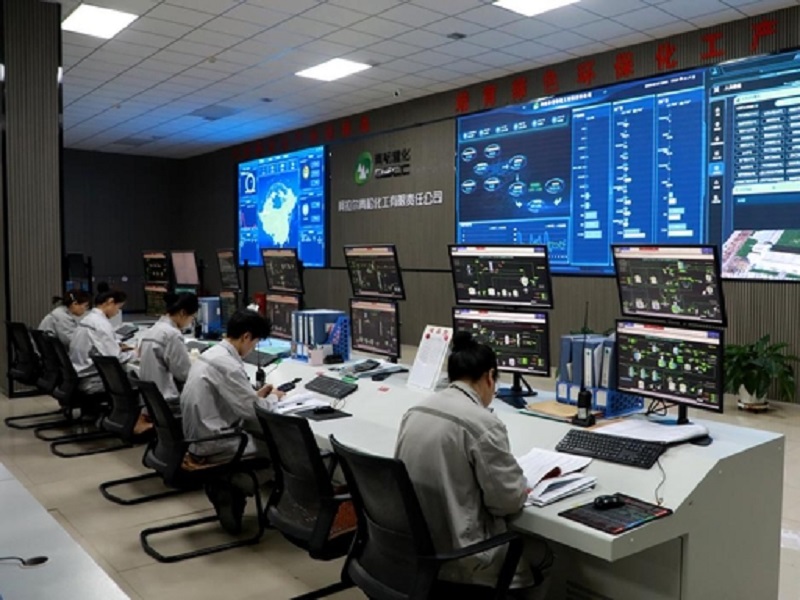
Remote operation is becoming another important capability for utilities. Engineers can supervise substations, monitor generation assets and analyze operational performance from centralized control centers. Digital monitoring reduces response times during abnormal operating conditions while improving coordination across geographically distributed power networks.
Cybersecurity remains a critical priority as power systems become increasingly connected. Utilities are strengthening network protection, secure communication protocols and access management to safeguard critical infrastructure while maintaining continuous and reliable electricity delivery.
Sustainability continues to influence long-term investment strategies. Intelligent automation allows utilities to optimize generation resources, improve transmission efficiency and reduce unnecessary energy losses. Combined with advanced analytics, these technologies help operators balance reliability, affordability and environmental objectives more effectively.
Looking ahead, digital energy management, intelligent automation and AI-driven operational analytics will continue to shape the future of the global power industry. Utilities that invest in connected infrastructure and advanced digital technologies will be better positioned to improve reliability, support growing electricity demand and accelerate the transition toward more efficient and sustainable energy systems.
As energy networks continue to evolve, GE Vernova’s focus on digital innovation, intelligent grid management and predictive asset performance demonstrates the industry’s commitment to building a smarter, more resilient and future-ready power infrastructure.