
NewsNEWCENTER
Featured products
Contact Us
Emerson Accelerates AI-Powered Automation to Shape the Future of Industrial Manufacturing
2026-09-03Intelligent Software and Advanced Process Control Drive Higher Productivity Across Global Industries
Industrial automation is entering a new stage of development as manufacturers adopt artificial intelligence, intelligent software and connected control systems to improve production efficiency. Emerson is strengthening its position in this transformation by expanding AI-enabled automation technologies that help industrial facilities optimize operations, reduce maintenance costs and improve equipment reliability. Recent company developments also reflect Emerson’s continued investment in AI leadership and software-focused automation.
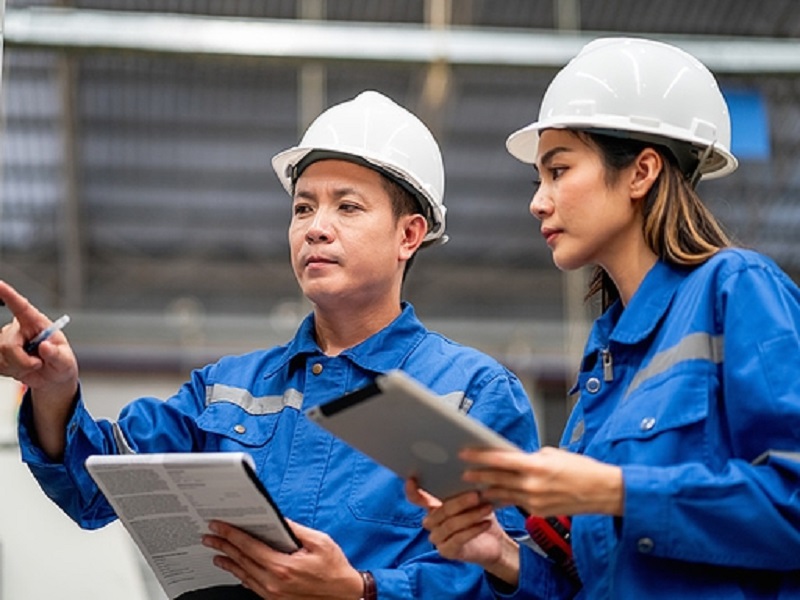
Across industries including oil and gas, chemicals, power generation, pharmaceuticals and life sciences, manufacturers are modernizing production facilities to meet increasing demands for efficiency, sustainability and operational flexibility. Traditional automation systems are evolving into intelligent platforms capable of collecting, analyzing and acting upon large volumes of operational data in real time.
One of the most significant developments is the growing use of AI-assisted process optimization. Modern automation platforms continuously analyze production data from sensors, transmitters, controllers and field devices to identify opportunities for improving process stability and equipment performance. Engineers can use these insights to optimize production parameters while maintaining consistent product quality.
Distributed control systems remain the foundation of many industrial operations, but today’s control platforms are becoming increasingly software-centric. Integrated engineering tools, advanced visualization systems and intelligent analytics enable operators to monitor complex production processes more efficiently while reducing manual intervention during routine operations.
Predictive maintenance continues to gain momentum across industrial facilities. By monitoring equipment conditions such as vibration, temperature, pressure and flow, intelligent diagnostic systems can identify developing mechanical or process issues before they result in unplanned shutdowns. This maintenance strategy reduces emergency repairs, extends equipment life and improves overall plant availability.
Another major trend is the integration of operational technology with enterprise digital platforms. Production information can now be shared across engineering, maintenance and management teams, providing better visibility into plant performance. Real-time reporting supports faster decision-making and enables organizations to respond more quickly to changing production requirements.
Industrial cybersecurity has also become a critical priority. As factories deploy more connected devices and cloud-enabled applications, manufacturers are implementing stronger network segmentation, user authentication, secure remote access and comprehensive backup strategies to protect automation systems while ensuring continuous production.
Sustainability is influencing automation investments as well. Intelligent control algorithms help optimize energy consumption, reduce process variability and minimize waste generation. Manufacturers are increasingly adopting digital technologies that support both operational efficiency and environmental performance without compromising production capacity.
Remote operations continue to expand across industrial facilities. Engineers can supervise production systems, review alarm histories and analyze equipment performance from centralized operation centers or remote engineering locations. This capability improves maintenance response times and allows technical expertise to be shared across multiple production sites.
Flexible automation architectures are becoming increasingly important for future expansion. Modular hardware, scalable software platforms and standardized communication protocols make it easier for manufacturers to integrate new production lines, upgrade existing equipment and introduce advanced digital technologies with minimal disruption.
Looking ahead, artificial intelligence, software-defined automation and intelligent process optimization are expected to become even more important as industrial digitalization accelerates. Companies investing in these technologies will be better positioned to improve productivity, strengthen operational resilience and remain competitive in rapidly changing global markets. Emerson has also emphasized a strategy centered on software-defined, data-centric automation and autonomous operations for the coming years.