

ProductPRODUCT
Featured products

Contact Us
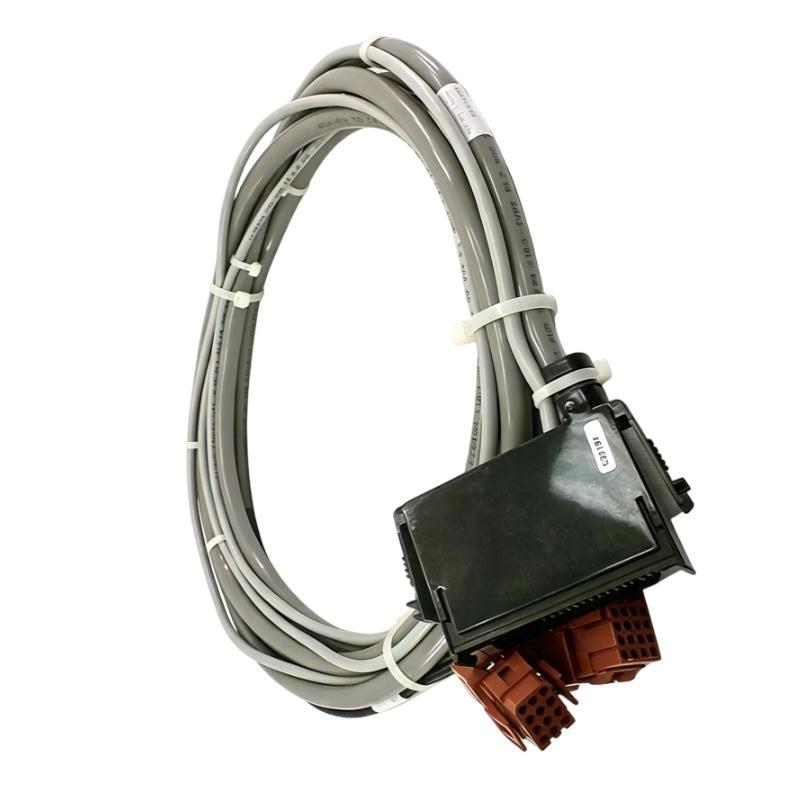
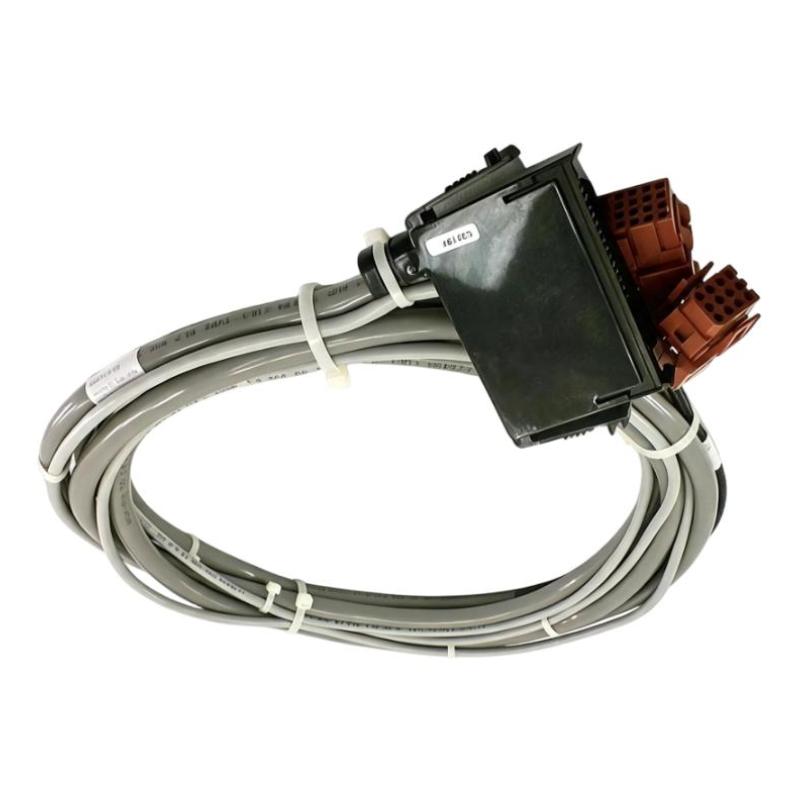
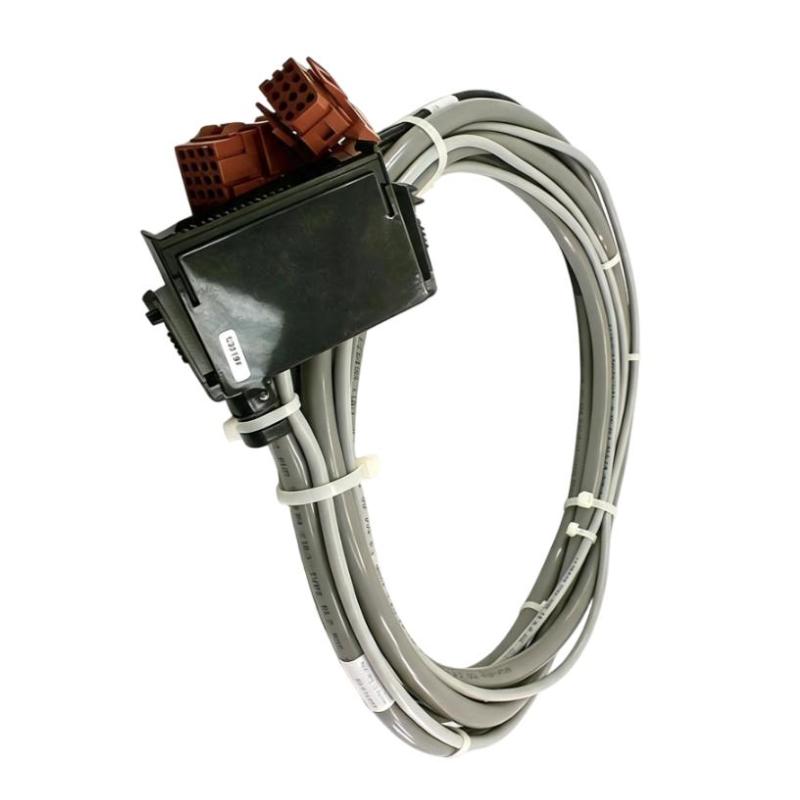
- ABB Bailey
- NKST11-30
- SOE Time Synchronization Cable
- Sweden (SE)
- 30 feet
- 3 kg
- Xiamen, China
- New & In Stock
- T/T, PayPal, Western Union
- 1 Year
- 1-3 Working Days
- DHL, UPS, TNT, FedEx and EMS.
- 24-Hour Service
- COO
- 65
Our advantage

Global Logistics
We have a 10-year logistics and express cooperation agreement, so our products can be shipped to any place in the world.

Brand new and original
Our products are imported in bulk from the place of origin. Because of the cooperative relationship, our products are all original and 100% new.

24-hour service
We provide 7*24 hours service to our customers. We will be there whenever you need us.

Price advantage
All our products are priced very favorably because we have our own warehouse and supply.
| Company Information | |||
| [email protected] | |||
| Mobile | +8615980777398 | ||
| +8615980777398 | |||
| 15980777398 |
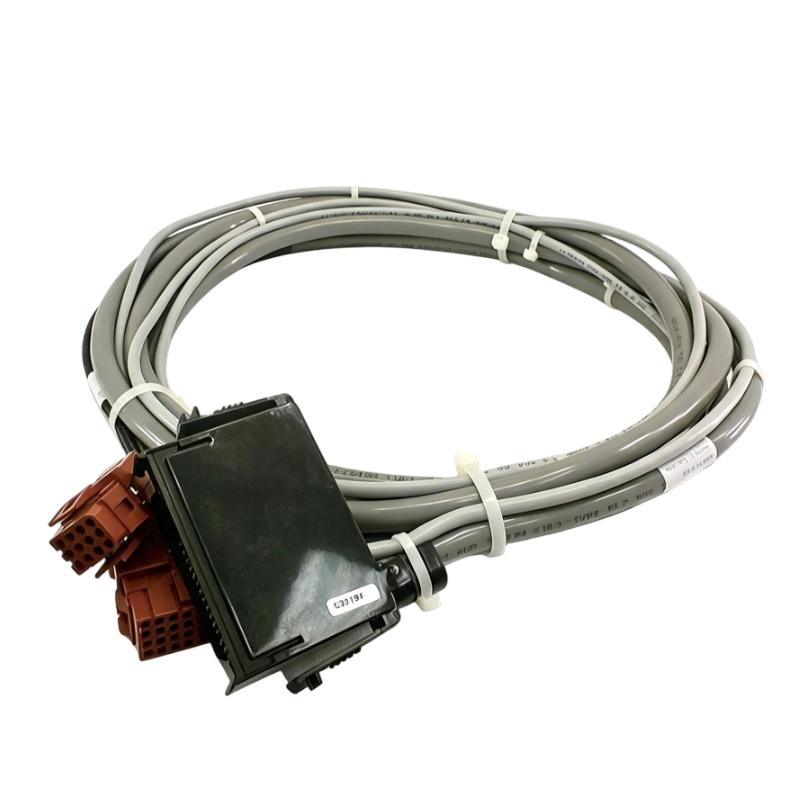
Product Overview
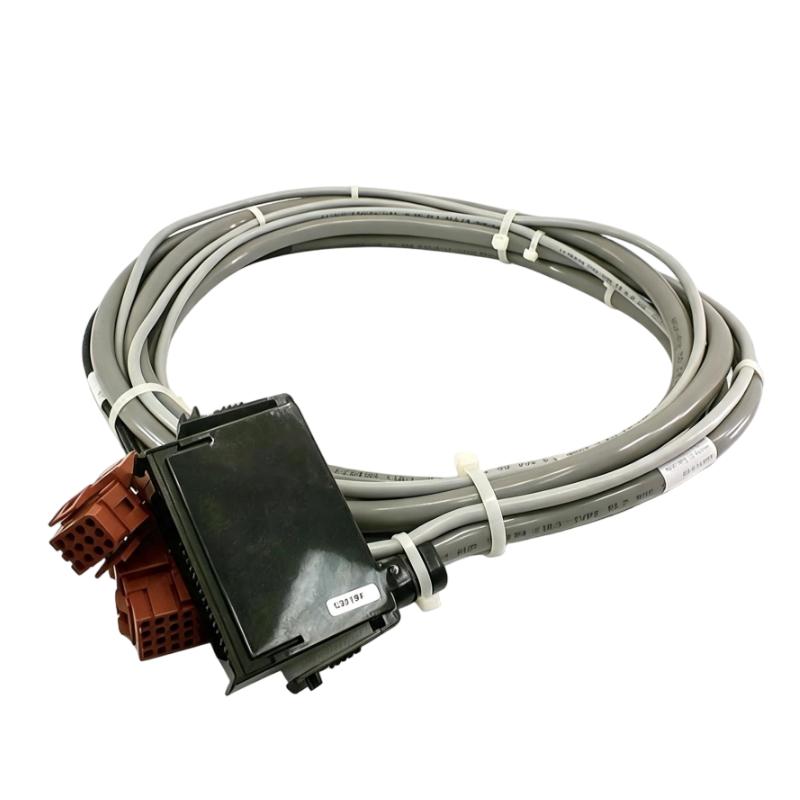
The ABB Bailey NKST11-30 INFI 90 SOE Time Synchronization Cable is a dedicated cable used in ABB Bailey INFI 90 control-system installations for SOE time synchronization.
Sequence of Events (SOE) systems depend on accurate time information so that events generated at different points in a control system can be placed on a common chronological timeline. The NKST11-30 provides the physical cable connection required for the associated time-synchronization arrangement.
The NKST11-30 belongs to the NKST11 cable family and uses a 30-foot cable length. It is relevant to INFI 90 system installations where synchronized event recording is required for operational monitoring, alarm analysis, and fault investigation.
The cable is a passive connection component rather than an active electronic processing device. Its function is to establish the required physical path for the synchronization signal within the applicable INFI 90 architecture.
Technical Specifications
| Parameter | Specification |
|---|---|
| Manufacturer / System | ABB Bailey |
| Model | NKST11-30 |
| Product Family | INFI 90 |
| Product Type | SOE Time Synchronization Cable |
| Application | Sequence of Events Time Synchronization |
| Cable Length | 30 feet |
| Shipping Weight | 3 kg |
Product Features
- ABB Bailey INFI 90 SOE Time Synchronization Cable
- Model NKST11-30
- 30-foot cable length
- Intended for time synchronization applications
- Supports Sequence of Events system architecture
- Provides the physical connection for synchronization signals
- Suitable for INFI 90 control-system installations
- Passive cable component with no independent control logic
- Applicable to system maintenance and replacement
- Supports event-time correlation within an SOE environment
Working Principle
The NKST11-30 carries the synchronization signal between the relevant points of the INFI 90 SOE system.
A simplified arrangement is:
Time Reference → Synchronization Interface → NKST11-30 → SOE System → Event Timestamping
The synchronization signal establishes a common time reference for equipment participating in SOE recording.
When a field or control-system event occurs, the SOE system can associate that event with the synchronized system time. Events from different points can then be arranged chronologically for analysis.
This function is especially useful when several alarms or equipment changes occur within a short period and the sequence of those events needs to be determined accurately.
Role in an INFI 90 SOE System
The cable belongs to the physical signal-connection layer of the SOE architecture.
| System Element | Function |
|---|---|
| Time Reference | Provides the synchronization reference |
| Synchronization Interface | Distributes the timing information |
| NKST11-30 | Carries the synchronization connection |
| INFI 90 System | Processes control-system information |
| SOE Function | Records events in chronological order |
| Event Sources | Generate equipment and process events |
| Operator Interface | Displays event information |
Accurate time synchronization allows events originating from different parts of the control system to be compared against the same time reference.
SOE Event Analysis
Time synchronization is particularly useful when multiple events occur during a disturbance.
| Event Information | Use |
|---|---|
| Event Time | Establishes when an event occurred |
| Event Sequence | Shows the order of multiple events |
| Alarm Status | Identifies equipment conditions |
| Equipment State | Indicates operating changes |
| Time Correlation | Links events from different system points |
| Historical Record | Supports post-event analysis |
For example, an equipment trip followed by several alarm changes can be examined according to their synchronized timestamps rather than simply the order in which alarms appeared on an operator display.
Industrial Applications
| Application | Typical Use |
|---|---|
| Power Generation | SOE event recording |
| Thermal Power Plants | Trip and alarm analysis |
| Turbine Control | Event sequence monitoring |
| Boiler Control | Chronological event analysis |
| Process Automation | Time-correlated alarms |
| Industrial Utilities | Control-system event recording |
| Plant Automation | System-wide event correlation |
| INFI 90 Maintenance | Synchronization cable replacement |
Installation and Maintenance
- Verify the complete NKST11-30 model.
- Confirm the required cable length.
- Identify both connection points before removal.
- Review the existing SOE synchronization arrangement.
- Isolate the applicable equipment when required by the maintenance procedure.
- Inspect connectors for damage or contamination.
- Check the cable for cuts, excessive bending, or mechanical damage.
- Verify that the cable routing does not place unnecessary mechanical stress on the connectors.
- Install the replacement cable using the correct connection points.
- Confirm secure connector engagement.
- Restore the applicable system connections.
- Check synchronization status.
- Verify that SOE equipment receives the expected time reference.
- Monitor event timestamps after restoration.
- Confirm chronological consistency between multiple event sources.
A synchronization problem can originate from the time-reference source, interface hardware, cable connection, or receiving equipment. The complete timing path should be checked when SOE timestamps become inconsistent.
Compatible System Components
| Component | Function |
|---|---|
| ABB Bailey NKST11-30 | SOE Time Synchronization Cable |
| INFI 90 SOE Hardware | Sequence-of-events recording |
| Time Synchronization Equipment | Provides system time reference |
| Synchronization Interface | Distributes timing information |
| Event Input Hardware | Captures process events |
| INFI 90 Controllers | Control-system processing |
| Operator Interface | Displays event and alarm information |
Recommended Related Models
| Model / Product Family | Product Type | Typical Application |
|---|---|---|
| ABB Bailey NKST11-30 | INFI 90 SOE Time Synchronization Cable | 30-foot synchronization connection |
| ABB Bailey NKST11-10 | INFI 90 SOE Time Synchronization Cable | 10-foot synchronization connection |
| ABB Bailey NKST11-15 | INFI 90 SOE Time Synchronization Cable | 15-foot synchronization connection |
| ABB Bailey NKST11-20 | INFI 90 SOE Time Synchronization Cable | 20-foot synchronization connection |
| ABB Bailey NKST11 | INFI 90 SOE Time Synchronization Cable | Optional-length configuration |
| ABB Bailey NKST01-10 | INFI 90 SOE Time Synchronization Cable | SOE synchronization |
| ABB Bailey INFI 90 SOE Hardware | SOE System Components | Event recording |
Key Advantages
- ABB Bailey INFI 90 SOE Time Synchronization Cable.
- Model NKST11-30.
- 30-foot cable length.
- Supports synchronized Sequence of Events applications.
- Provides the physical path for time-reference signals.
- Helps maintain a common timing reference across the SOE system.
- Supports chronological event analysis.
- Suitable for alarm, trip, and disturbance investigation.
- Applicable to INFI 90 maintenance and replacement work.
Technical FAQs
Why is time synchronization important for SOE recording?
SOE analysis depends on knowing the relative timing of events. A common time reference allows events from different system points to be placed in the correct chronological relationship.
What is the function of the NKST11-30 itself?
The NKST11-30 provides the physical cable connection used for the applicable INFI 90 SOE time-synchronization path. It does not independently generate or process the system time reference.
What symptoms can indicate a problem with the synchronization cable?
Possible indications include missing synchronization status, inconsistent event timestamps, loss of the time reference, or abnormal timing relationships between events recorded by different system points.
How should an SOE synchronization fault be isolated?
Check the time-reference source, synchronization interface, cable connections, and receiving SOE equipment in sequence. Comparing timestamps from multiple event sources can also help determine whether the problem affects the entire synchronization path or a specific system section.