

ProductPRODUCT
Featured products

Contact Us
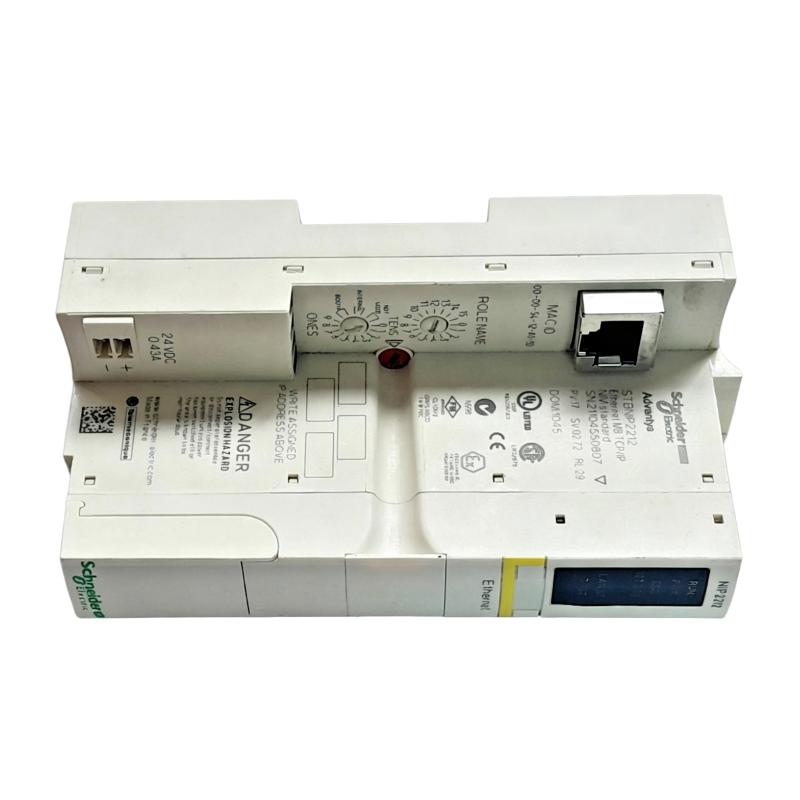
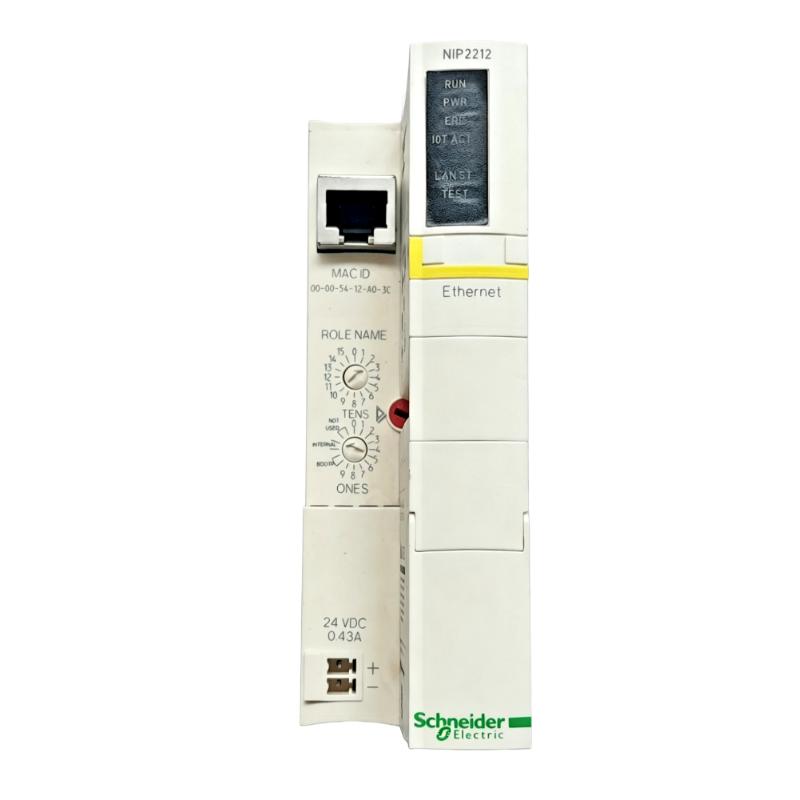
- Schneider
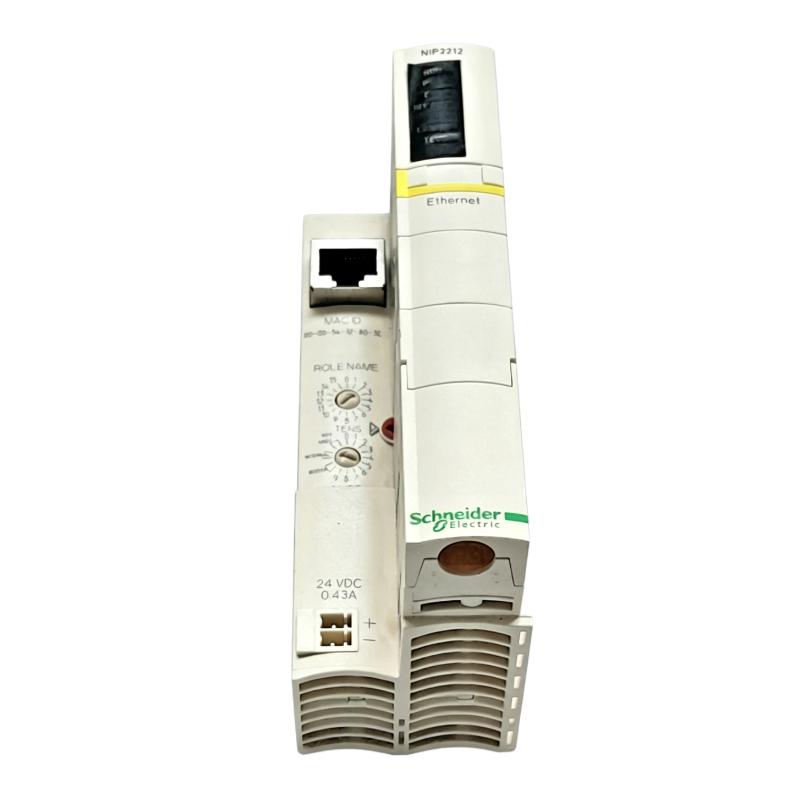
- STBNIC2212
- Network Interface Module
- France
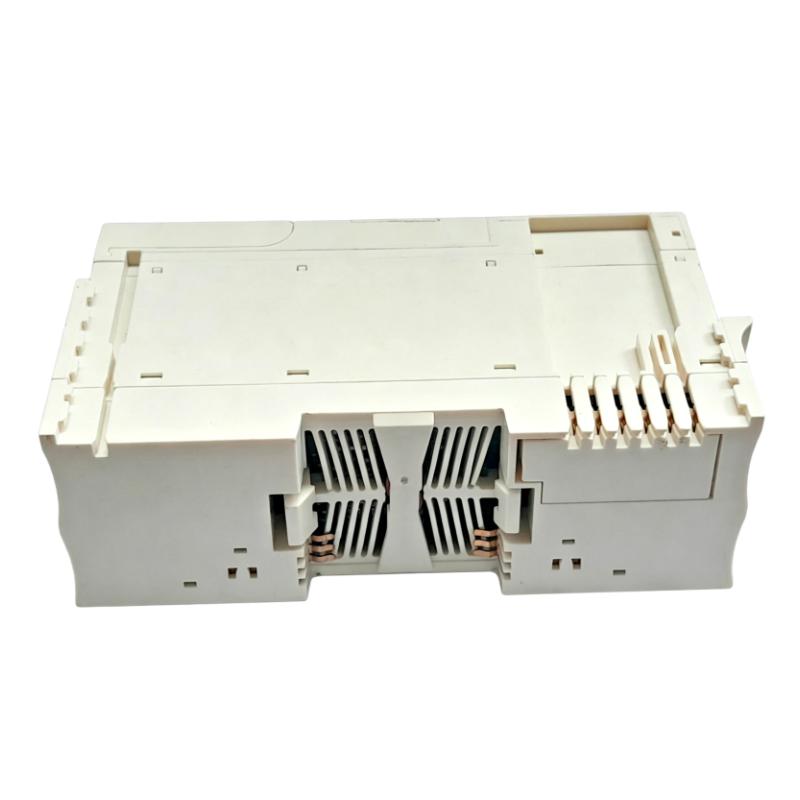
- 128.3 × 18.4 × 70 mm
- 0.145 kg
- Xiamen, China
- New & In Stock
- T/T, PayPal, Western Union
- 1 Year
- 1-3 Working Days
- DHL, UPS, TNT, FedEx and EMS.
- 24-Hour Service
- COO
- 40
Our advantage

Global Logistics
We have a 10-year logistics and express cooperation agreement, so our products can be shipped to any place in the world.

Brand new and original
Our products are imported in bulk from the place of origin. Because of the cooperative relationship, our products are all original and 100% new.

24-hour service
We provide 7*24 hours service to our customers. We will be there whenever you need us.

Price advantage
All our products are priced very favorably because we have our own warehouse and supply.
| Company Information | |||
| [email protected] | |||
| Mobile | +8615980777398 | ||
| +8615980777398 | |||
| 15980777398 |
Product Overview
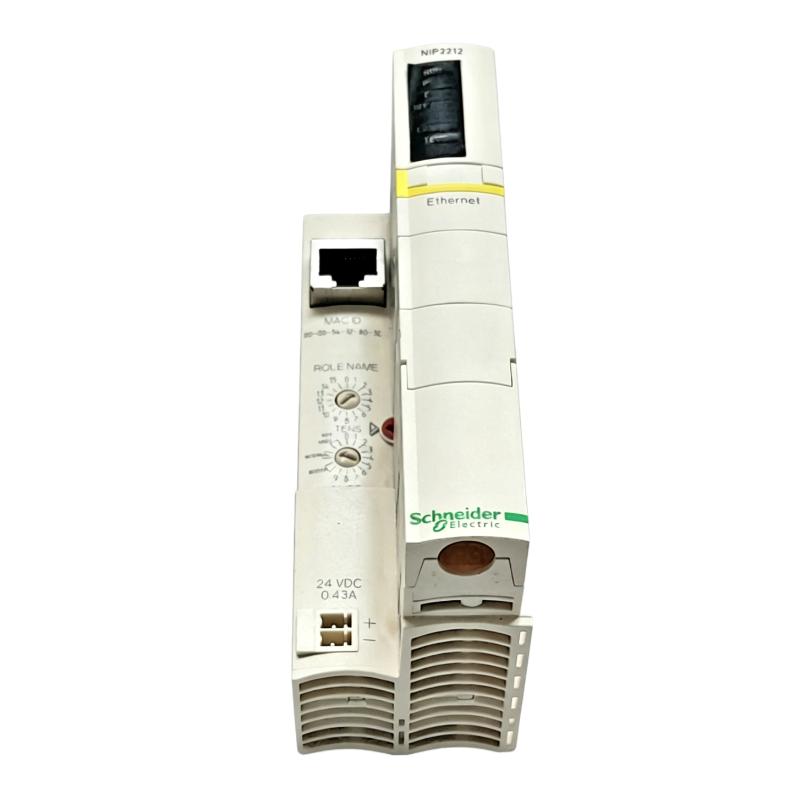
The Schneider STBNIC2212 Modicon STB Network Interface Module is a network interface component used in a Modicon STB distributed I/O island. Its job is to establish the communication path between the STB island and the external control network, allowing the controller to exchange I/O information with the distributed field modules.
In a typical machine, the PLC may be installed inside a main control cabinet while sensors, switches, valves, motors, and other devices are distributed across the machine. The STB architecture allows these field signals to be grouped into a local I/O island instead of routing every individual signal directly back to the PLC cabinet.
The STBNIC2212 sits at the communication boundary of that island. The network side connects toward the controller or automation network, while the STB side communicates with the local I/O modules.
A practical example is a packaging line with several sensors and actuators located around one machine section. An STB island can collect these signals locally, while the network interface module handles the exchange of I/O data between the island and the main PLC.
This also makes the module useful during troubleshooting. If the complete STB island becomes unavailable from the controller while the individual I/O modules appear physically normal, the network interface and its communication path become important points of investigation.
Technical Specifications
| Parameter | Specification |
|---|---|
| Manufacturer | Schneider Electric |
| Model | STBNIC2212 |
| Product Family | Modicon STB |
| Product Type | Network Interface Module |
| System Role | STB Network Communication Interface |
| Primary Function | Distributed I/O Network Communication |
| Application | Industrial Automation / Distributed I/O |
| Architecture | Modicon STB Distributed I/O |
| Installation | STB I/O Island |
| Dimensions | 128.3 × 18.4 × 70 mm |
| Weight | 0.145 kg |
Product Features
The STBNIC2212 handles the network-facing side of a Modicon STB I/O island.
- Schneider Electric Modicon STB Network Interface Module
- Model STBNIC2212
- Used at the communication boundary of an STB island
- Connects distributed I/O with the external control network
- Supports centralized PLC access to remote I/O
- Suitable for modular machine-control architectures
- Reduces the need for individual field-signal routing to the central PLC
- Works with STB I/O modules within an island architecture
- Useful for distributed machine I/O
- Relevant to STB network-interface replacement and maintenance
The exact network configuration should be checked against the existing controller, network architecture, and STB island configuration.
Working Principle
The STBNIC2212 acts as the communication gateway between the external automation network and the local STB I/O island.
A simplified data path is:
PLC / Controller → Network → STBNIC2212 → STB I/O Modules → Field Devices
The reverse direction follows the same path:
Field Devices → STB I/O Modules → STBNIC2212 → Network → PLC
For example, a proximity sensor may detect a product on a conveyor. The corresponding STB input module acquires the electrical signal. The local STB architecture passes the input information toward the network interface, and the STBNIC2212 transfers the relevant I/O data across the network to the controller.
When the PLC issues an output command, the direction is reversed. The controller sends the required output information through the network interface, the appropriate STB output module receives the command, and the field actuator responds.
The practical signal chain is therefore:
Field Signal → Local I/O → Network Interface → PLC Logic
and for control commands:
PLC Logic → Network Interface → Local I/O → Actuator
This distinction is important when troubleshooting. A field device fault normally affects a particular I/O point, while a network-interface problem can prevent the controller from communicating with a much larger portion of the STB island.
Role in a Modicon STB Distributed I/O Architecture
The STBNIC2212 occupies the network-facing position of the STB island.
A simplified architecture is:
PLC / Controller → Industrial Network → STBNIC2212 → STB Island → Field Devices
| System Element | Function |
|---|---|
| STBNIC2212 | Interfaces the STB island with the external network |
| PLC / Controller | Executes control logic |
| STB Digital Input Modules | Acquire discrete field signals |
| STB Digital Output Modules | Control discrete equipment |
| STB Analog Input Modules | Acquire analog measurements |
| STB Analog Output Modules | Generate analog control signals |
| STB Bus Extension | Expands the local STB island where applicable |
| Field Sensors | Provide process and equipment feedback |
| Actuators | Execute control commands |
| HMI | Displays process and equipment information |
| Industrial Network | Carries controller-to-island data |
The network interface should not be confused with an STB bus extension module. The former connects the island to the external control network, while the latter extends the internal STB architecture.
Distributed I/O Communication in Practice
The main advantage of an STB network interface becomes apparent when field equipment is spread across a machine.
Consider a conveyor and inspection system:
Central PLC → Network → STBNIC2212 → STB Input Modules → Sensors
Sensors can report:
- Product presence
- Conveyor position
- Motor status
- Safety-door status
- Machine-ready conditions
Output modules on the same island can then control:
- Solenoid valves
- Indicator devices
- Contactors
- Pneumatic equipment
- Other discrete actuators
The controller receives the input information and sends output commands through the same distributed architecture.
This arrangement separates field I/O acquisition from the physical location of the main PLC while keeping the I/O available to the control application.
Industrial Applications
| Application | Typical Use |
|---|---|
| Packaging Machinery | Distributed machine I/O communication |
| Conveyor Systems | Remote sensor and actuator management |
| Assembly Lines | Connecting local I/O islands to PLCs |
| Material Handling | Distributed equipment status and control |
| Manufacturing Equipment | Machine-zone I/O communication |
| Automated Inspection | Sensor and actuator data exchange |
| Process Machinery | Localized I/O collection |
| Warehouse Automation | Distributed field-device communication |
The actual application depends on the network protocol, controller, STB modules, and machine architecture.
Installation and Maintenance
Network interface faults can affect the entire STB island, so troubleshooting should begin by determining the extent of the communication problem.
Recommended practices include:
- Confirm the complete STBNIC2212 model.
- Verify the existing STB island architecture.
- Record the network configuration.
- Identify the connected controller or network master.
- Inspect the network cable and connectors.
- Check the module’s diagnostic indicators.
- Verify STB island power conditions.
- Inspect local module connections.
- Determine whether all or only selected I/O points are affected.
- Compare PLC communication status with local STB diagnostics.
- Check for configuration mismatches.
- Inspect the network interface for physical damage.
- Follow the approved electrical isolation procedure before replacement.
- Record network and module settings before removing the unit.
- Install the replacement module correctly.
- Restore the network connection.
- Confirm that the STB island is recognized by the controller.
- Check I/O data exchange.
- Test representative input channels.
- Test representative output channels.
- Verify controller diagnostics.
- Confirm normal machine operation.
If the entire STB island disappears from the controller simultaneously, checking the network path, STBNIC2212, island power, and common configuration is generally more productive than replacing individual I/O modules one by one.
Compatible System Components
The STBNIC2212 operates together with the wider STB distributed I/O architecture.
| Component | Function |
|---|---|
| STBNIC2212 | Network interface for the STB island |
| STB Digital Input Modules | Discrete signal acquisition |
| STB Digital Output Modules | Discrete equipment control |
| STB Analog Input Modules | Process measurement |
| STB Analog Output Modules | Analog control |
| STB Bus Extension Modules | Expansion of the STB island architecture |
| STB Terminal Bases | Module mounting and field connections |
| STB Power Components | Supply the I/O island |
| PLC / Controller | Executes control logic |
| Industrial Network | Transfers I/O information |
| Field Sensors | Generate field signals |
| Actuators | Respond to PLC commands |
The actual component combination should be checked against the existing STB system configuration.
Recommended Related Models
The recommendations below concentrate on STB network interfaces, island expansion, and distributed I/O components, which are more relevant to the STBNIC2212 than unrelated PLC hardware.
| Model / Product Family | Product Type | Typical Application |
|---|---|---|
| Schneider STBNIC2212 | Modicon STB Network Interface Module | STB distributed I/O communication |
| Schneider STBNDP2212 | Modicon STB Network Interface Module | STB network connectivity |
| Schneider STBNIP2212 | Modicon STB Network Interface Module | Ethernet-based STB communication |
| Schneider STBXBE2100K | Modicon STB Bus Extension Module | STB island bus expansion |
| Schneider STBDDI3610 | Modicon STB Digital Input Module | Discrete field signal acquisition |
| Schneider STBDDO3610 | Modicon STB Digital Output Module | Discrete actuator control |
| Schneider STBACI0320 | Modicon STB Analog Input Module | Analog process measurement |
| Schneider STBACO0220 | Modicon STB Analog Output Module | Analog control applications |
Key Advantages
- Schneider Electric Modicon STB Network Interface Module.
- Model STBNIC2212.
- Connects an STB distributed I/O island with the external control network.
- Supports remote I/O communication with the PLC.
- Suitable for distributed machine architectures.
- Allows field I/O to be grouped close to the equipment.
- Useful for STB island expansion and maintenance.
- Suitable for industrial automation and machine-control systems.
Technical FAQs
What is the difference between STBNIC2212 and STBXBE2100K?
The STBNIC2212 handles communication between the STB island and the external automation network. The STBXBE2100K serves a different purpose by extending the internal STB bus to another I/O section. One is network-facing; the other is associated with island expansion.
What does it mean if all STB I/O data disappears from the PLC at once?
A complete loss of island communication suggests checking common elements first. The network connection, STBNIC2212, island power, controller configuration, and communication settings should be investigated before assuming that several individual I/O modules have failed simultaneously.
Why is the network interface important in a distributed I/O installation?
The network interface forms the communication boundary between the local I/O island and the PLC. Without the required network communication, correctly functioning local input and output modules may no longer be accessible to the controller application.
What should be verified after replacing an STBNIC2212?
First confirm that the network interface starts normally and that the STB island is recognized by the controller. Then check actual I/O data exchange by testing representative inputs and outputs. Communication diagnostics and machine-level functions should also be verified before returning the system to normal operation.