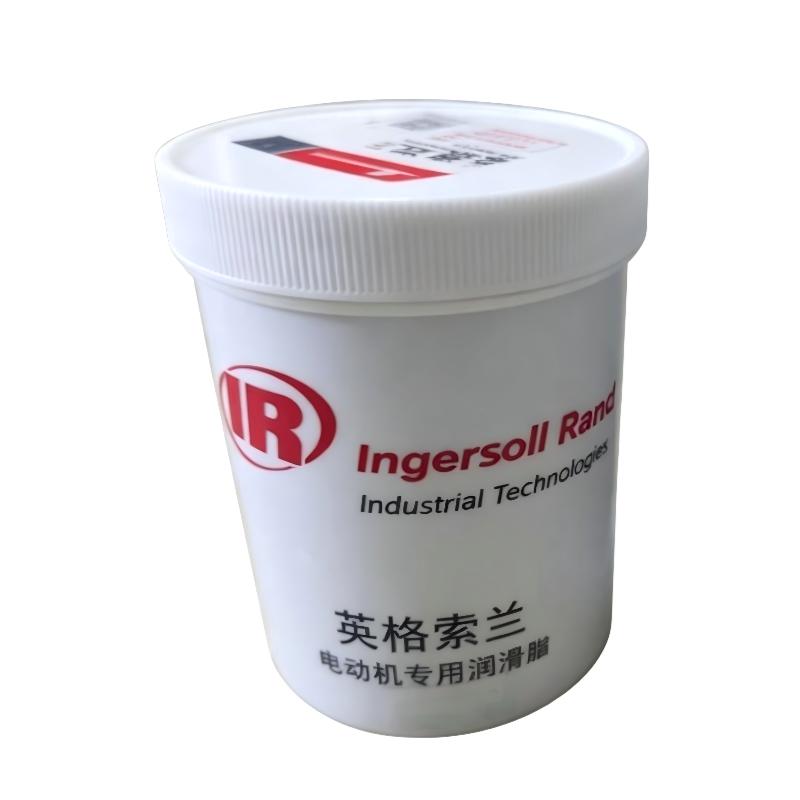
Product Overview
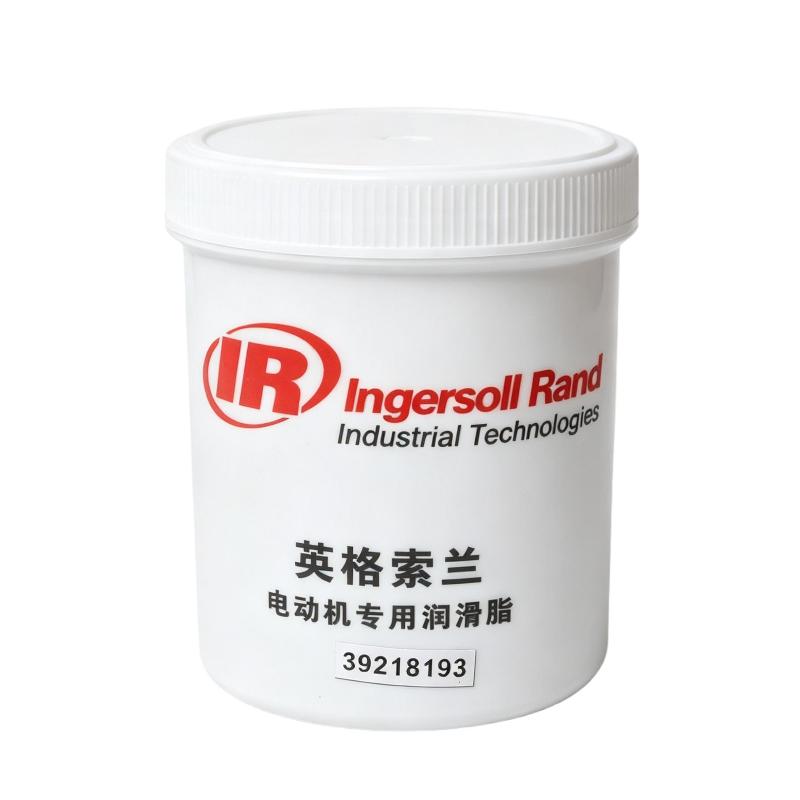
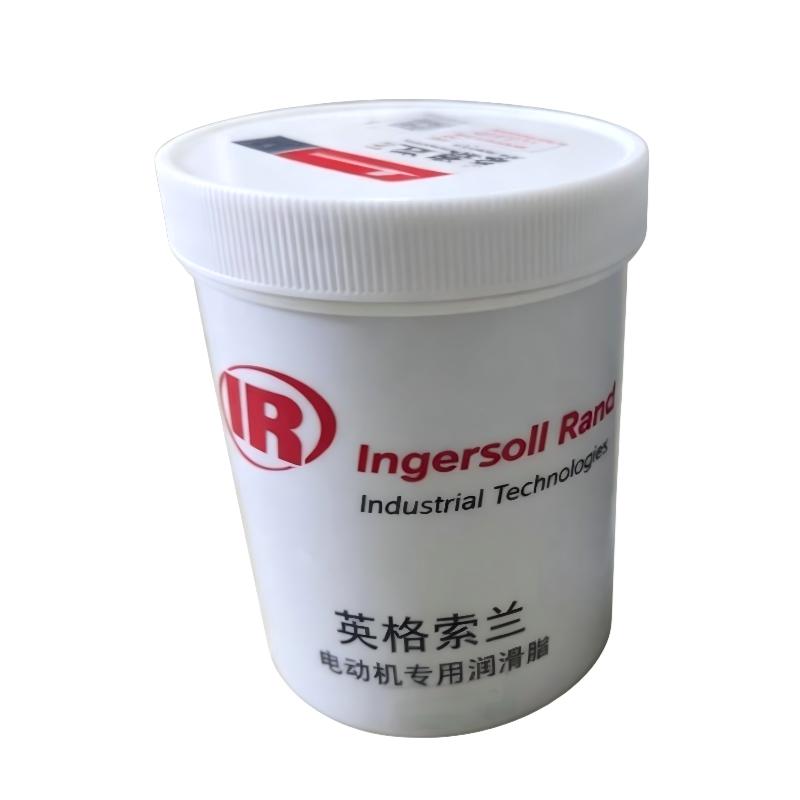
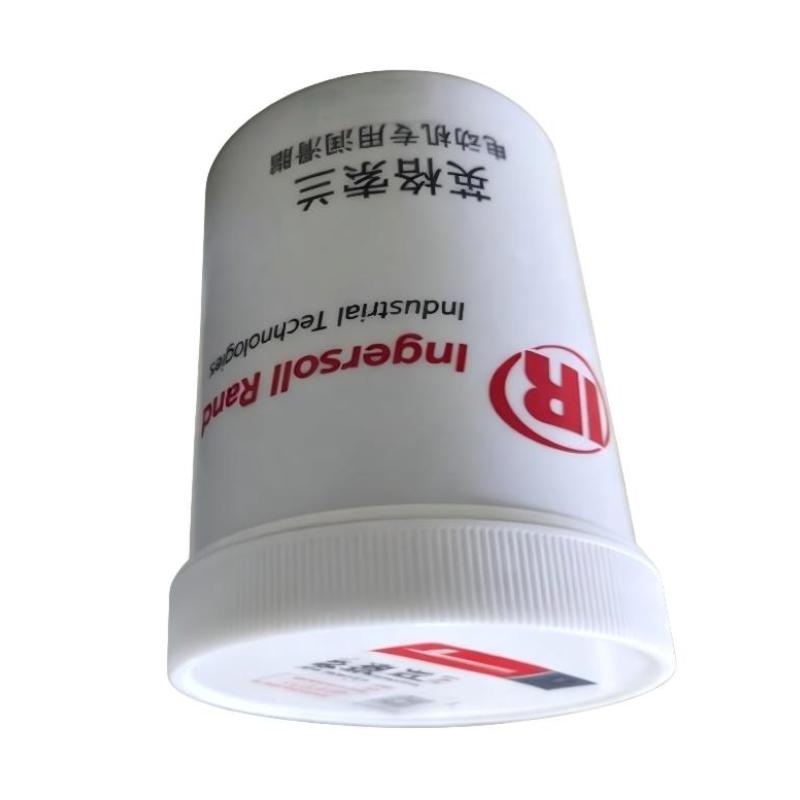
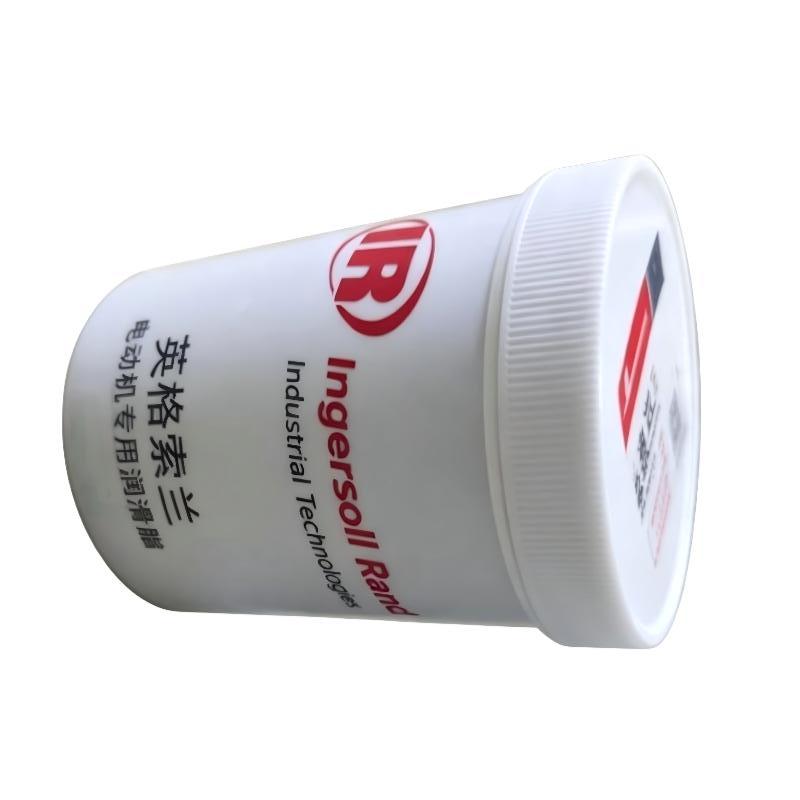
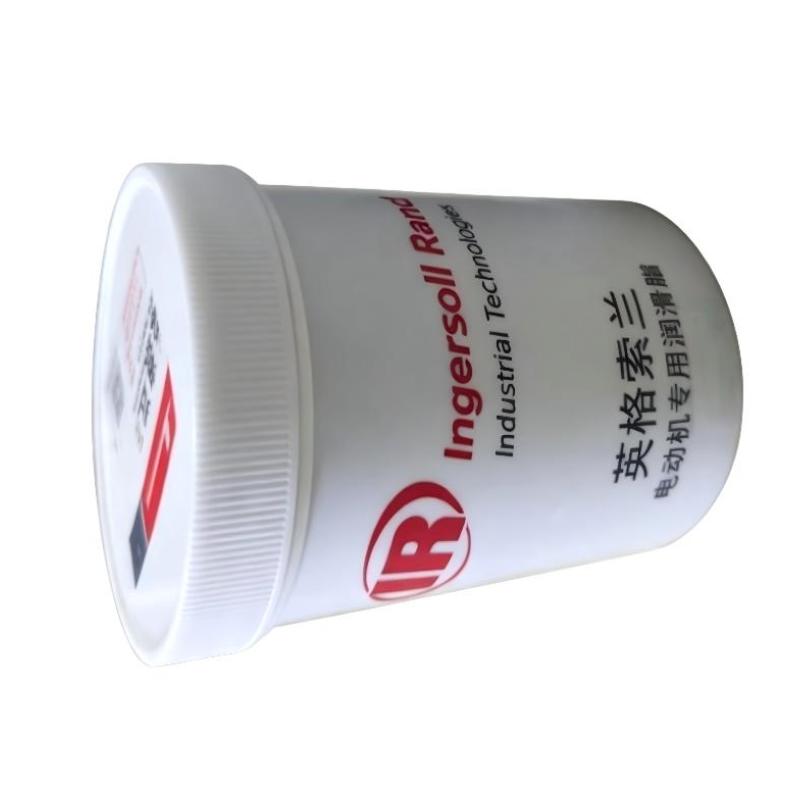
The Ingersoll Rand 47588694001 / 38034914 Motor Bearing Grease is a maintenance lubricant intended for compatible motor bearing and rotating-equipment applications. Bearing grease plays an important role in protecting rolling and rotating components by reducing friction, limiting wear, assisting heat dissipation, and helping protect bearing surfaces from contamination and corrosion.
For industrial air compressors and related motor-driven equipment, correct bearing lubrication is essential. Inadequate or degraded grease can contribute to increased friction, elevated bearing temperature, vibration, noise, and premature bearing failure.
The product has stated dimensions of 180 × 35 × 100 mm and a weight of 0.41 kg, making it a compact maintenance consumable suitable for industrial service operations.
Technical Specifications
Function and Working Principle
Motor bearing grease creates a lubricating film between contacting bearing surfaces.
A simplified lubrication process is:
Grease Application → Lubricating Film → Reduced Friction → Lower Wear → Bearing Protection
The grease helps:
- Reduce friction
- Minimize metal-to-metal contact
- Reduce mechanical wear
- Assist heat control
- Protect bearing surfaces
- Help prevent contamination
- Extend bearing operating life
Proper lubrication is especially important for motors operating continuously or under significant mechanical loads.
Importance of Bearing Lubrication
Bearings are precision mechanical components. During motor operation, the bearing experiences continuous rotational movement and mechanical loading.
Without adequate lubrication, several problems may occur:
- Increased friction
- Excessive heat
- Surface wear
- Increased vibration
- Abnormal noise
- Bearing damage
- Motor downtime
Correct grease selection and maintenance help prevent these conditions.
Main Features
Friction Reduction
Bearing grease reduces friction between moving surfaces, helping the motor operate smoothly.
This can contribute to:
- Reduced mechanical losses
- Lower bearing temperature
- Smoother rotation
- Reduced component wear
Bearing Protection
A properly maintained grease layer helps protect bearing surfaces from direct contact and environmental contamination.
This is particularly important in industrial equipment exposed to:
- Dust
- Moisture
- Continuous operation
- Mechanical vibration
- Variable loads
Long-Term Lubrication
Grease remains within the bearing lubrication area more effectively than many low-viscosity lubricants.
This makes grease lubrication practical for many industrial motor bearing applications.
Industrial Applications
The Ingersoll Rand 47588694001 / 38034914 Motor Bearing Grease can be used for compatible industrial equipment and motor bearing maintenance applications.
Typical environments include:
- Air compressor systems
- Electric motors
- Industrial machinery
- Pump systems
- Fan assemblies
- Blower equipment
- Manufacturing machinery
- Continuous-duty rotating equipment
The exact application should always be confirmed against the equipment maintenance requirements before use.
Installation and Application Guide
Step 1: Verify the Application
Before applying grease:
- Confirm the correct lubricant specification.
- Verify the motor or bearing application.
- Check the equipment maintenance documentation.
- Confirm compatibility with existing grease.
Avoid mixing different grease types unless compatibility has been established.
Step 2: Shut Down the Equipment
Before lubrication:
- Stop the motor.
- Isolate electrical power.
- Follow lockout/tagout procedures.
- Allow hot components to cool if necessary.
Never perform lubrication work on rotating equipment without appropriate safety controls.
Step 3: Inspect the Bearing
Before adding grease, inspect the bearing area for:
- Excessive temperature
- Abnormal noise
- Vibration
- Leakage
- Contamination
- Mechanical damage
Grease replacement cannot correct an underlying mechanical bearing failure.
Step 4: Remove Contamination
Clean the grease fitting or lubrication point before application.
Prevent dirt and foreign particles from entering the bearing.
Step 5: Apply the Correct Amount
Apply the recommended quantity of grease according to the equipment manufacturer’s maintenance procedure.
Avoid excessive lubrication.
Too much grease can cause:
- Increased bearing temperature
- Churning losses
- Additional friction
- Grease leakage
Too little grease can result in inadequate lubrication and accelerated wear.
Step 6: Return the Equipment to Service
After lubrication:
- Reinstall protective components.
- Remove maintenance tools.
- Restore power.
- Start the equipment.
- Monitor bearing temperature and noise.
Check for abnormal vibration or grease leakage during initial operation.
Common Bearing Problems
| Symptom |
Possible Cause |
| High bearing temperature |
Over-greasing or insufficient lubrication |
| Abnormal noise |
Bearing wear or inadequate lubrication |
| Increased vibration |
Bearing damage or contamination |
| Grease leakage |
Seal problem or excessive grease |
| Motor overheating |
Bearing friction or mechanical loading |
| Short bearing life |
Incorrect lubricant or maintenance interval |
Troubleshooting Guide
High Bearing Temperature
If bearing temperature increases after lubrication:
- Check the quantity of grease applied.
- Inspect for over-greasing.
- Check bearing condition.
- Verify motor loading.
- Inspect cooling conditions.
Excessive grease can generate additional heat during high-speed operation.
Abnormal Bearing Noise
If unusual noise is detected:
- Check grease condition.
- Inspect the bearing.
- Check for contamination.
- Verify alignment.
- Check for mechanical damage.
Persistent noise may indicate a bearing defect rather than a lubrication issue alone.
Excessive Vibration
Check:
- Bearing condition
- Motor alignment
- Coupling condition
- Mounting bolts
- Lubrication condition
Vibration should not automatically be attributed to insufficient grease.
Grease Leakage
If grease escapes from the bearing housing:
- Check seals.
- Inspect the bearing housing.
- Verify grease quantity.
- Check operating temperature.
Excessive grease may cause leakage and increased temperature.
Preventive Maintenance Recommendations
A proper bearing lubrication program should include:
- Scheduled grease inspection
- Correct grease quantity
- Correct lubrication interval
- Bearing temperature monitoring
- Vibration monitoring
- Motor alignment checks
- Seal inspection
- Contamination control
Maintenance intervals should be determined according to motor speed, load, operating temperature, environment, and equipment manufacturer’s recommendations.
Storage and Handling
Proper storage helps maintain lubricant quality.
Recommended practices include:
- Keep the container sealed when not in use.
- Store in a clean and dry environment.
- Avoid direct contamination.
- Protect the product from excessive heat.
- Use clean lubrication equipment.
- Prevent different grease types from being accidentally mixed.
Always follow the applicable product handling and safety requirements.
Related Motor Maintenance Components
| Component |
Function |
| Bearing Grease |
Bearing lubrication |
| Motor Bearing |
Supports rotating shaft |
| Motor Fan |
Cooling |
| Coupling |
Power transmission |
| Shaft |
Transfers rotational torque |
| Motor Housing |
Mechanical protection |
Key Advantages
- Designed for industrial bearing lubrication applications
- Helps reduce friction
- Helps minimize bearing wear
- Supports smooth motor operation
- Helps protect bearing surfaces
- Suitable for scheduled preventive maintenance
- Compact maintenance package
- Weight: 0.41 kg
Technical FAQs
What is the Ingersoll Rand 47588694001 / 38034914 Motor Bearing Grease?
It is a bearing lubricant intended for compatible motor and rotating-equipment maintenance applications.
What is its primary function?
Its primary function is to provide lubrication and protection for motor bearings, helping reduce friction and mechanical wear.
Why is bearing grease important?
Proper lubrication helps control friction and heat while protecting bearing surfaces from premature wear.
What are the dimensions?
The stated dimensions are 180 × 35 × 100 mm.
What is the weight?
The product weighs 0.41 kg.
Can too much grease damage a bearing?
Yes. Over-greasing can increase churning, friction, and bearing temperature. The correct quantity should therefore be determined according to the equipment maintenance requirements.
Can different greases be mixed?
Different grease formulations should not be mixed unless their compatibility has been confirmed. When changing lubricant types, the appropriate maintenance procedure should be followed.
Conclusion
The Ingersoll Rand 47588694001 / 38034914 Motor Bearing Grease is an important maintenance lubricant for compatible motor bearing applications. Proper lubrication helps reduce friction, control operating temperature, minimize mechanical wear, and extend bearing service life.
With stated dimensions of 180 × 35 × 100 mm and a 0.41 kg weight, it is a compact solution for industrial maintenance inventories.
For compressor maintenance teams, motor service technicians, plant engineers, and industrial equipment operators, using the correct bearing grease in the correct quantity and at the appropriate maintenance interval is essential for maintaining reliable rotating equipment and reducing unexpected downtime.