Product Overview
In industrial robotics applications, teach pendant control panels are essential human-machine interface (HMI) devices that allow operators and engineers to directly communicate with robot controllers. They are widely used for robot programming, manual movement control, commissioning, parameter adjustment, and troubleshooting.
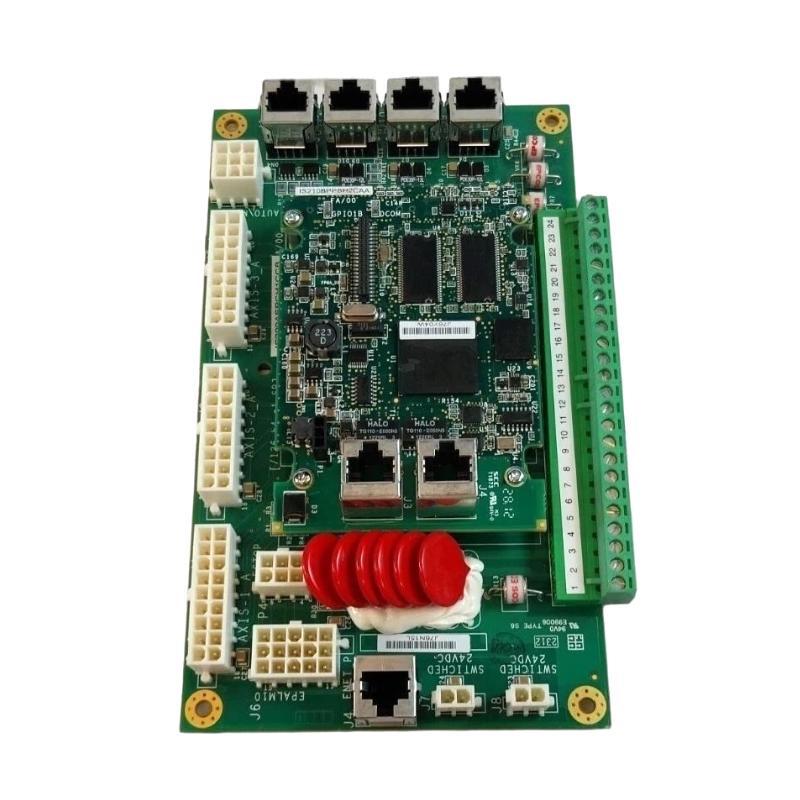
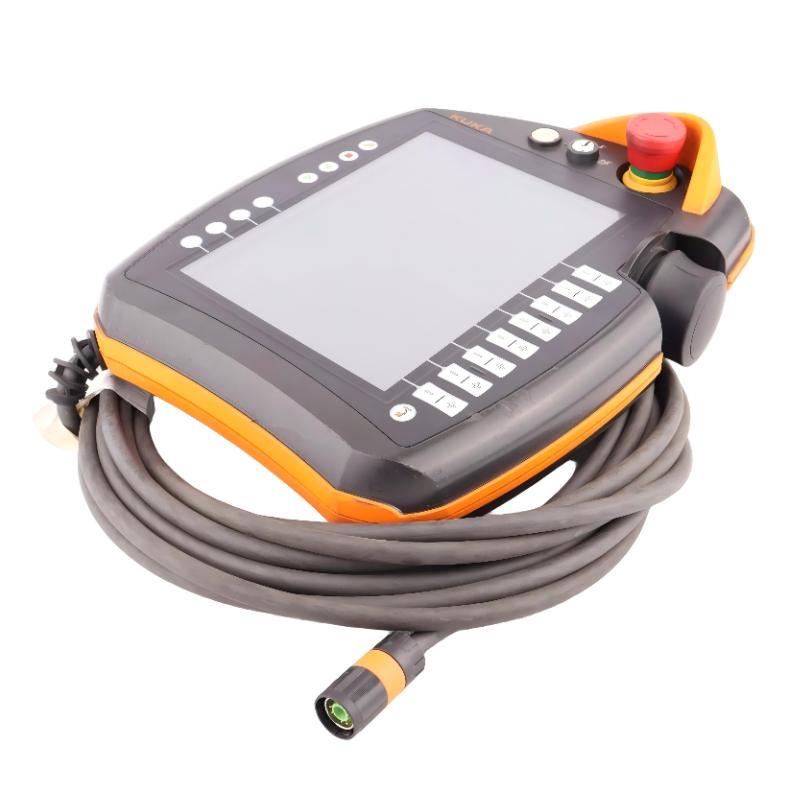
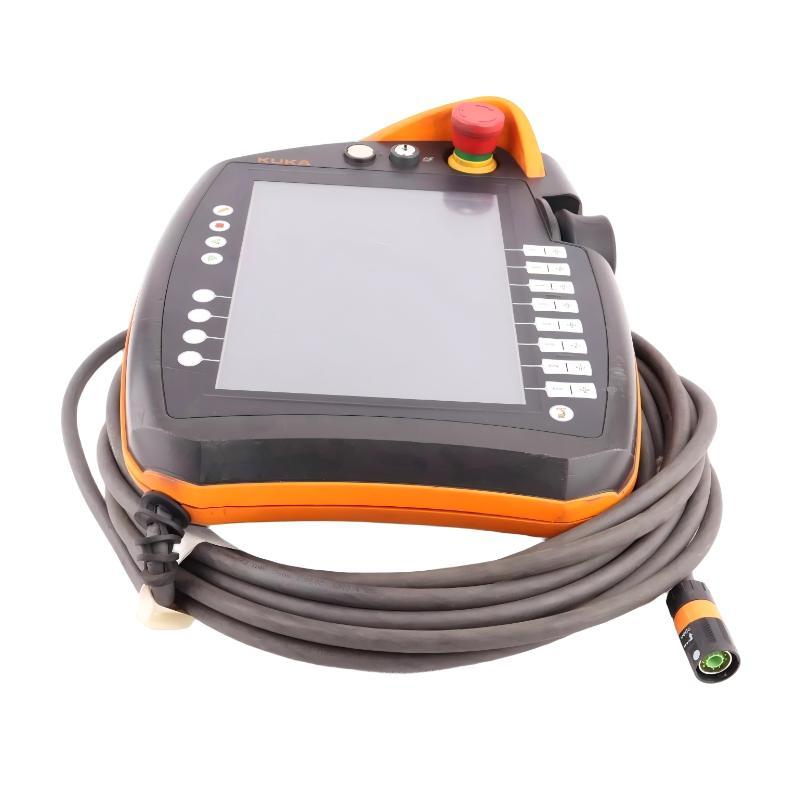
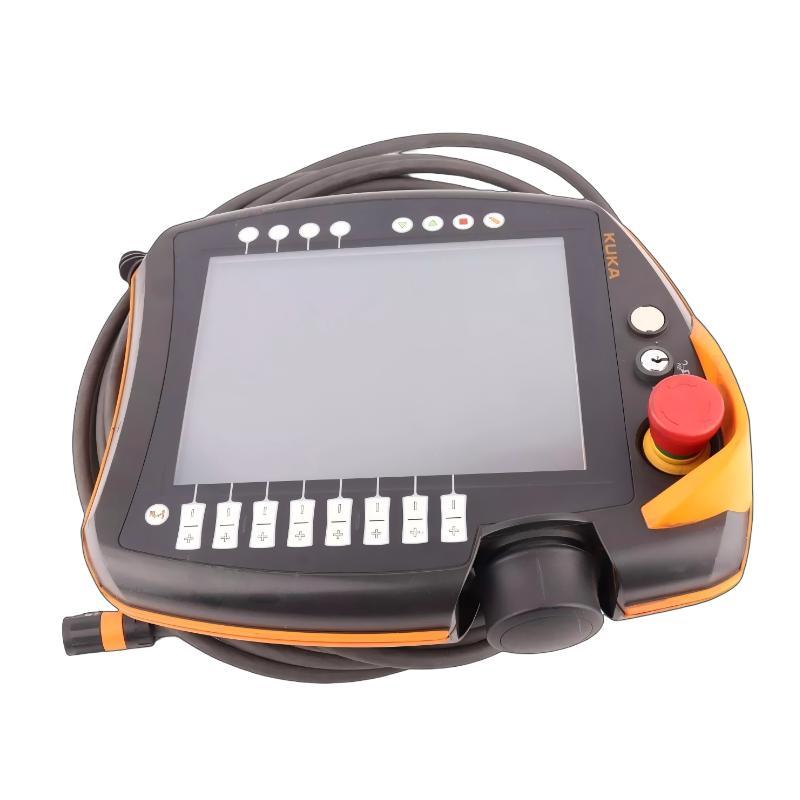
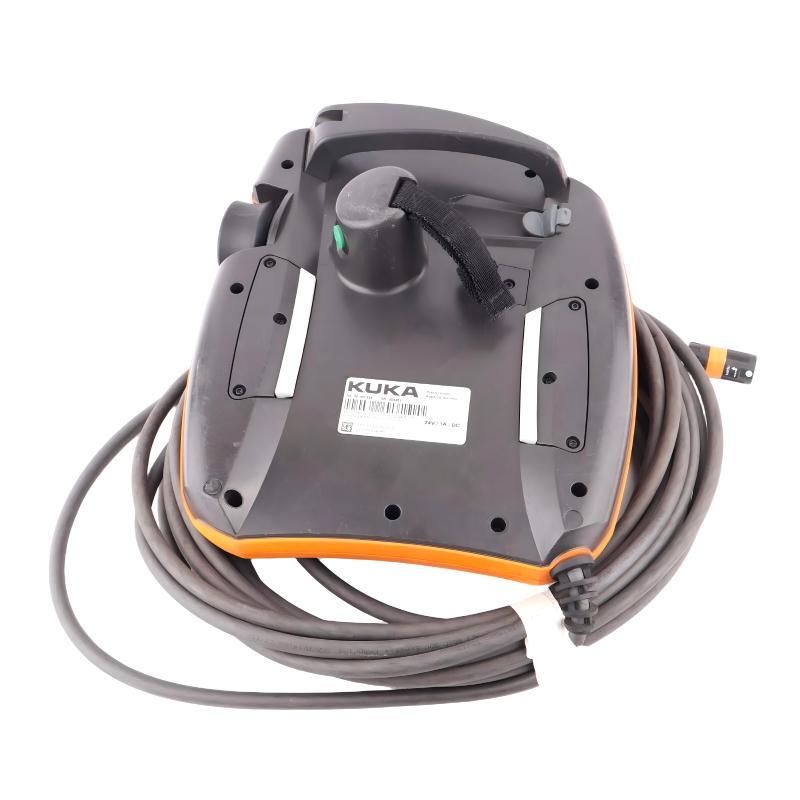
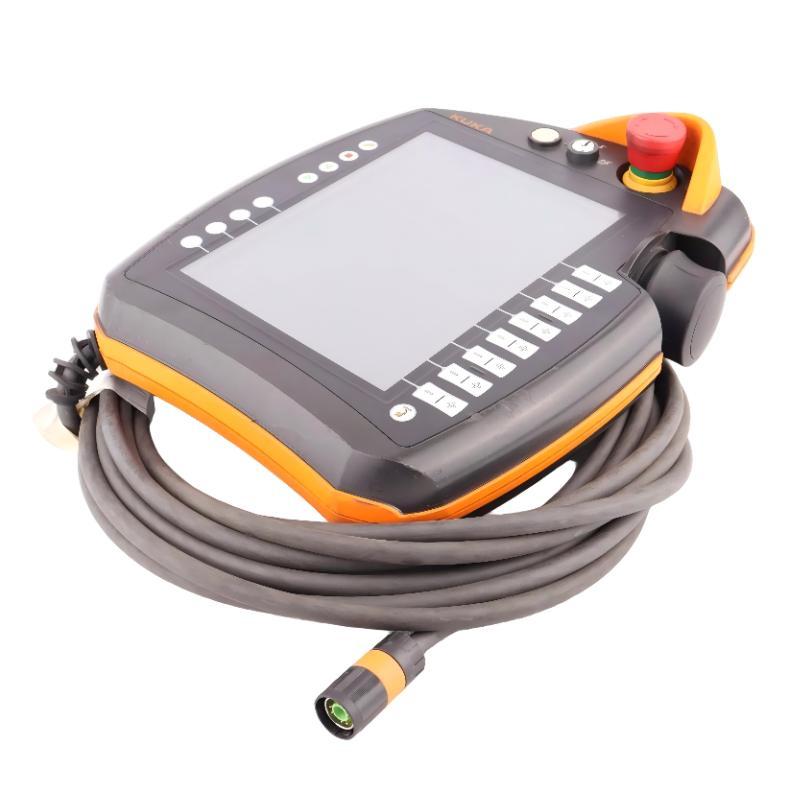
The ABB (KUKA) 00-168-334 Teach Pendant Control Panel is an industrial robot operator interface component designed for ABB KUKA robotic automation systems. It provides a convenient control platform for robot teaching operations, allowing technicians to configure motion parameters, execute commands, monitor system status, and perform maintenance procedures.
Designed for industrial environments requiring accurate control and reliable operation, the 00-168-334 Teach Pendant Control Panel supports efficient robot programming and stable interaction between operators and robotic systems.
With dimensions of 203 × 190 × 60 mm and a weight of 2.44 kg, the ABB (KUKA) 00-168-334 Teach Pendant Control Panel features a compact and durable structure suitable for industrial robot cells, service operations, and automation environments.
Technical Specifications
| Parameter |
Details |
| Manufacturer |
ABB (KUKA) |
| Model |
00-168-334 |
| Product Type |
Teach Pendant Control Panel |
| Application |
Industrial Robot HMI Interface |
| Function |
Robot Programming and Manual Operation |
| Component Type |
Portable Operator Control Unit |
| Installation Type |
Robot Controller Interface Device |
| Dimensions |
203 × 190 × 60 mm |
| Weight |
2.44 kg |
Function and Working Principle
The ABB (KUKA) 00-168-334 Teach Pendant Control Panel operates as a communication interface between the robot operator and the robot controller.
The operating process is:
Operator Command Input → Teach Pendant Interface → Robot Controller Processing → Robot Motion Execution
Main working functions include:
- Receives operator commands through control buttons and interface components.
- Transfers robot programs and operating instructions to the controller.
- Enables manual robot jogging and positioning.
- Supports robot configuration and parameter adjustment.
- Provides access to diagnostic and maintenance functions.
The teach pendant allows technicians to interact directly with the robot system, improving programming efficiency and simplifying service procedures.
Role in Industrial Automation Systems
The 00-168-334 Teach Pendant Control Panel plays an important role in ABB KUKA robotic control systems.
Main functions include:
- Robot teaching interface
- Manual motion control
- System configuration support
- Commissioning assistance
- Maintenance and troubleshooting support
Typical applications include:
- Industrial robot workcells
- Automated production lines
- Robotic assembly systems
- Welding and handling applications
- Precision manufacturing equipment
Main Features
Efficient Robot Programming Interface
The teach pendant provides direct access to robot programming functions.
Advantages:
- Faster robot teaching
- Easy program modification
- Improved commissioning efficiency
- Reduced setup time
Reliable Human-Machine Interaction
The control panel enables effective communication between operators and robotic systems.
Benefits:
- Direct command input
- Convenient robot adjustment
- Improved operational flexibility
- Easier fault diagnosis
Compact Industrial Design
With dimensions of 203 × 190 × 60 mm, the unit is designed for practical industrial use.
Advantages:
- Compact structure
- Easy handheld operation
- Flexible installation and storage
- Suitable for limited workspace environments
Durable Automation Equipment Interface
The 00-168-334 is designed for frequent industrial operation.
Benefits:
- Stable communication performance
- Reliable control response
- Reduced operational interruptions
- Long service life support
Industrial Applications
ABB KUKA Robot Programming
The teach pendant control panel is widely used during robot programming and setup.
Applications include:
- Robot path teaching
- Motion adjustment
- Program testing
- Production changeover
Automated Manufacturing Systems
Teach pendants are essential tools in industrial production environments.
Applications include:
- Automotive manufacturing
- Robotic welding
- Assembly automation
- Machine loading systems
Robot Commissioning and Maintenance
The control panel supports engineers during installation and service operations.
Applications include:
- Robot calibration
- Fault checking
- Manual positioning
- System verification
Industrial Training
Teach pendant systems are used for robot operation training.
Applications include:
- Operator education
- Robot programming practice
- Automation system training
Installation and Setup Guide
Step 1: Confirm Compatibility
Before installation, verify:
- ABB KUKA controller compatibility
- Correct model number
- Communication interface type
- Existing system configuration
Ensure the replacement unit matches the original robot system requirements.
Step 2: Shut Down Robot System
Before connecting:
- Stop robot operation
- Disconnect system power
- Confirm safe maintenance conditions
This prevents electrical damage and accidental robot movement.
Step 3: Connect Teach Pendant
Installation steps:
- Connect the communication interface
- Inspect cable condition
- Secure connectors
- Confirm correct connection
Step 4: Configure Controller Communication
After connection:
- Start the robot controller
- Detect the teach pendant
- Verify communication status
- Check command response
Step 5: Perform Functional Testing
Test:
- Manual jogging functions
- Program operation
- Control buttons
- Communication response
- Robot movement commands
Common Failure Symptoms
| Fault Symptom |
Possible Cause |
| Control panel does not power on |
Power connection problem |
| Robot does not respond |
Communication fault |
| Button failure |
Internal component wear |
| Intermittent operation |
Cable or connector issue |
| Incorrect command execution |
Interface malfunction |
Troubleshooting Guide
Inspect Communication Connections
Check:
- Connection cable
- Interface connector
- Communication port
Loose connections can interrupt communication between the panel and robot controller.
Check Control Panel Hardware
Inspect:
- Buttons
- Switches
- Housing damage
- Internal electronic components
Physical damage may affect operational reliability.
Verify Robot Controller Settings
Check:
- Controller alarms
- Communication configuration
- System status
Incorrect settings may prevent normal teach pendant operation.
Replace Faulty Control Panel
If the unit is confirmed defective:
- Replace the ABB (KUKA) 00-168-334 Teach Pendant Control Panel
- Reconnect communication cables
- Perform robot system testing
Maintenance Recommendations
To maintain reliable operation of the ABB (KUKA) 00-168-334 Teach Pendant Control Panel:
- Keep the panel surface clean
- Protect against impact damage
- Check cables periodically
- Avoid excessive vibration
- Prevent dust and moisture exposure
Regular maintenance helps extend service life and improves robot system availability.
Compatible Automation Components
| Component |
Function |
| Teach Pendant Control Panel |
Operator interface |
| Robot Controller |
Executes robot programs |
| Servo Driver |
Controls robot motor operation |
| Servo Motor |
Provides mechanical movement |
| Encoder System |
Provides position feedback |
Key Advantages
- Designed for ABB KUKA robotic systems
- Provides efficient robot control interface
- Supports programming and commissioning
- Compact and durable industrial design
- Improves maintenance efficiency
- Suitable for industrial automation applications
Technical FAQs
What is ABB (KUKA) 00-168-334 used for?
The ABB (KUKA) 00-168-334 Teach Pendant Control Panel is used for programming, operating, and maintaining industrial robot systems.
What is the main function of this teach pendant?
Its main function is to provide an operator interface for robot movement control, programming input, and system monitoring.
Where is it commonly used?
It is commonly used with ABB KUKA industrial robots in manufacturing and automation environments.
What are the dimensions?
The dimensions are 203 × 190 × 60 mm.
What is the weight?
The weight is 2.44 kg.
Why are teach pendant control panels important?
Teach pendants provide direct interaction with robot controllers, allowing efficient programming, commissioning, and troubleshooting.
Conclusion
The ABB (KUKA) 00-168-334 Teach Pendant Control Panel is a reliable human-machine interface component designed for industrial robotic automation systems.
With efficient robot control functions, compact industrial construction, and stable communication capability, it helps improve robot programming efficiency, simplify maintenance operations, and support continuous ABB KUKA robot performance.
For robotics engineers, automation technicians, and industrial system integrators, the 00-168-334 Teach Pendant Control Panel provides a dependable solution for managing and maintaining industrial robotic systems.