
NewsNEWCENTER
Featured products
Contact Us
Siemens Strengthens Industrial Automation Leadership Through AI-Driven Manufacturing Transformation
2026-08-11The global manufacturing industry is entering a new phase of digital transformation as companies accelerate investment in artificial intelligence, industrial software, automation technologies, and smart factory solutions.
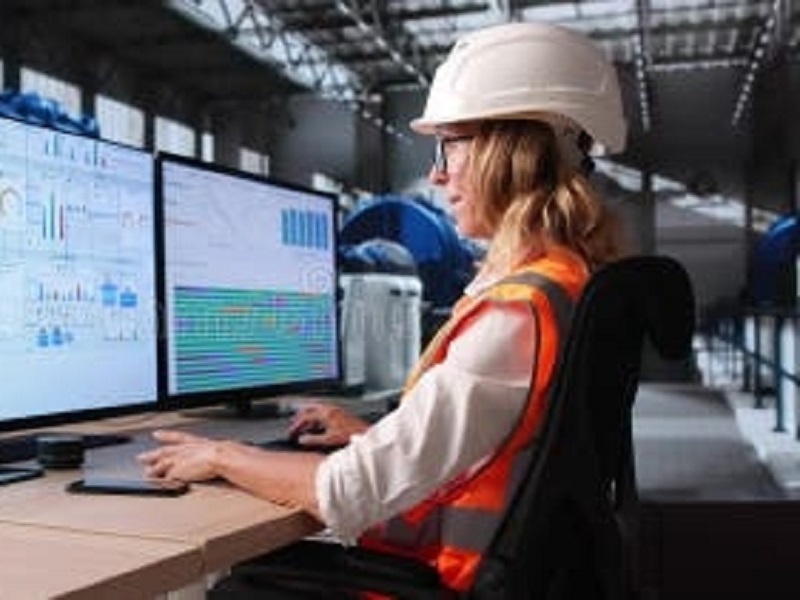
Recent industrial trends show that manufacturers are increasingly focusing on:
- Intelligent production systems
- Automated decision-making
- Digital engineering
- Real-time operational data
- Predictive maintenance
- Sustainable manufacturing
Artificial intelligence is becoming a major driver of industrial innovation, helping companies improve production efficiency, optimize processes, and create more flexible manufacturing environments. Siemens has continued expanding its industrial automation ecosystem by combining automation hardware, industrial software, digital twin technologies, and AI-based solutions.
For modern manufacturers, automation is no longer limited to machine control. Industrial companies are now developing connected production environments where:
- PLC controllers manage equipment operation
- Industrial networks transfer real-time information
- Digital platforms analyze production data
- AI technologies support optimization decisions
This transformation is creating a new generation of intelligent factories.
Industrial Automation Becomes the Foundation of Smart Manufacturing
Traditional manufacturing systems mainly focused on improving production speed and maintaining equipment operation.
However, modern factories require higher levels of intelligence.
Manufacturers now need systems that can:
- Monitor production conditions
- Analyze equipment performance
- Predict potential failures
- Optimize manufacturing processes
- Reduce energy consumption
Industrial automation technologies provide the foundation for these capabilities.
A modern smart manufacturing architecture typically includes:
- PLC and PAC controllers
- Industrial communication networks
- Sensors and intelligent devices
- Human-machine interfaces
- Manufacturing software
- Data analytics platforms
Through integration between these technologies, factories can achieve better control, higher efficiency, and improved operational visibility.
Siemens continues developing solutions that connect automation technologies with digital engineering and industrial intelligence, supporting manufacturers in building more adaptive production systems.
Artificial Intelligence Accelerates Industrial Digital Transformation
Artificial intelligence is changing the way industrial companies manage production.
In traditional factories, operators and engineers often rely on:
- Manual inspection
- Historical experience
- Scheduled maintenance
AI-based industrial systems introduce a more intelligent approach.
AI technologies can analyze:
- Machine operating data
- Production parameters
- Equipment conditions
- Quality information
This enables companies to achieve:
- Faster problem detection
- Better production planning
- Improved process optimization
- Reduced operational costs
Industrial AI is becoming an important component of future automation systems.
Instead of simply controlling machines, intelligent automation systems can help companies understand production behavior and make better operational decisions.
Siemens Digital Twin Technology Improves Manufacturing Efficiency
Digital twin technology has become one of the key technologies supporting smart manufacturing development.
A digital twin creates a virtual representation of:
- Machines
- Production lines
- Products
- Manufacturing processes
Engineers can use digital twins to:
- Simulate production conditions
- Test engineering changes
- Optimize machine performance
- Reduce development time
Before physical production begins, companies can analyze and improve processes in a virtual environment.
This provides several advantages:
- Faster engineering development
- Reduced production risks
- Improved product quality
- Lower operational costs
Digital twins create a connection between the virtual and physical industrial worlds.
Siemens PLC and Automation Systems Support Intelligent Factory Operations
Programmable Logic Controllers remain a core component of industrial automation.
PLC systems are responsible for:
- Receiving field signals
- Executing control programs
- Managing industrial equipment
- Communicating with automation devices
Modern PLC platforms support:
- High-speed processing
- Industrial networking
- Remote diagnostics
- Flexible system expansion
In smart manufacturing environments, PLC systems work together with:
- Sensors
- Industrial robots
- Motion control systems
- Digital platforms
This creates a connected automation ecosystem.
For machine builders and industrial users, advanced PLC technologies provide reliable control while supporting future digital upgrades.
Industrial Communication Enables Connected Manufacturing
Modern factories require continuous communication between multiple automation components.
Industrial communication technologies connect:
- Controllers
- Sensors
- Drives
- HMIs
- Manufacturing software
A connected industrial network enables:
- Real-time data exchange
- Equipment monitoring
- Remote troubleshooting
- Production analysis
With better connectivity, manufacturers can improve:
- Production transparency
- Equipment utilization
- Maintenance efficiency
Industrial communication is becoming an essential foundation for smart factories.
Predictive Maintenance Reduces Industrial Downtime
Equipment reliability is one of the biggest concerns for manufacturers.
Unexpected failures can cause:
- Production interruptions
- Higher maintenance costs
- Delivery delays
Predictive maintenance uses operational data and analytics technologies to identify potential problems before failures occur.
Industrial systems can analyze information from:
- Motors
- Drives
- Sensors
- Production equipment
This allows companies to:
- Detect abnormal conditions early
- Schedule maintenance more effectively
- Reduce unexpected downtime
- Extend equipment lifespan
Predictive maintenance is becoming a major application of industrial AI.
Smart Manufacturing Improves Production Flexibility
Global manufacturing markets are becoming more competitive.
Companies need production systems that can quickly adapt to:
- Changing customer requirements
- New product designs
- Market fluctuations
Smart manufacturing technologies provide greater flexibility through:
- Automated production adjustment
- Digital engineering
- Connected equipment
- Data-driven optimization
Flexible factories can respond faster while maintaining high production quality.
This is especially important in industries such as:
- Automotive
- Electronics
- Semiconductor manufacturing
- Industrial machinery
Energy Optimization Supports Sustainable Manufacturing
Energy efficiency has become a major priority for industrial companies.
Manufacturing facilities consume large amounts of energy through:
- Motors
- Production equipment
- Heating systems
- Cooling systems
Automation technologies help organizations monitor and optimize energy usage.
Benefits include:
- Reduced energy consumption
- Lower operating costs
- Improved sustainability performance
Digital manufacturing systems allow companies to understand energy patterns and identify improvement opportunities.
Industrial Cybersecurity Becomes Increasingly Important
As factories become more connected, cybersecurity has become a critical requirement.
Modern industrial environments include:
- Network-connected controllers
- Remote monitoring systems
- Digital platforms
- Cloud-based applications
Companies must protect:
- Control systems
- Production data
- Communication networks
Future industrial automation requires secure and reliable digital infrastructure.
Cybersecurity will remain an important part of smart manufacturing development.
Challenges During Industrial Digital Transformation
Although intelligent automation provides many benefits, companies also face challenges.
Legacy Equipment Integration
Many factories continue operating older equipment.
Connecting existing systems with modern digital platforms requires careful planning.
Technical Skills Requirements
Industrial digital transformation requires professionals with knowledge of:
- Automation engineering
- Industrial networking
- Data analytics
- Digital technologies
Investment Requirements
Smart factory development requires investment in:
- Automation equipment
- Industrial software
- Network infrastructure
- Employee training
However, long-term improvements in efficiency and reliability provide significant value.
Future Outlook: AI-Powered Automation Will Shape Industrial Development
The future of manufacturing will increasingly depend on intelligent automation technologies.
Key development areas include:
- Industrial AI
- Digital twins
- Smart factory systems
- Industrial IoT
- Advanced automation platforms
Siemens continues advancing industrial digitalization by combining automation expertise with software, AI, and digital engineering technologies.
Future factories will not only automate production processes but also:
- Analyze operational data
- Predict equipment conditions
- Optimize production strategies
- Improve sustainability
The combination of automation and artificial intelligence will become a major driver of industrial innovation.
Conclusion
The manufacturing industry is moving from traditional automation toward intelligent digital ecosystems.
Siemens industrial automation technologies, AI solutions, digital twins, and smart manufacturing platforms demonstrate how modern factories can improve efficiency, flexibility, and competitiveness.
For global manufacturers, automation engineers, and industrial system integrators, intelligent automation provides the foundation for creating future-ready production environments.
As digital transformation continues worldwide, PLC systems, industrial software, AI technologies, and connected automation solutions will remain essential drivers of the next generation of manufacturing development.