
NewsNEWCENTER
Featured products
Contact Us
GE Advances Power Generation Automation Through Advanced Turbine Control Technology
2026-08-10The global energy industry is undergoing continuous transformation as power generation companies adopt advanced automation systems, digital monitoring technologies, and intelligent operation strategies.
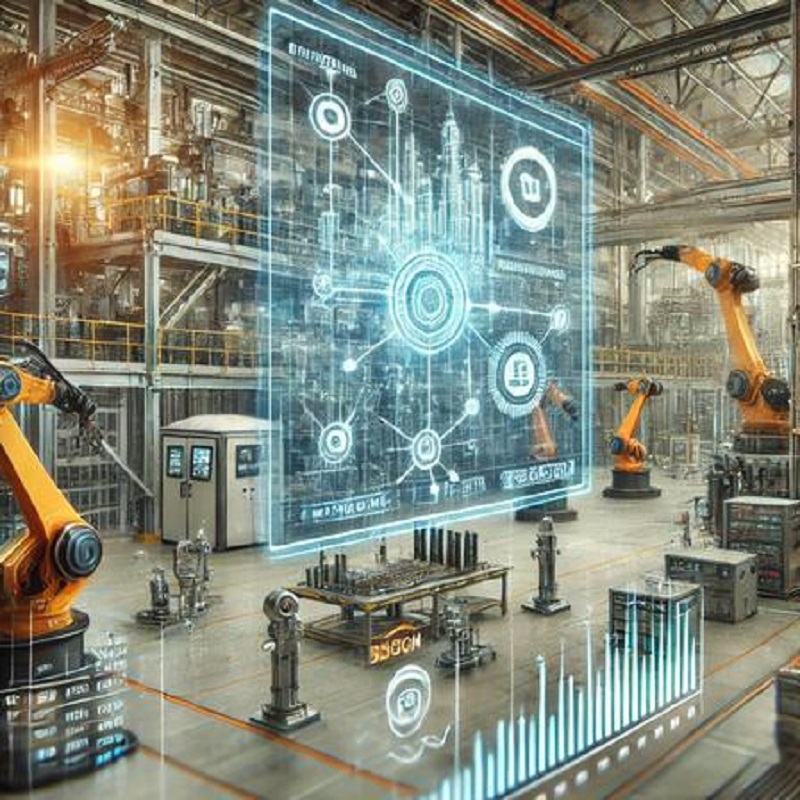
Modern power plants face increasing challenges related to:
- Operational efficiency
- Equipment reliability
- Power generation stability
- Maintenance optimization
- Environmental requirements
- Grid demand changes
Industries including:
- Gas power generation
- Steam power plants
- Renewable energy facilities
- Industrial power systems
- Utility operations
require reliable control technologies to maintain safe and efficient operation.
Traditional turbine control systems focused mainly on basic equipment regulation. However, modern power generation environments require advanced automation platforms capable of providing:
- Real-time monitoring
- High-speed control
- Equipment diagnostics
- Data integration
- Performance optimization
Turbine control systems have become a critical component of modern power plant automation.
A complete turbine automation architecture includes:
- Turbine controllers
- Sensors
- Protection systems
- Human-machine interfaces
- Industrial communication networks
- Plant monitoring platforms
GE Mark VIe control technology represents an advanced turbine automation solution designed to support reliable operation, precise control, and digital integration in modern power generation environments.
For power plant operators, automation engineers, and system integrators, advanced turbine control platforms provide the foundation for improving efficiency, reliability, and operational performance.
Turbine Control Systems Support Modern Power Generation
Power generation equipment requires highly reliable control systems to maintain stable operation.
A turbine control system performs important functions including:
- Speed regulation
- Load management
- Temperature monitoring
- Protection control
- Equipment diagnostics
Modern turbine control applications include:
- Gas turbines
- Steam turbines
- Combined cycle power plants
- Industrial energy systems
Advanced control systems provide:
- Fast response capability
- Accurate regulation
- Reliable protection
- Improved operational visibility
These features help power plants maintain continuous and efficient electricity production.
GE Mark VIe Control System Supports Complex Energy Applications
Modern power plants operate under demanding conditions and require automation platforms capable of managing complex equipment.
GE Mark VIe control systems are designed for applications requiring:
- High-performance turbine control
- Integrated monitoring
- Reliable communication
- Advanced diagnostics
Typical application areas include:
Gas Turbine Control
Gas turbines require precise control of:
- Fuel systems
- Temperature conditions
- Rotational speed
- Load output
Advanced turbine automation helps maintain:
- Stable operation
- Improved efficiency
- Reduced equipment stress
Combined Cycle Power Plant Automation
Combined cycle plants integrate multiple generation technologies.
Automation systems coordinate:
- Gas turbines
- Steam turbines
- Heat recovery equipment
- Auxiliary systems
This improves:
- Overall plant efficiency
- Operating flexibility
- Power generation performance
Industrial Power Generation Systems
Industrial facilities often require reliable internal power systems.
Automation technologies support:
- Equipment monitoring
- Generator control
- Operational management
This improves energy reliability for industrial production.
Digital Monitoring Improves Power Plant Performance
Modern power generation is moving toward data-driven operation.
Traditional maintenance methods relied mainly on:
- Scheduled inspections
- Manual monitoring
- Operator experience
Digital power plants use:
- Real-time equipment data
- Performance analysis
- Condition monitoring
- Advanced diagnostics
Digital monitoring helps operators understand:
- Turbine operating conditions
- Equipment performance
- Energy efficiency
- Maintenance requirements
This enables better operational decisions.
Advanced Diagnostics Reduce Equipment Downtime
Power plant downtime can create significant economic impact.
Equipment failures may result in:
- Reduced electricity production
- Higher maintenance costs
- Operational disruptions
Modern turbine control systems provide diagnostic capabilities that help engineers identify:
- Abnormal operating conditions
- Control system problems
- Equipment performance changes
Advanced diagnostics support:
- Faster troubleshooting
- Reduced downtime
- Improved maintenance planning
- Increased equipment availability
Predictive Maintenance Improves Turbine Reliability
Power generation equipment requires long-term reliability.
Predictive maintenance uses operational data to identify possible problems before failures occur.
Information from:
- Turbine sensors
- Generator systems
- Auxiliary equipment
- Control systems
can reveal early warning signals.
Predictive maintenance helps power operators:
- Detect problems earlier
- Schedule maintenance efficiently
- Reduce unexpected shutdowns
- Extend equipment lifespan
This improves plant reliability and operational efficiency.
Industrial Communication Enables Connected Power Plants
Modern power plants require communication between multiple automation systems.
A connected power generation environment includes:
- Turbine controllers
- Protection systems
- Sensors
- HMIs
- Plant monitoring systems
Industrial communication enables:
- Real-time data exchange
- System coordination
- Remote monitoring
- Performance analysis
Connected automation improves visibility throughout the power generation process.
Smart Power Plant Development Drives Energy Transformation
Smart power plants represent the future direction of energy automation.
A smart power plant integrates:
- Turbine control systems
- Digital monitoring platforms
- Industrial networks
- Data analytics
- Intelligent maintenance technologies
The goal is to create facilities capable of:
- Monitoring equipment
- Optimizing operation
- Improving efficiency
- Reducing downtime
Smart energy technologies help companies achieve:
- Higher reliability
- Better resource utilization
- Improved operational flexibility
Industrial IoT Supports Digital Energy Management
Industrial Internet of Things technology is transforming power generation.
Industrial IoT connects:
- Turbine equipment
- Sensors
- Controllers
- Monitoring systems
- Digital platforms
Benefits include:
- Real-time information collection
- Remote equipment analysis
- Improved operational visibility
Connected power plants can better manage:
- Equipment performance
- Energy production
- Maintenance activities
Energy Efficiency Becomes a Major Industry Priority
Power generation companies continue focusing on improving energy efficiency.
Automation technologies help optimize:
- Fuel consumption
- Equipment operation
- Power output
- Maintenance strategies
Benefits include:
- Reduced operating costs
- Improved efficiency
- Lower environmental impact
Energy optimization will remain a major driver of future power automation development.
Integration Between Turbine Control and Plant Automation Systems
Modern power plants require integration between different control technologies.
A complete automation environment may include:
- Turbine control systems
- Distributed Control Systems
- Safety systems
- SCADA platforms
- Enterprise monitoring systems
System integration provides:
- Better operational coordination
- Improved data availability
- Enhanced plant management
Integrated automation helps create more intelligent power generation facilities.
Artificial Intelligence Supports Future Power Plant Optimization
Artificial intelligence is becoming increasingly important in energy applications.
AI technologies can analyze large volumes of operational data and support:
- Performance optimization
- Equipment health analysis
- Failure prediction
- Energy management
When combined with turbine control systems, AI can improve:
- Operational decisions
- Maintenance strategies
- Plant efficiency
Future power generation will increasingly combine:
- Automation systems
- Digital platforms
- Industrial analytics
- Artificial intelligence
Cybersecurity Becomes Essential for Digital Power Systems
As power plants become more connected, cybersecurity becomes increasingly important.
Modern energy facilities must protect:
- Control systems
- Communication networks
- Operational information
Cybersecurity strategies help maintain:
- Reliable operation
- System availability
- Data protection
Secure automation environments are essential for future digital power plants.
Challenges During Power Automation Modernization
Power companies must consider several challenges when upgrading automation systems.
Legacy Equipment Integration
Many existing power plants operate older control technologies.
Modernization requires careful migration planning.
Technical Expertise
Automation upgrades require engineers with knowledge of:
- Turbine control
- Industrial communication
- Power systems
- Digital technologies
Investment Requirements
Modern automation projects require investment in:
- Control hardware
- Software systems
- Engineering services
- Technical training
However, improvements in reliability and efficiency provide long-term benefits.
Future Outlook: Intelligent Turbine Control Will Continue Developing
The future of power generation automation will depend on intelligent, connected, and reliable technologies.
Energy companies will continue adopting:
- Advanced turbine control systems
- Digital monitoring solutions
- Industrial IoT technologies
- Predictive maintenance
- Smart power plant platforms
GE Mark VIe control technology represents the continued evolution of turbine automation toward intelligent and connected energy operations.
As the global energy industry continues modernization, advanced control systems will play an increasingly important role in improving:
- Reliability
- Efficiency
- Flexibility
- Sustainability
Conclusion
Power generation automation is evolving from traditional turbine regulation toward intelligent digital energy ecosystems.
GE Mark VIe control systems, advanced turbine automation technologies, and digital monitoring solutions demonstrate how modern power plants can improve operational reliability and efficiency.
For global energy companies, automation engineers, and industrial system integrators, advanced turbine control platforms provide the foundation for creating smarter and more reliable power generation facilities.
As digital transformation continues across the energy sector, intelligent controllers, industrial communication technologies, and data-driven automation solutions will remain essential drivers of future power industry development.