Product Overview
In industrial automation systems, discrete input modules are essential components used for collecting signals from field devices and transferring real-time status information to PLC controllers. They allow automation systems to monitor external equipment conditions, detect operating states, and execute precise control operations.
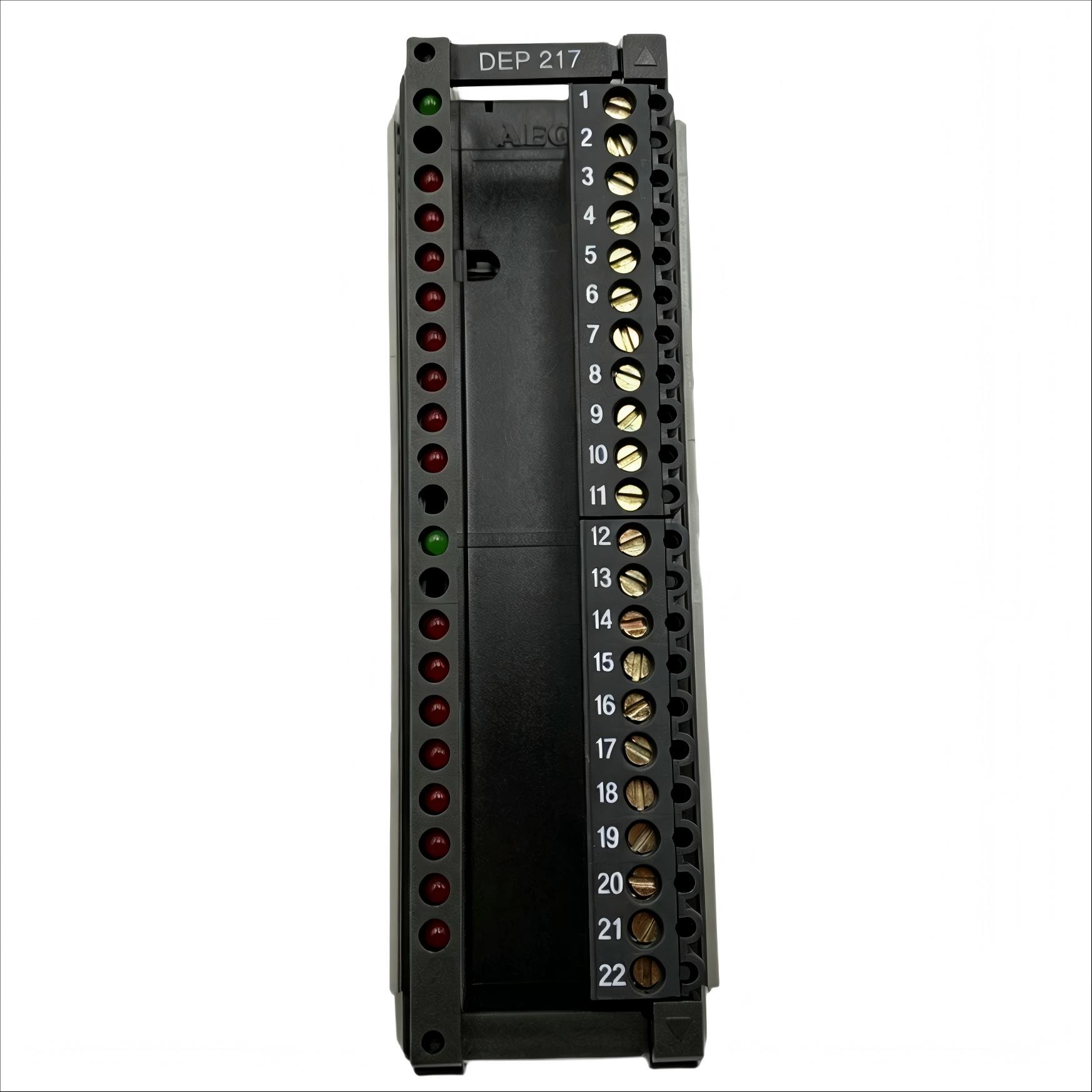
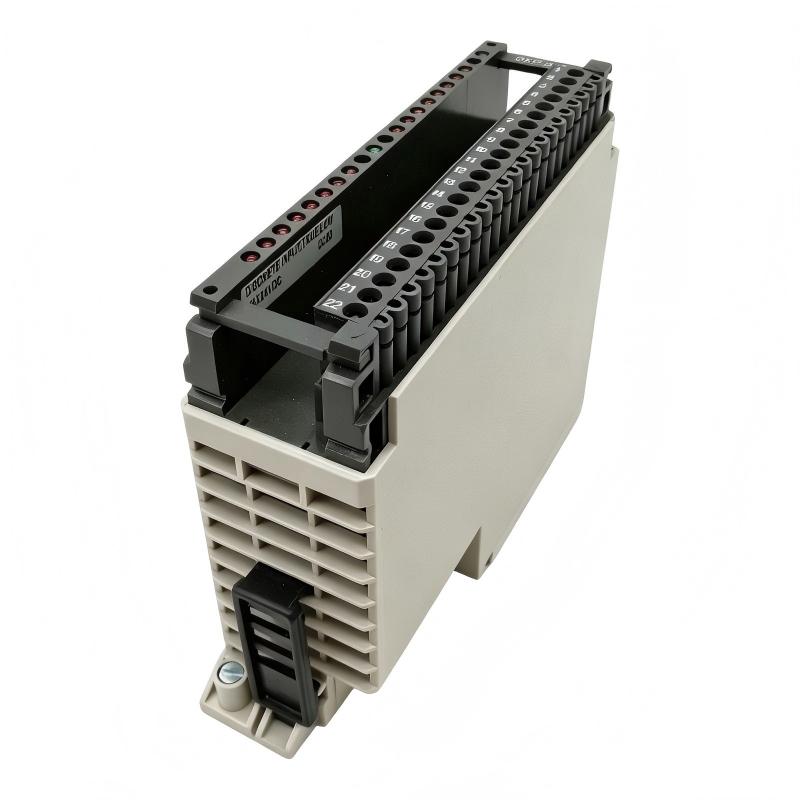
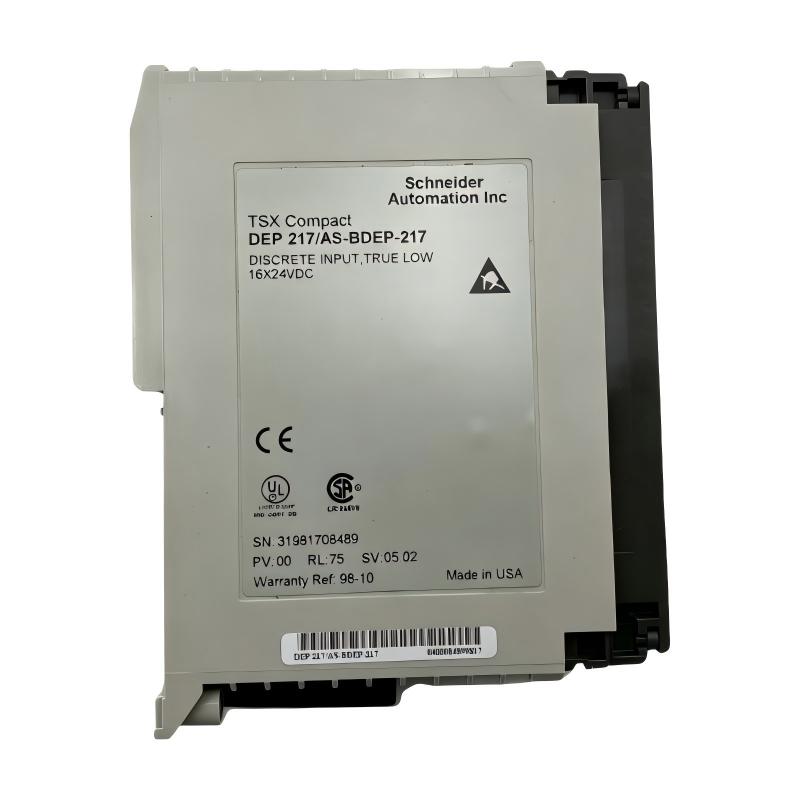
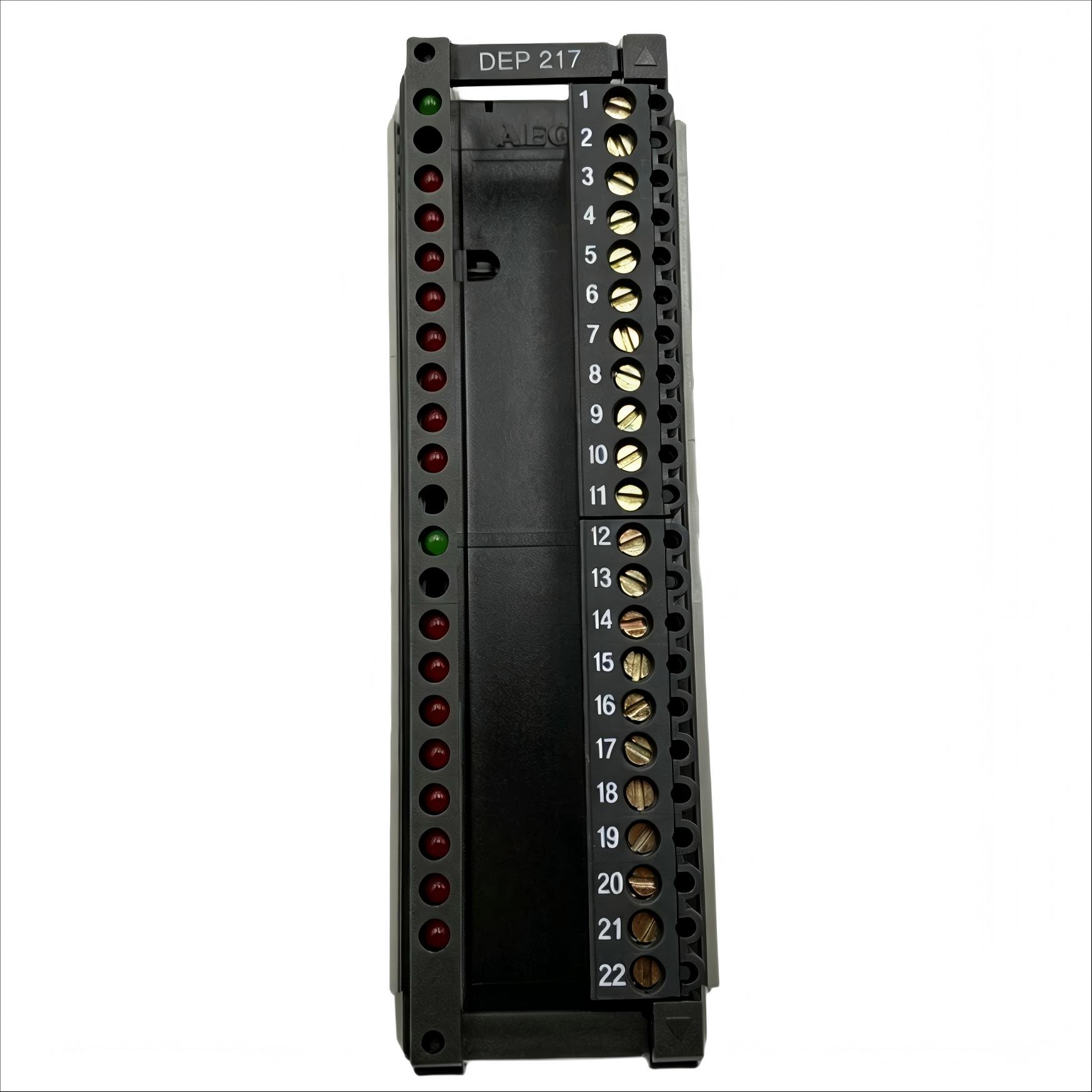
The Schneider AS-BDEP-217 Discrete Input Module is an industrial digital input module designed for PLC-based control systems. It provides reliable signal acquisition from field devices such as sensors, switches, push buttons, and other ON/OFF signal sources.
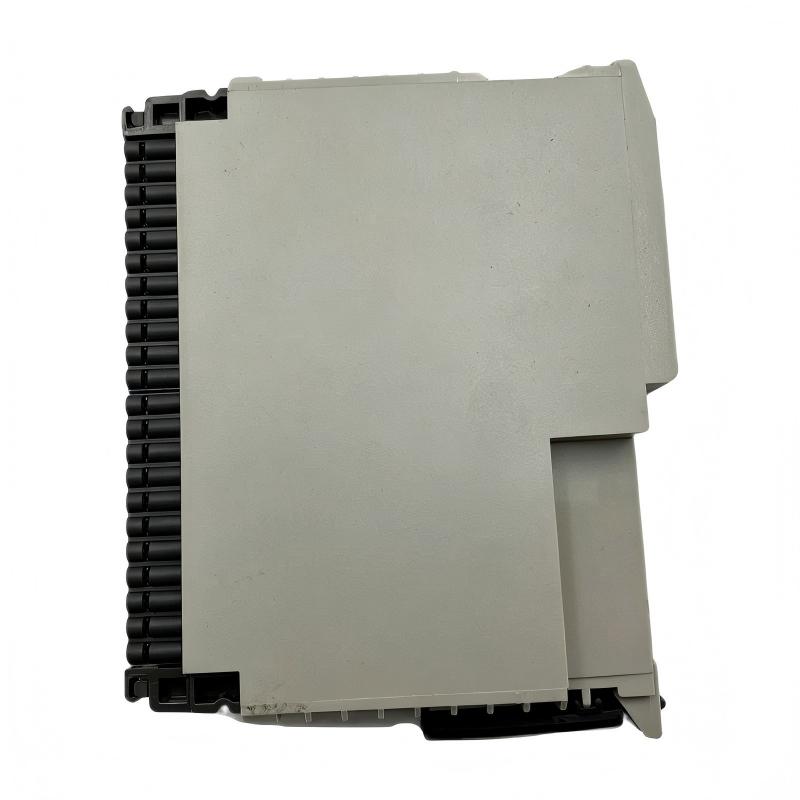
With dimensions of 40 × 140 × 85 mm and a weight of 0.358 kg, the Schneider AS-BDEP-217 features a compact modular structure suitable for industrial control cabinets, PLC systems, and automation equipment where stable digital signal processing is required.
The module provides an efficient solution for connecting field-level devices with automation controllers, helping improve system monitoring capability, wiring organization, and overall control reliability.
Technical Specifications
| Parameter |
Details |
| Manufacturer |
Schneider Electric |
| Model |
AS-BDEP-217 |
| Product Type |
Discrete Input Module |
| Application |
PLC Digital Signal Acquisition |
| Signal Type |
Discrete Input Signal |
| Input Function |
ON/OFF Status Detection |
| Installation Type |
PLC Rack / Control Cabinet Installation |
| Dimensions |
40 × 140 × 85 mm |
| Weight |
0.358 kg |
Function and Working Principle
The Schneider AS-BDEP-217 Discrete Input Module works as an interface between field devices and PLC controllers.
The basic signal flow is:
Field Device → Discrete Input Module → PLC Controller → Control Program
The operating process includes:
- Field sensors or switches generate digital signals
- Input channels receive external ON/OFF information
- The module processes and converts signals into PLC-readable data
- The PLC CPU analyzes the input status
- The automation program performs corresponding control actions
The module enables the PLC system to monitor field conditions and respond according to programmed logic.
Role in Industrial Automation Systems
The Schneider AS-BDEP-217 plays an important role in industrial signal collection applications.
Its main functions include:
- Receiving digital field signals
- Connecting sensors and switches with PLC systems
- Expanding PLC input capacity
- Improving signal management
- Supporting automated control operations
It is commonly used in:
- Industrial machinery
- PLC control systems
- Factory automation equipment
- Production lines
- Process monitoring systems
- Electrical control cabinets
Main Features
Reliable Digital Signal Acquisition
The main function of the Schneider AS-BDEP-217 is collecting discrete signals from external devices.
Typical connected devices include:
- Limit switches
- Proximity sensors
- Push buttons
- Detection devices
- Alarm contacts
Reliable signal acquisition allows PLC systems to accurately monitor equipment operation.
Multi-Channel Input Capability
The module provides multiple input channels for connecting different field devices.
Advantages include:
- Reduced hardware requirements
- Simplified system wiring
- Improved control cabinet organization
- Easier system expansion
Multiple input points allow automation systems to collect information from various equipment locations.
Industrial Signal Compatibility
The module is designed for industrial automation environments where stable signal processing is required.
Benefits include:
- Reliable digital signal detection
- Suitable for factory applications
- Improved communication between field devices and controllers
- Stable operation under continuous industrial use
Compact Modular Design
The Schneider AS-BDEP-217 features a compact structure suitable for industrial installations.
Advantages include:
- Efficient cabinet space utilization
- Easy integration into PLC systems
- Convenient maintenance
- Flexible automation system configuration
Industrial Applications
Machine Automation Systems
Automated machines require continuous monitoring of operating conditions.
Applications include:
- Machine position detection
- Equipment status monitoring
- Safety signal collection
- Automated sequence control
The Schneider AS-BDEP-217 helps PLC systems receive accurate feedback signals from machines.
Manufacturing Production Lines
Production systems depend on reliable input signals for coordinated operation.
Applications include:
- Conveyor equipment
- Assembly lines
- Packaging systems
- Material handling equipment
The input module collects field information and transfers it to the control system.
Process Control Systems
Industrial processes require accurate monitoring of equipment status.
Applications include:
- Valve position feedback
- Equipment operation detection
- Alarm monitoring
- Process status collection
The module supports stable signal monitoring for industrial processes.
PLC Control Cabinets
Control cabinets contain multiple field signal connections.
Applications include:
- PLC panels
- Automation cabinets
- Electrical control systems
- Distributed control stations
The compact design helps improve cabinet layout and wiring efficiency.
Installation Guide
Proper installation ensures reliable operation of the Schneider AS-BDEP-217.
Recommended installation steps:
- Confirm PLC system compatibility
- Install the module in the correct rack position
- Connect field device wiring
- Check signal input connections
- Configure PLC addressing settings
- Test input signal operation
During installation, pay attention to:
- Correct wiring connections
- Proper grounding
- Secure terminals
- Separation from high-voltage cables
- Suitable operating environment
Common Failure Symptoms
| Fault Symptom |
Possible Cause |
| Input signal not detected |
Wiring problem |
| Incorrect input status |
Sensor malfunction |
| Channel failure |
Module fault |
| Signal interruption |
Loose connection |
| PLC response delay |
Communication issue |
Maintenance Recommendations
To maintain reliable performance of the Schneider AS-BDEP-217:
- Inspect wiring connections regularly
- Check field sensors and switches
- Monitor PLC diagnostic information
- Keep control cabinets clean
- Verify input signal stability
Regular maintenance helps prevent unexpected downtime and improves automation system reliability.
Compatible System Components
| Component |
Function |
| PLC CPU |
Processes control logic |
| Discrete Input Module |
Collects field signals |
| Sensors |
Provide equipment information |
| Switches |
Generate digital signals |
| HMI System |
Displays operating status |
These components work together to create a complete industrial automation control system.
Key Advantages
- Reliable digital signal collection
- Suitable for PLC automation systems
- Compact industrial design
- Simplifies field device connection
- Supports machine monitoring applications
- Improves system organization
- Enhances automation reliability
Technical FAQs
What is Schneider AS-BDEP-217 used for?
The Schneider AS-BDEP-217 is a discrete input module used to collect digital signals from field devices and transfer them to PLC control systems.
What devices can be connected to this input module?
It can be used with industrial switches, sensors, detection devices, and other digital signal sources.
Where is Schneider AS-BDEP-217 commonly installed?
It is commonly installed in PLC racks, industrial control cabinets, machine automation systems, and factory control equipment.
Why are discrete input modules important in automation?
Discrete input modules allow PLC systems to monitor external equipment conditions and make accurate control decisions based on field signals.
Conclusion
The Schneider AS-BDEP-217 Discrete Input Module is a reliable industrial automation component designed for digital signal acquisition and PLC integration.
With its compact design, stable input processing capability, and suitability for industrial environments, it provides an effective solution for connecting field devices with automation controllers.
For automation engineers, system integrators, and maintenance professionals, the Schneider AS-BDEP-217 helps improve signal monitoring, simplify control system design, and enhance the reliability of industrial automation applications.