
NewsNEWCENTER
Featured products
Contact Us
Omron Strengthens Factory Automation Development Through Intelligent Control, Robotics and Digital Manufacturing
2026-07-23The global manufacturing industry is experiencing a major transformation as companies continue adopting intelligent automation systems, robotics technologies, and digital manufacturing solutions.

Manufacturers across industries such as automotive, electronics, semiconductor, food and beverage, packaging, pharmaceuticals, and logistics are facing increasing challenges related to:
- Production efficiency
- Product quality
- Labor optimization
- Equipment reliability
- Manufacturing flexibility
Traditional manufacturing systems mainly focused on mechanical production and basic automation control. However, modern factories require more advanced technologies that can connect machines, collect operational information, improve production visibility, and support intelligent decision-making.
To achieve these goals, industrial companies are increasingly integrating:
- PLC control systems
- Industrial sensors
- Robotics technologies
- Machine vision systems
- Industrial communication networks
- Digital manufacturing platforms
Omron continues to contribute to factory automation development through advanced PLC technologies, sensing solutions, motion control systems, robotics integration, and intelligent manufacturing concepts.
The evolution of Omron automation technologies represents an important trend in the industry: modern factory automation is moving from simple machine control toward intelligent production ecosystems where equipment can communicate, analyze information, and continuously improve performance.
For global manufacturers, automation engineers, and system integrators, intelligent PLC-based automation has become a critical foundation for building efficient, flexible, and competitive production environments.
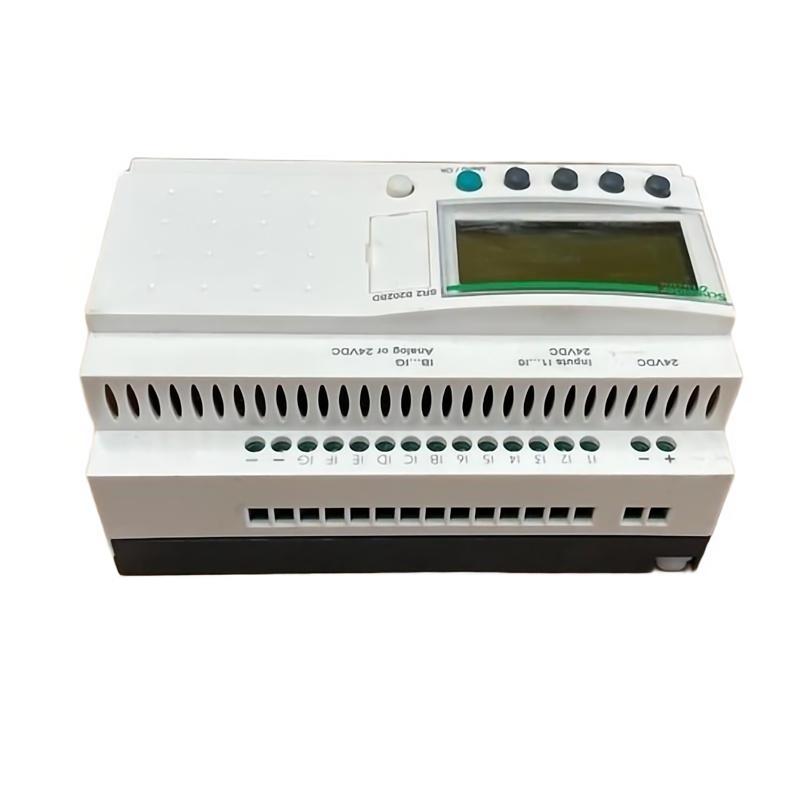
PLC Systems Remain the Core Technology of Factory Automation
Programmable Logic Controllers are fundamental components in modern industrial automation.
PLC systems are responsible for controlling machines and production processes by receiving information from field devices and executing programmed logic.
Industrial PLC applications include:
- Automated assembly lines
- Packaging equipment
- Material handling systems
- Inspection machines
- Production machinery
- Industrial process equipment
Modern PLC systems provide important capabilities such as:
- Fast processing performance
- Reliable operation
- Industrial communication
- Flexible programming
- Expansion capability
These functions allow manufacturers to develop automation systems that can adapt to different production requirements.
In modern factories, PLC controllers are not only used for machine operation.
They also act as important communication centers connecting:
- Sensors
- Drives
- Robots
- Human-machine interfaces
- Industrial software platforms
This creates a more connected manufacturing environment.
Omron PLC Technology Supports Flexible Manufacturing Applications
Modern production environments require automation systems that can respond quickly to changing market demands.
Manufacturers need equipment that can support:
- Different product models
- Faster production changes
- Higher automation levels
- Improved quality control
PLC-based automation provides the flexibility required for modern manufacturing.
Omron PLC systems are widely associated with factory automation applications because industrial companies require reliable control solutions for complex production environments.
Typical applications include:
Automated Production Lines
Production lines require precise coordination between multiple machines.
PLC systems manage:
- Machine sequences
- Product movement
- Equipment communication
- Production timing
This ensures stable and efficient manufacturing operations.
Packaging Automation
Packaging industries require high-speed and accurate control.
Automation systems manage:
- Filling processes
- Labeling operations
- Packaging equipment
- Product inspection
PLC control improves production consistency and reduces manual operation requirements.
Electronic Manufacturing
Electronics production requires extremely precise automation.
PLC systems support:
- Assembly processes
- Testing equipment
- Material handling
- Quality inspection
High-speed control and accurate communication are essential for these applications.
Industrial Robotics and PLC Integration Improve Production Efficiency
Industrial robotics has become one of the most important technologies in modern manufacturing.
Robots are widely used in:
- Assembly
- Welding
- Packaging
- Sorting
- Material transportation
- Inspection
However, robots cannot operate independently in complex production environments.
They require coordination with automation control systems.
PLC systems provide important functions by managing:
- Production sequences
- Communication between machines
- Safety operations
- Equipment synchronization
The combination of PLC technology and robotics creates more efficient manufacturing systems.
Benefits include:
- Higher production speed
- Improved accuracy
- Reduced manual operations
- Better production flexibility
As manufacturers continue developing smart factories, the integration between PLC systems and robotics will become increasingly important.
Smart Manufacturing Requires Connected Automation Systems
Smart manufacturing is changing the future direction of industrial production.
A smart factory uses connected technologies to improve operational performance.
Modern smart manufacturing combines:
- Automation controllers
- Sensors
- Robots
- Industrial networks
- Digital platforms
- Data analytics
These technologies allow factories to monitor production conditions in real time.
Companies can analyze:
- Machine performance
- Production efficiency
- Equipment conditions
- Product quality
This creates a more transparent manufacturing environment.
With better information, manufacturers can:
- Improve production planning
- Reduce waste
- Increase equipment utilization
- Optimize processes
Industrial Sensors Improve Automation Accuracy
Sensors are essential components in modern factory automation.
They provide information about:
- Position
- Temperature
- Pressure
- Distance
- Product conditions
PLC systems process sensor information and make control decisions.
For example:
A sensor detects product position.
The PLC processes the signal.
The control system activates machine operations.
The production process continues automatically.
The combination of sensors and PLC technology improves:
- Production accuracy
- Machine reliability
- Quality control
As factories become more intelligent, advanced sensing technologies will continue playing an important role.
Machine Vision Supports Intelligent Quality Inspection
Quality control is a major challenge in modern manufacturing.
Traditional inspection methods often depend on manual checking.
Machine vision technology provides automated inspection capabilities.
Machine vision systems can analyze:
- Product appearance
- Manufacturing defects
- Component positioning
- Assembly accuracy
When integrated with PLC systems, machine vision technology enables automatic production decisions.
For example:
A camera inspects a product.
The system identifies quality conditions.
The PLC receives information.
The production line automatically responds.
This improves:
- Product quality
- Inspection efficiency
- Manufacturing consistency
Predictive Maintenance Improves Equipment Reliability
Equipment downtime can significantly affect manufacturing performance.
Unexpected machine failures may lead to:
- Production delays
- Increased costs
- Lower efficiency
- Reduced customer satisfaction
Modern automation systems support predictive maintenance by collecting equipment information.
Data from:
- PLC controllers
- Sensors
- Motors
- Drives
- Production machines
can be analyzed to identify possible problems.
Predictive maintenance helps manufacturers:
- Detect abnormal conditions earlier
- Schedule maintenance activities
- Reduce unexpected failures
- Extend equipment lifespan
This approach is becoming an important part of smart factory development.
Digital Manufacturing Improves Production Management
Digital technologies are changing how factories manage operations.
Manufacturers increasingly use digital systems to analyze:
- Production data
- Equipment performance
- Quality information
- Energy consumption
Digital manufacturing solutions help companies improve:
- Production visibility
- Decision-making
- Resource management
- Operational efficiency
By connecting automation systems with digital platforms, manufacturers can create more intelligent production environments.
Energy Efficiency Becomes a Key Goal for Factory Automation
Energy management is becoming increasingly important for manufacturers.
Industrial equipment consumes large amounts of energy through:
- Motors
- Production machines
- Heating systems
- Automated equipment
Automation technologies help companies understand energy usage.
Smart systems can monitor:
- Equipment operation
- Production efficiency
- Energy consumption patterns
This enables manufacturers to:
- Reduce energy waste
- Lower operating costs
- Improve sustainability
Energy-efficient automation will continue becoming a major industry trend.
Industrial Cybersecurity Supports Connected Factories
As factories become more connected, cybersecurity becomes increasingly important.
Modern automation environments include:
- PLC systems
- Industrial networks
- Remote monitoring systems
- Digital platforms
Connectivity improves efficiency but also creates new security requirements.
Manufacturers need to protect:
- Control systems
- Production data
- Industrial communication networks
Future factory automation must combine intelligent operation with secure industrial communication.
Challenges During Factory Automation Upgrades
Although intelligent automation provides many benefits, companies must consider several challenges.
Existing Equipment Compatibility
Many factories still use older machines.
Integrating these systems with modern automation platforms requires careful engineering.
Skilled Technical Personnel
Modern automation requires professionals with knowledge of:
- PLC programming
- Robotics
- Industrial networks
- Digital technologies
Investment Requirements
Smart factory development requires investment in:
- Automation equipment
- Software systems
- Engineering services
- Employee training
However, long-term improvements in efficiency and competitiveness provide significant value.
Future Outlook: Intelligent Factory Automation Will Continue Expanding
The future of manufacturing will depend on intelligent, connected, and flexible automation technologies.
Industrial companies will continue adopting:
- Advanced PLC systems
- Industrial robotics
- Machine vision technologies
- Industrial IoT solutions
- Digital manufacturing platforms
Omron PLC and factory automation technologies represent the continued evolution of industrial production toward smarter manufacturing environments.
As global manufacturers continue upgrading their facilities, intelligent automation will play a critical role in improving:
- Productivity
- Quality
- Flexibility
- Sustainability
The factories of the future will not only automate production but also collect information, analyze performance, and continuously optimize operations.
Conclusion
Factory automation is moving beyond traditional machine control toward intelligent manufacturing ecosystems.
Omron PLC systems, robotics technologies, sensing solutions, and digital automation concepts demonstrate how modern industries can improve production efficiency and operational flexibility.
For manufacturers worldwide, intelligent automation provides the foundation for creating smarter factories with higher productivity, improved quality, and better resource management.
As industrial transformation continues, PLC control systems and smart manufacturing technologies will remain essential drivers of the future automation industry.