
NewsNEWCENTER
Featured products


Contact Us
Honeywell Advances Industrial Automation Through Intelligent DCS Platforms and Digital Innovation
2026-07-22The global industrial automation industry is experiencing a major transformation as companies continue upgrading their production systems with intelligent control technologies, digital platforms, and advanced data solutions.
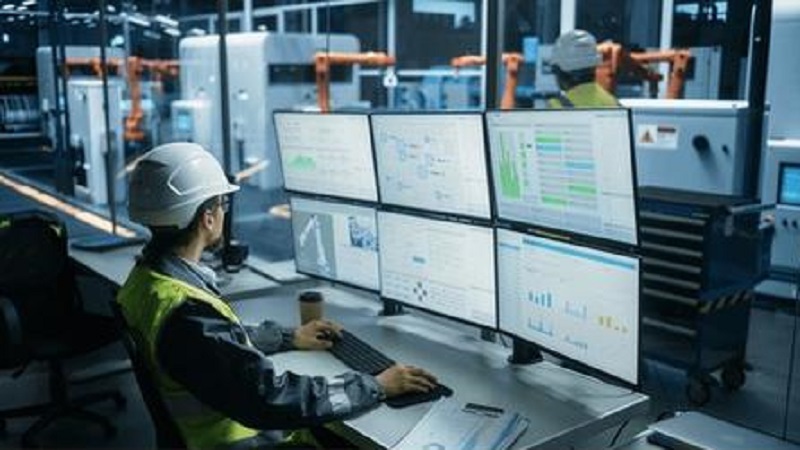
Industries such as oil and gas, chemical processing, pharmaceuticals, power generation, mining, and manufacturing require automation systems that can deliver high reliability, operational efficiency, and improved safety.
Modern industrial facilities are becoming increasingly complex. Companies must manage large amounts of operational data while maintaining stable production, reducing costs, and improving sustainability.
To meet these challenges, industrial organizations are adopting advanced distributed control systems, industrial software platforms, artificial intelligence technologies, and connected automation solutions.
Honeywell continues to support the evolution of industrial automation through advanced process control technologies and digital transformation solutions.
The development of Honeywell Experion DCS technology reflects the changing role of modern automation systems. DCS platforms are no longer limited to monitoring and controlling industrial processes. They are becoming intelligent operational platforms that help companies optimize production, improve equipment reliability, and make better decisions using real-time industrial data.
For global process industries, intelligent DCS automation has become a key technology for achieving safer, more efficient, and more sustainable industrial operations.
The Growing Demand for Intelligent Process Automation
Process industries operate some of the most complex production environments in the world.
Facilities such as:
- Refineries
- Chemical plants
- Power stations
- Pharmaceutical factories
- Water treatment facilities
must operate continuously while meeting strict requirements for:
- Safety
- Quality
- Efficiency
- Environmental protection
Traditional automation systems provided reliable control for industrial processes.
However, modern industries require more advanced capabilities.
Companies now need automation systems that can support:
- Real-time monitoring
- Process optimization
- Equipment diagnostics
- Predictive maintenance
- Digital integration
This demand is driving the development of intelligent automation architectures.
Modern industrial automation combines:
- DCS systems
- PLC controllers
- Field instruments
- Industrial networks
- Data analytics platforms
to create connected and intelligent production environments.
Honeywell Experion DCS Supports Modern Process Control
Distributed Control Systems are essential technologies in continuous process industries.
DCS platforms allow operators to manage complex industrial processes by integrating:
- Controllers
- Field devices
- Operator interfaces
- Engineering systems
- Industrial communication networks
A modern DCS environment continuously collects information from:
- Sensors
- Transmitters
- Valves
- Motors
- Process equipment
This information provides a complete view of plant operations.
Operators can monitor:
- Process conditions
- Equipment performance
- Production efficiency
- Alarm conditions
With improved visibility, industrial companies can:
- Maintain stable production
- Reduce operational risks
- Improve process efficiency
- Respond faster to abnormal situations
The role of DCS technology continues expanding as industries move toward intelligent automation.
Digital Transformation Creates Smart Industrial Operations
Digital transformation has become one of the most important trends in industrial automation.
Industrial facilities generate huge amounts of operational data every day.
This information comes from:
- DCS systems
- PLC controllers
- Sensors
- Industrial instruments
- Production equipment
Traditional systems mainly used this information for direct control.
Modern digital technologies allow companies to analyze operational data and improve decision-making.
Digital transformation helps organizations understand:
- Equipment health
- Production performance
- Energy consumption
- Maintenance requirements
This enables a transition from reactive management to proactive operation.
Instead of waiting for equipment failures or production problems, companies can identify risks earlier and take preventive actions.
Industrial AI Brings New Capabilities to Automation Systems
Artificial intelligence is becoming an important technology in modern industrial automation.
Traditional automation depends on programmed control strategies and engineering experience.
Industrial AI enhances automation by analyzing large amounts of operational information.
AI technologies can support several important applications.
Intelligent Equipment Monitoring
Industrial assets such as:
- Pumps
- Compressors
- Turbines
- Motors
- Valves
require continuous monitoring.
AI-based systems can analyze equipment behavior and identify unusual operating patterns.
This helps companies:
- Detect potential problems earlier
- Reduce unexpected failures
- Improve maintenance planning
- Increase asset reliability
Process Optimization Through Data Analysis
Industrial processes involve complex relationships between many operating conditions.
AI technologies can analyze:
- Production parameters
- Equipment performance
- Energy consumption
- Product quality information
This allows engineers to discover opportunities for improvement.
Benefits include:
- Higher efficiency
- Better process stability
- Reduced resource consumption
Industrial AI is becoming an important tool for next-generation automation.
PLC and DCS Integration Supports Complete Automation Solutions
Although DCS systems are widely used in process industries, PLC technology remains a fundamental part of industrial automation.
Modern facilities often combine PLC and DCS systems to achieve better control performance.
PLC systems are typically used for:
- Machine automation
- Equipment sequencing
- Packaging systems
- Local control applications
DCS systems are typically used for:
- Continuous process control
- Plant-wide monitoring
- Production optimization
The combination of PLC and DCS technologies creates a more complete automation structure.
For example:
A PLC controls auxiliary equipment.
The DCS manages overall process conditions.
Industrial communication networks connect automation systems.
Production data becomes available for analysis.
This integrated approach improves:
- System flexibility
- Operational visibility
- Production efficiency
Predictive Maintenance Improves Industrial Asset Performance
Equipment reliability is one of the most important factors in industrial production.
Unexpected failures can cause:
- Production interruptions
- Higher maintenance costs
- Reduced productivity
- Delivery delays
Modern automation systems support predictive maintenance by analyzing equipment information.
Data from:
- Sensors
- DCS systems
- PLC controllers
- Industrial equipment
can reveal early signs of potential problems.
Predictive maintenance allows companies to:
- Schedule repairs more effectively
- Reduce unexpected downtime
- Extend equipment service life
- Improve production availability
This approach is becoming increasingly common in smart industrial facilities.
Smart Manufacturing Connects Automation and Digital Technologies
Manufacturing industries are moving toward more connected production environments.
Smart manufacturing combines:
- Automation systems
- Industrial software
- Data analytics
- Communication networks
This creates factories that can monitor and optimize operations continuously.
Smart manufacturing technologies help companies improve:
- Production visibility
- Quality management
- Equipment utilization
- Operational efficiency
The connection between automation and digital technologies is becoming a major driver of industrial innovation.
Energy Management Becomes a Key Automation Objective
Industrial energy consumption is a major concern for manufacturers.
Large facilities consume energy through:
- Motors
- Pumps
- Compressors
- Heating systems
- Production equipment
Automation technologies help companies monitor and optimize energy usage.
Modern systems provide information about:
- Energy consumption trends
- Equipment efficiency
- Production performance
This allows organizations to:
- Reduce energy waste
- Lower operating costs
- Improve sustainability
Energy management will continue becoming an important part of future industrial automation strategies.
Industrial Cybersecurity Becomes More Important
As automation systems become more connected, cybersecurity requirements continue increasing.
Modern industrial environments integrate:
- Control systems
- Digital platforms
- Industrial networks
- Remote monitoring technologies
While connectivity improves efficiency, it also introduces new security challenges.
Companies must protect:
- Automation infrastructure
- Operational data
- Communication networks
Future industrial automation must combine:
- Advanced functionality
- Reliable operation
- Strong cybersecurity protection
Challenges in Industrial Automation Modernization
Industrial automation upgrades provide significant advantages, but companies must consider several challenges.
Legacy System Integration
Many facilities continue operating older automation systems.
Modernizing these systems requires careful engineering to ensure continuous production.
Engineering Knowledge Requirements
Modern automation projects require professionals with experience in:
- DCS engineering
- PLC programming
- Industrial communication
- Digital technologies
Investment Considerations
Automation modernization requires investment in:
- Hardware
- Software
- Engineering services
- Workforce training
However, improved efficiency and reliability provide long-term value.
Future Outlook: Intelligent DCS Systems Will Shape Smart Industry Development
The future of industrial automation will depend on intelligent, connected, and flexible control systems.
Industrial companies will continue adopting:
- Advanced DCS platforms
- Industrial AI technologies
- Digital plant solutions
- Predictive maintenance systems
- Smart manufacturing technologies
Honeywell Experion DCS technology represents the continued evolution of process automation toward intelligent industrial operations.
As global industries continue digital transformation, intelligent automation will play an increasingly important role in improving:
- Safety
- Efficiency
- Reliability
- Sustainability
The industrial facilities of the future will rely on automation systems that can control processes, analyze data, and continuously improve performance.
Conclusion
Industrial automation is entering a new era where DCS systems are becoming intelligent digital platforms.
Honeywell Experion DCS solutions demonstrate how modern process automation can combine reliable control with advanced analytics, industrial AI, and digital transformation technologies.
For energy, chemical, pharmaceutical, and manufacturing industries, intelligent automation provides opportunities to improve productivity, reduce downtime, and achieve sustainable development.
As companies worldwide continue upgrading their industrial systems, advanced DCS automation will remain a critical foundation for building safer, smarter, and more efficient industrial environments.