
NewsNEWCENTER
Featured products
Contact Us
Rockwell Automation Advances Smart Manufacturing with AI, Digitalization and Connected Factory Technologies
2026-07-09The global manufacturing industry is experiencing rapid transformation as companies continue adopting digital technologies, intelligent automation systems, and connected production solutions. Manufacturers across automotive, electronics, food and beverage, packaging, and industrial equipment sectors are investing in automation upgrades to improve productivity, reduce operational costs, and increase production flexibility.
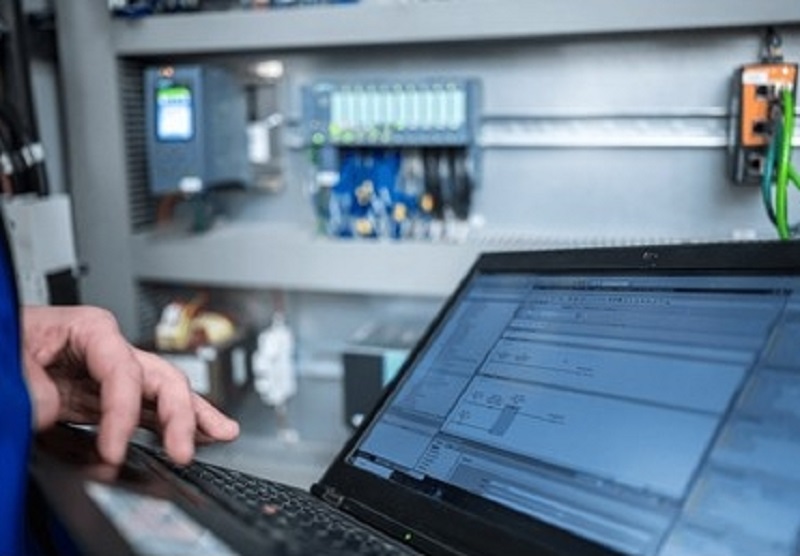
Rockwell Automation, one of the world’s leading industrial automation companies, continues to develop advanced automation solutions based on industrial control systems, digital platforms, and intelligent manufacturing technologies.
The company’s automation ecosystem, including Allen-Bradley control products and FactoryTalk software solutions, supports manufacturers in building more connected and efficient production environments.
Modern manufacturing is no longer focused only on machine operation. Companies now require complete automation solutions that combine:
- PLC control
- Industrial networking
- Data collection
- Manufacturing software
- Artificial intelligence
- Predictive maintenance
- Digital optimization
This transformation represents a major shift from traditional automation toward smart manufacturing.
The Evolution of Manufacturing Automation
Industrial automation has changed significantly over the past several decades.
Traditional factories mainly depended on individual machines controlled by local automation systems.
As production requirements increased, manufacturers introduced:
- Programmable logic controllers
- Human-machine interfaces
- Industrial communication networks
- Supervisory control systems
These technologies improved production efficiency and reliability.
Today, manufacturers are moving toward connected factories where machines, production systems, and business platforms communicate with each other.
A modern smart factory can collect information from thousands of industrial devices, analyze production conditions, and optimize operations.
This new generation of manufacturing requires automation systems that are not only reliable but also intelligent and flexible.
Allen-Bradley PLC Systems Remain a Foundation of Industrial Automation
PLC technology continues to be one of the most important components in modern manufacturing.
Allen-Bradley PLC systems are widely used in industrial applications because of their reliability, performance, and scalability.
PLC controllers provide essential functions such as:
- Machine control
- Sequence management
- Motion coordination
- Safety monitoring
- Industrial communication
In modern factories, PLC systems are becoming more than simple controllers.
They are increasingly used as important data collection points within intelligent manufacturing environments.
A modern PLC system can connect with:
- Industrial sensors
- Motor drives
- Robots
- Vision systems
- Remote I/O devices
- Manufacturing software platforms
This connectivity allows manufacturers to gain better understanding of production performance.
For example, production data collected from PLC systems can help identify:
- Equipment efficiency problems
- Production delays
- Quality issues
- Maintenance requirements
This makes PLC technology an important part of digital manufacturing transformation.
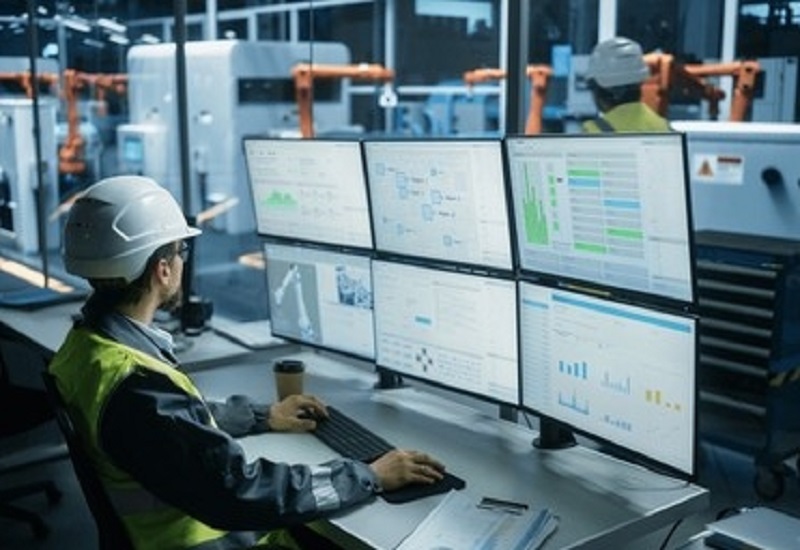
FactoryTalk and Industrial Software Enable Data-Driven Manufacturing
Hardware alone cannot create a smart factory.
Modern manufacturers also require powerful industrial software platforms to collect, analyze, and manage production information.
Industrial software helps companies transform raw machine data into useful operational insights.
Manufacturers can use digital platforms to monitor:
- Production performance
- Equipment status
- Quality information
- Energy consumption
- Maintenance conditions
A connected automation environment allows different departments to work with better information.
Production managers can understand factory performance.
Maintenance teams can identify potential equipment issues.
Engineers can optimize machine operation.
Management teams can make decisions based on real production data.
This data-driven approach is becoming a key characteristic of modern manufacturing.
Artificial Intelligence Creates New Possibilities for Industrial Automation
Artificial intelligence is becoming an important technology in the future development of industrial automation.
Traditional automation systems operate according to programmed instructions.
AI technologies add the ability to analyze large amounts of information and identify patterns that humans may not easily detect.
In manufacturing environments, AI can support:
Predictive Maintenance
Unexpected equipment failures can cause expensive production interruptions.
AI-based systems can analyze:
- Equipment operating conditions
- Historical maintenance records
- Sensor information
- Machine performance trends
This helps companies identify potential failures before they happen.
As a result, maintenance teams can perform repairs at planned times instead of responding to unexpected breakdowns.
Quality Improvement
Manufacturers must maintain consistent product quality while increasing production speed.
AI-based inspection and analytics technologies can help identify quality problems earlier.
By analyzing production information, companies can improve:
- Manufacturing consistency
- Process stability
- Product reliability
Production Optimization
Modern factories often contain complex production processes with many variables.
AI technology can analyze operational data and help manufacturers optimize:
- Machine performance
- Production scheduling
- Resource utilization
- Energy consumption
This creates a more efficient manufacturing environment.
Industrial Networking Becomes Essential for Connected Factories
Smart manufacturing depends on reliable industrial communication.
Modern production facilities require communication between:
- PLC controllers
- Remote I/O modules
- Industrial computers
- Robots
- Sensors
- Software platforms
Industrial networking enables real-time information exchange throughout the factory.
A connected factory provides several advantages:
- Faster problem identification
- Improved production visibility
- Better equipment coordination
- More efficient maintenance
For automation engineers, industrial communication knowledge is becoming increasingly important.
Future automation projects will require expertise in:
- Industrial Ethernet
- Network configuration
- Data communication
- System integration
Smart Manufacturing Supports Flexible Production
Customer demand is changing rapidly.
Manufacturers are facing pressure to produce more customized products while maintaining efficiency.
Traditional production lines are often difficult to modify.
Smart manufacturing technologies provide greater flexibility.
Connected automation systems allow factories to:
- Change production parameters faster
- Monitor production conditions in real time
- Adjust processes more efficiently
This flexibility is especially important for industries such as:
- Electronics manufacturing
- Automotive production
- Consumer goods
- Battery manufacturing
Companies that adopt flexible automation solutions can respond faster to market changes.
The Importance of Industrial Cybersecurity
As factories become more connected, cybersecurity becomes a critical part of industrial automation.
Modern automation systems connect production equipment with:
- Industrial networks
- Remote monitoring systems
- Enterprise software
This creates new requirements for protecting industrial operations.
Manufacturers need to consider:
- Network security
- Access management
- System monitoring
- Data protection
Cybersecurity is becoming an essential element of smart manufacturing strategies.
Automation Modernization Creates New Opportunities
Many factories worldwide still operate automation systems installed years ago.
These systems may continue working effectively but may lack modern capabilities.
Common challenges include:
- Aging PLC hardware
- Limited communication functions
- Difficult spare parts management
- Lack of advanced data capabilities
Automation modernization helps companies upgrade their systems step by step.
Typical modernization projects include:
- PLC replacement
- Control system upgrades
- Network improvements
- Software integration
- HMI modernization
This approach allows manufacturers to improve performance while reducing production disruption.
For industrial automation suppliers, modernization creates opportunities in:
- PLC modules
- Control components
- Communication products
- Industrial spare parts
- Engineering services
Future Outlook: Connected Automation Will Define Manufacturing Competitiveness
The future of manufacturing will depend on intelligent, connected, and flexible automation systems.
Factories are moving toward environments where:
- Machines communicate automatically
- Production data becomes valuable information
- AI supports operational decisions
- Automation systems continuously improve performance
Rockwell Automation’s development direction reflects the broader transformation of the industrial automation industry.
The combination of Allen-Bradley PLC technology, industrial software, networking solutions, and intelligent manufacturing capabilities will continue supporting companies as they modernize their production environments.
Conclusion
Smart manufacturing is becoming a major priority for industries worldwide.
The combination of PLC automation, industrial software, artificial intelligence, and connected factory technologies is creating a new generation of manufacturing systems.
Rockwell Automation’s industrial automation solutions demonstrate how traditional control technologies are evolving into intelligent platforms that support higher efficiency, flexibility, and productivity.
For manufacturers, system integrators, and automation equipment suppliers, investing in digital transformation and automation modernization will be essential for maintaining competitiveness in the future industrial market.
As global industries continue upgrading their production systems, intelligent automation will remain a key driver of manufacturing innovation.