Product Overview
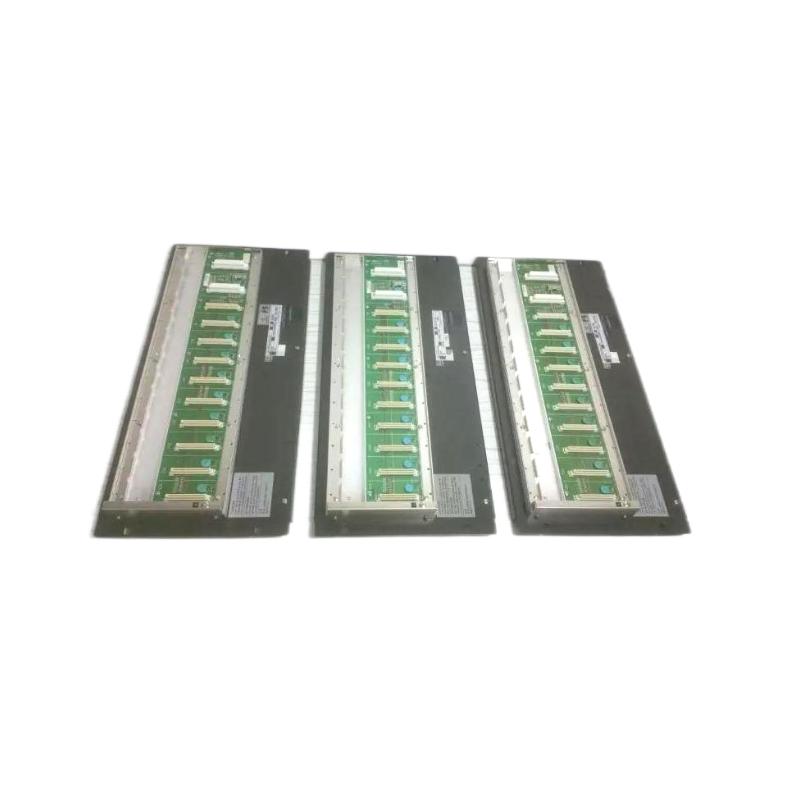
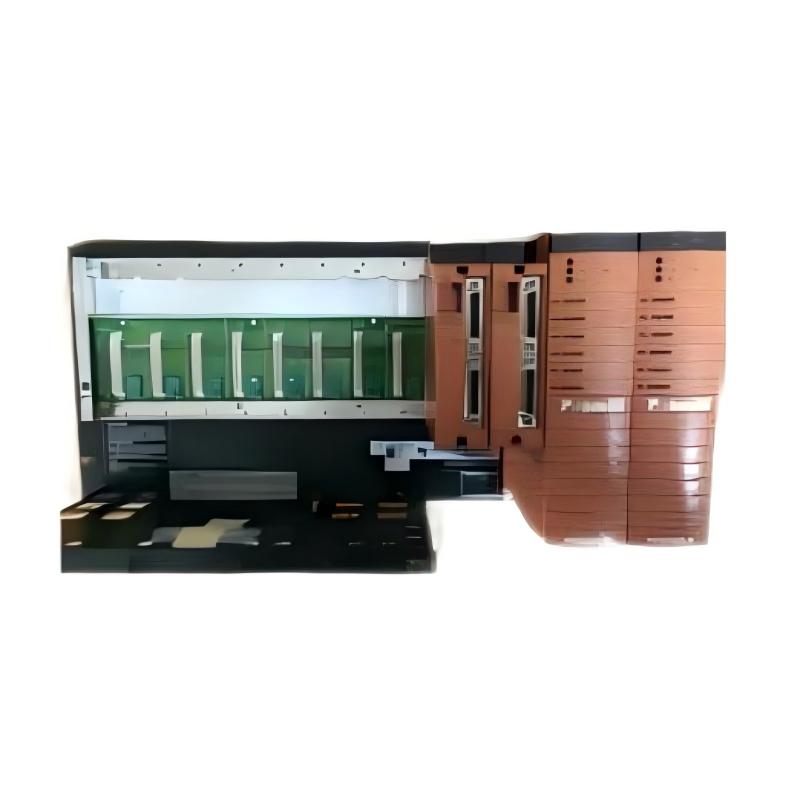
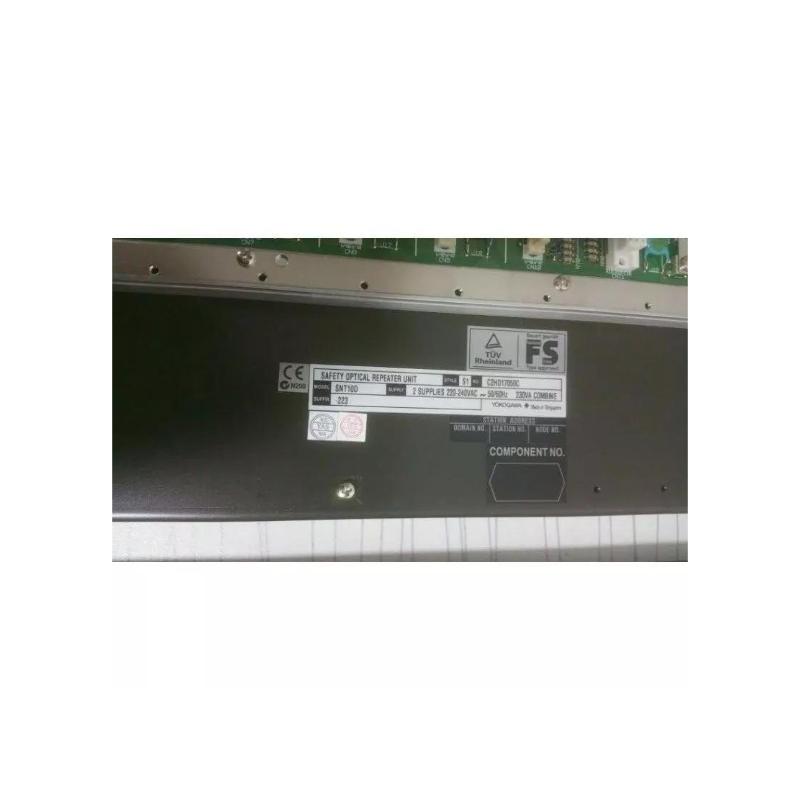
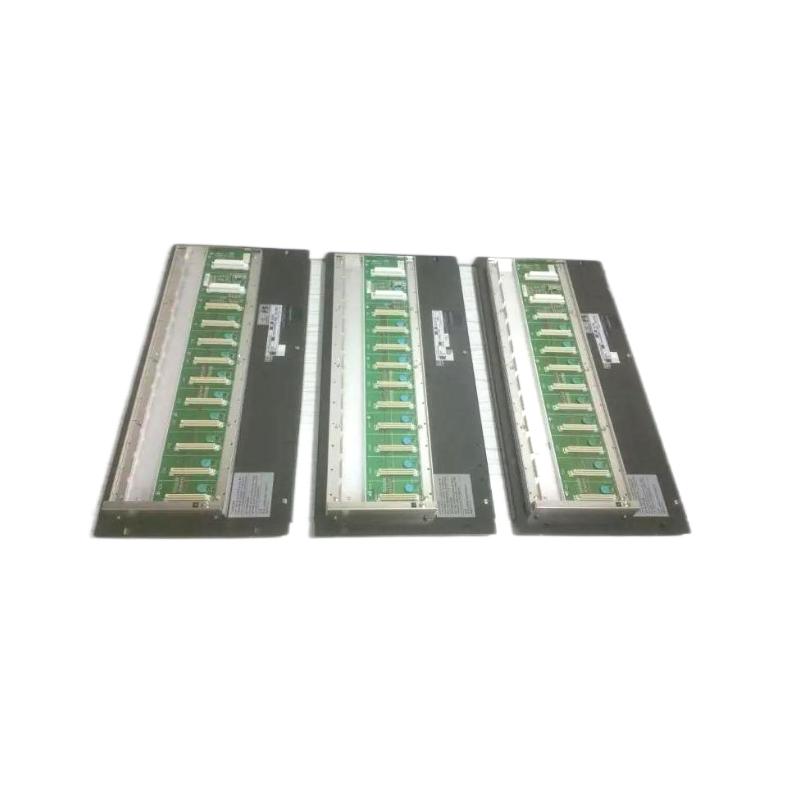
The Yokogawa SNT10D is a Fiber Optic Bus Repeater Unit used in ProSafe-RS Safety Instrumented Systems (SIS). It is designed to support and extend optical ESB bus communication networks, enabling long-distance and flexible safety system architectures.
This unit functions as a communication expansion platform that hosts optical ESB bus repeater modules, improving system scalability and transmission reliability between safety nodes.
Technical Specifications
| Parameter |
Details |
| Manufacturer |
Yokogawa |
| Model |
SNT10D |
| Product Type |
Fiber Optic Bus Repeater Unit |
| System Platform |
ProSafe-RS SIS |
| Function |
Optical ESB bus repeater housing unit |
| Communication Type |
Fiber Optic ESB Bus |
| Mounting Type |
19-inch rack mounted |
| Dimensions |
482.6 x 221.5 x 205 mm |
| Weight |
5.2 kg |
| Power Supply |
Redundant AC/DC options (module dependent) |
| Operating Role |
Communication expansion / bus extension unit |
Function and Working Principle
The SNT10D does not process control signals directly. Instead, it serves as a platform for optical ESB repeater modules, enabling:
- Extension of ESB communication distance using fiber optics
- Conversion and forwarding of ESB bus signals
- Support for star and chain network topologies
- Improved signal integrity in large-scale safety systems
- Expansion of distributed SIS architecture
System Flow
Safety Control Unit → ESB Bus → SNT10D Repeater Unit → Fiber Optic Network → Remote Safety Nodes
System Role in Safety Architecture
The SNT10D acts as a communication backbone expansion unit in Yokogawa ProSafe-RS systems.
It is typically used to:
- Connect remote safety node clusters
- Extend ESB bus communication beyond copper limits
- Support geographically distributed SIS installations
- Improve redundancy and fault isolation in network design
Network Topologies
The SNT10D supports two main structures:
- Star topology: acts as a central hub for ESB optical communication
- Chain topology: sequential linking between multiple nodes
This flexibility allows engineers to design large and complex safety networks.
Industrial Applications
- Oil and gas production facilities
- Petrochemical and refinery plants
- Offshore platforms and FPSO systems
- Power generation stations
- Chemical processing industries
- Large-scale Safety Instrumented Systems (SIS)
- Emergency Shutdown Systems (ESD)
- Fire & Gas safety systems
Installation Notes
- Installed in standard 19-inch control racks
- Requires proper ESB optical module configuration
- Fiber optic routing must follow system design rules
- Redundant power supply configuration recommended
- Environmental and EMC compliance required
Compatible Components
- Optical ESB bus repeater modules (SNT401 / SNT501 / SNT411 / SNT511)
- Yokogawa ProSafe-RS safety controllers
- ESB bus interface modules
- Safety node units (SNB10D series)
- Fiber optic cabling systems
Alternative Models / Related Units
- SNB10D Safety Node Units (system-side integration)
- SNT401 / SNT501 Optical ESB modules
- SNT411 / SNT511 high-reliability repeater modules
- SEC series ESB coupler modules
Key Advantages
- Extends ESB communication distance using fiber optics
- Supports large-scale distributed safety systems
- Improves signal integrity and noise immunity
- Flexible star or chain network design
- Suitable for high-reliability SIS environments
- Supports redundant system architecture
FAQ
Q: Is SNT10D a controller?
No. It is a communication expansion unit for optical ESB bus modules.
Q: What is its main function?
It hosts optical repeater modules to extend ESB communication over fiber optics.
Q: Where is it used?
In large-scale Yokogawa ProSafe-RS safety systems such as SIS, ESD, and F&G applications.
Conclusion
The Yokogawa SNT10D Fiber Optic Bus Repeater Unit is a critical infrastructure component for extending ESB communication in distributed safety systems. It enables long-distance, high-reliability fiber optic networking within ProSafe-RS architectures, supporting scalable and fault-tolerant industrial safety designs.