Product Overview
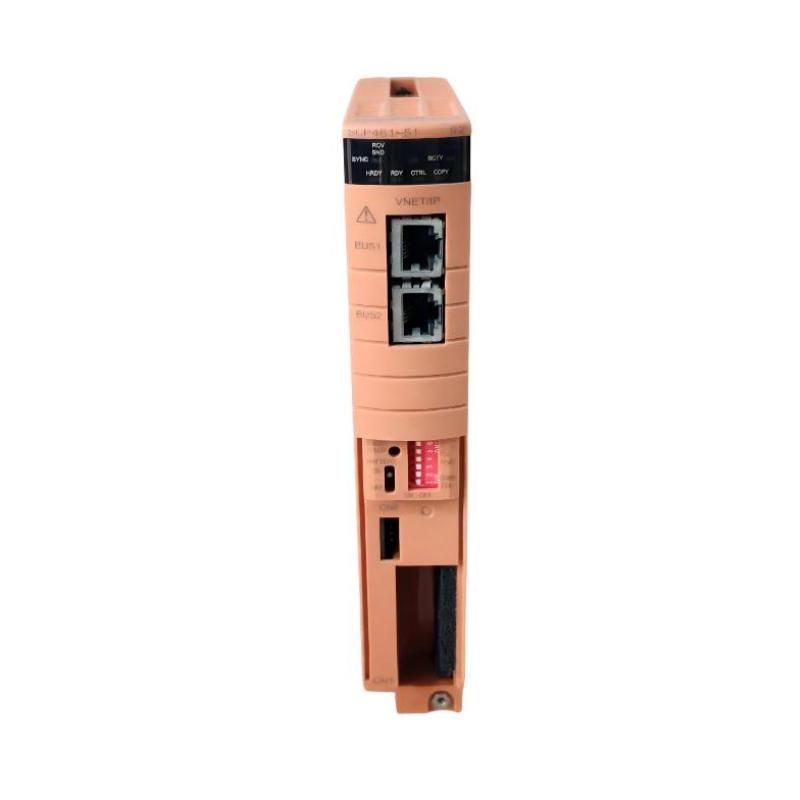
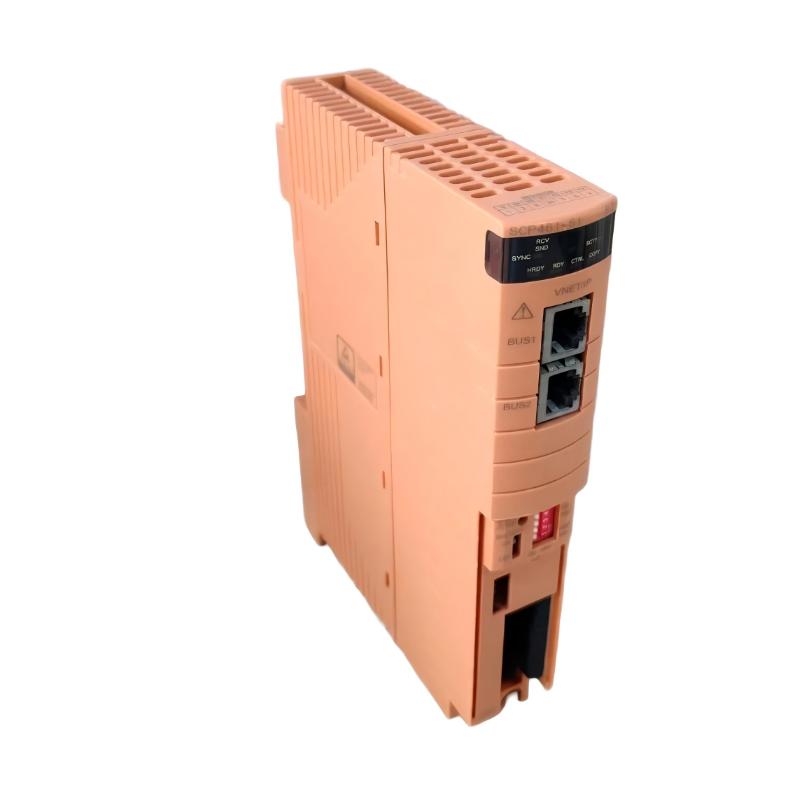
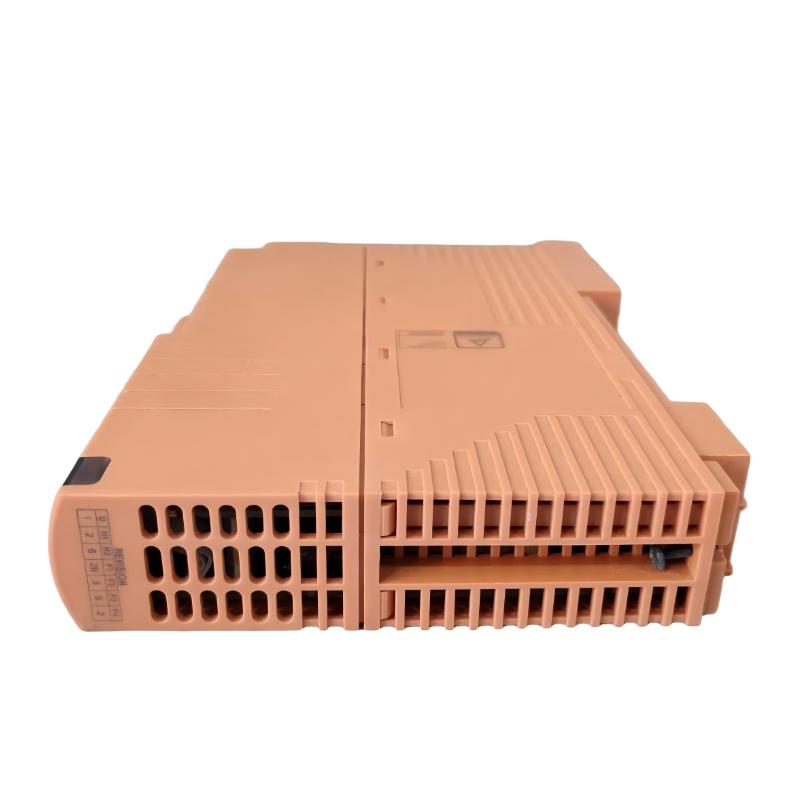
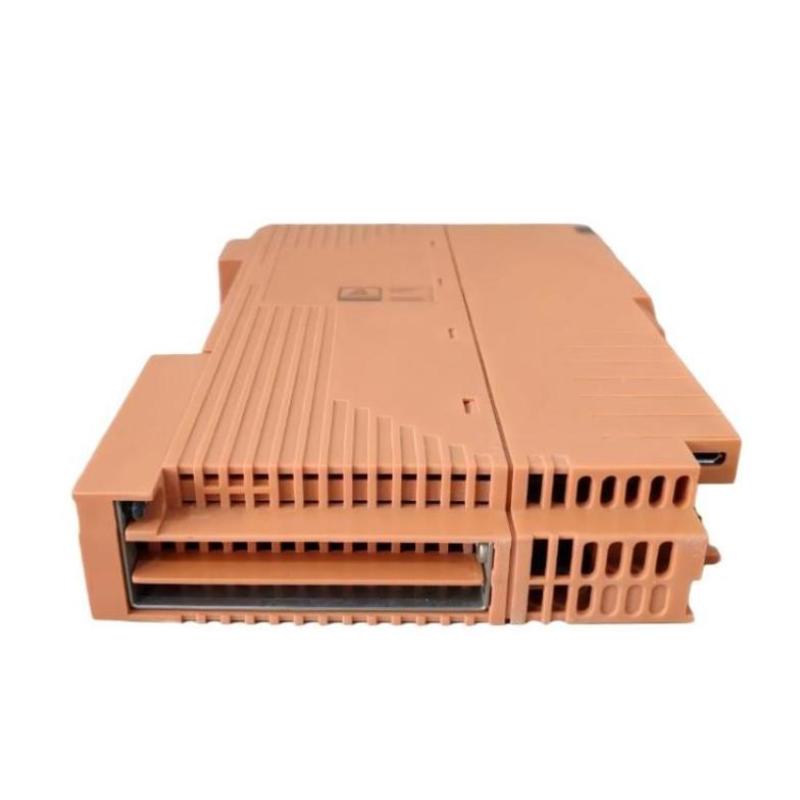
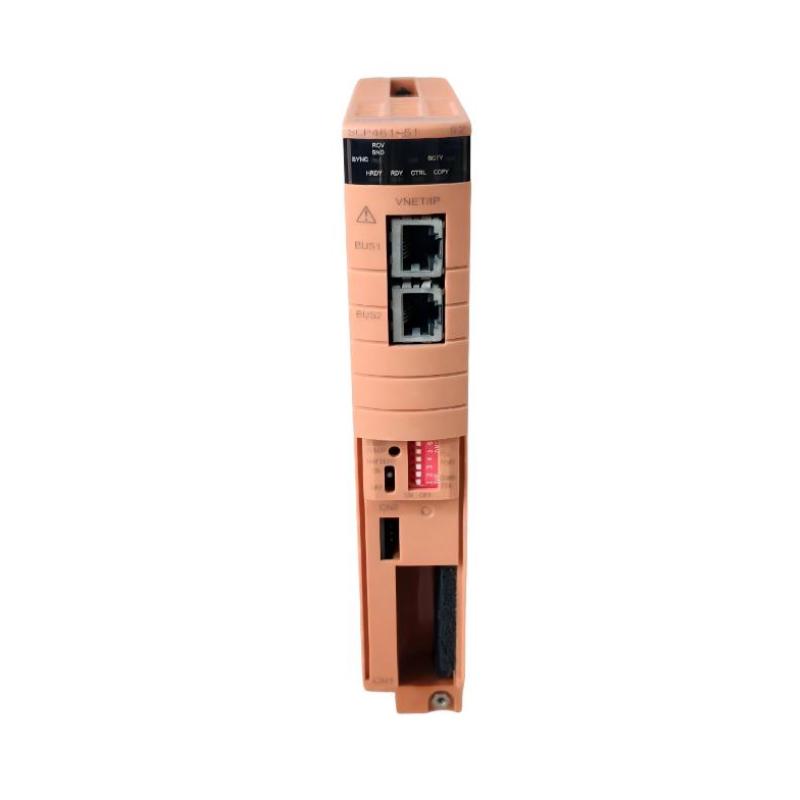
The Yokogawa SCP461-51-S2 Processor Module is a high-reliability industrial CPU used in Yokogawa Distributed Control Systems (DCS), especially within CENTUM CS3000 and CENTUM VP architectures. It is designed to execute real-time process control logic, manage system data, and coordinate communication between I/O modules, field devices, and system interface components.
The “S2” variant typically indicates a hardware revision optimized for redundant or enhanced system configurations, making it suitable for mission-critical automation environments such as oil & gas, petrochemical, and power generation plants.
Technical Specifications
| Parameter |
Details |
| Manufacturer |
Yokogawa |
| Model |
SCP461-51-S2 |
| Product Type |
Processor Module |
| Function |
Industrial Control CPU / Real-Time Execution Unit |
| System Compatibility |
Yokogawa CENTUM CS3000 / CENTUM VP / DCS architectures |
| Processing Type |
Deterministic real-time control processing |
| Installation |
Control cabinet / CPU rack mounted |
| Dimensions |
199.5 × 146.5 × 32.8 mm |
| Weight |
0.7 kg |
| Operating Temperature |
0°C to +50°C |
| Storage Temperature |
-20°C to +70°C |
| Communication |
System bus / ESB or Vnet/IP (system dependent) |
| Memory |
Control program storage + non-volatile process data storage |
| Redundancy |
Supported (system-dependent configuration) |
| Country of Manufacture |
Japan |
Function and Working Principle
The SCP461-51-S2 operates as a core processing unit in a distributed control architecture, responsible for executing automation logic and coordinating plant-wide operations.
Its key functions include:
- Executing real-time control algorithms and sequence logic
- Processing analog and digital I/O signals
- Coordinating communication with system modules and field devices
- Supporting redundant control configurations (system dependent)
- Maintaining deterministic scan cycles for stable process control
- Handling system diagnostics and fault monitoring
The module continuously runs a control loop (input acquisition → logic processing → output execution) to ensure stable and predictable industrial automation performance.
Role in Industrial Control Systems
Within Yokogawa DCS architectures, the SCP461-51-S2 serves as a primary or redundant processor node, connecting:
- Field Control Units (FCU)
- Analog and digital I/O modules
- ESB / Vnet/IP communication modules
- Operator stations (HMI/SCADA systems)
- Engineering and monitoring systems
This ensures synchronized plant-wide control with high availability and reliable execution.
Industrial Applications
The Yokogawa SCP461-51-S2 is widely used in:
- Distributed Control Systems (DCS)
- Oil and gas production and refining
- Petrochemical processing plants
- Power generation stations
- Chemical and pharmaceutical industries
- Water and wastewater treatment systems
- Pulp and paper manufacturing
- Large-scale industrial automation systems
It is especially suitable for environments requiring continuous operation, high reliability, and system redundancy.
Installation and System Integration
Proper installation ensures stable CPU performance.
Recommended practices include:
- Install in designated CPU or control rack slot
- Ensure secure connection to system backplane
- Maintain proper ventilation and cooling
- Avoid vibration and electromagnetic interference
- Verify redundancy configuration during commissioning
- Follow Yokogawa engineering and maintenance procedures
Correct installation helps ensure long-term stability and reliable control execution.
Compatible System Components
The SCP461-51-S2 is commonly used with:
- Yokogawa I/O modules (analog and digital)
- ESB / Vnet/IP communication modules
- Field Control Units (FCU)
- Operator stations (HMI/SCADA systems)
- Terminal boards (SBA / SBD series)
- System power supply units
- Engineering workstations
These components form a complete distributed control system ecosystem.
Recommended Alternative Models
| Model |
Type |
Key Feature |
Application |
| SCP461-51-S2 |
Processor Module |
Redundant-capable DCS CPU |
Advanced control systems |
| SCP461-51-S1 |
Processor Module |
Standard revision variant |
General DCS applications |
| SCP461-11 S1 |
Processor Module |
Standard CPU configuration |
Legacy systems |
| SCP461 |
Processor Module |
Base platform CPU |
Core control systems |
| SCP451 |
Processor Module |
Enhanced performance CPU |
High-demand automation |
Key Advantages
- High-speed real-time control execution
- Stable and deterministic processing performance
- Strong compatibility with Yokogawa DCS systems
- Supports continuous 24/7 industrial operation
- Suitable for redundant system architectures
- Robust industrial-grade construction
- High integration with I/O and communication modules
- Reliable long-term operation in harsh environments
- Critical role in maintaining system stability
Technical FAQs
What is the main function of SCP461-51-S2?
It is a processor module that executes real-time control logic and manages industrial automation processes in Yokogawa DCS systems.
What does “S2” mean?
It typically refers to a specific hardware revision or configuration variant, often associated with redundancy or system design differences.
Is it a communication module?
No. It is a CPU-level processor module responsible for control execution, not only communication.
Where is it used?
It is used in Yokogawa CENTUM CS3000 and CENTUM VP Distributed Control Systems.
Conclusion
The Yokogawa SCP461-51-S2 Processor Module is a core control component in Yokogawa Distributed Control Systems. It delivers stable, high-speed, and deterministic execution of industrial automation logic while supporting redundant system architectures. With its robust design, strong compatibility, and proven reliability, it plays a critical role in ensuring safe, efficient, and continuous operation in complex industrial environments.