Product Overview
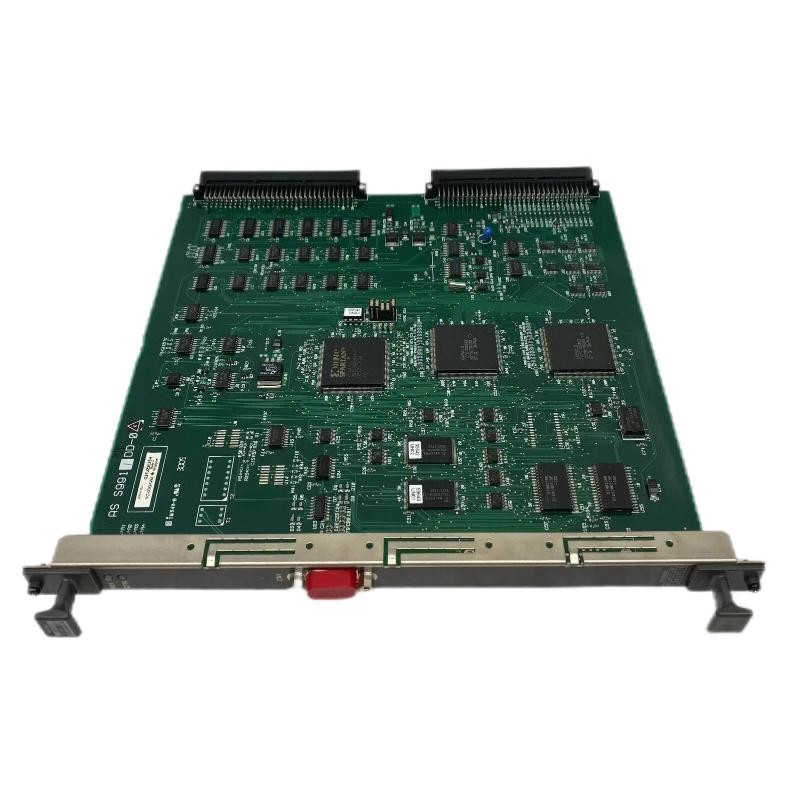
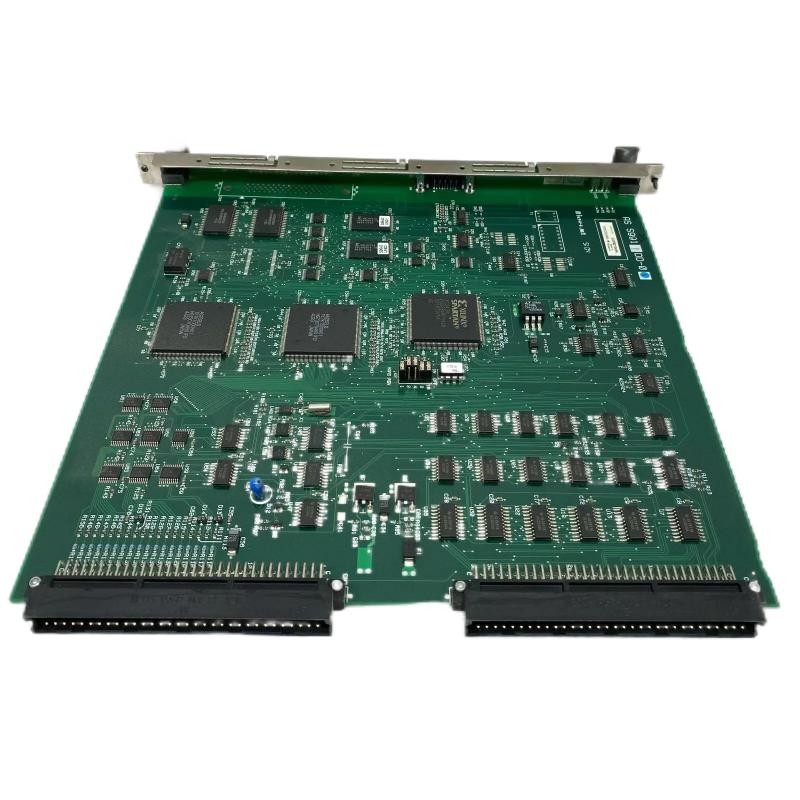
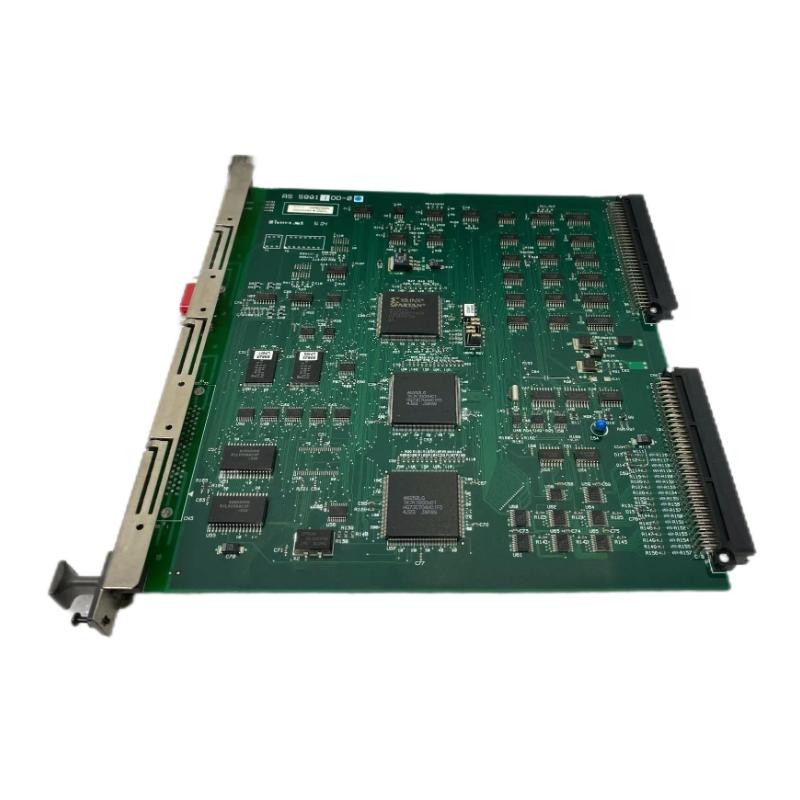
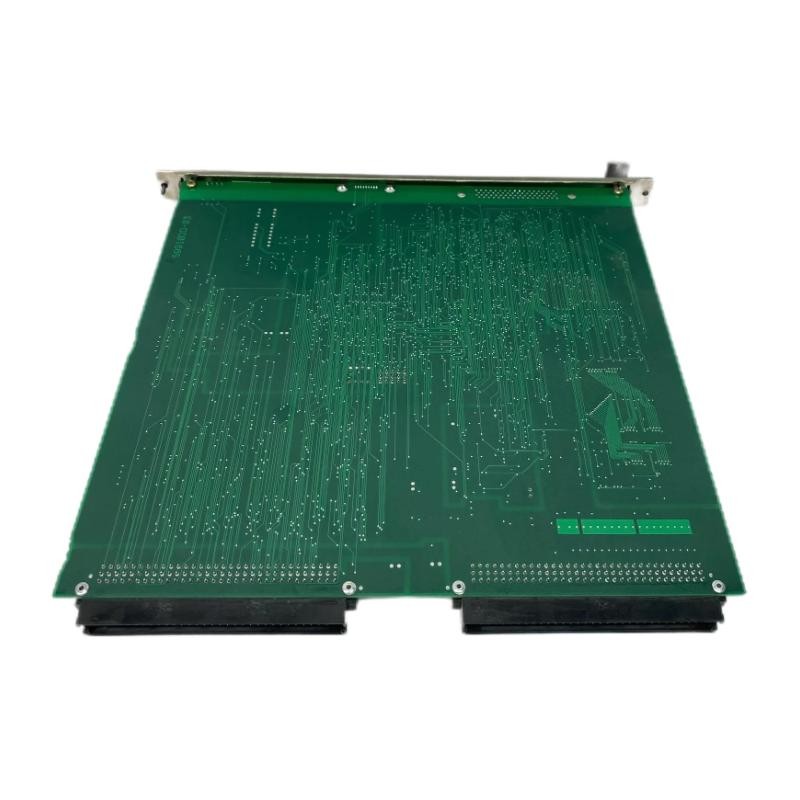
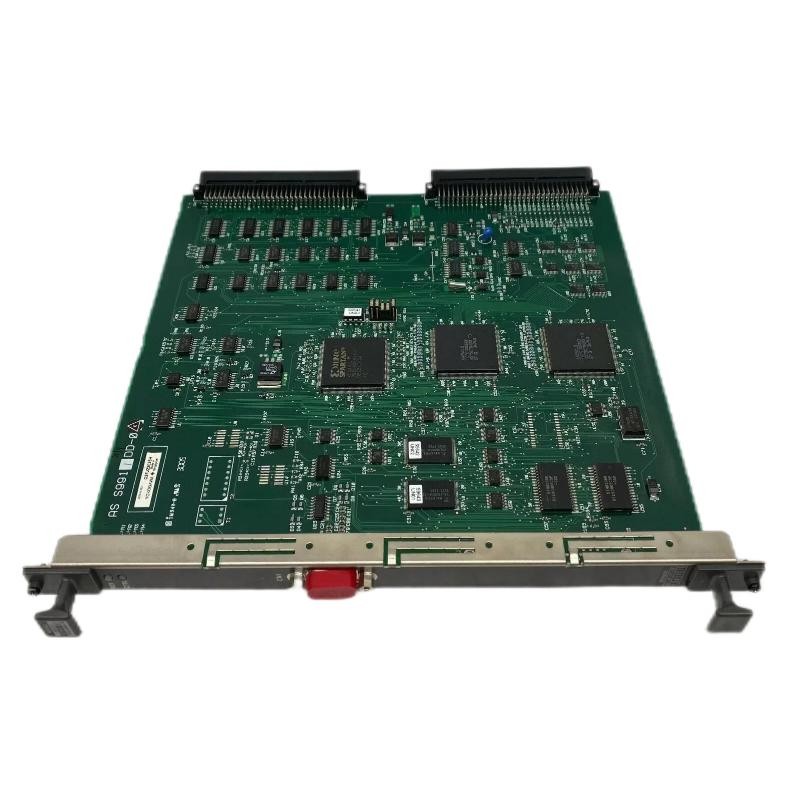
The Yokogawa SB301 S1 Type Interface Card Module is an industrial communication interface designed for Yokogawa Distributed Control Systems (DCS), especially within CENTUM CS3000 and CENTUM VP architectures. It is used to enable high-speed data exchange between Field Control Units (FCU), system backplanes, and distributed network nodes.
This module acts as a core ESB bus interface card, supporting stable, redundant, and real-time communication within large-scale automation systems. Its robust construction and high integration capability make it suitable for mission-critical industrial environments.
Technical Specifications
| Parameter |
Details |
| Manufacturer |
Yokogawa |
| Model |
SB301 |
| Type |
S1 Interface Card Module |
| Product Type |
ESB Bus / System Interface Card |
| System Compatibility |
Yokogawa CENTUM CS3000 / CENTUM VP |
| Function |
System Communication Interface |
| Communication Type |
ESB Bus / Internal DCS Network |
| Installation |
Rack-mounted / Control cabinet slot |
| Dimensions |
143 × 122 × 40 mm |
| Weight |
2 kg |
| Operating Temperature |
0°C to +50°C |
| Storage Temperature |
-20°C to +70°C |
| Construction |
Industrial-grade electronic interface card |
| Redundancy Support |
Yes (dual-redundant configuration supported) |
| Country of Manufacture |
Japan |
Function and Working Principle
The Yokogawa SB301 operates as a high-speed communication bridge within a DCS system. It manages data transmission between control processors and distributed system nodes.
Its main functions include:
- Providing ESB bus communication between FCU and system modules
- Enabling high-speed industrial data exchange
- Supporting redundant communication paths for reliability
- Synchronizing control system data in real time
- Ensuring stable communication between distributed nodes
The module operates as part of a structured system backplane, ensuring all connected components remain synchronized and responsive.
Role in Industrial Control Systems
Within Yokogawa automation systems, the SB301 serves as a central communication interface card, connecting:
- Field Control Units (FCU)
- Control processors
- I/O subsystems
- System backplane networks
- Redundant control architectures
- Distributed node systems
It ensures consistent and reliable communication across the entire control system architecture.
Industrial Applications
The Yokogawa SB301 is widely used in:
- Distributed Control Systems (DCS)
- Oil and gas processing plants
- Petrochemical facilities
- Power generation stations
- Chemical manufacturing industries
- Water treatment systems
- Industrial automation networks
- Large-scale process control systems
It is especially important in environments where communication reliability directly impacts process safety and stability.
Installation and System Integration
Proper installation is required for stable system operation.
Recommended practices include:
- Install in designated FCU or system rack slot
- Ensure correct alignment with backplane connectors
- Secure card firmly into system chassis
- Verify redundancy configuration during setup
- Perform communication diagnostics after installation
- Follow Yokogawa engineering and maintenance procedures
Correct installation ensures stable ESB communication and minimizes system downtime.
Compatible System Components
The SB301 is commonly used with:
- Yokogawa Field Control Units (FCU)
- CENTUM CS3000 / CENTUM VP systems
- ESB bus backplane structures
- I/O modules and subsystems
- System processor units
- Redundant control modules
- Industrial communication nodes
These components together form a complete distributed control architecture.
Recommended Alternative Models
| Model |
Type |
Key Feature |
Application |
| SB301 |
S1 Interface Card |
ESB Bus Communication |
DCS Systems |
| S9960DD-01 |
Signal Bus Module |
Internal Signal Transmission |
Control Systems |
| S9981DE-0 |
Interface Unit |
System Integration Bridge |
Multi-device Networks |
| S9879UK |
Connector Unit |
Module Connectivity |
Cabinet Integration |
| S9451DB |
Bus Module |
RIO Communication Support |
Distributed Systems |
Key Advantages
- High-speed ESB bus communication
- Supports redundant system architecture
- Stable industrial-grade performance
- Strong compatibility with Yokogawa DCS platforms
- Reliable long-term operation
- Reduces communication failure risk
- Easy integration into system architecture
- Suitable for harsh industrial environments
- Supports continuous 24/7 operation
Technical FAQs
What is the main function of the Yokogawa SB301?
It provides ESB bus communication between control system modules in Yokogawa DCS architectures.
Is it a CPU module?
No. It is an interface card used for system communication, not for processing control logic.
Does it support redundancy?
Yes. It can be configured in redundant pairs for higher system reliability.
Where is it used?
It is used in Yokogawa CENTUM CS3000 and CENTUM VP distributed control systems.
Conclusion
The Yokogawa SB301 S1 Type Interface Card Module is a key communication component in Yokogawa Distributed Control Systems. It ensures stable, high-speed, and redundant data exchange between system modules, supporting reliable operation in complex industrial environments. With its robust design, strong compatibility, and proven performance, it plays a critical role in maintaining system integrity and continuous automation performance.