Product Overview
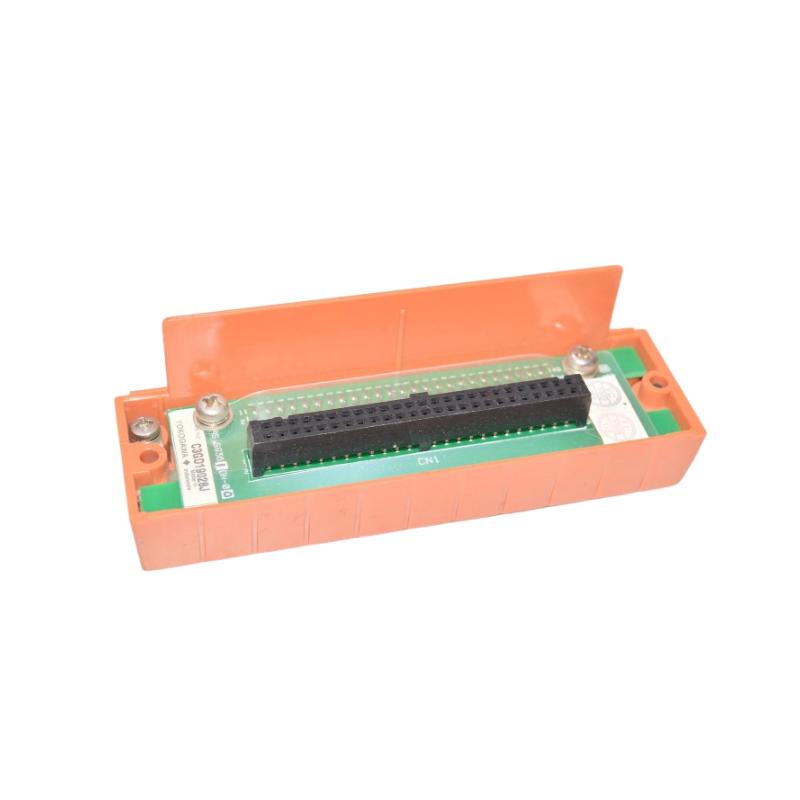
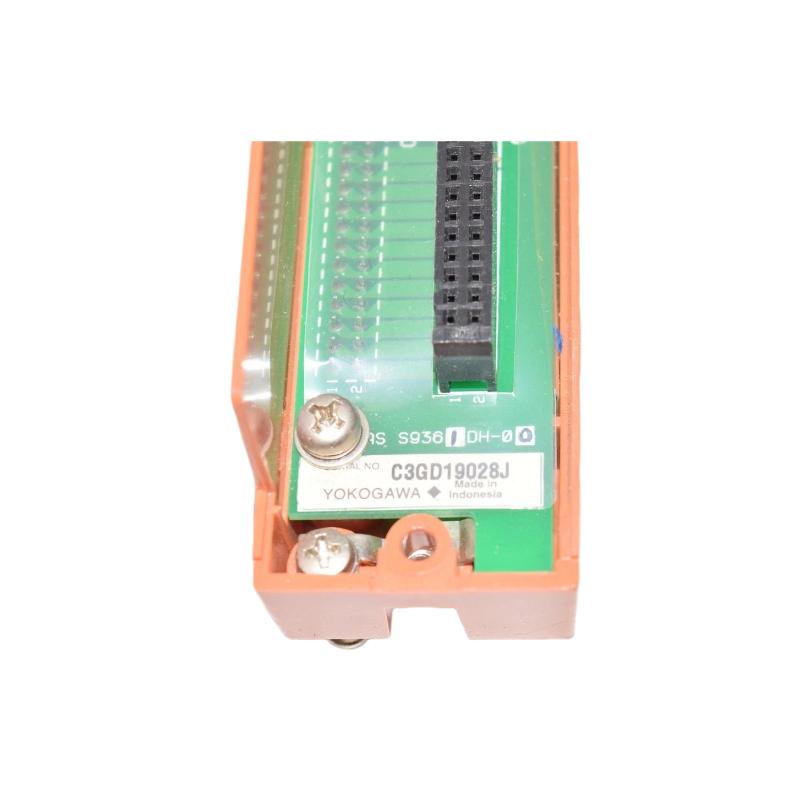
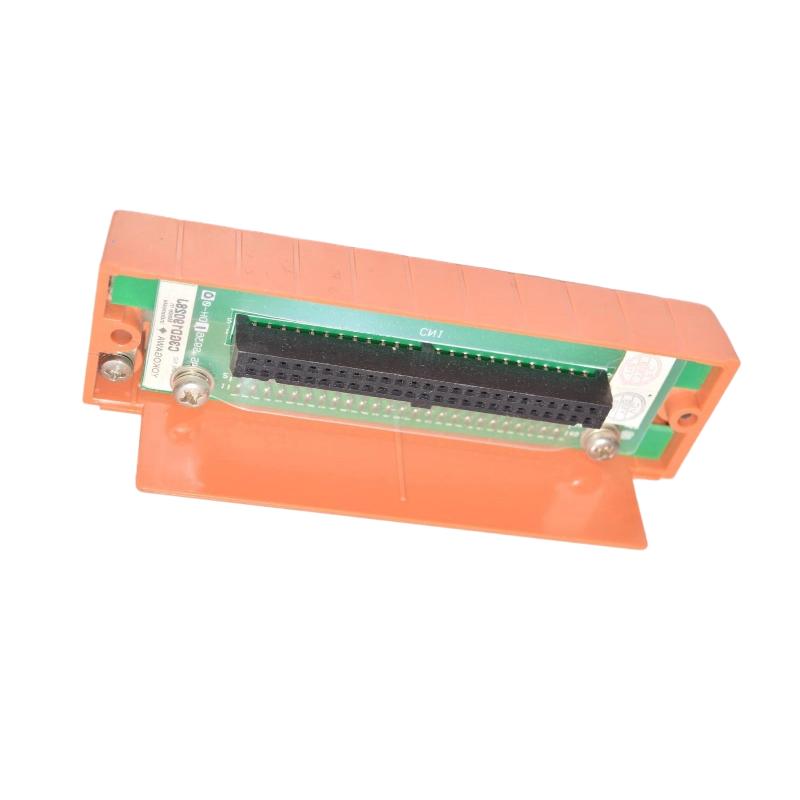
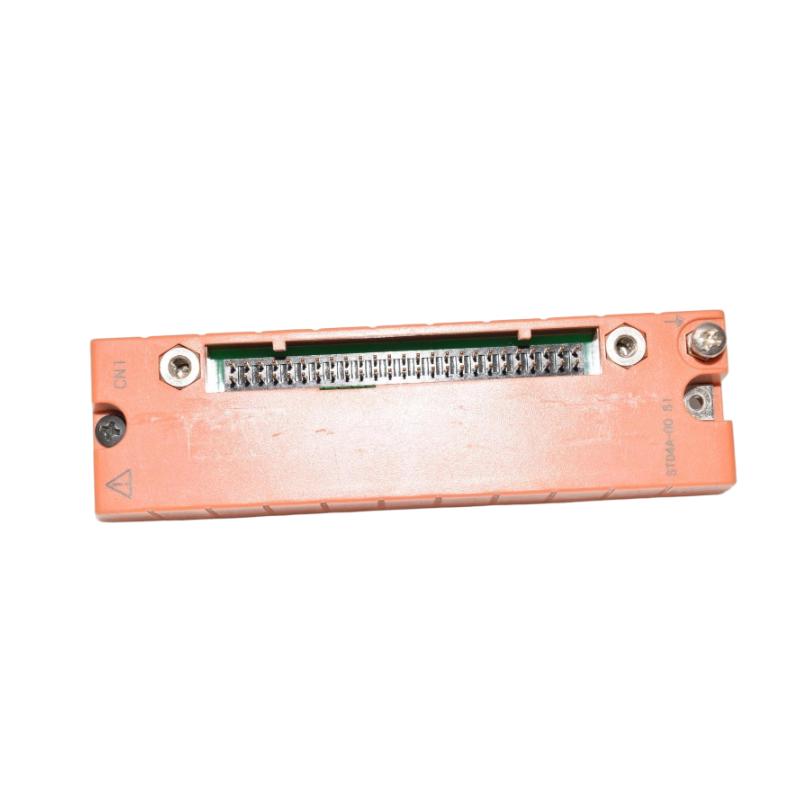
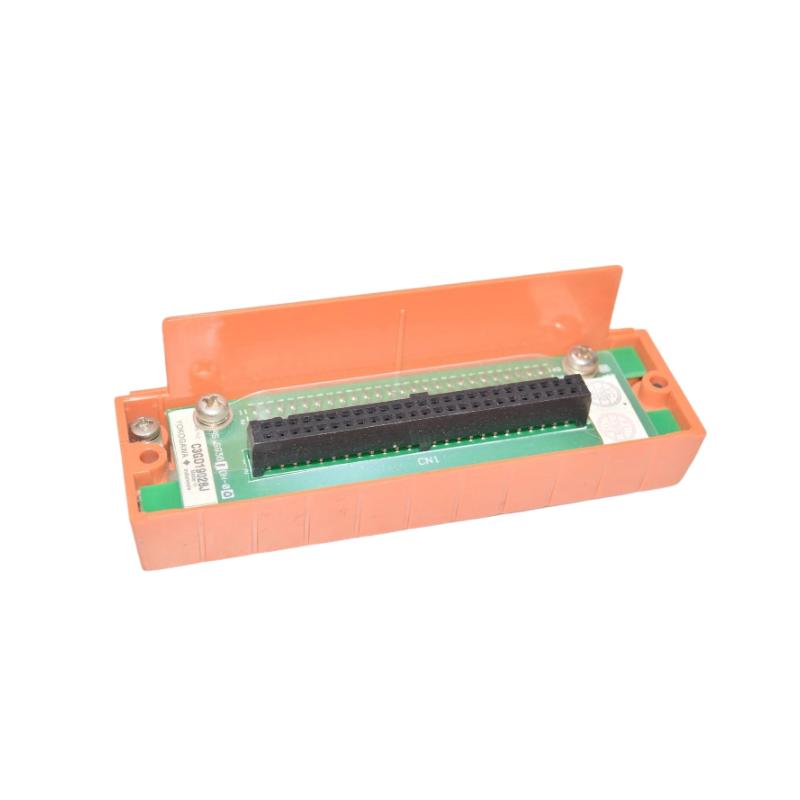
The Yokogawa S9361DH Terminal Board Module is an industrial interface component designed for Yokogawa Distributed Control Systems (DCS). It is used as a termination and signal distribution board that connects field wiring to control system modules, ensuring stable and organized signal routing within automation cabinets.
This module plays a key role in simplifying wiring architecture, improving maintenance efficiency, and ensuring reliable signal transmission between field devices and control processors. Its compact structure and industrial-grade design make it suitable for continuous operation in demanding process control environments.
Technical Specifications
| Parameter |
Details |
| Manufacturer |
Yokogawa |
| Model |
S9361DH |
| Product Type |
Terminal Board Module |
| Function |
Signal Termination and Wiring Interface |
| System Compatibility |
Yokogawa DCS / CENTUM Series |
| Signal Type |
Digital / Analog Field Signals |
| Installation |
Control Cabinet / Rack Mounted |
| Dimensions |
50 × 32.8 × 107.5 mm |
| Weight |
0.2 kg |
| Operating Temperature |
0°C to +50°C |
| Storage Temperature |
-20°C to +70°C |
| Construction |
Industrial-grade PCB Terminal Assembly |
| Mounting Type |
Backplane / Panel Integration |
| Country of Manufacture |
Japan |
Function and Working Principle
The Yokogawa S9361DH functions as an interface between field wiring and control system modules. It organizes and distributes incoming and outgoing signals, ensuring stable and structured communication within the system.
Its working principle includes:
- Receiving field wiring signals from external devices
- Distributing signals to corresponding control modules
- Providing stable electrical connection points
- Reducing wiring complexity inside control cabinets
- Improving signal reliability and maintenance accessibility
By acting as a centralized termination point, the module helps reduce wiring errors and enhances overall system stability.
Role in Industrial Control Systems
Within Yokogawa DCS architectures, the S9361DH plays an important role in signal management and system organization. It is typically used in:
- Field wiring termination systems
- I/O module connection interfaces
- Control cabinet signal distribution networks
- Distributed control system wiring architecture
- Process automation signal management layers
It ensures that field signals are properly routed, organized, and maintained throughout the control system lifecycle.
Industrial Applications
The Yokogawa S9361DH is widely used in industrial automation environments such as:
- Distributed Control Systems (DCS)
- Oil and Gas Processing Facilities
- Petrochemical Plants
- Chemical Manufacturing Units
- Power Generation Stations
- Water and Wastewater Treatment Systems
- Pulp and Paper Mills
- Pharmaceutical Production Facilities
- Mining and Metallurgy Operations
- Large-scale Industrial Automation Systems
Its reliability and structured wiring support make it suitable for complex industrial installations.
Installation and System Integration
Proper installation of the S9361DH is essential for stable signal performance.
Recommended installation practices include:
- Install within designated control cabinets or racks
- Ensure secure field wiring connections to terminal points
- Verify correct signal mapping before system startup
- Use proper shielding and grounding practices
- Follow Yokogawa installation and maintenance guidelines
- Perform periodic inspection of terminal connections
Correct installation ensures long-term signal stability and reduces maintenance issues.
Compatible System Components
The Yokogawa S9361DH is commonly used with the following system components:
- Yokogawa Field Control Units (FCU)
- I/O Modules (Analog and Digital)
- ESB Bus Communication Modules
- Field Wiring Systems
- Control Processor Units
- Terminal Block Assemblies
- Distributed Control Cabinets
- CENTUM VP System Components
These components work together to ensure efficient signal acquisition and control execution.
Recommended Alternative Models
Depending on system configuration and wiring requirements, the following alternatives may be used:
| Model |
Type |
Key Feature |
Application |
| S9361DH |
Terminal Board Module |
Standard Signal Termination |
DCS Wiring Systems |
| S9361DG |
Terminal Board Module |
Enhanced I/O Interface |
Advanced Control Systems |
| S9351FA |
I/O Terminal Board |
Compact Wiring Solution |
Field Signal Integration |
| S9341FA |
Bus Connector Unit |
Communication Interface |
ESB Network Systems |
| ADV551 |
I/O Module |
High-Density Signal Handling |
Process Automation |
Key Advantages
- Simplifies field wiring management
- Improves signal organization and clarity
- Enhances maintenance efficiency
- Supports stable signal transmission
- Compact industrial-grade design
- High compatibility with Yokogawa DCS systems
- Reduces wiring errors and installation complexity
- Suitable for continuous industrial operation
- Reliable long-term performance
Technical FAQs
What is the main function of the Yokogawa S9361DH?
The S9361DH is a Terminal Board Module used to connect and organize field wiring signals within Yokogawa Distributed Control Systems.
Where is it installed?
It is typically installed inside control cabinets or system racks as part of the signal termination architecture.
Does it process signals?
No. It only provides signal termination and distribution; signal processing is handled by I/O and control modules.
Why is a terminal board important in DCS systems?
It improves wiring organization, reduces installation errors, and enhances system maintainability and reliability.
Conclusion
The Yokogawa S9361DH Terminal Board Module is an essential component for structured field wiring and signal termination in Yokogawa Distributed Control Systems. With its compact design, stable connectivity, and strong system compatibility, it ensures efficient signal distribution between field devices and control modules. Whether used in power plants, petrochemical facilities, or industrial automation systems, the S9361DH contributes to improved wiring management, system reliability, and long-term operational stability.