

ProductPRODUCT
Featured products
Contact Us
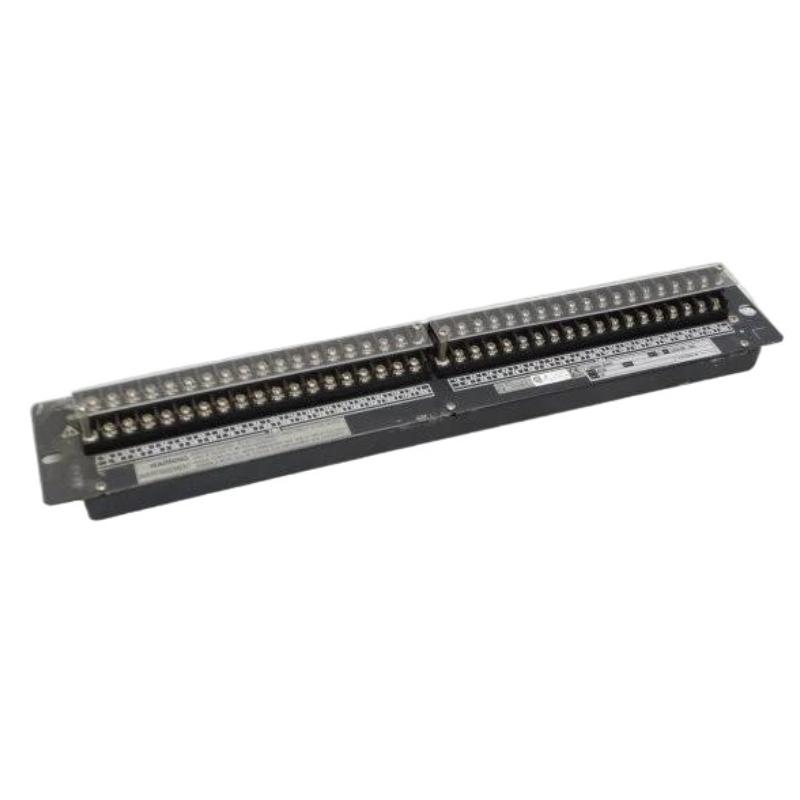
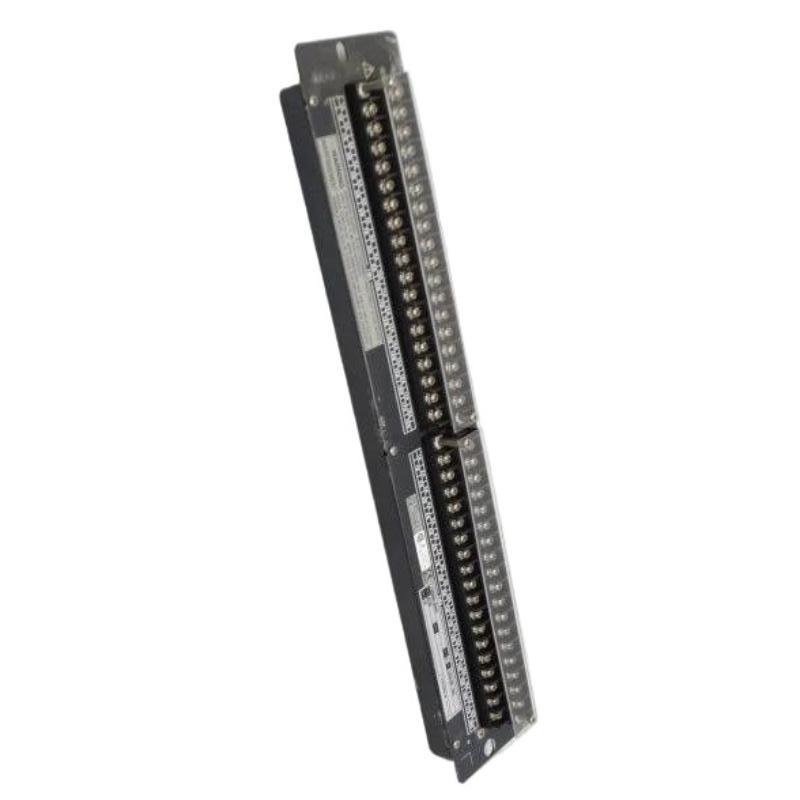
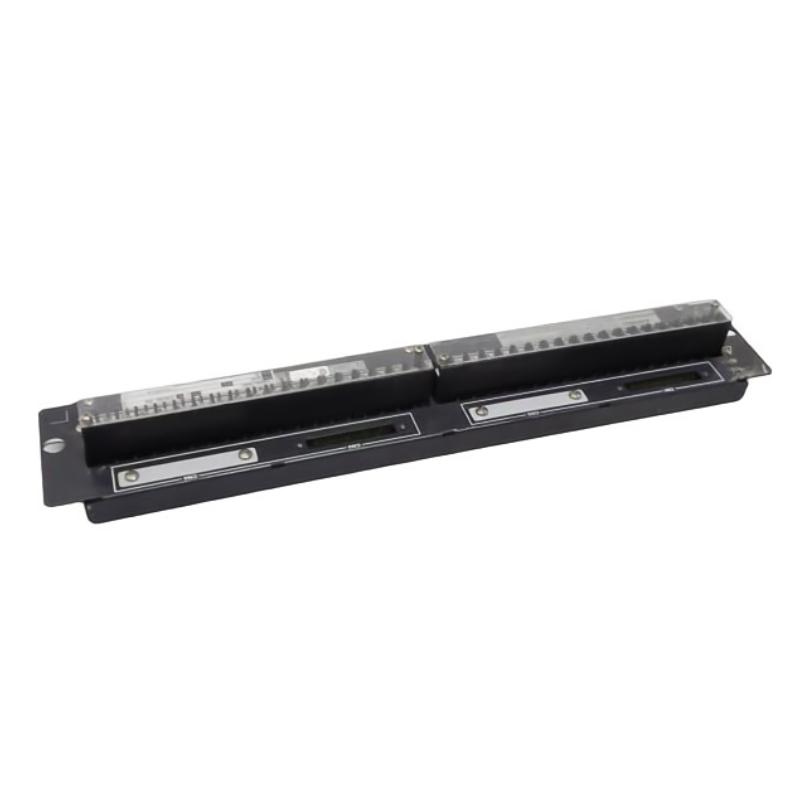
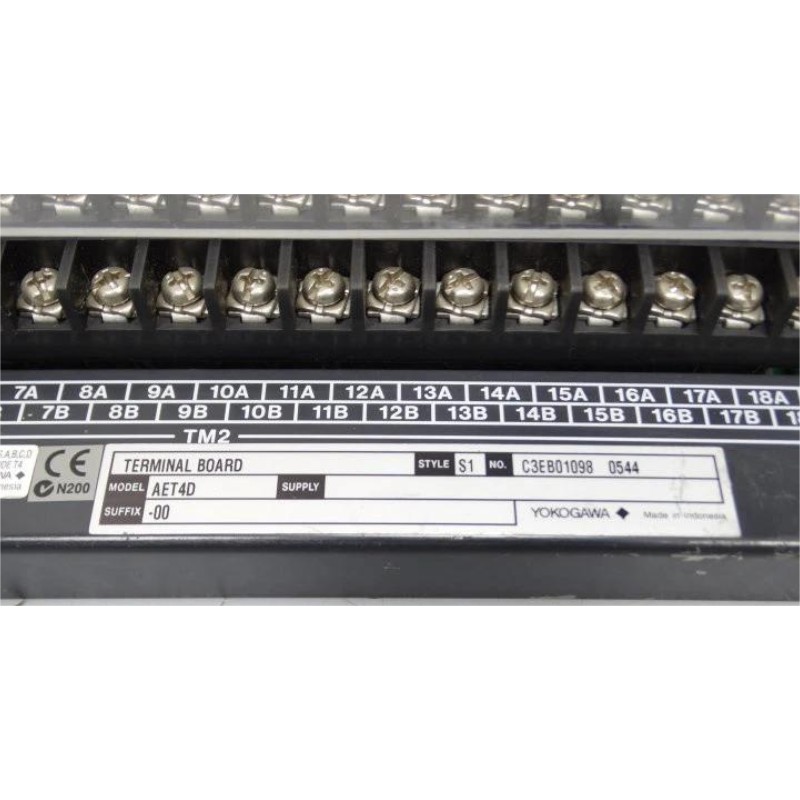
- Yokogawa
- AET4D-00
- Thermocouple Terminal Block
- Japan
- 482.6 x 88.1 x 85 mm
- 1.8 kg
- Xiamen, China
- New & In Stock
- T/T, PayPal, Western Union
- 1 Year
- 1-3 Working Days
- DHL, UPS, TNT, FedEx and EMS.
- 24-Hour Service
- COO
- 215
Our advantage

Global Logistics
We have a 10-year logistics and express cooperation agreement, so our products can be shipped to any place in the world.

Brand new and original
Our products are imported in bulk from the place of origin. Because of the cooperative relationship, our products are all original and 100% new.

24-hour service
We provide 7*24 hours service to our customers. We will be there whenever you need us.

Price advantage
All our products are priced very favorably because we have our own warehouse and supply.
| Company Information | |||
| [email protected] | |||
| Mobile | +8615980777398 | ||
| +8615980777398 | |||
| 15980777398 |
Product Overview
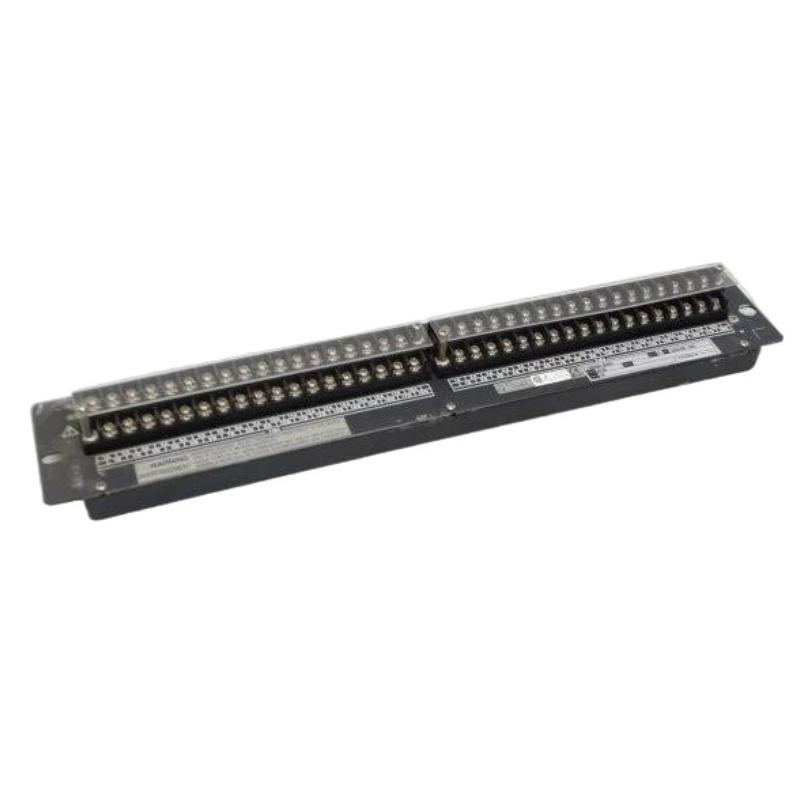
The Yokogawa AET4D-00 Thermocouple Terminal Block is an industrial signal termination module used in Yokogawa distributed control systems (DCS). It is designed to interface thermocouple field wiring with system I/O modules, ensuring accurate temperature signal transmission in automation and process control environments.
This module provides a stable and organized connection point for thermocouple inputs, helping maintain signal integrity and reducing wiring complexity in control cabinets.
Technical Specifications
| Parameter | Details |
|---|---|
| Manufacturer | Yokogawa |
| Model | AET4D-00 |
| Product Type | Thermocouple Terminal Block |
| Function | Thermocouple signal termination and wiring interface |
| Supported Signal Type | Thermocouple (Type K, J, T, E, etc.) |
| Channel Capacity | 16-channel (typical configuration) |
| Connection Type | Screw terminal (M3/M4 depending on system design) |
| Signal Isolation | Channel-to-channel electrical isolation |
| Cold Junction Compensation | Supported via system I/O module |
| Dimensions | 482.6 × 88.1 × 85 mm |
| Weight | 1.8 kg |
| Mounting Type | Rack-mounted / cabinet-mounted |
| System Compatibility | Yokogawa CENTUM VP / CENTUM CS / FIO systems |
| Operating Environment | Industrial control cabinets |
| Material | Industrial-grade PCB and metal housing |
Function and Working Principle
The AET4D-00 functions as a passive thermocouple signal interface between field sensors and DCS input modules.
Its working process includes:
- Receiving low-voltage thermocouple signals from field devices
- Terminating and organizing multi-channel thermocouple wiring
- Routing signals to Yokogawa analog input modules
- Supporting cold junction compensation via connected I/O system
- Ensuring stable signal transmission with minimal noise interference
Since thermocouples generate millivolt-level signals, the terminal board plays a critical role in maintaining signal accuracy and stability before conversion in the control system.
Role in Industrial Control Systems
Within Yokogawa automation systems, the AET4D-00 serves an important interface function:
- Acts as the central termination point for thermocouple wiring
- Connects temperature sensors to DCS analog input modules
- Improves wiring organization inside control cabinets
- Reduces installation errors and simplifies maintenance
- Ensures stable temperature signal acquisition in process control systems
It is widely used in temperature monitoring architectures in industrial plants.
Industrial Applications
The Yokogawa AET4D-00 is commonly used in:
- Distributed Control Systems (DCS)
- Oil and gas processing plants
- Petrochemical and refinery systems
- Power generation facilities
- Furnace and boiler temperature monitoring
- Industrial process temperature measurement systems
It is especially suitable for environments requiring precise and stable temperature monitoring.
Installation and System Integration
For optimal performance, the AET4D-00 should be installed as follows:
- Mounted in industrial control cabinets or racks
- Connected directly to Yokogawa thermocouple input modules
- Field thermocouples wired into designated terminal points
- Proper shielding used to reduce electromagnetic interference
- Organized wiring layout for maintenance efficiency
Correct installation is critical to ensure measurement accuracy and system stability.
Compatible System Components
The AET4D-00 typically works with:
- Yokogawa thermocouple input modules
- CENTUM / FIO analog input systems
- Field thermocouple sensors (Type K, J, T, etc.)
- DCS controllers and signal processing units
- Industrial signal wiring harnesses
These components rely on the terminal block for stable temperature signal routing.
Recommended Alternative Models
| Model | Type | Key Feature | Application |
|---|---|---|---|
| AET4D-05 | Thermocouple Terminal Block | Enhanced configuration | Standard temperature systems |
| AET4D-06 | Thermocouple Terminal Block | Improved stability design | High-accuracy systems |
| AER4D-00 | Analog Terminal Board | General signal termination | Mixed signal systems |
| AAI series modules | I/O Modules | Direct signal processing | Temperature acquisition systems |
| ADV series modules | Analog Input Modules | High-resolution measurement | Process control systems |
Key Advantages
- Stable thermocouple signal termination
- Reduces wiring complexity in control cabinets
- Improves maintenance efficiency
- High compatibility with Yokogawa DCS systems
- Reliable performance in harsh industrial environments
- Supports structured temperature monitoring systems
Technical FAQs
What is the main function of the AET4D-00?
It connects thermocouple sensors to Yokogawa DCS input modules for temperature measurement.
Is it an active device?
No, it is a passive terminal block used for signal wiring and termination.
Does it handle signal conversion?
No, signal conversion is done in the I/O modules, not the terminal board.
Conclusion
The Yokogawa AET4D-00 Thermocouple Terminal Block is a critical interface component in industrial temperature measurement systems. It ensures stable, accurate, and organized connection between thermocouple sensors and DCS input modules.
For engineers and system integrators, it provides a reliable foundation for building precise and maintainable temperature monitoring architectures in industrial automation environments.