
NewsNEWCENTER
Featured products
Contact Us
Siemens Advances Smart Manufacturing Through SIMATIC PLC Innovation and Industrial Digitalization
2026-07-10The global manufacturing industry is experiencing a major transformation as companies accelerate the adoption of intelligent automation, industrial software, and digital manufacturing technologies. Increasing competition, rising production costs, and the demand for flexible manufacturing are pushing enterprises to modernize their automation infrastructure.
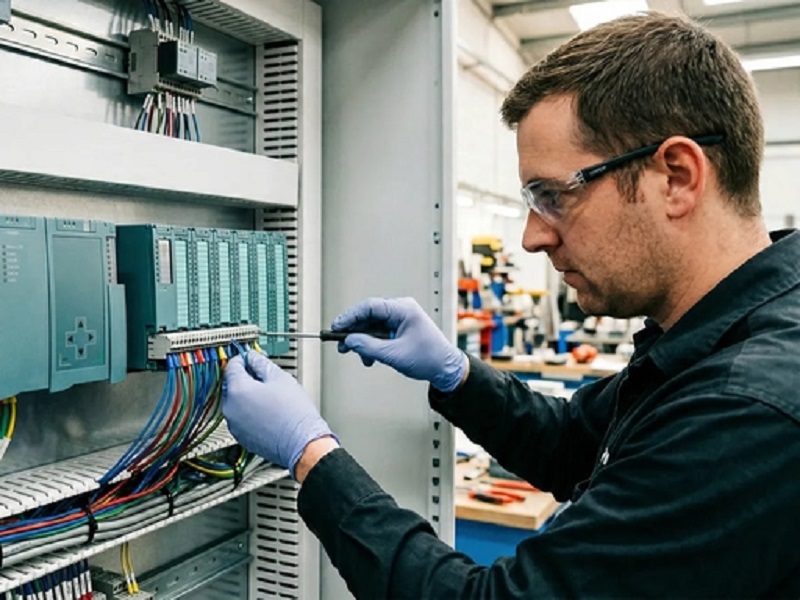
Siemens, one of the world’s leading industrial automation technology providers, continues to strengthen its digital manufacturing strategy through SIMATIC automation systems, industrial software platforms, and intelligent technologies.
The development of modern automation solutions is changing the role of PLC systems in industrial environments. Traditional PLC controllers were mainly responsible for machine control and production sequence execution. Today, advanced PLC systems are becoming intelligent industrial platforms capable of communication, data processing, equipment monitoring, and integration with digital manufacturing environments.
Siemens SIMATIC automation technology represents an important direction in the evolution of industrial control systems, supporting manufacturers as they move toward smarter, more connected, and more efficient factories.
For industries including automotive, electronics, energy, food processing, pharmaceutical manufacturing, and industrial equipment production, intelligent automation has become a key factor in improving productivity and maintaining competitiveness.
The Evolution of PLC Technology in Modern Manufacturing
Programmable Logic Controllers have been the foundation of industrial automation for decades.
PLC systems replaced traditional relay-based control methods and provided manufacturers with more flexible and reliable automation solutions.
Modern PLC applications are widely used for:
- Machine control
- Production line automation
- Motion control
- Process monitoring
- Safety applications
- Industrial communication
However, manufacturing requirements have changed significantly.
Factories today need automation systems that can do more than execute control logic.
Modern industrial environments require:
- Faster data exchange
- Better equipment visibility
- Remote monitoring capability
- Integration with software platforms
- Advanced diagnostics
- Intelligent optimization
As a result, PLC systems are evolving from simple controllers into important components of digital manufacturing architectures.
Siemens SIMATIC PLC Systems Support Flexible Industrial Automation
Siemens SIMATIC automation technology has been widely applied in industrial environments because of its scalability, reliability, and integration capabilities.
Modern SIMATIC PLC systems support various manufacturing applications, from individual machines to large production facilities.
Typical applications include:
- Automotive assembly lines
- Packaging systems
- Industrial machinery
- Process-related equipment
- Logistics automation
- Manufacturing production lines
A modern PLC system provides manufacturers with reliable control while also supporting advanced communication and data management functions.
For example, a production line controlled by a PLC system can collect information about:
- Machine operating conditions
- Production speed
- Equipment status
- Process parameters
- Maintenance requirements
This information helps manufacturers improve operational visibility and make better decisions.
Industrial AI Creates New Opportunities for PLC-Based Automation
Artificial intelligence is becoming an important technology in the future development of industrial automation.
Traditional PLC systems operate according to predefined programs created by automation engineers.
Industrial AI introduces additional capabilities by analyzing large amounts of operational information and identifying patterns that may not be obvious through traditional control methods.
In manufacturing environments, AI technologies can support:
Predictive Equipment Maintenance
Equipment failures can interrupt production and increase operational costs.
AI-based analysis can evaluate:
- Equipment operating conditions
- Sensor information
- Historical performance data
- Maintenance records
By identifying abnormal patterns, companies can take preventive actions before serious failures occur.
This reduces downtime and improves equipment availability.
Intelligent Production Optimization
Modern production processes often involve many variables.
Manufacturers need to balance:
- Production speed
- Product quality
- Energy consumption
- Equipment efficiency
AI technologies can analyze production data and help engineers identify better operating strategies.
This supports more efficient manufacturing processes.
Improved Quality Management
Product quality is a major concern for global manufacturers.
AI-based systems can analyze production information and identify potential quality issues earlier.
When combined with automation systems, intelligent quality management can improve:
- Product consistency
- Manufacturing accuracy
- Production reliability
Digital Transformation Connects PLC Systems with Smart Factory Platforms
A smart factory requires more than individual automation devices.
Modern manufacturing environments combine multiple technologies, including:
- PLC controllers
- Industrial networks
- Sensors
- Robots
- Manufacturing software
- Data analytics platforms
The purpose of digital transformation is to create better communication between these systems.
A connected factory allows manufacturers to understand production conditions in real time.
For example:
A PLC system controls a production machine.
Sensors collect equipment information.
Industrial software analyzes production performance.
Engineers receive operational insights.
Management teams use production data for strategic decisions.
This connected approach improves efficiency throughout the manufacturing process.
Industrial Communication Becomes Essential for Modern Automation
As factories become more intelligent, industrial communication plays an increasingly important role.
Automation systems need reliable communication between:
- Controllers
- Remote I/O devices
- Industrial drives
- Robots
- Sensors
- Software platforms
Modern industrial networks support:
- Faster data transmission
- Better system integration
- Remote diagnostics
- Improved production monitoring
For automation engineers, communication technology has become an essential skill.
Future automation projects require knowledge of:
- Industrial Ethernet
- Network configuration
- Data exchange protocols
- System integration
The combination of PLC technology and industrial communication creates the foundation for connected manufacturing.
Siemens Digital Manufacturing Strategy Supports Industry 4.0 Development
Industry 4.0 has become one of the most important trends in global manufacturing.
The concept focuses on creating factories that are:
- Connected
- Intelligent
- Flexible
- Data-driven
Digital manufacturing combines automation technology with:
- Industrial software
- Simulation technology
- Digital twins
- Artificial intelligence
- Cloud and edge computing
For manufacturers, these technologies provide opportunities to improve every stage of production.
Companies can use digital solutions to:
- Design products faster
- Optimize manufacturing processes
- Reduce production errors
- Improve equipment performance
This represents a shift from traditional automation toward intelligent production ecosystems.
The Role of Digital Twins in Industrial Automation
Digital twin technology is becoming increasingly important in modern manufacturing.
A digital twin creates a virtual representation of a physical production system.
Engineers can use digital models to:
- Test production processes
- Optimize equipment operation
- Identify potential problems
- Improve engineering efficiency
For automation projects, digital twins provide valuable advantages.
Before installing equipment, engineers can simulate production processes and identify possible improvements.
This reduces commissioning time and helps improve project quality.
Automation Modernization Helps Companies Upgrade Existing Factories
Many industrial facilities still operate automation systems installed years ago.
Although these systems may remain reliable, they often face challenges such as:
- Aging components
- Limited communication capability
- Difficulty integrating new technologies
- Reduced availability of replacement parts
Automation modernization allows companies to upgrade their systems gradually.
Typical modernization projects include:
- PLC controller upgrades
- Industrial network improvements
- Software integration
- HMI modernization
- Data management upgrades
This approach helps manufacturers improve productivity while protecting existing investments.
For industrial automation suppliers, modernization creates demand for:
- PLC modules
- Communication components
- Control system spare parts
- Engineering services
Challenges of Intelligent Manufacturing Transformation
Although smart manufacturing provides many benefits, companies must also address several challenges.
System Integration Complexity
Modern factories often contain equipment from multiple generations and manufacturers.
Integrating different systems requires experienced automation engineers.
Cybersecurity Requirements
Connected factories require stronger cybersecurity protection.
Manufacturers must protect industrial networks while maintaining efficient operations.
Workforce Skills
Future automation professionals need knowledge across multiple areas:
- PLC programming
- Industrial software
- Networking
- Data analysis
- Artificial intelligence
The role of automation engineers is becoming broader and more technology-focused.
Future Outlook: Intelligent PLC Systems Will Drive Smart Factory Development
The future of industrial automation will depend on intelligent, connected, and flexible control systems.
PLC technology will continue evolving from traditional machine controllers into powerful automation platforms that support digital manufacturing.
The combination of Siemens SIMATIC automation systems, industrial AI technologies, digital platforms, and smart factory solutions demonstrates the direction of future manufacturing development.
Factories of the future will rely on:
- Intelligent control systems
- Real-time production data
- Automated optimization
- Connected industrial networks
- Advanced digital engineering
Companies that successfully adopt intelligent automation technologies will achieve stronger competitiveness in the global manufacturing market.
Conclusion
The transformation of industrial automation is accelerating as manufacturers adopt intelligent PLC systems, industrial AI, and digital manufacturing technologies.
Siemens SIMATIC automation solutions represent the evolution of PLC technology from traditional control devices into intelligent components of connected factories.
By combining reliable automation hardware with digital technologies, manufacturers can improve efficiency, reduce operational costs, and create more flexible production environments.
As global industries continue moving toward smart manufacturing, intelligent PLC systems and digital automation solutions will remain essential technologies shaping the future of industrial development.