

ProductPRODUCT
Featured products
Contact Us
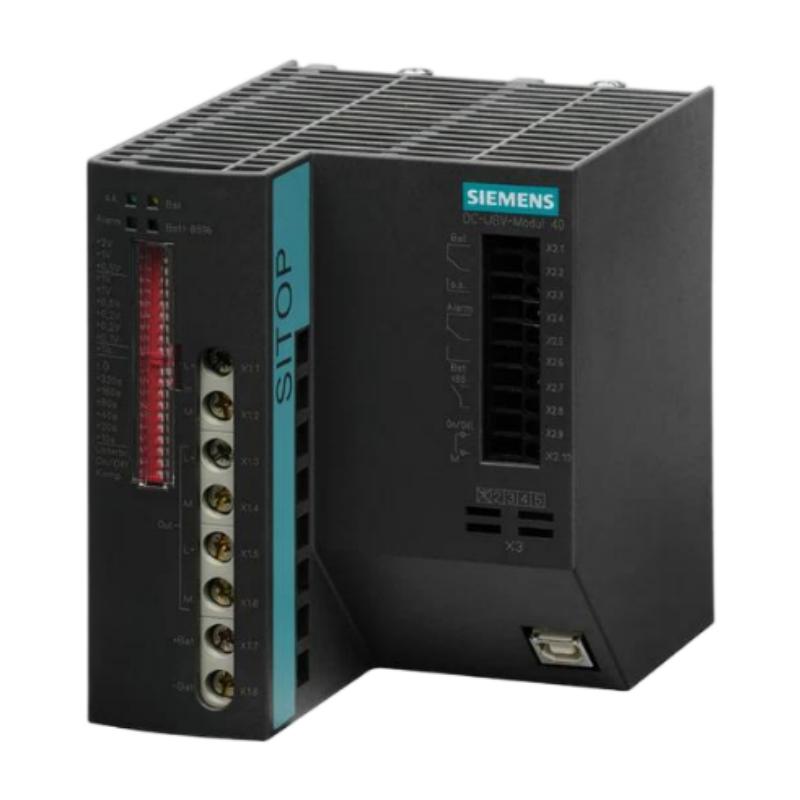
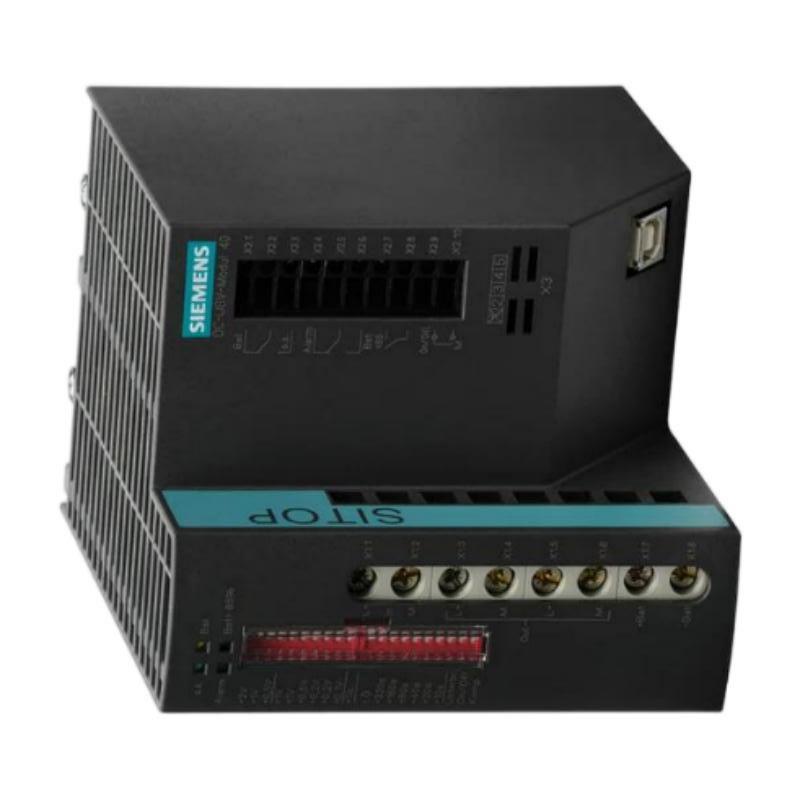
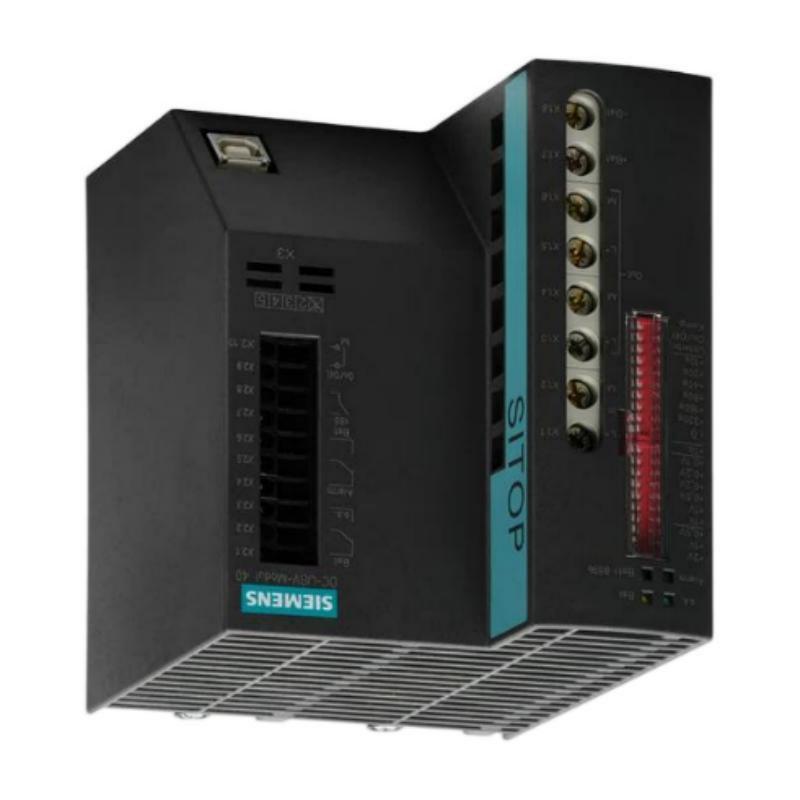
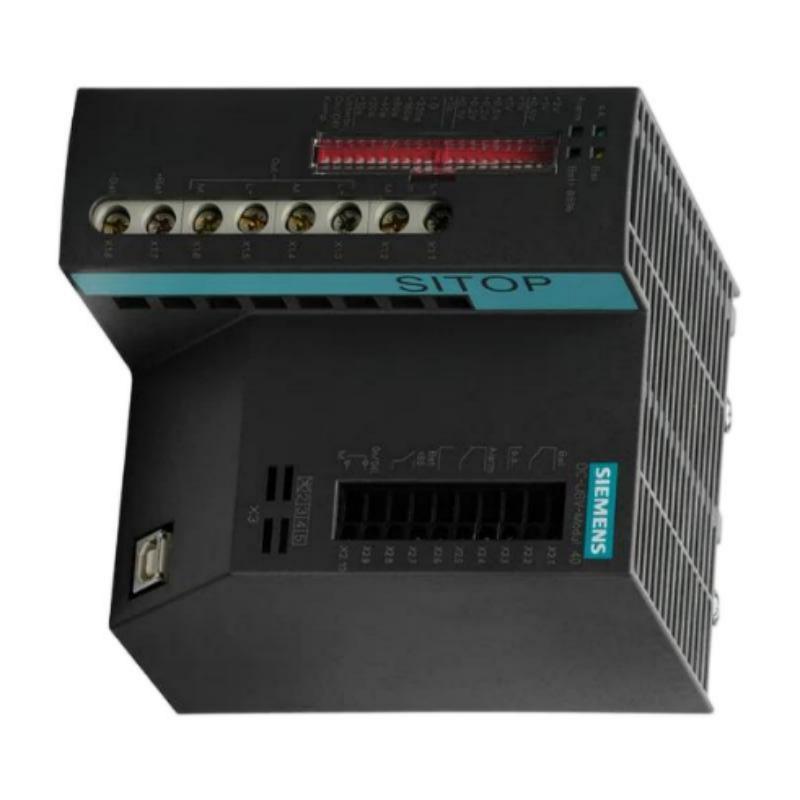
- Siemens
- 6AG1931-2FC21-7AA0
- Uninterruptible Power Supply Module
- Germany
- 135 × 150 × 110 mm
- 1.078 kg
- Xiamen, China
- New & In Stock
- T/T, PayPal, Western Union
- 1 Year
- 1-3 Working Days
- DHL, UPS, TNT, FedEx and EMS.
- 24-Hour Service
- COO
- 17
Our advantage

Global Logistics
We have a 10-year logistics and express cooperation agreement, so our products can be shipped to any place in the world.

Brand new and original
Our products are imported in bulk from the place of origin. Because of the cooperative relationship, our products are all original and 100% new.

24-hour service
We provide 7*24 hours service to our customers. We will be there whenever you need us.

Price advantage
All our products are priced very favorably because we have our own warehouse and supply.
| Company Information | |||
| [email protected] | |||
| Mobile | +8615980777398 | ||
| +8615980777398 | |||
| 15980777398 |
Product Overview
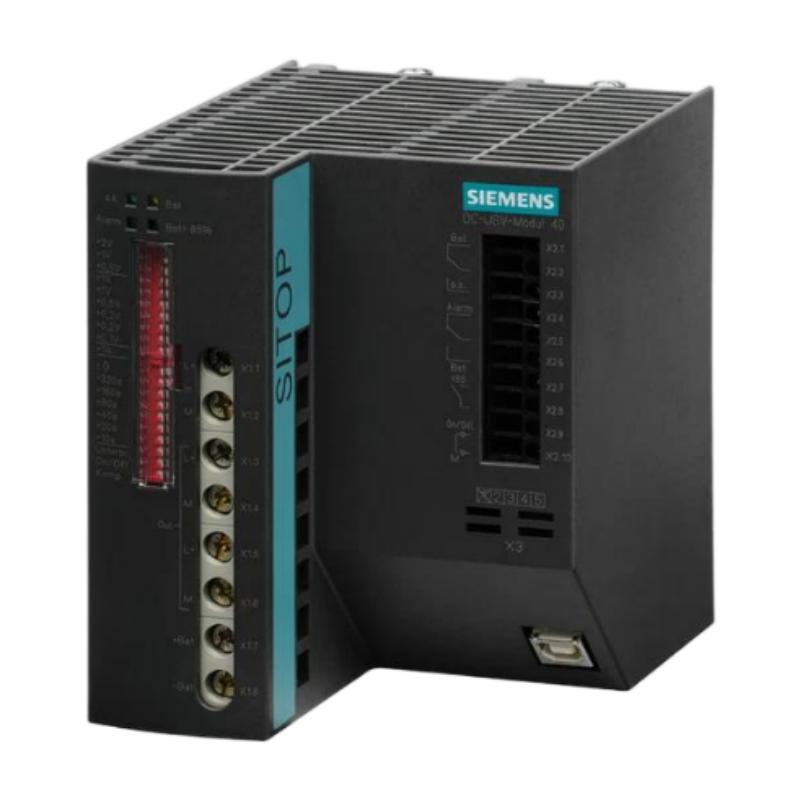
The Siemens 6AG1931-2FC21-7AA0 SIPLUS DC UPS Module is an industrial uninterruptible power supply module designed to maintain a stable 24 V DC power supply when the primary DC power source is interrupted or falls below a configured voltage threshold. It belongs to the Siemens SIPLUS power supply product family and is based on the 6EP1931-2FC21 SITOP DC UPS module.
In industrial automation systems, a reliable DC power supply is essential for programmable logic controllers, communication equipment, sensors, control relays, and other electronic devices. Even a short power interruption can cause a controller to restart, interrupt data processing, or stop an automated production sequence. A DC UPS module helps reduce these risks by providing battery-backed power to connected loads.
The 6AG1931-2FC21-7AA0 is designed for a 24 V DC system with a rated output current of 40 A. Its specified input is 24 V DC / 43 A, while its output is 24 V DC / 40 A. It works with an external battery energy-storage arrangement to provide temporary power during interruptions.
As a SIPLUS product, this module includes conformal coating and is specified for an extended operating temperature range of -25°C to +70°C. These characteristics make it suitable for selected industrial environments where temperature conditions and electronic component protection are important considerations.
The module is specified as a DC UPS without an integrated communication interface. It provides power buffering rather than acting as a PLC, communication gateway, or general-purpose power supply controller.
Technical Specifications
| Parameter | Specification |
|---|---|
| Brand | Siemens |
| Product Family | SIPLUS PS DC UPS |
| Model | 6AG1931-2FC21-7AA0 |
| Base Model | 6EP1931-2FC21 |
| Product Type | Uninterruptible Power Supply Module |
| Power Supply Type | DC UPS |
| Rated Input Voltage | 24 V DC |
| Input Voltage Range | 22–29 V DC |
| Input Current | 43 A configuration rating |
| Rated Output Voltage | 24 V DC |
| Rated Output Current | 40 A |
| Typical Output Power | 960 W |
| Energy Storage | External battery arrangement |
| Buffering Function | Battery-backed DC power supply |
| Charging Current | Adjustable, 1 A or 2 A |
| Adjustable Buffer Connection Threshold | 22–25.5 V DC |
| Preset Response Threshold | 22.5 V DC |
| Conformal Coating | Included |
| Operating Temperature | -25°C to +70°C |
| Communication Interface | No interface |
| Protection Class | IP20 |
| Electrical Connection | Screw terminals |
| Mounting | DIN rail installation |
| Dimensions Provided | 135 × 150 × 110 mm |
| Weight Provided | 1.078 kg |
Note: The dimensions above are the supplied listing values. Some technical listings give a module body size of approximately 102 × 125 × 125 mm. Confirm the exact unit and whether the supplied dimensions include packaging before using them for cabinet layout or shipping calculations.
Function and Working Principle
The Siemens 6AG1931-2FC21-7AA0 provides DC power buffering for industrial equipment. It monitors the incoming DC supply and manages the connection to an external battery energy-storage system.
When the input supply operates normally, the module supplies power to connected loads and supports battery charging. If the input voltage falls below the configured response threshold, the UPS function switches to battery-backed operation.
1. Normal Power Supply Operation
Under normal conditions, the module receives 24 V DC from the primary power supply and provides a regulated power path to connected equipment.
The module is rated for a 40 A output current. This allows it to support a range of industrial DC loads, provided their combined current consumption remains within the specified operating limits.
Connected equipment may include:
- PLC and automation controller systems.
- Industrial communication devices.
- Remote I/O stations.
- Control relays and contactors.
- Monitoring and diagnostic equipment.
- Other compatible 24 V DC control loads.
The actual load capacity must account for operating current, startup current, battery charging requirements, and the complete system design.
2. Battery Charging and Energy Storage
The DC UPS module works with an external battery arrangement. During normal operation, it can charge the connected battery so that stored energy is available when the primary supply is interrupted.
The charging current is adjustable, with specified 1 A and 2 A settings. The appropriate setting depends on the connected battery and the manufacturer’s configuration requirements.
Battery selection is important because the available backup time depends on battery capacity, battery condition, discharge characteristics, connected load, and environmental temperature.
3. Automatic Buffering During Power Failure
When the incoming voltage falls below the configured response threshold, the module changes to battery-backed operation.
The connected loads continue receiving DC power from the stored energy, helping prevent immediate shutdown of critical automation equipment.
The module’s preset response threshold is 22.5 V DC and can be adjusted within the specified 22–25.5 V range.
The duration of backup operation is not fixed by the UPS module alone. It depends on the connected battery capacity and the actual load current.
4. Voltage Monitoring and Protection
The module monitors the input and battery-related operating conditions as part of its UPS function. It also includes reverse-polarity protection for the energy-storage connection and input voltage connection.
These features help reduce the risk of damage caused by incorrect polarity during installation.
However, correct wiring, suitable upstream protection, and battery installation procedures remain essential. The protection functions do not replace the need for proper electrical engineering and maintenance practices.
Role in Industrial Automation Systems
A DC UPS module is an important part of the power architecture in industrial automation. It helps maintain the availability of control equipment when the primary DC supply is interrupted.
1. PLC Power Continuity
Programmable logic controllers manage machine sequences, process variables, safety-related signals, and communication with field devices.
If a PLC loses power unexpectedly, the production process may stop and the controller may need to restart. A DC UPS module can provide temporary power to compatible PLC-related loads, allowing the system to maintain operation during a short power interruption.
Whether the PLC itself remains operational depends on the total connected load and the available battery backup time.
2. Industrial Communication Stability
Industrial networks connect PLCs, remote I/O stations, HMIs, drives, and other automation devices.
A power interruption affecting network equipment can cause communication loss between controllers and field devices. By maintaining the 24 V DC supply to selected communication components, a UPS arrangement can help reduce unexpected network interruptions.
3. Controlled Equipment Shutdown
Some industrial processes cannot simply stop immediately when the primary power supply fails. Controllers may need time to save data, complete a sequence, close valves, or move equipment into a defined condition.
A battery-backed DC supply can provide the temporary power required for these operations, provided the system is designed with sufficient capacity and suitable shutdown logic.
4. Monitoring and Alarm Systems
Industrial monitoring devices and alarm circuits may need to remain active during power disturbances. A DC UPS can maintain power to selected monitoring and signaling equipment so that operators receive relevant status information.
The loads connected to the UPS should be prioritized according to their operational importance and current consumption.
Industrial Applications
The Siemens 6AG1931-2FC21-7AA0 is intended for industrial DC power-buffering applications. Its 24 V DC / 40 A output makes it suitable for systems that require temporary power continuity for multiple control devices.
1. Manufacturing Automation
Manufacturing lines rely on PLCs, sensors, control relays, and communication equipment to coordinate production activities.
A DC UPS can help maintain power to selected control components during a supply interruption, reducing the possibility of uncontrolled equipment shutdown and unnecessary production recovery procedures.
2. Process Control Systems
Chemical processing, water treatment, and other continuous-process facilities may require stable power for monitoring and control devices.
A battery-backed 24 V DC supply can help keep selected control equipment operational during short power disturbances, supporting process monitoring and orderly shutdown procedures.
3. Industrial Communication Cabinets
Network switches, communication interfaces, and remote I/O devices are commonly installed in industrial control cabinets.
The DC UPS module can support these devices when their electrical ratings are compatible with the available output capacity. Maintaining power to important communication equipment can help preserve control-system visibility during temporary supply interruptions.
4. Energy and Utility Facilities
Power distribution and utility installations may use 24 V DC control circuits for monitoring, signaling, and automation.
A DC UPS can provide temporary power to selected control loads, helping maintain monitoring functions and supporting controlled operating procedures.
5. Transportation and Infrastructure Automation
Industrial infrastructure systems may use controllers and communication equipment that need reliable DC power.
A suitable UPS arrangement can provide backup power for selected automation loads, particularly where unexpected controller resets or communication interruptions could affect system operation.
6. Environmental and Outdoor Industrial Equipment
The SIPLUS version includes conformal coating and supports an operating temperature range of -25°C to +70°C. These characteristics can make it suitable for selected installations with more demanding temperature conditions.
Actual suitability depends on enclosure design, condensation control, ventilation, mounting orientation, and other environmental factors. The IP20 rating does not provide protection against water or dust ingress.
Installation and System Integration
Correct installation is essential for the reliability and safety of a DC UPS system.
1. Verify the 24 V DC Supply
Before installation, confirm that the primary power supply is compatible with the module’s input requirements.
The specified input voltage range is 22–29 V DC. The input and output current ratings must also be considered when selecting the upstream power supply and connected equipment.
Do not assume that any 24 V power supply can operate the UPS module at its full rated output. The complete power system must be designed to account for the connected load and battery charging requirements.
2. Select a Compatible Battery
The module uses an external battery energy-storage arrangement. Battery selection should be based on the required backup time, load current, battery technology, operating temperature, and manufacturer’s compatibility recommendations.
The battery capacity should provide sufficient energy for the intended backup period while allowing for battery aging and operating conditions.
3. Configure the Buffering Threshold
The module has an adjustable response threshold for battery buffering.
The preset value is 22.5 V DC, with an adjustable range of 22–25.5 V DC. The selected value should be appropriate for the connected load and the behavior of the primary DC supply.
An unsuitable threshold may cause buffering to begin too early or too late. Configuration should follow the manufacturer’s technical documentation.
4. Configure the Charging Current
The specified charging-current settings are 1 A and 2 A. Select the appropriate setting according to the battery manufacturer’s requirements and the overall installation design.
Incorrect charging settings can affect battery performance and service life.
5. Install on the DIN Rail
The module supports DIN rail mounting and uses screw-terminal electrical connections.
Before installation, confirm that the control cabinet provides sufficient space for the module, wiring, battery connections, and ventilation.
The installation should follow the specified mounting orientation and clearance requirements. The enclosure must also protect the equipment from unsuitable environmental conditions.
6. Connect the DC Loads
Connect the 24 V DC output to the intended control-system loads. Ensure that the combined current consumption remains within the 40 A rated output limit.
Separate critical loads from nonessential loads where appropriate. This helps prioritize available battery energy for equipment that must remain operational during a power failure.
7. Test the Backup Function
After wiring and configuration, test the system under controlled conditions.
A commissioning test should verify:
- Correct input voltage and polarity.
- Correct output voltage.
- Battery connection and charging behavior.
- Buffering response when the primary supply is interrupted.
- Recovery when the primary supply returns.
- Operation under the expected load.
- Alarm and monitoring behavior where applicable.
Record the final configuration and test results for future maintenance.
Compatible System Components
The 6AG1931-2FC21-7AA0 is designed to work within a 24 V DC industrial power system. The following components may be used as part of a compatible installation.
| Component | Function | Compatibility Considerations |
|---|---|---|
| Siemens SITOP 24 V DC power supply | Provides the primary DC input | Verify voltage and current capacity |
| External battery module | Stores energy for backup operation | Confirm battery technology, capacity, and compatibility |
| PLC system | Controls automated processes | Verify total power consumption and required backup time |
| Remote I/O modules | Connect field signals to controllers | Check the 24 V DC supply requirements |
| Industrial Ethernet switch | Supports network communication | Confirm voltage and current requirements |
| HMI equipment | Provides operator monitoring and control | Include its load in the UPS capacity calculation |
| Control relays | Operate electrical control circuits | Check coil voltage and operating current |
| DC circuit protection | Protects connected circuits | Select suitable ratings for the installation |
| DIN rail | Provides mechanical mounting | Confirm rail type and installation clearances |
These components are examples of equipment that may be included in a complete system. They are not necessarily supplied with the UPS module.
Alternative Models and Replacement Considerations
The 6AG1931-2FC21-7AA0 is based on the Siemens 6EP1931-2FC21. The SIPLUS version adds conformal coating and an extended operating temperature range.
When selecting an alternative, engineers should compare the electrical specifications, battery arrangement, environmental characteristics, and installation requirements.
| Alternative Model or Product Family | Replacement Considerations |
|---|---|
| Siemens 6EP1931-2FC21 | Base SITOP DC UPS model; compare environmental specifications and coating |
| Siemens SIPLUS DC UPS modules | May be considered for installations requiring enhanced environmental protection |
| Siemens SITOP DC UPS modules with lower current ratings | Suitable only when the connected load is within the alternative model’s capacity |
| Siemens SITOP DC UPS modules with communication interfaces | May provide additional monitoring functions, depending on the model |
| Other industrial 24 V DC UPS systems | Require detailed comparison of voltage, output current, battery compatibility, and control functions |
Before selecting a replacement, check:
- Rated input voltage and permitted voltage range.
- Rated output voltage and current.
- Maximum connected load.
- Battery type and capacity.
- Charging-current settings.
- Buffering threshold.
- Required backup time.
- Operating temperature range.
- Conformal coating requirements.
- Mounting and terminal arrangement.
- Communication and monitoring requirements.
A replacement with a similar 24 V output is not necessarily a direct substitute. The battery interface, current capacity, and buffering behavior must also match the application.
Key Advantages
24 V DC Power Buffering
The module provides battery-backed DC power to compatible loads when the primary supply is interrupted.
40 A Rated Output
Its 40 A output rating supports industrial control installations with relatively high 24 V DC load requirements, subject to correct system sizing.
External Battery Energy Storage
The external battery arrangement allows the backup capacity to be selected according to the required operating time and connected load.
Extended Operating Temperature Range
The SIPLUS version is specified for operation from -25°C to +70°C, making it suitable for selected industrial environments with wider temperature requirements.
Conformal Coating
The conformal coating provides additional protection for electronic assemblies under appropriate environmental conditions.
Adjustable Buffering Threshold
The response threshold can be adjusted within the specified range, allowing the system to be configured according to the primary DC supply and connected loads.
Reverse-Polarity Protection
The module includes reverse-polarity protection for the input and energy-storage connections, helping reduce the risk of damage from incorrect polarity.
Technical FAQs
1. What is the Siemens 6AG1931-2FC21-7AA0?
It is a SIPLUS PS DC UPS module designed to provide battery-backed 24 V DC power for industrial automation equipment.
2. What is the rated output current?
The module has a rated output current of 40 A at 24 V DC.
3. What is the input voltage range?
The specified input voltage range is 22–29 V DC, with a nominal supply voltage of 24 V DC.
4. Does the module include an internal battery?
The module is designed to work with an external battery energy-storage arrangement. The battery configuration and capacity must be selected separately according to the application.
5. What is the operating temperature range?
The SIPLUS 6AG1931-2FC21-7AA0 is specified for an operating temperature range of -25°C to +70°C.
6. What is the difference between 6AG1931-2FC21-7AA0 and 6EP1931-2FC21?
The 6AG1931-2FC21-7AA0 is the SIPLUS version based on the 6EP1931-2FC21. It includes conformal coating and an extended operating temperature range.
7. Can the module be used with a Siemens PLC?
Yes. It can provide backup 24 V DC power to compatible PLC equipment and other control-system loads. The complete installation must be designed around the PLC’s current requirements and the required backup duration.
8. Does the module have a communication interface?
The specified model is described as a DC UPS without an interface. It should not be assumed to provide network-based monitoring or communication functions.
9. How long can it supply backup power?
Backup time depends on battery capacity, battery condition, connected load current, temperature, and the battery’s discharge characteristics. The 40 A output rating does not determine the backup duration by itself.
10. What should be checked before purchasing?
Confirm the complete part number, input and output ratings, physical condition, conformal coating, terminal condition, and whether the external battery components are included. For replacement projects, also verify the original system’s backup-time requirements.
Procurement and Maintenance Recommendations
When purchasing the Siemens 6AG1931-2FC21-7AA0, verify the complete catalog number to distinguish it from the standard 6EP1931-2FC21 base model and other SIPLUS DC UPS products.
Confirm the 24 V DC input requirements, 40 A output rating, operating temperature range, conformal coating, and battery compatibility. If the module is intended for an existing installation, compare its specifications with the original system documentation before ordering.
For used or refurbished units, request clear photographs of the product label, terminals, and enclosure. Confirm whether the unit has been functionally tested and whether any warranty or return conditions apply.
Maintenance should include inspection of electrical connections, battery condition, terminal tightness, ventilation, and the general condition of the control cabinet. Battery testing and replacement should follow the battery manufacturer’s recommendations.
It is also important to test the complete backup arrangement periodically. A UPS module may appear to operate normally under standard conditions while the connected battery has lost capacity. Testing under a suitable load helps verify that the system can provide the required backup time.
Conclusion
The Siemens 6AG1931-2FC21-7AA0 SIPLUS DC UPS Module is an industrial 24 V DC uninterruptible power supply designed to maintain power to compatible automation loads during temporary supply interruptions. Based on the 6EP1931-2FC21, it provides a rated output of 24 V DC / 40 A and supports an external battery energy-storage arrangement.
Its conformal coating and -25°C to +70°C operating temperature specification make it suitable for selected industrial environments where enhanced environmental protection is required. For maintenance, replacement, and new system design, engineers should verify the battery configuration, connected load, buffering threshold, and required backup duration to ensure reliable operation.