

ProductPRODUCT
Featured products
Contact Us
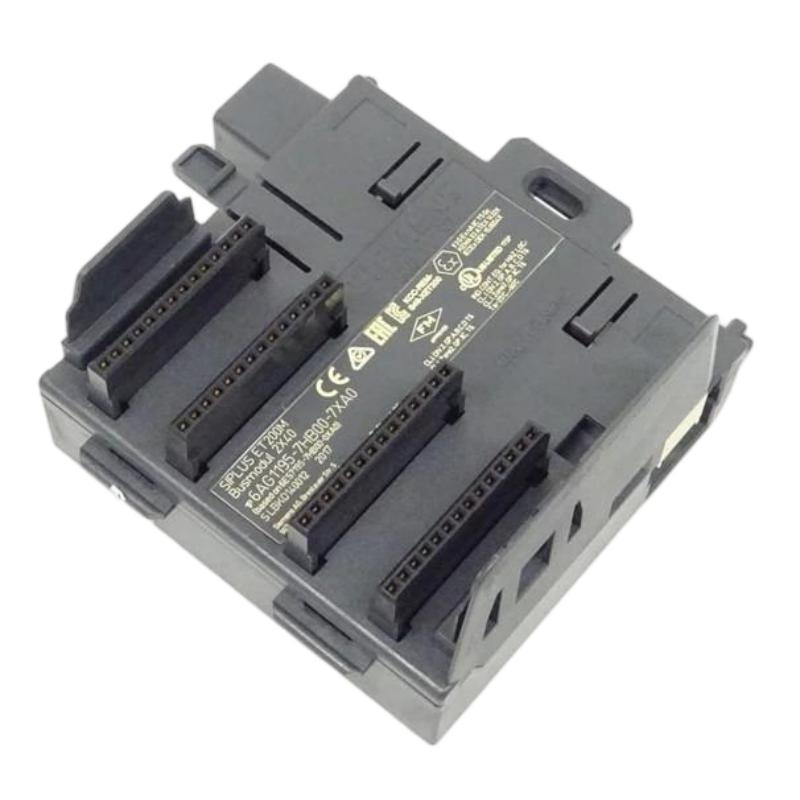
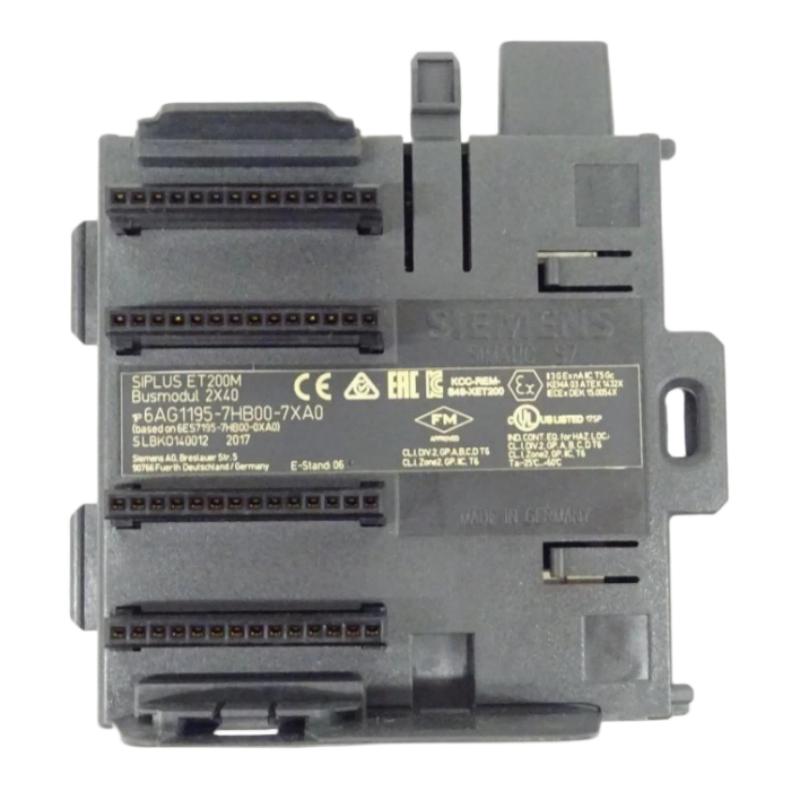
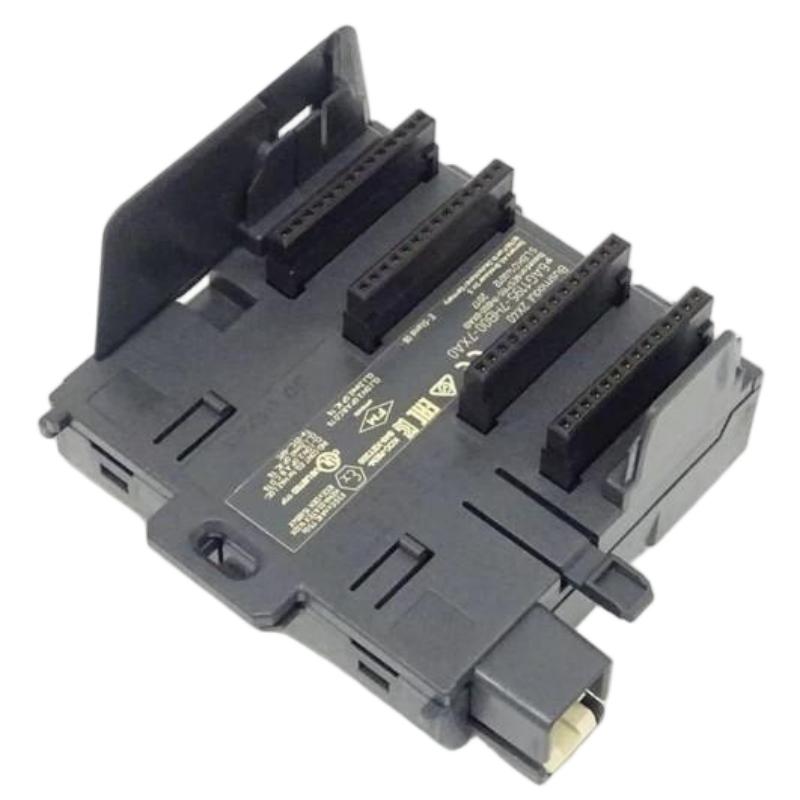
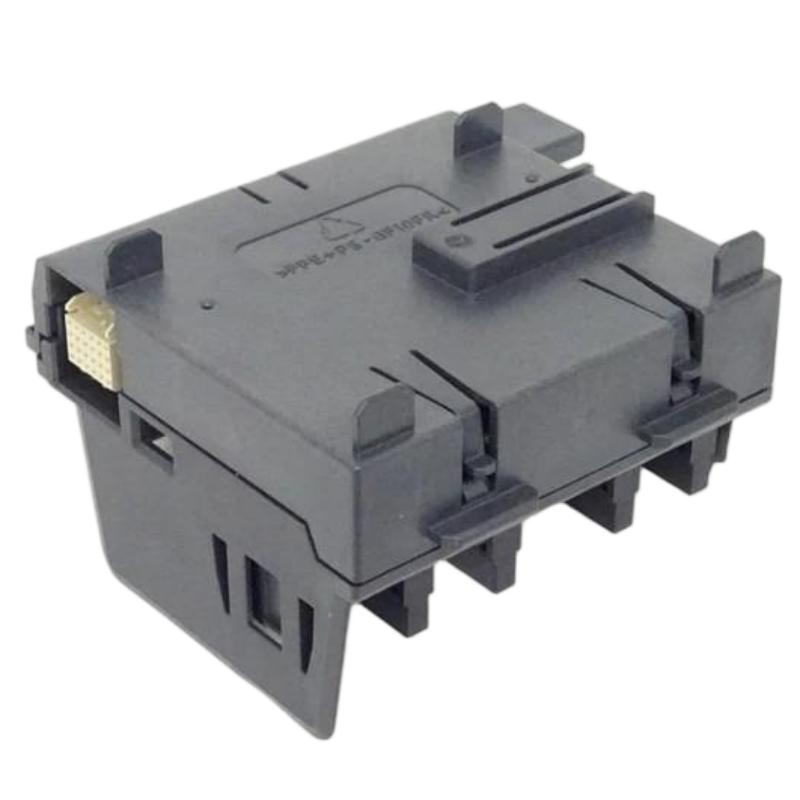
- Siemens
- 6AG1195-7HB00-7XA0
- Active Bus Module
- Germany
- 97 × 92 × 30 mm
- 0.14 kg
- Xiamen, China
- New & In Stock
- T/T, PayPal, Western Union
- 1 Year
- 1-3 Working Days
- DHL, UPS, TNT, FedEx and EMS.
- 24-Hour Service
- COO
- 5
Our advantage

Global Logistics
We have a 10-year logistics and express cooperation agreement, so our products can be shipped to any place in the world.

Brand new and original
Our products are imported in bulk from the place of origin. Because of the cooperative relationship, our products are all original and 100% new.

24-hour service
We provide 7*24 hours service to our customers. We will be there whenever you need us.

Price advantage
All our products are priced very favorably because we have our own warehouse and supply.
| Company Information | |||
| [email protected] | |||
| Mobile | +8615980777398 | ||
| +8615980777398 | |||
| 15980777398 |
Product Overview
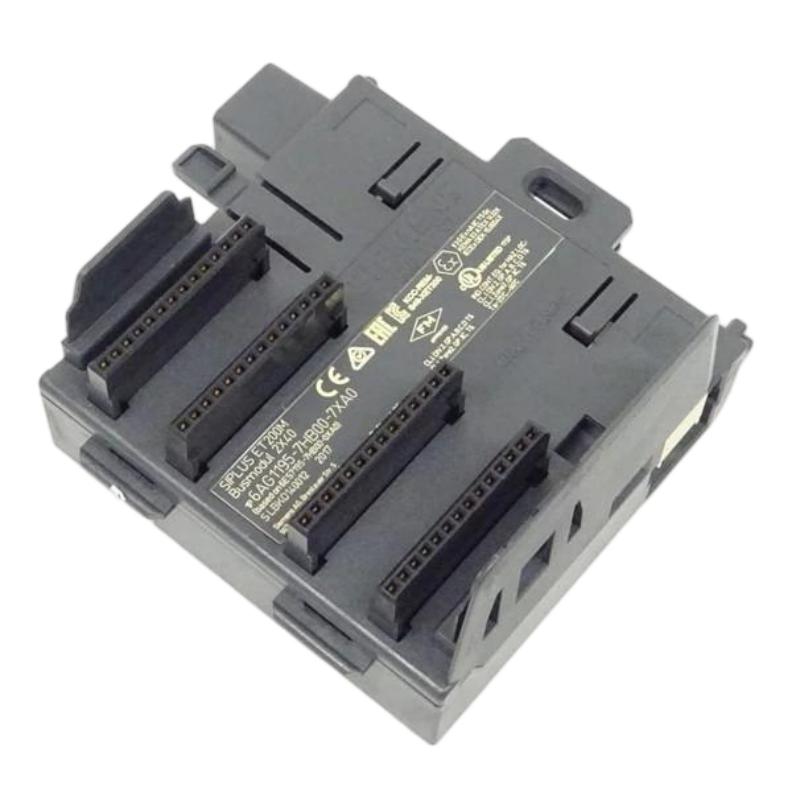
The Siemens 6AG1195-7HB00-7XA0 Active Bus Module is a compact modular automation component designed to support the internal bus architecture of Siemens distributed I/O systems. As an active bus component within the SIPLUS ET 200 family, it provides the infrastructure required for compatible automation modules to operate together as part of an organized distributed I/O station.
In modern industrial control systems, distributed I/O allows signal-processing modules to be installed closer to sensors, actuators, machines, and process equipment instead of routing every field signal back to a central cabinet. The bus infrastructure is therefore an essential part of system reliability. The 6AG1195-7HB00-7XA0 contributes to this modular architecture by supporting the interconnection and organization of the installed modules.
The supplied dimensions of the Siemens 6AG1195-7HB00-7XA0 are 97 × 92 × 30 mm, while the specified weight is 0.14 kg. Its compact form factor is suitable for space-efficient industrial control cabinets and distributed I/O installations where modular construction and serviceability are important.
The 6AG1195-7HB00-7XA0 should not be considered a standalone PLC or signal-processing module. Instead, it is a supporting component within a larger Siemens automation architecture. Its correct selection, installation, and maintenance should therefore be considered together with the associated I/O modules, interface equipment, power system, field wiring, and controller configuration.
Technical Specifications
| Parameter | Details |
|---|---|
| Manufacturer | Siemens |
| Model | 6AG1195-7HB00-7XA0 |
| Product Type | Active Bus Module |
| Product Family | SIPLUS ET 200 |
| System Function | Active modular bus infrastructure |
| Application | Distributed I/O and industrial automation |
| Dimensions (H × W × D) | 97 × 92 × 30 mm |
| Weight | 0.14 kg |
| Installation Concept | Modular distributed I/O station |
| Mounting Environment | Industrial automation cabinet |
| System Role | Module interconnection and bus infrastructure |
| Typical Applications | Factory automation, machine control, process automation, distributed I/O |
What Is the Siemens 6AG1195-7HB00-7XA0?
The 6AG1195-7HB00-7XA0 is an Active Bus Module used within a compatible Siemens distributed I/O architecture.
A modular I/O station normally contains several electronic modules performing different tasks. Digital input modules may acquire signals from switches and sensors, digital output modules may control actuators, and analog modules may process continuous process measurements.
These modules need a common system infrastructure to operate as a coordinated station.
The active bus module forms part of this infrastructure.
Its role is primarily associated with the internal interconnection of the modular station rather than direct signal processing. Consequently, it is important for engineers to distinguish this component from an I/O module, PLC CPU, interface module, or communication processor.
When diagnosing a distributed I/O station, the active bus infrastructure should be considered whenever the fault affects multiple modules rather than a single signal channel.
Active Bus Architecture in Distributed I/O
The concept of an active bus module is closely related to the modular construction of distributed I/O systems.
In a conventional centralized PLC cabinet, many I/O modules may be mounted together on a common rack or backplane. Distributed I/O systems extend this concept to remote stations that can be installed at different locations throughout a machine or plant.
A typical architecture can be represented as:
PLC Controller → Industrial Network → Distributed I/O Interface → Internal Bus → I/O Modules → Field Devices
The internal bus infrastructure provides the connection between modules inside the distributed station.
This architecture can reduce field wiring distances and make large automation systems easier to organize.
The Siemens 6AG1195-7HB00-7XA0 therefore belongs to the infrastructure layer of the automation system.
Function and Working Principle
The active bus module performs several important system-level functions.
Modular Module Interconnection
The primary purpose of an active bus component is to support the interconnection of compatible modules within the distributed I/O station.
The modular architecture allows different types of automation modules to work together within the same station.
Internal Bus Support
The internal bus provides a pathway through which the station’s electronic modules can participate in the overall I/O architecture.
A stable internal bus connection is essential because a disruption may affect more than one module.
Modular Expansion
One of the major advantages of distributed I/O is the ability to create stations according to application requirements.
A machine builder may require a combination of:
- Digital inputs
- Digital outputs
- Analog inputs
- Analog outputs
- Technology functions
- Communication functions
- Power-related modules
The modular bus infrastructure helps support this flexible arrangement.
Service and Maintenance
Modular construction also simplifies maintenance. Individual components can be identified and inspected without necessarily replacing the complete distributed I/O station.
This can reduce downtime and improve maintenance efficiency.
Role in Siemens Industrial Automation
The 6AG1195-7HB00-7XA0 can be viewed as part of the foundation of a modular distributed I/O station.
A complete automation system may include:
- Siemens PLC controller
- Industrial communication network
- Distributed I/O interface
- Active bus components
- Digital I/O modules
- Analog I/O modules
- Power components
- Terminal and wiring components
- Sensors
- Actuators
- HMI systems
- Supervisory control software
The PLC executes the control program, while I/O modules acquire and generate field signals. The active bus infrastructure supports the internal organization and communication architecture that allows those modules to function as part of the same station.
This layered architecture makes industrial automation systems easier to scale and maintain.
Industrial Applications
The Siemens 6AG1195-7HB00-7XA0 Active Bus Module can be incorporated into compatible distributed automation systems across a variety of industries.
Factory Automation
Manufacturing lines frequently use distributed I/O to connect sensors and actuators throughout a production machine.
Applications include:
- Assembly lines
- Packaging equipment
- Conveyor systems
- Robotic cells
- Automated inspection machines
- Material handling systems
Machine Automation
Machine builders can use modular distributed I/O to standardize control cabinet construction.
A common hardware architecture can then be adapted to different machine variants by changing the number and type of I/O modules.
Process Automation
Distributed I/O can be installed near process equipment, reducing the amount of field wiring required between instruments and the main control cabinet.
Applications can include:
- Pumping systems
- Valve control
- Process measurement
- Temperature monitoring
- Pressure monitoring
- Flow measurement
- Level control
Water and Wastewater
Remote I/O stations can be useful for monitoring and controlling equipment located throughout treatment facilities.
Typical signals include:
- Pump status
- Valve position
- Level signals
- Motor feedback
- Alarm conditions
- Instrument measurements
Energy and Infrastructure
Modular distributed I/O can also support monitoring and control applications in utility and infrastructure equipment.
Installation Considerations
Correct installation of an active bus module is essential because it participates in the internal architecture of the distributed I/O station.
Before installation, verify the following:
- Full order number
- Correct system family
- Compatible station architecture
- Intended mounting location
- Adjacent module arrangement
- Electrical configuration
- Controller hardware configuration
The specified physical dimensions are 97 × 92 × 30 mm, so adequate cabinet space should be reserved for the component and its surrounding system.
The specified weight is 0.14 kg. Although this is relatively low, the complete modular assembly should still be mounted securely.
Mechanical Installation
A recommended installation procedure includes:
- De-energize the relevant equipment according to the site’s safety procedure.
- Confirm the component identification.
- Inspect the active bus module for visible physical damage.
- Verify the intended mounting position.
- Install the module according to the compatible ET 200 system configuration.
- Check alignment with adjacent components.
- Verify that the surrounding modules are securely seated.
- Inspect the station before applying power.
Particular attention should be paid to module positioning. Incorrect mechanical installation can result in poor electrical contact or communication problems.
Electrical Integration
The active bus module should always be considered together with the complete distributed I/O station.
A typical system includes several functional layers:
Controller Layer
The PLC executes the application logic and determines how field signals should be processed.
Network Layer
The industrial communication network transfers data between the controller and distributed I/O station.
Interface Layer
The distributed I/O interface connects the remote station to the controller network.
Bus Infrastructure Layer
Active bus components provide the internal modular infrastructure.
I/O Layer
Input and output modules process field signals.
Field Layer
Sensors, actuators, motors, valves, switches, and other devices interact with the physical process.
This layered structure is useful both during engineering and troubleshooting.
Commissioning Procedure
A controlled commissioning process can help identify installation problems before the machine enters normal operation.
1. Hardware Verification
Confirm that the installed active bus module matches the approved hardware configuration.
2. Mechanical Inspection
Check the complete station for proper module alignment and seating.
3. Wiring Inspection
Verify field wiring and associated connections.
Look for:
- Loose conductors
- Incorrect wiring
- Damaged insulation
- Poor labeling
- Unintended shorts
4. Power Verification
Check the station’s power supply and grounding arrangement before normal operation.
5. Network Test
Verify that the PLC can communicate correctly with the distributed I/O station.
6. Diagnostic Check
Review PLC and distributed I/O diagnostic information for missing or inaccessible modules.
7. I/O Test
Test representative input and output channels.
8. Functional Test
Operate the machine under controlled conditions and confirm that all required signals are processed correctly.
Troubleshooting the Siemens 6AG1195-7HB00-7XA0
Troubleshooting should begin by identifying the scope of the failure.
If one sensor fails, the active bus module is unlikely to be the first component to investigate.
If several modules suddenly become unavailable, the internal bus infrastructure becomes much more relevant.
A useful diagnostic sequence is:
Field Device → Wiring → I/O Module → Internal Bus → Interface → Network → PLC
This method reduces unnecessary component replacement.
Fault Scenario: Multiple Modules Fail
If multiple modules in the same station become unavailable, possible causes include:
- Internal bus problem
- Incorrect module installation
- Power interruption
- Interface problem
- Hardware configuration mismatch
- Damaged bus component
- Communication interruption
Recommended checks:
- Check station power.
- Review PLC diagnostic information.
- Determine which modules are affected.
- Inspect the active bus module.
- Check adjacent modules.
- Verify the station configuration.
- Inspect for mechanical or environmental problems.
- Replace the suspected component only after sufficient diagnostic evidence has been obtained.
Fault Scenario: Intermittent I/O Communication
Intermittent faults are often more difficult to diagnose because the station may operate normally for extended periods.
Possible causes include:
- Poor mechanical contact
- Vibration
- Contamination
- Electrical interference
- Power instability
- Damaged connections
- Aging hardware
If the problem occurs during machine movement or vibration, inspect the physical mounting and connections carefully.
If the fault appears randomly, review the controller’s diagnostic history and compare the fault occurrence with machine operating conditions.
Fault Scenario: Station Not Detected
If the controller cannot properly detect the distributed I/O station, investigate the system from the network level toward the module level.
Possible causes include:
- Network communication failure
- Interface problem
- Station power loss
- Incorrect hardware configuration
- Incorrect module arrangement
- Internal bus problem
The physical configuration should be compared with the engineering project before replacing hardware.
Preventive Maintenance
Preventive maintenance can significantly improve the reliability of distributed I/O installations.
Recommended activities include:
- Inspect module seating during scheduled shutdowns.
- Check for dust and contamination.
- Inspect the cabinet environment.
- Check for signs of overheating.
- Inspect wiring around the I/O station.
- Review recurring diagnostic messages.
- Verify that documentation matches the installed hardware.
- Maintain a current spare-parts list.
- Record component replacement history.
Because bus infrastructure can affect multiple modules, maintaining these components as part of the overall station is important.
Replacement Guidelines
When replacing a Siemens 6AG1195-7HB00-7XA0, technicians should verify the complete ordering code.
| Identification | Specification |
|---|---|
| Manufacturer | Siemens |
| Full Model | 6AG1195-7HB00-7XA0 |
| Product Type | Active Bus Module |
| Product Family | SIPLUS ET 200 |
| Dimensions | 97 × 92 × 30 mm |
| Weight | 0.14 kg |
Do not select a replacement solely because it has a similar appearance or dimensions.
The exact order number should be compared with the existing component and the approved system configuration.
After replacement, the station should be inspected and tested before being returned to full production.
Spare-Part Management
For production-critical systems, an effective spare-parts strategy can reduce equipment downtime.
Useful spare inventory categories include:
- Active bus modules
- Interface modules
- Digital I/O modules
- Analog I/O modules
- Power modules
- Communication components
- Terminal and connection components
The 6AG1195-7HB00-7XA0 should be stored under suitable environmental conditions and protected from mechanical damage, moisture, contamination, and electrostatic discharge.
Inventory records should contain the full Siemens order number to prevent accidental substitution with another visually similar component.
Why Active Bus Modules Are Important
An active bus module may not be as visible to machine operators as a PLC or HMI, but it can be critical to the reliability of the distributed I/O architecture.
Modern automation systems depend on reliable communication and interconnection at multiple levels.
A single field signal may pass through several system layers before reaching the PLC.
For example:
Pressure Transmitter → Analog I/O → Internal Bus → ET 200 Interface → Industrial Network → PLC
If the internal bus infrastructure is compromised, the PLC may lose access to an entire group of I/O modules.
This is why bus infrastructure should be included in system-level maintenance and diagnostic procedures.
Engineering Best Practices
Maintain Accurate Hardware Documentation
The electrical drawings and PLC hardware configuration should accurately reflect the physical installation.
Use Consistent Module Identification
Part numbers should be recorded exactly, especially where multiple ET 200 components have similar physical characteristics.
Diagnose by Fault Scope
Determine whether the failure affects:
- One channel
- One module
- Several modules
- One complete station
- Multiple stations
This quickly narrows the potential causes.
Keep a Replacement History
Record each hardware replacement and the reason for replacement. Recurring failures may indicate environmental, power, wiring, or system-design problems rather than isolated component defects.
Protect the Control Cabinet Environment
Good cabinet ventilation, cleanliness, grounding, and cable management contribute to long-term system reliability.
Key Advantages
The Siemens 6AG1195-7HB00-7XA0 Active Bus Module offers several practical advantages within a compatible distributed I/O architecture:
- Compact 97 × 92 × 30 mm design
- Low specified weight of 0.14 kg
- Supports modular distributed I/O construction
- Provides important internal bus infrastructure
- Supports organized system expansion
- Helps simplify modular maintenance
- Suitable for space-conscious control cabinets
- Supports scalable automation architectures
- Useful for factory and process automation
- Facilitates system-level troubleshooting
- Suitable for industrial automation applications requiring modular I/O
Technical FAQs
What is Siemens 6AG1195-7HB00-7XA0?
The 6AG1195-7HB00-7XA0 is a Siemens Active Bus Module used as part of a compatible SIPLUS ET 200 distributed I/O architecture.
What are the dimensions of the 6AG1195-7HB00-7XA0?
The specified dimensions are 97 × 92 × 30 mm.
What is the weight of this Active Bus Module?
The specified weight is 0.14 kg.
Is the 6AG1195-7HB00-7XA0 a PLC?
No. It is an Active Bus Module and functions as part of the internal infrastructure of a distributed I/O station.
What does an active bus module do?
It supports the internal modular bus architecture that allows compatible automation modules within a distributed I/O station to operate as an integrated system.
Can a bus module failure affect several I/O modules?
Yes. Because the bus infrastructure supports the interconnection of multiple modules, a problem in this part of the system can potentially affect multiple modules. The exact impact depends on the architecture and location of the fault.
How should this component be troubleshot?
Start by determining the scope of the fault. Check station power, hardware configuration, module seating, diagnostic information, and internal bus infrastructure before replacing components.
What should be checked before replacement?
Verify the full order number 6AG1195-7HB00-7XA0, physical installation, associated modules, system configuration, and diagnostic information.
Conclusion
The Siemens 6AG1195-7HB00-7XA0 Active Bus Module is a compact infrastructure component designed to support modular distributed I/O architectures within compatible Siemens SIPLUS ET 200 systems. With specified dimensions of 97 × 92 × 30 mm and a weight of 0.14 kg, it is well suited to industrial control cabinets where modular construction and efficient space utilization are important.
Its primary value lies in supporting the internal organization and interconnection of a distributed I/O station. By providing the necessary bus infrastructure for compatible modules, the component contributes to a scalable and maintainable automation architecture.
For machine builders, system integrators, and industrial maintenance teams, the 6AG1195-7HB00-7XA0 should be considered as part of the complete I/O system rather than an isolated component. Correct installation, accurate hardware configuration, systematic diagnostics, and appropriate spare-part management can help maintain reliable operation of distributed automation equipment over the long term.