

ProductPRODUCT
Featured products
Contact Us
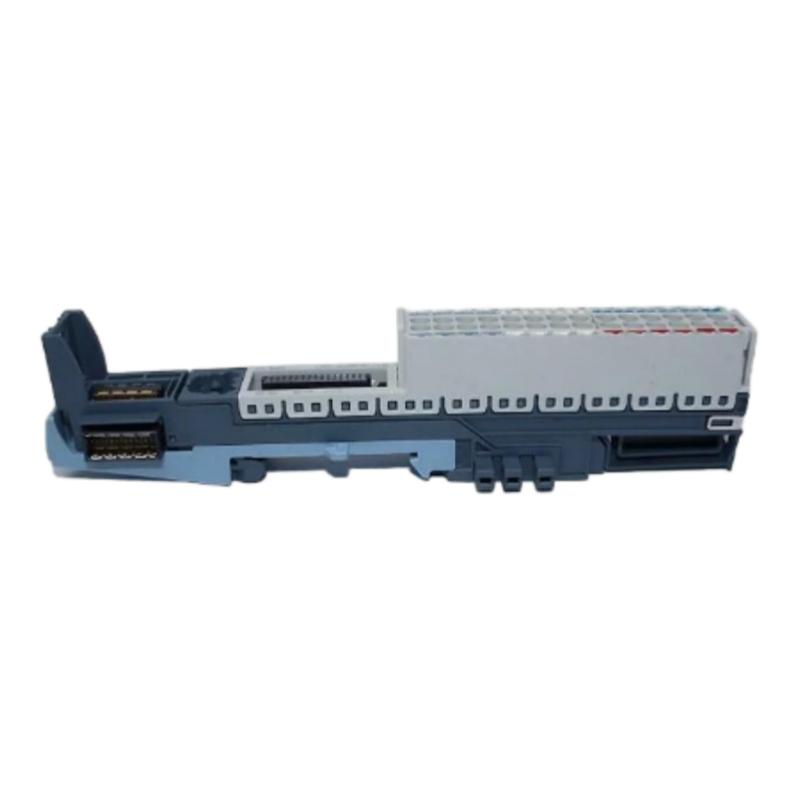
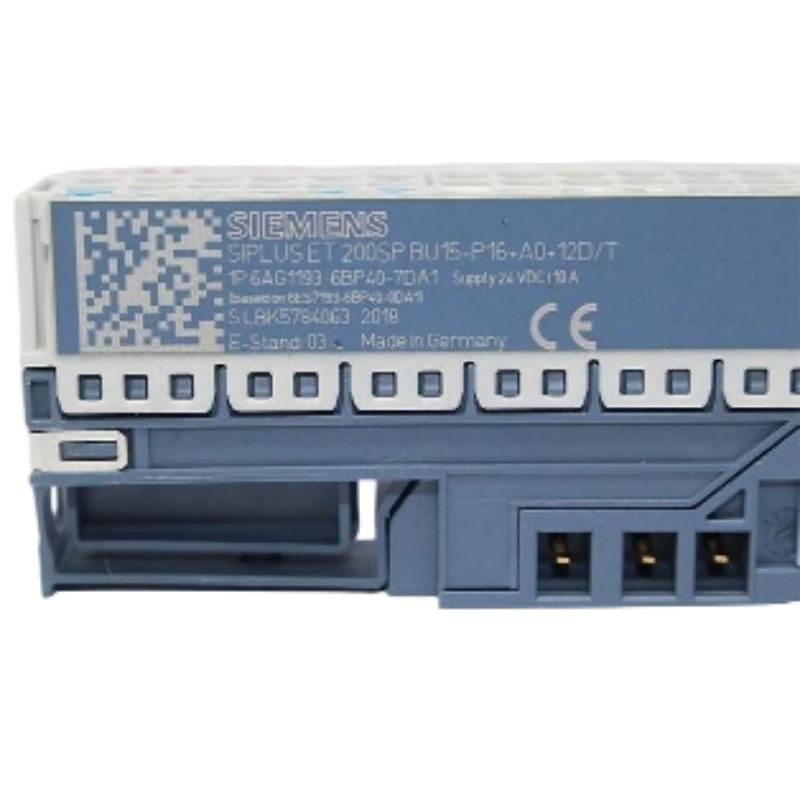
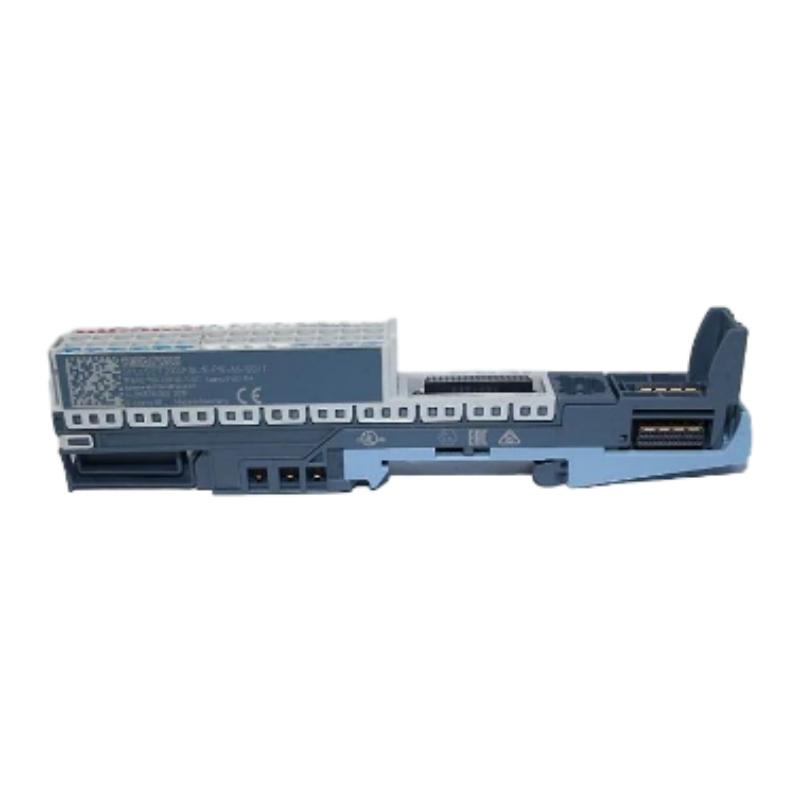
- Siemens
- 6AG1193-6BP40-7DA1
- Basic Unit
- Germany
- 15 × 141 × 35 mm
- 0.05 kg
- Xiamen, China
- New & In Stock
- T/T, PayPal, Western Union
- 1 Year
- 1-3 Working Days
- DHL, UPS, TNT, FedEx and EMS.
- 24-Hour Service
- COO
- 3
Our advantage

Global Logistics
We have a 10-year logistics and express cooperation agreement, so our products can be shipped to any place in the world.

Brand new and original
Our products are imported in bulk from the place of origin. Because of the cooperative relationship, our products are all original and 100% new.

24-hour service
We provide 7*24 hours service to our customers. We will be there whenever you need us.

Price advantage
All our products are priced very favorably because we have our own warehouse and supply.
| Company Information | |||
| [email protected] | |||
| Mobile | +8615980777398 | ||
| +8615980777398 | |||
| 15980777398 |
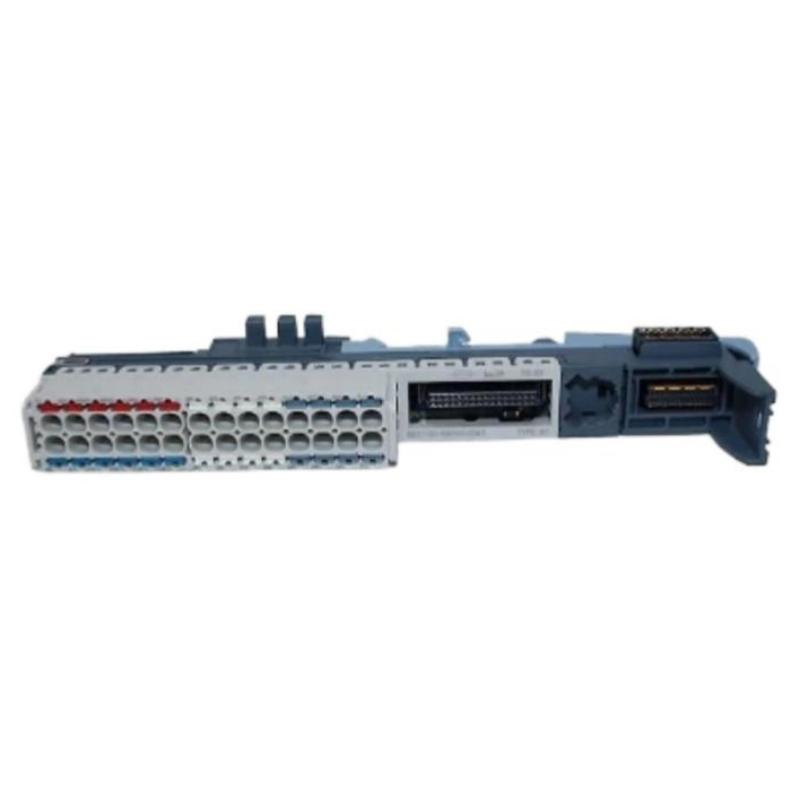
Product Overview
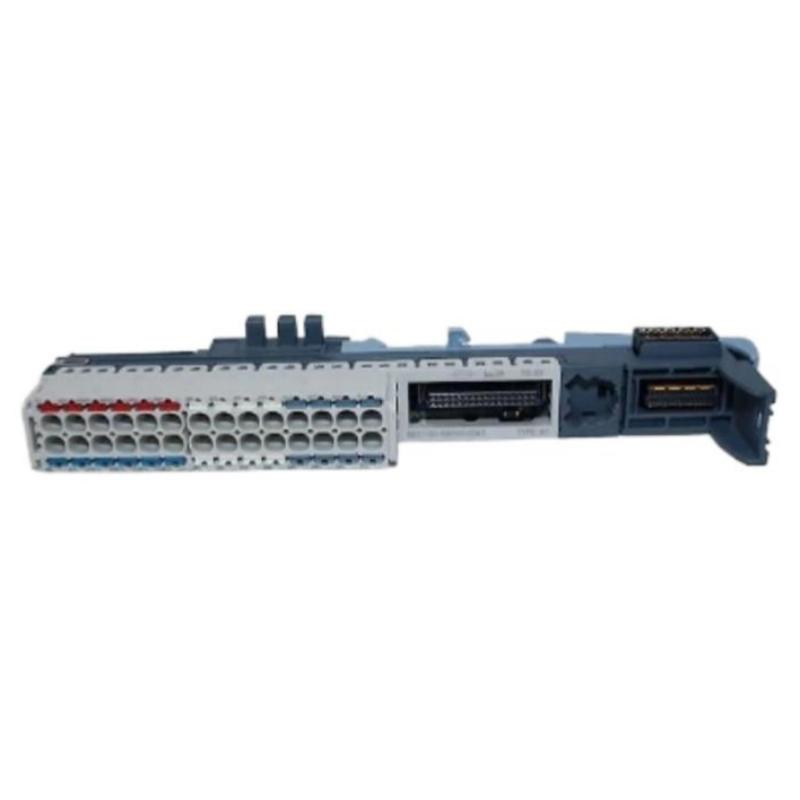
The Siemens 6AG1193-6BP40-7DA1 Basic Unit is a compact system component designed for use within the SIMATIC ET 200SP distributed I/O architecture. As part of the ET 200SP modular platform, the Basic Unit provides the physical foundation for installing and connecting compatible I/O modules and associated automation components. Its mechanical and electrical interface allows individual modules to be arranged in a structured station while maintaining a compact installation footprint.
The Basic Unit is an important part of a modular distributed I/O station because it provides more than simple mechanical support. It contributes to the organized arrangement of field I/O modules and forms part of the station infrastructure through which individual components are integrated into the overall automation system. This modular approach allows engineers to build an I/O station according to the actual number and type of signals required by a machine or process.
The Siemens 6AG1193-6BP40-7DA1 has specified dimensions of 15 × 141 × 35 mm and a weight of 0.05 kg. Its narrow width is particularly useful for high-density control cabinets where many I/O points need to be accommodated within limited DIN-rail space. The lightweight design also makes handling and replacement straightforward during panel assembly and maintenance.
In practical automation applications, the Basic Unit should be considered together with the complete ET 200SP station rather than as an independent signal-processing device. Correct selection of the Basic Unit, compatible I/O modules, system components, wiring accessories, and station configuration is essential for achieving a reliable distributed automation installation.
Technical Specifications
| Parameter | Specification |
|---|---|
| Manufacturer | Siemens |
| Model | 6AG1193-6BP40-7DA1 |
| Product Family | SIMATIC ET 200SP |
| Product Type | Basic Unit |
| Dimensions | 15 × 141 × 35 mm |
| Weight | 0.05 kg |
| System Application | Distributed I/O |
| Primary Function | Modular I/O station infrastructure |
| Installation | Control Cabinet / DIN-Rail Automation System |
| System Architecture | Modular Distributed I/O |
| Typical Use | ET 200SP I/O Station Construction |
| Application Areas | Industrial Automation, Machine Control, Process Applications |
Exact electrical interfaces, compatible module combinations, terminal configuration, and installation requirements should be verified against the applicable hardware configuration and project engineering documentation.
What Is the Siemens 6AG1193-6BP40-7DA1?
The Siemens 6AG1193-6BP40-7DA1 is a Basic Unit associated with the SIMATIC ET 200SP distributed I/O platform.
In a modular I/O station, individual electronic modules need a standardized physical and electrical infrastructure. The Basic Unit provides part of that infrastructure and allows compatible I/O components to be installed in a well-organized arrangement.
This modular concept provides several benefits for industrial automation:
- Flexible station construction
- High I/O density
- Simplified cabinet layout
- Easier module replacement
- Organized field wiring
- Scalable system architecture
- Reduced panel space requirements
Rather than installing a large fixed I/O assembly, engineers can create an ET 200SP station using the number and type of modules required by the application.
This is particularly useful in distributed automation systems where I/O needs to be located close to machines, process equipment, sensors, and actuators.
Understanding the Basic Unit Concept
A distributed I/O station typically consists of several functional layers.
A simplified arrangement is:
Controller / PLC
↓
Industrial Network
↓
ET 200SP Interface
↓
Basic Unit / Station Infrastructure
↓
I/O Modules
↓
Field Devices
The controller exchanges process information with the distributed station through the system’s communication architecture. The individual I/O modules then handle the relevant field signals.
The Basic Unit forms part of the physical station infrastructure that allows these modules to be assembled into a coherent system.
This modular approach is valuable because an automation engineer can configure the station according to the actual process requirements instead of using a fixed number of I/O channels.
Role Within the SIMATIC ET 200SP Architecture
The ET 200SP platform is designed around modularity and distributed signal processing.
In a conventional centralized control cabinet, large quantities of field wiring may need to travel back to a central PLC panel. Distributed I/O architectures provide another approach: I/O stations can be positioned closer to the machinery or process equipment, while communication with the controller takes place through an industrial network.
The Basic Unit supports this modular station concept.
A typical distributed architecture may include:
- Central PLC
- Industrial Ethernet network
- ET 200SP interface components
- Basic Units
- Digital input modules
- Digital output modules
- Analog input modules
- Analog output modules
- Technology modules
- Field wiring
- Sensors and actuators
This arrangement can reduce long individual signal runs and improve the organization of large automation systems.
Function and Working Principle
The Siemens 6AG1193-6BP40-7DA1 is not primarily a standalone signal-processing module. Its main purpose is to provide infrastructure for the compatible ET 200SP station configuration.
The Basic Unit supports the installation and integration of associated I/O components.
The overall operating process can be understood as follows:
Step 1 — Field Device Generates a Signal
A sensor, switch, transmitter, motor contact, valve actuator, or other field device generates process information.
Step 2 — Signal Reaches the I/O Module
The appropriate ET 200SP I/O module receives the field signal.
Step 3 — I/O Module Processes the Signal
The module converts the physical input or output condition into information that can be exchanged with the controller.
Step 4 — Station Communicates with the Controller
The distributed I/O station exchanges data through the configured industrial network.
Step 5 — PLC Executes the Control Logic
The PLC processes the acquired information and determines the required control response.
Step 6 — Outputs Are Sent to Field Equipment
Output modules then control actuators, contactors, valves, drives, or other connected equipment.
The Basic Unit supports the modular infrastructure that makes this station architecture possible.
Why Basic Units Matter in Distributed I/O
The Basic Unit may appear less complex than a processor or communication module, but its mechanical and electrical role is important.
A reliable I/O station requires:
- Correct module positioning
- Stable electrical connections
- Proper mechanical installation
- Organized field wiring
- Correct module compatibility
- Accurate station configuration
If the station infrastructure is incorrectly selected or installed, problems may appear as module recognition failures, wiring problems, intermittent communication, or incorrect I/O behavior.
Therefore, the Basic Unit should be treated as an integral part of the automation system rather than simply as a mounting accessory.
Installation Guidelines
Proper installation of the 6AG1193-6BP40-7DA1 begins with verifying the complete ET 200SP station design.
Verify the Product Identification
Before installation, confirm:
- Manufacturer
- Complete order number
- Hardware identification
- Intended station position
- Compatible system architecture
This is especially important when several Basic Units or similarly sized components are used within the same cabinet.
Inspect the Component
Check the component for:
- Mechanical damage
- Contamination
- Damaged interfaces
- Cracks
- Deformation
- Signs of improper storage
Any visibly damaged component should be evaluated before installation.
Install Correctly
The Basic Unit should be installed according to the intended ET 200SP mechanical arrangement.
The station should be mounted securely and aligned correctly with adjacent modules.
Maintain Cabinet Clearance
Although the component has a compact size of 15 × 141 × 35 mm, adequate clearance should still be maintained for:
- Wiring
- Module installation
- Maintenance
- Ventilation
- Inspection
Compact dimensions should not be interpreted as meaning that no installation space is required around the station.
Field Wiring Considerations
The quality of field wiring has a direct influence on I/O system reliability.
Before connecting field circuits:
- Verify terminal assignments.
- Check wire identification.
- Confirm the correct I/O channel.
- Verify signal type.
- Check common connections.
- Inspect conductors for damage.
- Confirm that wiring matches the engineering drawings.
Incorrect wiring can lead to:
- Incorrect process values
- False digital states
- Unexpected alarms
- Equipment malfunction
- Difficult commissioning
- Potential component damage
Clear wire labels and accurate I/O documentation make future maintenance substantially easier.
Commissioning Procedure
A structured commissioning process can reduce startup problems.
1. Verify the Station Design
Confirm that the Basic Unit and associated modules match the approved system configuration.
2. Inspect Mechanical Installation
Check that the components are properly positioned and mechanically secure.
3. Verify Wiring
Compare field wiring with the approved drawings and I/O lists.
4. Check Network Configuration
Verify that the distributed I/O station is correctly represented in the controller engineering environment.
5. Power the Station
Apply power according to the approved commissioning procedure.
6. Check Module Recognition
Confirm that the expected modules are recognized correctly by the automation system.
7. Test I/O Points
Operate connected sensors, switches, and actuators and confirm that the controller receives the expected information.
8. Verify Diagnostics
Review available system diagnostics for configuration, communication, or module-related problems.
9. Record Results
Document the commissioning results and any corrective actions.
Troubleshooting the Siemens 6AG1193-6BP40-7DA1
Because the Basic Unit is part of a modular station, troubleshooting should consider the complete ET 200SP architecture.
A practical diagnostic path is:
Field Device → I/O Module → Basic Unit / Station → Interface / Network → PLC → Engineering System
Module Is Not Recognized
If an associated module is not recognized, check:
- Correct station configuration
- Correct module position
- Mechanical installation
- Module seating
- Station power
- Network communication
- Engineering configuration
- Hardware compatibility
The problem may not originate from the Basic Unit itself.
Intermittent Communication or I/O Behavior
If the station behaves intermittently, inspect:
- Module connections
- Mechanical seating
- Wiring
- Power supply stability
- Network connections
- Environmental conditions
- Configuration
Vibration and poor mechanical connections can sometimes cause intermittent behavior.
Incorrect I/O Signals
If the controller receives an incorrect field signal, investigate the signal chain systematically.
Check:
- Field device
- Field wiring
- Terminal connection
- I/O module
- Basic Unit installation
- Station configuration
- Controller logic
This prevents technicians from replacing the Basic Unit when the actual problem is located elsewhere.
Common Installation Problems
Several problems can occur when modular I/O stations are assembled without sufficient attention to system configuration.
Incorrect Module Arrangement
Using an incompatible or incorrectly positioned component can result in configuration or hardware recognition problems.
Loose Mechanical Connection
Poor installation can create intermittent operation.
Incorrect Wiring
A field signal connected to the wrong terminal may produce a seemingly defective input.
Configuration Mismatch
The physical station and engineering configuration must correspond.
Poor Documentation
Unclear wiring or I/O documentation makes fault diagnosis considerably more difficult.
Preventive Maintenance
Although a Basic Unit does not normally require the same level of maintenance as an active electronic processor, preventive inspection remains important.
Recommended practices include:
- Inspect module connections periodically.
- Check for visible mechanical damage.
- Inspect wiring.
- Keep the cabinet clean.
- Check for excessive vibration.
- Verify ventilation.
- Inspect for contamination.
- Review recurring I/O diagnostics.
- Maintain accurate station documentation.
- Keep suitable replacement components available.
Maintenance should focus on the entire distributed I/O station rather than isolating the Basic Unit from its surrounding modules.
Replacement Considerations
When replacing the 6AG1193-6BP40-7DA1, verify the complete part number before installation.
Important factors include:
- Exact Siemens order number
- ET 200SP compatibility
- Mechanical dimensions
- Module arrangement
- Station configuration
- Wiring requirements
- Hardware revision where relevant
Because several ET 200SP components can have similar physical dimensions, visual inspection alone is not sufficient for identifying a replacement.
After replacement, the complete station should be inspected and tested.
Spare-Part Management
Maintaining suitable spare components can reduce downtime in critical automation systems.
The 6AG1193-6BP40-7DA1 has specified dimensions of 15 × 141 × 35 mm and a weight of 0.05 kg, making it compact and relatively easy to store.
Spare components should be protected against:
- Dust
- Moisture
- Electrostatic discharge
- Mechanical impact
- Excessive temperature
- Corrosive environments
Inventory records should include the complete product number to prevent confusion with visually similar ET 200SP components.
Applications in Industrial Automation
The modular ET 200SP architecture supported by components such as the 6AG1193-6BP40-7DA1 can be applied across many industries.
Factory Automation
Distributed I/O stations can be installed near production machinery to collect sensor signals and control actuators.
Packaging Machinery
Compact distributed I/O can help manage sensors, valves, motors, and machine-status signals.
Material Handling
Conveyors and material-handling systems often require large numbers of distributed digital I/O points.
Process Automation
Distributed I/O can be installed around pumps, valves, instrumentation, and process equipment.
Building and Infrastructure Automation
Modular I/O architectures can also be used for equipment monitoring and control within larger infrastructure systems.
Machine Control
The compact format of ET 200SP components is useful for machine-control cabinets where installation space is limited.
Benefits of a Modular I/O Architecture
The 6AG1193-6BP40-7DA1 belongs to an architecture that provides several engineering benefits.
High Packing Density
Compact components allow more I/O functionality to be installed in a limited cabinet area.
Flexible Expansion
Additional modules can be incorporated according to the requirements of the application.
Distributed Installation
I/O stations can be located closer to field equipment, reducing the need for extensive centralized wiring.
Easier Maintenance
Modular construction allows individual components to be inspected and replaced without redesigning the entire station.
Organized System Architecture
Clearly structured modules make complex automation systems easier to understand and maintain.
Engineering Best Practices
Plan the Station Before Installation
Determine the required I/O types and station structure before mounting components.
Maintain Accurate Documentation
The engineering documentation should identify:
- Module type
- Position
- Signal assignment
- Field device
- Network address
- Terminal information
Use Consistent Identification
Product and module identification should be maintained throughout engineering, commissioning, and maintenance.
Keep Spare Components Organized
Similar-looking ET 200SP components should be stored separately and labeled clearly.
Test After Replacement
Any replacement should be followed by an appropriate functional test rather than simply checking whether the controller recognizes the station.
Technical FAQs
What is the Siemens 6AG1193-6BP40-7DA1?
The Siemens 6AG1193-6BP40-7DA1 is a Basic Unit associated with the SIMATIC ET 200SP modular distributed I/O architecture.
What is the function of a Basic Unit?
A Basic Unit provides part of the physical and electrical infrastructure required to assemble compatible ET 200SP I/O components into a distributed station.
What are the dimensions of the 6AG1193-6BP40-7DA1?
The specified dimensions are 15 × 141 × 35 mm.
What is the weight of the 6AG1193-6BP40-7DA1?
The specified weight is 0.05 kg.
Is the Basic Unit an I/O signal-processing module?
The Basic Unit should not be treated as a standalone signal-processing module. It forms part of the infrastructure used to install and integrate compatible I/O components within the ET 200SP station.
Where can this type of component be used?
It can be used as part of distributed I/O architectures in factory automation, machine control, process applications, packaging, material handling, and other industrial automation systems.
What should be checked if an ET 200SP module is not recognized?
Check the module position, mechanical installation, station power, hardware configuration, system compatibility, network communication, and engineering configuration before replacing components.
Why is correct Basic Unit selection important?
The Basic Unit forms part of the mechanical and electrical foundation of the I/O station. Correct selection helps ensure that compatible modules can be installed and integrated according to the intended system architecture.
Key Advantages
The Siemens 6AG1193-6BP40-7DA1 offers several practical benefits as part of an ET 200SP distributed I/O installation:
- Designed for modular distributed I/O architectures
- Compact 15 × 141 × 35 mm form factor
- Lightweight 0.05 kg construction
- Supports organized ET 200SP station assembly
- Suitable for high-density control cabinets
- Contributes to scalable I/O system design
- Supports distributed installation concepts
- Facilitates structured maintenance and replacement
- Suitable for a broad range of industrial automation applications
- Provides a compact infrastructure component for modular I/O systems
Conclusion
The Siemens 6AG1193-6BP40-7DA1 Basic Unit is a compact component within the SIMATIC ET 200SP distributed I/O architecture. Rather than functioning as an independent controller or signal-processing module, it provides important infrastructure for assembling compatible I/O components into a structured modular automation station.
With specified dimensions of 15 × 141 × 35 mm and a weight of 0.05 kg, the 6AG1193-6BP40-7DA1 is well suited to applications where compact cabinet construction, modularity, and efficient use of installation space are important.
Its practical value becomes particularly clear in distributed automation systems. By providing a structured foundation for I/O components, the Basic Unit contributes to organized field wiring, scalable station construction, easier maintenance, and efficient integration with PLC-based control architectures.
For automation engineers, system integrators, and maintenance teams, correct Basic Unit selection should always be considered together with the complete ET 200SP station design. Proper mechanical installation, compatible module selection, accurate wiring, correct engineering configuration, and systematic commissioning are essential for achieving dependable long-term operation.