

ProductPRODUCT
Featured products
Contact Us
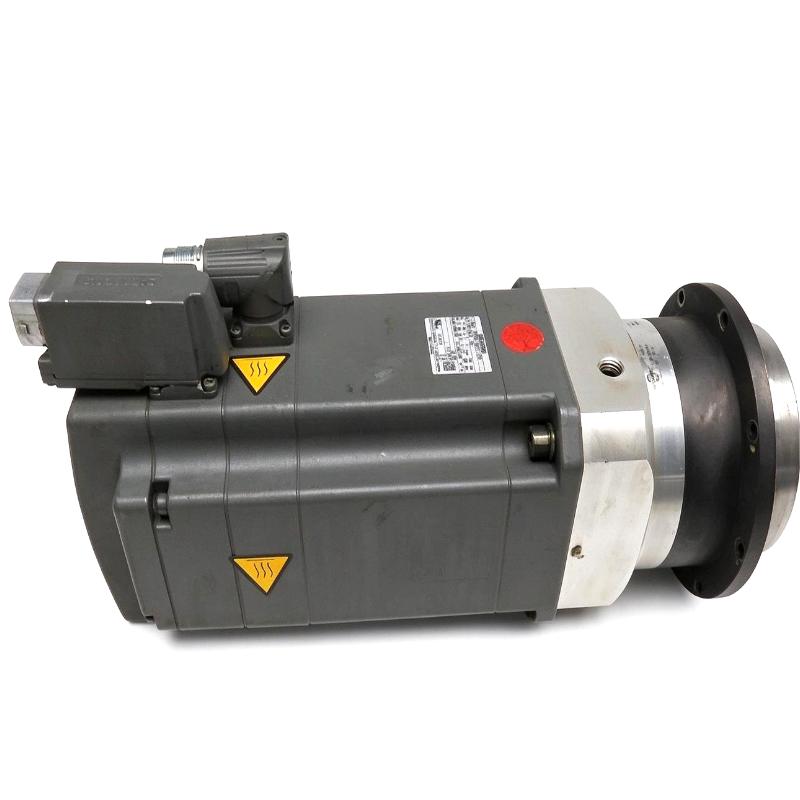
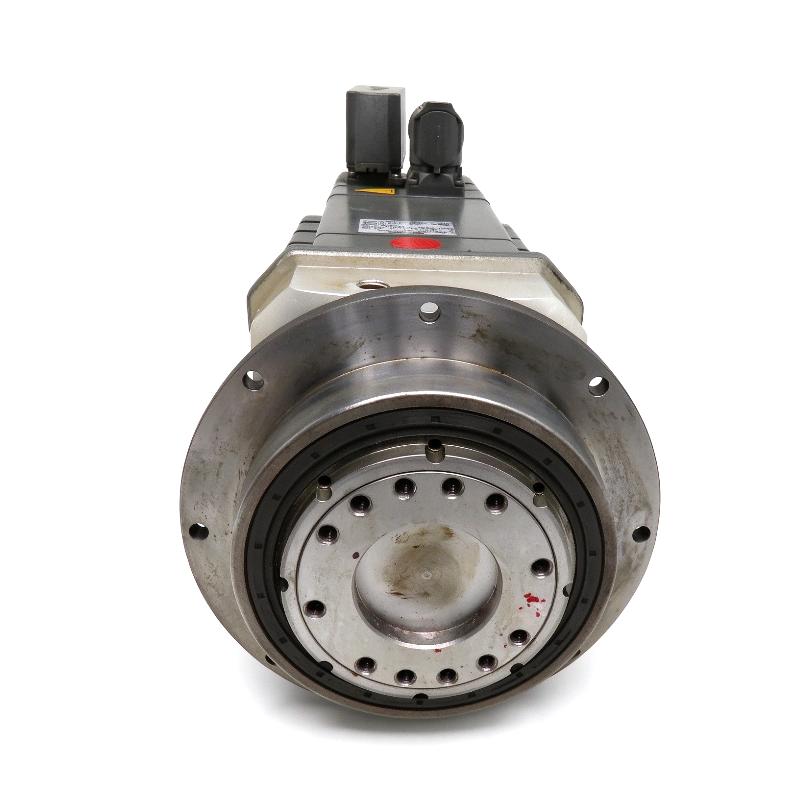
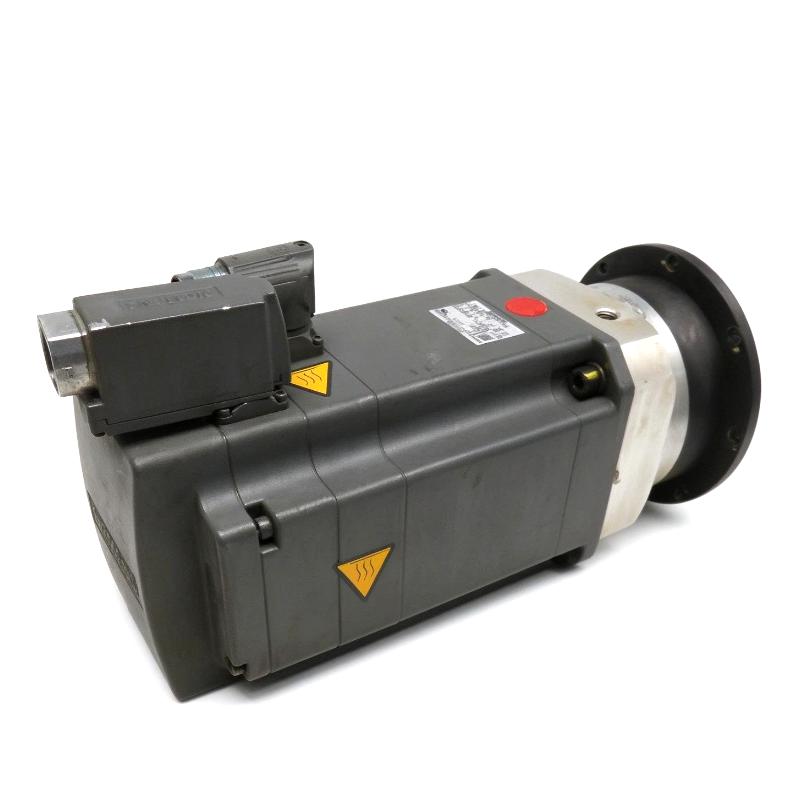
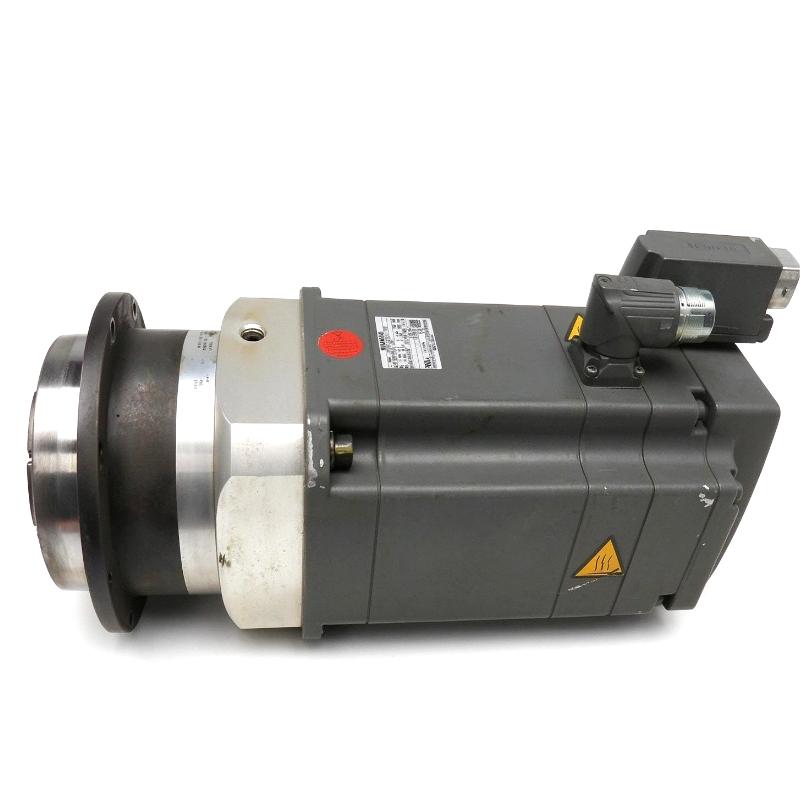
- Siemens
- 1FK7063-5AF71-1DG5
- Synchronous Servo Motor
- Germany
- 63 mm
- 11.503 kg
- Xiamen, China
- New & In Stock
- T/T, PayPal, Western Union
- 1 Year
- 1-3 Working Days
- DHL, UPS, TNT, FedEx and EMS.
- 24-Hour Service
- COO
- 6
Our advantage

Global Logistics
We have a 10-year logistics and express cooperation agreement, so our products can be shipped to any place in the world.

Brand new and original
Our products are imported in bulk from the place of origin. Because of the cooperative relationship, our products are all original and 100% new.

24-hour service
We provide 7*24 hours service to our customers. We will be there whenever you need us.

Price advantage
All our products are priced very favorably because we have our own warehouse and supply.
| Company Information | |||
| [email protected] | |||
| Mobile | +8615980777398 | ||
| +8615980777398 | |||
| 15980777398 |
Product Overview
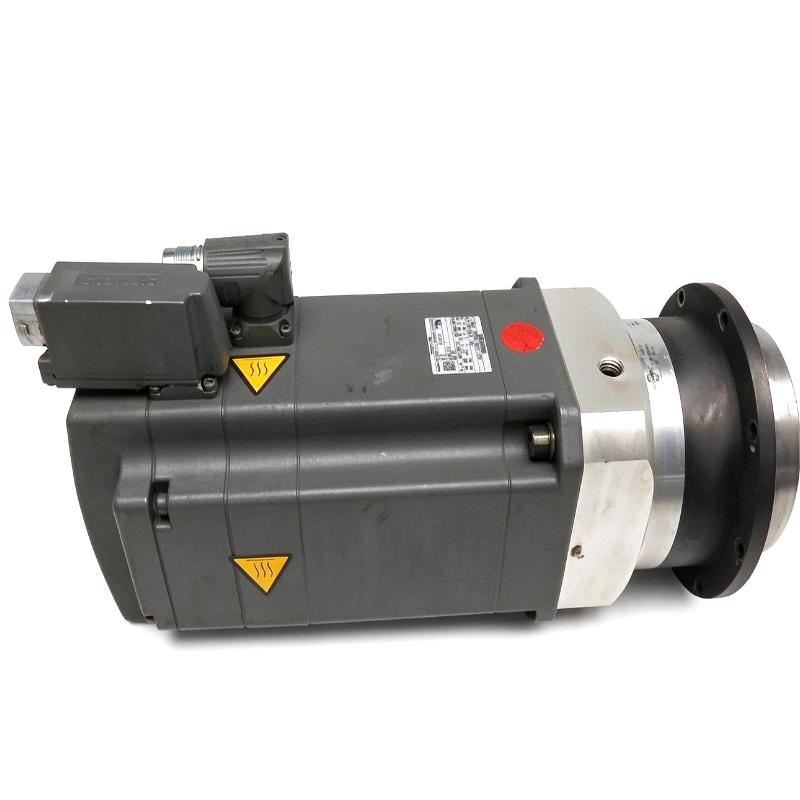
The Siemens 1FK7063-5AF71-1DG5 is a SIMOTICS S-1FK7 Compact permanent-magnet synchronous servo motor intended for industrial machinery requiring controlled rotary motion and coordinated axis operation. With a rated power of approximately 2.29 kW, a rated speed of 3,000 rpm, and a rated torque of 7.3 Nm, it is suitable for positioning mechanisms, automated production equipment, and servo-driven machine assemblies that operate through repeated acceleration and deceleration cycles.
In an automated handling system, the motor can drive a transfer axis that moves components between loading, processing, and inspection stations. A compatible servo drive regulates motor current and speed, while feedback from the encoder allows the control system to monitor motor movement and coordinate it with the machine sequence.
The 1DG5 configuration uses an incremental encoder with 2,048 pulses per revolution and a DRIVE-CLiQ interface. This feedback arrangement is an important consideration when selecting a replacement motor. The drive must support the installed encoder configuration, and the controller’s position-reference strategy must be compatible with incremental feedback.
The motor uses natural cooling and has power and signal connectors that can be rotated through 270 degrees. These features are relevant when integrating the motor into an existing machine, particularly where cable routing and cabinet-to-axis connections are already established. Final selection should account for the motor’s electrical ratings, feedback interface, mechanical mounting, and the load’s actual motion requirements.
Technical Specifications
| Parameter | Specification |
|---|---|
| Manufacturer | Siemens |
| Model | 1FK7063-5AF71-1DG5 |
| Product Family | SIMOTICS S-1FK7 Compact |
| Product Type | Synchronous Servo Motor |
| Motor Technology | Permanent-Magnet Synchronous Motor |
| Rated Power | 2.29 kW |
| Rated Speed | 3,000 rpm |
| Rated Torque at 100 K | 7.3 Nm |
| Rated Current | 5.6 A |
| Static Torque at 60 K | 9.1 Nm |
| Static Torque at 100 K | 11 Nm |
| Stall Current at 100 K | 8 A |
| Number of Poles | 8 |
| Maximum Permissible Mechanical Speed | 7,200 rpm |
| Maximum Torque | 35 Nm |
| Maximum Current | 28 A |
| Torque Constant | 1.37 Nm/A |
| Cooling | Natural cooling |
| Encoder Type | Incremental encoder, 2,048 pulses per revolution |
| Encoder Interface | DRIVE-CLiQ |
| Electrical Connections | Power and signal connectors, rotatable by 270° |
| Shaft Height | 63 mm |
| Weight | 11.503 kg |
Product Features
- 2.29 kW rated power: Supports industrial servo applications requiring controlled mechanical output.
- 3,000 rpm rated speed: Suits positioning axes and repetitive machine movements within the specified operating limits.
- 7.3 Nm rated torque: Defines the motor’s rated torque at the specified thermal condition.
- Incremental encoder feedback: Uses a 2,048-pulse-per-revolution encoder configuration.
- DRIVE-CLiQ interface: Supports integration with compatible drive equipment using this feedback interface.
- Natural cooling: Uses the specified cooling arrangement without a separate forced-air motor cooling unit.
- 270° rotatable connectors: Allows power and signal connections to be oriented according to installation requirements.
- Compact servo motor construction: Supports integration into industrial machinery with defined mounting and coupling arrangements.
Working Principle
The 1FK7063-5AF71-1DG5 converts electrical energy into rotary motion through the interaction between its permanent-magnet rotor and the magnetic field generated by the stator windings. A compatible servo drive controls the current supplied to the motor, regulating torque and speed in response to commands from the motion controller.
A typical servo-axis arrangement follows this sequence:
PLC / Motion Controller → Compatible SINAMICS Drive → 1FK7063-5AF71-1DG5 → Mechanical Load
Encoder Feedback → DRIVE-CLiQ → Servo Drive
When the controller commands the axis to move, the drive adjusts motor current to accelerate the load, maintain the requested speed, or decelerate toward the target position. The encoder provides incremental movement information through the DRIVE-CLiQ interface, allowing the drive to evaluate motor motion as part of its control process.
For example, a material-handling machine may need to move a component to a processing station and then return to its starting point. The controller defines the movement sequence, while the servo drive regulates the motor throughout acceleration, travel, and deceleration. Positioning results depend on the encoder configuration, drive tuning, mechanical transmission, load inertia, and the machine’s programmed motion profile.
Because the encoder is incremental, the machine’s referencing strategy must also be considered. Depending on the control architecture, the axis may require a homing movement or reference sensor to establish its position after startup. When replacing an existing motor, the feedback configuration and controller parameters should be checked before the machine returns to production.
Role in a SINAMICS Servo Control Architecture
The 1FK7063-5AF71-1DG5 acts as the electromechanical stage of a servo-controlled axis. The controller defines the required movement, the drive regulates motor operation, and the encoder provides feedback for motion control.
Motion Controller → SINAMICS Drive → Servo Motor → Mechanical Transmission
Incremental Encoder → DRIVE-CLiQ → Drive Feedback Processing
| System Element | Function |
|---|---|
| PLC or Motion Controller | Generates position, speed, and sequencing commands |
| Compatible SINAMICS Drive | Supplies controlled electrical power and regulates motor movement |
| 1FK7063-5AF71-1DG5 | Converts electrical energy into controlled rotary motion |
| Incremental Encoder | Supplies motor movement information |
| DRIVE-CLiQ Connection | Transfers encoder data to compatible drive equipment |
| Motor Power Cable | Connects the drive power stage to the motor |
| Mechanical Coupling | Transfers motor torque to the driven mechanism |
| Gearbox, Where Required | Adapts output speed and torque to the application |
| Reference Sensor, Where Required | Establishes the machine reference position during homing |
| PLC Interlocks and Sensors | Coordinate axis movement with process conditions |
During commissioning, verify that the drive recognizes the motor and encoder configuration correctly. The motor’s electrical characteristics, feedback interface, and controller referencing procedure must all match the installed system.
Industrial Applications
| Application | Typical Use |
|---|---|
| Automated Assembly | Moving components between assembly and inspection stations |
| Packaging Machinery | Driving feed mechanisms and programmed positioning axes |
| Material Handling | Controlling transfer systems and automated handling equipment |
| Indexing Tables | Advancing workpieces through successive production operations |
| Printing Equipment | Driving selected feed and registration mechanisms |
| Labeling Systems | Coordinating product transport with labeling operations |
| Electronics Manufacturing | Positioning components during automated assembly |
| Inspection Machinery | Moving fixtures and workpieces to inspection positions |
| Machine Tools | Driving compatible auxiliary and positioning axes |
| General Factory Automation | Providing controlled rotary motion in programmable machinery |
The motor is appropriate for applications where its rated operating characteristics and incremental feedback configuration match the machine requirements. Selection should account for acceleration, peak torque, duty cycle, load inertia, and the mechanical transmission. A motor’s rated power alone is not sufficient to determine whether it can meet the demands of a particular axis.
Installation and Maintenance
- Verify the complete order number: Confirm that the motor is 1FK7063-5AF71-1DG5 and that its encoder and connection configuration match the intended installation.
- Check drive compatibility: Verify that the selected servo drive supports the motor’s electrical ratings and DRIVE-CLiQ encoder configuration.
- Inspect the mounting interface: Check the mounting surface, fasteners, and alignment before securing the motor.
- Verify the mechanical coupling: Confirm that the coupling matches the motor shaft and driven mechanism, with suitable alignment and load capacity.
- Connect the motor power circuit: Follow the applicable wiring diagram and check the power connections and protective-earth continuity.
- Inspect the DRIVE-CLiQ connection: Check connector condition, cable routing, and the drive-side feedback connection.
- Review cable routing: Keep power and signal wiring arranged according to the installation requirements to reduce the risk of electrical interference or connector strain.
- Assess the mechanical load: Review inertia, friction, acceleration requirements, and expected peak torque before commissioning.
- Configure the drive: Verify motor identification, encoder assignment, current limits, and control parameters against the actual motor configuration.
- Confirm axis referencing: Determine whether the control system requires a homing movement or reference sensor before position-dependent operation.
- Test at reduced operating demand: Check rotation direction, feedback operation, acceleration, stopping behavior, and abnormal vibration before resuming the full production cycle.
- Document maintenance findings: Record motor identification, drive settings, encoder configuration, cable details, and any commissioning adjustments for future service.
Before servicing the motor, isolate the drive and follow the site’s electrical safety procedures. A permanent-magnet motor can generate voltage when rotated mechanically, so assess electrical hazards before disconnecting power cables or working on the motor connections.
Compatible System Components
The 1FK7063-5AF71-1DG5 must be integrated with compatible drive equipment, encoder connections, power cabling, and mechanical transmission components. The exact combination depends on the existing automation architecture and the load’s motion requirements.
| Component | Function |
|---|---|
| Compatible SINAMICS Servo Drive | Regulates motor current, speed, and position |
| SINAMICS S120 Drive System | Supports servo-axis integration in a compatible configuration |
| Motor Power Cable | Carries controlled electrical power from the drive to the motor |
| DRIVE-CLiQ Signal Cable | Connects compatible feedback equipment to the drive |
| PLC or Motion Controller | Coordinates axis movement and machine sequencing |
| Reference Sensor | Establishes the axis reference position where required |
| Mechanical Coupling | Transfers torque to the driven mechanism |
| Gearbox, Where Required | Adapts output speed and torque to the application |
| Mounting Hardware | Secures the motor and maintains mechanical alignment |
| Machine Sensors and Interlocks | Coordinate axis movement with production conditions |
Recommended Related Models
| Model | Product Type | Typical Application |
|---|---|---|
| Siemens 1FK7063-5AF71-1AA0 | SIMOTICS S-1FK7 Compact Synchronous Servo Motor | Incremental encoder configuration with a keyed shaft |
| Siemens 1FK7063-5AF71-1AG0 | SIMOTICS S-1FK7 Compact Synchronous Servo Motor | Incremental Sin/Cos encoder configuration with a plain shaft |
| Siemens 1FK7063-5AF71-1SA0 | SIMOTICS S-1FK7 Compact Synchronous Servo Motor | Multipole resolver feedback configuration |
| Siemens 1FK7063-5AF71-1PA0 | SIMOTICS S-1FK7 Compact Synchronous Servo Motor | Two-pole resolver feedback configuration |
| Siemens 1FK7063-5AF71-1FH0 | SIMOTICS S-1FK7 Compact Synchronous Servo Motor | Absolute encoder configuration with a holding brake |
| Siemens 1FK7063-5AF71-1GB0 | SIMOTICS S-1FK7 Compact Synchronous Servo Motor | Basic absolute encoder configuration with a holding brake |
Key Advantages
- 2.29 kW rated power and 3,000 rpm rated speed.
- 7.3 Nm rated torque at the specified thermal condition.
- Incremental encoder with 2,048 pulses per revolution.
- DRIVE-CLiQ feedback integration with compatible drive equipment.
- Natural cooling for the specified motor configuration.
- Power and signal connectors rotatable through 270°.
- Suitable for programmed servo movements in industrial machinery.
Technical FAQs
What does the DG5 configuration indicate for encoder compatibility?
The 1DG5 configuration uses an incremental encoder with 2,048 pulses per revolution and a DRIVE-CLiQ interface. The drive must support the corresponding feedback arrangement. A motor with a different encoder type should not be treated as an interchangeable replacement without checking the drive hardware and configuration.
Does the 1FK7063-5AF71-1DG5 require homing after startup?
That depends on the machine’s position-reference strategy. Incremental feedback records movement rather than supplying the same absolute position information as an absolute encoder. A reference sensor or homing movement may therefore be necessary before the controller can execute position-dependent operations.
What should be checked if the drive does not recognize the motor feedback?
Inspect the DRIVE-CLiQ cable and connectors, verify the feedback assignment, and review the drive’s diagnostic messages. Also confirm that the configured motor identification matches the installed model and encoder arrangement.
How can engineers determine whether this motor is suitable for a replacement application?
Compare the complete motor configuration, rated torque, rated speed, electrical requirements, encoder interface, mounting arrangement, and mechanical coupling. Then assess the actual load inertia, acceleration profile, duty cycle, and peak torque. Matching the product family or rated power alone does not establish full compatibility.