

ProductPRODUCT
Featured products
Contact Us
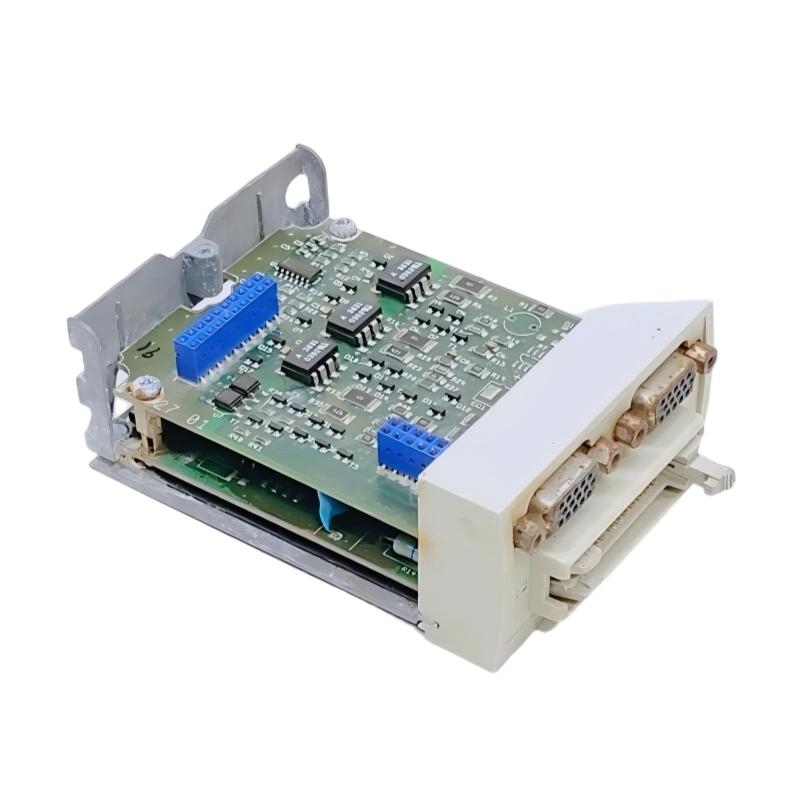
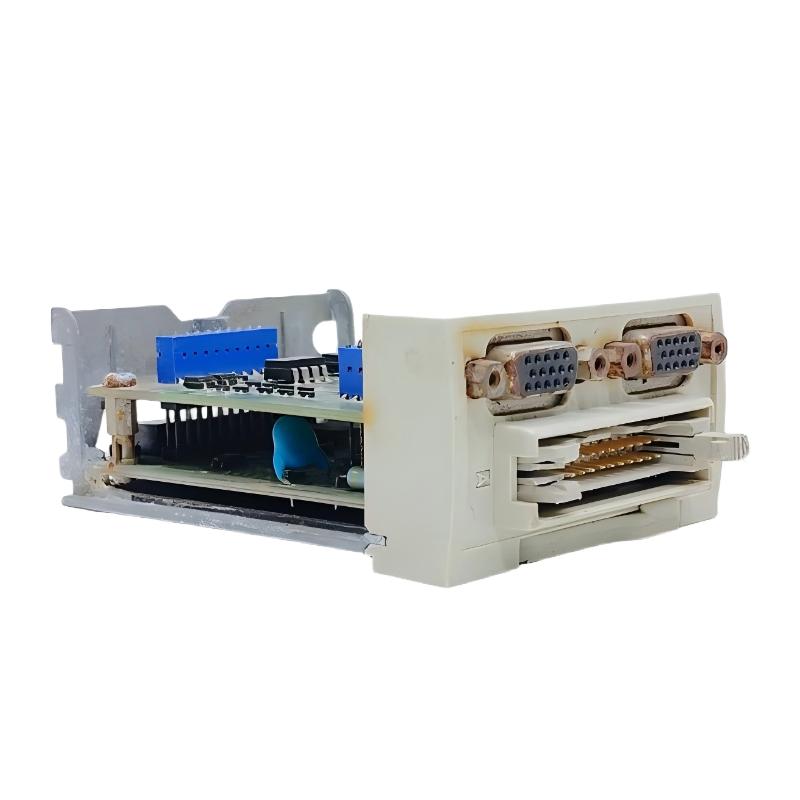
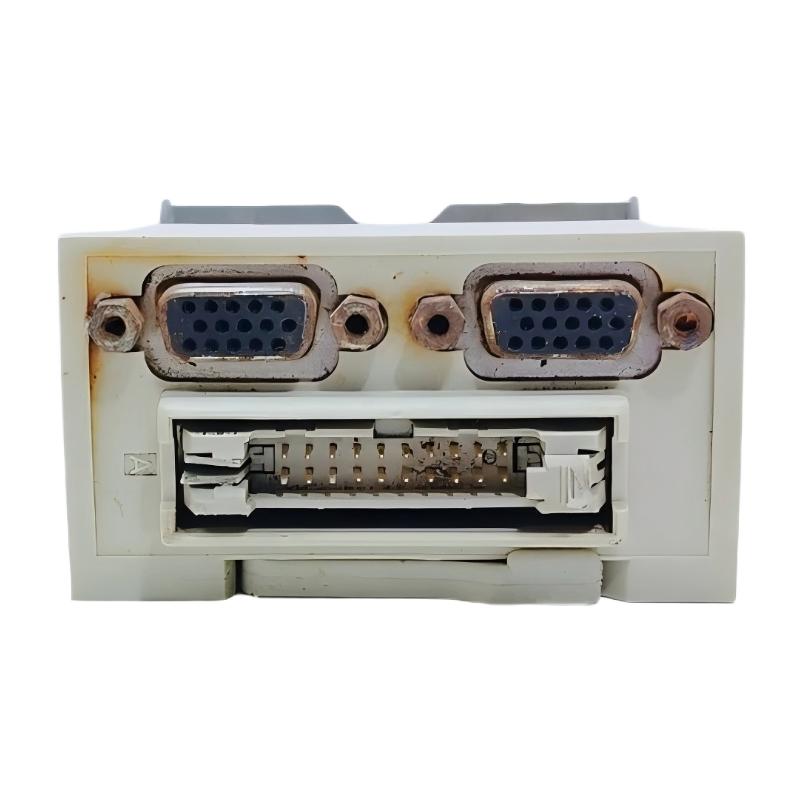
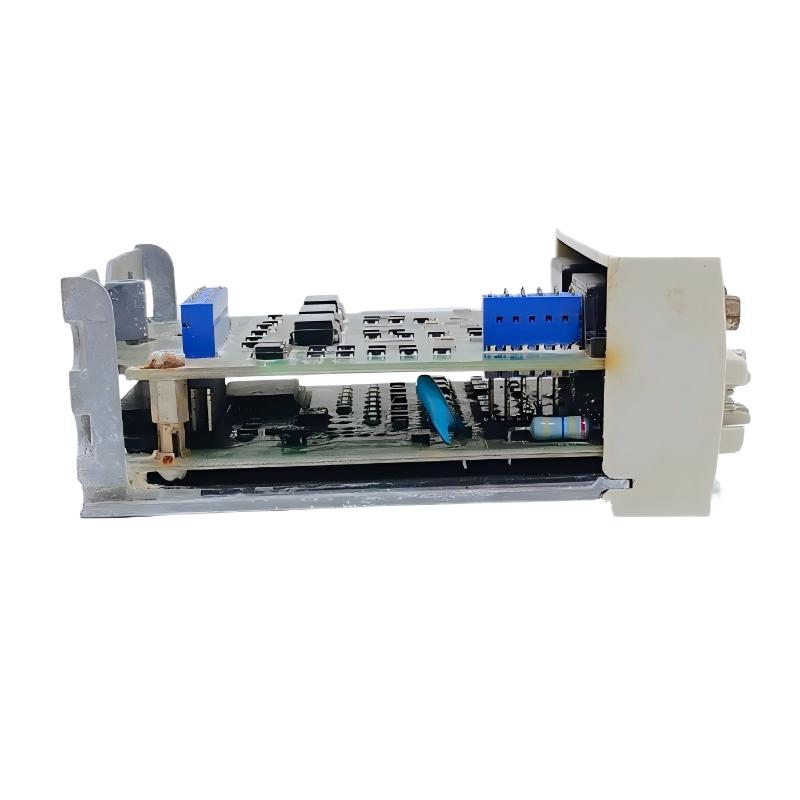
- Schneider
- TSXCTZ2A
- Counter Module
- France
- 260 x 180 x 55 mm
- 0.21 kg
- Xiamen, China
- New & In Stock
- T/T, PayPal, Western Union
- 1 Year
- 1-3 Working Days
- DHL, UPS, TNT, FedEx and EMS.
- 24-Hour Service
- COO
- 4
Our advantage

Global Logistics
We have a 10-year logistics and express cooperation agreement, so our products can be shipped to any place in the world.

Brand new and original
Our products are imported in bulk from the place of origin. Because of the cooperative relationship, our products are all original and 100% new.

24-hour service
We provide 7*24 hours service to our customers. We will be there whenever you need us.

Price advantage
All our products are priced very favorably because we have our own warehouse and supply.
| Company Information | |||
| [email protected] | |||
| Mobile | +8615980777398 | ||
| +8615980777398 | |||
| 15980777398 |
1. Product Overview
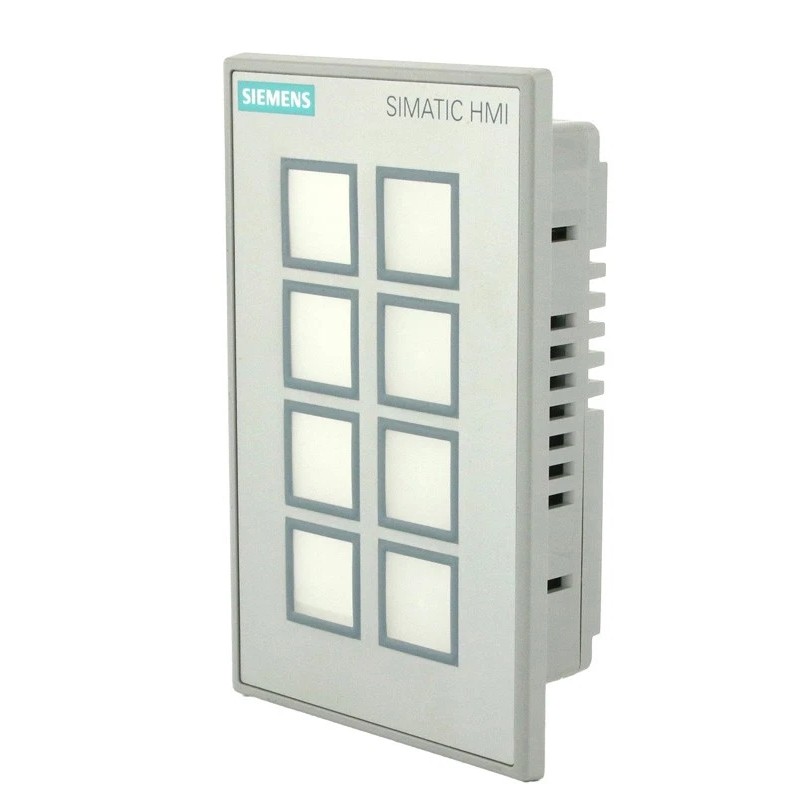
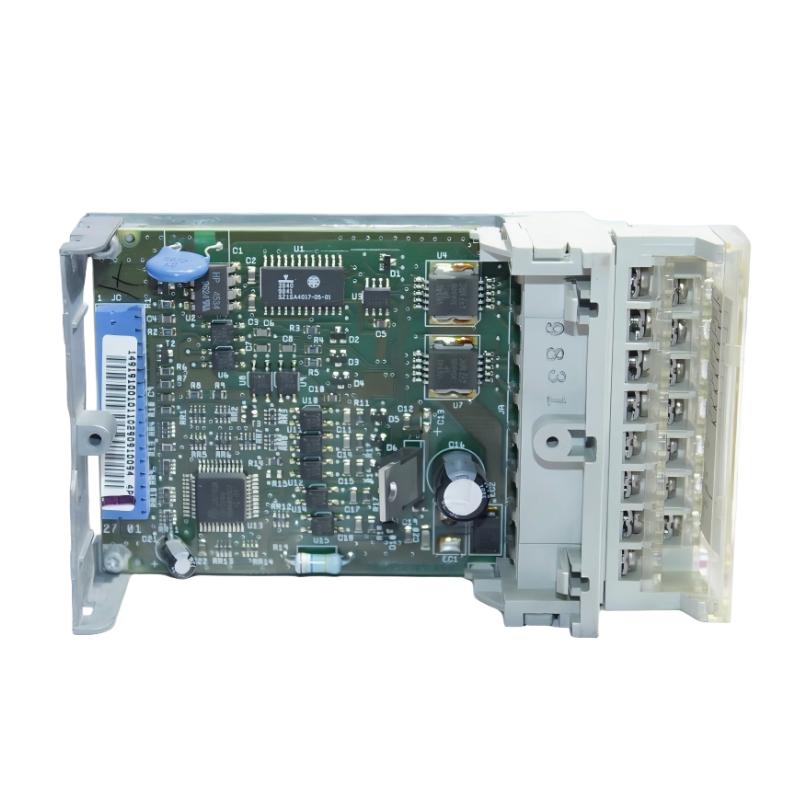
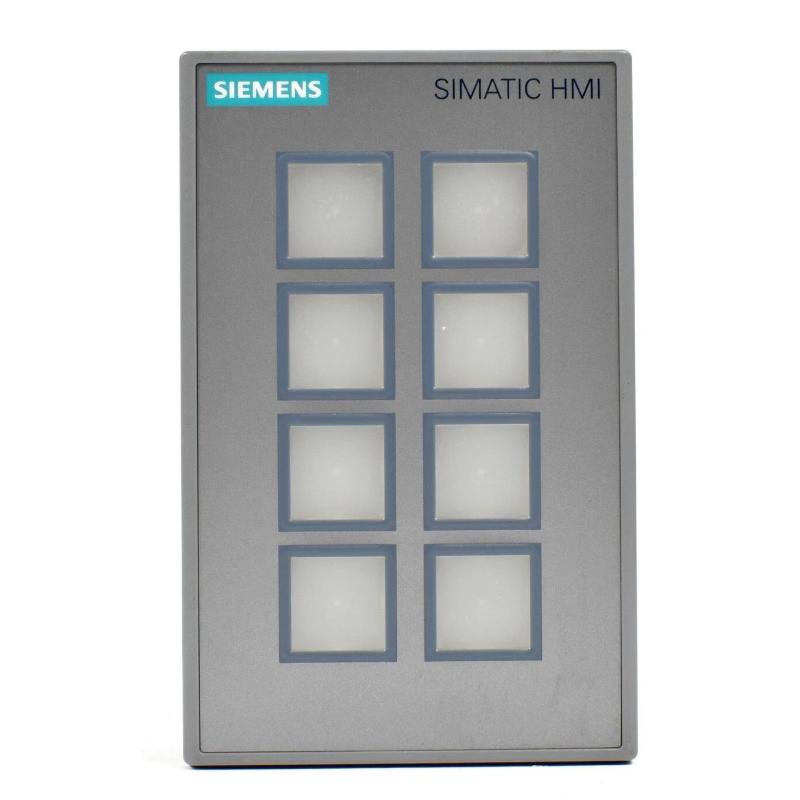
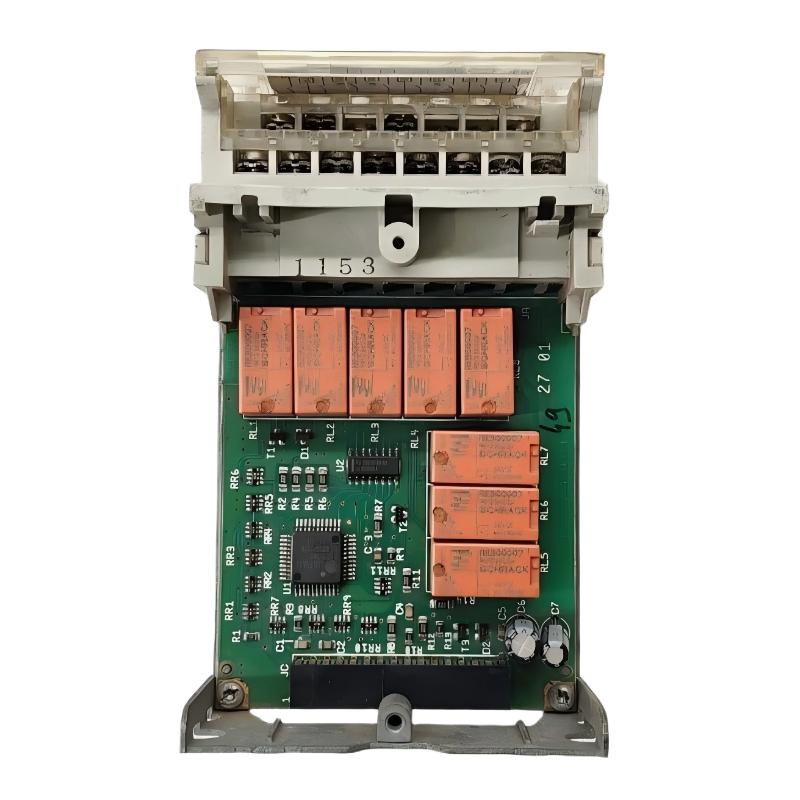
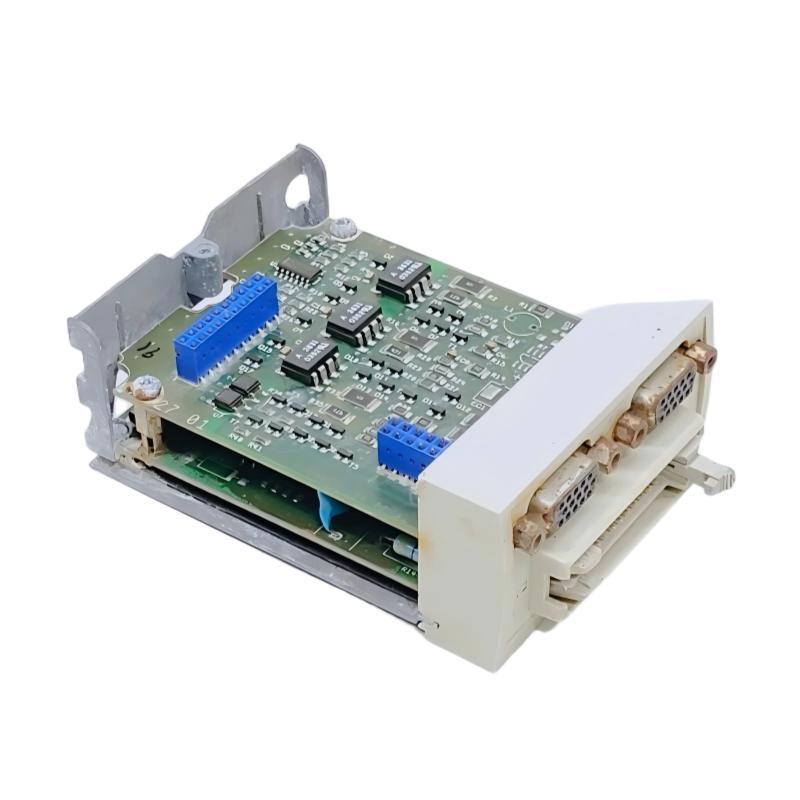
The Schneider TSXCTZ2A Counter Module is an industrial automation component designed for counter-related functions within compatible programmable logic controller (PLC) systems. Counter modules are used in industrial control applications to monitor repetitive events, count pulses, and provide numerical information that can support machine sequencing, production monitoring, and process control.
In manufacturing environments, accurate counting is essential for tracking product quantities, monitoring machine cycles, and coordinating automated operations. A suitable counter module allows a control system to process counting information as part of a broader automation application.
The Schneider TSXCTZ2A is identified by the model number TSXCTZ2A, with supplied dimensions of 260 × 180 × 55 mm and a listed weight of 0.21 kg. Before installation or replacement, users should verify the module’s exact counting functions, electrical interface, mounting requirements, and compatibility with the target PLC platform using the relevant product documentation.
2. Technical Specifications
| Parameter | Specification |
|---|---|
| Brand | Schneider Electric |
| Model Number | TSXCTZ2A |
| Product Type | Counter Module |
| Dimensions | 260 × 180 × 55 mm |
| Weight | 0.21 kg |
| Product Category | Industrial Automation / PLC Module |
| Primary Function | Counter-related signal processing |
| Installation Environment | Compatible industrial control system |
| System Compatibility | Verify against the applicable PLC hardware documentation |
Note: Dimensions and weight are based on the supplied information. The exact counter channels, maximum counting frequency, input voltage, supported counting modes, communication interface, and compatible PLC models should be confirmed from the manufacturer’s technical documentation.
3. Function and Working Principle
A counter module processes signals associated with repetitive events and makes counting information available to a control application. Depending on its design, a counter module may support functions such as pulse counting, event tracking, or position-related measurement.
The specific functions available on the Schneider TSXCTZ2A should be confirmed before designing or modifying a control system.
Pulse and Event Counting
In applicable configurations, a counter module receives electrical signals representing repeated events. These signals may originate from sensors, switches, encoders, or other compatible field devices.
The module processes the signals according to its supported counting logic and provides counting information for use by the control system.
Machine Cycle Monitoring
Counting events can help a PLC track machine cycles, completed operations, and repetitive production activities. This information can be used to initiate subsequent steps in an automated sequence.
Production Quantity Tracking
Counter-related information can support production monitoring by recording the number of products, components, or process events detected by field sensors.
Integration with PLC Logic
Where supported by the module and PLC platform, counting information can be incorporated into PLC programs for monitoring, sequencing, alarms, and other control functions.
The available operating modes and programming requirements depend on the module’s actual hardware and software capabilities.
4. Applications in Industrial Automation
Counter modules are useful in automation systems that require reliable event counting or repetitive signal processing. Typical application categories include the following, subject to the module’s verified capabilities.
Manufacturing and Assembly Lines
Counting functions can help track products passing through a production station, monitor completed assembly cycles, and provide information for production sequencing.
Packaging Machinery
Counter information can be used to track packages, bottles, cartons, or other items detected by compatible sensors. The PLC can use the count to initiate batch changes or other programmed actions.
Material Handling Systems
In suitable configurations, event counting can help monitor material movement, machine cycles, or item detection along conveyor systems.
Machine Tool Automation
Counter-related signals may support cycle monitoring or other repetitive operations in machine tools, depending on the supported input types and counting modes.
Process Monitoring
Industrial processes may use counting data to monitor repeated events, production totals, or operating cycles as part of a wider PLC-based control strategy.
For every application, the sensor signal type, electrical characteristics, counting requirements, and PLC compatibility must be verified before the module is commissioned.
5. Installation and System Integration
Correct installation is important for ensuring reliable signal processing and stable operation. The TSXCTZ2A should only be installed in a PLC system confirmed to support the module.
Step 1: Verify Hardware Compatibility
Confirm the module model against the PLC rack, controller family, hardware configuration, and system documentation. Check whether any required accessories, mounting hardware, or interface components are needed.
Step 2: Isolate the Power Supply
Before installing or removing the module, follow the approved shutdown and electrical isolation procedure. Confirm that the relevant equipment is in a safe state and observe all applicable electrical safety requirements.
Step 3: Inspect the Module and Installation Area
Check the module for physical damage, bent connectors, contamination, or other visible defects. Ensure that the installation area is clean and provides the environmental conditions specified for the hardware.
Step 4: Install the Module
Install the module in the designated position using the procedure specified for the compatible PLC platform. Ensure that it is correctly seated and secured. Do not force the module into a connector or slot.
Step 5: Connect Compatible Field Signals
Where the module supports external counting signals, verify the input specifications and wiring diagram before connecting sensors or other devices. Confirm signal polarity, electrical levels, grounding, shielding, and common-reference requirements as applicable.
Incorrect wiring can cause unreliable counting or damage to connected equipment.
Step 6: Configure the PLC Hardware
Use the appropriate engineering software and hardware configuration procedure for the target PLC. Confirm that the module is recognized and that the required configuration parameters are correctly set.
The exact configuration steps depend on the PLC platform and the module’s documented features.
Step 7: Test Counting Operation
Before returning the machine to full production, perform controlled tests using known input events. Confirm that the PLC registers the expected count and that the application responds correctly.
Check for missed counts, unexpected increments, incorrect reset behavior, and other discrepancies.
6. Common Counter Module Problems and Troubleshooting
Counter-related problems can originate in the module, field wiring, sensors, configuration, or PLC application. A systematic diagnostic process helps identify the actual cause.
No Count Detected
Possible causes:
- No signal is reaching the module.
- The field sensor is not operating correctly.
- The wiring or common reference is incorrect.
- The input signal is incompatible with the module.
- The module is not configured correctly.
Recommended actions:
- Confirm that the sensor generates the expected signal.
- Inspect wiring against the correct connection diagram.
- Verify electrical compatibility and signal levels.
- Check PLC hardware configuration and diagnostic information.
- Test the input path using an approved procedure.
Incorrect or Inconsistent Counts
Possible causes:
- Electrical noise or interference.
- Unstable sensor signals.
- Incorrect signal conditioning.
- An unsuitable input configuration.
- Application logic that processes the same event more than once.
Recommended actions:
Inspect sensor positioning and signal quality. Review grounding and shielding arrangements, verify the configured counting mode, and examine the PLC program for duplicate event processing.
Intermittent Counting
Possible causes:
- Loose wiring or connectors.
- Sensor alignment problems.
- Intermittent power or reference connections.
- Electrical interference.
- Environmental conditions outside the module’s specified limits.
Recommended actions:
Inspect field connections and observe the input signal during operation. Review the equipment’s electrical installation and environmental conditions before concluding that the module itself is defective.
Module Not Recognized by the PLC
Possible causes:
- Incompatible hardware.
- Incorrect module placement or installation.
- Configuration mismatch.
- Connector damage.
- A fault in the associated rack, controller, or power system.
Recommended actions:
Verify the module’s compatibility with the controller and hardware configuration. Inspect installation and diagnostic indicators according to the applicable PLC documentation.
Unexpected Count Reset or Overflow
Possible causes:
- Incorrect counter configuration.
- Reset signals being triggered unexpectedly.
- PLC program logic errors.
- Counter limits or data handling that do not match the application requirements.
Recommended actions:
Review the module’s supported counting behavior and the PLC application logic. Confirm how reset conditions, counter limits, and data values are handled before changing the configuration.
7. Preventive Maintenance Recommendations
A counter module generally requires less routine mechanical maintenance than moving equipment, but regular system inspections can help prevent signal-related problems.
- Inspect connections: Check terminals, connectors, and wiring for looseness, corrosion, or physical damage.
- Verify sensor operation: Confirm that connected sensors generate stable signals under actual operating conditions.
- Monitor diagnostic information: Review PLC status indicators and diagnostic messages when available.
- Maintain electrical cleanliness: Prevent dust, moisture, and conductive contamination from affecting the module or its connectors.
- Check environmental conditions: Operate the module within the limits specified for the hardware.
- Back up PLC configurations: Maintain a record of hardware settings and application logic before performing replacement or reconfiguration work.
- Document recurring faults: Record missed counts, false triggers, and other symptoms to support troubleshooting.
- Use approved replacement procedures: Follow the equipment manufacturer’s instructions when removing or installing modules.
Maintenance should be based on the operating environment, system requirements, and manufacturer guidance rather than an assumed universal service interval.
8. Compatibility and Replacement Considerations
Selecting a replacement counter module requires confirmation of hardware and functional compatibility. Similar-looking modules may support different input types, counting modes, controller families, or configuration methods.
Before ordering the Schneider TSXCTZ2A Counter Module, verify the following:
| Verification Item | What to Confirm |
|---|---|
| Model identification | TSXCTZ2A |
| Physical dimensions | 260 × 180 × 55 mm |
| Listed weight | 0.21 kg |
| PLC compatibility | Confirm the supported controller and hardware platform |
| Input characteristics | Verify signal types and electrical input requirements |
| Counting functions | Confirm the required counting modes and operating limits |
| Mounting arrangement | Check rack, slot, connector, or mounting requirements |
| Software configuration | Confirm engineering software and configuration support |
| Application requirements | Ensure the module can meet the machine’s counting needs |
Do not select an alternative solely because it fits physically. Differences in signal processing, electrical characteristics, configuration, and controller compatibility can prevent a replacement from functioning correctly.
9. Key Benefits of Counter Modules in Automation Systems
When correctly selected and integrated, counter modules can provide several benefits:
- Accurate event tracking: Supports counting of compatible input events.
- Improved production visibility: Provides count information that can be used for production monitoring.
- Automated sequence control: Enables counting data to contribute to programmed machine operations where supported.
- Reduced manual counting: Helps automate repetitive tracking tasks.
- Diagnostic support: Counting discrepancies can provide useful information when troubleshooting sensors and control logic.
- Integration with PLC applications: Allows counter data to be incorporated into a broader automation strategy when the hardware platform supports the required functions.
Actual performance depends on the module’s verified capabilities, correct installation, signal quality, and PLC program design.
10. Frequently Asked Questions
What is the Schneider TSXCTZ2A Counter Module?
The Schneider TSXCTZ2A is identified as an industrial counter module for compatible automation applications. Its exact features and supported PLC platforms should be verified against the product documentation.
What are the dimensions of the TSXCTZ2A?
The supplied dimensions are 260 × 180 × 55 mm.
What is the weight of the module?
The supplied weight is 0.21 kg.
What can a counter module do in a PLC system?
Depending on its design, a counter module can process signals representing repeated events and provide count information for machine sequencing, production tracking, or process monitoring.
Why might a counter module miss input pulses?
Possible causes include incompatible signal levels, sensor faults, wiring problems, electrical interference, or configuration issues. The module’s specified input limits and operating frequency should be checked during troubleshooting.
Can the TSXCTZ2A replace another Schneider counter module?
Not automatically. Confirm controller compatibility, input characteristics, counting functions, physical installation requirements, and configuration support before selecting a replacement.
What should be checked before purchasing?
Verify the exact model number, PLC platform, required counting functions, electrical interface, installation requirements, and the supplied physical specifications.
11. Conclusion
The Schneider TSXCTZ2A Counter Module is an industrial automation component associated with counter-related signal processing. With supplied dimensions of 260 × 180 × 55 mm and a listed weight of 0.21 kg, it may be considered for replacement or maintenance when the exact model and system compatibility have been confirmed.
For reliable operation, verify the module’s supported functions and electrical specifications, install it according to the relevant PLC documentation, and test the complete signal path before returning the machine to production. Correct module selection and systematic troubleshooting help maintain dependable counting performance in industrial automation systems.