
NewsNEWCENTER
Featured products
Contact Us
Schneider Electric Automation Technology Trends: How Intelligent Control Systems Are Reshaping Industrial Manufacturing in 2026
2026-07-08The global manufacturing industry is entering a new phase of digital transformation as companies continue upgrading their automation infrastructure, improving production efficiency, and adopting intelligent technologies. Industrial automation is no longer limited to traditional machine control. Modern factories increasingly require connected systems that combine PLC control, DCS operation, industrial software, data analytics, and energy management.
Schneider Electric, a global leader in energy management and industrial automation, continues to develop solutions that support manufacturers in building more flexible, efficient, and sustainable production environments.
The company’s industrial automation strategy focuses on helping customers modernize existing control systems while preparing factories for future technologies such as artificial intelligence, industrial edge computing, digital twins, and advanced data analysis.
For manufacturers operating aging automation equipment, modernization has become a critical requirement. Many industrial facilities still depend on control systems installed years or even decades ago. These systems may provide reliable operation but often lack the connectivity, flexibility, and intelligence required by modern production environments.
Industrial automation modernization provides a practical pathway for companies to improve their operations without completely replacing existing infrastructure.
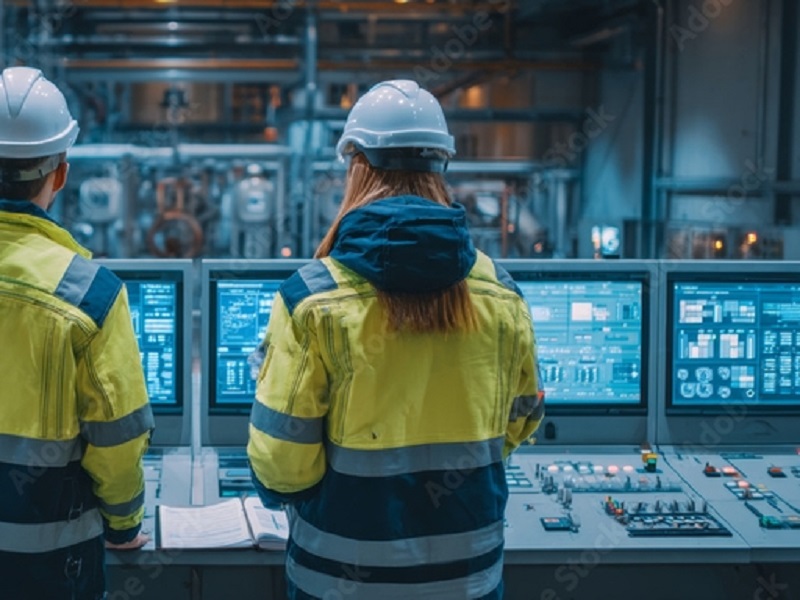
The Growing Need for Industrial Automation Modernization
Manufacturing companies worldwide are facing increasing pressure from several factors:
- Rising operational costs
- Higher energy consumption concerns
- Increasing demand for customized products
- Shorter production cycles
- Need for improved equipment reliability
- Growing cybersecurity requirements
Traditional automation systems were mainly designed for stable production environments. However, modern factories require systems that can quickly adapt to changing market conditions.
A modern industrial automation architecture needs to support:
- Real-time production monitoring
- Remote equipment management
- Predictive maintenance
- Data-driven decision making
- Integration between production and enterprise systems
This transformation is changing the role of PLC and DCS systems.
Previously, automation controllers mainly performed control tasks.
Today, they are becoming important sources of industrial intelligence by collecting operational data and connecting production assets with digital platforms.
Schneider Electric’s Approach to Intelligent Industrial Automation
Schneider Electric has continued developing its industrial automation ecosystem around the concept of connected and intelligent operations.
The company’s automation solutions combine multiple technologies, including:
- Programmable logic controllers
- Distributed control systems
- Industrial communication networks
- Human-machine interfaces
- Industrial software platforms
- Energy management technologies
This integrated approach allows manufacturers to create a complete digital environment where production processes, equipment performance, and energy usage can be monitored and optimized.
For example, a modern manufacturing facility can collect information from:
- Sensors installed on production equipment
- Motor control systems
- Industrial drives
- PLC controllers
- Process instruments
- Energy monitoring devices
The collected data can then support better operational decisions.
Engineers can identify equipment problems earlier, optimize production parameters, and improve overall plant efficiency.
The Evolution of PLC Systems in Smart Manufacturing
PLC technology remains one of the most important foundations of industrial automation.
For many years, PLC controllers have provided reliable machine control in industries such as:
- Automotive manufacturing
- Packaging
- Electronics production
- Food processing
- Material handling
However, the future development of PLC systems is moving beyond simple logic control.
Modern PLC-based automation systems are increasingly required to support:
- Industrial networking
- Data communication
- Remote monitoring
- Advanced diagnostics
- Integration with digital platforms
This change means PLC systems are becoming more intelligent components within larger automation ecosystems.
A modern production line may include PLC controllers managing equipment operation while simultaneously exchanging information with:
- Manufacturing execution systems
- Industrial databases
- Cloud platforms
- Artificial intelligence applications
This creates a more transparent and efficient production environment.

DCS Modernization for Process Industries
While PLC systems dominate machine automation, DCS platforms remain essential for continuous process industries.
Industries such as:
- Oil and gas
- Chemical processing
- Power generation
- Water treatment
- Pharmaceutical manufacturing
depend on DCS technology for reliable process control.
Traditional DCS systems provide important functions including:
- Process monitoring
- Operator management
- Alarm handling
- Control loop management
- Safety operation
However, modern process plants require additional capabilities.
Companies now expect DCS platforms to provide:
- Better data access
- Improved integration with digital systems
- Advanced process optimization
- Enhanced operational visibility
The development of more open and flexible automation architectures is helping process industries modernize their control environments.
Instead of replacing complete systems immediately, many companies are choosing phased modernization strategies.
This approach reduces project risks and allows facilities to maintain continuous production.
Digital Energy Management Becomes a Key Part of Automation
Energy efficiency has become one of the most important topics in industrial manufacturing.
Factories consume large amounts of electricity through:
- Motors
- Heating systems
- Compressors
- Production equipment
- HVAC systems
Improving energy efficiency can significantly reduce operating costs.
Modern industrial automation systems are increasingly connected with energy management platforms.
By combining automation data and energy information, companies can understand:
- Where energy is consumed
- Which equipment uses excessive power
- How production schedules affect energy demand
- Where efficiency improvements can be achieved
For example, an intelligent manufacturing system can identify inefficient operating conditions and help engineers optimize equipment usage.
This connection between automation and energy management is becoming a major trend in smart factory development.
Industrial Software and Data Become More Important
The future of industrial automation is not only about hardware.
Software is becoming an increasingly important part of manufacturing operations.
Modern factories require software solutions for:
- Engineering configuration
- Production monitoring
- Data visualization
- Equipment analysis
- Performance optimization
Industrial data has become a valuable resource.
Every machine operation, sensor measurement, and production event can provide information that helps companies improve performance.
However, collecting data is only the first step.
The real value comes from analyzing information and using it to support better decisions.
This is why industrial software platforms and intelligent automation solutions are becoming increasingly important.
Automation Modernization Helps Extend Equipment Lifecycle
Many industrial companies face a common challenge: existing automation systems are reliable but outdated.
Replacing complete control systems can require:
- Significant investment
- Long shutdown periods
- Complex engineering projects
Automation modernization provides another option.
Companies can gradually improve their systems through:
- Controller upgrades
- Communication improvements
- Software enhancements
- Network modernization
- Data integration
This approach allows manufacturers to protect existing investments while gaining new digital capabilities.
For industrial automation suppliers, modernization projects create long-term opportunities in:
- PLC replacement parts
- DCS spare modules
- Industrial communication equipment
- Control system upgrades
- Engineering services
Challenges in Industrial Automation Transformation
Although intelligent automation provides many advantages, companies must also consider several challenges.
Integration Complexity
Many factories contain equipment from different generations and manufacturers.
Connecting older systems with modern digital platforms requires professional engineering knowledge.
Cybersecurity Requirements
As industrial systems become more connected, cybersecurity becomes increasingly important.
Manufacturers must protect automation networks while maintaining operational efficiency.
Technical Skills Development
Future automation engineers need broader knowledge, including:
- PLC programming
- DCS engineering
- Industrial networks
- Digital systems
- Data analysis
The combination of traditional automation expertise and digital technology skills will become increasingly valuable.
Future Outlook: Intelligent Automation Will Define Industrial Competitiveness
The development of industrial automation is moving toward a more connected, intelligent, and sustainable future.
Manufacturers are investing in technologies that help them achieve:
- Higher production efficiency
- Better equipment reliability
- Lower energy consumption
- Faster decision making
- More flexible operations
Schneider Electric’s focus on automation modernization reflects a wider industry movement toward intelligent manufacturing.
The future factory will not simply rely on automated machines. It will depend on connected control systems that can collect data, analyze information, and continuously improve production performance.
PLC systems, DCS platforms, industrial software, and energy management technologies will work together to create the foundation of next-generation manufacturing.
Conclusion
Industrial automation is undergoing a major transformation as manufacturers upgrade traditional control systems and adopt intelligent digital technologies.
Schneider Electric’s automation solutions demonstrate how modern industrial environments are moving toward more open, connected, and efficient architectures.
For companies operating in manufacturing, energy, and process industries, automation modernization is becoming an important strategy for maintaining competitiveness.
The combination of PLC control, DCS modernization, industrial software, and digital energy management will continue shaping the future of smart factories worldwide.
As industrial transformation accelerates, companies that invest in advanced automation technologies will be better prepared for the challenges and opportunities of the next generation of manufacturing.