

ProductPRODUCT
Featured products
Contact Us
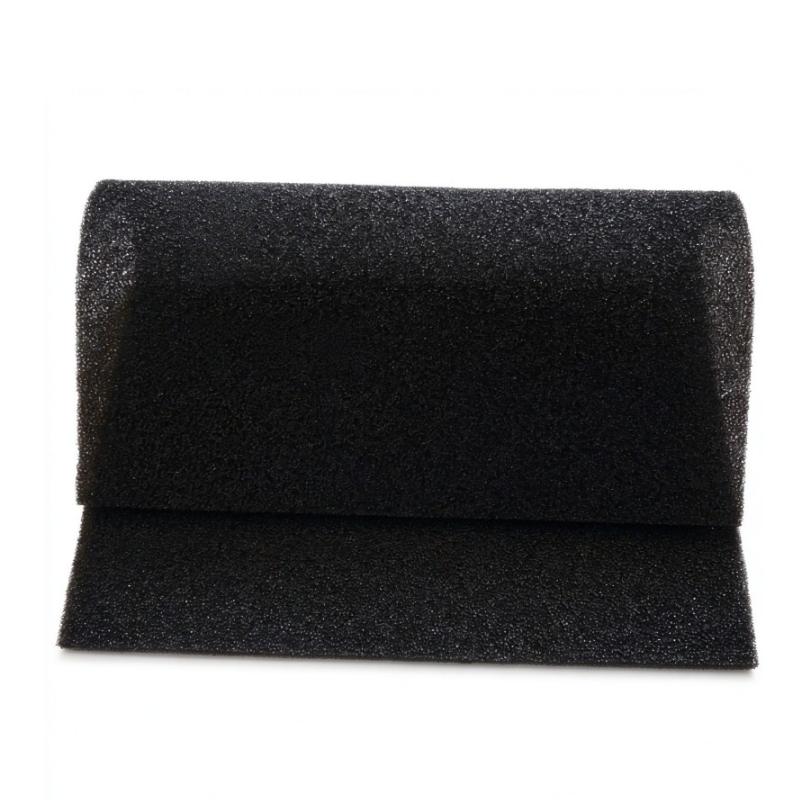
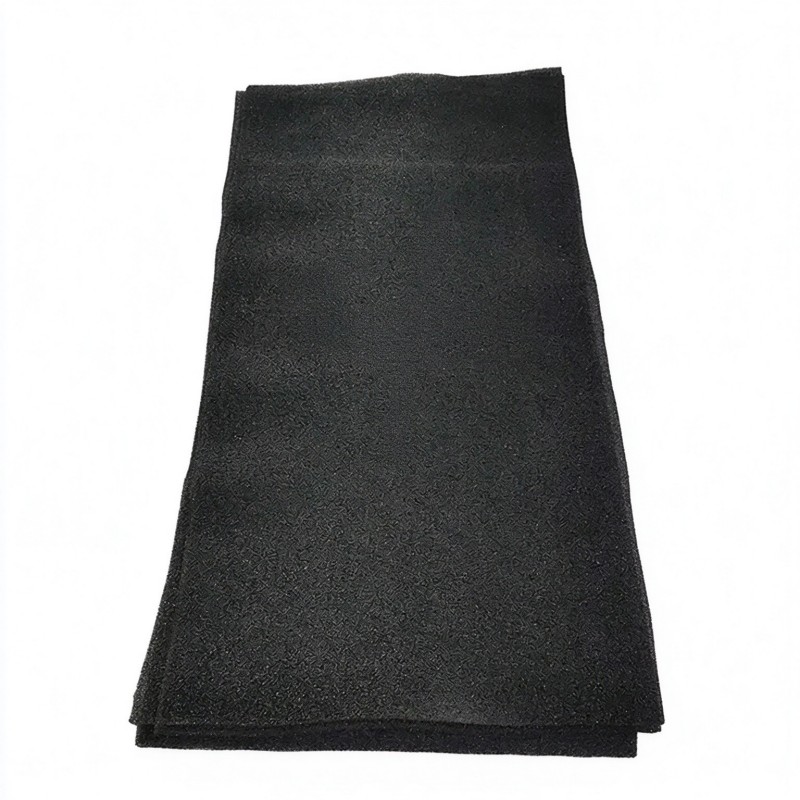
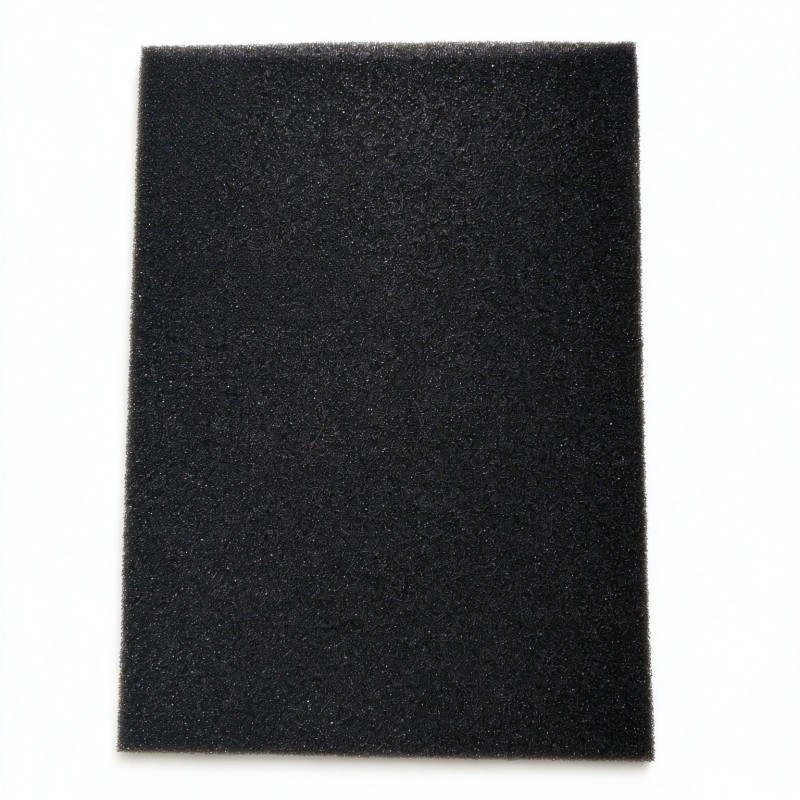
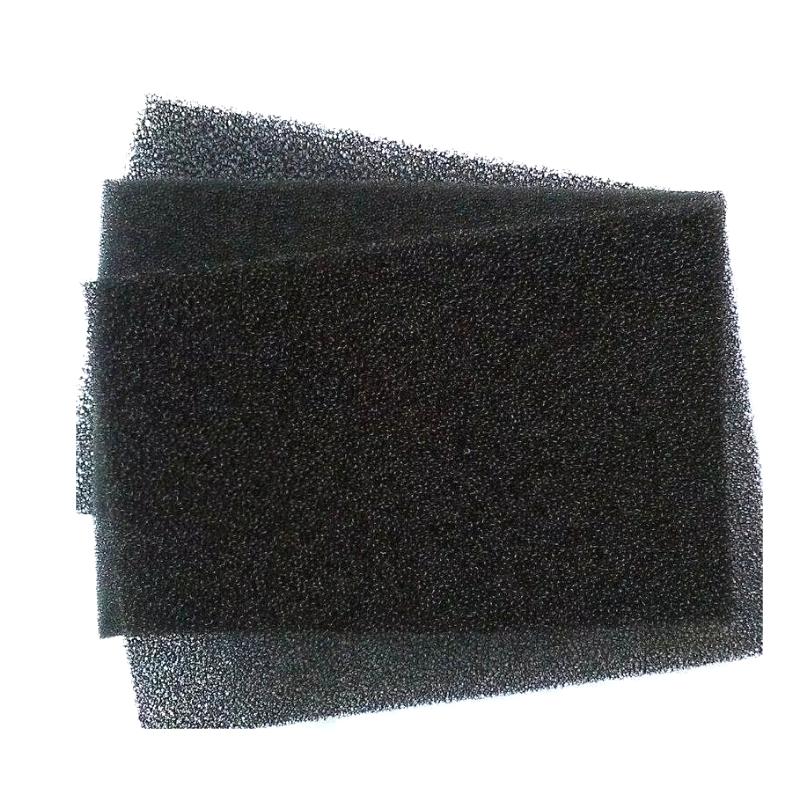
- Ingersoll Rand
- 47572176001 23523772
- Filter Pad
- USA
- 10 × 880 × 1420 mm
- 0.227 kg
- Xiamen, China
- New & In Stock
- T/T, PayPal, Western Union
- 1 Year
- 1-3 Working Days
- DHL, UPS, TNT, FedEx and EMS.
- 24-Hour Service
- COO
- 4
Our advantage

Global Logistics
We have a 10-year logistics and express cooperation agreement, so our products can be shipped to any place in the world.

Brand new and original
Our products are imported in bulk from the place of origin. Because of the cooperative relationship, our products are all original and 100% new.

24-hour service
We provide 7*24 hours service to our customers. We will be there whenever you need us.

Price advantage
All our products are priced very favorably because we have our own warehouse and supply.
| Company Information | |||
| [email protected] | |||
| Mobile | +8615980777398 | ||
| +8615980777398 | |||
| 15980777398 |
Product Overview
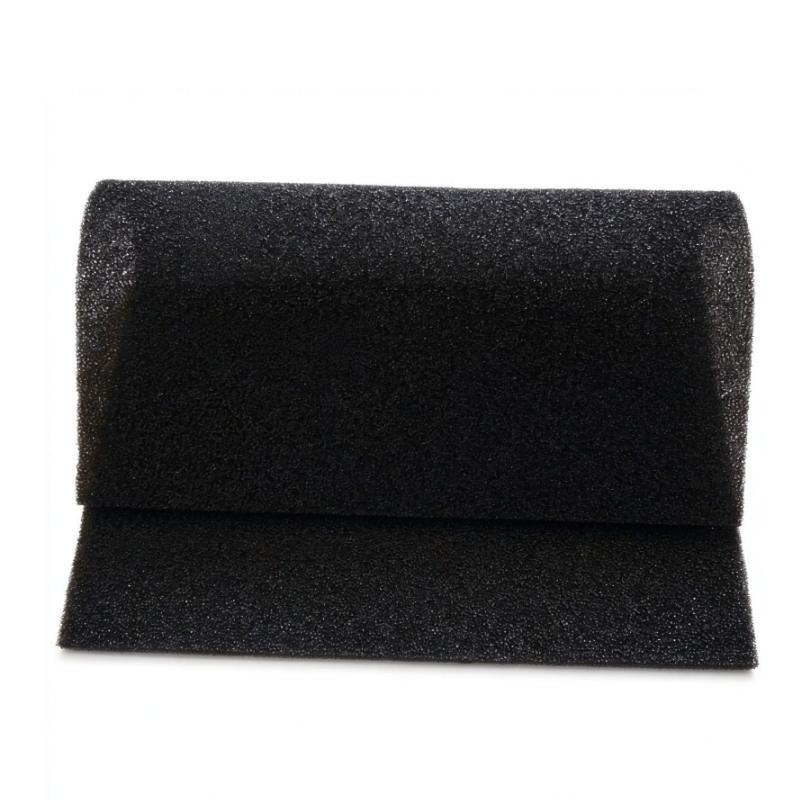
The Ingersoll Rand 47572176001 23523772 Filter Pad is a pre-filtration component used in industrial air compressor intake assemblies. Installed upstream of the primary air filtration stage in compatible equipment, it captures airborne dust and larger particulate contaminants before they reach the main filter. This preliminary filtration helps reduce the contaminant load carried by the primary element and supports the maintenance of the compressor’s air intake system.
In industrial environments, compressor intake air can contain dust from machining, packaging, material handling, vehicle movement, and general plant activity. These particles accumulate on filtration surfaces as the compressor draws air into the system. A pre-filter pad provides an additional barrier that intercepts part of this contamination before it reaches the primary intake filter.
The 23523772 component is identified as a pre-filter pad in Ingersoll Rand compressor parts documentation. Its application includes intake arrangements used on compatible R-series compressor packages, including equipment documented in the R132–160 range. Actual suitability depends on the particular compressor configuration and the corresponding intake assembly.
Unlike a rigid filter cartridge, a filter pad is installed as part of a larger intake structure. Its performance depends on the media condition, the available airflow area, the way the pad is retained, and the sealing of the surrounding assembly. A properly installed pad allows incoming air to pass through the filtration material while limiting the amount of particulate matter reaching downstream components.
The pre-filter also influences the service conditions of the primary air filter. In environments with substantial airborne dust, the preliminary layer can collect a considerable amount of contamination. This makes inspection of the pad useful when planning maintenance, particularly when the primary filter is showing signs of premature loading.
The pad should not be treated as a substitute for the primary intake filter. Its role is to provide an initial stage of particulate control within a filtration arrangement. Both stages must remain in suitable condition, and the intake assembly must be properly secured so that air does not bypass the intended filtration path.
During replacement, maintenance personnel should inspect the supporting grille, retaining hardware, door assembly, and surrounding sealing surfaces. Damage to these components can affect how the pad sits in the intake opening and may allow untreated air to enter the compressor. The condition of the removed pad can also help identify whether the intake environment has become unusually contaminated.
The Ingersoll Rand 47572176001 23523772 Filter Pad is therefore a service component for managing airborne contamination at the compressor inlet. Correct application, suitable installation, and timely replacement help maintain the intended pre-filtration arrangement and reduce unnecessary loading of downstream filtration components.
Technical Specifications
| Parameter | Specification |
|---|---|
| Manufacturer | Ingersoll Rand |
| Model | 47572176001 |
| Part Number | 23523772 |
| Product Type | Filter Pad |
| Component Description | Pre-Filter Pad |
| Product Category | Compressor Intake Pre-Filtration |
| Equipment Type | Industrial Air Compressor |
| Application | Preliminary filtration of incoming air |
| Installation Location | Compressor intake assembly |
| Filtration Function | Captures airborne particulate contaminants before the primary filter |
| Filtration Arrangement | Pre-filtration stage |
| Component Construction | Filter media pad |
| Supporting Assembly | Intake grille and retaining arrangement, as applicable |
| Maintenance Type | Inspection and replacement |
| Dimensions | 10 × 880 × 1420 mm |
| Weight | 0.227 kg |
Product Features
- Preliminary particle capture: Collects airborne contaminants before they reach the primary intake filter.
- Layered filtration support: Works as an upstream filtration stage rather than replacing the main air filter.
- Intake assembly integration: Fits into the designated pre-filter mounting arrangement in compatible compressor packages.
- Broad-area filtration: Provides a filtration surface across the intake opening.
- Primary filter load reduction: Helps limit the amount of coarse particulate matter reaching downstream filtration media.
- Serviceable construction: Supports inspection and replacement during scheduled compressor maintenance.
- Intake contamination monitoring: The condition of the pad provides a practical indication of airborne dust loading.
- Mechanical retention requirement: Depends on the supporting grille, frame, or retaining components to maintain its intended position.
Working Principle
The Ingersoll Rand 23523772 Filter Pad operates through preliminary mechanical filtration. As the compressor draws ambient air through its intake, the air passes through the pad before continuing toward the primary air filter and compression system.
Ambient Air → Pre-Filter Pad → Primary Air Filter → Compressor Intake
The pad’s fibrous filtration structure intercepts a portion of the particulate matter carried by incoming air. Larger particles are generally more readily captured, while finer particles may continue downstream depending on the media characteristics and operating conditions. The exact filtration efficiency depends on the specified material and the condition of the installed pad.
As air passes through the media, retained particles gradually accumulate. This contamination increases the amount of material held within the pad and may increase resistance to airflow. The rate of loading depends on the surrounding environment, compressor operating hours, and the concentration of airborne dust.
The pre-filter and primary filter perform complementary functions. The pad collects a portion of the incoming contamination first, while the primary filter provides the next stage of filtration. If the pre-filter is missing, damaged, or incorrectly positioned, more particulate matter may reach the primary element than the intake arrangement is intended to handle.
The supporting assembly is part of the filtration process. The pad must cover the designated intake area and remain securely positioned during operation. Gaps around the media can create bypass paths, allowing air to enter without passing through the intended preliminary filtration stage.
For example, a compressor operating near a dusty production line may accumulate visible particles on its pre-filter pad. The primary filter may still be performing its own filtration function, but the increased contamination on the pad indicates that the intake environment is placing a greater load on the filtration system. Inspecting both stages helps maintenance personnel determine whether the scheduled service interval remains appropriate.
Replacing the pad restores the intended preliminary filtration layer when the supporting assembly is also in good condition. However, a new pad will not resolve problems caused by damaged retaining components, an improperly sealed intake door, or excessive contamination entering through another route.
The pad should be replaced according to the applicable maintenance procedure and its observed condition. Cleaning or reusing the media should only be considered where an approved procedure specifically permits it, because unsuitable cleaning methods can damage the material or reduce its filtration performance.
Role in the Compressor Air Intake System
The 23523772 Filter Pad serves as the preliminary filtration stage in the intake assembly of compatible compressor equipment. Its purpose is to intercept part of the airborne contamination before air reaches the primary filter.
Ambient Air → Pre-Filter Pad → Primary Filter → Compressor Inlet → Compression Element
| System Component | Function |
|---|---|
| Ingersoll Rand 23523772 Filter Pad | Captures a portion of airborne particulate contamination at the intake |
| Intake Grille | Supports the pad and helps maintain its position across the intake opening |
| Intake Door or Panel | Provides access to the filtration assembly in applicable package designs |
| Retaining Hardware | Secures the relevant intake components |
| Primary Air Filter | Provides the main intake filtration stage |
| Intake Duct or Silencer | Directs incoming air toward the compressor |
| Compressor Inlet | Receives filtered air before compression |
| Compression Element | Compresses incoming air to the required operating pressure |
| Compressor Controller | Monitors available operating signals and maintenance indications |
The arrangement and access method depend on the compressor package. The pre-filter pad should be installed in the designated position so that incoming air follows the intended filtration path.
Industrial Applications
| Application | Typical Use |
|---|---|
| Rotary Screw Air Compressors | Preliminary filtration of ambient air before the primary intake filter |
| Ingersoll Rand R-Series Equipment | Pre-filtration in compatible intake assembly configurations |
| Manufacturing Plants | Capturing airborne dust generated by general production activity |
| Metalworking Facilities | Reducing coarse particulate loading in compressor intake systems |
| Packaging Operations | Limiting the entry of fibers and airborne debris into intake assemblies |
| Warehousing Facilities | Managing dust drawn into industrial compressor packages |
| Material Handling Areas | Providing preliminary filtration where airborne particles are present |
| Industrial Utility Rooms | Supporting layered air filtration for compressed-air equipment |
| Compressor Maintenance Workshops | Replacing contaminated or damaged pre-filter pads during servicing |
| Preventive Maintenance Programs | Inspecting the preliminary filtration stage alongside the primary air filter |
Installation and Maintenance
- Isolate the compressor: Stop the machine and follow the prescribed isolation procedure before opening the intake assembly.
- Locate the pre-filter position: Identify the designated pad mounting area and confirm how the existing element is retained.
- Open the intake assembly: Remove the appropriate cover or access panel carefully to avoid damaging the grille, door, or retaining hardware.
- Remove the used pad: Withdraw the contaminated media without allowing accumulated dust to fall into the clean-air passage.
- Inspect the removed material: Check for heavy dust loading, tears, deformation, moisture exposure, and uneven contamination.
- Examine the supporting grille: Look for damage, corrosion, loose fittings, or obstructions that could prevent the replacement pad from sitting correctly.
- Clean the intake compartment: Remove loose debris using a suitable method that prevents contaminants from entering the downstream filtration path.
- Check the retaining arrangement: Inspect the relevant clips, fasteners, and contact surfaces to ensure the pad can be secured across the intended intake area.
- Install the replacement pad: Position the media correctly and ensure the required filtration area is covered without folds, gaps, or displacement.
- Reassemble the intake housing: Refit the cover or door and secure the retaining hardware according to the applicable service procedure.
- Inspect the completed installation: Confirm that the pad remains in place and that the surrounding assembly is properly closed before returning the compressor to operation.
- Record the service condition: Document the replacement and note unusual contamination, damage, or evidence of premature loading for future maintenance planning.
The primary air filter should also be assessed when the pre-filter pad is heavily contaminated. A loaded pad may indicate elevated airborne dust levels, and replacing it alone may not be sufficient if the downstream element has also accumulated excessive contamination.
Related Components
| Component | Function |
|---|---|
| Ingersoll Rand 23523772 Filter Pad | Provides preliminary filtration of incoming compressor air |
| Primary Air Filter Element | Captures additional particulate contaminants downstream of the pad |
| Intake Grille | Supports the pre-filter media across the intake opening |
| Intake Door Assembly | Provides access to the pre-filter area in applicable compressor packages |
| Retaining Clips and Fasteners | Secure the intake components during operation |
| Intake Housing Seal | Helps prevent unfiltered air from bypassing the intended filtration path |
| Intake Duct or Silencer | Directs incoming air toward the compressor |
| Compressor Inlet Assembly | Channels filtered air into the compression system |
| Coolant Filter | Removes particulate contamination from the circulating lubricant |
| Oil Separator Element | Separates lubricant from compressed air in applicable oil-injected compressors |
Recommended Related Models
| Model | Product Type | Typical Application |
|---|---|---|
| Ingersoll Rand 23523772 | Filter Pad | Preliminary filtration in compatible compressor intake assemblies |
| Ingersoll Rand 23487457 | Air Filter | Intake-air filtration in compatible compressor configurations |
| Ingersoll Rand 23424922 | Coolant Filter | Lubricant filtration in compatible compressor systems |
| Ingersoll Rand 23545841 | Oil Separator Element | Oil separation in compatible compressor configurations |
| Ingersoll Rand 22130223 | Air Filter Element | Intake-air filtration in designated compressor applications |
Key Advantages
- Provides an initial barrier against airborne particulate contamination.
- Helps reduce coarse contaminant loading on the primary intake filter.
- Supports layered filtration in compatible compressor intake assemblies.
- Allows maintenance personnel to assess intake contamination during inspection.
- Integrates into routine compressor servicing and filter replacement procedures.
- Helps maintain the intended airflow path when correctly installed.
Technical FAQs
How does the 23523772 Filter Pad differ from the primary compressor air filter?
The 23523772 is a pre-filter pad that provides an initial stage of particulate capture upstream of the primary filter. The primary element performs the downstream intake filtration function, so the pad supplements rather than replaces the main air filter.
What installation problem can reduce the effectiveness of this pre-filter pad?
Incomplete coverage of the intake opening, incorrect positioning, or damaged retaining components can create gaps around the media. Air entering through these gaps may bypass the preliminary filtration stage, allowing additional contaminants to reach the primary filter.
What does heavy contamination on the removed pad indicate?
Heavy dust accumulation can indicate that the compressor is operating in an environment with a high airborne particle load. Maintenance personnel should also inspect the primary filter and intake compartment to determine whether contamination has affected other parts of the filtration system.
Can the 23523772 Filter Pad be cleaned and reused?
Reuse depends on the approved maintenance procedure for the specific filter media. Cleaning methods that tear, deform, or otherwise damage the material can compromise filtration. Unless an applicable procedure expressly permits cleaning, replacing a contaminated or damaged pad is the safer maintenance approach.