

ProductPRODUCT
Featured products
Contact Us
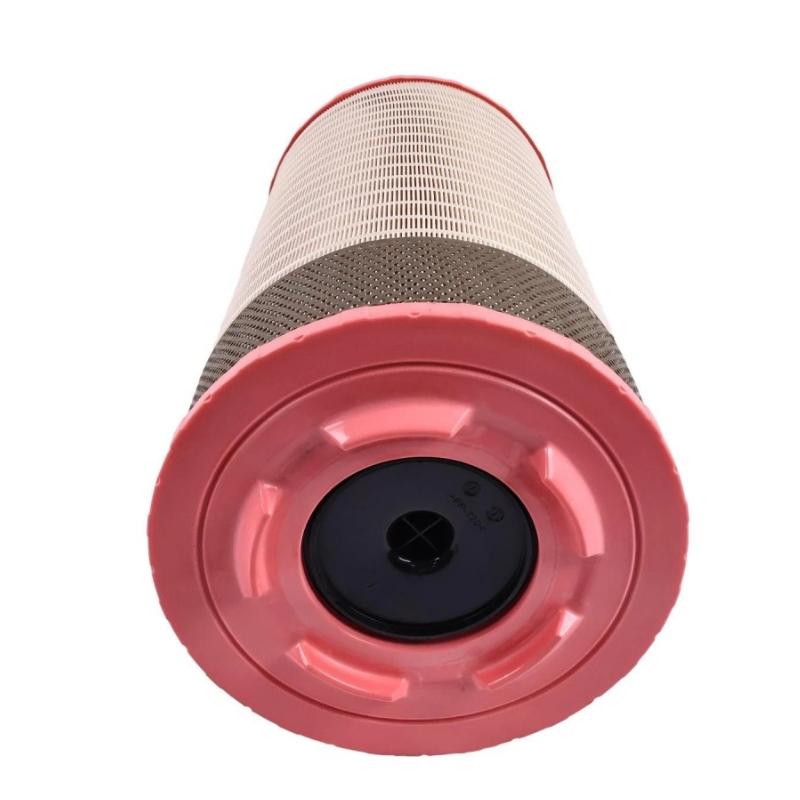
- Ingersoll Rand
- 47572176001 23487457
- Air Filter
- USA
- 298 mm
- 3 kg
- Xiamen, China
- New & In Stock
- T/T, PayPal, Western Union
- 1 Year
- 1-3 Working Days
- DHL, UPS, TNT, FedEx and EMS.
- 24-Hour Service
- COO
- 4
Our advantage

Global Logistics
We have a 10-year logistics and express cooperation agreement, so our products can be shipped to any place in the world.

Brand new and original
Our products are imported in bulk from the place of origin. Because of the cooperative relationship, our products are all original and 100% new.

24-hour service
We provide 7*24 hours service to our customers. We will be there whenever you need us.

Price advantage
All our products are priced very favorably because we have our own warehouse and supply.
| Company Information | |||
| [email protected] | |||
| Mobile | +8615980777398 | ||
| +8615980777398 | |||
| 15980777398 |
Product Overview
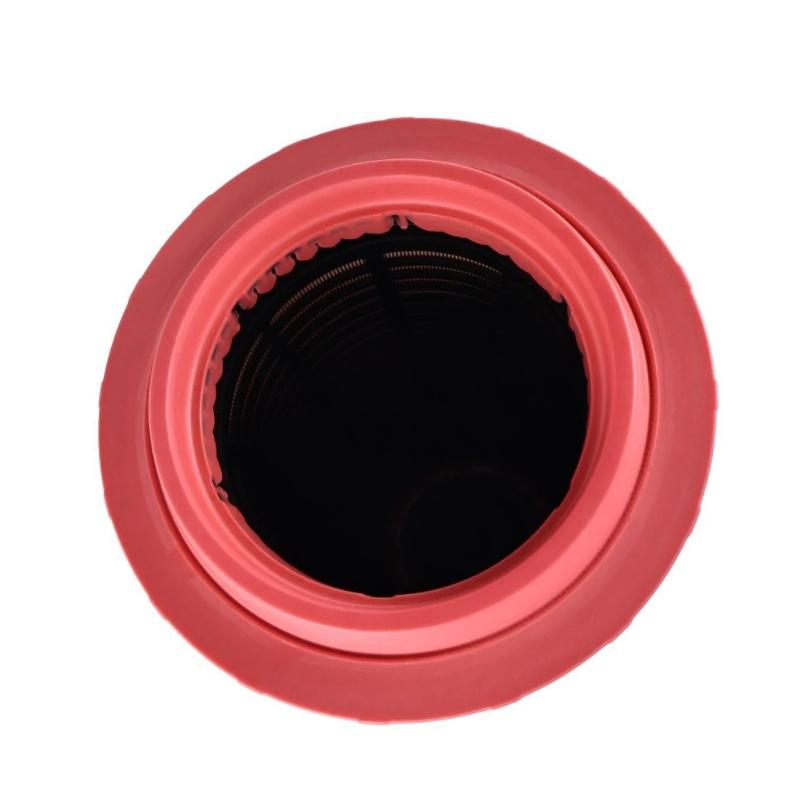
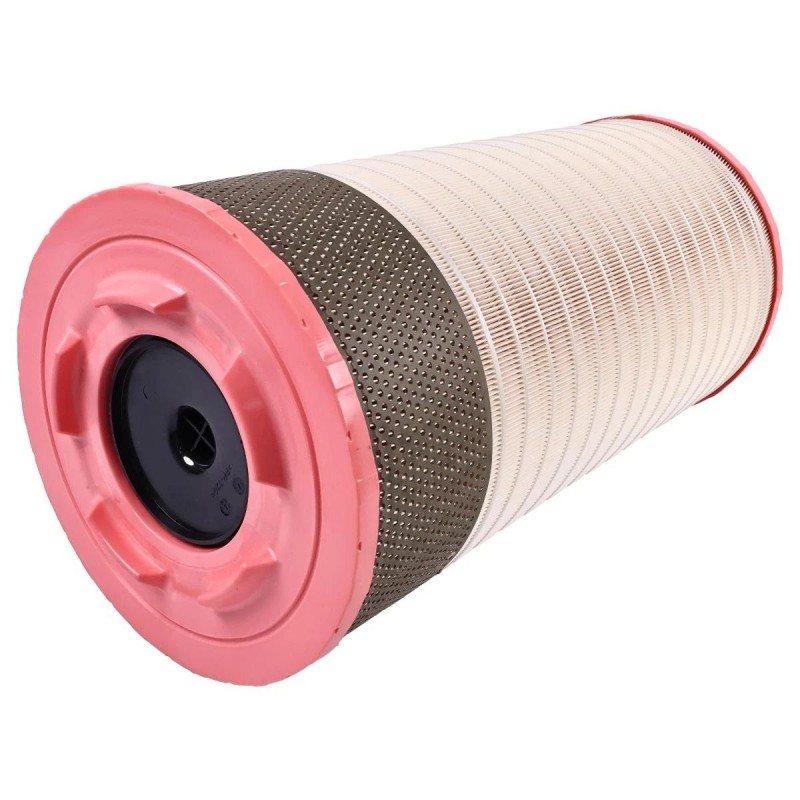
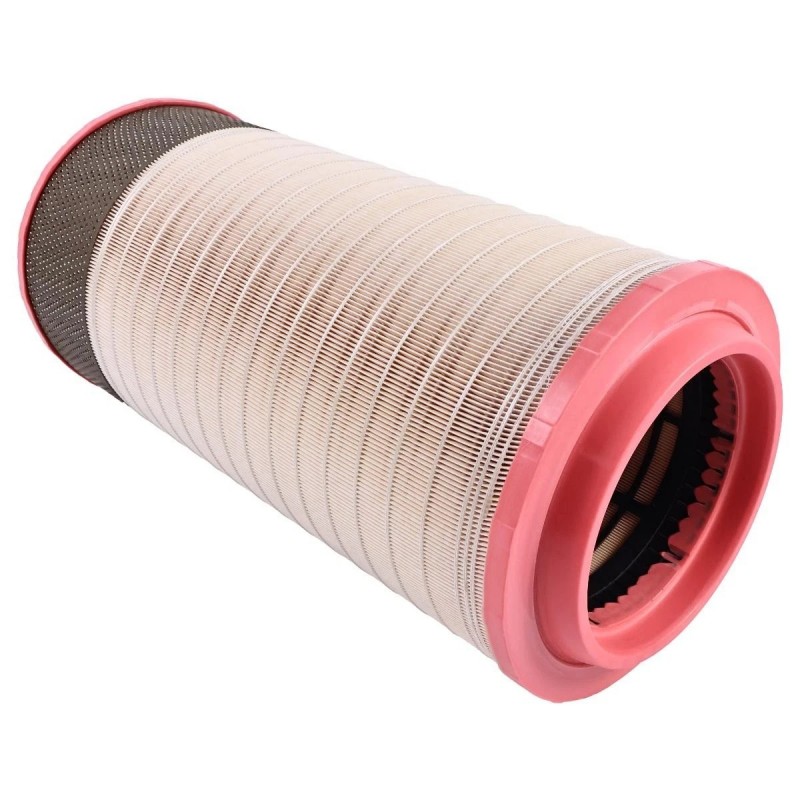
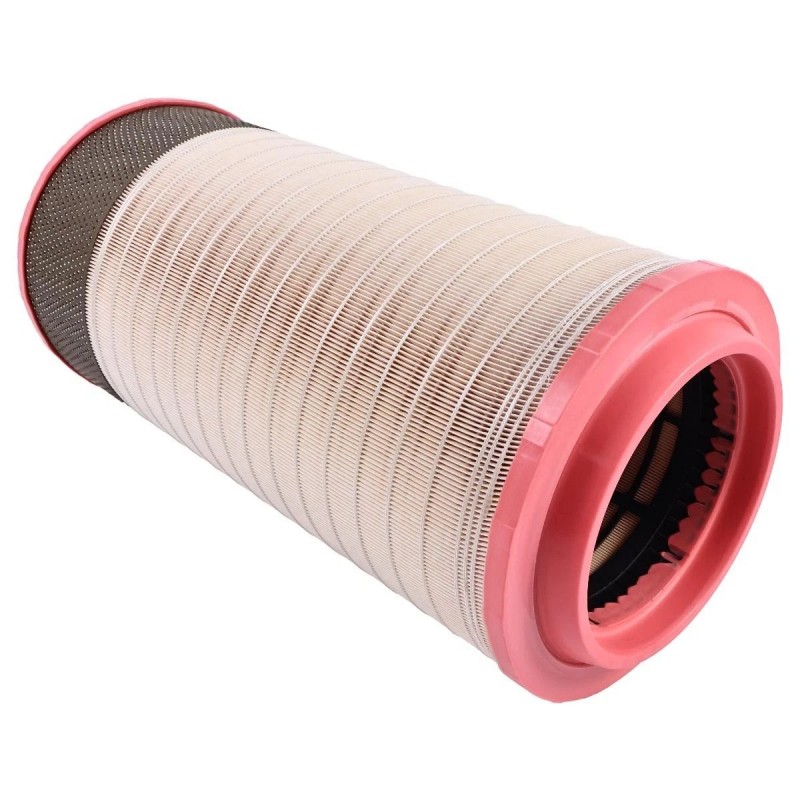
The Ingersoll Rand 47572176001 23487457 Air Filter is an air intake filtration element used in compatible rotary screw compressor systems. Its primary function is to remove airborne dust and particulate contaminants before they enter the compressor’s internal air path. Keeping incoming air clean helps reduce contamination inside the compression unit and supports consistent operation over extended service periods.
In an industrial compressor, the intake filter is the first filtration stage encountered by ambient air. Dust, fibers, and other suspended particles can enter through the air inlet, particularly in manufacturing facilities, workshops, and process plants where airborne contamination varies with production activity. Without effective intake filtration, these particles may accumulate on internal surfaces and contribute to wear, deposits, or reduced heat-transfer performance.
The 23487457 element is associated with Ingersoll Rand rotary screw compressor equipment, including selected R-series machines. Its suitability depends on the compressor’s specific intake arrangement and installed filtration configuration. The filter must match the intended housing and provide the required airflow and filtration performance for the application.
Air intake filtration involves more than capturing visible dust. The filter media must retain contaminants while allowing the compressor to draw in the volume of air required for its operating conditions. As particles accumulate, airflow resistance can increase. Excessive restriction may reduce intake efficiency and affect compressor performance, making regular inspection and timely replacement important parts of preventive maintenance.
The condition of the intake filter also reflects the environment in which the compressor operates. Equipment installed near powder handling, machining, packaging, or vehicle traffic may encounter a different contaminant load from a compressor operating in a relatively clean utility room. Maintenance intervals should account for the prescribed service schedule, actual operating conditions, and any available intake restriction indication.
Correct installation is equally important. The element must seat properly within its housing so incoming air passes through the intended filtration media rather than entering through gaps around the filter. Damaged seals, distorted seating surfaces, or incorrect replacement elements can compromise filtration even when the filter itself appears intact.
For maintenance personnel, replacing the air filter provides an opportunity to inspect the intake housing, check for accumulated debris, and identify possible sources of contamination. If a new element becomes restricted unusually quickly, the cause may involve the surrounding environment, housing condition, or an underlying operating issue rather than the filter alone.
The Ingersoll Rand 47572176001 23487457 Air Filter supports the intake-air management requirements of compatible compressor installations. Its contribution to compressor protection depends on correct part selection, proper seating, suitable maintenance intervals, and an intake system maintained in good condition.
Technical Specifications
| Parameter | Specification |
|---|---|
| Manufacturer | Ingersoll Rand |
| Model | 47572176001 |
| Part Number | 23487457 |
| Product Type | Air Filter |
| Product Category | Compressor Intake Air Filtration |
| Equipment Type | Rotary Screw Air Compressor |
| Filter Function | Removes airborne particulate contaminants from incoming air |
| Installation Location | Compressor air intake |
| Filter Construction | Replaceable filter element |
| Filter Media | Air filtration media |
| Compatible Equipment Family | Ingersoll Rand compressor equipment requiring part 23487457 |
| Application | Intake-air contamination control |
| Maintenance Type | Periodic inspection and element replacement |
| Outer Diameter | 298 mm |
| Shipping Weight | 3 kg |
Product Features
- Intake-air contamination control: Captures airborne particles before they enter the compressor’s internal air path.
- Replaceable filter element: Supports routine compressor servicing without replacing the complete intake assembly.
- Airflow management: Allows incoming air to pass through the filtration media while contaminants accumulate within the element.
- Internal component protection: Helps reduce the entry of dust and particulate matter into the compression system.
- Housing-dependent sealing: Requires correct seating to prevent unfiltered air from bypassing the media.
- Condition-based maintenance support: Inspection can reveal excessive dust loading or unusual contamination.
- Industrial compressor application: Suitable for equipment configured for the specified Ingersoll Rand replacement element.
- Preventive maintenance integration: Can be incorporated into scheduled compressor inspections and service procedures.
Working Principle
The Ingersoll Rand 23487457 Air Filter uses mechanical filtration to remove particulate contaminants from ambient air entering the compressor. As the compressor draws air through the intake, the filtration media captures particles while allowing air to continue toward the compression stage.
Ambient Air → Intake Housing → Filter Media → Filtered Intake Air → Compression Stage
The filter media provides a path for airflow while retaining particles through mechanisms associated with the media’s construction and pore structure. The actual particle-retention performance depends on the element specification and its condition. Fine particles may behave differently from larger dust particles, so visual cleanliness alone does not establish filtration efficiency.
As the filter operates, captured contaminants accumulate within the media. This gradually increases resistance to airflow. In a compressor that draws a substantial volume of air over long operating periods, the resulting restriction can become a maintenance concern, especially in dusty environments.
The intake housing and sealing arrangement form part of the filtration path. If the element is incorrectly seated or a sealing surface is damaged, air may enter around the media instead of passing through it. This bypass can allow contaminants into the compressor even when the filter element is relatively new.
Filter loading is influenced by airborne dust concentration, operating hours, intake location, and the condition of the surrounding equipment. A compressor operating near powder transfer or machining operations may accumulate contaminants more quickly than one installed in a clean utility area. Consequently, replacement timing should reflect the equipment maintenance requirements and actual operating environment.
During servicing, the removed element can be inspected for uneven loading, damage, moisture exposure, or unusual deposits. Heavy contamination on one area may indicate an intake-flow issue or a problem with the housing seal. An element that has become damaged should be replaced rather than cleaned or reused unless the manufacturer explicitly permits the applicable cleaning procedure.
Replacing a restricted element restores the intended filtration path when the housing and installation are also in good condition. If restriction returns quickly, maintenance personnel should examine the intake environment, housing integrity, and other possible sources of contamination before attributing the problem solely to the replacement element.
Role in the Compressor Air Intake System
The 23487457 Air Filter occupies the intake side of the compressor system, upstream of the compression mechanism. Its purpose is to limit the amount of airborne particulate matter entering the equipment.
Ambient Air → Air Filter → Compressor Inlet → Compression Stage → Downstream Air Treatment
| System Component | Function |
|---|---|
| Air Filter Element | Captures airborne particulate contaminants from incoming air |
| Intake Housing | Holds the element and directs air through the filtration path |
| Intake Seals | Help prevent unfiltered air from bypassing the element |
| Inlet Duct or Silencer | Directs incoming air and may reduce intake noise, depending on the installation |
| Compressor Inlet | Receives filtered air before compression |
| Compression Element | Raises the pressure of the incoming air |
| Lubricant Circuit | Provides lubrication and heat management in oil-injected compressor designs |
| Oil Separator | Separates lubricant from compressed air in applicable compressor systems |
| Compressor Controller | Monitors available operating signals and maintenance indications |
The exact arrangement varies with compressor model and package design. The filter must be installed in the intended intake position and used with the appropriate housing.
Industrial Applications
| Application | Typical Use |
|---|---|
| Rotary Screw Air Compressors | Filtering ambient air before it enters the compression element |
| Ingersoll Rand R-Series Equipment | Intake-air filtration in compatible compressor configurations |
| Manufacturing Plants | Reducing airborne dust entering production-air compressor systems |
| Automotive Manufacturing | Protecting compressor intake systems in production environments |
| Metalworking Facilities | Limiting the entry of workshop dust and airborne particulate matter |
| Packaging Plants | Maintaining intake filtration in compressed-air utility systems |
| Warehousing and Distribution | Supporting compressor operation in material-handling facilities |
| Process Industries | Managing intake contamination in industrial compressed-air installations |
| Compressor Service Workshops | Replacing loaded or damaged intake filter elements |
| Preventive Maintenance Programs | Scheduling filter inspections and replacements according to operating conditions |
Installation and Maintenance
- Shut down the compressor: Stop the machine and follow the prescribed isolation procedure before opening the intake housing.
- Inspect the intake environment: Check for dust accumulation, nearby contamination sources, and conditions that may contribute to premature filter loading.
- Open the housing carefully: Follow the equipment-specific procedure to avoid damaging the cover, retaining hardware, or sealing surfaces.
- Remove the used element: Withdraw the filter without allowing accumulated dust to fall into the clean-air passage.
- Inspect the filter condition: Look for excessive dust loading, damaged media, moisture exposure, deformation, or uneven contamination.
- Clean the housing: Remove loose debris using an appropriate method that prevents contaminants from entering the compressor inlet.
- Check the sealing surfaces: Inspect the housing and relevant seals for wear, damage, or residue that could allow air to bypass the filter media.
- Confirm the replacement part: Ensure the replacement element matches the compressor’s required part reference and intake configuration.
- Install the element correctly: Seat the filter evenly and confirm that the intended airflow path passes through the media.
- Reassemble the housing: Secure the cover and retaining hardware according to the applicable maintenance procedure.
- Check operation after servicing: Restart the compressor under the approved procedure and review available intake restriction indications and operating conditions.
- Record the maintenance: Document the replacement date, operating hours, and condition of the removed element to support future service planning.
When a replacement element becomes restricted unusually quickly, investigate the intake environment and housing condition. Repeatedly changing filters without addressing excessive airborne contamination or a sealing problem may not resolve the underlying issue.
Related Components
| Component | Function |
|---|---|
| Ingersoll Rand 23487457 Air Filter | Filters incoming air before it enters the compressor |
| Air Intake Housing | Supports the filter element and directs incoming airflow |
| Intake Housing Seal | Helps prevent unfiltered air from bypassing the filter |
| Inlet Duct or Silencer | Directs incoming air and may reduce intake noise |
| Compressor Inlet Assembly | Channels filtered air into the compression system |
| Compression Element | Compresses incoming air to the required operating pressure |
| Coolant Filter | Removes particulate contaminants from circulating compressor lubricant |
| Oil Separator Element | Separates lubricant from compressed air in applicable oil-injected systems |
| Air/Oil Cooler | Removes heat from compressed air or circulating lubricant, depending on circuit design |
| Intake Restriction Indicator | Provides an indication of filter loading where fitted |
Recommended Related Models
| Model | Product Type | Typical Application |
|---|---|---|
| Ingersoll Rand 23487457 | Air Filter | Intake-air filtration in compatible compressor configurations |
| Ingersoll Rand 23424922 | Coolant Filter | Lubricant filtration in compatible compressor systems |
| Ingersoll Rand 23523772 | Filter Pad | Filtration or air-handling service in applicable equipment |
| Ingersoll Rand 23545841 | Oil Separator Element | Oil separation in compatible compressor configurations |
| Ingersoll Rand 22130223 | Air Filter Element | Intake-air filtration in designated compressor applications |
Key Advantages
- Helps reduce airborne particulate contamination entering the compressor.
- Supports intake-air filtration in compatible Ingersoll Rand equipment.
- Helps protect internal components from dust-related contamination.
- Maintains the intended intake-air path when correctly installed.
- Supports planned maintenance through routine inspection and replacement.
- Provides an opportunity to identify intake contamination and sealing issues during service.
Technical FAQs
What does the 23487457 Air Filter protect against during compressor operation?
It captures airborne particulate contaminants before they enter the compressor’s internal air path. Reducing dust entry helps limit contamination of internal surfaces and components, although the level of protection depends on the element’s filtration characteristics and condition.
What can cause the intake filter to become restricted ahead of schedule?
High airborne dust concentrations, extended operating periods, and contamination near the intake can accelerate filter loading. Damaged or incorrectly installed components may also affect airflow, so the surrounding intake arrangement should be inspected when restriction develops unusually quickly.
Why is correct filter seating important after replacement?
An incorrectly seated element or damaged housing seal can allow air to bypass the filtration media. This means unfiltered contaminants may enter the compressor even though a replacement element has been installed. The housing and sealing surfaces should therefore be checked during every replacement.
Should a loaded 23487457 Air Filter be cleaned and reused?
Reuse should depend on the manufacturer’s approved maintenance procedure for the specific element. Cleaning methods that damage the media or fail to remove embedded particles can compromise filtration. If cleaning is not explicitly permitted, replacement is the appropriate maintenance approach.