

ProductPRODUCT
Featured products
Contact Us
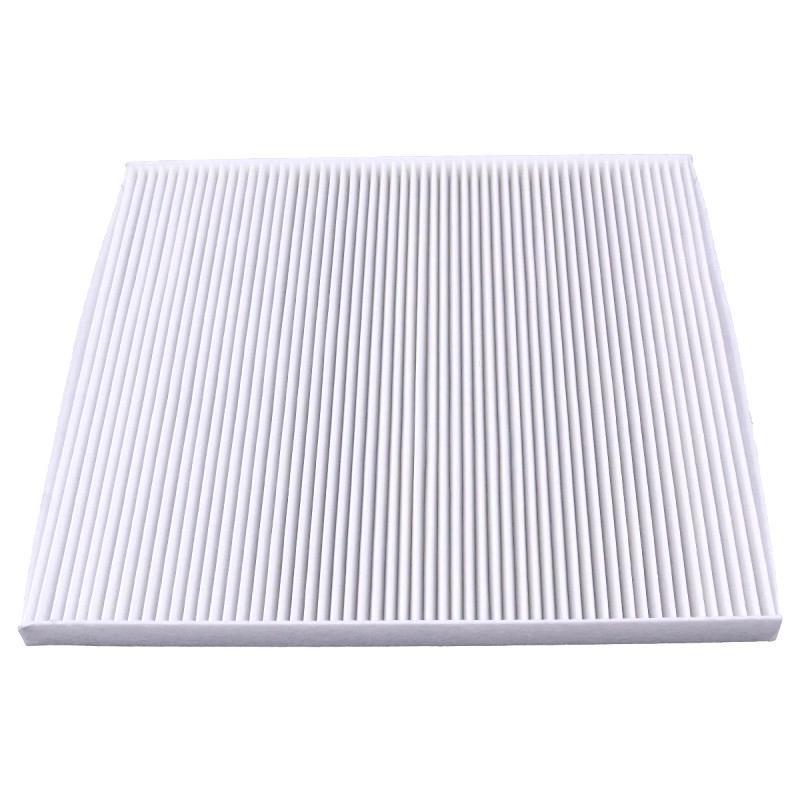
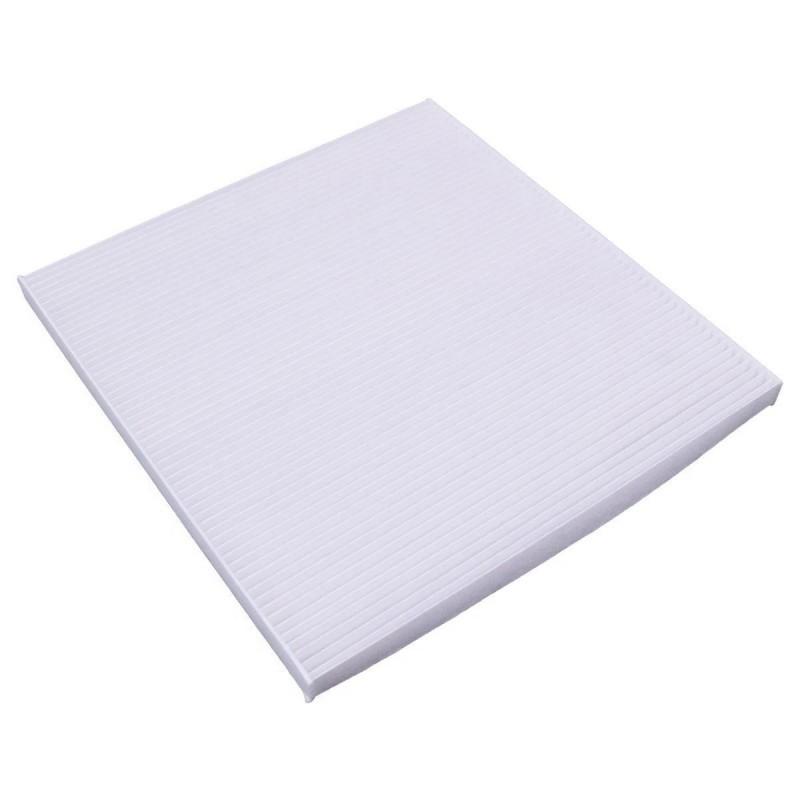
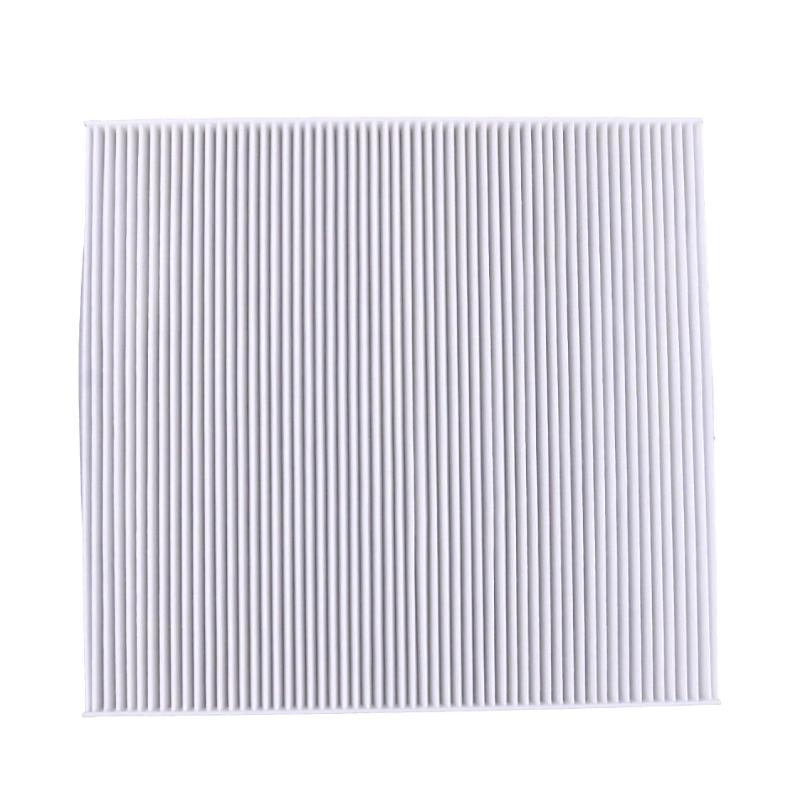
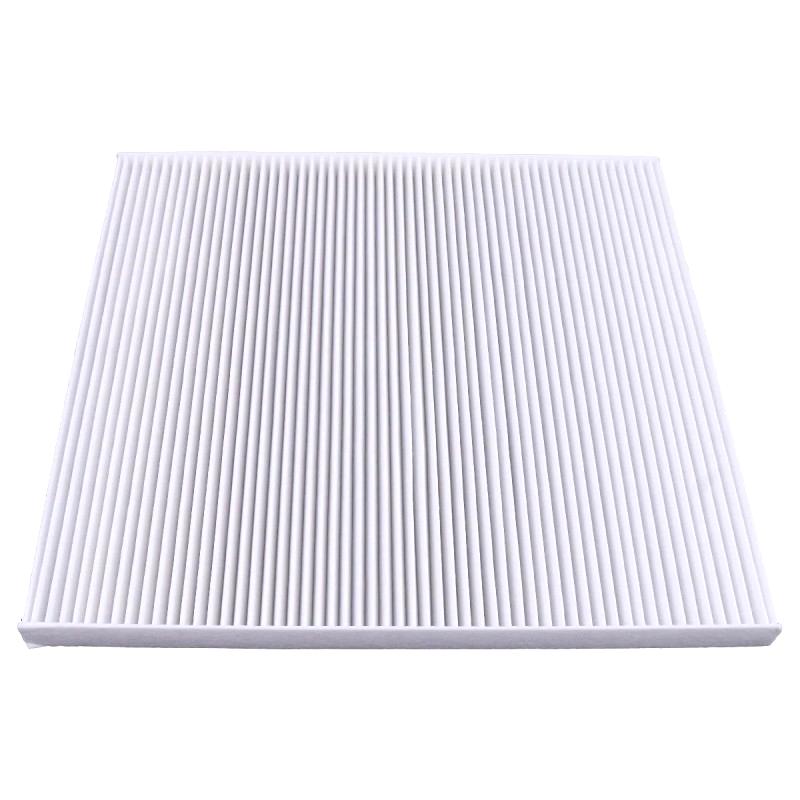
- Ingersoll Rand
- 47572168001 23564446
- Filter Pad
- USA
- 279 × 268 × 17 mm
- 0.1 kg
- Xiamen, China
- New & In Stock
- T/T, PayPal, Western Union
- 1 Year
- 1-3 Working Days
- DHL, UPS, TNT, FedEx and EMS.
- 24-Hour Service
- COO
- 3
Our advantage

Global Logistics
We have a 10-year logistics and express cooperation agreement, so our products can be shipped to any place in the world.

Brand new and original
Our products are imported in bulk from the place of origin. Because of the cooperative relationship, our products are all original and 100% new.

24-hour service
We provide 7*24 hours service to our customers. We will be there whenever you need us.

Price advantage
All our products are priced very favorably because we have our own warehouse and supply.
| Company Information | |||
| [email protected] | |||
| Mobile | +8615980777398 | ||
| +8615980777398 | |||
| 15980777398 |
1. Product Overview
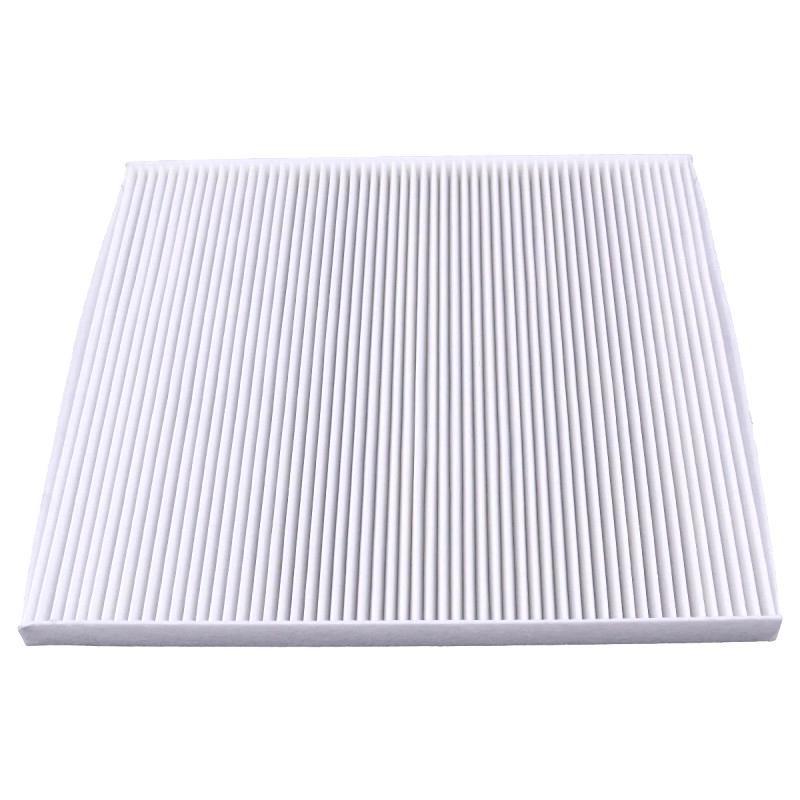
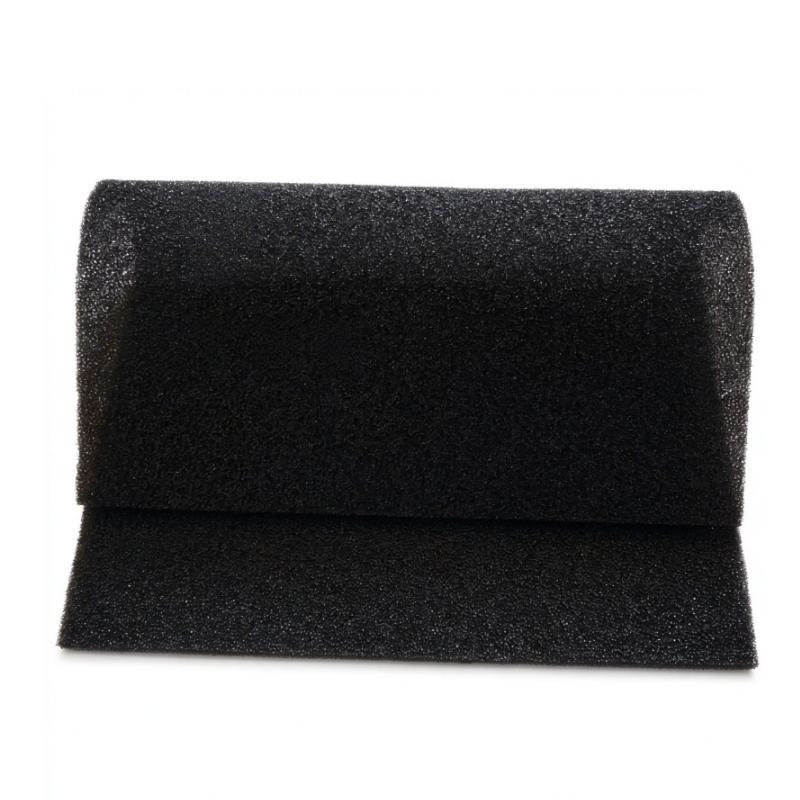
The Ingersoll Rand 47572168001 / 23564446 Filter Pad is an industrial compressor replacement component intended for filtration and maintenance applications, subject to confirmation of the exact equipment configuration. Filter pads are used in industrial equipment to capture particles and help prevent contaminants from entering sensitive components or circulating through an airflow path.
In compressor systems, filtration plays an important role in protecting internal components, maintaining suitable operating conditions, and supporting reliable equipment performance. Depending on its designated position, a filter pad may help collect dust, airborne particles, or other contaminants before they affect downstream components. The exact filtration function depends on the equipment design and the filter pad’s intended installation location.
A damaged, contaminated, or incorrectly fitted filter pad may reduce airflow or allow unwanted particles to pass through the filtration system. Regular inspection and timely replacement can help maintain the intended filtration function and reduce the risk of contamination-related problems.
The Ingersoll Rand 47572168001 / 23564446 Filter Pad has supplied dimensions of 279 × 268 × 17 mm and a listed weight of 0.1 kg. These specifications are useful for product identification, spare-parts management, and preliminary dimensional checks. Before ordering or installing the pad, confirm the complete part number and its compatibility with the specific compressor or equipment assembly.
2. Technical Specifications
| Parameter | Specification |
|---|---|
| Brand | Ingersoll Rand |
| Part Number | 47572168001 |
| Additional Part Number | 23564446 |
| Product Type | Filter Pad |
| Product Category | Industrial Compressor Filtration Component |
| Dimensions | 279 × 268 × 17 mm |
| Weight | 0.1 kg |
| Primary Function | Filtration of contaminants, subject to the intended equipment application |
| Application | Industrial equipment and compressor maintenance, subject to compatibility verification |
| Installation Method | Follow the equipment-specific maintenance instructions |
| Replacement Requirements | Verify part number, dimensions, material, and installation location |
| Maintenance | Inspect and replace according to the manufacturer’s recommendations |
Specification note: The part numbers, dimensions, and weight are provided as supplied. The filter material, filtration efficiency, airflow capacity, operating temperature range, and exact compatible equipment models should be confirmed from the product identification and applicable technical documentation.
3. Function and Working Principle
A filter pad is designed to retain contaminants as air or another designated medium passes through it. Its precise working principle depends on the material, structure, and intended application.
In an industrial compressor installation, a filter pad may be positioned within an enclosure, ventilation path, or designated filtration assembly. As air moves through the material, particles may be captured by the filter structure, helping reduce contamination in the protected area.
The exact function of the Ingersoll Rand 47572168001 / 23564446 Filter Pad should be verified against the equipment parts list. Its product name alone does not establish whether it serves an intake, ventilation, cooling-air, or another filtration function.
3.1 Contaminant Retention
Filter media are designed to capture particles according to their material and construction. Maintaining the correct filter pad helps ensure that the filtration assembly operates as intended.
A pad that is damaged, incorrectly fitted, or unsuitable for the application may allow contaminants to bypass the filtration area.
3.2 Airflow Management
Filtration components must provide an appropriate balance between contaminant retention and airflow. As particles accumulate, resistance to airflow may increase.
If the filter pad is used in a ventilation or cooling-air path, excessive restriction may affect airflow through the associated equipment. If it serves another function, the consequences will depend on the specific installation.
3.3 Protection of Equipment Components
Dust and other airborne contaminants can contribute to fouling, abrasion, or reduced performance in industrial equipment. A properly selected filter pad helps control contamination in the location for which it was designed.
Its effectiveness depends on correct material selection, suitable installation, and maintenance at the appropriate interval.
3.4 Relationship with the Filtration Assembly
A filter pad typically operates as part of a larger assembly that may include a housing, frame, cover, or other filtration components. Correct positioning and sealing are important to prevent air from bypassing the filter media.
Maintenance personnel should inspect the complete assembly when replacing the pad rather than examining the filter material in isolation.
4. Role in Industrial Compressor Systems
Filter pads can contribute to equipment reliability by supporting contamination control and maintaining suitable airflow conditions.
Contamination Control
A correctly selected filter pad helps capture contaminants entering the designated filtration path. This can reduce the accumulation of unwanted particles in protected areas.
Airflow Support
When installed in an airflow or ventilation assembly, the pad must allow the required airflow under the intended operating conditions. A clogged or unsuitable pad may increase flow resistance.
Equipment Protection
Contamination control can help reduce the risk of dust accumulation on components and surfaces. The extent of protection depends on the pad’s specified function and filtration characteristics.
Maintenance Efficiency
A replaceable filter pad allows maintenance teams to address contamination-related deterioration without necessarily replacing the entire filtration assembly, provided the housing and other components remain serviceable.
Spare-Parts Management
Accurate identification of the filter pad helps prevent the use of incorrectly sized or incompatible filtration materials. Keeping part numbers and replacement records up to date supports efficient maintenance planning.
5. Industrial Applications
The Ingersoll Rand 47572168001 / 23564446 Filter Pad may be considered for compatible industrial equipment after its exact installation location and application have been confirmed.
5.1 Manufacturing Facilities
Manufacturing facilities use industrial compressors and associated equipment to support pneumatic machinery, automated production, and material handling. Suitable filtration components can help manage contamination in the designated airflow or equipment enclosure.
5.2 Compressor Rooms
Compressor rooms may contain equipment that requires ventilation, cooling airflow, or localized contamination control. A compatible filter pad can support the intended function of the relevant filtration assembly.
5.3 Packaging and Processing Equipment
Packaging and processing operations often depend on reliable machinery and controlled operating conditions. Maintaining appropriate filtration components helps support equipment cleanliness where the filter pad is specified for that purpose.
5.4 Industrial Workshops
Workshops and maintenance facilities may use compressors and related equipment for pneumatic tools and service operations. Filter pad inspection can form part of the wider preventive maintenance program.
5.5 General Industrial Equipment Maintenance
Industrial equipment may incorporate filter pads in designated air passages, covers, or filtration assemblies. Correct replacement helps preserve the designed filtration arrangement.
These examples describe general industrial environments in which compatible filter pads may be used. They do not establish that this specific part is suitable for every application listed.
6. Installation and System Integration
Correct installation helps ensure that a filter pad performs its intended function. The following procedure provides a general maintenance framework. The instructions for the exact equipment model take precedence.
Step 1: Verify the Part Number
Confirm that the replacement is identified as Ingersoll Rand 47572168001 / 23564446. Compare the part number and dimensions with the equipment parts list and the existing component.
Do not select a replacement based on dimensions alone. Material, shape, thickness, and filtration characteristics may also affect compatibility.
Step 2: Shut Down the Equipment as Required
Follow the approved shutdown procedure for the equipment containing the filter pad. If access requires opening an enclosure or working near moving or energized components, isolate the relevant energy sources according to the site’s safety procedures.
Allow hot components to cool where necessary before beginning maintenance.
Step 3: Locate the Filter Pad
Identify the pad’s installation position using the equipment documentation. Confirm whether it is fitted in an intake, ventilation, cooling-air, or other designated assembly.
Do not assume its exact function from the product name alone.
Step 4: Remove the Existing Pad
Open the relevant access cover or housing according to the approved procedure. Remove the existing pad carefully to prevent accumulated dust or debris from entering the equipment.
Observe the pad’s orientation and how it sits within the frame or housing.
Step 5: Inspect the Housing
Check the filter frame, cover, mounting surfaces, and accessible airflow passages for contamination or damage. Remove loose debris using an approved cleaning method.
If the housing is cracked, deformed, or unable to retain the pad correctly, address the problem before installing the replacement.
Step 6: Install the Replacement Pad
Fit the new filter pad in the specified position and orientation. Ensure that it lies flat and is properly retained by the designated frame or housing.
Avoid folding, stretching, cutting, or compressing the pad unless the manufacturer’s instructions specifically permit it.
Step 7: Reassemble the Housing
Secure the cover or retaining components according to the equipment instructions. Check that the pad is not displaced and that the assembly is correctly closed.
Ensure that no tools, packaging materials, or loose debris remain in the equipment.
Step 8: Restore the Equipment to Service
Restore power or resume operation according to the approved procedure. Check for abnormal airflow, unexpected noise, or relevant equipment alarms where applicable.
If the pad is used in a ventilation or cooling-air path, verify that the assembly is unobstructed and that the equipment operates normally.
Step 9: Record the Maintenance
Document the replacement date, part number, condition of the removed pad, and any abnormalities found during inspection. These records can help establish an appropriate maintenance interval and identify recurring contamination problems.
7. Common Problems and Troubleshooting
Problems associated with a filter pad may result from contamination, incorrect installation, material damage, or faults elsewhere in the equipment. Troubleshooting should take the pad’s actual installation location into account.
| Symptom | Possible Causes | Recommended Checks |
|---|---|---|
| Reduced airflow through the relevant assembly | Clogged pad, obstructed passage, or another restriction | Inspect the pad and accessible airflow path |
| Dust or debris beyond the filter | Damaged pad, incorrect fit, or bypass around the filter | Check the pad condition, fit, and retaining arrangement |
| Pad does not fit correctly | Incorrect part, wrong orientation, or damaged housing | Verify the part number, dimensions, and mounting arrangement |
| Pad becomes contaminated quickly | Dusty environment, upstream contamination, or unsuitable maintenance interval | Inspect the surrounding environment and filtration arrangement |
| Abnormal ventilation or cooling performance | Restricted pad or another airflow-related fault, if installed in that path | Check the pad, housing, and related ventilation components |
| Filter material appears damaged | Handling damage, unsuitable installation, or material deterioration | Replace with the correct component and inspect the housing |
| Problem continues after replacement | Incorrect pad, housing damage, or another equipment fault | Recheck compatibility and investigate the wider system |
7.1 Check for Excessive Contamination
Inspect the removed pad for accumulated dust, oil, moisture, or other material. The type of contamination may help identify an environmental or equipment-related issue.
Do not clean and reuse the pad unless the manufacturer’s instructions explicitly permit it.
7.2 Verify the Fit
Check that the pad matches the specified dimensions and sits correctly within the intended frame or housing. Gaps or incorrect positioning may allow contaminants to bypass the filter media.
7.3 Inspect the Filter Housing
A damaged frame, loose cover, or obstructed passage may prevent the filter pad from functioning correctly. Repair or replace defective components according to the approved maintenance procedure.
7.4 Evaluate the Maintenance Interval
If the pad repeatedly becomes clogged in a short period, investigate the operating environment and the source of contamination. A revised inspection schedule may be appropriate, but any changes should remain consistent with the equipment’s maintenance requirements.
7.5 Investigate Other Causes
If the problem remains after replacing the pad, inspect other relevant airflow, ventilation, or equipment components. Avoid assuming that the filter pad is the only possible cause.
8. Preventive Maintenance and Reliability
A consistent inspection program helps maintain the performance of filter pads and the assemblies in which they are installed.
- Inspect the pad regularly: Check for visible contamination, tears, deformation, or other damage.
- Follow the recommended replacement interval: Use the equipment manufacturer’s maintenance schedule as the primary reference.
- Monitor the operating environment: Assess dust levels and other sources of contamination around the equipment.
- Keep the housing clean: Remove accumulated debris using an approved procedure.
- Check the retaining arrangement: Ensure that the pad remains correctly positioned and that covers or frames are secure.
- Use the correct replacement part: Verify the part number, dimensions, material, and intended function before installation.
- Avoid unauthorized modifications: Do not cut or reshape the pad unless the approved installation instructions specifically allow it.
- Maintain spare-parts records: Record the part number, replacement date, and condition of the removed component.
- Store replacement pads properly: Keep them clean, dry, and protected from deformation or damage before use.
The appropriate maintenance interval depends on the filter pad’s function, operating environment, contamination levels, and equipment-specific recommendations.
9. Compatible System Components
The following table identifies component categories that may need to be checked when replacing the filter pad. It does not confirm compatibility with any specific model or part number.
| Component Category | Integration Considerations |
|---|---|
| Compressor or industrial equipment assembly | Confirm the exact model and approved parts configuration |
| Filter pad frame or housing | Verify dimensions, retention method, and seating arrangement |
| Air intake or ventilation assembly | Confirm the pad’s intended position and function |
| Cover or retaining components | Check that the assembly secures the pad correctly |
| Airflow passages | Inspect for obstructions or accumulated debris |
| Other filtration components | Verify the required filtration arrangement and service condition |
| Maintenance documentation | Use the correct parts list and service instructions for the installed equipment |
Compatibility should be established through the equipment’s approved parts information rather than inferred from the brand name or physical dimensions alone.
10. Replacement and Alternative Selection
When selecting a replacement for the Ingersoll Rand 47572168001 / 23564446 Filter Pad, technicians should consider both dimensional fit and filtration requirements.
| Selection Factor | What to Verify |
|---|---|
| Part number | Confirm 47572168001 and 23564446 against the equipment parts list |
| Dimensions | Check the supplied size of 279 × 268 × 17 mm |
| Weight | Use the supplied 0.1 kg value as an identification reference |
| Filter material | Confirm the required material and construction |
| Intended function | Verify whether the pad serves an intake, ventilation, cooling-air, or other application |
| Filtration characteristics | Check the specified filtration performance and airflow requirements |
| Mechanical fit | Confirm the shape, thickness, orientation, and retention method |
| Operating environment | Verify suitability for the actual temperature, moisture, and contamination conditions |
| Product condition | Check packaging, storage condition, and physical integrity |
| Documentation | Confirm product identification and traceability information |
A pad with similar dimensions may not provide the same filtration performance or fit the same housing. Alternative materials or generic filter media should not be used unless their suitability has been established for the specific application.
11. Key Benefits of Correct Filter Pad Selection
Selecting the correct filter pad can support effective maintenance and help preserve the intended function of an industrial filtration assembly.
Supports Contamination Control
A compatible pad helps retain particles within the designated filtration path, reducing unwanted contamination where the component is intended to provide that function.
Helps Maintain Airflow
Using the correct filter material and thickness helps preserve the designed airflow characteristics of the assembly, provided the pad is clean and correctly installed.
Supports Equipment Protection
Suitable filtration helps reduce the entry or spread of contaminants in the protected area. The level of protection depends on the filter pad’s actual specification and installation location.
Simplifies Routine Maintenance
A clearly identified replacement pad makes it easier for maintenance personnel to plan inspections, manage spare parts, and document service work.
Helps Reduce Avoidable Maintenance Problems
Correct part selection and installation reduce the risk of poor fit, filter bypass, or unsuitable material being introduced into the equipment.
These benefits depend on confirming the component’s intended function, using the correct replacement, and following the equipment manufacturer’s instructions.
12. Technical FAQs
Q1: What is the Ingersoll Rand 47572168001 / 23564446 Filter Pad?
It is identified in the supplied product information as an Ingersoll Rand Filter Pad for a compatible industrial equipment application. Its exact installation location and function should be confirmed from the equipment parts list.
Q2: What are the dimensions of this filter pad?
The supplied dimensions are 279 × 268 × 17 mm.
Q3: How much does the filter pad weigh?
The supplied product weight is 0.1 kg.
Q4: What does a filter pad do?
A filter pad captures contaminants as air or another designated medium passes through it. Its exact function depends on the filter material and the assembly in which it is installed.
Q5: Which Ingersoll Rand compressor models use this filter pad?
The compatible models have not been established by the supplied product information alone. Check the part number against the equipment’s approved parts list before ordering.
Q6: How often should the filter pad be replaced?
Follow the maintenance schedule for the exact equipment model. Inspection frequency may also depend on the operating environment and the rate at which contaminants accumulate.
Q7: Can a clogged filter pad be cleaned and reused?
Only if the manufacturer explicitly permits cleaning and reuse for that particular filter pad. Otherwise, replace it according to the approved maintenance procedure.
Q8: Can another filter pad with the same dimensions be used?
Not necessarily. Material, filtration characteristics, airflow resistance, and mounting compatibility must also meet the equipment’s requirements.
Q9: What should be checked if airflow remains low after replacement?
Verify the part number, installation position, and condition of the housing. Then inspect other possible restrictions or equipment faults using the appropriate maintenance procedure.
Q10: Does this filter pad remove oil from compressed air?
Its exact function must be confirmed from the equipment documentation. A filter pad should not automatically be treated as a substitute for a dedicated air-oil separator or another specified filtration component.
13. Conclusion
The Ingersoll Rand 47572168001 / 23564446 Filter Pad is an industrial replacement filtration component with supplied dimensions of 279 × 268 × 17 mm and a listed weight of 0.1 kg. It can support routine maintenance when correctly matched to the equipment and installed in its designated position.
Before purchasing or replacing the pad, confirm the complete part number, material requirements, and intended filtration function. Proper installation, regular inspection, and clean maintenance practices help preserve the performance of the filtration assembly and support reliable industrial equipment operation.