Digital Grid Technologies and AI-Driven Automation Support a More Reliable and Resilient Energy Future
The global power industry is experiencing rapid transformation as electricity demand continues to rise alongside the expansion of renewable energy, electrified transportation and large-scale data centers. To address these challenges, utilities are accelerating investments in digital grid technologies that improve system visibility, enhance operational reliability and support more flexible energy management. GE Vernova is continuing to strengthen its grid automation portfolio with intelligent software, advanced monitoring systems and AI-enabled operational technologies designed to modernize electrical infrastructure.
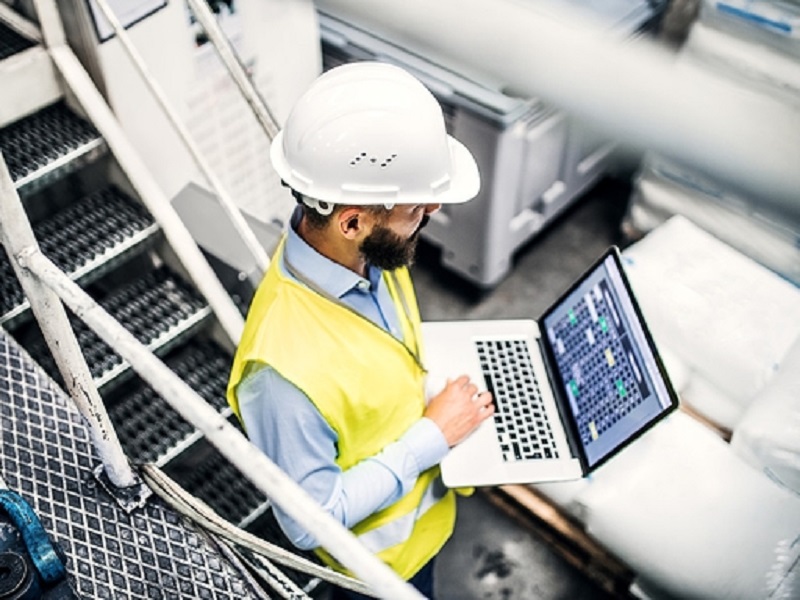
One of the most important trends shaping today’s energy sector is the transition from conventional grid management to intelligent digital operations. Modern transmission and distribution networks generate enormous amounts of operational data from substations, transformers, switchgear and protection devices. Advanced automation platforms continuously collect and analyze this information, enabling operators to identify abnormal conditions earlier and respond more quickly to changing network requirements.
Artificial intelligence is becoming increasingly valuable in power system management. AI-powered applications can analyze historical operating data, forecast electricity demand and recommend actions that improve network stability. Utilities are also using intelligent software to optimize maintenance schedules, detect equipment abnormalities and reduce the likelihood of unexpected outages. These technologies help operators improve asset utilization while supporting the reliable delivery of electricity across increasingly complex power networks. GE Vernova has continued expanding GridOS software and AI initiatives aimed at coordinated transmission operations and grid-edge intelligence.
Another major development is the modernization of substations through digital automation. Intelligent protection relays, automated switching systems and advanced communication networks enable faster fault detection and more efficient restoration following disturbances. Digital substations also improve data availability, allowing engineers to monitor equipment health remotely and make more informed operational decisions.
Renewable energy integration continues to reshape utility operations. Solar farms, wind power facilities and battery energy storage systems introduce greater variability into electricity generation, requiring more sophisticated grid management strategies. Intelligent automation platforms provide real-time coordination between conventional generation and renewable resources, helping maintain grid stability while increasing the use of clean energy.
Condition monitoring is becoming a key component of modern asset management. Continuous monitoring of transformers, circuit breakers and other critical electrical assets allows utilities to detect early signs of equipment deterioration before failures occur. Predictive maintenance strategies reduce emergency repairs, extend equipment service life and improve long-term reliability while lowering maintenance costs. GE Vernova’s grid automation solutions continue to expand monitoring and diagnostic capabilities for critical electrical assets.
Cybersecurity remains a critical priority as utilities expand digital connectivity. Modern grid automation systems incorporate secure communication protocols, access management and network monitoring to protect operational technology from evolving cyber threats. As electrical infrastructure becomes increasingly connected, maintaining secure and resilient operations is essential for ensuring uninterrupted power delivery.
Remote operations are also transforming utility management. Engineers can supervise substations, analyze system performance and respond to operational events from centralized control centers. This capability improves coordination across geographically distributed power networks while reducing response times during abnormal operating conditions.
Growing electricity demand from AI computing facilities and advanced manufacturing is creating new requirements for grid expansion. Utilities are investing in intelligent automation, transmission upgrades and digital energy management systems capable of supporting higher electrical loads without compromising reliability. Integrated electrification solutions are becoming increasingly important as industries continue to expand energy-intensive operations. GE Vernova has highlighted integrated electrification technologies designed to support growing transmission capacity and large new industrial loads.
Looking ahead, digital grid automation, artificial intelligence and predictive asset management will continue to define the future of the global energy sector. Utilities that invest in connected infrastructure and intelligent operational technologies will be better positioned to improve service reliability, optimize asset performance and support the accelerating transition toward cleaner and more resilient power systems.
As energy networks continue to evolve, GE Vernova’s ongoing investment in intelligent grid automation, digital software platforms and advanced monitoring technologies demonstrates how automation is becoming the foundation of next-generation electrical infrastructure, enabling utilities to build smarter, more efficient and more sustainable power systems.