

ProductPRODUCT
Featured products
Contact Us
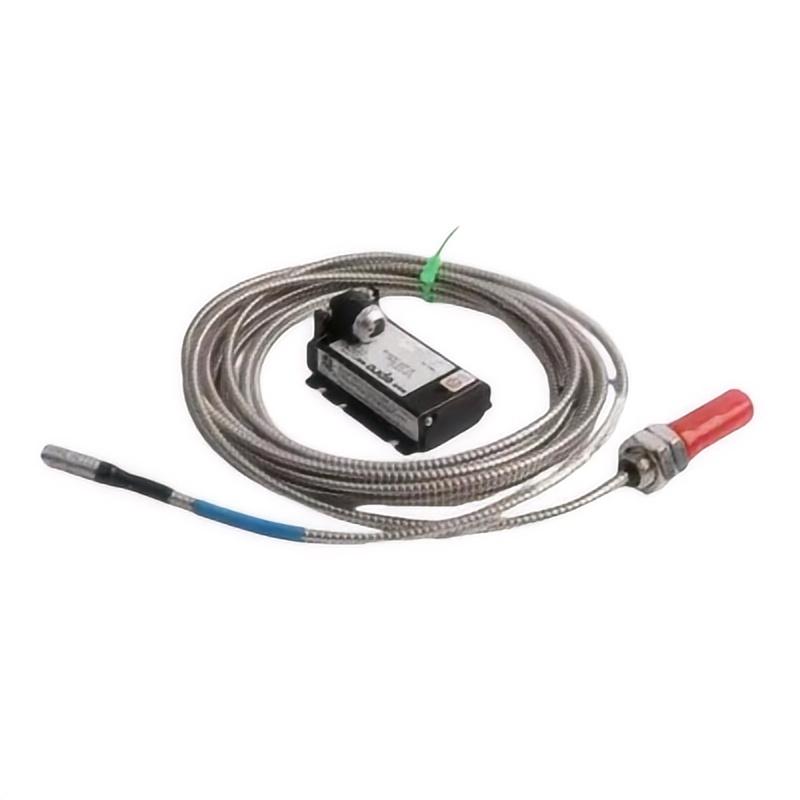
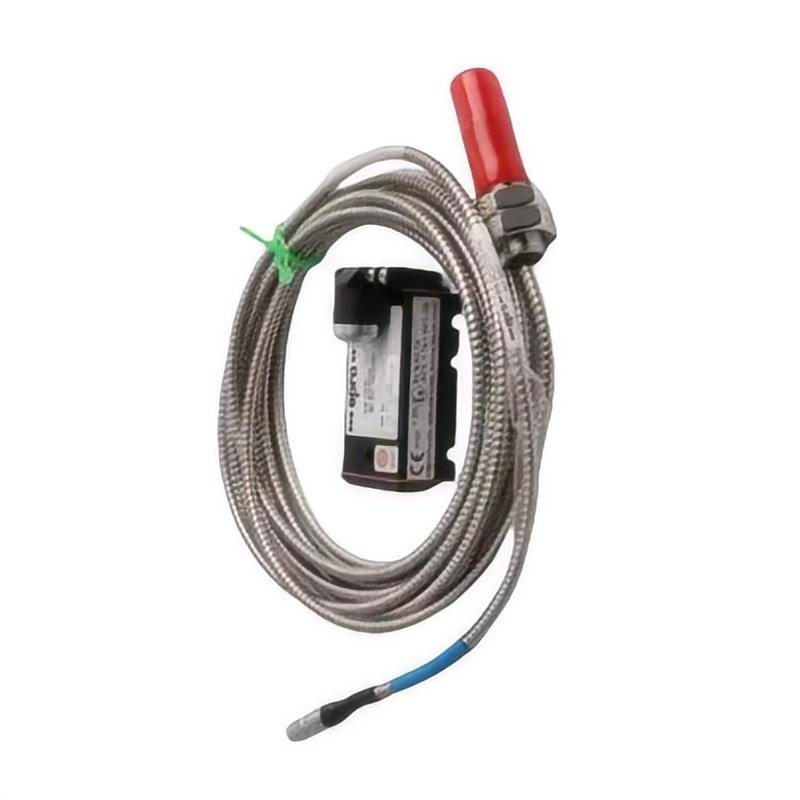
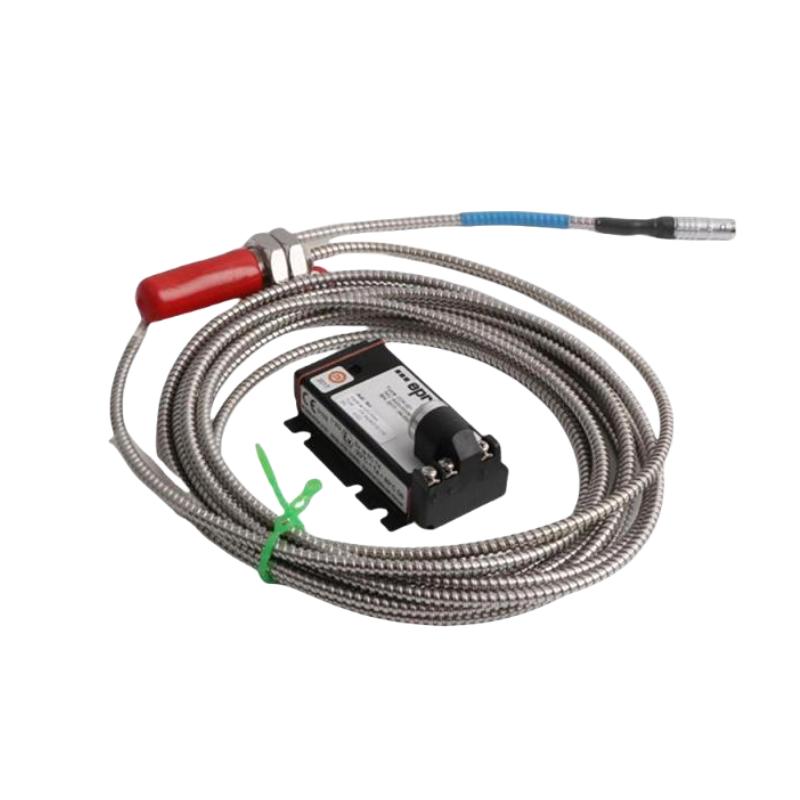
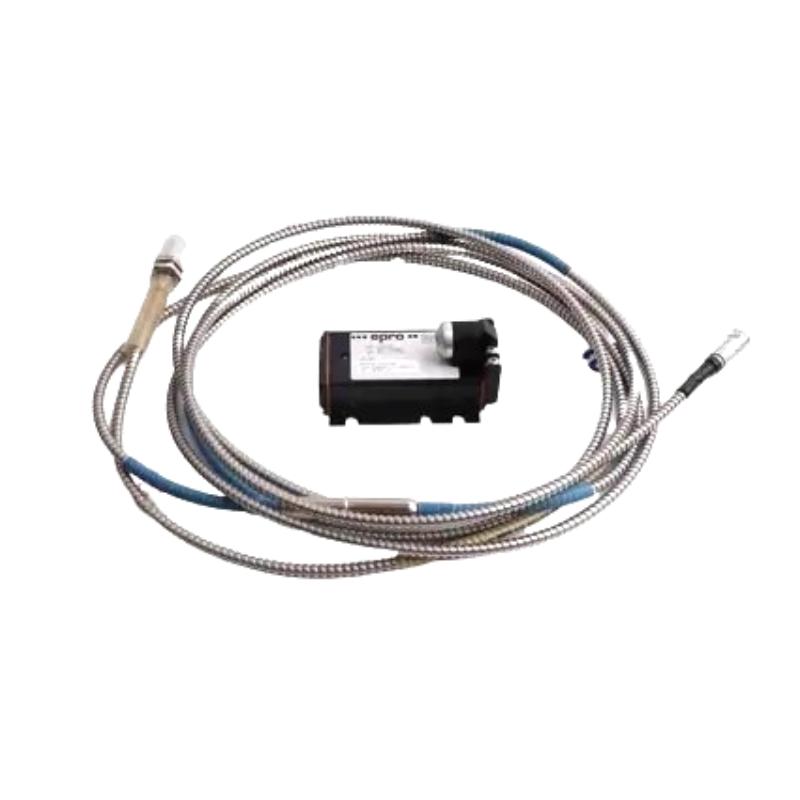
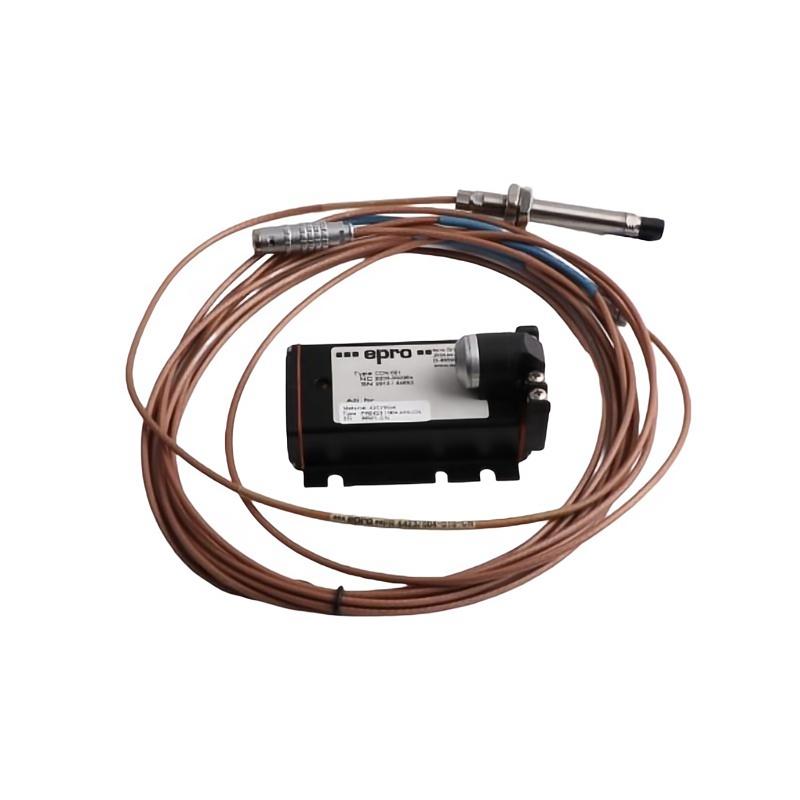
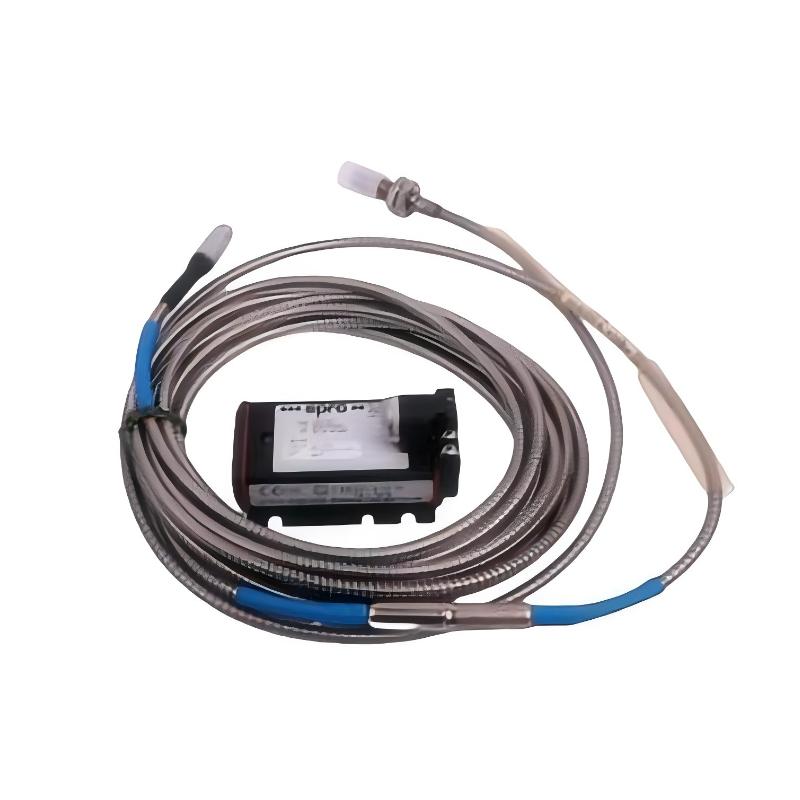
- Epro
- PR6424/009-121
- 16 mm Eddy Current Sensor
- Germany
- 16 mm
- 0.2 kg
- Xiamen, China
- New & In Stock
- T/T, PayPal, Western Union
- 1 Year
- 1-3 Working Days
- DHL, UPS, TNT, FedEx and EMS.
- 24-Hour Service
- COO
- 4
Our advantage

Global Logistics
We have a 10-year logistics and express cooperation agreement, so our products can be shipped to any place in the world.

Brand new and original
Our products are imported in bulk from the place of origin. Because of the cooperative relationship, our products are all original and 100% new.

24-hour service
We provide 7*24 hours service to our customers. We will be there whenever you need us.

Price advantage
All our products are priced very favorably because we have our own warehouse and supply.
| Company Information | |||
| [email protected] | |||
| Mobile | +8615980777398 | ||
| +8615980777398 | |||
| 15980777398 |
Product Overview
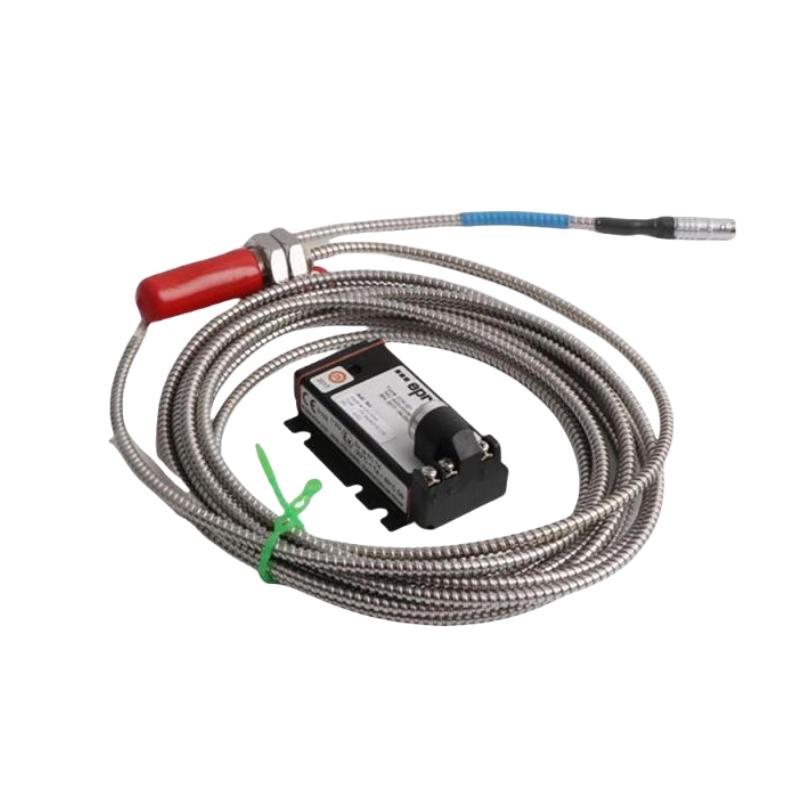
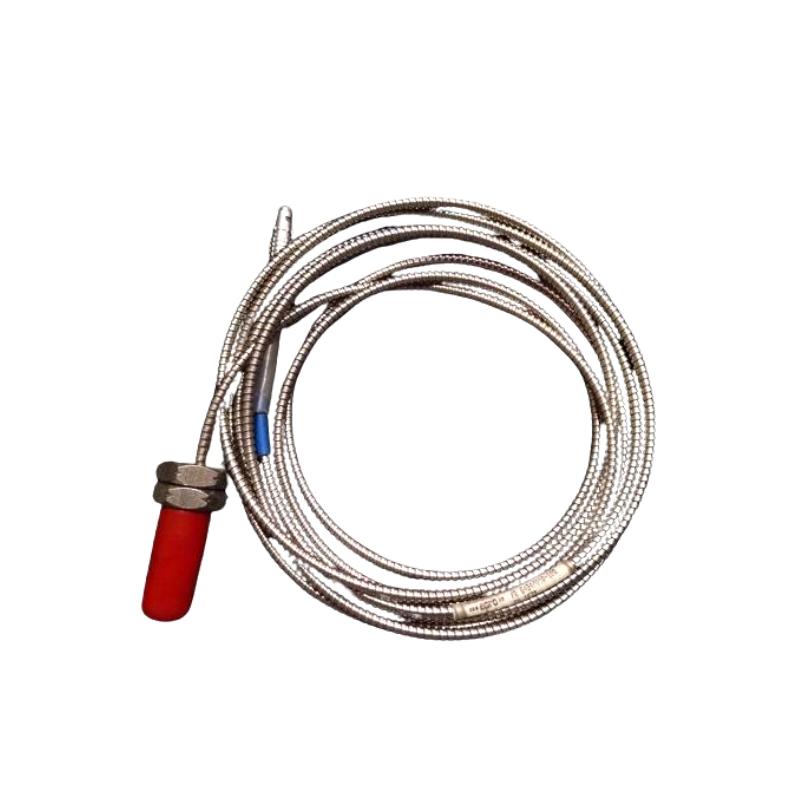
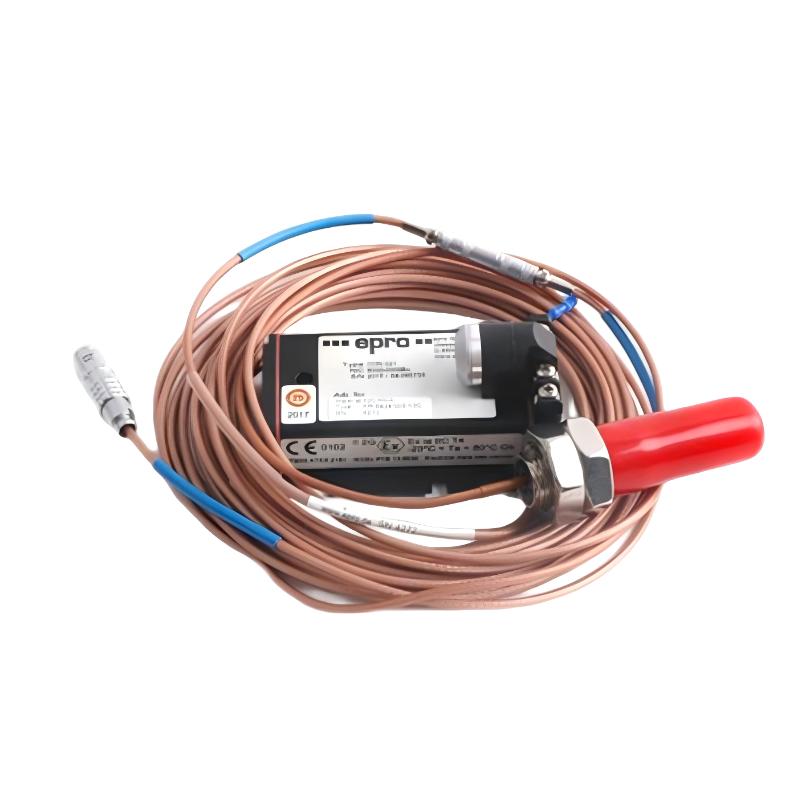
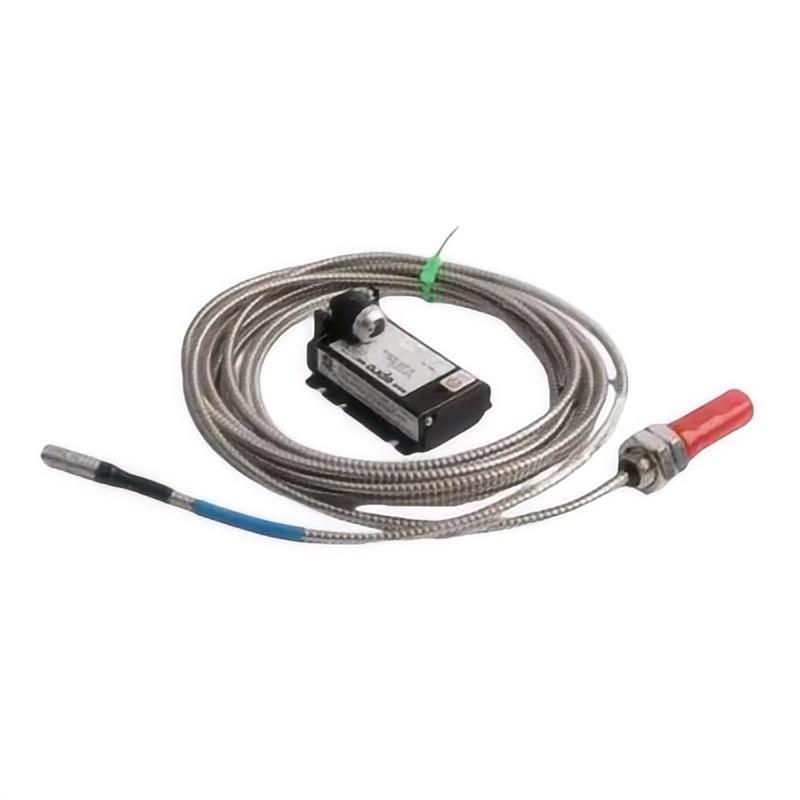
The EPRO PR6424/009-121 16 mm Eddy Current Sensor is a non-contact displacement sensor designed for monitoring the operating condition of critical rotating machinery. It belongs to the PR6424 sensor family associated with Emerson EPRO machinery protection and condition-monitoring systems.
The sensor uses eddy current technology to measure the distance between its sensing tip and a conductive target, typically a ferromagnetic steel shaft. Changes in this distance are converted into an electrical signal that can be processed by a compatible signal converter and machinery monitoring system.
Unlike contact-based measurement devices, the PR6424 sensor does not need to touch the rotating shaft. This makes it suitable for continuous monitoring of shaft vibration, radial and axial displacement, shaft position, eccentricity, and other dynamic characteristics.
The PR6424 series is designed for demanding rotating-equipment applications, including steam turbines, gas turbines, compressors, pumps, and industrial fans. These machines often operate continuously and require reliable condition monitoring to identify abnormal shaft movement before it develops into a more serious mechanical problem.
The PR6424/009-121 has a nominal sensor head diameter of 16 mm and a supplied listing weight of 0.2 kg. Its complete suffix should be checked when selecting a replacement because cable length, connector arrangement, and other configuration details can affect compatibility with the existing monitoring system.
Technical Specifications
| Parameter | Specification |
|---|---|
| Brand | EPRO |
| Manufacturer | Emerson |
| Model | PR6424/009-121 |
| Product Series | PR6424 |
| Product Type | Eddy Current Sensor |
| Sensor Technology | Non-contact eddy current |
| Sensor Head Diameter | 16 mm |
| Sensitivity | 4 V/mm |
| Linearity | ≤ ±1.5% |
| Static Measuring Range | ±2.0 mm |
| Dynamic Measuring Range | 0–1,000 μm |
| Nominal Center Air Gap | Approximately 2.7 mm |
| Long-Term Drift | Less than 0.3% |
| Target Material | Ferromagnetic steel |
| Standard Target Material Reference | 42CrMo4 steel |
| Minimum Shaft Diameter | 80 mm |
| Sleeve Material | Stainless steel |
| Cable Material | PTFE |
| Operating Temperature | Depends on the applicable sensor and cable configuration |
| Weight | 0.2 kg |
| Typical Applications | Turbines, compressors, pumps, fans, and rotating machinery |
Note: The specifications above describe the PR6424 sensor family. Confirm the exact operating-temperature limits, cable length, connector, and suffix-specific configuration against the product label and applicable documentation before ordering.
Function and Working Principle
The PR6424/009-121 uses electromagnetic induction to measure the distance between the probe and a conductive metal target. This measurement principle allows the sensor to monitor shaft movement without physical contact.
1. Eddy Current Measurement
An alternating electrical signal inside the probe creates a magnetic field around the sensing tip. When a conductive metal shaft approaches the tip, eddy currents are generated in the target material.
These currents influence the electromagnetic field and change the electrical characteristics of the probe. The resulting signal varies with the distance between the sensor and the target.
A compatible signal converter processes this change and produces a measurement signal for the machinery monitoring system.
2. Shaft Displacement Measurement
The sensor can measure changes in the distance between the probe and the shaft surface. When installed in the correct orientation, it can monitor radial or axial shaft displacement.
For example, a probe positioned near a rotating shaft can detect changes in shaft position as the machine operates. These changes may indicate mechanical movement, bearing-related problems, thermal expansion, or other operating conditions.
3. Shaft Vibration Monitoring
Rotating shafts may experience vibration due to imbalance, misalignment, bearing deterioration, looseness, or changes in operating conditions.
The PR6424 sensor detects dynamic changes in the shaft-to-probe gap. The resulting signal can be analyzed by a compatible monitoring system to assess vibration amplitude and trends.
This information supports machinery condition monitoring and maintenance planning.
4. Position and Eccentricity Monitoring
In addition to vibration, eddy current probes can measure shaft position and eccentricity.
Position measurements help operators understand the shaft’s location relative to the probe during operation. Eccentricity measurements can provide information about uneven shaft movement, particularly during startup and low-speed operation.
These measurements are important in machinery where shaft clearance and alignment affect safe operating conditions.
5. Signal Conditioning
The probe is part of a measurement system rather than a standalone digital monitoring device. Its electrical signal must be processed by a compatible converter before it can be used by a machinery protection or condition-monitoring system.
The converter, extension cable, probe, and monitoring channel must be configured as a compatible measurement chain.
Role in Industrial Machinery Monitoring Systems
The PR6424/009-121 can serve as a sensing element in a machinery protection system. Its measurements provide information about the mechanical behavior of rotating equipment.
Turbine Protection
Steam and gas turbines contain high-speed rotating shafts and precision bearing assemblies. Shaft displacement and vibration monitoring help operators identify abnormal operating conditions.
A properly installed PR6424 probe can provide shaft movement information to a compatible turbine monitoring system.
Compressor Condition Monitoring
Industrial compressors are widely used in petrochemical plants, refineries, gas processing facilities, and manufacturing operations.
Shaft vibration and position measurements help maintenance teams monitor compressor behavior and identify changes that may require inspection.
Pump Monitoring
Large industrial pumps may operate continuously under changing flow and pressure conditions. Monitoring shaft movement can help identify abnormal vibration and mechanical changes.
The sensor can be used as part of a broader monitoring arrangement that includes vibration channels, bearing temperature measurements, and process instrumentation.
PLC and DCS Integration
The probe itself does not function as a conventional PLC input module. Its signal is normally processed through a compatible signal converter or machinery monitoring channel.
The resulting measurement information can then be made available to a PLC, DCS, or plant monitoring platform, depending on the installed system architecture.
Engineers should verify the signal type, converter configuration, and monitoring-system input requirements before designing the interface.
Industrial Applications
1. Steam Turbines
Steam turbines are important in power generation and industrial steam systems. Their rotating shafts require continuous monitoring to identify abnormal vibration and displacement.
The PR6424 sensor can be installed at suitable measurement positions to monitor shaft movement relative to the bearing housing.
2. Gas Turbines
Gas turbines operate under demanding mechanical and thermal conditions. Shaft vibration and position monitoring are important elements of machinery protection.
A compatible PR6424 measurement channel can provide information about shaft movement during operation and help support maintenance decisions.
3. Industrial Compressors
Centrifugal and other high-speed compressors are used in gas processing, chemical production, and refinery operations.
Non-contact shaft monitoring can help identify changes in vibration and shaft position that may be associated with mechanical deterioration.
4. Industrial Pumps
Large pumps in power plants, water treatment facilities, and process industries may require continuous monitoring.
The sensor can contribute to a condition-monitoring arrangement designed to detect abnormal shaft movement and support maintenance planning.
5. Industrial Fans
Large fans and ventilation systems may experience imbalance, misalignment, or bearing-related vibration.
Where the machine design and monitoring requirements justify shaft displacement measurement, an eddy current probe can provide useful operating information.
Installation and System Integration
Correct installation is essential for measurement accuracy and stable operation.
1. Confirm the Sensor Configuration
Before installation, verify the complete PR6424/009-121 model number. Check the sensor head, cable length, connector arrangement, and any extension cable or adapter included in the measurement system.
A probe with the same diameter may still have a different electrical or mechanical configuration.
2. Select the Correct Mounting Position
The sensor should be mounted at the measurement location specified by the machinery monitoring design.
For shaft vibration measurement, the probe must be positioned with the correct orientation and clearance relative to the shaft surface.
The mounting arrangement should provide adequate mechanical stability and prevent unwanted movement of the probe during machine operation.
3. Set the Initial Air Gap
The distance between the probe tip and the target shaft must be adjusted according to the sensor system’s specifications.
The PR6424 family has a nominal center air gap of approximately 2.7 mm. The actual installation gap should be established using the applicable calibration and commissioning instructions.
Incorrect initial clearance can reduce the available measurement range or cause signal errors.
4. Verify Target Material
Eddy current sensor performance depends on the electrical and magnetic properties of the target material.
The PR6424 specification references ferromagnetic steel, with 42CrMo4 as the standard target material. If the shaft uses a different material or surface treatment, the measurement system’s calibration suitability should be confirmed.
5. Route and Protect the Cable
The sensor cable should be routed away from sources of strong electromagnetic interference where practical.
Avoid sharp bends, excessive pulling force, and damage to the cable insulation. Maintain the specified bending radius and use suitable cable protection in areas exposed to mechanical damage.
6. Connect the Signal Converter
Connect the probe to the appropriate compatible signal converter and verify the complete measurement chain.
The probe, extension cable, connector, converter, and monitoring channel must be compatible. Incorrect combinations may cause inaccurate measurements or unstable signals.
7. Commission the Measurement Channel
After installation, verify the initial gap, signal level, polarity, and measurement response.
Compare the displayed values with the expected shaft condition and confirm that the monitoring channel responds correctly to changes in shaft position.
Record the installation details and calibration information for future maintenance.
Compatible System Components
The PR6424/009-121 is normally used as part of a complete eddy current measurement system.
| Component | Function | Compatibility Considerations |
|---|---|---|
| PR6424 sensor probe | Detects shaft displacement and vibration | Confirm exact probe model and cable configuration |
| Signal converter | Processes the probe signal | Must match the sensor’s electrical characteristics |
| Extension cable | Connects the probe to the converter | Verify cable type, length, and connector compatibility |
| Machinery monitoring module | Receives and evaluates measurement signals | Confirm input channel and measurement configuration |
| PLC | Coordinates plant control functions | Usually receives processed measurement information |
| DCS | Provides plant-level monitoring and control | Verify signal interface and engineering configuration |
| Machinery protection system | Monitors critical rotating equipment | Confirm channel type and protection settings |
| Mounting bracket or probe holder | Secures the sensor near the shaft | Ensure mechanical stability and correct installation clearance |
The components listed above are examples of a typical measurement arrangement. They are not necessarily supplied with the sensor.
Alternative Models and Replacement Considerations
The PR6424 series includes different probe configurations. Selecting a replacement requires more than matching the 16 mm sensor diameter.
| Alternative or Related Component | Replacement Considerations |
|---|---|
| Other EPRO PR6424 probes | Compare the full model suffix, cable length, connector, and mechanical dimensions |
| PR6424 probes with different cable configurations | Confirm electrical and mechanical compatibility with the existing system |
| Compatible CON021 signal converter | Verify the converter’s compatibility with the probe and extension cable |
| Compatible CON041 signal converter | Confirm the exact measurement-system configuration before substitution |
| Complete PR6424 measurement chain | Check probe, extension cable, converter, and monitoring channel as one system |
Before replacing a PR6424/009-121, verify:
- Complete sensor catalog number.
- Sensor head diameter and mounting thread.
- Cable length and cable type.
- Connector and adapter configuration.
- Initial air-gap requirements.
- Target shaft material.
- Signal converter model.
- Monitoring-system channel configuration.
- Calibration and measurement-range requirements.
A replacement sensor should not be selected solely because it has the same 16 mm head diameter. Differences in cable configuration or converter compatibility may affect the entire measurement chain.
Key Advantages
Non-Contact Measurement
The sensor measures shaft movement without touching the rotating surface, avoiding the mechanical wear associated with contact-based measurement.
Suitable for Critical Rotating Machinery
The PR6424 family is designed for monitoring applications involving turbines, compressors, pumps, and other rotating equipment.
High Measurement Sensitivity
The family specification provides a nominal sensitivity of 4 V/mm, supporting measurement of small changes in shaft-to-probe distance.
Dynamic Displacement Monitoring
The sensor can be used to monitor dynamic shaft movement and vibration when installed with a compatible signal-conditioning system.
Industrial Construction
The stainless steel sleeve and PTFE cable construction are intended for industrial measurement applications. The applicable environmental limits should be checked for the exact configuration.
Integration with Machinery Monitoring Systems
With a compatible converter and monitoring channel, the sensor can provide information for machinery condition monitoring and protection strategies.
Technical FAQs
1. What is the EPRO PR6424/009-121?
It is a 16 mm eddy current sensor designed for non-contact measurement of shaft displacement, vibration, position, and eccentricity in rotating machinery.
2. What is the sensor head diameter?
The nominal sensor head diameter is 16 mm.
3. What is the measurement principle?
It uses eddy current technology. An electromagnetic field interacts with the conductive target, and changes in the sensor-to-target distance affect the electrical signal.
4. What is the sensitivity of the PR6424 series?
The published family specification gives a sensitivity of 4 V/mm, with linearity of no more than ±1.5%.
5. What is the measuring range?
The family specification lists a static range of ±2.0 mm and a dynamic range of 0–1,000 μm.
6. Which machines can use this sensor?
Typical applications include steam turbines, gas turbines, compressors, pumps, and industrial fans.
7. Does the sensor connect directly to a PLC?
It is normally connected to a compatible signal converter or machinery monitoring channel. The processed measurement signal can then be integrated into a PLC or DCS architecture where appropriate.
8. What is the typical center air gap?
The PR6424 family specification gives a nominal center air gap of approximately 2.7 mm. The actual installation setting should follow the applicable calibration procedure.
9. Why is the complete model suffix important?
The suffix identifies the particular probe and cable configuration. Cable length, connector arrangement, and other configuration differences can affect replacement compatibility.
10. What should be checked before purchasing a replacement?
Confirm the full model number, probe diameter, mounting dimensions, cable configuration, connector type, converter compatibility, and monitoring-system requirements.
Procurement and Maintenance Recommendations
When sourcing the EPRO PR6424/009-121, verify the complete part number on the sensor label. Confirm that the offered unit matches the required cable and connector configuration.
For replacement projects, compare the new probe with the installed sensor and check the complete measurement chain. The extension cable, converter, and monitoring channel should be reviewed together to avoid compatibility problems.
During maintenance, inspect the probe tip, cable insulation, connector, mounting arrangement, and cable routing. Look for mechanical damage, loose connections, contamination, or signs of excessive heat exposure.
If the measurement signal becomes unstable, investigate the initial air gap, cable condition, connector integrity, converter configuration, grounding, and target shaft condition.
Keep a record of the sensor model, installation position, initial gap, converter settings, and commissioning results. This information can help maintenance teams identify suitable replacement parts and restore the monitoring channel more efficiently.
Conclusion
The EPRO PR6424/009-121 16 mm Eddy Current Sensor is designed for non-contact measurement of shaft displacement and vibration in critical rotating machinery. Its 16 mm sensor head, eddy current measurement principle, and compatibility with appropriate signal-conditioning equipment make it relevant to turbine, compressor, pump, and fan monitoring applications.
For maintenance and replacement projects, accurate model identification is essential. Confirm the full suffix, cable configuration, connector, mounting requirements, and compatible signal converter before selecting a replacement sensor.